A safe nurturing classroom makes all the difference when you’re choosing early childhood education in Haverhill, MA or a Nashua NH daycare. You want more than just care—you want a place where your child feels secure, grows emotionally, and learns through positive guidance. This post breaks down the key signs of preschool safety practices and how a strong parent-teacher partnership supports your child’s development every step of the way. Learn more about creating positive learning environments in early childhood.
Creating a Safe, Nurturing Classroom
Environment and Routines
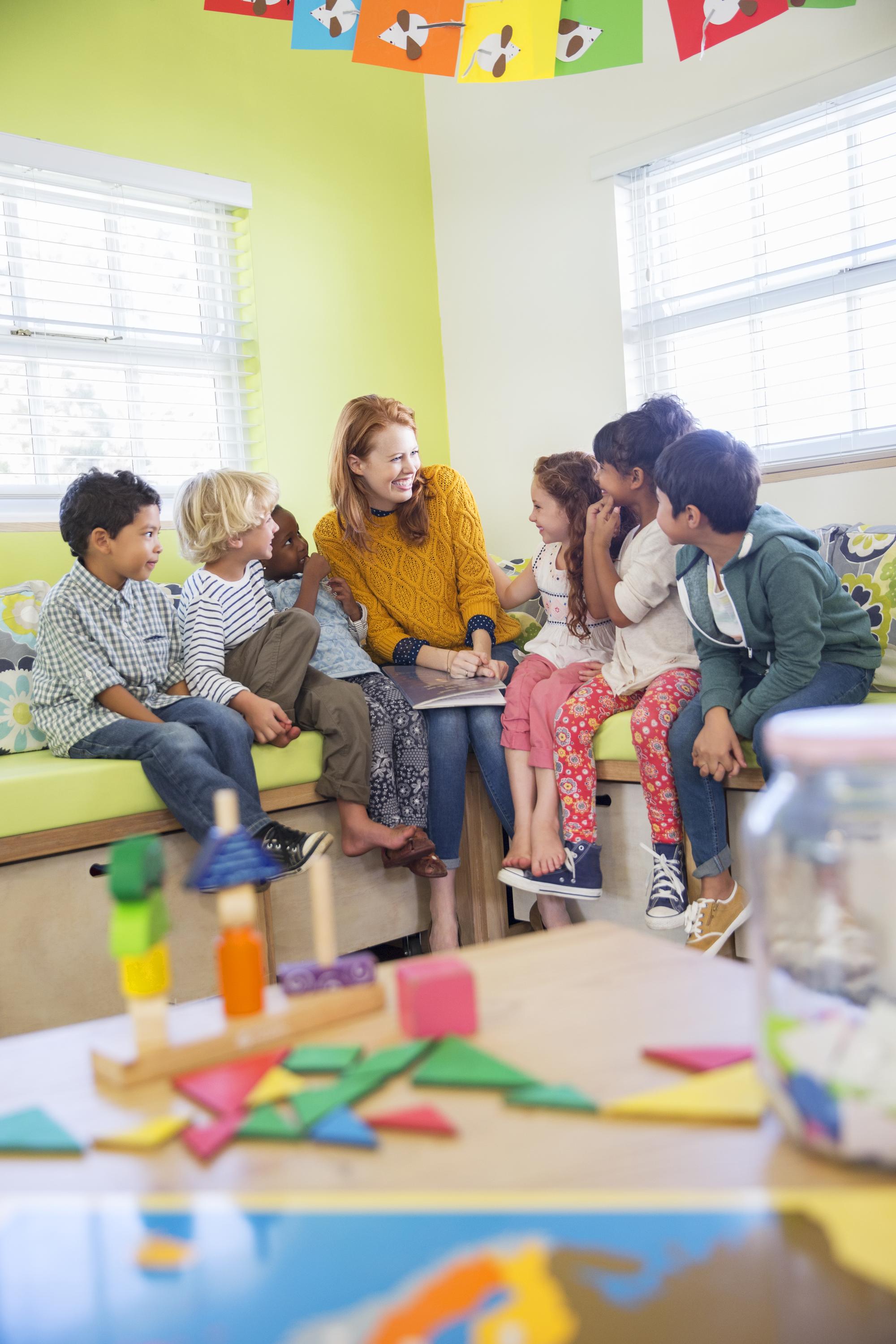
A nurturing classroom provides the foundation for growth and learning. It’s where children feel secure and ready to explore. Clear routines and a well-organized space help children know what to expect, making them feel confident and comfortable.
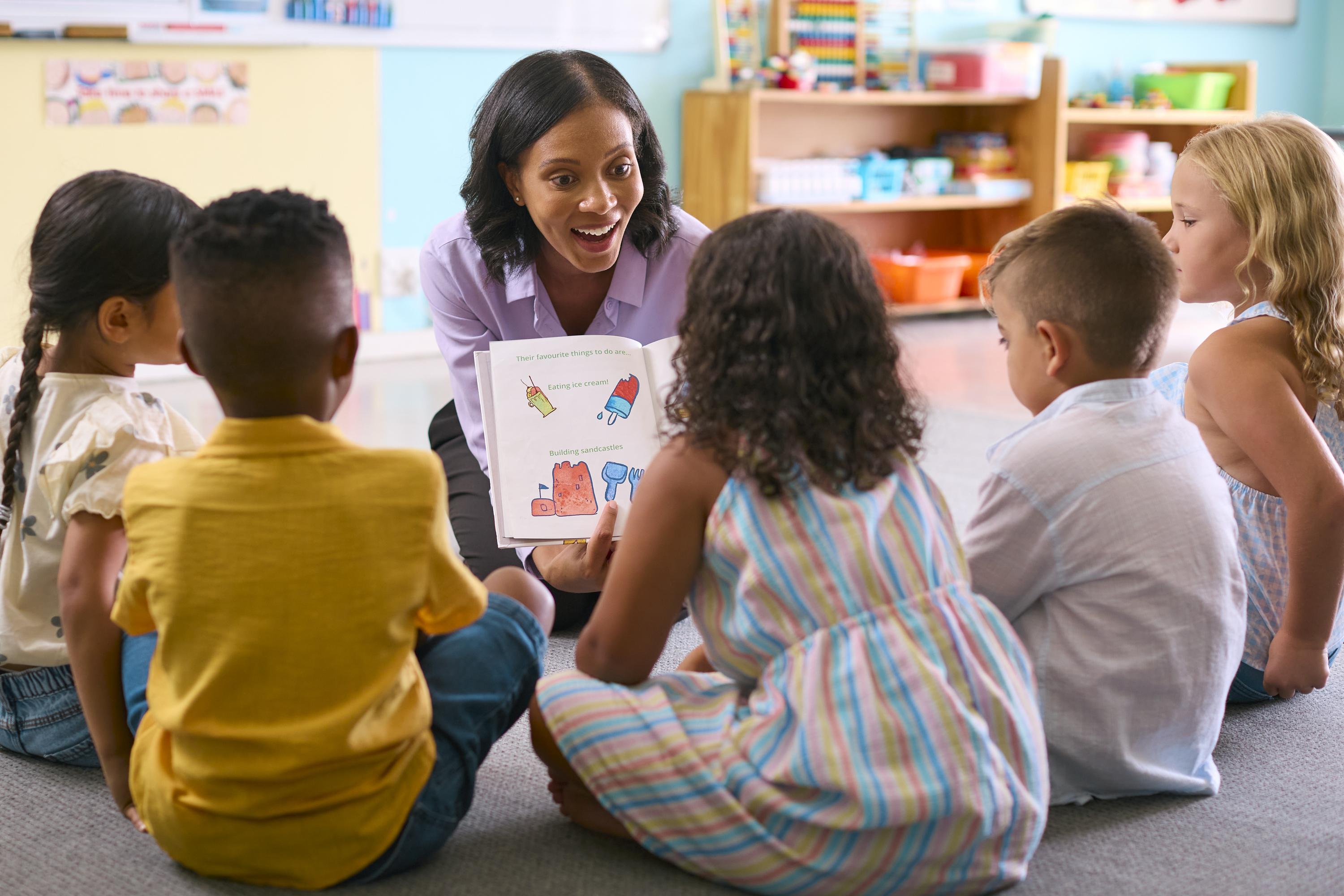
In such an environment, children thrive through structured activities that balance play and learning. Each day includes moments for creativity, storytelling, and physical activity, all designed to support development. Classrooms are equipped with age-appropriate materials that encourage exploration and discovery, fostering an atmosphere where children love to learn.
Teacher-Child Interactions
The heart of a nurturing classroom is the bond between teachers and children. Teachers who engage with warmth and patience make children feel valued and understood. They listen attentively, respond to children’s needs, and provide encouragement in a way that builds trust.
These interactions go beyond academics. Teachers also support social skills by guiding children in sharing and collaborating with peers. This helps build a sense of community within the classroom, where each child feels like an important part of the group.
Positive Guidance in Preschool
Positive guidance shapes the way children learn and behave. In preschools that emphasize this approach, teachers use encouragement and clear expectations to help children understand their actions. This builds self-esteem and teaches children to make thoughtful choices.
Instead of focusing on what not to do, positive guidance highlights good behavior. For example, praising a child for sharing toys reinforces kindness. This method helps children develop a sense of responsibility and respect, preparing them for future school environments.
Key Safety Practices and Benefits
Preschool Safety Practices
Safety is paramount in early childhood education. Preschools implement comprehensive safety practices to ensure children are protected and well-cared for. Entry systems, regular staff training, and childproofing measures are standard protocols that give parents peace of mind.
Classrooms are designed to minimize risks, with secure exits and age-appropriate furniture. Routine safety drills prepare both staff and children for emergencies, reinforcing a sense of security. Parents can feel confident knowing that their child is in a safe setting that supports their well-being.
Health and Safety Measures
Health practices in preschools maintain a clean and nurturing environment. Regular handwashing, sanitized surfaces, and well-maintained facilities reduce the spread of germs. Teachers model healthy habits, encouraging children to follow suit.
Meal and snack times are carefully managed to ensure nutrition and safety. Children enjoy balanced meals that support growth and energy throughout their day. These measures contribute to a healthy atmosphere where children can thrive physically and emotionally.
FAA and Federal Employee Childcare
For families connected to the FAA or federal employment, flexible childcare options are essential. Programs like The Launching Pad by Basic Beginnings offer extended hours and priority placement, accommodating varying work schedules. This ensures that quality care is accessible when needed.
Parents benefit from these flexible arrangements, knowing their children are in a safe, engaging environment. This support allows families to balance work and childcare seamlessly, providing an invaluable resource for those with demanding jobs.
Building Trust and Partnerships
Parent-Teacher Partnership
A strong parent-teacher partnership is crucial for a child’s success. Open communication between home and school ensures that each child’s needs are understood and met. Parents are encouraged to share insights about their child, fostering a collaborative approach to education.
This partnership empowers parents to be active participants in their child’s learning journey. Teachers provide updates on progress and development, offering strategies to support learning at home. Together, they create a cohesive support system that enhances a child’s growth.
Individualized Learning Approach
Children learn best when teaching is tailored to their unique needs and interests. An individualized learning approach recognizes each child’s strengths and areas for growth. Teachers adapt activities to match different learning styles, ensuring every child is engaged and challenged.
By focusing on personalized learning, preschools help children develop confidence and a love for learning. This approach prepares them for future educational success, equipping them with the skills and knowledge they need to thrive.
Enroll and Schedule a Tour
Choosing the right preschool is a significant decision for any parent. Visiting a center in person provides insight into the environment, staff, and daily activities. Scheduling a tour allows families to see firsthand how a nurturing classroom operates.
During a tour, parents can ask questions and observe interactions, gaining a clear understanding of what makes the school unique. This experience helps parents feel confident in their choice, ensuring their child is placed in a supportive and enriching setting.
Frequently Asked Questions
What should I look for in a safe, nurturing classroom? Look for a classroom with well-defined routines, age-appropriate materials, and attentive teachers who foster a positive environment. Safety measures and open communication between parents and educators are also key indicators of a nurturing space.
How do preschools ensure the safety of my child? Preschools implement safety practices such as secure entry systems, regular drills, and staff training. Classrooms are designed to be child-friendly, minimizing risks. Regular communication with parents ensures everyone is informed and prepared.
What role do parents play in their child’s preschool experience? Parents are vital in supporting their child’s learning by communicating with teachers and reinforcing skills at home. They collaborate with educators to tailor the educational experience, ensuring it meets their child’s needs and fosters development.
How can flexible childcare options benefit my family? Flexible childcare options accommodate varying work schedules, providing care when needed. This is especially beneficial for families with non-traditional work hours, ensuring that quality care is always accessible without disrupting family routines.
Why is individualized learning important in early childhood education? Individualized learning ensures that teaching is tailored to each child’s needs, promoting engagement and growth. It helps build confidence and fosters a love for learning, preparing children for future academic success.
Play, routine, and gentle guidance build the foundation your child needs for kindergarten readiness. When children learn through play-based learning, supported by predictable routines and positive guidance, they develop key social-emotional skills that help them thrive. At Basic Beginnings, we tailor this approach to each child, making early childhood education a joyful and meaningful experience. Keep reading to see how our flexible programs in Haverhill and Nashua support your family’s needs. For more information on kindergarten readiness, check out this kindergarten readiness checklist.
The Power of Play
Play is more than just fun; it’s a vital part of learning. Through play, children explore the world, build skills, and form connections that set the stage for future learning. At Basic Beginnings, we embrace this natural way of learning.
Play-Based Learning Foundations
At the heart of our programs is play-based learning. This approach allows children to learn at their own pace, encouraging curiosity and exploration. Imagine a child stacking blocks. They’re not just playing; they’re learning about balance, gravity, and problem-solving. Through storytelling and role-playing, children develop language and social skills. Here’s the key insight: Play transforms abstract concepts into tangible experiences.
Our centers in Haverhill and Nashua are designed to foster this playful learning. We provide spaces where children can explore safely, supported by teachers who guide them in discovering new ideas. This environment nurtures creativity and independence, ensuring each child develops at their own unique pace.
Enhancing Social-Emotional Development
Social-emotional skills are crucial for a child’s growth. Through interactive play, children learn to communicate, collaborate, and empathize with others. This development is foundational for kindergarten readiness. Most people think academic skills are the most critical for school, but emotional intelligence plays an equally significant role.
Our programs focus on activities that build these skills. Whether it’s sharing toys or resolving conflicts, children practice essential social interactions daily. These moments teach patience, cooperation, and understanding. By fostering a supportive community, Basic Beginnings helps children form meaningful relationships, preparing them for a smooth transition to school.
The Role of Routine
Routine provides children with a sense of security and predictability. It helps them understand the world around them and sets the stage for successful learning experiences. At Basic Beginnings, predictable routines form the backbone of our daily schedule.
Establishing Predictable Routines
Consistency is key in early childhood education. Our programs incorporate structured routines that balance learning and play. This structure helps children know what to expect, reducing anxiety and building confidence. For instance, starting the day with circle time sets a positive tone, while regular meal and nap times help maintain a calm environment.
These routines are not just about timing; they are about creating a rhythm that supports learning. By knowing when to expect certain activities, children can fully engage in each moment. This stability allows them to focus on exploring and learning new skills, contributing to their overall development.
Building School Readiness Skills
Developing school readiness skills is a gradual process. Through routine, children learn vital skills like time management, responsibility, and independence. These are not just academic skills but life skills that will benefit them long into the future. Did you know that children who follow routines are more likely to adapt to school schedules effectively?
Basic Beginnings emphasizes activities that support these skills. From cleaning up after playtime to following multi-step directions, children practice skills that prepare them for school. This foundation in daily routines ensures they are ready to take on the challenges of kindergarten and beyond.
Gentle Guidance Approach
Gentle guidance is essential in nurturing a child’s growth. It involves teaching children to navigate their emotions and behavior positively. At Basic Beginnings, our approach combines empathy with structure, supporting children as they learn.
Positive Guidance Techniques
We believe in guiding rather than directing. Positive guidance involves setting clear expectations and offering choices. When children know what is expected, they are more likely to respond positively. For example, offering choices between activities helps them feel empowered and respected.
Our teachers use strategies like redirection and positive reinforcement to encourage desirable behaviors. This approach helps children develop self-discipline and improve decision-making skills. It’s about teaching children to understand and manage their emotions, leading to a harmonious learning environment.
Parent-Teacher Partnerships in Action
A strong partnership between parents and teachers is crucial for a child’s development. At Basic Beginnings, we value this collaboration and actively involve parents in their child’s learning journey. Most people think teachers handle everything, but parents play a pivotal role too.
Regular communication ensures everyone is aligned on the child’s progress and needs. We encourage parents to share insights about their child’s preferences and routines. This partnership creates a consistent support system, enhancing the child’s learning experience both at home and school.
Frequently Asked Questions
How does play-based learning support kindergarten readiness?
Play-based learning engages children in active exploration, which builds cognitive, social, and emotional skills. By learning through play, children develop the foundational skills necessary for school success, such as problem-solving, communication, and cooperation.
What are the benefits of predictable routines for children?
Predictable routines provide children with a sense of security, helping them understand daily expectations. Routines support emotional stability, time management, and independence, all of which are critical for adapting to a school environment.
How can parents be involved in their child’s learning at Basic Beginnings?
Parents can engage in regular communication with teachers to stay informed about their child’s progress. Sharing insights about their child’s interests and routines allows parents to collaborate effectively with educators, reinforcing learning at home.
What role does gentle guidance play in early childhood education?
Gentle guidance helps children develop self-discipline and emotional regulation. By offering choices and setting clear expectations, children learn to make positive decisions, fostering an environment conducive to learning.
Why is a parent-teacher partnership important?
A parent-teacher partnership ensures a cohesive approach to a child’s development. Regular collaboration allows for tailored learning strategies, addressing each child’s unique needs and promoting consistent support between home and school.
Safe routines for children do more than create order—they build a foundation of trust and independence that lasts a lifetime. When your child knows what to expect, they feel secure, which supports social-emotional development and confidence. At Basic Beginnings, we weave healthy routines into every part of our daily schedule in daycare, helping kids grow ready for school and life. Keep reading to learn how predictable, nurturing habits make all the difference in early childhood growth. Learn more about the importance of routines here.
Building Trust Through Routines
Safe Routines for Children
Creating a reliable schedule helps children feel secure. When kids know what comes next, they are more likely to trust their environment and the people around them. This foundation builds confidence and promotes growth.
Incorporating consistent routines in your child’s day can make a big difference. At Basic Beginnings, we focus on developing a child’s trust through structured activities and play. These routines, such as regular meal times and story sessions, offer security that children crave. You can read more about how routines benefit children here.
Whether it’s a morning greeting or a specific time for outdoor play, routines help children understand what is expected. This predictability leads to reduced anxiety and a more relaxed atmosphere, which is essential for learning and social interaction. By following a routine, children also learn the importance of time management, which is a valuable skill for future independence.
Healthy Daycare Practices
In a daycare setting, healthy practices extend beyond nutrition. They include establishing daily routines that promote physical activity, rest, and learning. These routines are crucial for a child’s well-being.
At Basic Beginnings, we ensure that children have a balance of activities. From active play sessions to quiet reading time, each part of the day is designed to help children grow. This balanced approach supports physical health and cognitive development. Discover more about structured routine benefits.
We also prioritize a clean and safe environment. Regular handwashing, healthy meals, and rest times are integral parts of our daily routine. By teaching children these habits early, we instill lifelong practices that promote health and wellness.
Social-Emotional Development
Social-emotional skills are vital for a child’s overall development. Routines play a significant role in nurturing these skills by providing a stable environment where children can explore and express emotions safely.
Through consistent interactions with caregivers and peers, children learn empathy, cooperation, and communication. At Basic Beginnings, we incorporate social-emotional learning into our daily activities, helping children recognize feelings and develop appropriate responses. See how routines help children feel safe.
By fostering positive relationships, children build self-esteem and learn to navigate social situations effectively. Our approach helps children become confident individuals ready to engage with the world around them.
Encouraging Independence in Early Childhood
As children develop trust through routines, they also gain independence. Encouraging self-reliance in early childhood sets the stage for lifelong skills in decision-making and responsibility.
Toddler Routine Schedule
Toddlers thrive on consistency. A well-structured routine helps them understand boundaries and expectations. At Basic Beginnings, our toddler programs include predictable schedules that balance play, learning, and rest.
In the classroom, toddlers participate in activities that encourage exploration and creativity. Structured playtimes allow them to discover new skills and interests. These activities also provide opportunities to practice decision-making and problem-solving, essential components of independence.
Outside the classroom, routines such as meal and naptimes further reinforce a sense of security. Regular repetition helps toddlers feel in control of their environment, boosting their confidence and eagerness to try new things.
Pre-K School Readiness
Preparing for school involves more than academics. At Basic Beginnings, we emphasize routines that promote independence and readiness for school. Our pre-K program focuses on instilling skills that children will need in a classroom setting.
Daily routines include activities that foster literacy, numeracy, and social skills. Children learn to follow instructions, work in groups, and complete tasks independently. These experiences build a foundation for school success and encourage a love of learning.
Our educators work closely with children to develop personalized learning plans. By tailoring activities to each child’s needs, we ensure they are challenged and supported in their journey to school readiness.
Infant Care Routines
Infants also benefit from structured routines. These early experiences set the stage for future growth and development. At Basic Beginnings, our infant care focuses on creating a nurturing environment through predictable daily activities.
Routines such as feeding, napping, and playtime provide a sense of security for infants. Consistency helps them develop trust in their caregivers and surroundings. This trust is crucial for emotional development and lays the groundwork for independence.
Through interactive play and gentle guidance, infants learn to explore their world. Our caregivers support their curiosity and encourage milestones like sitting up and crawling, paving the way for future independence.
Partnering with Families
For children to thrive, parents and teachers must work together. A strong partnership ensures that children receive consistent support both at home and in daycare.
Parent-Teacher Partnership
Communication is key to a successful parent-teacher partnership. At Basic Beginnings, we encourage open dialogue to support each child’s development. Regular updates and meetings keep parents informed about their child’s progress and milestones.
By working together, we can tailor routines and activities to meet a child’s specific needs. This collaboration helps children feel supported and understood, fostering a positive learning environment. Parents are integral to their child’s growth, and we value their input and expertise.
Family Engagement in Childcare
Engaging families in childcare activities builds a sense of community and belonging. At Basic Beginnings, we offer opportunities for families to participate in their child’s learning journey. Events, workshops, and volunteer opportunities allow parents to stay connected and involved.
By involving families, children see the importance of education and community. This engagement reinforces routines and provides additional support for a child’s development. Together, we create a nurturing environment that promotes growth and learning.
Flexible Childcare Solutions 🌟
Every family has unique needs. At Basic Beginnings, we offer flexible childcare solutions to accommodate different schedules and requirements. Our Nashua location provides extended hours and weekend care, ideal for families with nontraditional work hours.
These flexible options ensure that children receive consistent care, regardless of family schedules. By providing reliable childcare, we help families balance work and family life without compromising their child’s development.
Frequently Asked Questions
Why are routines important for children?
Routines provide a sense of security and predictability, helping children feel safe and confident. They support social-emotional development and foster independence by establishing clear expectations.
How do routines support social-emotional growth?
Consistent routines allow children to build trust in their caregivers and environment. This trust encourages them to explore emotions, develop empathy, and engage positively with others.
What does a typical day look like at Basic Beginnings?
A typical day includes structured play, learning activities, meal times, and rest periods. Our programs balance academic and social-emotional learning, preparing children for school and life.
How can parents get involved in their child’s daycare experience?
Parents can participate in events, volunteer opportunities, and regular communication with educators. This involvement strengthens the parent-teacher partnership and supports a child’s development.
What flexible care options does Basic Beginnings offer?
Our Nashua location offers extended hours and weekend care, accommodating families with diverse schedules. These options provide consistent, reliable care for children, ensuring stability in their routine.
School readiness is more than just a milestone; it’s a foundation built every day through play, routine, and guided social learning. At Basic Beginnings, we understand how these elements come together to prepare your child for kindergarten success. In this post, you’ll see how our approach supports social-emotional growth and individualized learning in a safe, nurturing environment. Keep reading to learn why families in Haverhill and Nashua trust us for quality early childhood education.
Play-Based Learning and School Readiness
Understanding the role of play in a child’s development is crucial for preparing them for school. At Basic Beginnings, we believe that play is essential for learning. Let’s explore how play contributes to your child’s readiness for school and how we incorporate it into our program.
Importance of Play in Development
Play is more than just fun and games. It is a critical part of your child’s growth. Through play, children learn to interact with the world, developing cognitive and social skills. For example, when kids play house, they practice social roles and improve communication. Studies show that 75% of brain development occurs after birth, with play being a major contributor.
Building Skills Through Play
Play helps build essential skills like problem-solving, creativity, and collaboration. When children construct towers with blocks, they learn about balance and cause-and-effect. Meanwhile, activities like painting or drawing foster creativity and self-expression. Encouraging these skills through play sets the stage for future academic success.
Integrating Play at Basic Beginnings
At Basic Beginnings, play is woven into our daily schedule. We offer a variety of activities that stimulate different areas of development. Our classrooms feature stations for imaginative play, hands-on science experiments, and art projects. This approach ensures that learning remains engaging and enjoyable, promoting a love for discovery in a safe environment.
Preschool Routines for Kindergarten Readiness
Routines provide a sense of security and structure, making them vital for school readiness. At Basic Beginnings, we emphasize the importance of predictable routines to help children transition smoothly into kindergarten.
Benefits of Predictable Routines
Routines help children understand what to expect each day, reducing anxiety and building confidence. A predictable schedule fosters independence as children learn to manage their time and responsibilities. For instance, knowing snack time follows storytime helps them anticipate and prepare for transitions.
Establishing Routines at Our Centers
Our centers prioritize establishing consistent routines. Each day includes time for free play, structured learning, and rest. By maintaining a regular schedule, we create a stable environment where children can thrive. This consistency supports children in developing self-discipline and time management skills, essential for future academic settings.
Parent-Teacher Partnerships in Routine Building
We work closely with parents to tailor routines that suit each child’s needs. Open communication ensures that routines at home and school complement each other. By collaborating with families, we create a cohesive support system that bolsters a child’s development. This partnership is key in fostering an environment conducive to learning and growth.
Guided Social Learning for Growth
Social learning is fundamental to a child’s development. At Basic Beginnings, our teachers play an active role in guiding social interactions to promote growth.
Role of Teachers in Social Learning
Teachers are instrumental in facilitating social learning. They model positive interactions and guide children through conflicts, teaching them empathy and cooperation. By creating inclusive group activities, teachers help children learn to work together, fostering a sense of community.
Encouraging Social-Emotional Development
Developing social-emotional skills is crucial for school readiness. We encourage children to express their emotions and understand others’ feelings. Activities like group discussions and role-playing scenarios help children navigate social dynamics and build friendships.
Guided Learning Opportunities at Basic Beginnings
Our approach integrates guided learning opportunities throughout the day. Teachers lead activities that challenge children and encourage teamwork. From group projects to interactive storytelling, each activity is designed to enhance social skills and emotional understanding, preparing children for the collaborative nature of school life.
Frequently Asked Questions
What age groups do you serve at Basic Beginnings?
We provide programs for infants through pre-kindergarten, catering to ages from newborns to five years old. Our curriculum is tailored to meet the needs of each age group, ensuring appropriate developmental support.
How do you ensure a safe environment for children?
Safety is our top priority. We maintain a secure facility with child-proofed areas, regular safety drills, and trained staff who are attentive to each child’s needs.
What makes your program unique?
Our program stands out due to our commitment to individualized learning, a strong parent-teacher partnership, and our flexible care options, especially for FAA and federal employees. This combination ensures that each child receives personalized attention and a curriculum that supports their unique development path.
A safe and nurturing environment is more than a comfort—it’s the starting point for your child’s success in school. When children feel secure and supported, they build confidence and skills that set the stage for early literacy, early math, and strong social-emotional development. At Basic Beginnings, we combine individualized learning with positive guidance and close parent-teacher partnerships to give your child the best start. Ready to see school readiness in action? Schedule a tour at our Haverhill or Nashua center today. Learn more about the importance of a nurturing daycare environment here.
Building School Readiness
Creating a solid foundation for school readiness begins with providing a safe environment. Children thrive when they feel secure, allowing them to explore and learn without fear. At Basic Beginnings, we ensure your child feels at home.
Importance of a Safe Environment
Safety isn’t just about physical space; it’s about emotional security. When children trust their surroundings, they can focus on learning. A secure environment fosters curiosity and growth. This is why our centers are designed with your child’s well-being in mind, offering spaces that support exploration and development.
Nurturing Early Learning Spaces
Nurturing spaces are key to promoting early education. At Basic Beginnings, our classrooms are crafted to encourage discovery and creativity. From cozy reading nooks to interactive play areas, children find a variety of ways to learn. These environments are not only safe but also tailored to stimulate young minds, ensuring each child receives the attention and support they deserve.
Key Components of Early Childhood Education
Building a successful education framework requires more than just safe spaces. It involves a thoughtful curriculum that adapts to each child’s needs. At Basic Beginnings, we prioritize individualized approaches to maximize learning potential.
Individualized Learning Approaches
Every child learns differently. Our individualized learning plans cater to each child’s strengths and interests. By focusing on their unique abilities, we help children build confidence and tackle challenges effectively. This personalized approach ensures that each child progresses at their own pace, making learning both enjoyable and effective.
Play-Based Curriculum Benefits
Children learn best through play. Our curriculum incorporates play-based learning to enhance creativity and problem-solving skills. This method allows children to engage in hands-on activities, fostering critical thinking and cooperation. By integrating games and interactive sessions, we make learning a fun and integral part of everyday life.
Emphasizing Social-Emotional Development
Social-emotional skills are fundamental for academic success. At Basic Beginnings, we emphasize the development of these skills through group activities and positive guidance. Children learn to express emotions, build friendships, and navigate social situations, preparing them for future schooling and life challenges.
Partnering with Parents for Success
A child’s education doesn’t stop at school doors. Partnering with parents is crucial in supporting their development. At Basic Beginnings, we value this collaboration, making parents an integral part of the learning process.
Strong Parent-Teacher Partnerships
Effective communication between parents and teachers enhances a child’s learning experience. We believe in building strong partnerships that foster open dialogue and mutual support. This collaboration ensures that parents are involved in their child’s educational journey, leading to better outcomes.
Flexible Childcare Options and Benefits
We understand that families have diverse needs. Our flexible childcare options cater to different schedules, offering extended hours and weekend care in Nashua. This flexibility is especially beneficial for FAA and federal employees who require adaptable childcare solutions. By providing convenient options, we aim to make life easier for busy families.
Encouraging Preschool Enrollment 🚀
Preschool enrollment is a pivotal step in a child’s education. At Basic Beginnings, we simplify the enrollment process, ensuring a smooth transition for parents and children alike. We invite you to schedule a tour and experience firsthand the nurturing and dynamic environment we offer. Begin your child’s educational journey with us and watch them thrive.
Frequently Asked Questions
What makes Basic Beginnings different from other childcare centers?
Basic Beginnings offers a unique combination of individualized learning, a play-based curriculum, and strong parent-teacher partnerships. Our focus on social-emotional development and flexible childcare options sets us apart from other centers.
Why is a safe environment important for early childhood education?
A safe environment provides children with the security they need to explore and learn. It fosters trust, enabling children to engage fully in educational activities without distractions or fear.
How does Basic Beginnings support social-emotional development?
We support social-emotional development through group activities, positive guidance, and individualized attention. Our approach helps children develop essential skills like empathy, cooperation, and emotional regulation, which are crucial for success in school and life.
What are the benefits of a play-based curriculum?
A play-based curriculum enhances creativity, problem-solving, and critical thinking skills. It engages children in hands-on activities, making learning enjoyable and effective, which helps build a foundation for lifelong learning.
How can parents get involved in their child’s education at Basic Beginnings?
Parents are encouraged to participate actively through regular communication with teachers and involvement in school activities. This partnership ensures that parents are involved in their child’s educational process, leading to better developmental outcomes.
Parent–teacher communication shapes your child’s growth in ways you might not expect. When you and teachers share insights regularly, your child’s social-emotional skills and preschool readiness improve at home and in care. At Basic Beginnings, we make this connection easy with clear updates, shared goals, and home activities that match classroom learning. Keep reading to learn how this partnership supports your child’s unique development and how you can get involved. For more information, visit our website.
Building Strong Parent-Teacher Connections
The Power of Two-Way Communication
Effective communication between parents and teachers is crucial. It ensures that both parties are aligned in supporting the child’s growth. By sharing regular updates, you remain in tune with your child’s progress and challenges. This communication builds trust, making you feel confident that your child is receiving the best care. With open dialogue, you can quickly address concerns and celebrate milestones together, enhancing your child’s learning experience.
Enhancing Social-Emotional Growth Together
Your child’s social-emotional development thrives when parents and teachers collaborate. In a supportive environment, children learn to express emotions, build relationships, and develop empathy. By discussing your child’s social interactions and emotional responses with teachers, you can reinforce these lessons at home. This joint effort helps children feel secure, understood, and valued in both settings.
School-Readiness Through Collaboration
Preparing for school becomes a shared mission when parents and teachers work together. Teachers provide insights into your child’s learning style, while you offer valuable observations from home. Together, you can create a cohesive approach that supports your child’s readiness for school. This partnership sets a strong foundation for future academic success, ensuring your child feels confident and prepared.
Practical Strategies for Home and Classroom
Simple At-Home Learning Extensions
You can extend classroom learning at home with simple activities. For example, if your child is exploring shapes at school, you can play shape-sorting games at home. Reading stories related to classroom topics also reinforces learning. By integrating classroom themes into your home routine, you create a seamless learning experience that strengthens understanding.
Connecting Classroom Goals to Home Activities
Aligning home activities with classroom goals helps cement your child’s learning. If teachers focus on counting, involve your child in counting objects during everyday tasks. Cooking together can turn into a math lesson by measuring ingredients. This hands-on approach makes learning tangible and enjoyable, reinforcing classroom teachings in a practical way.
Creating an Individualized Learning Plan
An individualized learning plan tailors education to your child’s needs. By discussing your child’s strengths and areas for growth with teachers, you can create a plan that supports their development. This personalized approach ensures that your child receives the attention and resources they need to thrive. Regular reviews of this plan help track progress and adjust strategies as needed.
Basic Beginnings’ Partnership Approach
Flexible Childcare and Enrollment Options
Basic Beginnings offers flexible childcare solutions tailored to your family’s needs. With options for part-time or full-time care, you can choose what works best. Our enrollment process is straightforward, ensuring that your child can start their educational journey without hassle. This flexibility supports families with varying schedules, providing peace of mind.
The Launching Pad Benefits for FAA Employees
The Launching Pad offers unique benefits to FAA employees. With priority placement and extended care options, we cater to your demanding schedule. Our program includes discounts and access to subsidy programs, making quality childcare affordable. This partnership ensures that FAA families receive reliable support, allowing you to focus on your work with confidence.
Extended Hours and Weekend Care in Nashua
Our Nashua location offers extended hours and weekend care, accommodating your busy lifestyle. Whether you work late shifts or need weekend coverage, our services are available to meet your needs. This availability provides flexibility and convenience, ensuring your child is cared for in a safe, nurturing environment whenever you need it.
Frequently Asked Questions
How does parent-teacher communication benefit child development?
Parent-teacher communication is vital for understanding a child’s needs and progress. It helps parents and teachers work together to provide consistent support, enhancing the child’s social, emotional, and academic development.
What activities can I do at home to support classroom learning?
Simple activities like reading related books, engaging in counting games, or exploring nature can reinforce classroom concepts. Tailor activities to classroom themes for a seamless learning experience.
How can Basic Beginnings accommodate my work schedule?
Basic Beginnings offers flexible childcare options, including extended hours and weekend care at our Nashua location. This flexibility supports families with non-traditional work schedules.
What are the benefits of The Launching Pad for FAA employees?
FAA employees benefit from priority placement, discounts, and extended care options at The Launching Pad. This partnership ensures reliable childcare support for employees with varying schedules.
How do I enroll my child in Basic Beginnings?
Enrollment at Basic Beginnings is straightforward. Visit our website for detailed information on the process and to initiate your child’s enrollment journey with us.
Choosing child care that truly supports your child’s school readiness can feel overwhelming. You want a program that fits your family’s routine without adding stress. At Basic Beginnings, we focus on individualized learning and social-emotional development to prepare your child for pre-k success while offering flexible childcare options tailored to your needs. Keep reading to find out how to choose the right child care in Haverhill, MA or daycare in Nashua, NH that partners with you every step of the way. For more information on choosing the right child care, visit our guide here.
Evaluating Child Care Options
When choosing a child care program, it is crucial to consider how it aligns with your family’s needs and values. Knowing what to look for can make the process smoother and more effective.
Key Factors for School Readiness
A strong child care program should focus on preparing your child for school. Look for programs that incorporate early childhood education, focusing on essential skills like pre-k readiness and social-emotional development. These factors ensure your child not only learns academic fundamentals but also develops emotional and social skills needed for school success. For more insights on what school readiness entails, check out this resource.
Aligning with Family Values
Every family has unique values that guide their choices. It’s important that your selected child care aligns with these values. Consider programs that encourage a parent-teacher partnership. This collaboration ensures that your child’s learning experience is consistent with your family’s beliefs and routines, fostering a supportive community around your child’s development.
Balancing Flexibility with Quality
Finding a program that offers both quality education and flexible scheduling can be challenging. Look for options that provide flexible childcare solutions, such as extended hours or weekend care. This flexibility can make a significant difference, especially for families with non-traditional work schedules. Be sure to inquire about curriculum-based childcare that adapts to your schedule while maintaining high educational standards.
Understanding Basic Beginnings
Basic Beginnings offers a comprehensive approach to early childhood education. Let’s explore how this institution caters to both the developmental and logistical needs of families.
Individualized Learning Approach
At Basic Beginnings, each child is seen as an individual with unique needs and strengths. The program’s focus on individualized learning means that activities are tailored to each child’s learning style, promoting growth in areas like social-emotional development and cognitive skills. This approach not only prepares children for school but also supports their personal growth.
Safe and Nurturing Environment
Safety and nurturing care are at the heart of Basic Beginnings. A safe nurturing environment helps children feel secure, which is crucial for their development. Classrooms are designed to be welcoming and supportive, ensuring that every child feels comfortable and eager to learn.
Parent-Teacher Partnership
A strong parent-teacher partnership is a cornerstone of the Basic Beginnings philosophy. By working closely with parents, teachers can tailor their approach to meet the specific needs and expectations of each family. This partnership ensures that your child receives consistent support both at home and in the classroom.
Flexible Solutions for Busy Families
For many families, flexibility in child care is not just a preference but a necessity. Basic Beginnings understands this need and offers solutions that cater to various schedules.
Extended Hours and Weekend Care
For families with demanding schedules, Basic Beginnings offers extended hours daycare, particularly in Nashua, NH. This option provides care from early morning to late at night, including weekends, allowing parents to balance work and family life more effectively.
FAA Childcare Benefits
Families connected to the FAA or other federal agencies can benefit from special programs at Basic Beginnings. These FAA childcare benefits include priority placement and flexible care options, making it easier for federal employees to secure reliable child care that fits their schedules.
Schedule a Visit Today! 🎉
Choosing the right child care is a significant decision, and seeing the environment firsthand can help. Basic Beginnings invites you to schedule a visit to explore their facilities and meet the team. Witnessing the nurturing atmosphere and high-quality programs in person can provide the reassurance you need to make an informed choice.
Frequently Asked Questions
What should I look for in a child care program to support school readiness?
Look for programs that focus on both academic and social-emotional development. A curriculum that covers essential skills like pre-k readiness is key.
How does Basic Beginnings support working parents?
Basic Beginnings offers flexible solutions like extended hours and weekend care, catering to families with non-traditional work schedules. They also provide special benefits for federal employees.
Why is a parent-teacher partnership important?
A strong parent-teacher partnership ensures that your child’s learning experience is consistent with your family’s values, providing tailored support that enhances your child’s development.
How can I schedule a visit to Basic Beginnings?
You can schedule a visit by contacting Basic Beginnings directly through their website or by calling their office. Visiting the center can help you make an informed decision about your child’s care.
What are the key benefits of the FAA partnership at Basic Beginnings?
The FAA partnership offers benefits like flexible care options, priority placement for federal employees, and extended hours, making it easier for working families to find reliable child care.
Strong parent-teacher partnership shapes every moment of your child’s early childhood education. When teachers and parents work closely, children thrive in social-emotional development and build skills for school readiness. At Basic Beginnings, we connect daily with families in Haverhill and Nashua to support each child’s unique growth. Keep reading to see how our approach nurtures your little one’s potential every day. For more insights, check out our article on how parent-teacher partnerships boost early childhood development.
Importance of Parent-Teacher Partnerships
Building a strong connection between parents and teachers forms the foundation of a child’s education. This partnership ensures that each child’s unique needs are met while fostering growth and development.
Building Strong Relationships
Creating strong ties starts with communication. When parents and teachers regularly share insights, they form a team dedicated to the child’s success. At home, you see your child in different settings, and sharing these observations with teachers helps them tailor their approach. Likewise, teachers offer valuable perspectives on your child’s interactions and achievements in the classroom. By engaging in open dialogues, you build trust and understanding, essential components of any partnership. Most people assume teachers have all the answers, but your input is equally vital.
Enhancing Early Childhood Education
Parent-teacher collaboration enhances education by aligning home and school efforts. When both environments support similar goals, children experience consistent learning opportunities. For instance, if a child is working on sharing skills at school, applying similar practices at home reinforces this behavior. This unified approach ensures that learning is not compartmentalized but rather an ongoing, holistic process. The longer you wait to engage in this partnership, the more fragmented your child’s learning journey might become.
Supporting Everyday Growth
Every day brings new opportunities for growth, and a collaborative partnership supports this continuous development. Engaging with teachers about your child’s progress helps you provide the right support at home. This teamwork enables children to feel secure and understood, essential for their social-emotional development. When parents and teachers unite, they create a nurturing environment that encourages children to explore and learn confidently.
How Basic Beginnings Collaborates
At Basic Beginnings, our collaboration with parents stands at the heart of our educational approach. We prioritize daily interactions and individual learning plans to cater to each child’s needs.
Daily Communication Practices
Staying connected with families is crucial. We use various channels to keep you informed and engaged. Daily updates, whether through reports or casual chats during drop-off, ensure you know what your child is up to. This routine communication builds a bridge between home and school, making transitions easier for your little one. Most daycares overlook the power of consistent updates, but at Basic Beginnings, we see them as vital to your child’s development.
Individualized Learning Plans
Each child learns differently, and our plans reflect this diversity. By working closely with you, we create a personalized roadmap for your child. These plans are not static; they evolve as your child grows. Regular assessments and parent-teacher meetings allow us to fine-tune our strategies, ensuring we meet your child’s evolving needs. This personalized approach makes learning exciting and relevant, setting your child up for success in their educational journey.
Encouraging Social-Emotional Development
Social-emotional skills are crucial for school readiness and life beyond. At Basic Beginnings, we focus on nurturing these aspects through positive guidance and play. Activities designed to promote sharing, empathy, and communication are integrated into our daily routine. By collaborating with parents, we reinforce these lessons at home, providing a consistent learning atmosphere. Most people think academics are everything, but without social-emotional skills, children may struggle to adapt in school environments.
Schedule a Tour and Enroll
Ready to see how we can support your child’s growth? Scheduling a tour is the first step to joining our community.
Meet Our Dedicated Team
Our team is passionate about fostering a supportive and nurturing environment for your child. During your tour, you will meet educators who are committed to early childhood development and eager to partner with you. They are knowledgeable, approachable, and ready to answer any questions you might have. By meeting the team, you get a sense of the care and dedication that defines our approach.
Explore Our Flexible Childcare Options
We understand that every family has unique needs. Our flexible childcare options cater to different schedules, accommodating working families, including those with FAA and federal commitments. Whether you need extended hours or weekend care, we strive to offer solutions that fit your lifestyle. This flexibility is what sets us apart from other childcare providers.
Learn About Enrollment Benefits
Enrolling at Basic Beginnings comes with numerous advantages. Your child will enjoy a curriculum aligned with state preschool standards, ensuring a smooth transition to school. Additionally, our partnership with the FAA provides exclusive benefits for federal employees. These perks, combined with our focus on individualized learning, make us a preferred choice for many families. The sooner you enroll, the sooner your child can start benefiting from our comprehensive program.
Frequently Asked Questions
What is the age range for enrollment at Basic Beginnings?
Basic Beginnings caters to children from infancy through pre-kindergarten. Our programs are designed to support each developmental stage with age-appropriate activities and learning environments.
How do parent-teacher partnerships benefit my child?
These partnerships create a consistent and supportive learning environment. When parents and teachers collaborate, they align efforts to reinforce learning at home and school, fostering continuous development.
Are there flexible childcare options available?
Yes, we offer flexible childcare solutions, including extended hours and weekend care, particularly at our Nashua location. This flexibility supports families with non-standard work schedules, such as FAA and federal employees.
What makes Basic Beginnings different from other child care providers?
Our emphasis on individualized learning plans and strong parent-teacher partnerships sets us apart. We also provide flexible care options and have a long-standing reputation for quality early childhood education.
How can I schedule a tour of your facility?
Scheduling a tour is simple. Visit our website to fill out the online inquiry form, and we will arrange a convenient time for you to explore our facility and meet our team.
Choosing the right early childhood education program can feel overwhelming. Your infant, toddler, preschooler, or pre-K child deserves a safe nurturing environment that supports their unique growth at every stage. At Basic Beginnings Learning & Development Center, we partner with families to create individualized learning plans that build social-emotional development and school readiness. Keep reading to understand what each program offers, so you can confidently take the next step toward enrollment. You can find more information in this guide.
Infant and Toddler Programs
Starting your child’s educational journey at Basic Beginnings ensures a nurturing and supportive beginning. Let’s delve into our infant and toddler offerings, tailored to each developmental stage.
Nurturing Infant Program
Our infant program focuses on building a strong foundation for your little one in a safe, nurturing environment. We provide individualized care and stimulation to support growth through play and interaction. Our dedicated teachers engage infants with songs, stories, and sensory exploration. Infants are held, cuddled, and sung to, ensuring they feel secure and loved.
We have a two-room setup designed to cater to different mobility stages: non-mobile infants (newborn to 15 months) and mobile infants. This structure allows teachers to provide the appropriate care and development opportunities, like sitting up, crawling, and walking. By nurturing both emotional and physical development, we set your baby on a path to success.
Engaging Toddler Curriculum
Our toddler program is vibrant and full of discovery, sparking curiosity in children aged 15 to 33 months. We follow a creative curriculum that nurtures sensory-motor skills and language development. Daily activities include storytelling, music, and art that are both fun and educational.
Toddlers thrive in a setting that offers repetition and routine, which helps them gain confidence and independence. As your child grows, we adapt our approach to cater to their evolving interests and needs, fostering an engaging learning environment. By offering diverse experiences, we help your child develop important social and cognitive skills.
Preschool and Pre-K Curriculum
As children grow, their educational needs change. Our preschool and pre-K programs are designed to support this development and prepare them for future academic success.
Building Preschool Readiness
In our preschool program, children explore a world of learning through play and structured activities. We focus on pre-writing, pre-reading, and math and science exploration. Children engage in role-playing, computer time, and outdoor activities that help build large motor skills.
Our curriculum paves the way to a smooth transition to school learning. By fostering curiosity and creativity, we encourage children to express themselves, solve problems, and work collaboratively. This balanced approach prepares your child for the academic challenges ahead.
Preparing for Pre-K Success
Our pre-K program builds on preschool foundations, honing skills needed for kindergarten readiness. Children engage in reading, writing, and basic math, including addition and subtraction. We emphasize critical thinking and communication through exploration and interactive activities.
Your child will benefit from a curriculum focused on preparing them for school, ensuring they are ready to take on new challenges with confidence. By nurturing a love for learning, we set the stage for a successful transition to kindergarten.
Parent Partnerships and Enrollment
At Basic Beginnings, we believe in the power of parent-teacher collaboration to support your child’s growth and development.
Strong Parent-Teacher Collaboration
We prioritize open communication and partnership with families. Regular updates and parent-teacher meetings ensure you are informed and involved in your child’s learning journey. We value your input and work together to create a personalized plan that supports your child’s unique needs.
Our approach fosters a sense of community, where parents and teachers collaborate to provide the best possible start for every child. This partnership is vital to your child’s success, and we are committed to nurturing it every step of the way.
Flexible Enrollment Options
Understanding the diverse needs of families, we offer flexible enrollment options to suit your schedule. Our centers in Haverhill, MA, and Nashua, NH, provide convenient hours, including extended hours and weekend care at our Nashua location.
Parents can easily schedule tours and complete the enrollment process online, making it simple to join our community. By offering flexible solutions, we accommodate your family’s unique needs, ensuring your child receives the high-quality care and education they deserve.
Frequently Asked Questions
What age groups does Basic Beginnings cater to?
Basic Beginnings offers programs for infants (newborn to 15 months), toddlers (15 to 33 months), preschoolers, and pre-K children. Each program is tailored to support the unique developmental needs of these age groups.
How does the curriculum support school readiness?
Our curriculum focuses on social-emotional development, pre-writing, pre-reading, math, science, and critical thinking skills. Through play and structured activities, we prepare children for a smooth transition to school.
Can I visit the center before enrolling my child?
Yes, we encourage parents to schedule tours to see our facilities and meet our staff. This allows you to experience our nurturing environment firsthand before deciding to enroll.
What are the operating hours and meal provisions?
Our Haverhill center operates Monday to Friday from 6 a.m. to 6 p.m., while Nashua offers extended hours and weekend care. Children receive breakfast, lunch, and two snacks daily during their time with us.
What is the process for enrolling my child?
Enrollment can be initiated through our online inquiry form, followed by scheduling a tour. Our staff will guide you through the process, ensuring a smooth transition into our community.
Most parents want their child to walk into kindergarten confident and ready. But what does true school readiness look like in a quality pre-K program? At Basic Beginnings, we focus on building essential skills through play-based learning and personalized plans that match your child’s unique pace. Keep reading to see how our approach in Haverhill and Nashua helps prepare your little one for a successful school start. https://www.basicbegin.com
Key Signs of School Readiness
Recognizing the signs of school readiness helps you gauge your child’s progress. Let’s explore the key areas to focus on for a smooth transition to school.
Social-Emotional Development Milestones
Your child’s ability to interact positively with others is crucial. By fostering friendships and understanding emotions, children learn cooperation and empathy. At Basic Beginnings, we nurture these skills through group activities and positive reinforcement. For instance, children participate in sharing circle times where they express feelings and listen to peers, encouraging mutual respect and patience. Building such connections not only boosts confidence but also sets the stage for lifelong social skills.
Language and Literacy Skills to Watch
Language plays a vital role in academic success. Early literacy skills, like recognizing letters and sounds, are fundamental. Activities at our centers include storytelling and phonics games, designed to enhance vocabulary and comprehension. A simple exercise involves picture books that prompt discussions, helping children articulate thoughts and ask questions. These engaging practices spark curiosity and pave the way for a robust reading foundation.
Building Early Math Skills
Understanding numbers and patterns is part of school readiness. At Basic Beginnings, we integrate math into daily play. Using blocks and puzzles, children learn counting, sorting, and pattern recognition. Activities such as building towers and matching games make math tangible and fun. This hands-on approach not only strengthens problem-solving skills but also fosters a positive attitude towards math from an early age.
Play-Based Learning in Action
Play is the heart of our curriculum, turning learning into a joyful experience. Here’s how we bring play-based learning to life.
Individualized Learning Plans Explained
Every child learns at their own pace. Our individualized plans ensure each child’s unique needs are met. Teachers assess developmental stages and tailor activities accordingly. For example, a child interested in nature might engage in outdoor exploration, identifying plants or observing insects, thus linking personal interests with learning objectives. These personalized plans create a supportive environment where children feel valued and motivated.
Hands-On Projects for Skill Building
Projects encourage creativity and critical thinking. At Basic Beginnings, children engage in projects that integrate multiple skills. Building a simple birdhouse, for instance, involves measuring (math), assembling parts (engineering), and decorating (art). These tasks not only develop fine motor skills but also instill a sense of accomplishment and pride in their creations.
Small-Group Instruction Benefits
Small groups allow for tailored instruction and peer learning. Children work closely with teachers, who can provide immediate feedback and support. Such settings also encourage teamwork and communication, as children collaborate on projects or problem-solving activities. This approach ensures that each child receives the attention they need to thrive, reinforcing a positive learning experience.
Enrollment and Next Steps
Now that you understand the value, let’s guide you through enrolling at one of our centers.
Scheduling a Preschool Tour
Seeing our program in action is the best way to appreciate its benefits. We invite you to schedule a tour of our Haverhill or Nashua locations. During the visit, you’ll meet our dedicated staff, explore classrooms, and witness firsthand the vibrant learning environment. This step ensures you’re comfortable and confident in choosing Basic Beginnings for your child’s early education.
Understanding FAA Childcare Benefits
For FAA employees, our Nashua center offers special benefits. These include flexible hours and priority placement, making it easier to balance work demands with childcare needs. Understanding these options can significantly ease your scheduling challenges, providing peace of mind and reliable support.
Extended Hours and Weekend Options 🌟
We know that standard hours don’t work for everyone. That’s why our Nashua location provides extended hours and weekend care. This flexibility ensures that your child receives consistent, quality education and care, even with a busy schedule. These options highlight our commitment to meeting the diverse needs of families, ensuring that every child can benefit from our enriching programs.
Frequently Asked Questions
What age should my child be for pre-K enrollment?
Children typically enroll in pre-K between ages 3 to 5. This age range helps them develop crucial social, emotional, and cognitive skills before kindergarten.
How does Basic Beginnings support school readiness?
We focus on play-based learning, individualized plans, and small-group instruction to cultivate essential skills, ensuring children are well-prepared for the transition to school.
What are the benefits of extended hours at the Nashua location?
Extended hours provide flexible childcare solutions for working families, ensuring children receive consistent care and education without schedule conflicts.