School readiness is more than just a milestone; it’s a foundation built every day through play, routine, and guided social learning. At Basic Beginnings, we understand how these elements come together to prepare your child for kindergarten success. In this post, you’ll see how our approach supports social-emotional growth and individualized learning in a safe, nurturing environment. Keep reading to learn why families in Haverhill and Nashua trust us for quality early childhood education.
Play-Based Learning and School Readiness
Understanding the role of play in a child’s development is crucial for preparing them for school. At Basic Beginnings, we believe that play is essential for learning. Let’s explore how play contributes to your child’s readiness for school and how we incorporate it into our program.
Importance of Play in Development
Play is more than just fun and games. It is a critical part of your child’s growth. Through play, children learn to interact with the world, developing cognitive and social skills. For example, when kids play house, they practice social roles and improve communication. Studies show that 75% of brain development occurs after birth, with play being a major contributor.
Building Skills Through Play
Play helps build essential skills like problem-solving, creativity, and collaboration. When children construct towers with blocks, they learn about balance and cause-and-effect. Meanwhile, activities like painting or drawing foster creativity and self-expression. Encouraging these skills through play sets the stage for future academic success.
Integrating Play at Basic Beginnings
At Basic Beginnings, play is woven into our daily schedule. We offer a variety of activities that stimulate different areas of development. Our classrooms feature stations for imaginative play, hands-on science experiments, and art projects. This approach ensures that learning remains engaging and enjoyable, promoting a love for discovery in a safe environment.
Preschool Routines for Kindergarten Readiness
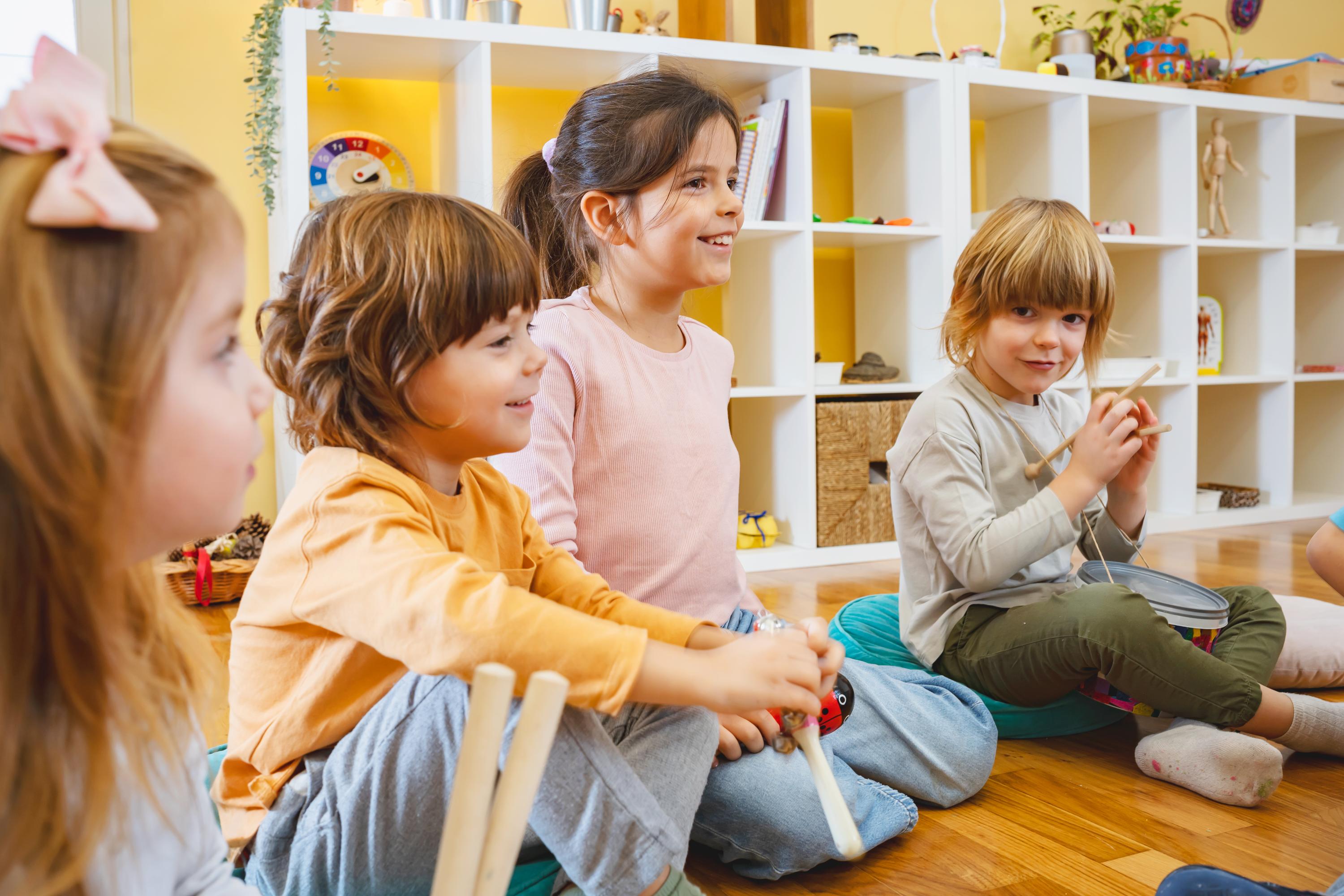
Routines provide a sense of security and structure, making them vital for school readiness. At Basic Beginnings, we emphasize the importance of predictable routines to help children transition smoothly into kindergarten.
Benefits of Predictable Routines
Routines help children understand what to expect each day, reducing anxiety and building confidence. A predictable schedule fosters independence as children learn to manage their time and responsibilities. For instance, knowing snack time follows storytime helps them anticipate and prepare for transitions.
Establishing Routines at Our Centers
Our centers prioritize establishing consistent routines. Each day includes time for free play, structured learning, and rest. By maintaining a regular schedule, we create a stable environment where children can thrive. This consistency supports children in developing self-discipline and time management skills, essential for future academic settings.
Parent-Teacher Partnerships in Routine Building
We work closely with parents to tailor routines that suit each child’s needs. Open communication ensures that routines at home and school complement each other. By collaborating with families, we create a cohesive support system that bolsters a child’s development. This partnership is key in fostering an environment conducive to learning and growth.
Guided Social Learning for Growth
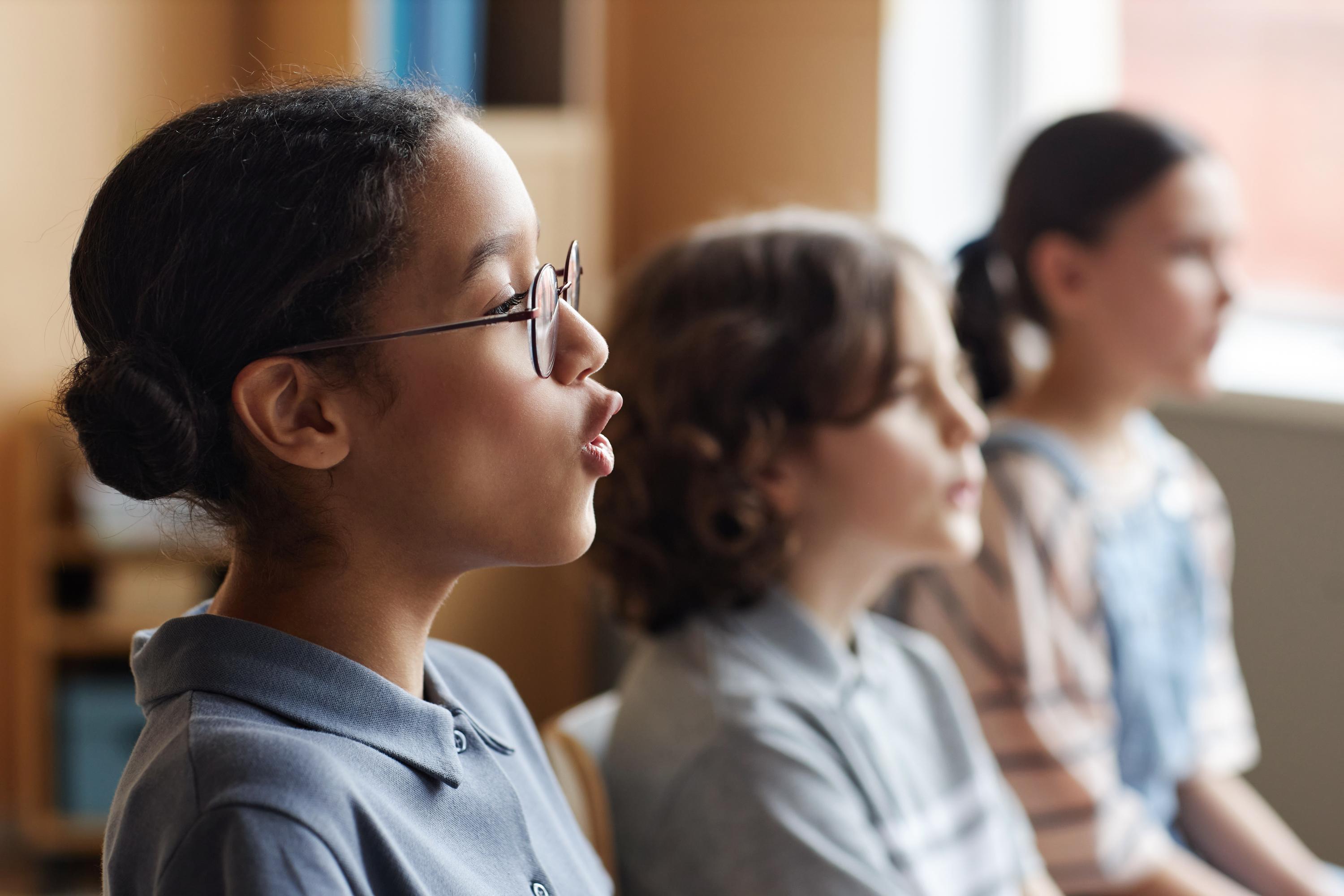
Social learning is fundamental to a child’s development. At Basic Beginnings, our teachers play an active role in guiding social interactions to promote growth.
Role of Teachers in Social Learning
Teachers are instrumental in facilitating social learning. They model positive interactions and guide children through conflicts, teaching them empathy and cooperation. By creating inclusive group activities, teachers help children learn to work together, fostering a sense of community.
Encouraging Social-Emotional Development
Developing social-emotional skills is crucial for school readiness. We encourage children to express their emotions and understand others’ feelings. Activities like group discussions and role-playing scenarios help children navigate social dynamics and build friendships.
Guided Learning Opportunities at Basic Beginnings
Our approach integrates guided learning opportunities throughout the day. Teachers lead activities that challenge children and encourage teamwork. From group projects to interactive storytelling, each activity is designed to enhance social skills and emotional understanding, preparing children for the collaborative nature of school life.
Frequently Asked Questions
What age groups do you serve at Basic Beginnings?
We provide programs for infants through pre-kindergarten, catering to ages from newborns to five years old. Our curriculum is tailored to meet the needs of each age group, ensuring appropriate developmental support.
How do you ensure a safe environment for children?
Safety is our top priority. We maintain a secure facility with child-proofed areas, regular safety drills, and trained staff who are attentive to each child’s needs.
What makes your program unique?
Our program stands out due to our commitment to individualized learning, a strong parent-teacher partnership, and our flexible care options, especially for FAA and federal employees. This combination ensures that each child receives personalized attention and a curriculum that supports their unique development path.