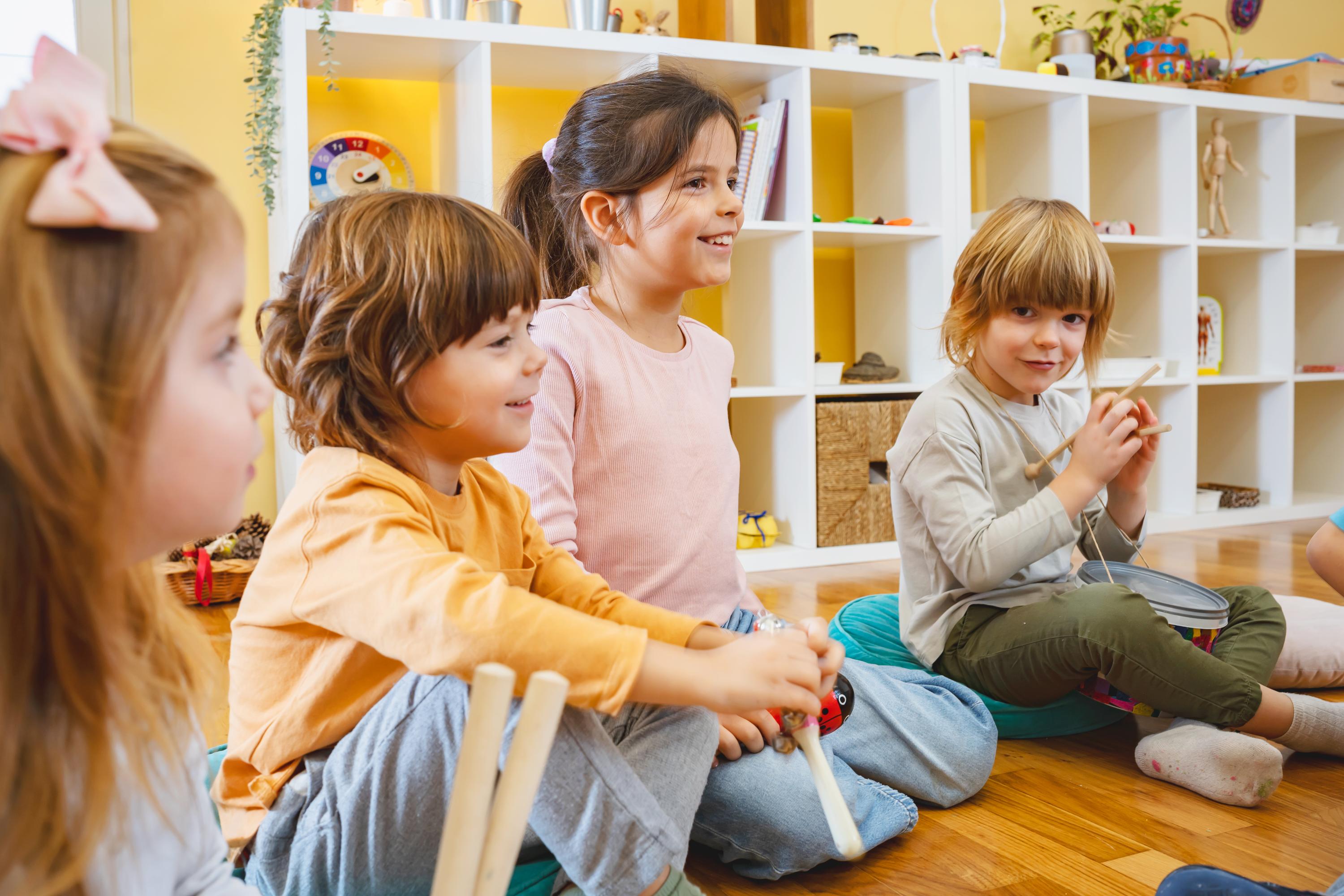
Play-based learning is not just fun—it shapes your child’s confidence, curiosity, and readiness for school in surprising ways. When kids explore, create, and solve problems through play, they build skills that stick with them for life. At Basic Beginnings, our programs in Haverhill and Nashua focus on nurturing each child’s unique strengths while meeting state preschool standards. Keep reading to see how we partner with families to prepare your little learner for a bright future.
Benefits of Play-Based Learning
Understanding the benefits of play-based learning can transform how we view early childhood education. This approach builds a strong foundation for children’s development.
Building Confidence in Preschoolers
Confidence grows when kids play. They feel proud when they solve puzzles or build towers. This self-assurance encourages them to try new things. At Basic Beginnings, we see this every day. Children gain courage as they master new skills in a supportive setting. Through play, they learn to face challenges without fear. A shy child might become more outgoing after leading a game. This kind of growth in confidence can lead to better social interactions. It sets the stage for success in school and beyond.
Sparking Curiosity in Early Learners
Play invites exploration. Children naturally ask questions and seek answers. When they dig in the sandbox or observe bugs, they’re learning about the world. Our programs encourage this curiosity. We let kids take the lead in their learning. They can choose activities that interest them. This freedom makes learning exciting. Kids who are curious are motivated to learn more. They develop a lifelong love of discovery. This trait is crucial for academic success.
Enhancing School Readiness Skills
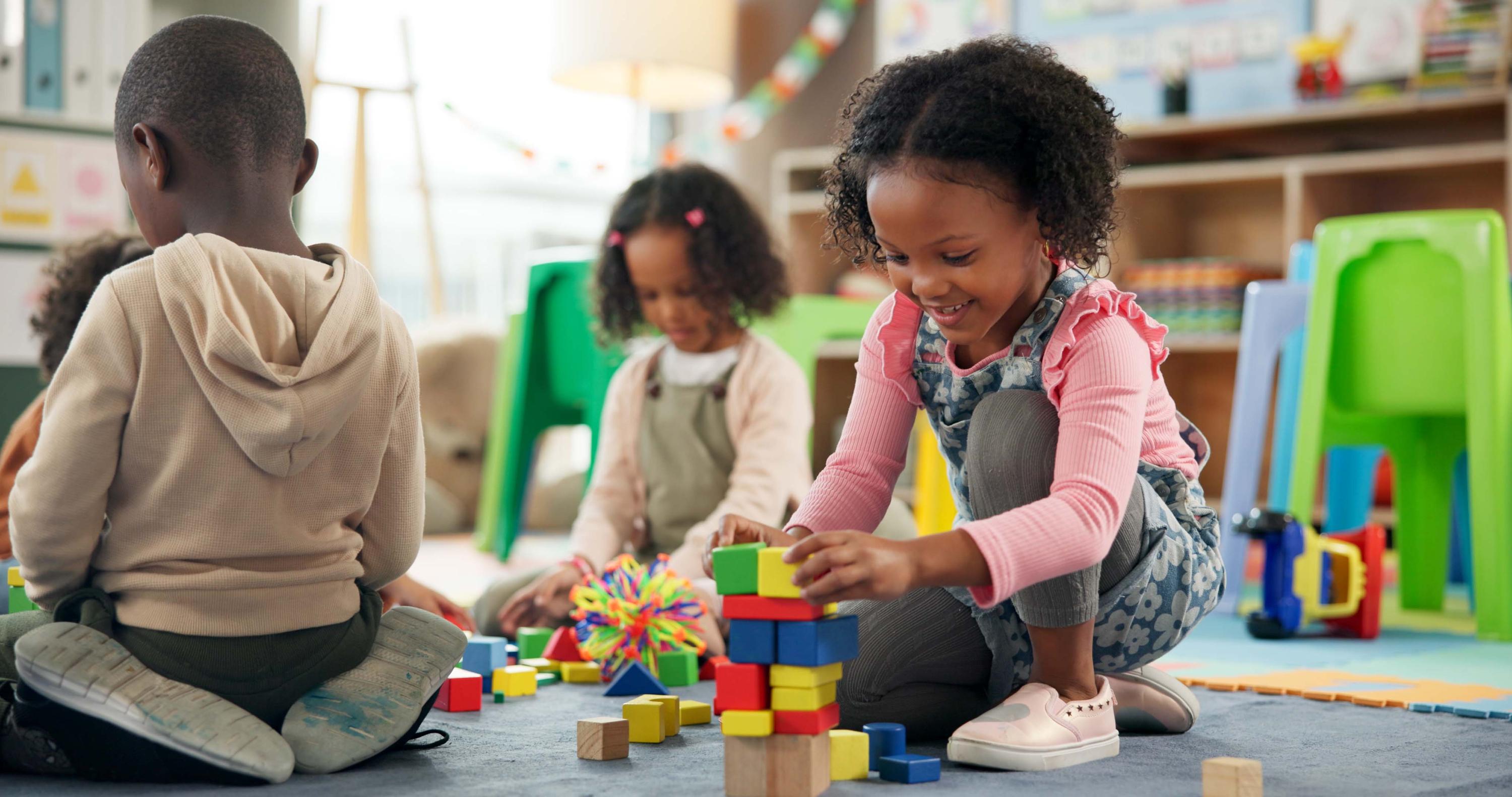
Play-based learning prepares kids for school. It helps them acquire crucial skills. For instance, when children play with blocks, they learn about geometry and balance. They also practice counting and sorting. These activities build a solid foundation for math and science. Additionally, group play teaches important social skills. Kids learn to share, take turns, and listen to others. These are key for a smooth transition to formal schooling. At Basic Beginnings, our curriculum aligns with state standards. We ensure children are ready for their next educational step.
Our Play-Based Programs
Our play-based programs are designed to cater to each child’s needs, ensuring they grow and learn in a nurturing environment.
Individualized Learning Approach
Every child is unique. At Basic Beginnings, we tailor learning to each child’s interests and abilities. This personalized approach helps children thrive. Teachers observe and guide play to ensure children are challenged and supported. For example, if a child loves animals, activities might include animal-themed puzzles or stories. This keeps learning engaging. By focusing on individual strengths, we foster a love for learning. Children feel valued and understood, which boosts their confidence and eagerness to learn.
Parent-Teacher Partnership Essentials
We believe in the power of partnership. When parents and teachers work together, children benefit the most. Communication between home and school is key. Parents often have insights that help us support their child’s learning. Regular updates and meetings ensure everyone is on the same page. This collaboration creates a consistent learning environment. Children feel secure knowing that their parents and teachers are united in their education journey. This partnership is essential for the child’s development and growth.
Safe Nurturing Environment
Safety is our top priority. Our centers in Haverhill and Nashua provide secure environments where children can explore freely. We maintain strict safety protocols to ensure peace of mind for parents. Beyond physical safety, emotional well-being is crucial. Our nurturing environment helps children feel comfortable expressing themselves. They are encouraged to explore their emotions and develop empathy. This holistic approach supports both social and emotional growth.
Enrolling Your Child
Enrolling your child in our programs is the first step toward a bright educational future. We offer flexible options to suit your family’s needs.
Enrollment Haverhill and Nashua
Our centers are conveniently located in Haverhill, MA, and Nashua, NH. We welcome families to explore what we offer. Enrollment is straightforward. You can start by visiting our website or calling us for more information. We also offer tours to give you a firsthand look at our facilities. Seeing our centers in action can help you make an informed decision. Our staff is always ready to answer your questions.
Flexible Childcare Options
We understand the demands of modern families. That’s why we offer flexible childcare solutions. In Nashua, our partnership with the FAA provides extended hours and weekend care. This is ideal for families with non-traditional schedules. We want to ensure that your child receives quality care, no matter your work hours. These options provide peace of mind, knowing your child is in a safe and nurturing environment.
Schedule Your Tour Today
Seeing is believing. We invite you to schedule a tour of our centers. During the tour, you’ll meet our dedicated staff and see our play-based learning in action. This is a great opportunity to ask questions and understand our approach to early childhood education. We believe once you visit, you’ll see why Basic Beginnings is the right choice for your child. Book your tour today and take the first step toward your child’s bright future.
Frequently Asked Questions
What age groups do you serve at your centers?
We provide care for infants, toddlers, and preschoolers. Our programs are designed to meet the developmental needs of each age group.
How does play-based learning support school readiness?
Play-based learning helps children develop essential skills like problem-solving, social interaction, and basic math and literacy. These skills are foundational for school success.
What are the benefits of your partnership with the FAA?
Our FAA partnership offers extended hours and flexible care options, ideal for families with federal or non-traditional work schedules.
How do you ensure the safety of children in your care?
Safety is a top priority. We have strict protocols in place to ensure both physical and emotional safety, creating a nurturing environment for all children.
Can parents visit the center before enrolling?
Yes, we encourage parents to schedule a tour of our centers. This allows you to see our facilities and learn more about our programs firsthand.
Play-based learning isn’t just fun—it’s the foundation your child needs to succeed in school. At Basic Beginnings Learning and Development Center, we see how play sharpens social-emotional skills, language, early math, and executive function. You’ll learn how our individualized, state-aligned preschool curriculum supports kindergarten readiness while fitting your family’s busy life. Schedule a tour at our Haverhill or Nashua center to explore enrollment, extended hours, and special childcare options for FAA and federal employees. Learn more about readiness.
Benefits of Play-Based Learning
Play is more than mere entertainment. It lays the groundwork for skills that are crucial for school readiness. At Basic Beginnings, we focus on how play can prepare children for academic success and social development.
Building School Readiness Skills
Play-based learning supports the development of essential skills for school. Through guided play, children learn to solve problems, think critically, and interact with peers. These activities help them understand the world around them and how to navigate it effectively. By engaging in play, children naturally encounter challenges that promote cognitive growth, setting the stage for future academic achievement.
Encouraging Social-Emotional Development
Play teaches children about emotions and relationships. Through group activities, they learn to share, take turns, and empathize with others. These social interactions are crucial for building emotional intelligence. As children navigate friendships and resolve conflicts during play, they develop resilience and self-regulation, which are important for success in school and life.
Fostering Language and Literacy Growth
In play, language comes alive. Children expand their vocabulary through storytelling, role-playing, and engaging in conversations with peers and teachers. This natural use of language during play enhances literacy skills, setting a strong foundation for reading and writing. Encouraging children to express themselves in playful settings boosts their confidence in communicating ideas and feelings.
Individualized Learning Plans
Not all children learn in the same way or at the same pace. Our individualized learning plans ensure that each child receives the attention and support they need to thrive in their educational journey.
Aligning with State Standards
Our curriculum meets Massachusetts and New Hampshire preschool standards, ensuring that your child receives a quality education. We tailor our approach to each child’s needs, creating a learning environment where they are both supported and challenged. This alignment with standards guarantees a seamless transition to kindergarten.
Promoting Executive Function Skills
Play helps children hone their executive function skills. These include working memory, flexible thinking, and self-control. At Basic Beginnings, children engage in activities that encourage planning, decision-making, and goal-setting. These skills are critical for academic success and are nurtured through playful exploration and structured learning experiences.
Supporting Early Math Understanding
Math concepts come to life through play. Counting blocks, sorting shapes, and measuring sand in a sandbox provide hands-on experiences that make math tangible and fun. Our curriculum integrates these activities to build a strong foundation in early math skills, ensuring children are well-prepared for future math learning.
Flexible Childcare Options
We understand that every family has unique needs. That’s why we offer flexible childcare options to accommodate different schedules and requirements.
Exploring Extended Hours and Weekend Care
For families with demanding schedules, our Nashua center offers extended hours and weekend care. This flexibility ensures that your childcare needs are met without compromising on quality. Our program is designed to support families who need more than the typical weekday care.
FAA and Federal Employee Benefits
Our partnership with the FAA provides added benefits for federal employees. The Launching Pad at Basic Beginnings offers priority placement, discounts, and flexible care options tailored to meet the needs of FAA and federal families. This partnership underscores our commitment to serving diverse family needs.
Touring Our Haverhill and Nashua Centers
Seeing is believing. We invite you to tour our Haverhill and Nashua centers to experience firsthand the nurturing environment we offer. During your visit, you’ll learn about our curriculum, meet our dedicated staff, and explore how our facilities can support your child’s growth and development.
Frequently Asked Questions
What is play-based learning? Play-based learning is an educational approach that uses play as the primary method for teaching young children. It encourages exploration, creativity, and social interaction while developing essential skills.
How does play-based learning prepare children for school? Play-based learning fosters cognitive, social-emotional, and language skills essential for school success. It encourages problem-solving, communication, and collaboration, helping children transition smoothly to a formal school setting.
What makes Basic Beginnings’ curriculum unique? Our curriculum aligns with state standards and emphasizes individualized learning. We focus on play-based methods to foster school readiness, social-emotional development, and early language and math skills.
What childcare options are available for families with non-standard schedules? Our Nashua center offers extended hours and weekend care to accommodate diverse family schedules. We also provide benefits for FAA and federal employees, including flexible care options.
How can I tour the Basic Beginnings centers? You can schedule a tour of our Haverhill or Nashua centers by contacting us directly. During the tour, you’ll learn about our programs, meet our staff, and see how we create a nurturing learning environment.
Consistent routines for children build a strong foundation for feeling safe and ready each day. When young kids know what to expect, their confidence grows, behavior improves, and learning becomes smoother. At Basic Beginnings, we work closely with families in Haverhill, MA and Nashua, NH to create steady rhythms between home and school that prepare children for success. Keep reading to see how simple daily schedules can make a big difference in your child’s growth. For more about the importance of routines, visit this resource.
Importance of Consistent Routines
Understanding the critical role of daily schedules can transform how children navigate their world at home and school.
Building Security and Trust
Children thrive when they know what to expect. A predictable schedule helps them feel safe and secure. This sense of stability allows them to explore their world with confidence. For example, having a set time for meals, play, and rest can reassure children that their needs will always be met. According to Zero To Thrive, routines provide a comforting framework that supports emotional regulation.
Enhancing Social-Emotional Development
Consistent routines contribute to a child’s social and emotional growth. They teach responsibility and self-discipline. By participating in regular activities, children learn to cooperate and interact positively with others. This regularity also helps in managing emotions, as they learn that their feelings are respected and important, which is crucial for building empathy and understanding.
Encouraging School Readiness
Daily routines lay the groundwork for academic success. When children have structured schedules, they develop skills such as time management and task completion. These skills are vital for transitioning smoothly to the school environment. In fact, routines are an essential step in preparing for school readiness, as highlighted by Seattle Children’s Hospital.
Partnering with Families for Success
Creating a consistent rhythm between home and school is a team effort, and Basic Beginnings is committed to partnering with families every step of the way.
Home-School Routine Collaboration
At Basic Beginnings, we value your input on your child’s routine. By collaborating closely, we ensure that both home and school environments work in harmony. This partnership allows us to tailor our approach and better support your child’s individual needs. It creates an environment where children can smoothly transition between settings, bolstering their confidence and willingness to learn.
Positive Guidance in Early Learning
Our approach focuses on nurturing each child’s growth through positive guidance. By providing clear, consistent expectations, children know what is required of them, reducing anxiety and promoting a love for learning. Positive guidance encourages exploration and curiosity, fostering a space where children feel valued and understood.
Flexible Childcare for FAA Employees
For families connected to the FAA, we offer flexible childcare options to accommodate their unique schedules. Our Nashua center provides extended hours to ensure that children receive consistent care without disrupting family routines. This flexibility supports both the child’s development and the family’s needs, creating a seamless experience for everyone involved.
Exploring Our Centers
Basic Beginnings offers a nurturing and educational environment across all age groups, tailored to support each child’s developmental stage.
Infant Care and Toddler Routines
Infants and toddlers benefit greatly from a structured environment. At our centers, we ensure that even the youngest children are engaged in developmentally appropriate activities. Our infant care programs focus on creating comforting routines that foster growth and exploration. Toddlers enjoy a mix of structured play and learning that promotes their budding independence within a safe framework.
Preschool Routines and Structured Schedules
Preschoolers at Basic Beginnings participate in schedules that balance academic and creative pursuits. With activities ranging from pre-writing to science exploration, children engage in a variety of experiences that prepare them for the next stages of learning. Our structured daily schedules for preschoolers are designed to enhance their learning while keeping them excited and motivated.
Safe, Nurturing Environment in Haverhill and Nashua
Both our Haverhill and Nashua centers are designed to provide a safe, nurturing environment. Our commitment to safety and learning ensures that your child is in good hands. Each facility offers a unique setting that caters to the community it serves, ensuring that all children receive the highest level of care and education.
Frequently Asked Questions
Why are routines important for young children?
Routines help children feel secure and understand what to expect, which reduces anxiety and promotes emotional well-being. They also teach valuable life skills like time management and responsibility.
How do routines support social-emotional development?
Regular schedules teach children about cooperation and interaction. They learn to manage their emotions and develop empathy, which is crucial for social-emotional growth.
What makes Basic Beginnings unique in offering childcare?
Basic Beginnings combines a nurturing environment with educational programs tailored to each developmental stage. We partner with families to provide flexible childcare solutions, especially for FAA employees needing extended hours.
How can parents collaborate with Basic Beginnings on their child’s routine?
Parents can share insights and suggestions on their child’s routine. This collaboration ensures that the home and school environments are aligned, supporting the child’s overall growth.
What are the benefits of the flexible childcare options for FAA employees?
Flexible childcare options accommodate non-standard work hours, ensuring consistent care for children. This flexibility supports both child development and family needs, offering a seamless childcare experience.
Choosing a safe early childhood education center feels overwhelming when so much depends on your child’s well-being and growth. You want a nurturing preschool in Haverhill, MA, or a daycare in Nashua, NH, that truly cares about every detail—from low teacher-child ratios to social-emotional development. This checklist will guide you in spotting the signs of quality care and show how Basic Beginnings meets those standards, so you can feel confident about your child’s next step.
Evaluating Safety and Quality
Ensuring your child’s safety at an early childhood education center is paramount. Let’s explore the critical aspects to consider when evaluating a center’s safety and quality.
Key Safety Indicators
When visiting a center, observe how they prioritize safety. Look for secure entrances and exits that prevent unauthorized access. Check if the staff regularly inspects playground equipment and maintains clean and well-lit facilities. It’s essential that emergency plans are in place and practiced. For instance, Basic Beginnings ensures all staff members are trained in first aid and CPR, providing an extra layer of security for your peace of mind.
Teacher Qualifications and Ratios
Teachers play a pivotal role in your child’s development. Ensure that the center has qualified staff with relevant certifications in early childhood education. A low teacher-to-child ratio is equally important, as it ensures personalized attention for each child. At Basic Beginnings, the focus is on small group sizes, allowing teachers to understand and nurture each child’s unique learning style effectively.
Licensing and Compliance
A licensed childcare center adheres to state regulations, ensuring a safe and nurturing environment. Verify that the center you choose is fully licensed and compliant with local laws. Basic Beginnings prides itself on maintaining high standards and transparency, ensuring parents can trust the quality of care provided.
Nurturing and Developmental Aspects
Beyond safety, a nurturing environment is crucial for your child’s growth. Here’s how centers can foster development through their programs.
Social-Emotional Learning Focus
Children thrive in environments where emotional well-being is prioritized. Look for centers that emphasize social-emotional learning. This includes teaching children how to express emotions, develop empathy, and interact positively with peers. At Basic Beginnings, teachers integrate these skills into daily activities, helping children build a strong foundation for future relationships.
Early Learning Curriculum Highlights
A well-rounded curriculum supports holistic development. Inquire about the center’s approach to early learning. Does it include play-based activities, storytelling, and creative projects? Basic Beginnings offers a curriculum designed to engage children’s curiosity through exploration and play, preparing them for school readiness.
Parent-Teacher Communication
Open communication between parents and teachers is key to a successful early education experience. Choose a center that fosters regular updates and encourages parental involvement. Basic Beginnings values parent-teacher partnerships, offering frequent updates on your child’s progress and encouraging feedback to tailor support to your child’s needs.
Flexible Scheduling and Enrollment
Life can be unpredictable, and flexible scheduling is often necessary. Here’s what to consider when assessing a center’s enrollment options.
Benefits for FAA and Federal Employees
If you’re a federal employee, finding a center that accommodates your unique schedule is essential. Basic Beginnings offers a partnership with the FAA, providing benefits such as flexible hours, subsidies, and priority placement, making it easier for federal families to balance work and childcare.
Extended Hours and Weekend Options
Flexible childcare hours can be a lifesaver for busy parents. Look for centers that offer extended hours or weekend options to fit your schedule. Basic Beginnings in Nashua provides extended hours and weekend care, ensuring you have the support you need when you need it.
How to Schedule a Tour
Taking a tour is the best way to get a feel for a center’s environment. Contact Basic Beginnings to schedule a visit and see firsthand how the programs operate. This step will give you confidence in your choice and provide an opportunity to ask any questions you may have.
Frequently Asked Questions
What should I look for in a safe early childhood education center?
Look for secure entrances, regular equipment inspections, trained staff, and emergency plans. Licensed centers like Basic Beginnings provide a safe and nurturing environment.
How do teacher qualifications and ratios impact my child’s experience?
Qualified teachers and low teacher-to-child ratios ensure personalized attention and support your child’s development. Basic Beginnings focuses on small groups for individualized learning.
Why is social-emotional learning important in early childhood education?
Social-emotional learning helps children express emotions and develop empathy, crucial for future relationships. Basic Beginnings integrates these skills into daily activities.
What are the benefits of flexible childcare scheduling?
Flexible scheduling accommodates busy parents by offering extended hours and weekend care. Basic Beginnings provides these options, supporting families with diverse needs.
How can I schedule a tour at Basic Beginnings?
Contact Basic Beginnings directly to arrange a visit. Touring the center allows you to see the environment and ask questions to make an informed decision.
Play-based learning does more than fill time—it lays the foundation for school readiness and confidence building in preschool. When children engage with hands-on activities, they develop skills that matter in kindergarten and beyond. At Basic Beginnings in Haverhill, MA, and Nashua, NH, we tailor learning to each child’s needs while partnering closely with parents. Ready to see how play shapes your child’s future? Keep reading to learn why this approach works and how we support your family’s goals. For more insights on the benefits of play-based learning, visit this article.
The Benefits of Play-Based Learning
Building School Readiness
Play-based learning is a powerful tool in preparing children for school. It encourages kids to think creatively and solve problems. Through activities such as role-play and storytelling, they grasp early literacy and numeracy without even realizing it.
Kids learn best when they’re having fun. Play-based activities improve their attention span and help them understand complex ideas like numbers and letters. By engaging in these activities, children build a strong foundation for kindergarten. They also develop critical thinking skills. This approach ensures they’re not just memorizing facts but understanding concepts. For more on how play supports school readiness, check out this resource.
Boosting Confidence in Preschool
Confidence in preschool is essential for young learners. Play-based learning fosters a sense of achievement in children. When they complete a task or solve a problem on their own, they feel proud. This sense of accomplishment boosts their self-esteem.
Children thrive in environments where they are encouraged to explore. When they succeed in small tasks, they become more confident in trying new things. This confidence prepares them for future challenges. It also teaches them resilience and the value of persistence. As they grow, these skills become invaluable in their educational journey.
Individualized Learning and Parent-Teacher Partnerships
Tailored Pre-K Curriculum
At Basic Beginnings, every child is unique. Our curriculum is designed to meet each child’s specific needs. By observing how they learn best, we tailor activities to suit their individual strengths. This personalized approach ensures that each child grows at their own pace.
Our educators work closely with parents to understand their child’s needs. Together, we create a learning path that supports their development. This collaboration ensures that children receive the support they need both at home and in the classroom.
Importance of Parent-Teacher Collaboration
Parent-teacher partnerships are crucial for a child’s success. At Basic Beginnings, we believe in open communication with parents. This dialogue helps us understand each child’s unique needs and challenges.
When parents and teachers work together, children benefit. They receive consistent support and guidance, which reinforces their learning. This partnership builds trust and ensures that both the school and family are working towards the same goals. By collaborating, we can provide the best possible learning environment for every child.
Exploring Basic Beginnings Learning & Development Center
Flexible Scheduling and Extended Hours
Basic Beginnings offers flexibility for families. Our Nashua location is open nights and weekends, catering to non-traditional schedules. This flexibility is perfect for FAA and federal employees who need reliable childcare options.
We understand that every family has different needs. That’s why we provide extended hours to accommodate various schedules. Whether you need care during the day or in the evening, we’re here to support you. Our goal is to provide quality education in a way that fits your lifestyle.
Enroll Today: Tour Our Centers
Are you ready to see the benefits of play-based learning firsthand? We invite you to tour our centers. Discover how our programs can support your child’s growth and development.
During your visit, you’ll meet our dedicated staff and explore our facilities. You’ll see how our play-based approach makes learning both fun and effective. Don’t wait—schedule your tour today and take the first step in supporting your child’s future.
Frequently Asked Questions
What is play-based learning?
Play-based learning is an educational approach that uses play as a means to teach children essential skills. It encourages exploration and creativity while developing critical thinking and problem-solving abilities.
How does play-based learning prepare children for school?
Through play-based learning, children develop foundational skills in literacy and numeracy. They learn to solve problems, work in teams, and communicate effectively, all of which are vital for school readiness.
Why is parent-teacher collaboration important?
Parent-teacher collaboration ensures that children receive consistent support both at home and school. This partnership helps to address any learning challenges and tailor the educational approach to each child’s needs.
What are the benefits of flexible childcare hours?
Flexible childcare hours accommodate families with non-traditional work schedules. They provide reliable care options for parents who need support outside of regular working hours, ensuring children have a stable learning environment.
How can I schedule a tour at Basic Beginnings?
To schedule a tour, contact our centers directly. During the tour, you’ll have the opportunity to meet our educators, explore our facilities, and learn more about our programs and how they can benefit your child.
Strong parent-teacher partnership shapes how your child grows, learns, and feels safe each day. When you join forces with educators, your child gains a support team that understands their unique needs from infant care through the pre-K program. At Basic Beginnings in Haverhill, MA and Nashua, NH, we focus on building these connections, so families and teachers work together toward your child’s social-emotional development and school readiness. Keep reading to see how our approach makes a real difference for your family. Learn more about the importance of these partnerships here.
Importance of Parent-Teacher Partnerships
A strong parent-teacher partnership is vital for early childhood success. This connection helps educators and families work together to support a child’s unique growth.
Impact on Early Childhood Education
Parent-teacher partnerships have a profound impact on early education. By collaborating, you and the teachers can ensure your child’s learning environment is nurturing and responsive. This collaboration allows for tailored educational experiences that encourage your child’s development. When you share insights with teachers, your child benefits from a cohesive support system.
Building a strong bond with your child’s teacher is easier than you might think. Start by maintaining open communication and attending meetings or events. This demonstrates your commitment to your child’s learning journey. Teachers value your insights, and your involvement helps create a more personalized educational experience.
Learn more about fostering parent partnerships here.
Benefits for Children’s Development
Children thrive when their parents and teachers collaborate. This partnership supports emotional, social, and academic growth. You’ll notice improvements in your child’s confidence and school readiness. With a united team, your child gains a safe space to explore and learn, leading to a more successful transition to formal schooling.
At Basic Beginnings, we prioritize nurturing these partnerships in our Haverhill and Nashua locations. Our approach ensures that your family and our educators work hand-in-hand for your child’s best interests.
Basic Beginnings’ Collaborative Approach
Our collaborative approach is the backbone of our programs. We believe that parents know their children best, and we incorporate your insights into our teaching strategies. By valuing your input, we create individualized learning paths that cater to your child’s needs. This partnership ensures that your child receives consistent support at home and school.
Tools for Effective Communication
Communication is key to successful partnerships. We offer various tools to keep you connected with your child’s progress. Regular updates, conferences, and digital platforms allow you to stay informed and engaged. This transparency builds trust and strengthens the relationship between home and school, providing your child with a well-rounded educational experience.
Flexible Childcare Options for Families
We understand that flexibility is crucial for many families, especially those with demanding schedules. That’s why we offer convenient childcare options in Nashua, including extended hours and weekend care. These services cater to your needs, ensuring that your child receives quality care and education without disrupting your routine.
Enrollment Opportunities and Next Steps
Ready to join our community? Discover the enrollment opportunities at Basic Beginnings and take the next steps toward your child’s educational journey.
Scheduling a Tour at Our Centers
Visiting our centers is an excellent way to see our programs in action. We encourage you to schedule a tour to experience our nurturing environment firsthand. During the tour, you’ll meet our dedicated staff and learn more about how we support your child’s growth.
Programs and Availability
Our programs cater to infants through pre-K children, offering a comprehensive curriculum that prepares them for future learning. We maintain small class sizes to ensure personalized attention and a safe, engaging atmosphere. Check our website for current availability and program details to find the best fit for your child.
Flexible Care for Federal Employees
For federal employees, our Nashua location offers additional benefits through our partnership with the FAA. These include extended hours, priority placement, and flexible care options designed to accommodate your schedule. This unique offering ensures that your childcare needs are met, allowing you to focus on your professional responsibilities.
Frequently Asked Questions
What are the benefits of parent-teacher partnerships?
Parent-teacher partnerships enhance communication, support personalized learning, and improve children’s emotional and academic growth. Working together creates a supportive environment that fosters school readiness.
How can I build a strong connection with my child’s teacher?
Maintain open communication, attend meetings, and share insights about your child’s needs. Being involved shows your commitment to their education, helping to build trust and collaboration.
What flexible childcare options does Basic Beginnings offer?
In Nashua, we provide extended hours and weekend care, along with specialized options for federal employees, ensuring your child receives quality care without disrupting your schedule.
How can I schedule a tour at Basic Beginnings?
Visit our website to find contact information for scheduling a tour. Touring our centers allows you to see our programs, meet staff, and understand how we support your child’s development.
What age groups do Basic Beginnings programs serve?
We serve infants through pre-K children, offering comprehensive early childhood education programs designed to prepare them for future learning.
A safe nurturing classroom makes all the difference when you’re choosing early childhood education in Haverhill, MA or a Nashua NH daycare. You want more than just care—you want a place where your child feels secure, grows emotionally, and learns through positive guidance. This post breaks down the key signs of preschool safety practices and how a strong parent-teacher partnership supports your child’s development every step of the way. Learn more about creating positive learning environments in early childhood.
Creating a Safe, Nurturing Classroom
Environment and Routines
A nurturing classroom provides the foundation for growth and learning. It’s where children feel secure and ready to explore. Clear routines and a well-organized space help children know what to expect, making them feel confident and comfortable.
In such an environment, children thrive through structured activities that balance play and learning. Each day includes moments for creativity, storytelling, and physical activity, all designed to support development. Classrooms are equipped with age-appropriate materials that encourage exploration and discovery, fostering an atmosphere where children love to learn.
Teacher-Child Interactions
The heart of a nurturing classroom is the bond between teachers and children. Teachers who engage with warmth and patience make children feel valued and understood. They listen attentively, respond to children’s needs, and provide encouragement in a way that builds trust.
These interactions go beyond academics. Teachers also support social skills by guiding children in sharing and collaborating with peers. This helps build a sense of community within the classroom, where each child feels like an important part of the group.
Positive Guidance in Preschool
Positive guidance shapes the way children learn and behave. In preschools that emphasize this approach, teachers use encouragement and clear expectations to help children understand their actions. This builds self-esteem and teaches children to make thoughtful choices.
Instead of focusing on what not to do, positive guidance highlights good behavior. For example, praising a child for sharing toys reinforces kindness. This method helps children develop a sense of responsibility and respect, preparing them for future school environments.
Key Safety Practices and Benefits
Preschool Safety Practices
Safety is paramount in early childhood education. Preschools implement comprehensive safety practices to ensure children are protected and well-cared for. Entry systems, regular staff training, and childproofing measures are standard protocols that give parents peace of mind.
Classrooms are designed to minimize risks, with secure exits and age-appropriate furniture. Routine safety drills prepare both staff and children for emergencies, reinforcing a sense of security. Parents can feel confident knowing that their child is in a safe setting that supports their well-being.
Health and Safety Measures
Health practices in preschools maintain a clean and nurturing environment. Regular handwashing, sanitized surfaces, and well-maintained facilities reduce the spread of germs. Teachers model healthy habits, encouraging children to follow suit.
Meal and snack times are carefully managed to ensure nutrition and safety. Children enjoy balanced meals that support growth and energy throughout their day. These measures contribute to a healthy atmosphere where children can thrive physically and emotionally.
FAA and Federal Employee Childcare
For families connected to the FAA or federal employment, flexible childcare options are essential. Programs like The Launching Pad by Basic Beginnings offer extended hours and priority placement, accommodating varying work schedules. This ensures that quality care is accessible when needed.
Parents benefit from these flexible arrangements, knowing their children are in a safe, engaging environment. This support allows families to balance work and childcare seamlessly, providing an invaluable resource for those with demanding jobs.
Building Trust and Partnerships
Parent-Teacher Partnership
A strong parent-teacher partnership is crucial for a child’s success. Open communication between home and school ensures that each child’s needs are understood and met. Parents are encouraged to share insights about their child, fostering a collaborative approach to education.
This partnership empowers parents to be active participants in their child’s learning journey. Teachers provide updates on progress and development, offering strategies to support learning at home. Together, they create a cohesive support system that enhances a child’s growth.
Individualized Learning Approach
Children learn best when teaching is tailored to their unique needs and interests. An individualized learning approach recognizes each child’s strengths and areas for growth. Teachers adapt activities to match different learning styles, ensuring every child is engaged and challenged.
By focusing on personalized learning, preschools help children develop confidence and a love for learning. This approach prepares them for future educational success, equipping them with the skills and knowledge they need to thrive.
Enroll and Schedule a Tour
Choosing the right preschool is a significant decision for any parent. Visiting a center in person provides insight into the environment, staff, and daily activities. Scheduling a tour allows families to see firsthand how a nurturing classroom operates.
During a tour, parents can ask questions and observe interactions, gaining a clear understanding of what makes the school unique. This experience helps parents feel confident in their choice, ensuring their child is placed in a supportive and enriching setting.
Frequently Asked Questions
What should I look for in a safe, nurturing classroom? Look for a classroom with well-defined routines, age-appropriate materials, and attentive teachers who foster a positive environment. Safety measures and open communication between parents and educators are also key indicators of a nurturing space.
How do preschools ensure the safety of my child? Preschools implement safety practices such as secure entry systems, regular drills, and staff training. Classrooms are designed to be child-friendly, minimizing risks. Regular communication with parents ensures everyone is informed and prepared.
What role do parents play in their child’s preschool experience? Parents are vital in supporting their child’s learning by communicating with teachers and reinforcing skills at home. They collaborate with educators to tailor the educational experience, ensuring it meets their child’s needs and fosters development.
How can flexible childcare options benefit my family? Flexible childcare options accommodate varying work schedules, providing care when needed. This is especially beneficial for families with non-traditional work hours, ensuring that quality care is always accessible without disrupting family routines.
Why is individualized learning important in early childhood education? Individualized learning ensures that teaching is tailored to each child’s needs, promoting engagement and growth. It helps build confidence and fosters a love for learning, preparing children for future academic success.
Play, routine, and gentle guidance build the foundation your child needs for kindergarten readiness. When children learn through play-based learning, supported by predictable routines and positive guidance, they develop key social-emotional skills that help them thrive. At Basic Beginnings, we tailor this approach to each child, making early childhood education a joyful and meaningful experience. Keep reading to see how our flexible programs in Haverhill and Nashua support your family’s needs. For more information on kindergarten readiness, check out this kindergarten readiness checklist.
The Power of Play
Play is more than just fun; it’s a vital part of learning. Through play, children explore the world, build skills, and form connections that set the stage for future learning. At Basic Beginnings, we embrace this natural way of learning.
Play-Based Learning Foundations
At the heart of our programs is play-based learning. This approach allows children to learn at their own pace, encouraging curiosity and exploration. Imagine a child stacking blocks. They’re not just playing; they’re learning about balance, gravity, and problem-solving. Through storytelling and role-playing, children develop language and social skills. Here’s the key insight: Play transforms abstract concepts into tangible experiences.
Our centers in Haverhill and Nashua are designed to foster this playful learning. We provide spaces where children can explore safely, supported by teachers who guide them in discovering new ideas. This environment nurtures creativity and independence, ensuring each child develops at their own unique pace.
Enhancing Social-Emotional Development
Social-emotional skills are crucial for a child’s growth. Through interactive play, children learn to communicate, collaborate, and empathize with others. This development is foundational for kindergarten readiness. Most people think academic skills are the most critical for school, but emotional intelligence plays an equally significant role.
Our programs focus on activities that build these skills. Whether it’s sharing toys or resolving conflicts, children practice essential social interactions daily. These moments teach patience, cooperation, and understanding. By fostering a supportive community, Basic Beginnings helps children form meaningful relationships, preparing them for a smooth transition to school.
The Role of Routine
Routine provides children with a sense of security and predictability. It helps them understand the world around them and sets the stage for successful learning experiences. At Basic Beginnings, predictable routines form the backbone of our daily schedule.
Establishing Predictable Routines
Consistency is key in early childhood education. Our programs incorporate structured routines that balance learning and play. This structure helps children know what to expect, reducing anxiety and building confidence. For instance, starting the day with circle time sets a positive tone, while regular meal and nap times help maintain a calm environment.
These routines are not just about timing; they are about creating a rhythm that supports learning. By knowing when to expect certain activities, children can fully engage in each moment. This stability allows them to focus on exploring and learning new skills, contributing to their overall development.
Building School Readiness Skills
Developing school readiness skills is a gradual process. Through routine, children learn vital skills like time management, responsibility, and independence. These are not just academic skills but life skills that will benefit them long into the future. Did you know that children who follow routines are more likely to adapt to school schedules effectively?
Basic Beginnings emphasizes activities that support these skills. From cleaning up after playtime to following multi-step directions, children practice skills that prepare them for school. This foundation in daily routines ensures they are ready to take on the challenges of kindergarten and beyond.
Gentle Guidance Approach
Gentle guidance is essential in nurturing a child’s growth. It involves teaching children to navigate their emotions and behavior positively. At Basic Beginnings, our approach combines empathy with structure, supporting children as they learn.
Positive Guidance Techniques
We believe in guiding rather than directing. Positive guidance involves setting clear expectations and offering choices. When children know what is expected, they are more likely to respond positively. For example, offering choices between activities helps them feel empowered and respected.
Our teachers use strategies like redirection and positive reinforcement to encourage desirable behaviors. This approach helps children develop self-discipline and improve decision-making skills. It’s about teaching children to understand and manage their emotions, leading to a harmonious learning environment.
Parent-Teacher Partnerships in Action
A strong partnership between parents and teachers is crucial for a child’s development. At Basic Beginnings, we value this collaboration and actively involve parents in their child’s learning journey. Most people think teachers handle everything, but parents play a pivotal role too.
Regular communication ensures everyone is aligned on the child’s progress and needs. We encourage parents to share insights about their child’s preferences and routines. This partnership creates a consistent support system, enhancing the child’s learning experience both at home and school.
Frequently Asked Questions
How does play-based learning support kindergarten readiness?
Play-based learning engages children in active exploration, which builds cognitive, social, and emotional skills. By learning through play, children develop the foundational skills necessary for school success, such as problem-solving, communication, and cooperation.
What are the benefits of predictable routines for children?
Predictable routines provide children with a sense of security, helping them understand daily expectations. Routines support emotional stability, time management, and independence, all of which are critical for adapting to a school environment.
How can parents be involved in their child’s learning at Basic Beginnings?
Parents can engage in regular communication with teachers to stay informed about their child’s progress. Sharing insights about their child’s interests and routines allows parents to collaborate effectively with educators, reinforcing learning at home.
What role does gentle guidance play in early childhood education?
Gentle guidance helps children develop self-discipline and emotional regulation. By offering choices and setting clear expectations, children learn to make positive decisions, fostering an environment conducive to learning.
Why is a parent-teacher partnership important?
A parent-teacher partnership ensures a cohesive approach to a child’s development. Regular collaboration allows for tailored learning strategies, addressing each child’s unique needs and promoting consistent support between home and school.
Safe routines for children do more than create order—they build a foundation of trust and independence that lasts a lifetime. When your child knows what to expect, they feel secure, which supports social-emotional development and confidence. At Basic Beginnings, we weave healthy routines into every part of our daily schedule in daycare, helping kids grow ready for school and life. Keep reading to learn how predictable, nurturing habits make all the difference in early childhood growth. Learn more about the importance of routines here.
Building Trust Through Routines
Safe Routines for Children
Creating a reliable schedule helps children feel secure. When kids know what comes next, they are more likely to trust their environment and the people around them. This foundation builds confidence and promotes growth.
Incorporating consistent routines in your child’s day can make a big difference. At Basic Beginnings, we focus on developing a child’s trust through structured activities and play. These routines, such as regular meal times and story sessions, offer security that children crave. You can read more about how routines benefit children here.
Whether it’s a morning greeting or a specific time for outdoor play, routines help children understand what is expected. This predictability leads to reduced anxiety and a more relaxed atmosphere, which is essential for learning and social interaction. By following a routine, children also learn the importance of time management, which is a valuable skill for future independence.
Healthy Daycare Practices
In a daycare setting, healthy practices extend beyond nutrition. They include establishing daily routines that promote physical activity, rest, and learning. These routines are crucial for a child’s well-being.
At Basic Beginnings, we ensure that children have a balance of activities. From active play sessions to quiet reading time, each part of the day is designed to help children grow. This balanced approach supports physical health and cognitive development. Discover more about structured routine benefits.
We also prioritize a clean and safe environment. Regular handwashing, healthy meals, and rest times are integral parts of our daily routine. By teaching children these habits early, we instill lifelong practices that promote health and wellness.
Social-Emotional Development
Social-emotional skills are vital for a child’s overall development. Routines play a significant role in nurturing these skills by providing a stable environment where children can explore and express emotions safely.
Through consistent interactions with caregivers and peers, children learn empathy, cooperation, and communication. At Basic Beginnings, we incorporate social-emotional learning into our daily activities, helping children recognize feelings and develop appropriate responses. See how routines help children feel safe.
By fostering positive relationships, children build self-esteem and learn to navigate social situations effectively. Our approach helps children become confident individuals ready to engage with the world around them.
Encouraging Independence in Early Childhood
As children develop trust through routines, they also gain independence. Encouraging self-reliance in early childhood sets the stage for lifelong skills in decision-making and responsibility.
Toddler Routine Schedule
Toddlers thrive on consistency. A well-structured routine helps them understand boundaries and expectations. At Basic Beginnings, our toddler programs include predictable schedules that balance play, learning, and rest.
In the classroom, toddlers participate in activities that encourage exploration and creativity. Structured playtimes allow them to discover new skills and interests. These activities also provide opportunities to practice decision-making and problem-solving, essential components of independence.
Outside the classroom, routines such as meal and naptimes further reinforce a sense of security. Regular repetition helps toddlers feel in control of their environment, boosting their confidence and eagerness to try new things.
Pre-K School Readiness
Preparing for school involves more than academics. At Basic Beginnings, we emphasize routines that promote independence and readiness for school. Our pre-K program focuses on instilling skills that children will need in a classroom setting.
Daily routines include activities that foster literacy, numeracy, and social skills. Children learn to follow instructions, work in groups, and complete tasks independently. These experiences build a foundation for school success and encourage a love of learning.
Our educators work closely with children to develop personalized learning plans. By tailoring activities to each child’s needs, we ensure they are challenged and supported in their journey to school readiness.
Infant Care Routines
Infants also benefit from structured routines. These early experiences set the stage for future growth and development. At Basic Beginnings, our infant care focuses on creating a nurturing environment through predictable daily activities.
Routines such as feeding, napping, and playtime provide a sense of security for infants. Consistency helps them develop trust in their caregivers and surroundings. This trust is crucial for emotional development and lays the groundwork for independence.
Through interactive play and gentle guidance, infants learn to explore their world. Our caregivers support their curiosity and encourage milestones like sitting up and crawling, paving the way for future independence.
Partnering with Families
For children to thrive, parents and teachers must work together. A strong partnership ensures that children receive consistent support both at home and in daycare.
Parent-Teacher Partnership
Communication is key to a successful parent-teacher partnership. At Basic Beginnings, we encourage open dialogue to support each child’s development. Regular updates and meetings keep parents informed about their child’s progress and milestones.
By working together, we can tailor routines and activities to meet a child’s specific needs. This collaboration helps children feel supported and understood, fostering a positive learning environment. Parents are integral to their child’s growth, and we value their input and expertise.
Family Engagement in Childcare
Engaging families in childcare activities builds a sense of community and belonging. At Basic Beginnings, we offer opportunities for families to participate in their child’s learning journey. Events, workshops, and volunteer opportunities allow parents to stay connected and involved.
By involving families, children see the importance of education and community. This engagement reinforces routines and provides additional support for a child’s development. Together, we create a nurturing environment that promotes growth and learning.
Flexible Childcare Solutions 🌟
Every family has unique needs. At Basic Beginnings, we offer flexible childcare solutions to accommodate different schedules and requirements. Our Nashua location provides extended hours and weekend care, ideal for families with nontraditional work hours.
These flexible options ensure that children receive consistent care, regardless of family schedules. By providing reliable childcare, we help families balance work and family life without compromising their child’s development.
Frequently Asked Questions
Why are routines important for children?
Routines provide a sense of security and predictability, helping children feel safe and confident. They support social-emotional development and foster independence by establishing clear expectations.
How do routines support social-emotional growth?
Consistent routines allow children to build trust in their caregivers and environment. This trust encourages them to explore emotions, develop empathy, and engage positively with others.
What does a typical day look like at Basic Beginnings?
A typical day includes structured play, learning activities, meal times, and rest periods. Our programs balance academic and social-emotional learning, preparing children for school and life.
How can parents get involved in their child’s daycare experience?
Parents can participate in events, volunteer opportunities, and regular communication with educators. This involvement strengthens the parent-teacher partnership and supports a child’s development.
What flexible care options does Basic Beginnings offer?
Our Nashua location offers extended hours and weekend care, accommodating families with diverse schedules. These options provide consistent, reliable care for children, ensuring stability in their routine.
School readiness is more than just a milestone; it’s a foundation built every day through play, routine, and guided social learning. At Basic Beginnings, we understand how these elements come together to prepare your child for kindergarten success. In this post, you’ll see how our approach supports social-emotional growth and individualized learning in a safe, nurturing environment. Keep reading to learn why families in Haverhill and Nashua trust us for quality early childhood education.
Play-Based Learning and School Readiness
Understanding the role of play in a child’s development is crucial for preparing them for school. At Basic Beginnings, we believe that play is essential for learning. Let’s explore how play contributes to your child’s readiness for school and how we incorporate it into our program.
Importance of Play in Development
Play is more than just fun and games. It is a critical part of your child’s growth. Through play, children learn to interact with the world, developing cognitive and social skills. For example, when kids play house, they practice social roles and improve communication. Studies show that 75% of brain development occurs after birth, with play being a major contributor.
Building Skills Through Play
Play helps build essential skills like problem-solving, creativity, and collaboration. When children construct towers with blocks, they learn about balance and cause-and-effect. Meanwhile, activities like painting or drawing foster creativity and self-expression. Encouraging these skills through play sets the stage for future academic success.
Integrating Play at Basic Beginnings
At Basic Beginnings, play is woven into our daily schedule. We offer a variety of activities that stimulate different areas of development. Our classrooms feature stations for imaginative play, hands-on science experiments, and art projects. This approach ensures that learning remains engaging and enjoyable, promoting a love for discovery in a safe environment.
Preschool Routines for Kindergarten Readiness
Routines provide a sense of security and structure, making them vital for school readiness. At Basic Beginnings, we emphasize the importance of predictable routines to help children transition smoothly into kindergarten.
Benefits of Predictable Routines
Routines help children understand what to expect each day, reducing anxiety and building confidence. A predictable schedule fosters independence as children learn to manage their time and responsibilities. For instance, knowing snack time follows storytime helps them anticipate and prepare for transitions.
Establishing Routines at Our Centers
Our centers prioritize establishing consistent routines. Each day includes time for free play, structured learning, and rest. By maintaining a regular schedule, we create a stable environment where children can thrive. This consistency supports children in developing self-discipline and time management skills, essential for future academic settings.
Parent-Teacher Partnerships in Routine Building
We work closely with parents to tailor routines that suit each child’s needs. Open communication ensures that routines at home and school complement each other. By collaborating with families, we create a cohesive support system that bolsters a child’s development. This partnership is key in fostering an environment conducive to learning and growth.
Guided Social Learning for Growth
Social learning is fundamental to a child’s development. At Basic Beginnings, our teachers play an active role in guiding social interactions to promote growth.
Role of Teachers in Social Learning
Teachers are instrumental in facilitating social learning. They model positive interactions and guide children through conflicts, teaching them empathy and cooperation. By creating inclusive group activities, teachers help children learn to work together, fostering a sense of community.
Encouraging Social-Emotional Development
Developing social-emotional skills is crucial for school readiness. We encourage children to express their emotions and understand others’ feelings. Activities like group discussions and role-playing scenarios help children navigate social dynamics and build friendships.
Guided Learning Opportunities at Basic Beginnings
Our approach integrates guided learning opportunities throughout the day. Teachers lead activities that challenge children and encourage teamwork. From group projects to interactive storytelling, each activity is designed to enhance social skills and emotional understanding, preparing children for the collaborative nature of school life.
Frequently Asked Questions
What age groups do you serve at Basic Beginnings?
We provide programs for infants through pre-kindergarten, catering to ages from newborns to five years old. Our curriculum is tailored to meet the needs of each age group, ensuring appropriate developmental support.
How do you ensure a safe environment for children?
Safety is our top priority. We maintain a secure facility with child-proofed areas, regular safety drills, and trained staff who are attentive to each child’s needs.
What makes your program unique?
Our program stands out due to our commitment to individualized learning, a strong parent-teacher partnership, and our flexible care options, especially for FAA and federal employees. This combination ensures that each child receives personalized attention and a curriculum that supports their unique development path.