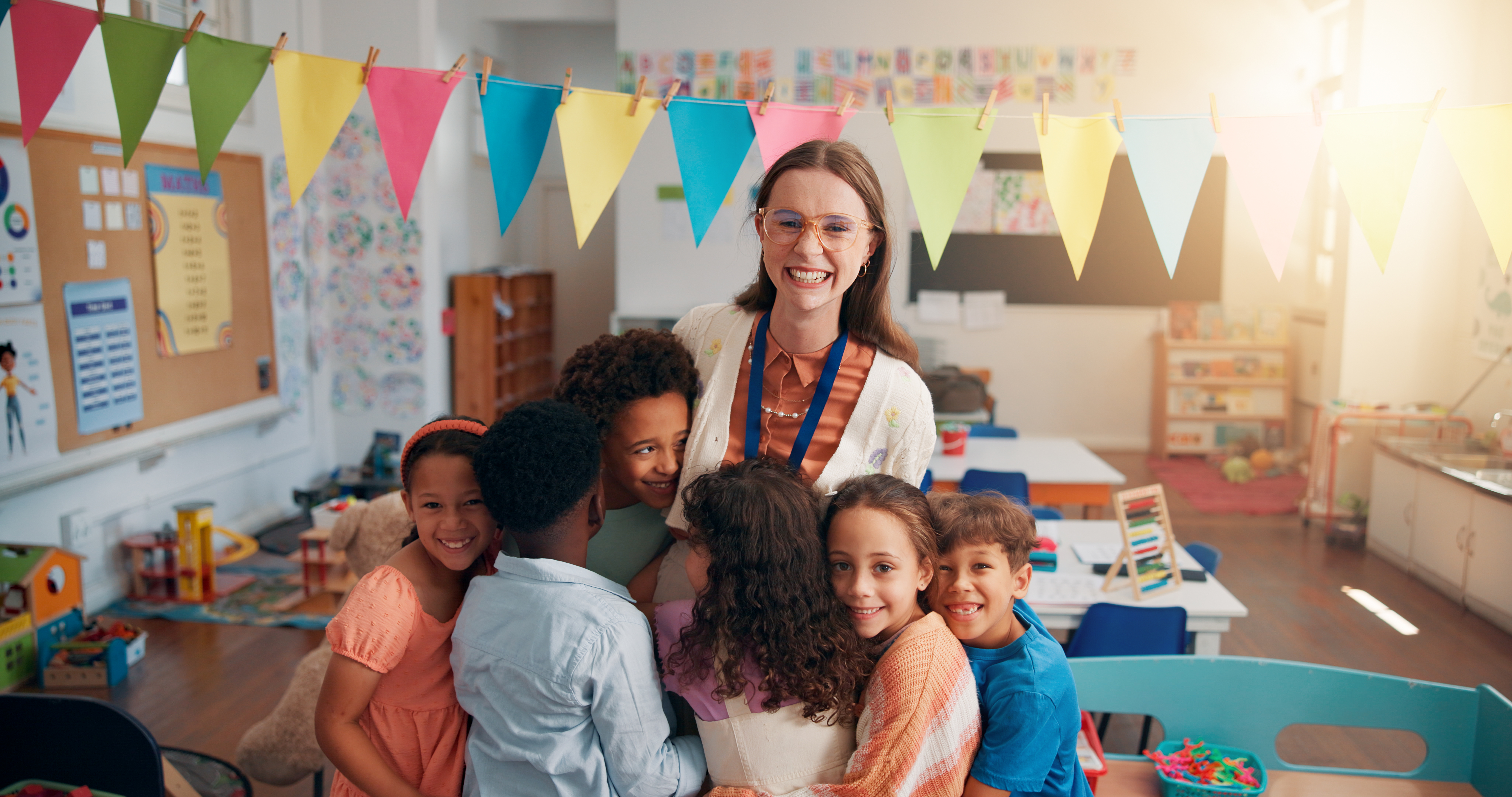
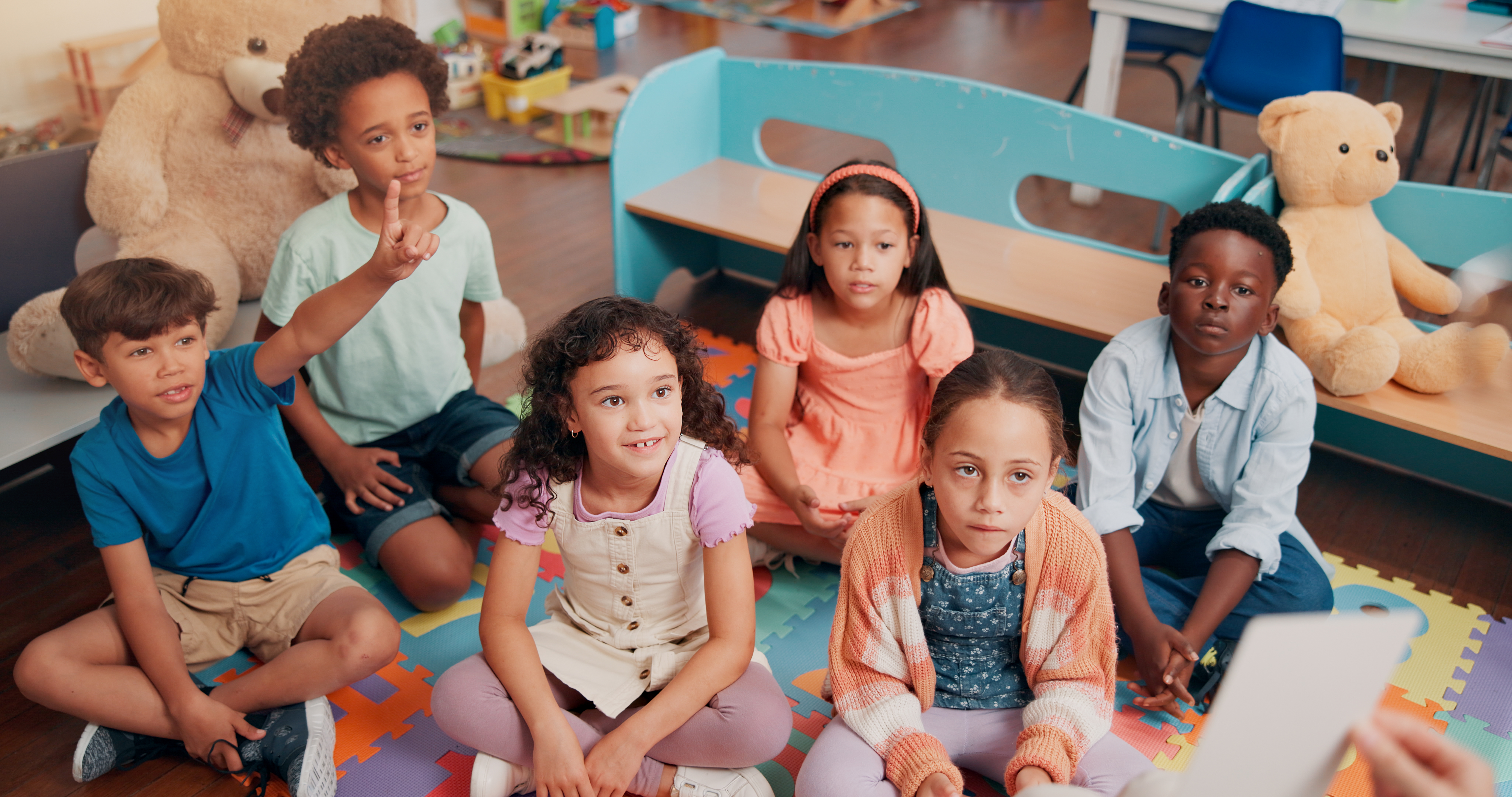
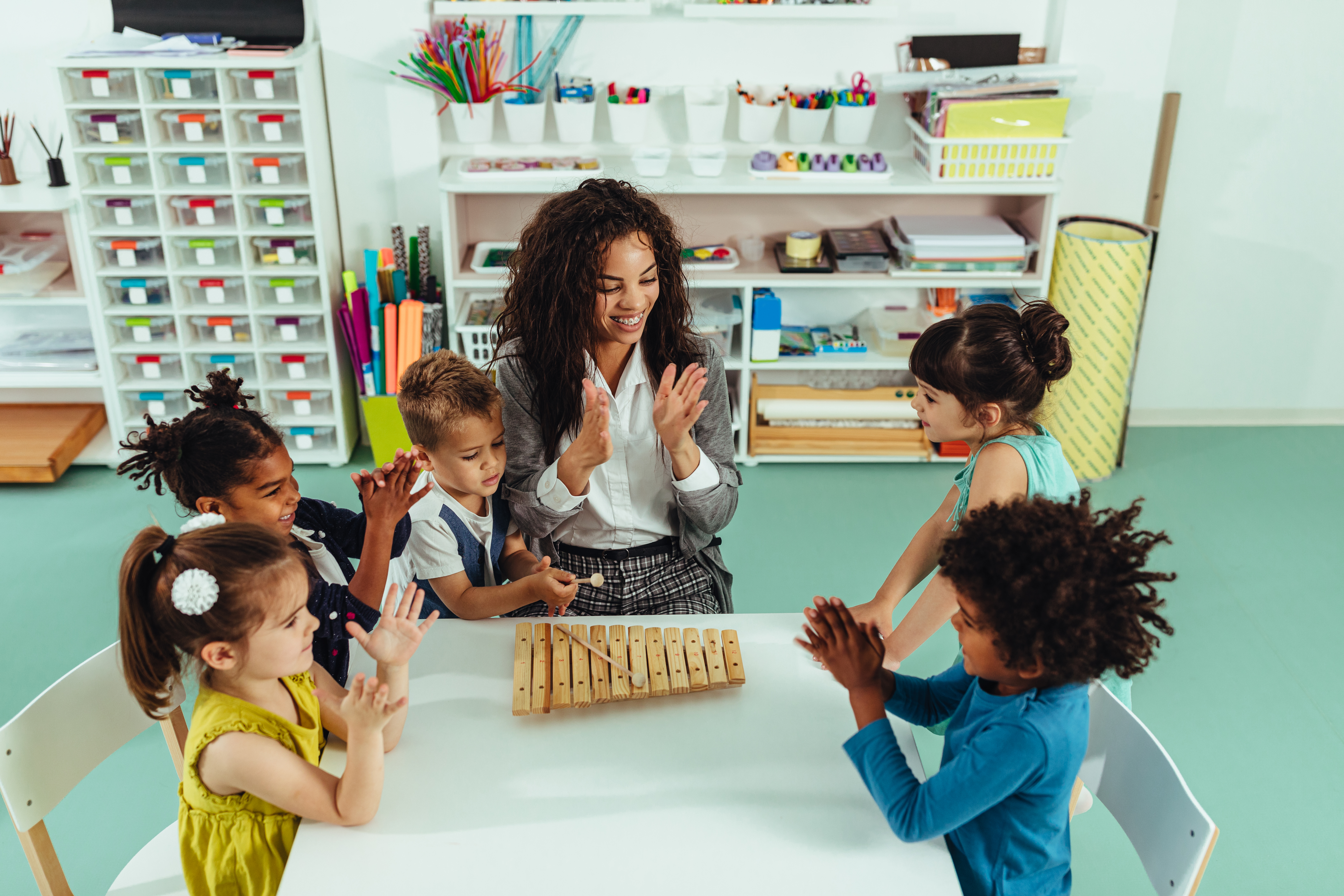
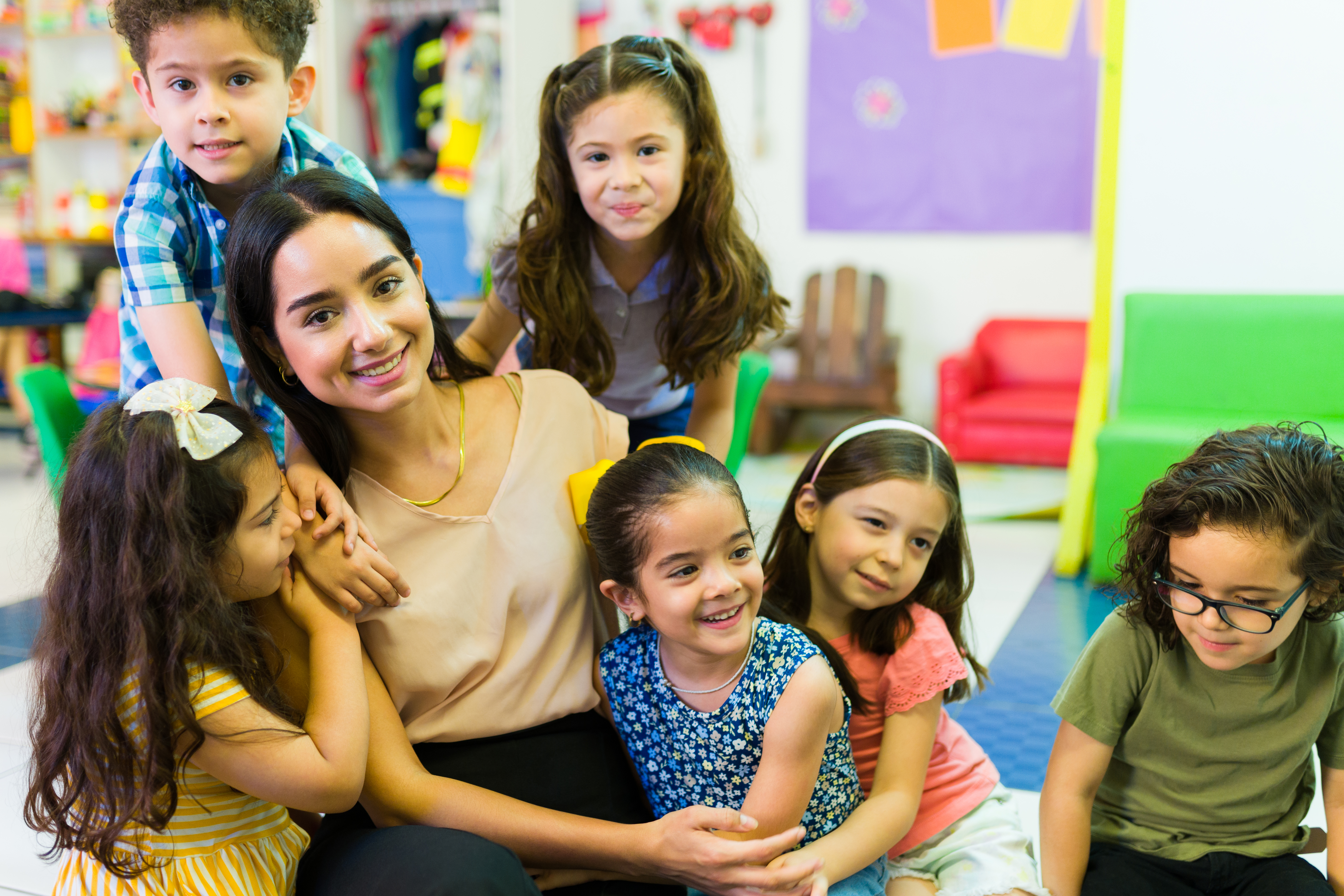
A safe early learning environment sets the tone for your child’s day, blending care with clear, healthy daycare practices you can spot at a glance. When you walk into a center, you should see more than just classrooms—you should feel the calm that comes from daily health screening childcare and spotless daycare cleaning protocols. At Basic Beginnings, we partner with families to nurture every child’s growth in Haverhill and Nashua, giving you confidence in your choice. Keep reading to learn what a truly safe, healthy early learning day looks like.
Creating a Safe Learning Space
Creating a safe learning space is key to your child’s development. You’ll want to know the measures in place to ensure safety and cleanliness at all times.
Daily Health Screenings
Daily health screenings are essential in keeping everyone healthy. They start with a quick temperature check and visual assessment. By catching signs of illness early, we help prevent spreading it. This routine is more than just a task: it’s a commitment to your child’s well-being. Each morning, our staff is trained to spot symptoms quickly. This attention is part of our promise to create a safe space for learning and play.
Comprehensive Daycare Cleaning
A clean environment contributes to a healthy daycare. We follow strict cleaning protocols throughout the day. Surfaces are sanitized, and toys are cleaned regularly. These practices aim to reduce the spread of germs. Our commitment is evident in the sparkling floors and fresh air you notice each day. When children feel secure, they’re more likely to explore and thrive.
Licensed Preschool Standards
Having licensed preschool standards ensures quality education. We meet state guidelines that cover health, safety, and education. This means your child benefits from a consistent curriculum. Our teachers receive ongoing training to stay updated with best practices. With these standards in place, you can trust that your child is in capable hands, ready to learn and grow.
Nurturing Healthy Development
Nurturing your child’s development goes beyond academics. It involves emotional and social growth, setting the stage for lifelong learning.
Social and Emotional Growth
Social and emotional growth is crucial during early years. Children learn to express feelings and understand others. Activities like group play and storytelling help develop these skills. When kids play together, they learn empathy and cooperation. Our environment encourages this growth in a supportive setting. By focusing on these areas, we prepare your child for both school and life.
Positive Guidance Practices
Positive guidance practices shape your child’s behavior without harsh discipline. We use techniques that promote cooperation and respect. Our teachers model kindness and patience, showing children how to act. This approach helps build self-esteem and independence. Your child learns not just what to do, but why it’s important, fostering responsible decision-making.
Parent-Teacher Partnership
A strong parent-teacher partnership supports your child’s success. Communication is key, and we encourage regular updates and feedback. When parents and teachers work together, they create a consistent learning environment. This collaboration ensures that any concerns are addressed quickly. By partnering with you, we tailor our approach to fit your child’s needs, reinforcing learning at home and school.
Flexible Childcare Options
Flexible childcare options cater to modern families with busy schedules. We offer services that adapt to your needs, ensuring quality care at all times.
FAA Childcare Benefits
FAA childcare benefits provide exclusive support for federal employees. These include special discounts and priority placement. Our partnership with the FAA means we understand your unique requirements. This benefit makes it easier for you to access quality childcare. By choosing our center, you get flexibility tailored to your work commitments.
Extended Hours and Weekend Availability
Extended hours and weekend availability offer convenience for working parents. Our Nashua location stays open late and on weekends, giving you more options. We understand that not all jobs fit into a 9-to-5 schedule. These extended hours mean you can have peace of mind knowing your child is cared for, no matter your work hours.
Infant Care and Preschool Programs
Our infant care and preschool programs cater to children at different stages. Infants receive nurturing attention in a warm setting designed for safety. As they grow, our preschool program introduces structured learning with play. These programs focus on developmentally appropriate activities. Your child will explore, create, and learn in a secure environment, ready for the next steps in their educational journey.
Parent-teacher communication isn’t something to wait for—it starts on day one. When you and your child’s teacher share updates and insights early, your little one’s social and emotional development takes a strong step forward. At Basic Beginnings, this open dialogue supports school readiness and builds a family-school partnership you can trust. Keep reading to see how our approach at daycare Haverhill MA and child care Nashua NH centers sets your child up for success from the very start. Learn more about parent-teacher communication here.
Importance of Parent-Teacher Communication
Creating a successful learning experience for your child begins with open communication. This essential connection is vital in nurturing both social and emotional growth.
Boosts Social-Emotional Growth
When teachers and parents communicate effectively, children thrive emotionally. This collaboration builds confidence and encourages kids to express their feelings. Imagine your child sharing a new skill or a favorite moment with excitement, knowing their teacher and you are both listening. It’s not just about sharing information; it’s about forging bonds that support your child’s emotional well-being.
Teachers provide updates about your child’s day, offering a window into their world. Your insights as a parent also guide teachers in understanding your child’s unique needs. Together, you create a comforting environment where your child feels understood and valued. Such an approach can lead to significant improvements in how children handle emotions and interact with peers. This partnership is the key to helping your child develop a strong emotional foundation.
Advances School Readiness
Communication between parents and teachers plays a crucial role in preparing children for school. Understanding what happens in the classroom helps parents reinforce learning at home. When you know the activities and subjects your child enjoys, you can support those interests outside of school hours.
Our teachers share observations and progress, helping you to align home activities with classroom learning. This alignment ensures that your child gains the skills needed for school success. The collaboration also fosters a seamless transition from daycare to formal schooling. By working together, you and your child’s teacher make sure that your child is not only ready but eager to start school.
Builds Strong Family-School Partnerships
A solid partnership between families and schools creates a supportive community for children. This relationship is built on trust and shared goals for your child’s development. A family-school partnership isn’t just about academics; it’s about working together to nurture your child’s overall well-being.
When parents and teachers communicate openly, they can address any concerns quickly. This proactive approach prevents issues from escalating and ensures that your child receives the best possible care and guidance. A strong partnership also means celebrating successes together, reinforcing the positive impact of teamwork on your child’s education journey.
Communication Practices at Basic Beginnings
At Basic Beginnings, we prioritize communication to ensure your child’s growth is supported every step of the way. Let’s explore how we keep you connected.
Daily Updates and Check-Ins
We believe that consistent communication is crucial. Each day, our teachers provide updates about your child’s experiences and achievements. These updates keep you informed and engaged in your child’s daily life. You won’t miss out on the moments that matter; whether it’s a new word your toddler learned or a creative project your preschooler completed, you’ll be in the loop.
Our check-ins also provide an opportunity for you to share any changes or concerns. Perhaps your child showed a new interest at home or faced a challenge you’d like us to address. By exchanging information, we ensure that your child receives a seamless and supportive experience both at home and at our center.
Developmental Assessments and Conferences
Regular assessments are part of our commitment to your child’s development. These evaluations help us tailor learning experiences to meet each child’s needs. During conferences, we discuss these assessments with you, offering insights into your child’s progress and areas for growth.
By involving you in this process, we create a plan that supports your child’s learning journey. These conversations are crucial for setting goals and celebrating milestones. Together, we ensure that your child is on the path to reaching their full potential.
Flexible Childcare Hours and Extended Services
We understand that flexibility is essential for many families. With our extended hours, we provide care that fits your schedule. Whether you need early drop-offs or late pick-ups, we’re here to accommodate your needs. Our flexible childcare hours ensure that your child receives consistent care, even if your schedule changes.
Additionally, our extended services, such as weekend care, offer extra support for busy families. By providing these options, we help you balance work and family life without compromising on quality care for your child.
Invitation to Join Our Community
We invite you to experience the nurturing environment at Basic Beginnings. Let’s explore what our community has to offer.
Schedule a Tour and Meet Teachers
Seeing is believing. We welcome you to visit our centers and meet our dedicated teachers. During the tour, you’ll see firsthand how our programs support your child’s development. Our teachers are eager to share their passion for education and answer any questions you may have.
Scheduling a tour is easy. Simply contact us to set up a time that works for you. We look forward to showing you how we create a safe and engaging space for children to learn and grow.
Enrollment Opportunities and Benefits
Enrolling your child at Basic Beginnings opens the door to numerous benefits. From our comprehensive curriculum to our focus on individual learning styles, your child will receive quality care that fosters growth. We also offer enrollment opportunities tailored to meet your needs, ensuring that the process is smooth and welcoming.
Joining our community means becoming part of a network that values education and partnerships. We are committed to supporting your family every step of the way.
Discover FAA Childcare and Extended Hours in Nashua ✨
For FAA and federal employees, we offer specialized childcare options. Our FAA childcare benefits provide flexibility and support for your unique needs. With extended hours available at our Nashua location, we ensure that your childcare arrangements align with your work commitments.
Experience the difference that quality care and a supportive community can make. We invite you to become part of the Basic Beginnings family, where your child’s growth and happiness are our top priorities.
Strong parent-teacher partnership shapes early childhood development in ways you might not expect. When you and your child’s teacher work closely, your child gains stronger social and emotional skills that set the stage for school readiness. At Basic Beginnings, we focus on building these relationships every day to support your child’s growth. Keep reading to learn how this teamwork makes a real difference and how you can get involved in your child’s early learning journey. Learn more about the importance of parent-teacher partnerships.
Strengthening Early Childhood Development
The foundation of childhood success starts with a strong parent-teacher partnership. This alliance plays a crucial role in your child’s growth, providing benefits that extend into social, emotional, and academic areas.
Parent-Teacher Partnership Benefits
Discovering how you and teachers can work together is vital. This collaboration helps your child feel more secure and supported. When you share insights about your child’s preferences and habits, teachers can tailor their approach to fit individual needs. This creates a nurturing environment where children thrive.
Teachers gain valuable insights from parents, which helps them connect with each child. When parents and teachers communicate regularly, children see this teamwork and feel more confident. By attending parent-teacher meetings or participating in classroom activities, you’re showing your child that education is important. This engagement boosts your child’s enthusiasm for learning and helps them develop a positive attitude towards school.
A strong partnership ensures that your child receives consistent messages about learning and behavior. This consistency fosters a sense of stability, which is crucial for young minds. Learn more about the power of parent involvement here.
Accelerating Social and Emotional Growth
Social and emotional growth is foundational to your child’s overall development. When parents and teachers work together, this growth is accelerated. Children learn to navigate emotions and build relationships in a supportive setting.
In a classroom that values collaboration, children develop empathy and cooperation. Teachers guide them in understanding different feelings and perspectives, while parents reinforce these lessons at home. This dual approach helps children manage emotions effectively and improves their social skills.
Social milestones, like sharing and taking turns, are reinforced through consistent support. With parents and teachers on the same page, children experience a seamless transition between home and school. This consistency helps them feel safe and understood, boosting their confidence in social settings.
Pre-Academic Growth Through Collaboration
Your collaboration with teachers doesn’t just impact emotional growth. It also sets the stage for academic success. When parents engage in their child’s learning journey, children develop a love for learning.
Parents can support pre-academic skills at home by incorporating playful learning activities. Teachers can offer guidance on effective strategies for reading or counting. This shared effort helps children grasp foundational concepts more easily and prepares them for future academic challenges.
When teachers and parents collaborate, learning becomes a shared adventure. Children see their caregivers and educators as a team, which encourages them to embrace curiosity and exploration. This sets a positive tone for lifelong learning. Discover more about how parent-teacher partnerships benefit early education here.
Basic Beginnings Partnership Practices
At Basic Beginnings, we believe that collaborative efforts between parents and teachers fuel a child’s growth. Our practices reflect this belief, ensuring every child has the tools they need to succeed.
Family Engagement in Preschool
Family engagement is at the heart of our preschool programs. We invite you to participate in classroom activities and events. This involvement helps you understand your child’s experiences and reinforces learning at home.
We encourage open communication between parents and teachers. Regular updates and meetings ensure everyone is on the same page regarding your child’s progress. By staying engaged, you play an active role in shaping your child’s educational journey.
Our preschool fosters a welcoming atmosphere where families feel valued. Through workshops and family nights, we create opportunities for connection and learning. This partnership strengthens the school community and enriches the educational experience for all.
Flexible Childcare for Federal Employees
For families working in federal positions, flexibility in childcare is crucial. Basic Beginnings offers tailored solutions to accommodate your schedule, ensuring peace of mind while you’re at work.
Our partnership with the FAA allows us to provide unique benefits to federal employees. You can trust us to deliver high-quality care that fits your needs. With extended hours and weekend availability, our services cater to diverse schedules, making life easier for busy parents.
By choosing Basic Beginnings, federal employees gain access to convenient childcare options without compromising on quality. Our commitment to flexibility ensures that your child receives exceptional care while you focus on your career.
Quality Childcare in New Hampshire
Located in Nashua, NH, Basic Beginnings is your go-to for quality early childhood education. Our programs are designed to nurture each child’s unique potential in a safe and supportive environment.
We pride ourselves on offering comprehensive educational experiences that meet state standards. Our experienced educators tailor lessons to fit the developmental stages of each child, fostering a love for learning from an early age.
As a trusted childcare provider in New Hampshire, we prioritize safety and well-being. Our facilities are equipped with resources that inspire exploration and creativity, ensuring children thrive in our care.
Enrollment and Engagement Opportunities
Ready to take the next step? At Basic Beginnings, we’re here to support your family’s educational journey. Explore our enrollment options and discover what makes us a leader in early childhood education.
Schedule Your Family Tour Today
Curious about what we offer? Schedule a tour to see our programs in action. Visiting us gives you a firsthand look at our facilities and teaching methods. You’ll meet our dedicated educators and learn how we can support your child’s growth.
A tour also provides an opportunity to ask questions and address any concerns. We’re committed to making this process as smooth as possible for you and your child. Contact us today to book your visit and take the first step towards a brighter future for your little one.
The Launching Pad Childcare Benefits
For FAA and federal employees, The Launching Pad offers exceptional childcare benefits. Our partnership includes exclusive discounts and priority placement, making it easier for you to access quality care.
Our flexible services align with federal schedules, offering extended hours and drop-in care. This ensures that you have reliable childcare options, regardless of your work commitments. With Basic Beginnings, you can focus on your career, knowing your child is in safe hands.
Meet Our Dedicated Educators
Our educators are the heart of Basic Beginnings. Each teacher is dedicated to nurturing your child’s potential through personalized and engaging learning experiences.
With a deep commitment to early childhood education, our team brings passion and expertise to the classroom. They work closely with families to ensure every child’s unique needs are met. When you enroll your child at Basic Beginnings, you’re joining a community that values education and partnership.
Explore the possibilities for your child’s future with us. We invite you to be part of our community and experience the benefits of a strong parent-teacher partnership firsthand.
Spring childcare enrollment can feel overwhelming when you’re juggling questions about safety, curriculum, and schedules. You want to find a place that feels like a true partner in your child’s early learning and growth. This checklist of 19 smart questions to ask daycare tours will help you spot the programs that truly support your child’s development and fit your family’s needs. Bring this list on your tour and see how Basic Beginnings in Haverhill, MA and Nashua, NH stands apart.
Key Spring Enrollment Questions
Starting your childcare search involves understanding key program details. Let’s explore some crucial questions to ask during your spring tours, ensuring you choose the best fit for your child’s needs.
Evaluating the Teacher-Child Ratio
Understanding the number of children per teacher helps measure the attention your child will receive. A lower ratio can mean more personalized care and instruction. At Basic Beginnings, we prioritize a balanced ratio to foster individual growth. Consider asking about their ratio compared to state regulations. Some centers might exceed expectations by offering a more individualized approach, leading to better educational outcomes.
You might be surprised to learn that the ideal ratio can vary for different age groups. For instance, infants may need a 1:4 ratio, while older kids might thrive with 1:10. Knowing these numbers can aid in evaluating the quality of supervision and care your child will experience.
Understanding the Infant Care Program
Infant care programs should focus on safety and developmental milestones. Basic Beginnings ensures a nurturing environment for babies through carefully tailored activities. Ask about the daily routine: Does it include sensory play and one-on-one interactions?
It’s also crucial to know how the center supports both non-mobile and mobile infants. Look for programs offering a variety of activities like crawling, exploring, and sensory experiences. This approach helps infants develop essential motor and cognitive skills, preparing them for future learning stages.
Exploring the Pre-K Readiness Curriculum
A solid Pre-K curriculum sets the stage for school success. At Basic Beginnings, we offer a curriculum that covers reading, math, and social skills. Inquire about how the center prepares children for kindergarten. Do they offer activities that enhance literacy and math readiness?
Pay attention to how teachers incorporate play-based learning, as this method engages young minds effectively. Programs focusing on hands-on activities allow children to grasp concepts naturally, making the transition to kindergarten smoother and more enjoyable.
Importance of Parent-Teacher Partnerships
An effective childcare program involves active collaboration between parents and teachers. Let’s delve into why these partnerships matter and what you should consider when evaluating them.
Building a Strong Parent-Teacher Connection
Communication between parents and teachers is key to supporting your child’s growth. Basic Beginnings emphasizes transparent communication channels. Ask how the center keeps parents informed about their child’s progress. Do they provide regular updates or parent-teacher meetings?
Look for centers that encourage parental involvement, offering opportunities to participate in events or volunteer. This collaboration ensures that both home and school environments support your child’s development harmoniously.
Encouraging Social and Emotional Development
Children thrive in environments that nurture their social and emotional skills. Basic Beginnings prioritizes activities that build confidence and empathy. Ask about the strategies used to foster these skills. Are there programs that promote teamwork and emotional intelligence?
Social development plays a vital role in preparing children for future interactions. Understanding how teachers guide kids in resolving conflicts and expressing emotions can help you assess how well a program aligns with your values.
Ensuring a Safe, Nurturing Environment
Safety is paramount in any childcare setting. Basic Beginnings maintains rigorous standards to create a secure atmosphere. Inquire about safety protocols, including staff training and emergency procedures. How does the center ensure cleanliness and child-proofing?
A nurturing environment involves more than just physical safety. It’s about providing emotional support and creating a welcoming space. Asking these questions helps identify centers that prioritize your child’s well-being on all fronts.
Flexible Childcare Options for Families
In today’s fast-paced world, flexibility in childcare options can ease pressure on families. Let’s explore how Basic Beginnings caters to diverse needs and schedules.
Exploring Extended and Weekend Hours
For many families, standard daycare hours may not suffice. Basic Beginnings offers extended hours and weekend care in Nashua, NH, accommodating various schedules. Ask if the center provides flexible drop-off and pick-up times. Knowing your options can significantly reduce daily stress.
Consider how these extended services can support your lifestyle, especially if you work irregular hours. Having a reliable option ensures your child receives consistent care, regardless of your schedule.
Understanding FAA Childcare Benefits
For federal employees, unique benefits may be available. Basic Beginnings partners with the FAA to offer tailored childcare solutions. Inquire about potential discounts or priority placement for FAA employees. How can these benefits ease your childcare concerns?
This partnership highlights the center’s commitment to supporting families with tailored solutions. Understanding these offerings can provide peace of mind and financial relief for qualifying families.
Scheduling a Childcare Tour and Questions
A personal tour of a childcare center is invaluable. Basic Beginnings invites you to visit and ask specific questions. What should you look for during the tour? Pay attention to the facility’s cleanliness, interaction between staff and children, and overall atmosphere.
Prepare your questions in advance to make the most of your visit. Consider what matters most for your family’s needs, and ensure the center aligns with those priorities. A well-prepared tour can affirm your choice, offering confidence in your decision for your child’s care.
Safety First, Learning Always: A Parent’s Checklist for Choosing a Childcare Center
Choosing the right childcare center can feel overwhelming when safety and learning both top your list. You want a place where your child feels secure and thrives each day. This childcare center safety checklist will guide you through what truly matters—from secure entry and CPR-trained staff to a preschool curriculum that sparks curiosity. Keep reading to find out how Basic Beginnings in Haverhill and Nashua supports your child’s growth in a safe and nurturing environment.
Key Safety Features
Safety is a top concern for parents. Knowing your child is in a secure environment offers peace of mind. Let’s explore key safety measures you should expect.
Secure Entry Systems
The first line of defense in a childcare center is a secure entry system. This ensures that only authorized individuals can enter, protecting children from potential dangers. At Basic Beginnings, we use state-of-the-art security systems, including key card access and monitored entry points, to keep everyone safe. Safety might seem like a given, but not all centers offer the same level of protection. Look for features like cameras and sign-in protocols. These measures help prevent unauthorized access, ensuring your child’s security throughout the day.
CPR and First Aid Trained Staff
Imagine a situation where quick action is crucial. This is why having CPR and First Aid trained staff is essential. Our team at Basic Beginnings is fully trained and certified to handle emergencies. This readiness provides an extra layer of safety, allowing you to feel confident that your child is in capable hands. Ask potential centers about their training procedures and certification renewals. Having a trained staff can make a significant difference in emergency situations.
Health and Safety Protocols
Childcare centers should follow stringent health and safety protocols to maintain a healthy environment. Regular cleaning schedules, proper hygiene practices, and clear policies on illness are vital. Basic Beginnings adheres to rigorous health standards to ensure that germs are kept at bay. We follow strict guidelines to provide a clean and safe environment. By prioritizing cleanliness, we create a space where children can thrive without worry.
Learning and Development
Beyond safety, a nurturing environment is key to your child’s development. Here’s how we foster growth through engaging programs.
Preschool Curriculum Focus
A strong preschool curriculum lays the foundation for lifelong learning. At Basic Beginnings, our curriculum is designed to spark curiosity and encourage exploration. We cover core subjects like math, science, and language arts through hands-on activities. This approach not only prepares children academically but also nurtures a love for learning. The curriculum follows educational standards, ensuring that your child is gaining the knowledge needed for future success.
Social and Emotional Development
Children learn crucial social and emotional skills at a young age. Our programs at Basic Beginnings focus on helping children develop empathy, cooperation, and self-awareness. Through group activities and guided play, children learn to navigate social interactions and build friendships. This foundation helps them understand and manage their emotions, equipping them with skills for life. Social growth is just as vital as academic achievement, and we make sure it’s a priority.
Infant and Toddler Programs
Infants and toddlers have unique developmental needs. Our programs are tailored to nurture their growing minds and bodies. At Basic Beginnings, we provide a loving and warm environment where infants receive dedicated care. Toddlers are encouraged to explore and learn through play. Activities are designed to support motor skills, language development, and sensory experiences. This nurturing approach ensures a well-rounded start for the youngest learners.
Parent Engagement
Engaging with parents is essential in creating a supportive childcare experience. Let’s discuss how we partner with you for your child’s success.
Building Parent-Teacher Partnerships
Strong parent-teacher partnerships are crucial for your child’s development. At Basic Beginnings, we believe in open communication and collaboration. Regular updates and meetings ensure that you are informed about your child’s progress and development. We encourage parents to share insights and participate in the learning process. This partnership helps us create personalized learning experiences that cater to each child’s needs.
Scheduling a Childcare Tour
Seeing is believing. Scheduling a tour at a childcare center gives you an opportunity to see the environment and meet the staff. At Basic Beginnings, we welcome parents to visit and explore our facilities in Haverhill and Nashua. During the tour, you can observe daily activities and get a sense of how we operate. Tours are an excellent way to address any concerns and witness firsthand the care and attention your child will receive.
Questions to Ask Daycare Centers
Knowing the right questions to ask can help you make an informed decision. Consider inquiring about staff qualifications, safety protocols, and the curriculum. Ask about daily routines, parent involvement opportunities, and how they handle emergencies. Understanding these aspects will help you feel confident in your choice. Basic Beginnings is always ready to answer your questions, ensuring transparency and trust in our services.
By prioritizing safety and development, we at Basic Beginnings provide a nurturing environment where children can thrive. Our commitment to quality education and parent engagement sets us apart. Consider visiting our centers in Haverhill and Nashua to see how we support your child’s growth every day.
Positive Guidance for Little Learners: Tips to Nurture Social and Emotional Growth
Positive guidance shapes more than just behavior—it builds the foundation for your child’s social and emotional growth. You want practical ways to help your little learner navigate feelings and friendships with confidence. In this post, you’ll find family-friendly tips that support early childhood education Haverhill MA families trust, plus insights into how Basic Beginnings creates a safe nurturing environment where your child can thrive.
Positive Guidance in Early Childhood
Creating a nurturing environment at home is key for your child’s social and emotional development. Understanding how to guide your child positively can pave the way for meaningful growth.
Nurturing Social Skills at Home
Social skills are the building blocks of your child’s interactions. To start, create opportunities for your child to play with others. Arrange playdates with children of similar ages. During play, observe and gently coach them through sharing and taking turns. This teaches cooperation and empathy. For more insights, explore this resource on promoting social and emotional health.
Next, make time for family conversations. At dinner, encourage your child to express their day’s highlights. Listening and responding to their thoughts reinforces their communication skills. You might find that these simple moments set a strong foundation for their ability to connect with others.
Building Emotional Growth Together
Helping your child understand emotions is crucial. Start by labeling feelings: “You seem happy,” or “I see you’re upset.” This gives them the words to express themselves. When they experience big emotions, guide them with calming techniques like deep breathing or counting to ten.
Routine is another powerful tool. A consistent schedule helps your child feel secure. From morning routines to bedtime stories, predictability builds trust. You can draw inspiration from this guide to social and emotional development, which offers more strategies.
How Basic Beginnings Supports Growth
Basic Beginnings is committed to fostering a nurturing environment for every child. They provide the framework for both parents and teachers to support your child’s growth together.
Classroom Strategies for Development
In the classroom, Basic Beginnings integrates social and emotional learning into daily activities. Teachers use role-playing and storytelling to teach empathy and problem-solving. This hands-on approach encourages children to practice new skills in a supportive setting.
Moreover, the curriculum includes activities designed to boost confidence. For instance, children participate in group projects where they can lead and make decisions. These experiences build self-assurance and independence. Dive deeper into these classroom strategies with this article on supporting social-emotional development.
Benefits for FAA and Federal Employees
Basic Beginnings offers unique benefits for FAA and federal employees, ensuring that your needs are prioritized. Not only is there a dedicated childcare program for federal employees, but there are also discounts and subsidies available. These advantages mean you can focus on your work, knowing your child is in a safe, enriching environment.
With extended hours and weekend availability, Basic Beginnings caters to the demanding schedules of federal employees. This flexibility ensures that your child’s care aligns with your work commitments. Explore this resource to learn more about the impact of flexible care options.
Enrolling at Basic Beginnings
Ready to join a community that supports your child’s growth? Basic Beginnings makes enrollment easy and welcoming.
Schedule a Tour Today
Seeing is believing. Schedule a visit to experience the vibrant environment where your child will learn and grow. During the tour, you’ll meet the dedicated staff and observe classrooms designed to nurture development. This first step is crucial to finding the right fit for your child.
Flexible Care Options Available
Basic Beginnings understands that every family is unique. With flexible care options, including extended hours and weekend support, they tailor their services to fit your lifestyle. This adaptability ensures that your child receives the care they need, when they need it.
In conclusion, positive guidance at home pairs perfectly with the supportive environment at Basic Beginnings. By working together, you can set your child on a path to lifelong success and well-being.
Is My Child Ready for Preschool? Key Signs and Simple Ways to Support a Smooth Transition
Choosing the right moment to start preschool can feel overwhelming. You might wonder if your child shows the key preschool readiness signs or how to prepare for preschool without stress. This guide breaks down simple ways to support preschool transition, helping your family feel confident every step of the way. If you’re near Haverhill, MA or Nashua, NH, Basic Beginnings invites you to tour our centers and explore flexible childcare options designed for your busy schedule.
Key Preschool Readiness Signs
Getting your child ready for preschool involves understanding their development. Let’s explore the key signs.
Recognizing Social and Emotional Development
Is your child ready to play with others? This is a big sign of social and emotional growth. Kids who show interest in sharing and taking turns are on the right track. They might have more fun playing with friends than playing alone. This is important in a preschool setting, where working together is part of the day.
When kids manage their feelings, like calming down after a tantrum, they’re showing growth. It means they’re learning to handle emotions, which is crucial for preschool. Most kids will have off days, and that’s normal. The goal is to see more good days than bad.
Understanding Language and Communication Milestones
Can your child express needs with words? This is a sign they’re ready for preschool. Kids should communicate in simple sentences, like “I want juice” or “I’m tired.” This helps teachers understand them better.
Listening is just as important. If your child follows simple directions, like “Put the toy away,” they’re likely ready. Reading books and singing songs together boost these skills. It’s a fun way to prepare for the preschool environment.
Assessing Self-Help Skills for Preschool
Is your child starting to dress or undress themselves? This is a good sign of readiness. Preschoolers often need to handle some tasks alone, so being able to zip a jacket or put on shoes is helpful.
Toilet training is another milestone. If your child shows interest in using the potty, they’re on the right path. While full independence isn’t required, some progress is ideal. These skills make the preschool transition smoother for everyone.
Supporting Your Child’s Transition
Helping your child feel comfortable in preschool is key to a smooth start. Let’s look at ways to ease the change.
Tips for Managing Separation Anxiety
Worried about leaving your child at preschool? You’re not alone. Many parents face this challenge. Start by spending short periods away from your child to help them get used to being apart. When you return, they’ll learn that goodbyes aren’t forever.
Create a quick goodbye routine. A hug and a cheerful “See you later!” can work wonders. Keep it short to make parting easier. Read more tips here to help with this transition.
Encouraging Toilet Training Readiness
Starting preschool often means starting toilet training. You can help your child feel more confident by practicing at home. Set up a regular bathroom schedule. Praise your child for trying, even if they don’t always succeed.
Using pull-up pants can be a helpful step between diapers and underwear. Remember, patience is key. Every child learns at their own pace. Consistent efforts will show results over time.
Building a Strong Parent-Teacher Partnership
A solid bond with your child’s teacher can make a big difference. It helps them understand your child’s needs and makes you feel more involved. Attend parent-teacher meetings and communicate regularly about your child’s progress.
Share any concerns or preferences with the teacher, so they can provide the best care. This partnership supports your child’s success in preschool and beyond.
Exploring Basic Beginnings’ Offerings
As you look for the right preschool, consider what Basic Beginnings offers to support your family’s needs.
Flexible Childcare Hours and Programs
Our centers in Haverhill and Nashua offer flexible hours to fit your schedule. Whether you need early mornings or late evenings, we’ve got you covered. This flexibility helps parents manage work and family time without stress.
We provide a range of programs from infants to pre-kindergarten, ensuring a seamless learning path for your child. Learn more about our programs to find the right fit for your family.
Benefits for FAA and Federal Employees
Basic Beginnings partners with the FAA to offer tailored benefits for FAA and federal employees. This includes discounts and priority placement to ease your childcare worries. It’s part of our commitment to supporting our community and its families.
Extended hours and weekend care in Nashua are ideal for those with non-traditional work schedules. These benefits ensure your child receives quality care while you focus on your career.
Scheduling a Preschool Tour Near You 🚀
Ready to see our centers in person? Scheduling a tour is easy and helps you decide if we’re the right fit. During the tour, you’ll see our classrooms, meet our staff, and learn about our curriculum.
If you’re near Haverhill, MA or Nashua, NH, come visit us. We can’t wait to welcome you and your child to Basic Beginnings. Discover the perfect place for your child to learn and grow!
Every Child, Every Feeling: How Individualized Learning Builds Social and Emotional Skills in Preschool
Individualized learning preschool programs do more than teach letters and numbers—they build the social and emotional skills your child needs to thrive. When learning fits your child’s unique pace and style, feelings become easier to express and friendships grow stronger. At Basic Beginnings, our approach nurtures these skills in a safe, welcoming space designed for every child’s success. Keep reading to see how personalized learning sets the foundation for school readiness and confident growth. Learn more about social and emotional development in early learning settings.
Building Social and Emotional Skills
The way children learn is as important as what they learn. At Basic Beginnings, our focus on individualized learning programs helps children grow socially and emotionally.
The Role of Individualized Learning
Imagine a classroom where each child’s needs guide the learning process. This is the essence of individualized learning. It starts with understanding your child’s unique pace and style. We tailor activities to fit these needs, helping your child express themselves better. For instance, a shy child might engage in small group activities to build confidence. This personalized approach fosters emotional growth.
Children thrive when they feel understood. They become more open to sharing their thoughts and emotions. Teachers at Basic Beginnings work closely with each child, creating a strong bond. This connection helps in recognizing and nurturing each child’s potential. As children engage in activities suited to their interests, they become more involved and excited about learning. This enthusiasm spills over into their social interactions, making friendships grow stronger.
Positive Guidance in Action
Positive guidance is about showing children how to express feelings appropriately. At Basic Beginnings, we believe in setting clear expectations and reinforcing them through encouragement rather than punishment. This method empowers children to make better choices.
Consider a child who struggles with sharing toys. Our teachers use positive guidance techniques to teach patience and empathy. By encouraging children to talk about their feelings, they learn to resolve conflicts peacefully. This approach not only helps in the classroom but also prepares them for future social situations. By learning these skills early, children develop a strong foundation for their emotional well-being. Explore more about how personalized learning supports social-emotional learning.
Benefits of Early Childhood Education
Early childhood education offers more than just academic knowledge. It lays a foundation for lifelong learning and success, guiding children towards school readiness and emotional growth.
Fostering School Readiness
Preschool is where the journey of formal education begins. At Basic Beginnings, we focus on fostering school readiness by integrating learning with play. For example, using blocks to teach math concepts makes learning fun and engaging. This playful approach helps children grasp basic academic skills while also developing critical thinking.
School readiness is not just about academics. It’s about teaching children to follow routines and instructions. These skills are vital for a smooth transition into kindergarten. As children learn to manage their time and tasks, they become more confident in their abilities. This confidence is crucial for their academic journey ahead. By focusing on holistic development, Basic Beginnings ensures that children are not just ready for school, but ready for life. Read about the importance of social and emotional development in early learning settings.
Creating a Safe Nurturing Environment
A nurturing environment is key to a child’s development. At Basic Beginnings, we create spaces where children feel safe to explore and express themselves. Safety is our top priority, ensuring that every child feels secure while they learn and play.
Our classrooms are designed to be welcoming and inclusive. Teachers at Basic Beginnings are trained to provide support and encouragement, fostering a sense of belonging. When children feel safe, they are more willing to take risks and try new things. This openness to new experiences is essential for their growth and development.
We also emphasize the importance of social interactions. Group activities and collaborative play help children develop empathy and communication skills. As they interact with peers, they learn to understand and respect different perspectives. This nurturing environment builds a strong foundation for their future relationships. Discover more insights into social and emotional development.
Partnering with Families
Family involvement is crucial in a child’s educational journey. At Basic Beginnings, we believe in forming strong partnerships with families to support each child’s development.
Parent-Teacher Partnerships
Building a strong parent-teacher partnership is key to your child’s success. At Basic Beginnings, we prioritize communication and collaboration with families. Regular updates and meetings keep you informed about your child’s progress and achievements.
We encourage parents to share insights about their child’s interests and needs. This information helps us tailor learning experiences that resonate with your child. By working together, we create a supportive network that enhances your child’s development. This partnership ensures that your child receives consistent guidance both at home and in school.
Most people think teachers alone are responsible for a child’s education, but your involvement is just as important. By actively participating in your child’s learning journey, you reinforce the skills and values taught at school. Together, we can create an enriching environment that nurtures your child’s growth. Learn more about the importance of social and emotional development in early learning settings.
Flexible Childcare Solutions
In today’s world, flexibility is essential. Basic Beginnings offers flexible childcare solutions to accommodate your busy schedule. With extended hours and weekend availability in Nashua, we are here to support your family’s needs.
Our flexible options are designed to provide you with peace of mind. Whether you need care during non-traditional hours or require drop-in services, we’ve got you covered. This flexibility ensures that your child receives continuous care and education, even with varying schedules.
Parents often struggle to balance work and childcare. Our solutions offer the convenience you need without compromising on quality. By choosing Basic Beginnings, you can rest assured that your child is learning and growing in a safe, nurturing environment. The longer you wait to find the right childcare, the more you miss out on these benefits.
Basic Beginnings is committed to providing a supportive and flexible environment that meets the needs of modern families. By choosing us, you are ensuring a bright future for your child.
Growing Together: How Parent-Teacher Collaboration Nurtures Social and Emotional Skills in Early Childhood
Parent-teacher partnership is more than just meetings and updates—it shapes how your child learns to connect and express feelings. When home and school work side by side, children build stronger social and emotional skills that last a lifetime. At Basic Beginnings, we focus on this connection to support your child’s growth every day. Keep reading to see how our approach in early childhood education in Haverhill, MA, and Nashua, NH can make a real difference for your family. For more insights on the importance of these partnerships, check this resource.
Parent-Teacher Partnership Benefits
When schools and families join forces, children thrive in ways you might not expect. This collaboration lays a solid foundation that supports kids in developing crucial life skills.
Building Blocks of Social Skills
Have you ever wondered how your child learns to play and share? It starts with social skills that are nurtured both at home and in school. Parents and teachers work together to create environments that encourage these interactions.
Imagine your child in a classroom setting where they learn to play cooperatively in groups. This teaches them to share and wait their turn. At home, you can reinforce these lessons by playing games that require sharing and taking turns. This consistent approach between home and school helps your child build a strong social foundation.
Teachers play a vital role by modeling positive behavior, while parents can follow through with similar practices at home. This partnership ensures children receive consistent messages about how to interact with others. The result? A confident child who navigates social situations with ease.
Emotional Development Through Collaboration
Your child’s emotional growth is just as important as their social skills. Early childhood education focuses on helping children identify and express their feelings in healthy ways. Teachers introduce activities that encourage kids to talk about their emotions. Parents can extend this learning by having open conversations at home.
For instance, if your child learns about feelings through storytelling at school, you can continue the discussion by reading similar books together at home. This reinforces the idea that expressing emotions is normal and healthy.
A study shows that children who receive support from both teachers and parents tend to manage their emotions better. This collaboration builds emotional resilience, preparing them for life’s ups and downs.
Strategies for Family Engagement
Creating a seamless connection between home and school isn’t always easy, but it’s worth the effort. Here are some strategies to ensure your child gets the most out of this partnership.
Aligning Home and School Approaches
Aligning your home environment with school practices can make a world of difference. Start by understanding the core values and routines followed at school. Many schools, like Basic Beginnings, encourage parents to participate in classroom activities or meetings. This gives you a firsthand look at your child’s day and helps you mirror these practices at home.
Consider setting a routine that closely matches the school’s schedule. This consistency helps children know what to expect, reducing anxiety and improving focus. By aligning home and school approaches, you’re creating a stable support system.
Communication for Consistent Growth
Open communication is the backbone of a strong parent-teacher partnership. Regular updates from teachers keep you informed about your child’s progress and any areas that might need attention. This allows you to address challenges early and celebrate successes together.
Parents can also share insights with teachers. Perhaps your child is particularly interested in a topic, or there’s been a change at home that might affect their behavior. Sharing this information helps teachers provide tailored support.
Effective communication ensures everyone is on the same page, paving the way for consistent growth. As both parties work together, children benefit from a unified front that supports their development.
Flexible Childcare and Enrollment
Choosing the right childcare option can feel overwhelming, but understanding your needs and the available options can simplify the process. Flexibility in childcare arrangements can make a significant difference for busy families.
Exploring Program Options
Basic Beginnings offers various programs tailored to different age groups and needs. Whether you’re looking for infant care or pre-kindergarten readiness, there’s something for everyone.
Consider what works best for your family. Do you need full-time care, or would part-time options fit better? Understanding your schedule and your child’s needs can help you make an informed decision. With flexible options, you can find the perfect match that aligns with your family’s lifestyle.
Scheduling a Tour and Enrollment Details
Ready to see how Basic Beginnings can support your family? Scheduling a tour is the best way to understand what we offer. During the visit, you’ll meet our dedicated staff and see our facilities firsthand. It’s an opportunity to ask questions and discuss your child’s specific needs.
Enrolling your child is a straightforward process. We’ll guide you through each step, ensuring you have all the information needed to make a confident decision. Don’t wait too long—the sooner you start, the sooner your child can benefit from a nurturing environment that supports their growth.
In summary, a strong parent-teacher partnership is invaluable. By working together, you, your child, and their teachers create a supportive network that fosters social and emotional development. At Basic Beginnings, we’re committed to this collaboration, helping your child become a confident and empathetic individual.
Growing Hearts and Minds: Practical Ways to Build Social and Emotional Skills in Preschoolers
Most parents want their preschoolers to thrive socially and emotionally, but knowing where to start can feel overwhelming. Building these skills every day sets the foundation for school readiness and happy relationships. At Basic Beginnings Learning & Development Center, we partner with families to make social and emotional development a natural part of your child’s early childhood education. Keep reading to find simple, practical ways you can support your little one’s growth right now. For additional insights, visit this guide on supporting social and emotional development.
Nurturing Emotional Intelligence
Creating a nurturing environment for emotional growth is key. By focusing on emotional intelligence, you help your child navigate social landscapes with ease.
Everyday Strategies for Parents
You can start by teaching your child to recognize and name their feelings. Use daily interactions as opportunities to discuss emotions. Ask them how they feel when they encounter something new or exciting. This simple habit builds their emotional vocabulary and helps them express themselves.
Role-play can be another powerful tool. Create scenarios where your child must identify and solve a problem, like sharing a toy with a friend. This practice not only enhances problem-solving skills but also shows them how to handle conflicts constructively.
Remember, it’s okay if things don’t go perfectly. Learning from mistakes is part of the process and can offer valuable lessons. Encourage your child to talk about their feelings and reassure them that everyone has moments of struggle. You’re building a foundation for resilience.
The Role of Positive Guidance
Positive guidance can transform a child’s learning experience. It helps them feel safe and supported, fostering a love for learning. At Basic Beginnings, we focus on nurturing this aspect by providing a warm and caring environment. Positive guidance involves setting clear expectations while offering consistent feedback.
One method is to acknowledge positive behaviors immediately. A simple “great job sharing with your friend” can reinforce desired actions and encourage repetition. On the flip side, approach missteps with empathy, showing them ways to improve rather than just pointing out faults.
Creating an environment that encourages exploration is vital. A child who feels secure is more likely to try new things and engage with others confidently. This sense of security promotes a deeper understanding of themselves and those around them, enhancing their social and emotional development.
Building Social Skills in Preschoolers
As children grow, social skills become increasingly important. These skills lay the groundwork for future interactions and relationships.
Encouraging Cooperative Play
Cooperative play is a fantastic way to develop social skills. By participating in group activities, children learn to share, take turns, and communicate effectively. Set up playdates with peers or engage them in group games like building blocks or simple board games.
Guide them in negotiating roles and rules, but also give them space to solve disputes themselves. This balance teaches independence while still providing a safety net for when things get challenging. Your involvement can be as simple as asking questions that prompt them to think about others’ perspectives.
Keep an eye on how they interact with peers. Celebrate moments of teamwork and offer gentle guidance when necessary. Regular practice of cooperative play can enhance your child’s ability to work well with others, a skill that will benefit them throughout life.
Fostering Strong Peer Relationships
Friendships are an essential part of childhood. Encouraging your child to build strong peer relationships can have lasting benefits. Start by inviting classmates over or attending community events where they can meet new friends.
Teach them how to introduce themselves and join conversations by modeling these behaviors. You can also discuss the importance of listening to others and showing empathy. These discussions can happen naturally during storytime or when watching a show together.
Encourage your child to reflect on their interactions. Ask them what they enjoyed about playing with friends and what might have been challenging. This practice helps them understand the dynamics of friendship and appreciate the diversity of personalities they encounter.
Partnering with Families for Growth
Building a child’s social and emotional skills is a joint effort between families and educators.
Parent-Teacher Collaboration
Collaboration between parents and teachers is crucial. At Basic Beginnings, we prioritize open communication to ensure your child’s needs are met. Regular updates and discussions about your child’s progress can provide insights into their social and emotional development.
Don’t hesitate to share your observations with teachers. Your insights can help tailor approaches that best suit your child’s learning style. Together, we can create strategies that promote growth both at home and in the classroom.
By working together, we can provide a consistent and supportive environment for your child. This partnership reinforces the lessons learned at school and at home, offering a cohesive learning experience.
Flexible Care Options and Benefits
Flexible childcare options can alleviate stress for families juggling busy schedules. At our Nashua location, extended hours and weekend care cater to the unique needs of federal and FAA employees.
This flexibility ensures your child remains in a nurturing environment while you manage your commitments. It also allows for more opportunities for social interaction and learning outside standard hours.
Choosing a center with flexible options not only supports your family’s needs but also enriches your child’s developmental journey. Explore how our programs align with your schedule and benefit your child’s growth by visiting our enrollment page. Together, we can nurture your child’s potential and prepare them for a bright future.