about
How to Choose a Daycare That Builds School Readiness and Social-Emotional Growth: A Parent’s Guide for Haverhill, MA and Nashua, NH
Choosing the right daycare in Haverhill, MA or Nashua, NH shapes your child’s first steps toward kindergarten readiness and social-emotional growth. It’s not just about finding a spot—it’s about partnering with a place that understands how children learn and grow together. This guide offers clear steps to help you spot quality childcare near you, so your little one thrives in a safe, supportive setting. Ready to see how Basic Beginnings makes that happen? Check out this resource on how daycare supports emotional development in children.
Evaluating Daycare Options
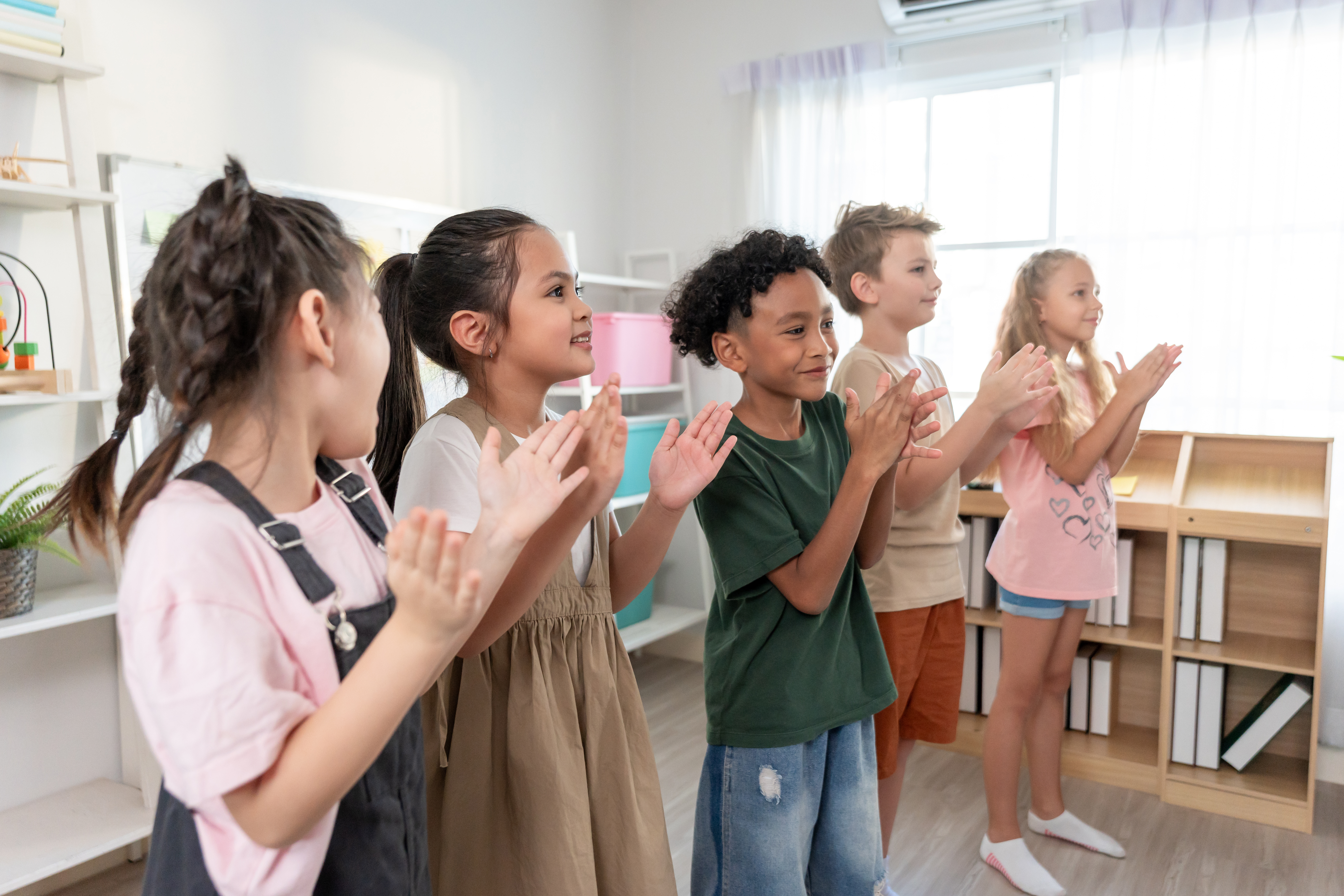
Choosing the right daycare means knowing what to look for. It’s not just about finding a place close to home. It’s about ensuring your child is prepared for school and supported in their emotional growth.
Key Factors for School Readiness
The foundation for school success starts early. Daycares that focus on kindergarten readiness do more than just play. They introduce basic math, reading, and science concepts. This sets the stage for future learning. Look for programs that use age-appropriate activities. These should be engaging and fun, encouraging children to explore and ask questions. A good daycare will also have structured schedules. This helps children understand routines, a skill crucial for school. According to Psychology Today, early interactions in daycare can significantly enhance a child’s learning abilities.
Encouraging Social-Emotional Growth
Social-emotional learning (SEL) is as important as academic skills. Quality daycares provide opportunities for children to interact and build friendships. They teach children how to express feelings and resolve conflicts. This is done through group activities and guided play. Check if the daycare staff is trained to support SEL. They should offer positive guidance and be role models in communication. Building these skills early helps children manage emotions and develop empathy, which is vital in today’s world. For more on promoting social and emotional health, visit NAEYC’s resources.
Parent-Teacher Partnerships
Your involvement in your child’s education is vital. Daycares that value parent-teacher partnerships create a supportive learning environment. Regular updates on your child’s progress help you stay informed. Look for daycares that encourage parent feedback and participation. Open communication between parents and teachers ensures that each child’s needs are met. This collaboration fosters a community where children thrive. Most people think daycares and parents work separately, but a partnership can make a huge difference.
Features of Quality Childcare

Identifying a daycare with key features can make all the difference. Here’s what you should consider for your child’s well-being and development.
Importance of Licensed Daycare
A licensed daycare complies with state regulations. This ensures a safe environment for your child. Licensing requires daycares to maintain specific standards for health, safety, and staff qualifications. Always ask to see the daycare’s license. This guarantees they meet the necessary criteria for quality care. A licensed center is held accountable, giving you peace of mind. This is especially important for parents seeking “quality childcare near me” options.
Flexible and Extended Hours
Parents need flexibility, especially those with demanding schedules. Look for daycares offering extended hours, like evenings and weekends. This flexibility eases the stress of balancing work and childcare. Basic Beginnings in Nashua offers such hours, even on weekends. This is a game-changer for many families. Flexible hours mean you don’t have to rush, knowing your child is in good hands. The longer you wait, the more you miss out on this convenience.
Infant and Toddler Programs
Infant and toddler care require special attention. Quality programs offer age-appropriate activities in a nurturing environment. At Basic Beginnings, infants are cared for in safe spaces that stimulate growth. Toddlers enjoy activities that promote exploration and creativity. These programs focus on developing motor, language, and social skills. Having a structured yet flexible routine is key for young ones. Ensure that the daycare provides a warm and supportive atmosphere for these crucial early years.
Basic Beginnings: A Trusted Choice
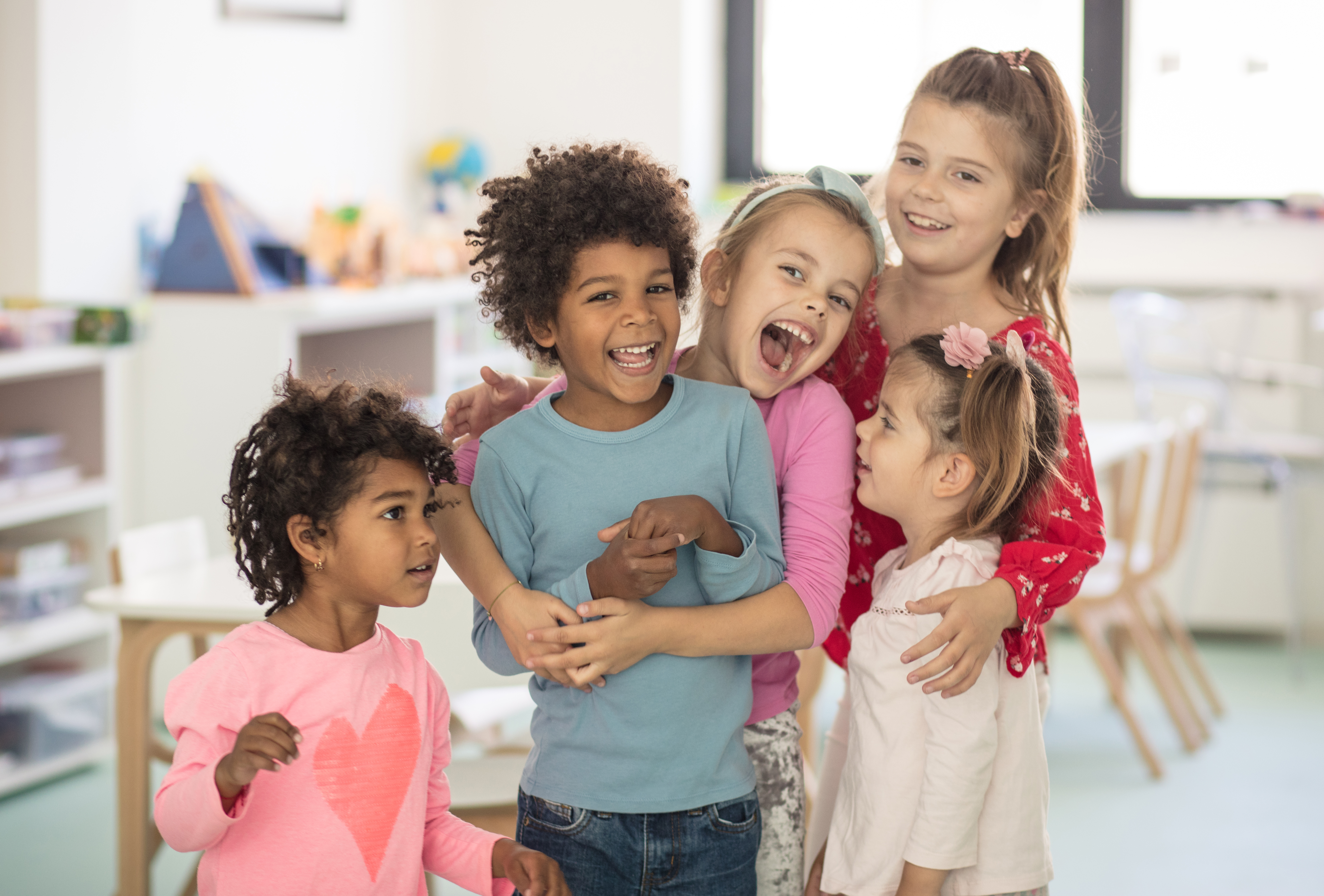
When exploring options, Basic Beginnings stands out as a reliable partner in your child’s early education.
Our Unique Curriculum Approach
Basic Beginnings uses a curriculum tailored to each child’s needs. Our approach combines play with structured learning, making education enjoyable. Activities are designed to promote curiosity and independence. Teachers are trained to adapt lessons to various learning styles. This ensures every child receives the guidance they need. Our curriculum aligns with both Massachusetts and New Hampshire standards, preparing children for future success.
Benefits for FAA and Federal Employees
Basic Beginnings offers special services for FAA and federal employees. Our partnership provides benefits like tuition discounts and priority placement. With extended hours, we accommodate varying work schedules. This makes us an ideal choice for those seeking flexible childcare solutions. The Launching Pad Childcare in Nashua caters specifically to this community. Such perks are rare, making Basic Beginnings a standout option.
How to Schedule a Tour with Us ✨
Seeing is believing. Schedule a tour to experience our nurturing environment firsthand. During your visit, you’ll meet our caring staff and explore our facilities. You’ll see why Basic Beginnings is a trusted choice for so many families. To arrange a tour, simply contact us through our website or call our centers directly. We look forward to welcoming you and your child to our community. Your child’s future starts here, and we’re excited to be part of their journey.
Choosing the right daycare is a crucial decision. By considering these factors, you ensure your child receives quality care and education. Ready to take the next step? Visit our locations in Haverhill, MA, and Nashua, NH today. Your child’s bright future awaits at Basic Beginnings.
Learn More!
Why Parent-Teacher Communication Is Essential in Early Childhood (and How We Partner at Basic Beginnings)
Parent-teacher communication shapes your child’s early childhood development more than you might realize. When teachers and families share updates and insights, children build stronger social skills and develop healthy learning habits that prepare them for school. At Basic Beginnings, we create a true partnership with families in Haverhill, MA, and Nashua, NH to support every child’s unique path—read on to see how this connection makes a difference. Learn more about the importance of parent-teacher communication here.
Importance of Parent-Teacher Communication

Connecting with your child’s teachers offers benefits that set the stage for their future. Let’s explore how this relationship supports growth and learning.
Boosting Social-Emotional Growth
Your child’s social-emotional skills are crucial for building relationships and managing emotions. When parents and teachers communicate, they create a consistent environment that nurtures these skills. Imagine your child learning to express feelings confidently, knowing both home and school are in sync. This partnership helps children feel secure, paving the way for positive interactions with peers.
Research shows that children with strong social-emotional foundations perform better academically. They develop empathy, resilience, and communication skills, essential tools for life. By sharing insights with teachers, you’re contributing to this vital part of your child’s development. Read more about the impact of parent-teacher partnerships on social skills here.
Strengthening Learning Habits
Building effective learning habits early can have long-lasting effects. When parents collaborate with teachers, they create a cohesive approach to learning. This ensures children understand how to focus, manage time, and tackle challenges. Your involvement reinforces the importance of education and encourages a love for lifelong learning.
For instance, when a teacher shares your child’s progress, you can adapt home activities to support classroom learning. This synergy makes learning more engaging and meaningful. Most people assume learning habits develop naturally, but your active partnership plays a critical role. Explore more about the significance of parent collaboration here.
Preparing for School Readiness
A strong foundation in early childhood prepares your child for future academic success. Parent-teacher communication ensures that your child develops key readiness skills like literacy, numeracy, and problem-solving. As you engage with teachers, you gain insights into your child’s strengths and areas for growth, allowing for targeted support.
Consider the benefits of aligning educational strategies between home and school. Your child enters kindergarten confident and prepared, ready to embrace new challenges. The longer you wait to establish this partnership, the more opportunities for growth may be missed. Discover why readiness matters and how to foster it here.
How Basic Beginnings Supports Families

At Basic Beginnings, we prioritize creating strong connections with families. Our comprehensive approach fosters a supportive community for your child’s development.
Daily Updates and Progress Notes
Staying informed about your child’s daily experiences is key to understanding their growth. At Basic Beginnings, we provide daily updates and progress notes to keep you connected. From exciting activities to developmental milestones, you’ll receive consistent insights into your child’s world.
Imagine receiving a snapshot of your child’s day, sparking conversations that deepen your connection. These updates make it easy to celebrate achievements and address any concerns promptly. By knowing what happens in the classroom, you can extend learning at home, creating a seamless educational journey.
Scheduled Family Conferences
Engaging in regular family conferences strengthens the bond between home and school. These meetings provide an opportunity to discuss your child’s progress, set goals, and address any questions or concerns. At Basic Beginnings, our conferences are tailored to ensure you feel supported and informed.
During these sessions, you’ll collaborate with teachers to create a personalized plan for your child’s success. This proactive approach fosters a sense of partnership, ensuring everyone is aligned in supporting your child’s unique path. Most parents think conferences are only for issues, but they are a celebration of growth and learning.
Individualized Learning Plans
Each child is unique, and at Basic Beginnings, we recognize the importance of personalized education. Our individualized learning plans are designed to cater to your child’s specific needs and interests. These plans ensure that your child receives the attention and support necessary to thrive.
By working closely with teachers, you can help shape these plans, ensuring they reflect your child’s strengths and areas for growth. This collaboration empowers your child to reach their full potential, building confidence and enthusiasm for learning. Customizing education might seem daunting, but it’s a powerful tool for your child’s future.
Enrolling at Basic Beginnings

Choosing the right early learning center is a significant decision. Here’s how Basic Beginnings supports your family’s needs and makes the enrollment process smooth.
Scheduling Tours in Haverhill and Nashua
Visiting our centers in Haverhill and Nashua gives you firsthand experience of our nurturing environment. During a tour, you’ll meet our passionate staff, explore our facilities, and learn about our diverse programs. Seeing the space where your child will learn helps you make an informed decision.
Tours also offer the chance to ask questions and discuss your child’s needs. We invite you to discover our commitment to quality education and community partnership. Contact us today to schedule your visit and take the first step toward joining the Basic Beginnings family.
Flexible Childcare Options and Benefits
We understand that families have different schedules and needs. That’s why Basic Beginnings offers flexible childcare options, including extended hours and weekend care at our Nashua location. These options cater to busy families and federal employees, ensuring your child receives consistent care in a safe environment.
Our partnership with the FAA provides additional benefits, such as priority placement and employee discounts. This flexibility allows you to balance work and family life, knowing your child is in trusted hands. Explore the advantages of enrolling your child with us and experience the peace of mind that comes with tailored care.
Contact Us to Build Your Child’s Plan
At Basic Beginnings, we’re dedicated to supporting your child’s development journey. Our team is ready to collaborate with you to create a personalized plan that meets your child’s needs. Whether you’re interested in infant care, toddler programs, or pre-kindergarten education, we have the resources and expertise to guide your family.
Reach out to us today to learn more about our programs and how we can support your child’s unique path. Together, we can build a foundation that inspires lifelong learning and development. Your child’s future begins with a strong partnership, and we’re excited to be a part of it.
Learn More!
How Parent-Teacher Partnerships Boost Preschool Readiness in Haverhill and Nashua
Strong parent-teacher partnerships shape preschool readiness in ways many families don’t expect. When teachers and parents work closely together, children in Haverhill and Nashua gain the support they need to thrive socially and academically. At Basic Beginnings, we build these connections every day, tailoring learning plans and creating a safe, nurturing environment that helps your child grow. Schedule a tour to see how this partnership can make a difference for your family. Learn more about the importance of parent-teacher collaboration in early childhood education.
Power of Parent-Teacher Partnerships
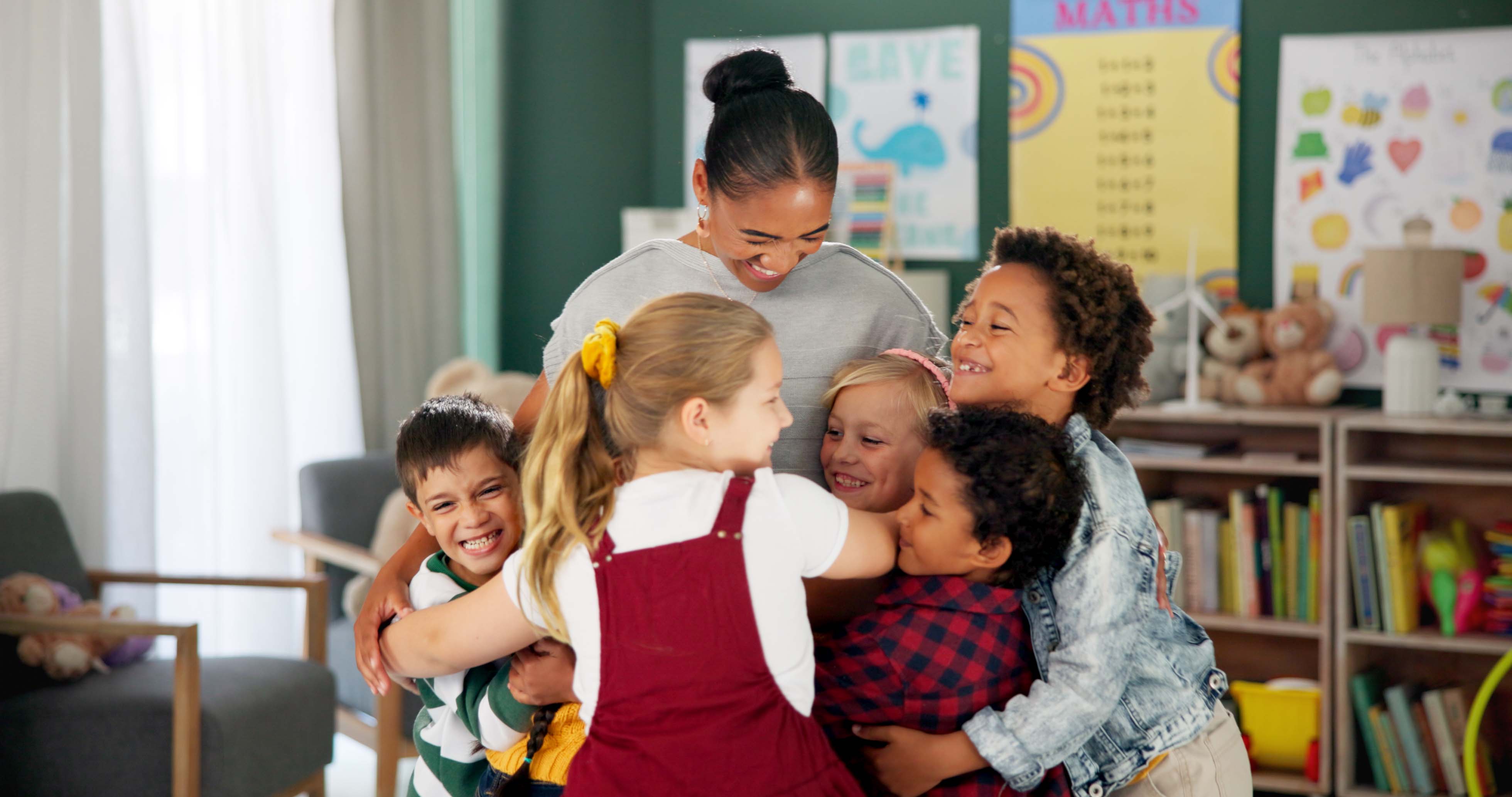
Creating a strong foundation for your child’s education starts with a strong partnership between parents and teachers. This collaboration is key to fostering preschool readiness.
Enhancing Preschool Readiness Together
Preschool readiness is more than just learning letters and numbers. It’s about preparing your child to engage, explore, and enjoy the learning process. At Basic Beginnings, we focus on this holistic development by working hand-in-hand with parents. Imagine a classroom where your child feels confident to ask questions and express thoughts. This is possible when parents and teachers communicate openly and support each other’s efforts. By attending meetings, sharing insights about your child’s interests, and participating in school activities, you make this dream a reality.
Building a Safe Nurturing Environment
A safe environment is essential for learning. Basic Beginnings is committed to creating spaces where your child feels secure and loved. From the moment your child steps in, they are greeted by caring educators who understand the importance of a warm welcome. Safety is not just about physical space; it’s about emotional security too. Our teachers are trained to provide both. You can rest easy knowing that your child is in a place where they can be themselves, take risks, and learn with joy.
Encouraging Family Engagement in Preschool
Your involvement in your child’s preschool experience is invaluable. When families engage, children see firsthand the value of education. Small actions make a big difference: reading together, discussing the day’s events, or attending school functions. At Basic Beginnings, we strive to make you an active part of the learning journey. We offer various opportunities for you to participate, ensuring you feel connected and informed. Together, we can create a vibrant learning community that supports your child’s growth.
Customized Learning for Every Child

Every child is unique, and at Basic Beginnings, we celebrate these differences by tailoring our educational approach to suit individual needs.
Individualized Learning Plans Explained
Individualized learning plans are at the heart of our educational philosophy. These plans are crafted with your child’s strengths and areas for growth in mind. Teachers, together with parents, set goals that are both challenging and attainable. Regular assessments help us track progress and adjust plans as needed. This personalized approach ensures your child receives the attention they need to thrive.
Positive Guidance and Social-Emotional Development
Positive guidance is key to nurturing your child’s social and emotional development. At Basic Beginnings, we focus on teaching children to understand emotions, develop empathy, and interact positively with peers. Our teachers use praise and encouragement to build self-esteem and confidence. By fostering a supportive environment, we help children learn how to manage emotions and navigate social situations, equipping them with skills for life.
Infant and Toddler Care Approach
Our infant and toddler care programs are designed with your child’s developmental stages in mind. In the infant room, babies receive nurturing care that includes plenty of cuddles and interactive play. As they grow, toddlers are encouraged to explore and express their newfound abilities. Our curriculum incorporates sensory experiences, language development, and motor skills activities, ensuring a comprehensive approach to early childhood education.
Exploring Basic Beginnings

Basic Beginnings is more than just a daycare; it’s a community where children and families thrive together. Let’s discover what makes us unique.
Tour a Preschool Near Me
The best way to understand the Basic Beginnings difference is to see it for yourself. We invite you to tour our facilities, meet our dedicated staff, and see our programs in action. During the tour, you’ll observe how our classrooms function and how we tailor learning to each child’s needs. This firsthand experience will give you confidence in our commitment to providing quality education.
Flexible Childcare Solutions for Professionals
We understand the demands of busy professionals. That’s why we offer flexible childcare solutions tailored to your needs. Whether you need early drop-offs, late pickups, or weekend care, we’re here to accommodate your schedule. Our Nashua location offers extended hours, making it easier for working parents to balance their responsibilities. With our support, you can focus on your career, knowing your child is in a nurturing environment.
Now Enrolling in Haverhill and Nashua
We are currently enrolling new students in our Haverhill and Nashua locations. Our programs are designed to foster school readiness and lifelong learning. Don’t miss the opportunity to give your child a head start on their educational journey. Contact us today to learn more about enrollment and schedule your tour. Your child’s bright future starts here.
Learn More!
From Infants to Pre-K: Your Complete Guide to Basic Beginnings Programs
Choosing the right early childhood education program can feel overwhelming, especially when you want the best start for your little one. At Basic Beginnings, we offer a safe nurturing childcare environment from infant care programs through pre-kindergarten, designed to support each child’s unique path. This guide will walk you through everything you need to know about our programs in Haverhill, MA, and Nashua, NH, including how our parent-teacher partnership and FAA childcare benefits can make your family’s life easier. Keep reading to see how we make child care simple and supportive for your family. For more resources on early childhood education, visit Zero to Three.
Safe, Nurturing Childcare

At Basic Beginnings, every child receives a nurturing start. Our programs span from infant care to pre-kindergarten, ensuring your child is in safe hands while learning and growing with age-appropriate activities designed just for them.
Infant Care Program Highlights
Our infant care program is all about creating a caring and secure environment. We understand how critical these early months are for your little one. With dedicated caregivers, your baby receives personalized attention and plenty of cuddles. Our staff undergoes continuous training in Early Childhood Education to bring out the best in your child.
Infants enjoy a variety of activities that encourage movement and development. From sitting up to exploring the world on all fours, each milestone is supported with enthusiasm and care. We even maintain a keepsake daily journal for parents, making sure you’re part of every step of this exciting journey. You can check out our detailed program here.
Toddler Program Features
Our toddler program is designed for curious minds and energetic bodies. We divide toddlers into two groups: younger toddlers (15-24 months) and older toddlers (24-33 months), ensuring tailored activities that match their developmental stage. Every day holds new sensory and motor experiences, fostering growth and learning.
With a focus on language and repetition, toddlers engage in activities that build communication skills and confidence. Our creative curriculum aligns with national standards, providing a comprehensive approach to early childhood education. This guide offers further insights into early childhood education standards you can explore more here.
Preschool and Pre-Kindergarten Focus
Preschool and pre-kindergarten at Basic Beginnings prepare your child for the next step. Our curriculum introduces math, science, and language in a fun and engaging way, setting the foundation for kindergarten. We emphasize pre-writing and pre-reading skills, making learning an adventure.
Outdoor play is another key component, encouraging large motor skills and social interactions. For pre-kindergarten children, the focus shifts to kindergarten readiness, incorporating skills like reading and simple math. We follow state standards to ensure your child is well-prepared for school. Curious about transitioning to kindergarten? Visit this transitioning toolkit for more tips.
Flexible Enrollment Options

Choosing the right program is only the beginning. We understand that every family has unique needs, so we offer flexible enrollment options to make life a little easier.
Schedule a Tour Childcare
Seeing is believing. Schedule a tour to experience our centers firsthand. Walk through our classrooms, meet our dedicated teachers, and see the joy on our little learners’ faces. Our staff will answer any questions and help you decide the best fit for your child. Learn more about scheduling a tour.
Extended Hours Childcare
Life doesn’t always fit the 9 to 5 mold. That’s why our Nashua location offers extended hours, staying open until midnight. Whether you’re working late or need extra time, our extended hours ensure your child is cared for and engaged in a safe environment.
Weekend Childcare Nashua
Weekends can be just as busy, and we’re here to help. Our Nashua center offers weekend childcare, providing the same quality care and educational activities as during the week. This flexibility supports your family’s busy life while maintaining consistency for your child.
Parent-Teacher Partnership

We believe education is a team effort. Our parent-teacher partnership is central to each child’s success, creating a supportive network that fosters growth and development.
Individualized Learning Plans
Every child learns differently, and our individualized learning plans reflect that. By working closely with parents, we tailor educational approaches that align with your child’s unique needs and interests. This personalized attention ensures they thrive in our nurturing environment.
Communication and Progress Checkpoints
Regular communication is key to understanding your child’s progress. We have established checkpoints to keep you informed and engaged. Whether it’s a casual chat or a scheduled meeting, our teachers are always available to discuss your child’s development.
FAA Childcare Benefits and The Launching Pad
Our partnership with the FAA at The Launching Pad in Nashua brings additional benefits to federal employees. With priority placement, discounts, and flexible hours, we support FAA families with quality childcare options that fit their schedules. If you’re a federal employee, take advantage of these benefits for a seamless childcare experience.
Explore more about our offerings by visiting Basic Beginnings and see how we can support your family’s needs.
Learn More!
From First Steps to First Day: Preparing Your Child for Kindergarten Through Early Education Milestones
Preparing your child for kindergarten starts long before the first day of school. Early education milestones lay the foundation for skills like language development, social-emotional learning, and fine motor coordination—all essential for kindergarten readiness. At Basic Beginnings, we partner closely with families to support these milestones through individualized learning plans and a play-based approach. Keep reading to explore practical steps you can take at home and learn how our Haverhill and Nashua centers can help your child thrive. For more on kindergarten readiness, check out this kindergarten readiness checklist.
Key Early Education Milestones

Understanding early education milestones sets the stage for a successful start in kindergarten. Let’s explore essential areas like social-emotional learning, language growth, and fine motor skills that play a role in your child’s development.
Social-Emotional Learning Importance
Social-emotional learning is crucial for your child’s success in school and beyond. It involves recognizing and managing emotions, building relationships, and making responsible decisions. At Basic Beginnings, we focus on activities that foster these skills. For example, group play encourages sharing and cooperation, teaching children how to interact harmoniously with peers. This foundational skill set is essential, as children who manage emotions well can focus better on learning tasks.
Stories can also be powerful tools. When children hear tales of characters facing challenges, they learn empathy and problem-solving. Engage your child with books that explore diverse emotions and situations. Over time, these experiences help them understand their feelings and those of others. This understanding is key, as it enhances their ability to work collaboratively, an important aspect of school life.
Building Language Development
Language development is another critical milestone. Children absorb words and grammar through conversation and reading. At home, you can support this by having regular storytime. Choose books that introduce new vocabulary and concepts. During meals or drives, talk about your day, encouraging your child to recount events or share their thoughts. This practice not only builds vocabulary but also enhances comprehension.
Participating in activities that involve following directions, such as cooking or crafting, is beneficial too. These tasks require listening and processing language, which strengthens understanding. Your child’s ability to comprehend and communicate effectively will serve as the foundation for early literacy skills and academic success.
Fine Motor Skills Activities
Fine motor skills involve the coordination of small muscles, critical for tasks like writing and buttoning clothes. Engaging in simple activities can enhance these skills. For example, playing with clay or using scissors improves hand-eye coordination. These activities are not just fun; they prepare your child for school tasks that require precision.
You can also encourage activities like building with blocks or threading beads. These tasks help develop the dexterity needed for writing. By integrating these activities into your child’s routine, you ensure they gain the confidence and ability to tackle kindergarten requirements, setting them up for success.
Preparing for Kindergarten Readiness

With a solid understanding of key milestones, the next step is ensuring your child is ready for school. Here’s how you can support this journey at home and with the help of our centers.
School Readiness Checklist
Creating a school readiness checklist can simplify this process. Start by assessing your child’s ability to follow routines. Can they pack a bag or complete a simple task without constant reminders? Practicing these at home builds their independence. Additionally, focus on their social skills. Arrange playdates to help them learn sharing and friendship-building.
Encourage curiosity by exploring new topics through books or nature walks. This nurtures a love for learning, a key trait for school success. Lastly, ensure they can express needs, like asking for help or using the restroom independently. This confidence in handling day-to-day situations makes the transition to school smoother.
Play-Based Learning Benefits
Play-based learning is at the heart of our approach at Basic Beginnings. This method allows children to learn through exploration and creativity. It’s not just about fun; play is a natural way for young minds to grasp complex concepts. For instance, role-playing games can teach counting and language skills simultaneously.
Through play, we integrate various learning areas seamlessly. This approach encourages critical thinking and problem-solving skills. At home, you can mimic this by setting up play scenarios that challenge your child to use logic and creativity. This method not only supports learning but also nurtures a lifelong love for discovery and innovation.
Parent-Teacher Partnership Role
Your role as a parent is vital in this journey. Partnering with teachers ensures a cohesive learning experience. Regular communication with educators helps align goals and strategies, reinforcing learning both at home and school. Share observations about your child’s interests or struggles; this information can guide personalized support.
At Basic Beginnings, we emphasize collaboration with families. We believe that by working together, we can create an environment where children thrive. Attend parent-teacher meetings and engage in school activities. This involvement not only supports your child’s development but also strengthens the community spirit within our centers.
Enrolling at Basic Beginnings
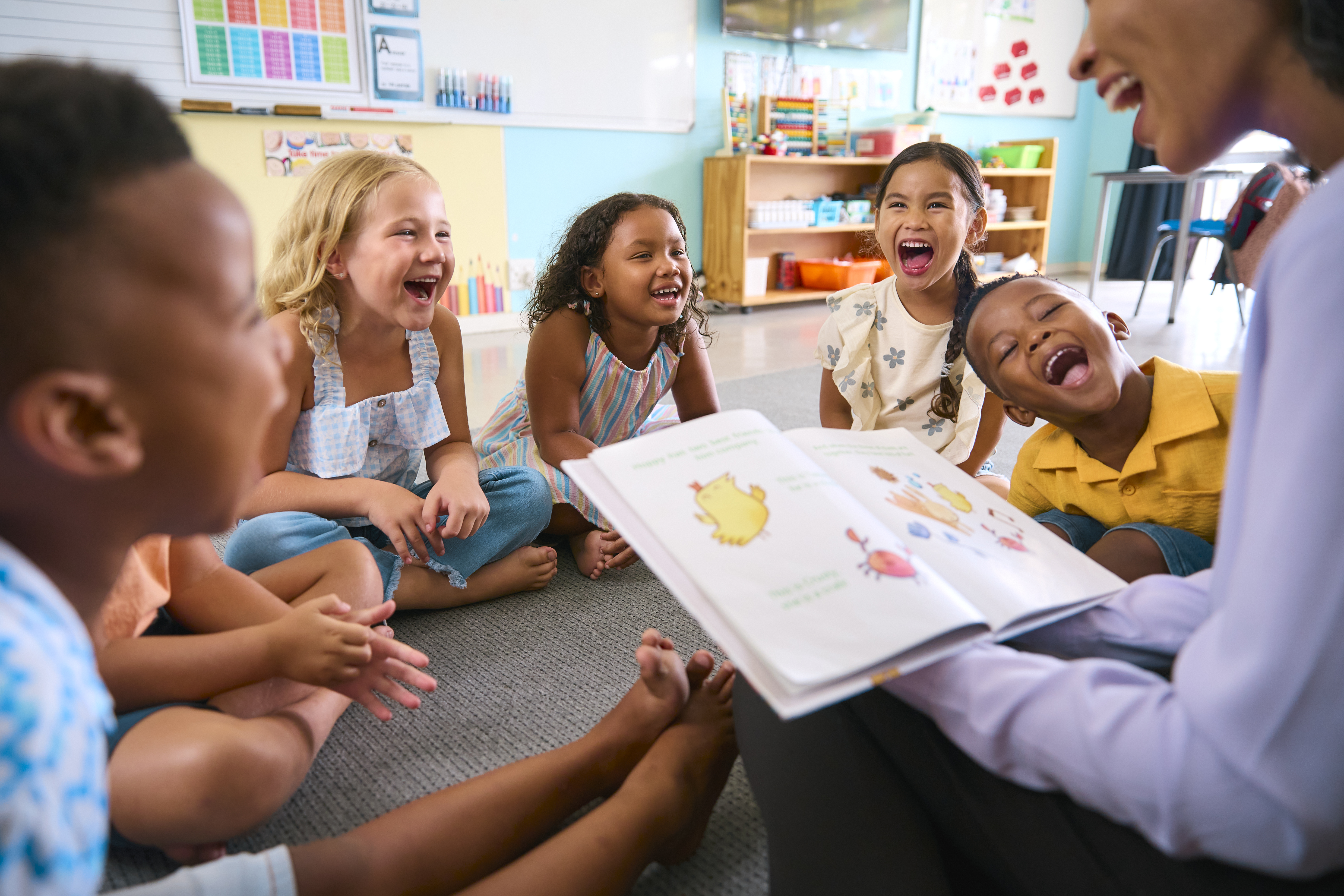
By now, you understand the importance of early milestones and readiness. Here’s how Basic Beginnings can support your child’s growth and development.
Quality Early Childhood Education
Our programs emphasize a blend of structured learning and play. With over 30 years of experience, we offer a nurturing environment that caters to each child’s unique needs. Our curriculum aligns with state standards, ensuring quality education that prepares children for future academic challenges.
We focus on individualized learning, tailoring activities to support your child’s strengths and address areas for growth. This approach ensures that every child receives the attention and guidance needed to excel. By choosing Basic Beginnings, you invest in a proven educational path that promotes lifelong learning and development.
Tours and Enrollment Process
Interested in learning more? Scheduling a tour is the best way to experience our centers firsthand. During a visit, you’ll see our facilities, meet dedicated staff, and observe our programs in action. We make the enrollment process simple and transparent, guiding you every step of the way.
We welcome families to join our community and discover the benefits of our nurturing environment. By enrolling at Basic Beginnings, you’re choosing a partner dedicated to your child’s success and well-being.
FAA Child Care Benefits
For FAA and federal employees, our Launching Pad program offers exclusive benefits. These include discounts and priority placement, along with flexible care options that accommodate varying schedules. This partnership highlights our commitment to providing accessible, high-quality childcare for all families.
We understand the unique challenges faced by working parents. Our extended hours and weekend availability ensure you have reliable support when you need it most. Choose Basic Beginnings for a childcare solution that caters to your needs while nurturing your child’s development.
By focusing on these key areas, you ensure your child is ready for the exciting journey ahead. Basic Beginnings is here to support every step, providing quality education in a caring community.
Learn More!
Growing Hearts and Minds: The Importance of Social and Emotional Development in Preschool
Social and emotional development in preschool sets the foundation for your child’s success in school and beyond. At Basic Beginnings, we focus on preschool social skills and emotional regulation through positive guidance and individualized learning plans. You’ll see how nurturing self-regulation in preschool prepares children for real-world challenges while building confidence. Keep reading to learn how our play-based approach supports school readiness and invites your family to join our caring community. For more information, visit this resource.
The Role of Social and Emotional Development

Social and emotional growth is key to a child’s overall development, shaping how they interact with the world. By understanding its importance, you lay the groundwork for your child’s future success.
Building Preschool Social Skills
Children begin to learn social skills from a very young age. At preschool, they interact with peers, sharing toys and ideas. Imagine your child negotiating turns on the swing or leading a small group in a game. These experiences build essential skills.
Preschool is not just about learning numbers and letters. It’s a stage where children learn to communicate their needs and understand others’ feelings. For example, when a child comforts a friend who is upset, they practice empathy. This skill is invaluable, setting a foundation for positive relationships.
With guidance, children learn to navigate social settings. Teachers at Basic Beginnings provide this support, ensuring every child feels included. Research shows that early social skills lead to better academic outcomes. You can explore more about the impact here.
Emotional Regulation in Early Childhood
Emotional regulation is crucial for managing feelings and reactions. It’s not just about stopping a tantrum but understanding emotions. Picture your child taking deep breaths to calm down instead of crying. That’s the power of emotional regulation.
At Basic Beginnings, we teach children to recognize their feelings and respond appropriately. For instance, a child might learn to express frustration with words rather than actions. This skill is vital for lifelong success.
Children who can manage their emotions tend to perform better in school. They find it easier to focus on tasks and engage in learning. You can discover more about nurturing these skills here.
Nurturing SEL at Basic Beginnings
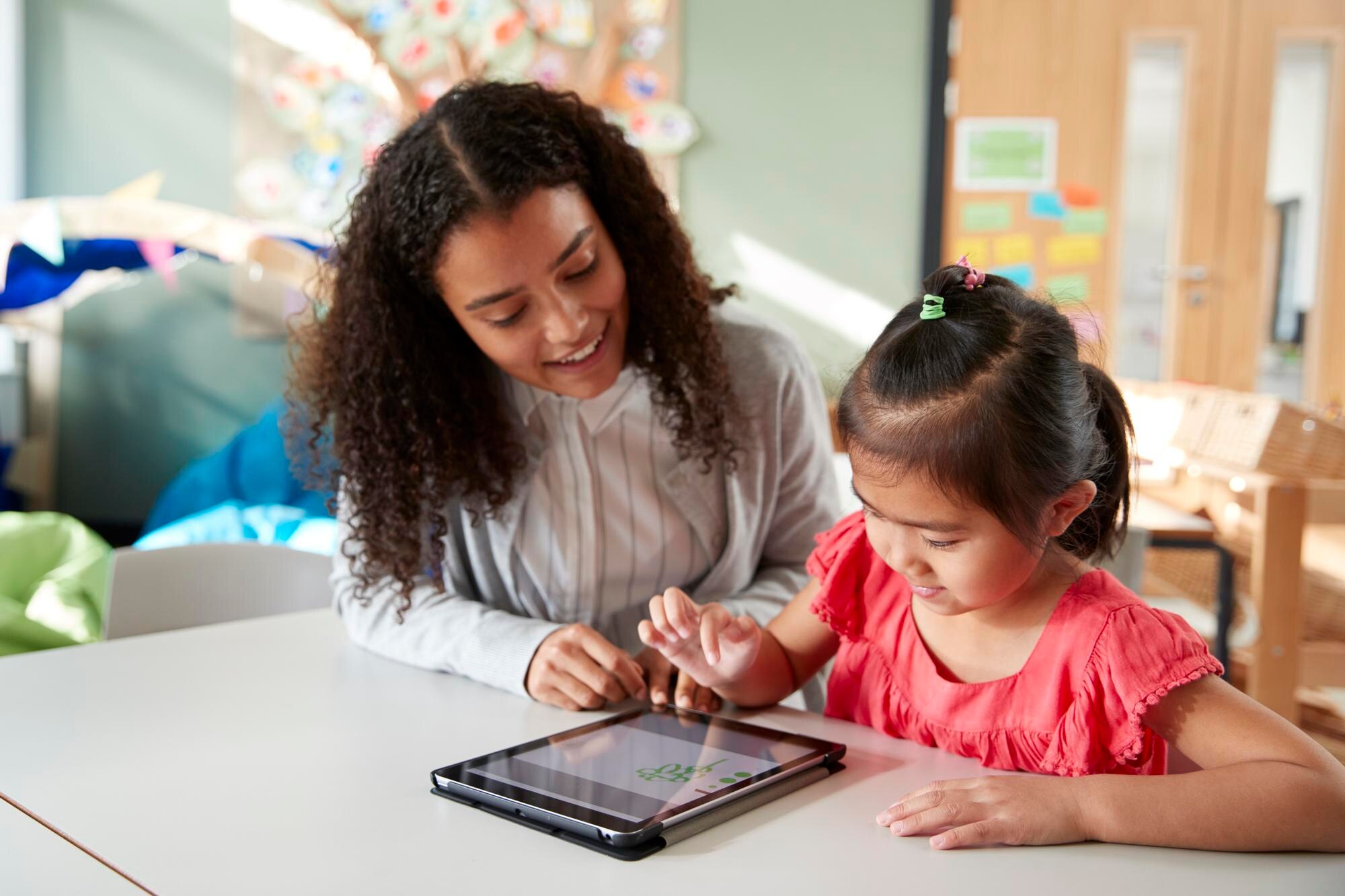
At Basic Beginnings, we believe every child deserves the best start. Our nurturing approach to social and emotional learning (SEL) is crafted to fit each child’s needs.
Individualized Learning and Positive Guidance
Every child is unique, and so is their learning journey. Our teachers create customized plans that highlight each child’s strengths. Think about how your child will explore new activities tailored just for them.
Positive guidance plays a big role in our approach. Instead of saying “no,” we show children what they can do. This encourages them to explore safely and confidently. Most people think strict discipline is necessary, but positive reinforcement often works better.
Our individualized approach means children learn at their own pace, making them more engaged and motivated. For more on how this works, check out this resource.
Play-Based Learning for School Readiness
Play is not just fun—it’s a powerful learning tool. Through play, children develop critical thinking and problem-solving skills. Imagine your child building a tower and figuring out why it falls. That’s learning in action.
Our play-based curriculum prepares children for school by making learning enjoyable. Children learn to ask questions, explore, and experiment. This method fosters a love for learning, which is key for school readiness.
The longer you wait to engage in play-based learning, the more opportunities pass by. Discover more about play’s role in education here.
Engaging Families in Child Development
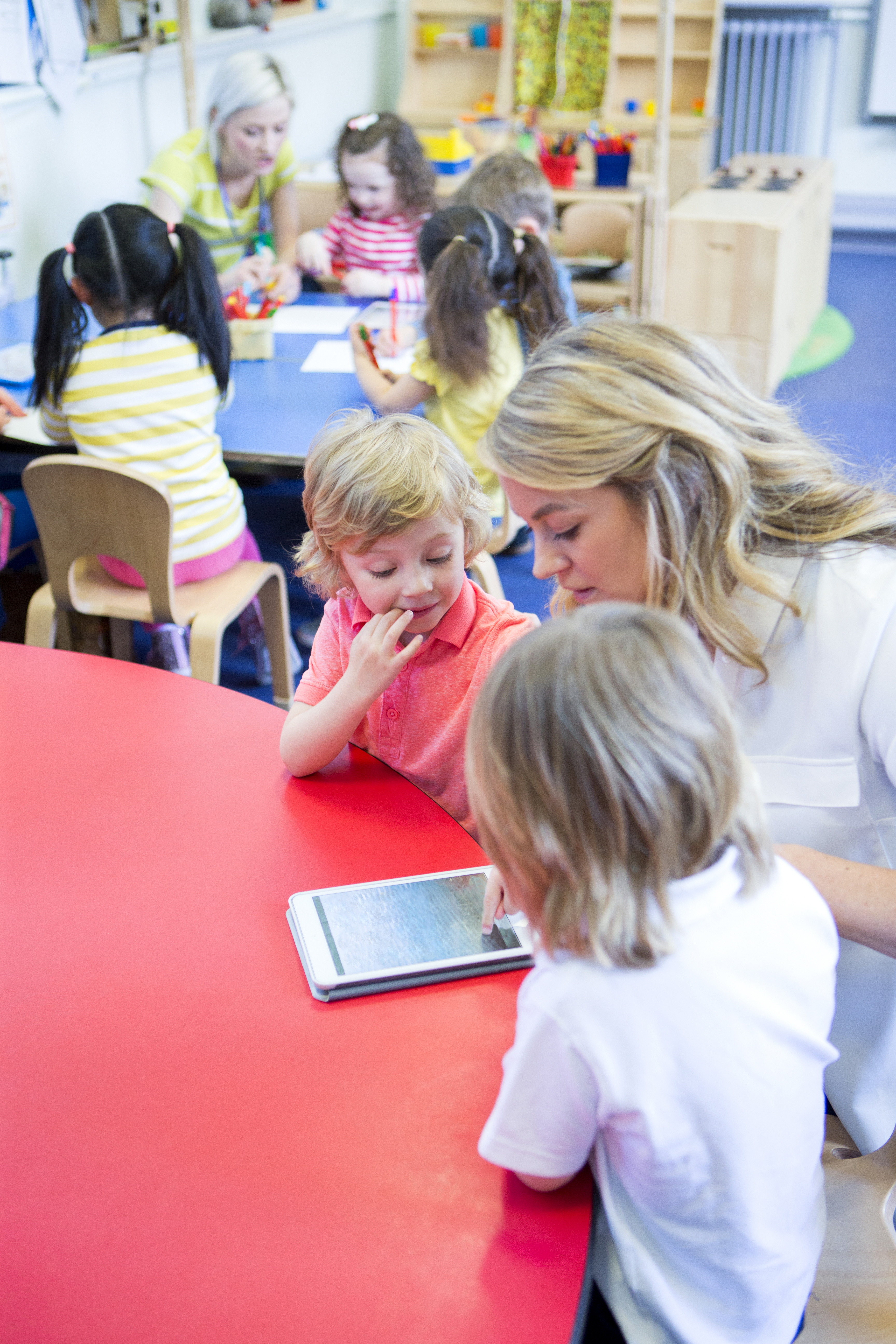
A strong family-school connection enhances children’s learning experiences. At Basic Beginnings, we consider parents our partners in education.
Parent-Teacher Partnerships
Working together, we create a supportive environment for your child. Regular communication ensures you are informed about your child’s progress. Imagine receiving updates about your child’s day and knowing their achievements.
We invite you to share insights about your child. Your input helps us tailor our approach, ensuring we meet your child’s needs. Most parents think teachers manage everything, but your involvement is vital.
Together, we can support your child’s development, creating a community of learning and growth. Learn more about parent-teacher collaboration here.
Flexible Childcare and Enrollment Options
We understand the demands of modern life. That’s why Basic Beginnings offers flexible childcare solutions. Whether you need extended hours or weekend care, we’re here to help. Your child’s education should fit your schedule, not the other way around.
Our locations in Nashua, NH, and Haverhill, MA, offer convenient access for families. We also provide special benefits for FAA and federal employees, making us a top choice for quality childcare.
Don’t wait to give your child the best start. Visit us to learn more about enrollment options and how we can accommodate your family’s needs.
Learn More!