about
Strong parent teacher communication plays a key role in your child’s early childhood development and school readiness. When families and teachers connect regularly, children gain the social-emotional skills, language growth, and pre-academic foundation they need to thrive. At Basic Beginnings, we partner closely with you to support your child’s unique learning journey every step of the way. Keep reading to see how our family partnership approach builds confidence for school and beyond. Learn more about our approach here.
Importance of Parent-Teacher Communication
Strong parent-teacher communication is a cornerstone of your child’s development. It lays the groundwork for effective learning and growth. Understanding how this partnership enhances your child’s journey can transform their educational experience.
Building Social-Emotional Development
Social-emotional growth is crucial in early childhood. When teachers and parents communicate openly, children feel supported and understood. At home, you might notice your child expressing their feelings more clearly. In the classroom, they’ll engage with peers more confidently. This collaboration helps them develop empathy and resilience.
A story of a shy preschooler illustrates this. With regular updates between parents and teachers, the child gradually participated in group activities. His parents encouraged him at home based on feedback from his teacher. Over time, he became more social and less anxious.
Teachers provide strategies to foster emotional skills, while you reinforce these at home. Together, you create a nurturing space for your child to thrive. More insights on this topic can be found here.
Enhancing Language Growth
Communication between teachers and parents plays a vital role in language development. Your child’s vocabulary flourishes when they can practice new words both at school and at home. Teachers often share activities or book recommendations to boost language skills.
Imagine your child learning a new song in class. When you sing it together at home, these words become part of their everyday vocabulary. Regular updates from the teacher provide you with insights into your child’s progress and areas that need attention.
Language skills are essential for your child’s academic success. Through open communication, you and the teacher can ensure your child is on the right path to becoming a confident communicator.
Strengthening Pre-Academic Skills
Developing pre-academic skills sets the stage for future learning. Skills like counting, recognizing letters, and basic problem-solving are fundamental. When teachers and parents work together, they can identify your child’s strengths and areas for growth.
Take, for instance, a child struggling with numbers. Regular discussions with teachers can lead to tailored activities that reinforce these skills at home. This partnership ensures your child doesn’t just learn but enjoys the process.
By staying informed and involved, you support your child’s progress, preparing them for the structured learning environment of school.
Role of Basic Beginnings in School Readiness

Basic Beginnings is committed to school readiness through a collaborative approach. We provide a supportive environment where your child can grow and learn at their own pace.
Family Partnership in Learning
At Basic Beginnings, we value your insights about your child. Our teachers work closely with you to tailor learning experiences that match your child’s unique needs. Regular meetings and updates keep you informed, creating a true partnership.
This collaboration means your child receives consistent support. Whether it’s a new interest or a challenge, we address it together. Your involvement helps us make informed decisions, ensuring a positive impact on your child’s development.
Individualized Learning Approaches
Every child learns differently. That’s why we focus on individualized learning. By understanding your child’s learning style, we create engaging activities that suit them best. This approach encourages curiosity and a love for learning.
Children at Basic Beginnings explore various subjects through hands-on activities. This method allows them to grasp concepts in a way that resonates with them. Our teachers adapt lessons to meet your child’s evolving needs, fostering continuous growth.
Positive Guidance Practices
Positive guidance is a key component of our teaching philosophy. We believe in nurturing your child’s potential with encouragement and support. This approach builds self-esteem and helps your child develop important life skills.
Our teachers use strategies that promote positive behavior and problem-solving. By reinforcing these practices at home, you help solidify what your child learns at school. Together, we create a consistent and supportive environment for your child’s growth.
Exploring Childcare Options at Basic Beginnings

Choosing the right childcare involves understanding your options. Basic Beginnings offers flexible solutions to fit your family’s needs.
Extended Hours and Weekend Care
In Nashua, our center offers extended hours and weekend care. This flexibility supports families with demanding schedules. Knowing your child is in a safe environment allows you to focus on your commitments.
Our extended hours make it easier for you to balance work and family life. Your child benefits from a full day of learning and play, ensuring they don’t miss out on important developmental opportunities.
Flexible Childcare for FAA Families
For FAA families, Basic Beginnings provides specialized childcare options. Our partnership with the FAA offers benefits like priority placement and flexible care schedules. This ensures your child receives high-quality education while you manage your work responsibilities.
This program is designed to accommodate the unique needs of FAA employees, providing peace of mind that your child is in good hands.
Schedule Your Daycare Tour
Interested in learning more about our programs? Schedule a tour at Basic Beginnings. Visiting our center gives you a firsthand look at our facilities and lets you meet our dedicated staff. See how our approach can benefit your child and support your family’s needs.
We invite you to explore how Basic Beginnings can partner with you in your child’s early educational journey.
Frequently Asked Questions
How does parent-teacher communication benefit my child?
Parent-teacher communication supports your child’s development by aligning efforts at home and school. This collaboration ensures consistent support, helping your child feel secure and understood.
What are the advantages of individualized learning?
Individualized learning caters to your child’s unique style, making education engaging and effective. It encourages curiosity and adapts to their evolving needs, promoting continuous growth.
Why choose Basic Beginnings for childcare?
Basic Beginnings offers a nurturing environment focused on partnership and individualized learning. Our flexible care options and commitment to school readiness make us a trusted choice for your child’s early education.
How can I schedule a tour of Basic Beginnings?
Scheduling a tour is easy. Contact us through our website or call our centers in Haverhill, MA, or Nashua, NH. We look forward to showing you how we can support your child’s growth.
What is the role of positive guidance in early education?
Positive guidance encourages self-esteem and problem-solving. It focuses on nurturing potential with support and encouragement, helping children develop important life skills.
Learn More!
Parent-teacher communication shapes your child’s early growth in ways you might not expect. When home and school share daily insights, children gain stronger social skills, better language, and readiness for school challenges. At Basic Beginnings Learning & Development Center, we build this partnership every day in Haverhill, MA, and Nashua, NH. Keep reading to see how consistent communication supports your child’s unique development—and how you can join our caring community. For more information on fostering effective communication, visit this resource.
Building Strong Parent-Teacher Bonds
Connecting regularly with your child’s teacher enhances their early development in significant ways. When both parents and educators share insights and observations, children are more likely to thrive socially, emotionally, and academically. At Basic Beginnings, we prioritize these connections to foster each child’s unique growth.
Enhancing Social-Emotional Growth
Building strong social skills starts with feeling understood and supported. When teachers and parents communicate openly, children feel more secure. They learn to express their emotions better and build healthier relationships. At Basic Beginnings, we focus on nurturing these skills through consistent parent-teacher interactions.
Children learn to navigate emotions with confidence when they see parents and teachers working together. This teamwork provides a stable foundation, helping children manage their feelings and interactions with peers. As children experience this support, they become more resilient, learning to adapt to new situations with ease.
Additionally, understanding your child’s daily experiences helps you reinforce social skills at home. Basic Beginnings ensures you are informed and involved, creating a harmonious environment for your child’s emotional growth. This collaboration not only benefits your child but strengthens your relationship with them too.
Fostering School Readiness
Preparing for school involves more than academics. It’s about equipping children with the confidence and skills to face new challenges. Regular communication between parents and teachers is key. By sharing insights, you can better support your child’s learning journey.
Basic Beginnings emphasizes the importance of aligning home and school efforts. This approach ensures your child receives consistent guidance, making transitions smoother. As your child approaches school age, these cooperative efforts enhance their readiness, ensuring they feel prepared and enthusiastic about learning.
Your involvement is crucial at this stage. By keeping abreast of your child’s progress and challenges, you can provide the necessary support at home. Basic Beginnings is here to assist you every step of the way, ensuring your child starts school on the right foot.
Promoting Language Development
Language skills bloom when children are encouraged to express themselves. At Basic Beginnings, we recognize the power of strong parent-teacher communication in fostering these skills. When educators and parents exchange information, they can tailor language development strategies to meet each child’s needs.
Your child’s language journey is unique. By understanding their progress, you can reinforce learning at home. Simple practices like reading together or discussing daily experiences can make a significant difference. At Basic Beginnings, we’re committed to keeping you informed so you can support your child’s linguistic growth effectively.
Moreover, a collaborative approach helps identify and address any language challenges early on. This proactive stance ensures your child receives the support they need, setting the stage for successful communication skills in the future.
Effective Communication Practices

Effective communication between parents and teachers is vital. It strengthens the learning environment and supports your child’s development. At Basic Beginnings, we’ve implemented several practices to ensure seamless interactions with families.
Daily Progress Updates
Staying informed about your child’s daily activities is crucial. At Basic Beginnings, we provide regular updates to keep you in the loop. These updates offer insights into your child’s experiences, helping you support their growth effectively.
Knowing what your child learns each day allows you to engage with them meaningfully. You can discuss their activities, celebrate achievements, and address any concerns. Our regular communication helps bridge the gap between home and school, creating a cohesive environment for your child’s development.
When parents are well-informed, they can reinforce learning at home, enhancing their child’s educational journey. Our commitment to transparency ensures you remain an active participant in your child’s growth at Basic Beginnings.
Family-Teacher Conferences
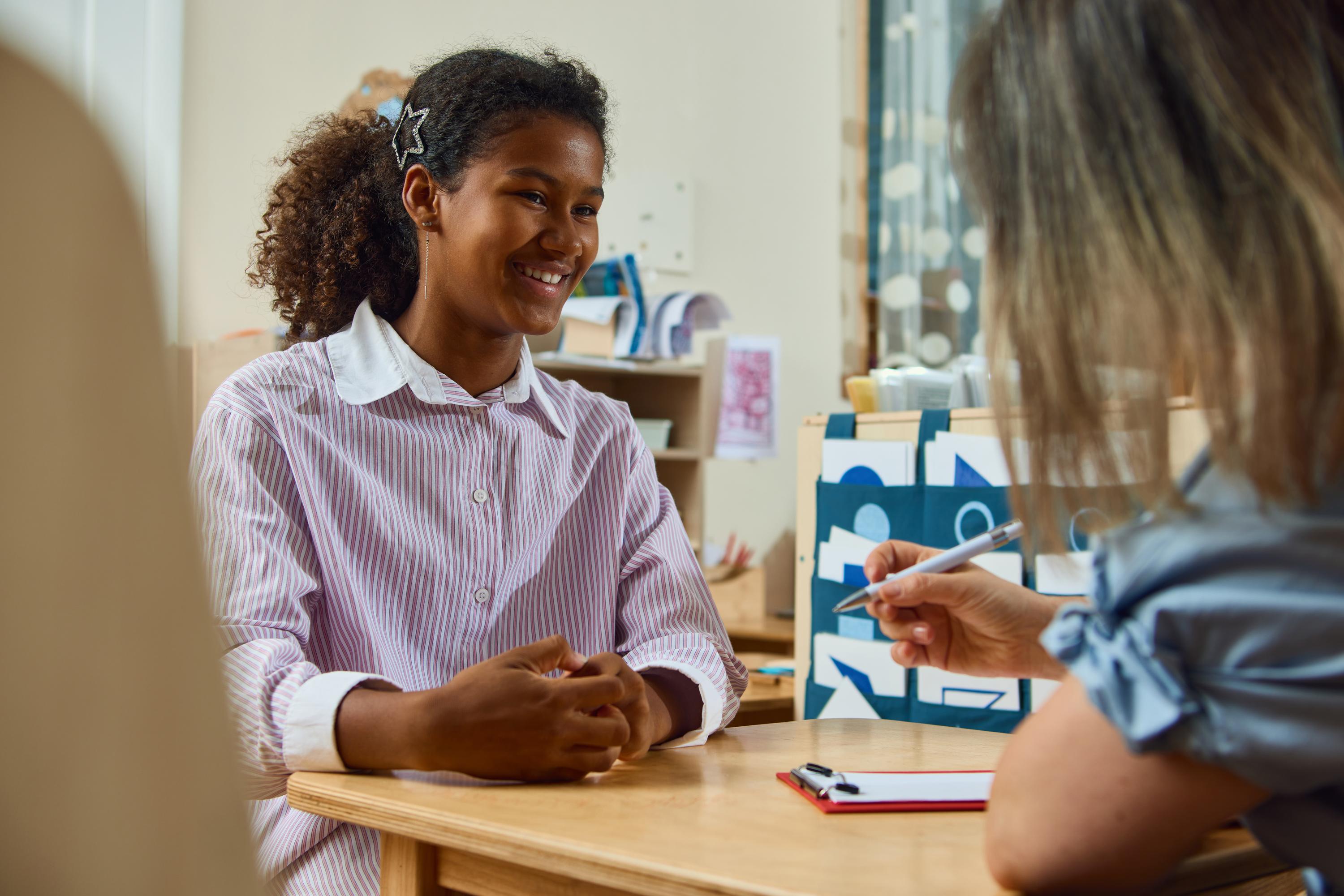
Conferences offer a valuable opportunity to discuss your child’s progress in-depth. At Basic Beginnings, we hold regular family-teacher meetings to align goals and address any challenges.
These conferences foster a collaborative environment, allowing you to share insights and ask questions. Our educators provide detailed feedback, helping you understand your child’s strengths and areas for improvement. This two-way dialogue is crucial for tailoring strategies to support your child’s individual needs.
Participating in these conferences empowers you to be an active partner in your child’s education. By working together, we can create a supportive network that nurtures your child’s development at Basic Beginnings.
Individualized Learning Plans
Every child is unique, which is why personalized learning plans are essential. At Basic Beginnings, we work closely with parents to develop tailored strategies that suit each child’s learning style.
Our individualized plans consider your child’s interests, strengths, and challenges. This approach ensures they receive the support they need to thrive. By collaborating with parents, we create a cohesive learning experience that extends beyond the classroom.
Your input is invaluable in shaping these plans. By sharing your observations and concerns, you contribute to a comprehensive strategy that fosters your child’s growth. At Basic Beginnings, we believe in the power of partnership to unlock each child’s potential.
Enrolling at Basic Beginnings
Choosing the right early childhood program is a significant decision. At Basic Beginnings, we offer a nurturing environment that supports your child’s development. Our programs are designed to meet the diverse needs of families in Haverhill and Nashua, providing flexible options for all.
Exploring Haverhill and Nashua Locations
Our centers in Haverhill, MA, and Nashua, NH, provide quality early childhood education in convenient locations. Each center offers a safe and supportive environment where children can thrive.
In Haverhill, we operate Monday through Friday, 6:00 a.m. to 6:00 p.m. Nashua offers extended hours, including nights and weekends, to accommodate varying schedules. This flexibility ensures you find a program that fits your family’s needs.
We invite you to visit our locations and experience the nurturing atmosphere firsthand. Our dedicated staff is ready to answer your questions and guide you through the enrollment process.
Flexible Options for FAA and Federal Employees
Basic Beginnings understands the unique needs of FAA and federal employees. Our partnership with the FAA provides flexible childcare solutions, including extended hours and priority placement.
Our Nashua location offers weekend childcare and drop-in options, ensuring you find care that aligns with your schedule. These benefits are designed to support your family’s needs, making childcare more accessible for federal employees.
We are committed to providing quality care that meets your needs. Our flexible options ensure peace of mind, knowing your child is in a safe and nurturing environment at Basic Beginnings.
Scheduling Tours and Enrollment Details
Enrolling your child at Basic Beginnings is a seamless process. We invite you to schedule a tour and explore our centers firsthand. Our staff will guide you through the facilities, answer your questions, and discuss program options.
To begin the enrollment process, complete our online inquiry form. This initial step ensures we understand your child’s needs and can provide the best possible care. Our team is here to assist you every step of the way, from tour scheduling to program selection.
Choosing Basic Beginnings means choosing a partner in your child’s development. We look forward to welcoming your family to our community and supporting your child’s growth.
Frequently Asked Questions
What are the benefits of parent-teacher communication?
Parent-teacher communication enhances your child’s development by providing a consistent support network. It ensures both parties share insights, helping children thrive socially, emotionally, and academically.
How often should I expect updates from my child’s teacher?
At Basic Beginnings, we provide regular updates on your child’s progress. These include daily reports, family-teacher conferences, and individualized plans to keep you informed and engaged in your child’s learning journey.
What options are available for federal employees seeking childcare?
Our Nashua location offers flexible options for federal employees, including extended hours, weekend care, and priority placement. These benefits cater to the unique needs of FAA and federal employees, ensuring quality childcare is accessible.
How can I schedule a tour of Basic Beginnings?
Scheduling a tour is easy. Visit our website to complete the online inquiry form, or contact us directly to arrange a visit. Our staff will guide you through the facility and discuss enrollment options.
What age range does Basic Beginnings serve?
Basic Beginnings provides early childhood education for infants through pre-kindergarten. Our programs are designed to support each child’s unique development, ensuring a nurturing environment for all ages.
Learn More!
Choosing a safe nurturing daycare shapes more than just your child’s day—it builds the foundation for their brain, social skills, and emotional growth. At Basic Beginnings, we combine a secure childcare environment with individualized learning tailored to each child’s needs. If you’re searching for quality childcare near me in Haverhill, MA or Nashua, NH, understanding why the right daycare matters will help you make confident decisions for your family’s future. Schedule a tour and see how we support your child’s first steps toward lifelong success. Learn more.
Importance of a Safe Daycare

Understanding the impact of a secure daycare is crucial for your child’s well-being. When selecting a daycare in Nashua, NH, it is essential to consider the environment’s role in nurturing their development.
Role in Early Brain Development
Brain development in early childhood sets the stage for future learning. A safe daycare offers an environment where your child can explore and learn without fear. Here, every activity is an opportunity for them to grow cognitively. For example, a structured play area helps improve their problem-solving skills. When children feel secure, they’re more likely to engage and absorb new information, laying a strong foundation for their academic journey.
Most parents think that early learning starts later, but it begins at birth. Infants absorb information from their surroundings, making a nurturing environment key. Studies suggest that 90% of a child’s brain development occurs before age five. This underscores the importance of choosing a daycare that prioritizes safety and learning.
Foundations for Social Emotional Growth
A daycare is more than a place for supervision; it’s where social skills bloom. Your child learns how to share, communicate, and empathize with others. Safe interactions with peers and caregivers help build confidence and emotional intelligence. This social foundation is vital for their success in school and life.
In many ways, daycare mimics a small community. Kids learn to navigate relationships, which is a skill that most people believe develops later in life, but it starts here. As they interact, they learn to manage feelings and collaborate with others. This early exposure is invaluable in shaping well-rounded individuals.
Components of a Nurturing Environment

Creating a nurturing setting involves more than just safety. It combines tailored learning with strong partnerships between parents and teachers, ensuring your child thrives.
Individualized Learning Opportunities
Every child is unique, and their learning should reflect that. At Basic Beginnings, we design activities that cater to each child’s strengths and interests. This personalized approach keeps them engaged and excited about learning. When a child feels understood, they are more likely to participate actively and develop a love for learning.
For instance, a child who loves puzzles can work on problem-solving skills, while another who enjoys art can explore creativity. By recognizing these differences, a daycare can foster a love for learning in diverse ways. A quality childcare center offers programs that adapt to these needs, ensuring every child has the chance to excel.
Building Strong Parent-Teacher Partnerships
A successful daycare experience relies on collaboration between parents and teachers. Open communication ensures that everyone is aligned on what’s best for your child. Regular updates on progress and challenges empower you to support their development at home. This partnership creates a cohesive environment for your child to thrive.
Most people assume that teachers alone drive education, but parents play an equally vital role. By working together, parents and teachers can create a seamless learning experience. This teamwork not only benefits your child but also fosters a sense of community. At Basic Beginnings, we value this partnership and encourage active participation from parents.
Choosing the Right Daycare

Picking the right daycare involves more than just location; it’s about ensuring that it meets your child’s needs and your family’s values.
Evaluating Health and Safety Standards
When considering a daycare, health and safety should top your checklist. A clean, well-maintained environment is crucial in keeping your child healthy and safe. Look for facilities with regular sanitation protocols and well-trained staff. A licensed childcare center adheres to these standards, offering peace of mind.
Many parents believe that all daycares provide a standard level of care, but this isn’t always the case. Evaluating health and safety measures is vital. It’s essential to ask about staff training and emergency procedures. For additional insights, explore why safe environments matter.
Scheduling Tours and Enrollment Process
To truly understand a daycare, visiting is necessary. Scheduling a tour allows you to see firsthand how the environment operates. It’s a chance to meet the staff, observe interactions, and ask questions. This firsthand experience is invaluable in making an informed decision.
Once you’ve found the right fit, begin the enrollment process promptly. The longer you wait, the more likely spots will fill up. Remember, choosing a quality childcare near me ensures that your child receives the attention they deserve. Prepare to feel confident in your choice as you embark on this exciting journey.
By understanding these crucial elements, you can make a well-informed decision that benefits your child’s future. Basic Beginnings is committed to providing a safe, nurturing space where your child can prosper.
Learn More!
Why a Safe, Nurturing Daycare Environment Matters Most for Young Children
A safe, nurturing daycare sets the stage for your child’s growth in ways you might not expect. At Basic Beginnings, we know that early childhood education is about more than just care—it builds social emotional development and school readiness. If you’re seeking trusted, licensed child care in Haverhill, MA, or Nashua, NH, with flexible options for FAA and federal employees, keep reading to see how our approach supports your family’s needs. Learn more about creating safe and nurturing environments in child care settings.
Importance of a Safe Daycare

Choosing the right daycare is crucial for your child’s development. It provides more than just safety; it shapes their growth and prepares them for future challenges.
Benefits of Licensed Care Centers
Licensed care centers offer a structured environment where your child can thrive. They follow strict regulations ensuring your child’s safety and well-being. Parents often worry about their child’s safety, but choosing a licensed center can ease these concerns.
Expert Staff: Licensed centers hire trained professionals who know how to handle various child development stages. This expertise is crucial for nurturing your child’s growth.
Regulated Environment: These centers must adhere to state guidelines, providing a safe and secure place for your child to learn and play.
By opting for a licensed care center, you’re giving your child a head start in a positive setting. This choice not only supports their safety but also their overall development.
Ensuring Social Emotional Development
Social and emotional skills are vital for your child’s future success. A daycare environment plays a significant role in nurturing these abilities.
In a daycare setting, children interact with peers, learning essential social skills. They learn to share, cooperate, and resolve conflicts. These interactions lay the groundwork for healthy relationships in the future.
Moreover, emotional development is fostered through supportive relationships with caregivers. Children learn to express their feelings in a safe space, which is crucial for their mental well-being.
Investing in a daycare that prioritizes social-emotional growth sets your child up for a lifetime of positive interactions. Explore more about the importance of these environments here.
Nurturing Childcare Impact

Understanding the impact of nurturing childcare can change how you view early education. It goes beyond basic care to shape your child’s future.
Role in Early Childhood Education
Early childhood education is the foundation of lifelong learning. A nurturing daycare focuses on more than just academics. It encourages curiosity and creativity in children.
Children engage in activities that stimulate their minds and bodies. From storytime to play, each moment is a learning opportunity. These experiences help children explore the world around them and build a love for learning.
Parents often underestimate the importance of early education. However, studies show that quality early education leads to better outcomes in school and beyond.
By choosing a nurturing daycare, you’re investing in your child’s future success. Learn more about the significance of a stimulating environment here.
Building School Readiness Skills
Preparing your child for school is crucial for their academic success. Nurturing childcare centers focus on developing key skills needed for school readiness.
Children practice basic academic skills like counting and letter recognition. They also engage in activities that promote critical thinking and problem-solving. These skills are essential for a smooth transition to kindergarten.
Moreover, children develop routines and learn to follow instructions. These habits are vital for adapting to a school environment.
By enrolling your child in a nurturing daycare, you’re ensuring they are ready for school challenges. Discover more about creating a safe environment here.
Flexible Childcare Solutions

Flexibility in childcare is crucial for modern families. Basic Beginnings offers solutions that adapt to your needs, especially for federal employees.
Options for Federal Employees
Federal employees often face unique challenges with non-standard work hours. Basic Beginnings provides tailored solutions to meet their needs.
Priority Placement: Federal employees receive priority placement, ensuring their children have access to quality care.
Child Subsidy Program: This program offers financial assistance, making childcare more affordable for federal families.
These options provide peace of mind for federal employees, allowing them to focus on their work knowing their children are in good hands.
Extended Hours and Weekend Care 🌟
Balancing work and family life can be challenging. Basic Beginnings offers extended hours and weekend care to accommodate your schedule.
Our Nashua location is open nights and weekends, providing you with the flexibility you need. This extended care ensures your child is looked after, regardless of your work hours.
By choosing Basic Beginnings, you’re opting for a daycare that adapts to your family’s needs. The longer you wait to find flexible childcare solutions, the more challenging it becomes to balance work and family life. Consider taking a tour of our daycare center to see how we can support your family.
Learn More!
What Parents Should Know About Infant, Toddler, Preschool, and Pre-K Care
Choosing the right care for your child from infant to pre-K feels overwhelming. You want to know how daily routines, safety, and learning fit together at each stage. At Basic Beginnings, we guide you through what to expect in early childhood education so your child thrives. Read on to see how our programs support growth, readiness, and family partnership every step of the way. For more tips on preparing your child, you can refer to this checklist.
Understanding Early Childhood Development

Navigating your child’s developmental stages is crucial, and understanding each phase can make a big difference. Let’s explore what you should know about infant, toddler, and preschool care.
Infant Care Essentials
The first year is filled with rapid changes for your baby. Our infant care program focuses on creating a loving environment where your child feels secure. We provide opportunities for your baby to explore their surroundings, encouraging them to sit up, crawl, and eventually walk. Our trained staff is always nearby to offer support and praise.
In our infant rooms, we cater to both non-mobile and mobile infants. Newborns receive individualized attention, with activities designed to stimulate their senses and motor skills. As they grow, mobile infants are guided through activities that foster self-help skills and language development. Your baby’s safety is our priority, and our caregivers ensure a nurturing atmosphere.
Toddler Program Highlights
Toddlers are always on the move, and our program channels their energy into learning. We divide our toddlers into two age groups: 15 to 24 months and 24 to 33 months. Each group receives tailored activities that focus on language, sensory, and motor skills.
A typical day in the toddler program includes creative activities, language development, and sensory play. We follow a curriculum approved by the NAYEC, ensuring that your toddler’s day is filled with fun and learning. Our teachers provide a consistent and loving environment, encouraging independence and curiosity.
Preschool Curriculum Overview
Preschoolers are ready to embrace a more structured learning environment. Our curriculum introduces children aged 3 to 5 to math, science, pre-writing, and pre-reading skills. Through hands-on activities, role-playing, and outdoor play, children develop the skills they need for kindergarten.
Our curriculum aligns with the Massachusetts Early Childhood standards, ensuring your child receives a comprehensive education. Each day is designed to foster creativity and critical thinking. With guidance from our experienced teachers, your child will thrive in a supportive and engaging setting.
Creating a Safe and Nurturing Environment

A nurturing environment is vital for your child’s growth. Let’s explore how safety, guidance, and partnerships create the perfect foundation for your child.
Safety Standards in Child Care
Safety is our top priority, and we adhere to strict standards to ensure your child’s well-being. From secure facilities to trained staff, every detail is considered to keep your child safe. Our centers meet all state requirements, providing a secure environment for learning.
We conduct regular safety checks and maintain a clean and healthy space. Children are supervised at all times, and emergency procedures are in place. With our commitment to safety, you can have peace of mind knowing your child is in good hands.
Positive Guidance Techniques
Positive guidance is essential for developing social skills and self-discipline. Our approach is centered on respect and understanding, creating a supportive environment for your child. Teachers use positive reinforcement to encourage good behavior and help children learn from their mistakes.
Our staff is trained to handle conflicts with empathy and patience. By fostering a culture of respect, children learn to communicate effectively and build healthy relationships. This foundation prepares them for future interactions and helps them develop a strong sense of self.
Parent-Teacher Partnerships
We believe that strong partnerships between parents and teachers are key to your child’s success. Communication is encouraged, and we work together to support your child’s growth. Regular updates and meetings ensure that you are always informed about your child’s progress.
Collaborating with you helps us tailor our approach to meet your child’s unique needs. We value your input and strive to create a seamless experience that benefits your child. By working together, we can provide the best possible environment for learning.
Preparing for School Readiness

Preparing for school is an exciting journey. Understanding what’s involved can help you support your child’s transition to kindergarten.
Pre-K Readiness Requirements
As your child approaches kindergarten, certain skills become essential. Our pre-K program focuses on developing the foundational skills needed for school readiness. Children learn to read, write, and solve simple math problems, setting the stage for academic success.
Our curriculum prepares children for the structure and expectations of school. We emphasize critical thinking and problem-solving, helping your child develop the confidence they need to thrive in a classroom setting.
Social Emotional Development Milestones
Social-emotional development is as important as academic skills. Our programs nurture emotional intelligence, teaching children to manage feelings and interact positively with others. This growth is crucial for building self-esteem and resilience.
Activities are designed to promote empathy and cooperation. Children learn to work in groups, share, and understand different perspectives. These skills are essential for forming friendships and navigating social situations.
Individualized Learning Plans
Every child is unique, and our individualized learning plans cater to your child’s specific needs. Teachers assess each child’s strengths and areas for growth, creating a personalized approach to learning. This ensures that your child receives the attention and support they need to succeed.
Our flexible approach allows us to adapt to your child’s pace and interests. By focusing on their individual journey, we help them reach their full potential. With our guidance, your child will be well-prepared for the next step in their educational adventure.
In conclusion, understanding early childhood development and creating a safe, nurturing environment are key to your child’s success. At Basic Beginnings, we are committed to providing quality education and care that supports your child’s growth. We invite you to explore our programs and see how we can partner with you in your child’s educational journey.
Learn More!
Growing Hearts and Minds: Social and Emotional Development at Basic Beginnings
Social emotional development shapes how your child learns, plays, and grows every day. At Basic Beginnings Learning and Development Center, we know that building preschool social skills and self-regulation in preschool sets a strong foundation for lifelong success. Our research-based curriculum and parent-teacher partnership work together to nurture emotional learning for children in a caring, supportive environment. Keep reading to see how our 30 years of trusted care help your little one thrive. For more insights, visit this resource.
The Importance of Social Emotional Development

Social emotional development is essential for young learners. It shapes how children interact with the world around them. Let’s explore why it’s a cornerstone of early education.
Building Foundations in Early Childhood
In the early years, children learn more than just ABCs. They develop essential skills that will guide them through life. By nurturing these skills, you give your child a strong start.
Experts say the first five years are crucial. During this time, children form connections that influence their future. A supportive environment helps them feel safe to explore and grow.
Preschool Social Skills and Self-Regulation
Preschool is a time for making friends and learning to share. Social skills are important as they help children play well with others. Teaching kids to manage emotions is equally vital.
Self-regulation is about controlling impulses. Kids learn to wait their turn or express feelings calmly. These skills lead to better focus and learning abilities in school. Discover more about this here.
Emotional Learning for Children
Emotional learning helps children understand their feelings. It’s about recognizing emotions, both in themselves and others. This understanding fosters empathy and kindness.
Activities like storytelling or role-playing can enhance emotional learning. Kids become more aware of how their actions affect those around them. This awareness is a gift that keeps on giving. To dive deeper, read this article.
Basic Beginnings’ Approach to SEL

Our center has a unique approach to social emotional learning (SEL). We combine expert guidance with proven methods to help every child thrive.
Research-Based Curriculum and Positive Guidance
Our curriculum is grounded in research. It’s designed to promote healthy emotional development. At Basic Beginnings, we use positive guidance to encourage good habits.
Teachers at our center are trained to support each child. They use strategies that build confidence and independence. This nurturing approach helps children feel valued and capable.
The Role of Parent-Teacher Partnership
You know your child best, and we value that insight. Our teachers work closely with parents to support each child’s growth. This partnership is a key component of our success.
Regular communication ensures that everyone is on the same page. Sharing insights and observations helps us tailor our approach. Together, we create a cohesive support system for your child.
Trusted Care and 30+ Years of Experience
With over 30 years of experience, Basic Beginnings is a trusted name in childcare. Our commitment to quality education and care is unwavering. Families have relied on us to provide a safe and nurturing environment.
Our track record speaks for itself. We are proud to have supported generations of learners. This legacy of care continues today, making a difference in children’s lives.
Enrollment Opportunities and Benefits

Considering enrollment? Here’s what you can expect from our centers and the opportunities available for your family.
Touring Our Haverhill and Nashua Centers
Visit our centers in Haverhill, MA, and Nashua, NH. A tour allows you to see our facilities and meet our staff. It’s the best way to experience what we offer firsthand.
During your visit, you’ll learn about our programs and see classrooms in action. We welcome questions and enjoy discussing how we can meet your child’s needs.
FAA and Federal Employee Childcare Options
We offer specialized childcare options for FAA and federal employees. These programs are designed to accommodate unique work schedules and needs.
Benefits include priority placement and discounts. Our flexible care options ensure that your childcare needs are met, even with non-traditional hours.
Start Your Enrollment Conversation Today
Ready to take the next step? Starting your enrollment journey is simple. Connect with us to discuss your child’s needs and explore our programs.
The longer you wait, the more you miss out on valuable opportunities. Your child deserves the best start possible. Contact us today to learn more about enrolling at Basic Beginnings.
Learn More!
Stronger Together: How Parent-Teacher Partnerships Support Your Child’s Early Learning Journey
Parent-teacher partnership shapes your child’s early childhood education in ways you might not expect. When families and teachers work closely, children thrive socially and feel ready for school’s challenges. At Basic Beginnings, we offer clear ways for you to join this partnership and support your child’s growth every day. Keep reading to learn how this connection makes a difference and how to schedule a preschool tour in Haverhill or Nashua.
The Power of Parent-Teacher Partnerships

Creating a strong bond between parents and teachers is crucial for a child’s growth. This collaboration at Basic Beginnings nurtures a child’s social skills and prepares them for academic success. Here’s how these partnerships work wonders for your child.
Enhancing Social-Emotional Development
A child’s emotional world is complex and ever-changing. By working hand in hand with teachers, you can help your child navigate this journey. Teachers at Basic Beginnings focus on building trust and understanding with each child. They incorporate activities that teach empathy and communication. For example, role-playing games are used to help children express their feelings.
Parents can reinforce these lessons at home. Discuss your child’s daily experiences and feelings. This conversation helps your child feel heard and understood. In turn, they gain confidence in expressing themselves. Moreover, studies show that children with strong emotional skills have better relationships. They also cope with stress more effectively. A solid parent-teacher team ensures these skills are developed early on.
Boosting School Readiness
Getting your child ready for school is more than just teaching ABCs. It’s about cultivating a love for learning. Basic Beginnings uses a curriculum that balances fun with education. Activities are designed to engage curiosity and critical thinking. For instance, simple science experiments spark interest in the world around them.
As a parent, you play an essential role in this readiness journey. Create a learning-friendly environment at home. Encourage questions and explore new topics together. When children see learning as an exciting adventure, they enter school with enthusiasm. A supportive parent-teacher partnership lays the groundwork for lifelong learning.
Practical Ways to Collaborate

To reap the benefits of a strong parent-teacher alliance, communication and collaboration must be ongoing. Here are some practical ways to engage with your child’s teachers at Basic Beginnings.
Daily Two-Way Communication
Regular communication ensures you’re in sync with your child’s development. At Basic Beginnings, teachers provide daily updates on your child’s activities and progress. This feedback helps you stay informed about your child’s day. You can then address any concerns or questions promptly.
Share your observations with teachers as well. Your insights about your child’s interests and behaviors are valuable. This exchange allows teachers to tailor their approach to your child’s needs. Remember, effective communication is a two-way street. It strengthens the trust between you and the educators, fostering a supportive environment for your child.
Goal-Setting Conferences
Setting goals for your child’s growth is essential. At Basic Beginnings, regular conferences are held to discuss your child’s progress and set objectives. During these meetings, you and the teacher can collaborate on specific targets. These might include improving social skills or enhancing academic abilities.
A joint effort in goal-setting ensures everyone is on the same page. It also provides a clear roadmap for your child’s development. Celebrate milestones together, no matter how small. This shared achievement boosts your child’s confidence and motivation. The partnership between parents and teachers is key to reaching these goals effectively.
Enrollment and Flexibility

Choosing the right early learning center is a big decision. Basic Beginnings offers flexible options for busy families. Discover how you can become part of our nurturing community.
Touring Our Centers
Seeing is believing when it comes to choosing a preschool. We invite you to tour our facilities in Haverhill and Nashua. During your visit, you can observe our classrooms in action. Meet our dedicated teachers and learn about our curriculum. You’ll get a feel for the warm environment we provide for your child.
Scheduling a tour is easy. Simply reach out to us, and we’ll arrange a convenient time for you. By seeing our centers firsthand, you’ll gain confidence in your decision. Our goal is to ensure you feel comfortable and excited about joining the Basic Beginnings family.
Options for FAA and Federal Employees ✨
For families with unique scheduling needs, flexibility is crucial. Basic Beginnings partners with the FAA to offer tailored childcare solutions. Our Nashua location provides extended hours and weekend care. This ensures your child receives quality education regardless of your work hours.
Federal employees also benefit from priority placement and potential discounts. These options make balancing work and family life more manageable. We understand the demands of your schedule and are here to support you. Explore how our flexible programs can accommodate your needs and provide peace of mind.
In conclusion, a strong parent-teacher partnership enriches your child’s early learning experience. From emotional development to school readiness, your involvement makes a difference. At Basic Beginnings, we value this collaboration and offer practical ways to engage. Whether you’re scheduling a tour or seeking flexible care options, we’re here to help. Join us in nurturing the next generation of learners in a supportive and caring environment.
Learn More!
Why Choosing a Locally Trusted Childcare Center Matters for Your Child’s Development
Choosing the right childcare sets the stage for your child’s future. A locally trusted childcare center offers more than just supervision—it builds social skills, boosts pre-k readiness, and creates a safe, nurturing environment. In communities like Haverhill and Nashua, these centers connect parents and teachers as partners in your child’s growth. Read on to learn how Basic Beginnings supports your family and why this choice makes all the difference.
Importance of Locally Trusted Childcare

Why do so many parents rave about local childcare centers? It’s simple: they offer a personal touch that bigger chains can’t match. Here, your child isn’t just another face in the crowd.
Building Social Emotional Development
Your child’s emotional growth starts with caring interactions. Local centers focus on creating strong bonds. Teachers know each child by name and personality. This leads to better social skills. Kids learn to share, solve problems, and express feelings. Imagine your child coming home excited to tell you about new friends and adventures. Small class sizes help teachers give more attention to each child. This means more personalized care and guidance, which is crucial for emotional development.
By choosing a local center, you’re investing in your child’s happiness and well-being. It’s a decision that pays off in smiles and warm hugs. Explore more about social-emotional growth.
Enhancing School Readiness
Preparing for school is a big step. Local childcare centers focus on readiness through play and learning. They use fun activities to teach basics like letters and numbers. This approach makes learning exciting for kids. Teachers build curiosity by blending play with education. Children get eager to learn, setting a strong foundation for school.
When kids start school ready, they thrive. They adapt quickly to new routines and grasp new concepts faster. A strong start boosts confidence and enthusiasm, qualities that last a lifetime. By choosing a local center, you’re giving your child the tools they need for success. Ready to see your child shine? Learn how to spot a quality program.
Benefits of Parent-Teacher Partnerships

The magic of local childcare doesn’t stop with your child. It extends to you. Parents and teachers form a team, working together to support your child’s growth.
Individualized Learning Approaches
Every child learns differently. Local centers embrace this by tailoring their approach to your child’s needs. Teachers identify strengths and areas for growth. They create personalized learning plans to help each child thrive. This approach ensures that your child is always challenged, never bored.
Parents are encouraged to share insights about their child. This collaboration helps teachers adjust their strategies. It’s a partnership that benefits everyone. Seeing your child grow and develop new skills is the ultimate reward. Discover more about tailored learning here.
Safe and Nurturing Environments
Safety is a top priority for parents. Local centers provide a secure environment where kids feel protected and loved. Teachers receive training in safety protocols to ensure your child’s well-being.
A nurturing environment helps kids feel at home. They explore, learn, and play without fear. This sense of security boosts confidence and encourages exploration. Your child’s excitement to go to daycare every day speaks volumes about the atmosphere. Want peace of mind about your childcare choice? Consider these key factors.
Exploring Childcare Options in Your Area

Finding the right daycare is crucial. Local options offer convenience and community, making them ideal for busy families.
Touring Haverhill Daycare and Nashua Childcare Centers
Seeing is believing. Touring a center lets you feel the environment and meet the staff. In Haverhill, daycare centers offer cozy and welcoming spaces. In Nashua, childcare centers boast flexible hours for working parents. These tours reveal the dedication and care teachers provide every day.
During your visit, observe classroom interactions. Notice how teachers engage with kids. Your child’s potential home away from home should feel comfortable and inviting. Take a tour and find the perfect fit for your family.
Flexible Childcare for Federal Employees
Flexibility is key for many parents. In Nashua, childcare centers offer extended hours and weekend care. This flexibility is especially beneficial for FAA employees and others with non-standard hours. These centers understand the unique needs of federal employees and tailor their services accordingly.
Benefits like priority placement and discounts make these options appealing. You can focus on work knowing your child is in good hands. For federal employees, finding reliable childcare shouldn’t be a challenge. Explore how our partnership can support your family’s needs today.
Learn More!
Kindergarten Readiness: Simple, Daily Ways to Help Your Child Thrive
Preparing your child for kindergarten readiness can feel overwhelming with so many skills to cover. You want clear, simple steps that fit into your daily routine—little moments that build confidence, social-emotional growth, and early literacy and math skills. This guide offers practical ways to help your child thrive before their first day, backed by a trusted partner in early childhood education right here in Haverhill and Nashua. Let’s explore how you can make school readiness a positive, manageable part of your family’s life. For more tips, check out this helpful guide.
Building Social-Emotional Skills
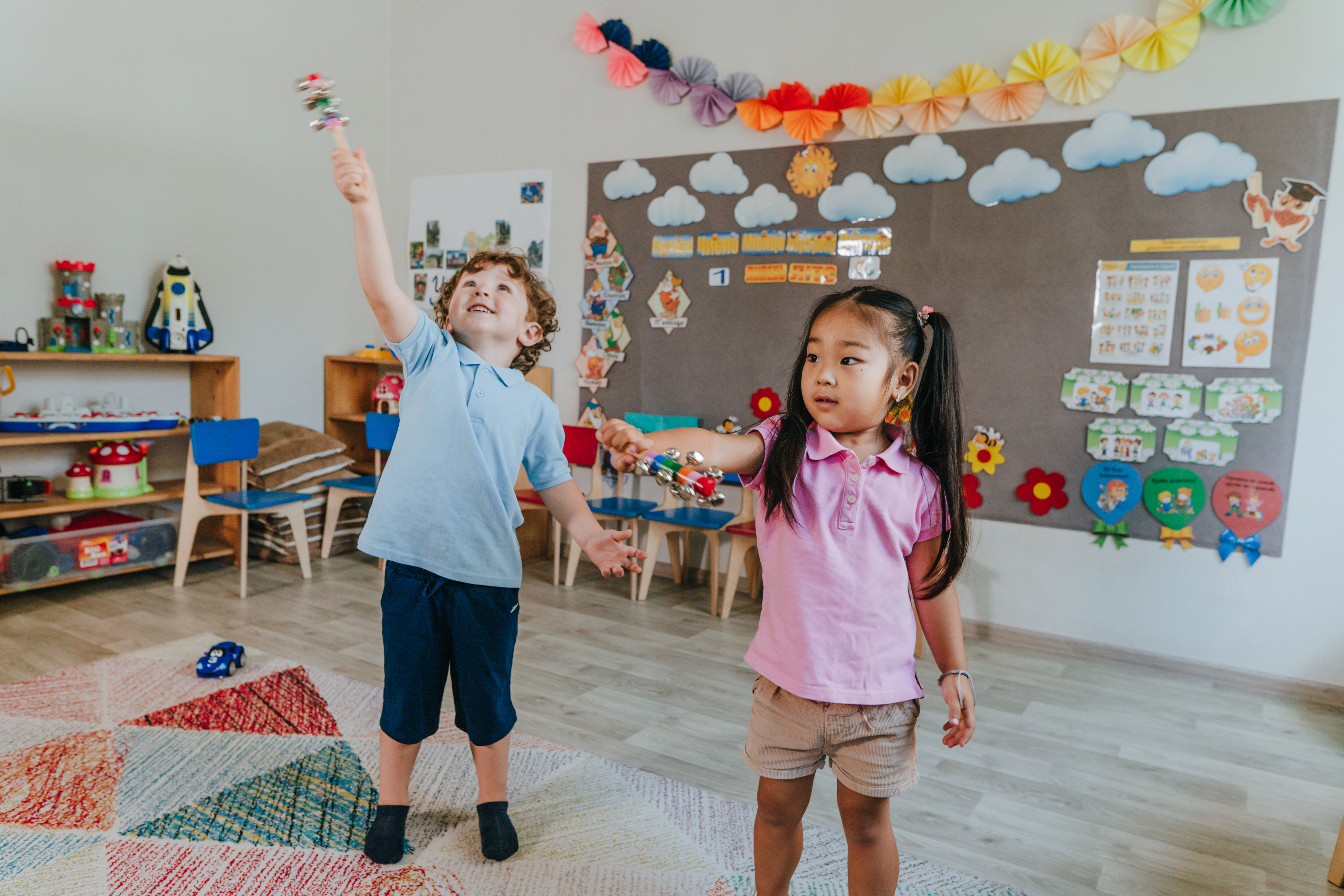
Helping your child develop social-emotional skills sets the foundation for a positive kindergarten experience. Let’s explore how you can nurture these skills at home.
Encouraging Emotional Expression
Children thrive when they feel understood. Start by encouraging your child to express their feelings. You might notice your child showing frustration when a toy doesn’t work as expected. In these moments, say, “I see you’re upset. It’s okay to feel that way.” This helps your child label emotions and opens the door for shared understanding.
Make it a habit to discuss feelings daily. During dinner, you could ask, “What made you happy today?” This simple question encourages reflection and emotional sharing. Over time, your child learns that emotions are a normal part of life. This skill will help them navigate the social world of school.
Developing Peer Interaction Skills
Playing with peers can be tricky, but it’s an essential skill for school readiness. Set up playdates to give your child practice in a familiar setting. Observe how they interact and gently guide them if needed. If your child is shy, try role-playing different social scenarios at home. For example, practice saying, “Can I play with you?” This boosts confidence and makes real-life situations less daunting.
Games that require taking turns, like board games, are excellent for teaching patience and cooperation. Praise your child when they share or wait patiently—positive reinforcement goes a long way. You’ll soon see your child becoming more comfortable in group settings.
Fostering Early Literacy and Math
Building early literacy and math skills doesn’t have to be a chore. With fun activities, your child will be eager to learn.
Fun Literacy Activities at Home
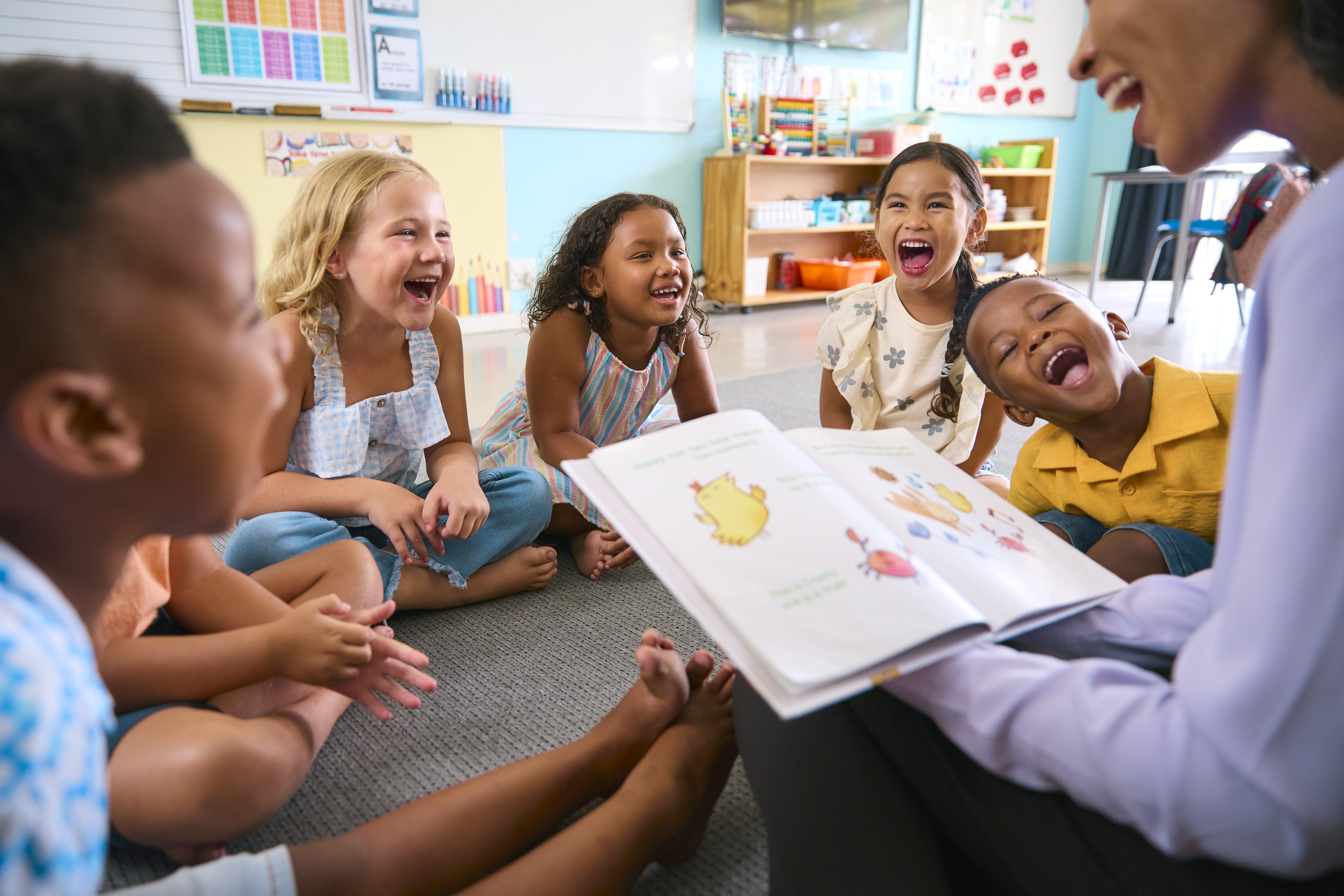
Reading together is one of the best ways to instill a love for words. Choose books with colorful pictures and simple sentences. Ask questions like, “What do you think happens next?” This encourages imagination and comprehension.
Incorporate letters into daily routines. During a walk, play “I Spy” with letters on signs. At home, create a letter scavenger hunt. Say, “Can you find something that starts with ‘B’?” Activities like these make learning playful and engaging.
Counting and Basic Math Games
Math skills develop best through hands-on activities. Cooking offers a chance to count and measure. Ask your child to count how many cups of flour go into a recipe. This real-world application makes numbers tangible.
Introduce simple board games that use dice. Games like these teach counting and number recognition in a fun way. For more ideas, visit The Pediatrician Mom’s blog for additional tips on making learning math enjoyable.
Promoting Independence and Routine

Establishing routines and independence at home prepares your child for the structure of school.
Establishing Daily Routines
Consistency is key to building comfort and security. Start with a simple morning routine. Include tasks like brushing teeth, getting dressed, and having breakfast. Use a visual chart to help your child understand the sequence.
End the day with a bedtime routine that includes reading a book. This not only fosters literacy but also signals to your child that it’s time to wind down. Over time, routines become second nature, making transitions smoother.
Encouraging Self-Help Skills
Empowering your child with self-help skills boosts their confidence. Encourage them to dress themselves or pack their backpack. Offer guidance but let them take the lead. A child who masters these skills feels more capable and ready for school.
Create opportunities for decision-making. Let your child choose their outfit or snack. These small choices build independence. Remember, practice and patience are your allies. Your child will soon surprise you with their growing abilities.
By focusing on these practical strategies, you’re setting the stage for your child’s success in kindergarten. This journey, powered by a loving partnership between home and school, makes all the difference. For more insights, explore resources on kindergarten readiness to further support your efforts.
Learn More!