about
Every Child, Every Feeling: How Individualized Learning Builds Social and Emotional Skills in Preschool
Individualized learning preschool programs do more than teach letters and numbers—they build the social and emotional skills your child needs to thrive. When learning fits your child’s unique pace and style, feelings become easier to express and friendships grow stronger. At Basic Beginnings, our approach nurtures these skills in a safe, welcoming space designed for every child’s success. Keep reading to see how personalized learning sets the foundation for school readiness and confident growth. Learn more about social and emotional development in early learning settings.
Building Social and Emotional Skills
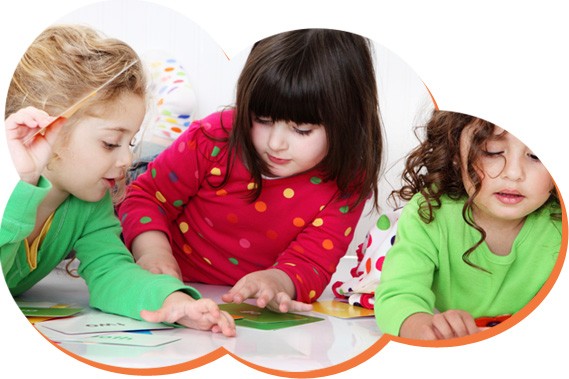
The way children learn is as important as what they learn. At Basic Beginnings, our focus on individualized learning programs helps children grow socially and emotionally.
The Role of Individualized Learning
Imagine a classroom where each child’s needs guide the learning process. This is the essence of individualized learning. It starts with understanding your child’s unique pace and style. We tailor activities to fit these needs, helping your child express themselves better. For instance, a shy child might engage in small group activities to build confidence. This personalized approach fosters emotional growth.
Children thrive when they feel understood. They become more open to sharing their thoughts and emotions. Teachers at Basic Beginnings work closely with each child, creating a strong bond. This connection helps in recognizing and nurturing each child’s potential. As children engage in activities suited to their interests, they become more involved and excited about learning. This enthusiasm spills over into their social interactions, making friendships grow stronger.
Positive Guidance in Action
Positive guidance is about showing children how to express feelings appropriately. At Basic Beginnings, we believe in setting clear expectations and reinforcing them through encouragement rather than punishment. This method empowers children to make better choices.
Consider a child who struggles with sharing toys. Our teachers use positive guidance techniques to teach patience and empathy. By encouraging children to talk about their feelings, they learn to resolve conflicts peacefully. This approach not only helps in the classroom but also prepares them for future social situations. By learning these skills early, children develop a strong foundation for their emotional well-being. Explore more about how personalized learning supports social-emotional learning.
Benefits of Early Childhood Education
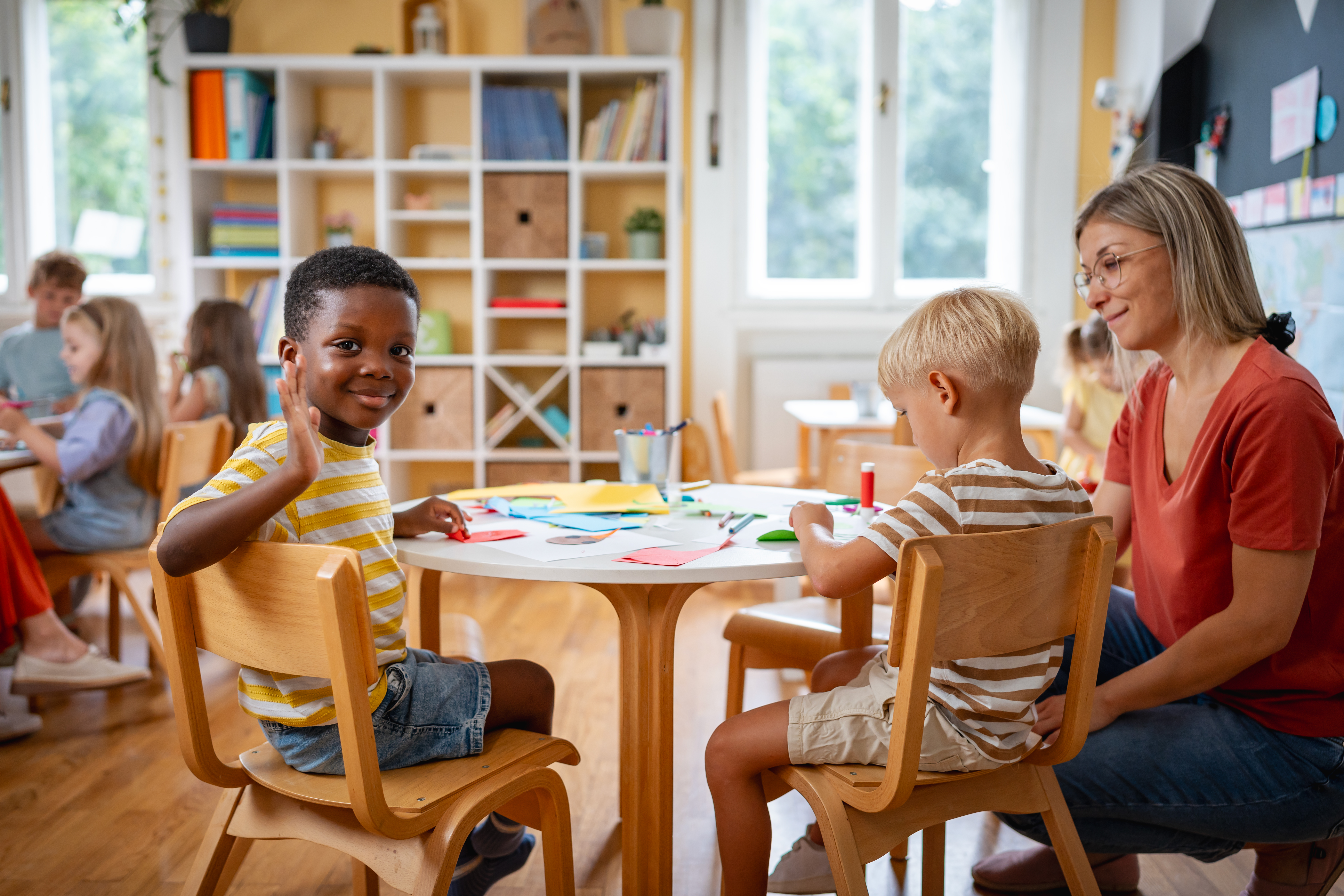
Early childhood education offers more than just academic knowledge. It lays a foundation for lifelong learning and success, guiding children towards school readiness and emotional growth.
Fostering School Readiness
Preschool is where the journey of formal education begins. At Basic Beginnings, we focus on fostering school readiness by integrating learning with play. For example, using blocks to teach math concepts makes learning fun and engaging. This playful approach helps children grasp basic academic skills while also developing critical thinking.
School readiness is not just about academics. It’s about teaching children to follow routines and instructions. These skills are vital for a smooth transition into kindergarten. As children learn to manage their time and tasks, they become more confident in their abilities. This confidence is crucial for their academic journey ahead. By focusing on holistic development, Basic Beginnings ensures that children are not just ready for school, but ready for life. Read about the importance of social and emotional development in early learning settings.
Creating a Safe Nurturing Environment
A nurturing environment is key to a child’s development. At Basic Beginnings, we create spaces where children feel safe to explore and express themselves. Safety is our top priority, ensuring that every child feels secure while they learn and play.
Our classrooms are designed to be welcoming and inclusive. Teachers at Basic Beginnings are trained to provide support and encouragement, fostering a sense of belonging. When children feel safe, they are more willing to take risks and try new things. This openness to new experiences is essential for their growth and development.
We also emphasize the importance of social interactions. Group activities and collaborative play help children develop empathy and communication skills. As they interact with peers, they learn to understand and respect different perspectives. This nurturing environment builds a strong foundation for their future relationships. Discover more insights into social and emotional development.
Partnering with Families
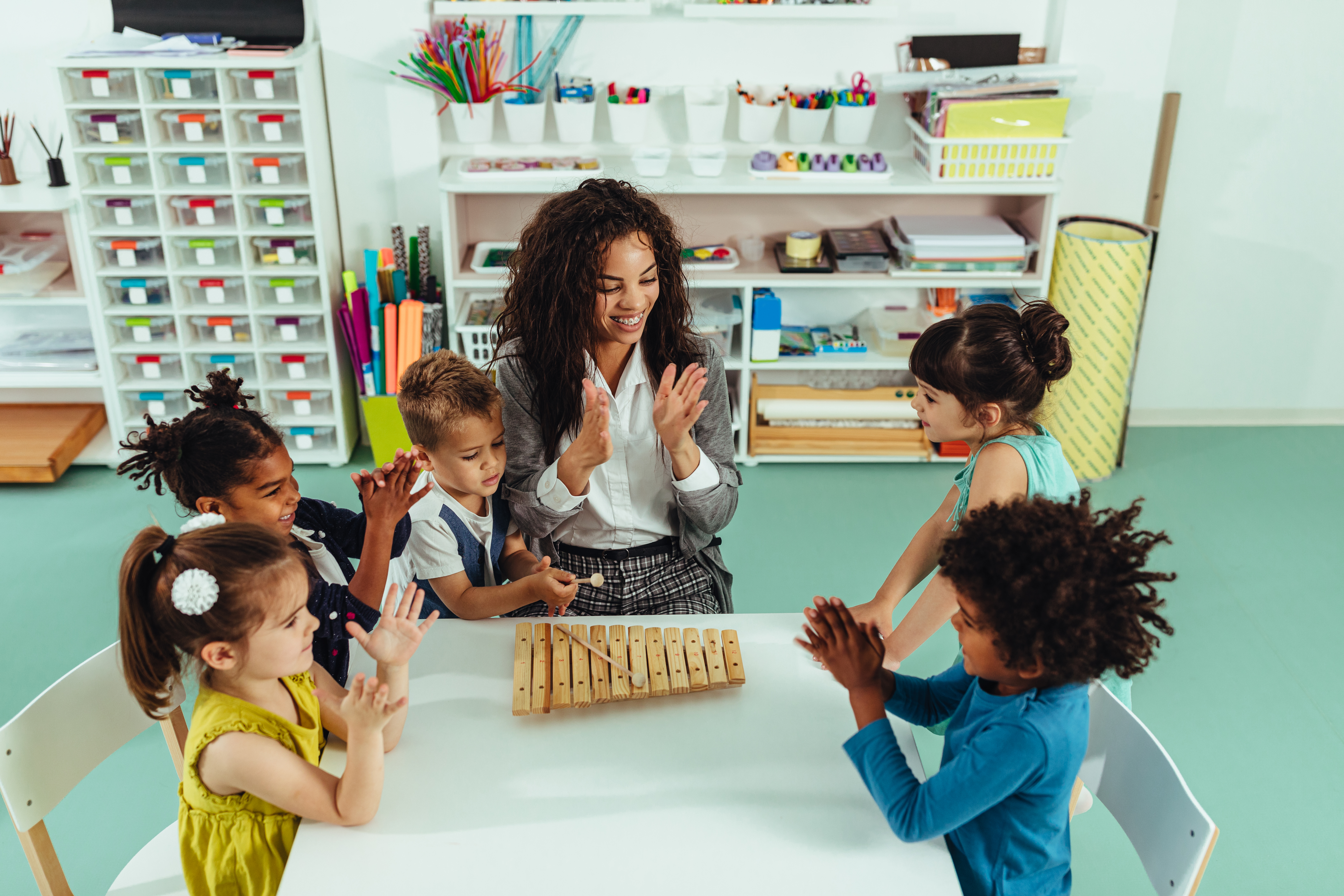
Family involvement is crucial in a child’s educational journey. At Basic Beginnings, we believe in forming strong partnerships with families to support each child’s development.
Parent-Teacher Partnerships
Building a strong parent-teacher partnership is key to your child’s success. At Basic Beginnings, we prioritize communication and collaboration with families. Regular updates and meetings keep you informed about your child’s progress and achievements.
We encourage parents to share insights about their child’s interests and needs. This information helps us tailor learning experiences that resonate with your child. By working together, we create a supportive network that enhances your child’s development. This partnership ensures that your child receives consistent guidance both at home and in school.
Most people think teachers alone are responsible for a child’s education, but your involvement is just as important. By actively participating in your child’s learning journey, you reinforce the skills and values taught at school. Together, we can create an enriching environment that nurtures your child’s growth. Learn more about the importance of social and emotional development in early learning settings.
Flexible Childcare Solutions
In today’s world, flexibility is essential. Basic Beginnings offers flexible childcare solutions to accommodate your busy schedule. With extended hours and weekend availability in Nashua, we are here to support your family’s needs.
Our flexible options are designed to provide you with peace of mind. Whether you need care during non-traditional hours or require drop-in services, we’ve got you covered. This flexibility ensures that your child receives continuous care and education, even with varying schedules.
Parents often struggle to balance work and childcare. Our solutions offer the convenience you need without compromising on quality. By choosing Basic Beginnings, you can rest assured that your child is learning and growing in a safe, nurturing environment. The longer you wait to find the right childcare, the more you miss out on these benefits.
Basic Beginnings is committed to providing a supportive and flexible environment that meets the needs of modern families. By choosing us, you are ensuring a bright future for your child.
Learn More!
Growing Together: How Parent-Teacher Collaboration Nurtures Social and Emotional Skills in Early Childhood
Parent-teacher partnership is more than just meetings and updates—it shapes how your child learns to connect and express feelings. When home and school work side by side, children build stronger social and emotional skills that last a lifetime. At Basic Beginnings, we focus on this connection to support your child’s growth every day. Keep reading to see how our approach in early childhood education in Haverhill, MA, and Nashua, NH can make a real difference for your family. For more insights on the importance of these partnerships, check this resource.
Parent-Teacher Partnership Benefits
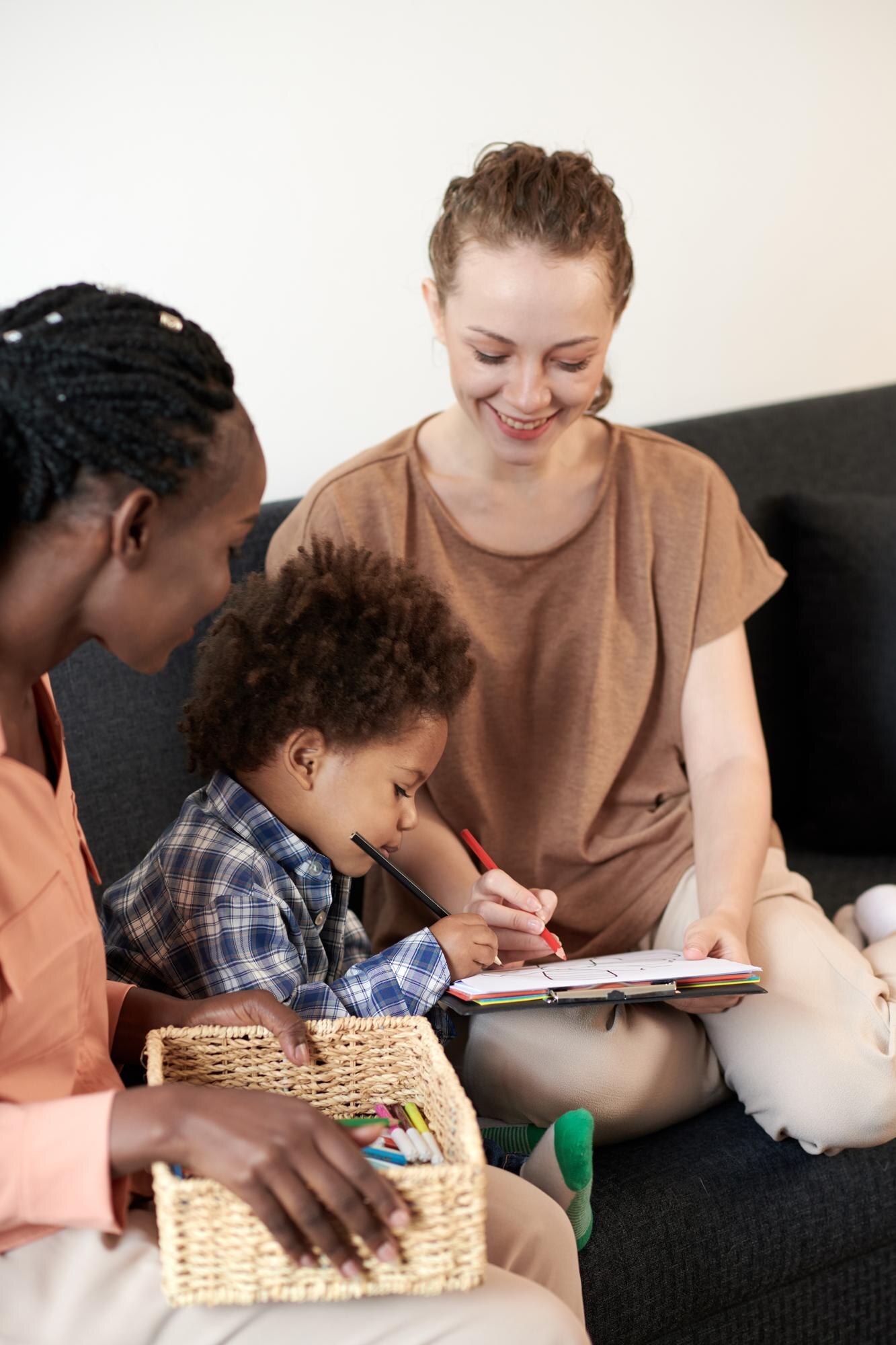
When schools and families join forces, children thrive in ways you might not expect. This collaboration lays a solid foundation that supports kids in developing crucial life skills.
Building Blocks of Social Skills
Have you ever wondered how your child learns to play and share? It starts with social skills that are nurtured both at home and in school. Parents and teachers work together to create environments that encourage these interactions.
Imagine your child in a classroom setting where they learn to play cooperatively in groups. This teaches them to share and wait their turn. At home, you can reinforce these lessons by playing games that require sharing and taking turns. This consistent approach between home and school helps your child build a strong social foundation.
Teachers play a vital role by modeling positive behavior, while parents can follow through with similar practices at home. This partnership ensures children receive consistent messages about how to interact with others. The result? A confident child who navigates social situations with ease.
Emotional Development Through Collaboration
Your child’s emotional growth is just as important as their social skills. Early childhood education focuses on helping children identify and express their feelings in healthy ways. Teachers introduce activities that encourage kids to talk about their emotions. Parents can extend this learning by having open conversations at home.
For instance, if your child learns about feelings through storytelling at school, you can continue the discussion by reading similar books together at home. This reinforces the idea that expressing emotions is normal and healthy.
A study shows that children who receive support from both teachers and parents tend to manage their emotions better. This collaboration builds emotional resilience, preparing them for life’s ups and downs.
Strategies for Family Engagement
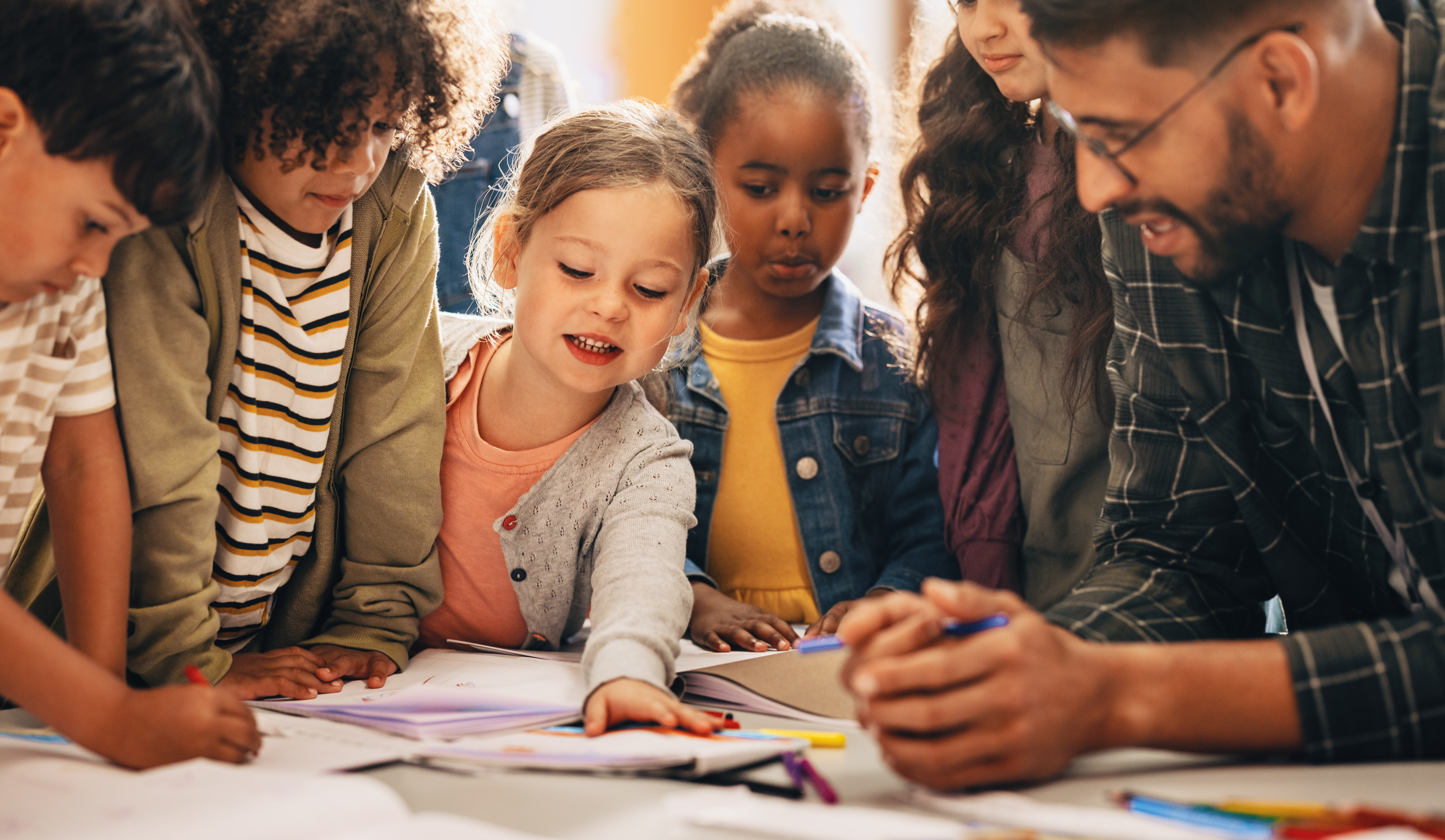
Creating a seamless connection between home and school isn’t always easy, but it’s worth the effort. Here are some strategies to ensure your child gets the most out of this partnership.
Aligning Home and School Approaches
Aligning your home environment with school practices can make a world of difference. Start by understanding the core values and routines followed at school. Many schools, like Basic Beginnings, encourage parents to participate in classroom activities or meetings. This gives you a firsthand look at your child’s day and helps you mirror these practices at home.
Consider setting a routine that closely matches the school’s schedule. This consistency helps children know what to expect, reducing anxiety and improving focus. By aligning home and school approaches, you’re creating a stable support system.
Communication for Consistent Growth
Open communication is the backbone of a strong parent-teacher partnership. Regular updates from teachers keep you informed about your child’s progress and any areas that might need attention. This allows you to address challenges early and celebrate successes together.
Parents can also share insights with teachers. Perhaps your child is particularly interested in a topic, or there’s been a change at home that might affect their behavior. Sharing this information helps teachers provide tailored support.
Effective communication ensures everyone is on the same page, paving the way for consistent growth. As both parties work together, children benefit from a unified front that supports their development.
Flexible Childcare and Enrollment
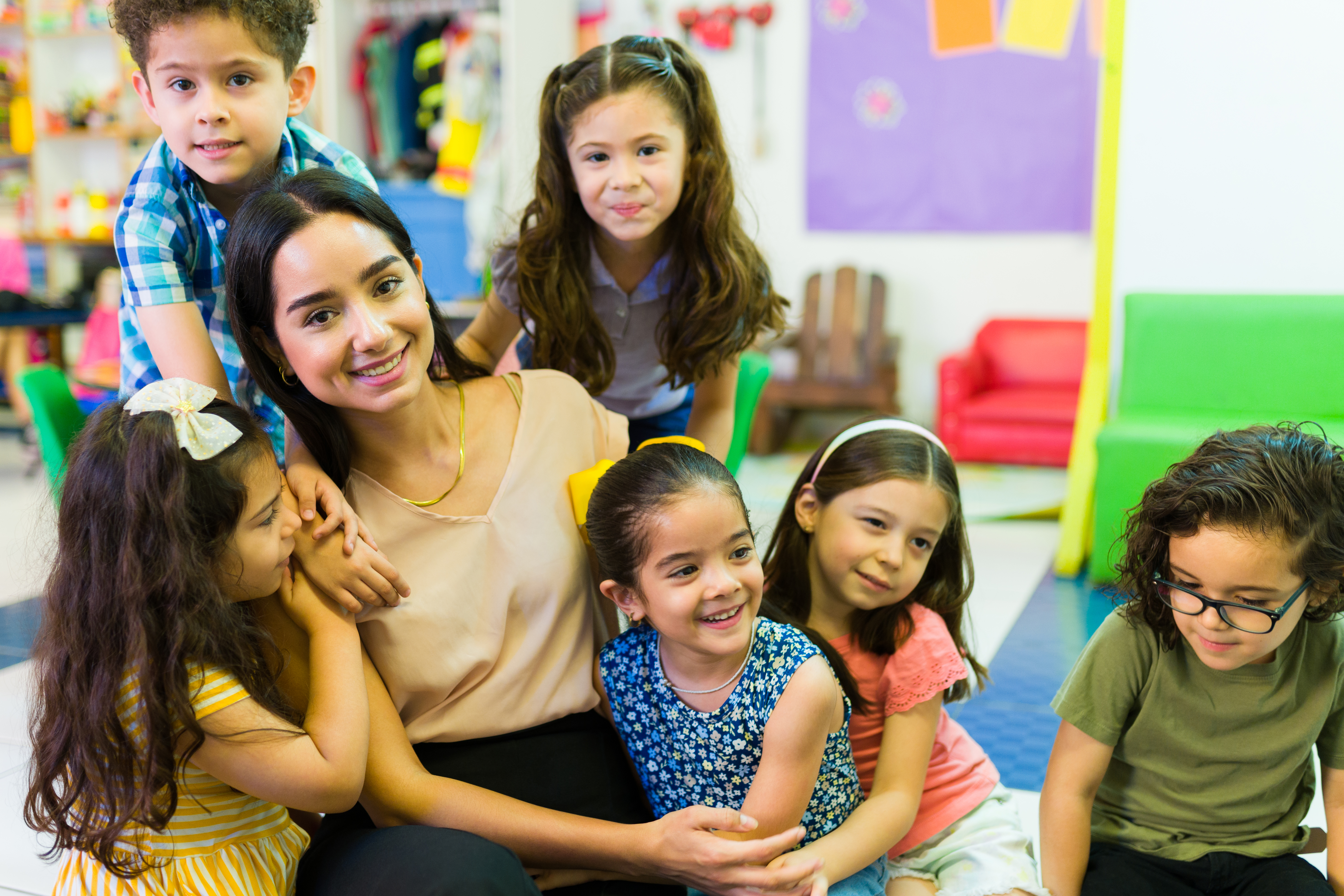
Choosing the right childcare option can feel overwhelming, but understanding your needs and the available options can simplify the process. Flexibility in childcare arrangements can make a significant difference for busy families.
Exploring Program Options
Basic Beginnings offers various programs tailored to different age groups and needs. Whether you’re looking for infant care or pre-kindergarten readiness, there’s something for everyone.
Consider what works best for your family. Do you need full-time care, or would part-time options fit better? Understanding your schedule and your child’s needs can help you make an informed decision. With flexible options, you can find the perfect match that aligns with your family’s lifestyle.
Scheduling a Tour and Enrollment Details
Ready to see how Basic Beginnings can support your family? Scheduling a tour is the best way to understand what we offer. During the visit, you’ll meet our dedicated staff and see our facilities firsthand. It’s an opportunity to ask questions and discuss your child’s specific needs.
Enrolling your child is a straightforward process. We’ll guide you through each step, ensuring you have all the information needed to make a confident decision. Don’t wait too long—the sooner you start, the sooner your child can benefit from a nurturing environment that supports their growth.
In summary, a strong parent-teacher partnership is invaluable. By working together, you, your child, and their teachers create a supportive network that fosters social and emotional development. At Basic Beginnings, we’re committed to this collaboration, helping your child become a confident and empathetic individual.
Learn More!
Growing Hearts and Minds: Practical Ways to Build Social and Emotional Skills in Preschoolers
Most parents want their preschoolers to thrive socially and emotionally, but knowing where to start can feel overwhelming. Building these skills every day sets the foundation for school readiness and happy relationships. At Basic Beginnings Learning & Development Center, we partner with families to make social and emotional development a natural part of your child’s early childhood education. Keep reading to find simple, practical ways you can support your little one’s growth right now. For additional insights, visit this guide on supporting social and emotional development.
Nurturing Emotional Intelligence

Creating a nurturing environment for emotional growth is key. By focusing on emotional intelligence, you help your child navigate social landscapes with ease.
Everyday Strategies for Parents
You can start by teaching your child to recognize and name their feelings. Use daily interactions as opportunities to discuss emotions. Ask them how they feel when they encounter something new or exciting. This simple habit builds their emotional vocabulary and helps them express themselves.
Role-play can be another powerful tool. Create scenarios where your child must identify and solve a problem, like sharing a toy with a friend. This practice not only enhances problem-solving skills but also shows them how to handle conflicts constructively.
Remember, it’s okay if things don’t go perfectly. Learning from mistakes is part of the process and can offer valuable lessons. Encourage your child to talk about their feelings and reassure them that everyone has moments of struggle. You’re building a foundation for resilience.
The Role of Positive Guidance
Positive guidance can transform a child’s learning experience. It helps them feel safe and supported, fostering a love for learning. At Basic Beginnings, we focus on nurturing this aspect by providing a warm and caring environment. Positive guidance involves setting clear expectations while offering consistent feedback.
One method is to acknowledge positive behaviors immediately. A simple “great job sharing with your friend” can reinforce desired actions and encourage repetition. On the flip side, approach missteps with empathy, showing them ways to improve rather than just pointing out faults.
Creating an environment that encourages exploration is vital. A child who feels secure is more likely to try new things and engage with others confidently. This sense of security promotes a deeper understanding of themselves and those around them, enhancing their social and emotional development.
Building Social Skills in Preschoolers
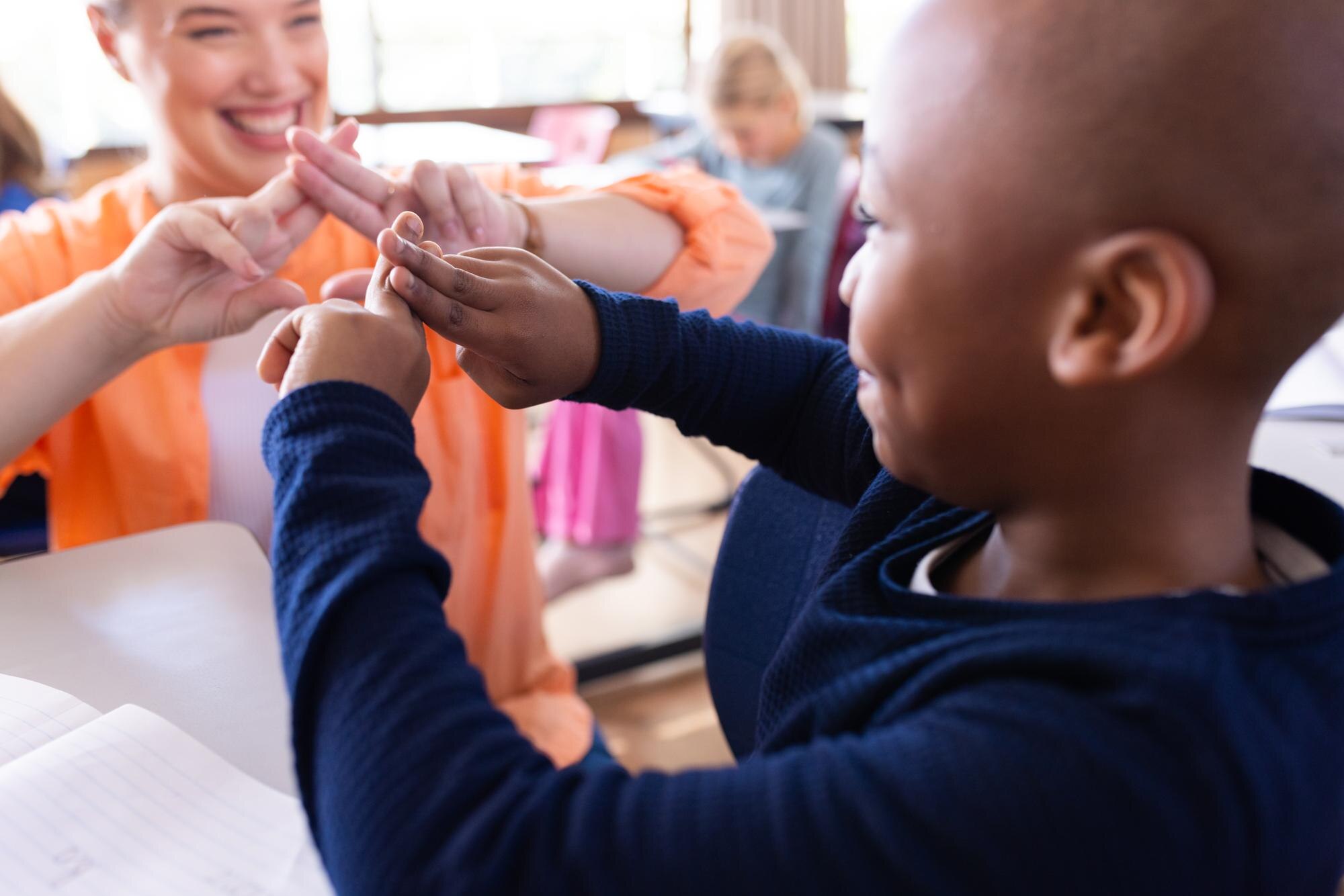
As children grow, social skills become increasingly important. These skills lay the groundwork for future interactions and relationships.
Encouraging Cooperative Play
Cooperative play is a fantastic way to develop social skills. By participating in group activities, children learn to share, take turns, and communicate effectively. Set up playdates with peers or engage them in group games like building blocks or simple board games.
Guide them in negotiating roles and rules, but also give them space to solve disputes themselves. This balance teaches independence while still providing a safety net for when things get challenging. Your involvement can be as simple as asking questions that prompt them to think about others’ perspectives.
Keep an eye on how they interact with peers. Celebrate moments of teamwork and offer gentle guidance when necessary. Regular practice of cooperative play can enhance your child’s ability to work well with others, a skill that will benefit them throughout life.
Fostering Strong Peer Relationships
Friendships are an essential part of childhood. Encouraging your child to build strong peer relationships can have lasting benefits. Start by inviting classmates over or attending community events where they can meet new friends.
Teach them how to introduce themselves and join conversations by modeling these behaviors. You can also discuss the importance of listening to others and showing empathy. These discussions can happen naturally during storytime or when watching a show together.
Encourage your child to reflect on their interactions. Ask them what they enjoyed about playing with friends and what might have been challenging. This practice helps them understand the dynamics of friendship and appreciate the diversity of personalities they encounter.
Partnering with Families for Growth
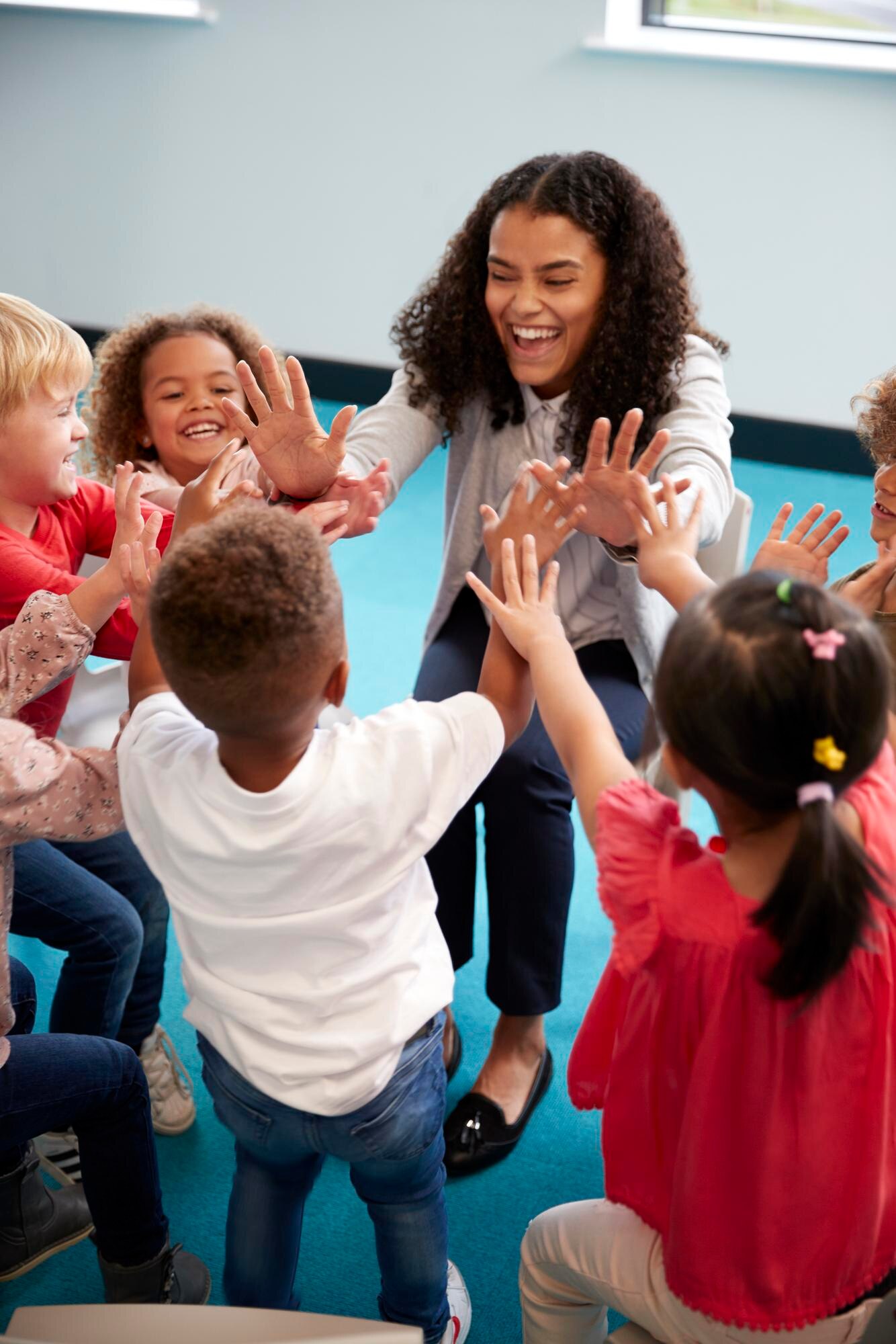
Building a child’s social and emotional skills is a joint effort between families and educators.
Parent-Teacher Collaboration
Collaboration between parents and teachers is crucial. At Basic Beginnings, we prioritize open communication to ensure your child’s needs are met. Regular updates and discussions about your child’s progress can provide insights into their social and emotional development.
Don’t hesitate to share your observations with teachers. Your insights can help tailor approaches that best suit your child’s learning style. Together, we can create strategies that promote growth both at home and in the classroom.
By working together, we can provide a consistent and supportive environment for your child. This partnership reinforces the lessons learned at school and at home, offering a cohesive learning experience.
Flexible Care Options and Benefits
Flexible childcare options can alleviate stress for families juggling busy schedules. At our Nashua location, extended hours and weekend care cater to the unique needs of federal and FAA employees.
This flexibility ensures your child remains in a nurturing environment while you manage your commitments. It also allows for more opportunities for social interaction and learning outside standard hours.
Choosing a center with flexible options not only supports your family’s needs but also enriches your child’s developmental journey. Explore how our programs align with your schedule and benefit your child’s growth by visiting our enrollment page. Together, we can nurture your child’s potential and prepare them for a bright future.
Learn More!
Why Community Trust Matters When Choosing Quality Childcare
Community trust in childcare isn’t just a nice-to-have—it’s a clear sign of quality you can count on. When you’re choosing a Haverhill MA daycare or Nashua NH childcare, knowing other families rely on a center for safety, partnership, and consistent care makes all the difference. At Basic Beginnings, we build that trust every day through safe nurturing environments and strong parent-teacher partnerships. Keep reading to see why that trust matters for your child’s early childhood education—and how you can take the next step with us. Learn more about choosing quality childcare.
Importance of Community Trust
When it comes to selecting a childcare center, community trust serves as a vital indicator of quality. It assures you that other families have found a safe haven for their children, promoting confidence in your decision.
Signals of Quality Childcare
Community trust emerges from consistent quality. How can you spot a top-notch center? Look first for open communication between staff and families. This means regular updates on your child’s day and development. Next, consider the center’s reputation. Are local families speaking positively about their experiences? Finally, check the center’s history. A longstanding presence often signifies reliable service. Find out more about why quality matters.
Trust in Haverhill and Nashua
In the communities of Haverhill and Nashua, trust is built over time through care and commitment. Families residing here often turn to local daycares that have been tried and tested. At Basic Beginnings, our reputation is built on years of dedicated service. Many parents find comfort in our flexible hours, ensuring they have support even with unconventional work schedules. This flexibility strengthens trust, creating a community network where children flourish.
Building Trust at Basic Beginnings

At Basic Beginnings, trust is the foundation of everything we do. It’s more than a word; it’s a commitment to every family that steps through our doors.
Safety and Longevity
Safety is our priority. With over 30 years in the field, we have seen it all and prepared for it all. Our centers are equipped with secure entry systems and are routinely inspected to meet and exceed safety standards. Parents can rest easy, knowing that their children are in a controlled and protected environment. Longevity speaks volumes; it’s proof of our dedication and the faith generations of parents have placed in us. Learn about the importance of choosing the right daycare.
Partnerships with Parents
We believe in strong parent-teacher partnerships. This collaboration empowers you to play an active role in your child’s learning journey. Regular meetings and open-door policies ensure that communication is always a two-way street. Most people think communication ends when you drop off your child, but at Basic Beginnings, it’s where it begins. Our team listens to your input, ensuring your child’s experience is tailored to their unique needs and your family’s priorities.
Encouraging Engagement

Engagement is the key to a successful childcare experience. At Basic Beginnings, we guide you every step of the way to ensure both you and your child feel at home.
Touring Our Centers
Seeing is believing. We invite you to tour our centers to witness firsthand what makes Basic Beginnings special. During the tour, you can explore our classrooms, observe our routines, and meet our staff. This direct interaction allows you to ask questions and see how we prioritize your child’s safety and happiness. Many families have found that a simple tour is enough to affirm their decision. Discover more about reputation management in childcare.
Enrollment Process and Benefits
Enrolling at Basic Beginnings is a straightforward process designed to ensure you have all the information you need. From understanding our curriculum to discussing your child’s needs, we focus on clarity and support. By choosing us, you gain access to our extended hours and weekend care options, particularly beneficial for FAA and federal employees. The longer you wait, the more you miss out on these incredible benefits that make life a little easier and your child’s education richer.
In conclusion, community trust is a clear indicator of quality childcare. At Basic Beginnings, we’ve built that trust through decades of experience, safety, and parent partnerships. We welcome you to take the next step by touring our centers and beginning your child’s journey with us.
Learn More!
Growing Hearts and Minds: The Importance of Social and Emotional Development in Preschool
Social and emotional development in preschool sets the foundation for your child’s success in school and beyond. At Basic Beginnings, we focus on preschool social skills and emotional regulation through positive guidance and individualized learning plans. You’ll see how nurturing self-regulation in preschool prepares children for real-world challenges while building confidence. Keep reading to learn how our play-based approach supports school readiness and invites your family to join our caring community. For more information, visit this resource.
The Role of Social and Emotional Development
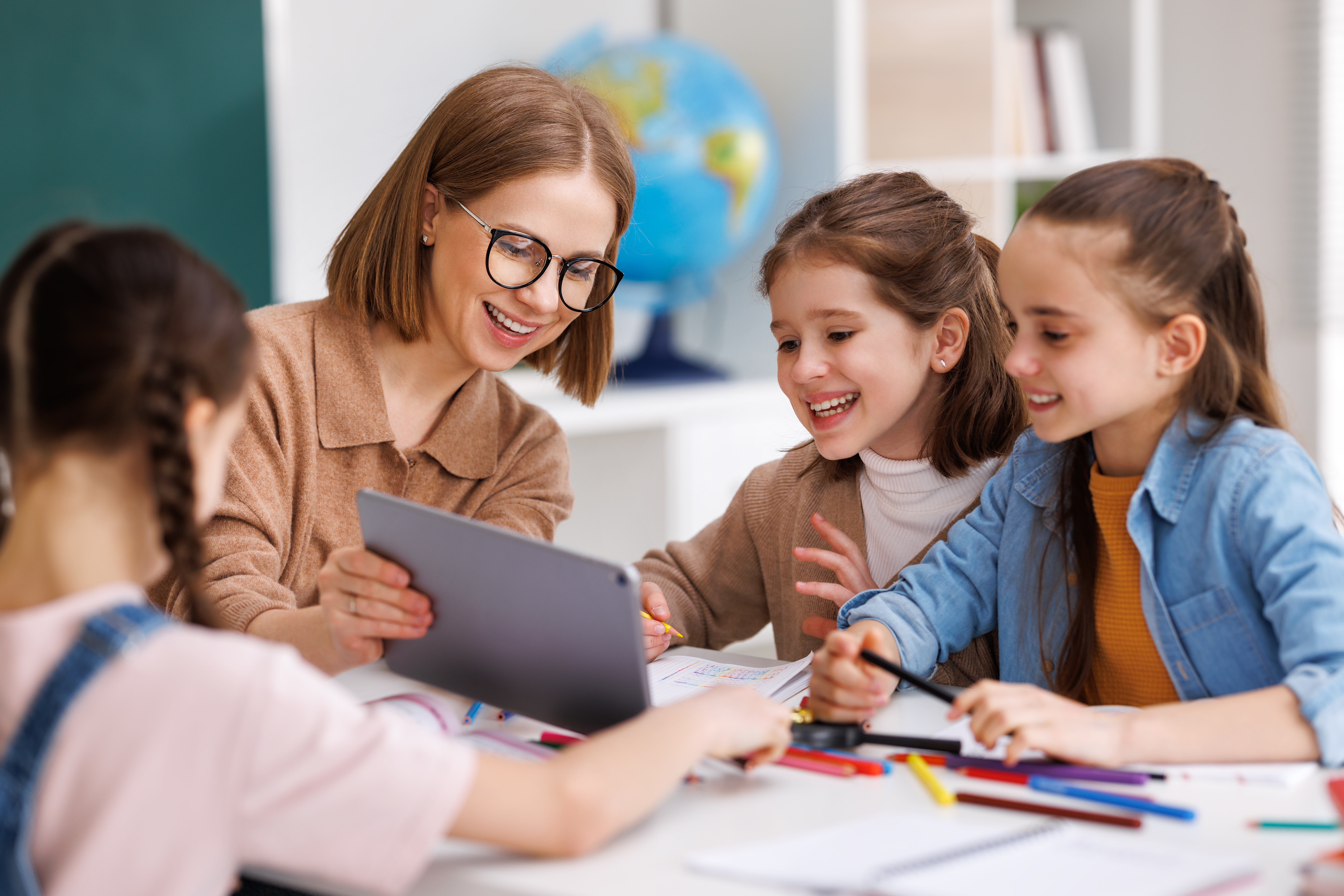
Social and emotional growth is key to a child’s overall development, shaping how they interact with the world. By understanding its importance, you lay the groundwork for your child’s future success.
Building Preschool Social Skills
Children begin to learn social skills from a very young age. At preschool, they interact with peers, sharing toys and ideas. Imagine your child negotiating turns on the swing or leading a small group in a game. These experiences build essential skills.
Preschool is not just about learning numbers and letters. It’s a stage where children learn to communicate their needs and understand others’ feelings. For example, when a child comforts a friend who is upset, they practice empathy. This skill is invaluable, setting a foundation for positive relationships.
With guidance, children learn to navigate social settings. Teachers at Basic Beginnings provide this support, ensuring every child feels included. Research shows that early social skills lead to better academic outcomes. You can explore more about the impact here.
Emotional Regulation in Early Childhood
Emotional regulation is crucial for managing feelings and reactions. It’s not just about stopping a tantrum but understanding emotions. Picture your child taking deep breaths to calm down instead of crying. That’s the power of emotional regulation.
At Basic Beginnings, we teach children to recognize their feelings and respond appropriately. For instance, a child might learn to express frustration with words rather than actions. This skill is vital for lifelong success.
Children who can manage their emotions tend to perform better in school. They find it easier to focus on tasks and engage in learning. You can discover more about nurturing these skills here.
Nurturing SEL at Basic Beginnings
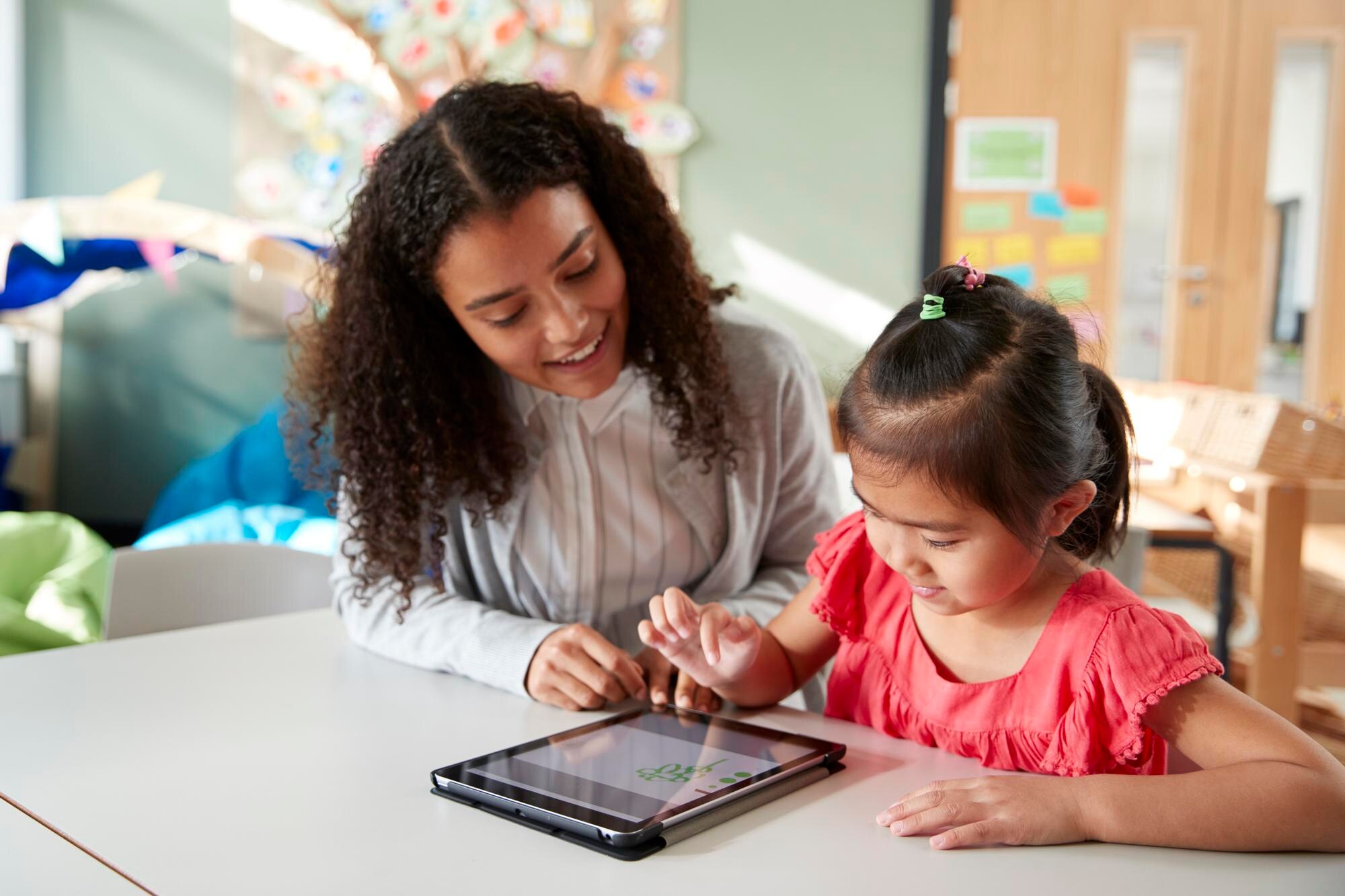
At Basic Beginnings, we believe every child deserves the best start. Our nurturing approach to social and emotional learning (SEL) is crafted to fit each child’s needs.
Individualized Learning and Positive Guidance
Every child is unique, and so is their learning journey. Our teachers create customized plans that highlight each child’s strengths. Think about how your child will explore new activities tailored just for them.
Positive guidance plays a big role in our approach. Instead of saying “no,” we show children what they can do. This encourages them to explore safely and confidently. Most people think strict discipline is necessary, but positive reinforcement often works better.
Our individualized approach means children learn at their own pace, making them more engaged and motivated. For more on how this works, check out this resource.
Play-Based Learning for School Readiness
Play is not just fun—it’s a powerful learning tool. Through play, children develop critical thinking and problem-solving skills. Imagine your child building a tower and figuring out why it falls. That’s learning in action.
Our play-based curriculum prepares children for school by making learning enjoyable. Children learn to ask questions, explore, and experiment. This method fosters a love for learning, which is key for school readiness.
The longer you wait to engage in play-based learning, the more opportunities pass by. Discover more about play’s role in education here.
Engaging Families in Child Development
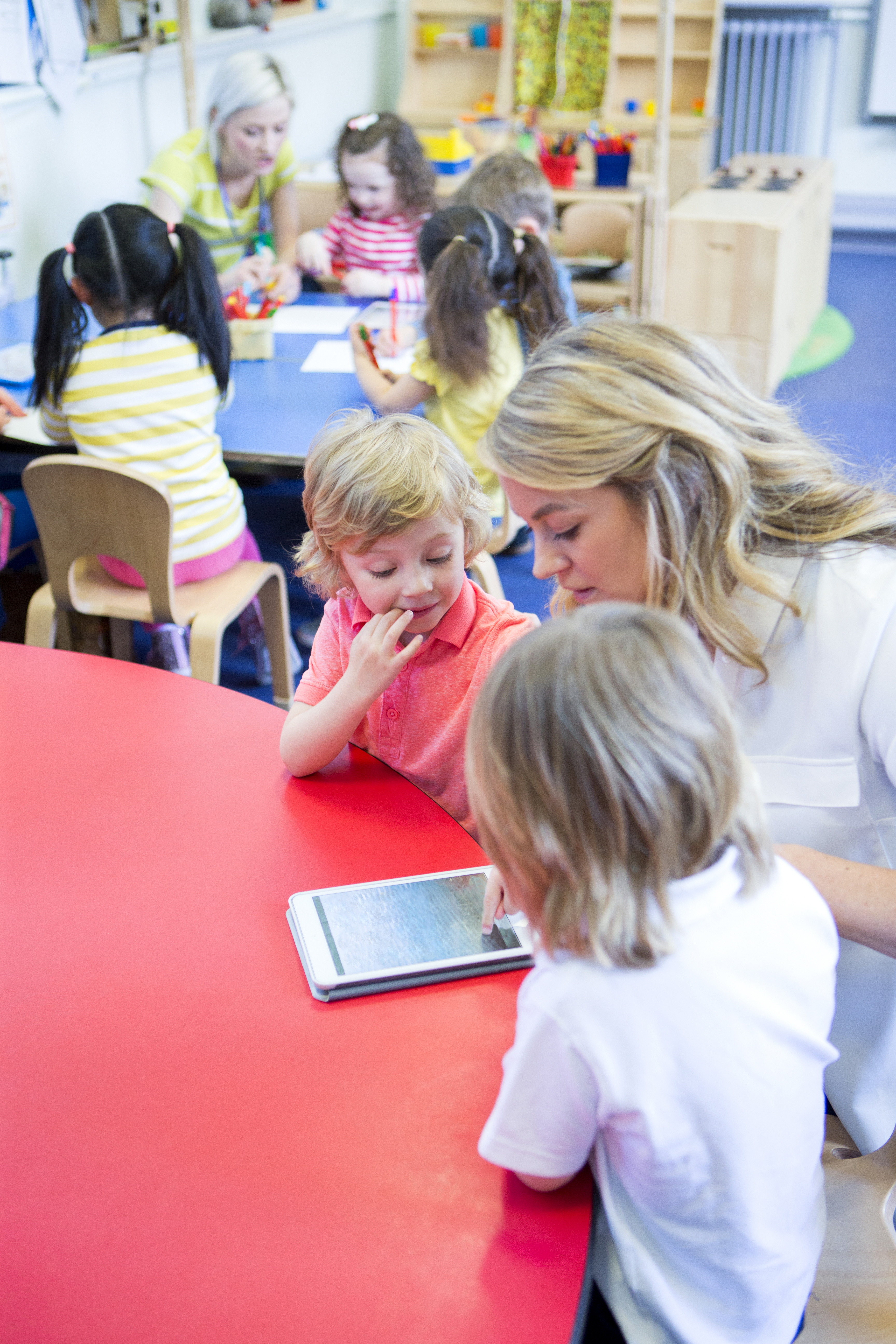
A strong family-school connection enhances children’s learning experiences. At Basic Beginnings, we consider parents our partners in education.
Parent-Teacher Partnerships
Working together, we create a supportive environment for your child. Regular communication ensures you are informed about your child’s progress. Imagine receiving updates about your child’s day and knowing their achievements.
We invite you to share insights about your child. Your input helps us tailor our approach, ensuring we meet your child’s needs. Most parents think teachers manage everything, but your involvement is vital.
Together, we can support your child’s development, creating a community of learning and growth. Learn more about parent-teacher collaboration here.
Flexible Childcare and Enrollment Options
We understand the demands of modern life. That’s why Basic Beginnings offers flexible childcare solutions. Whether you need extended hours or weekend care, we’re here to help. Your child’s education should fit your schedule, not the other way around.
Our locations in Nashua, NH, and Haverhill, MA, offer convenient access for families. We also provide special benefits for FAA and federal employees, making us a top choice for quality childcare.
Don’t wait to give your child the best start. Visit us to learn more about enrollment options and how we can accommodate your family’s needs.
Learn More!