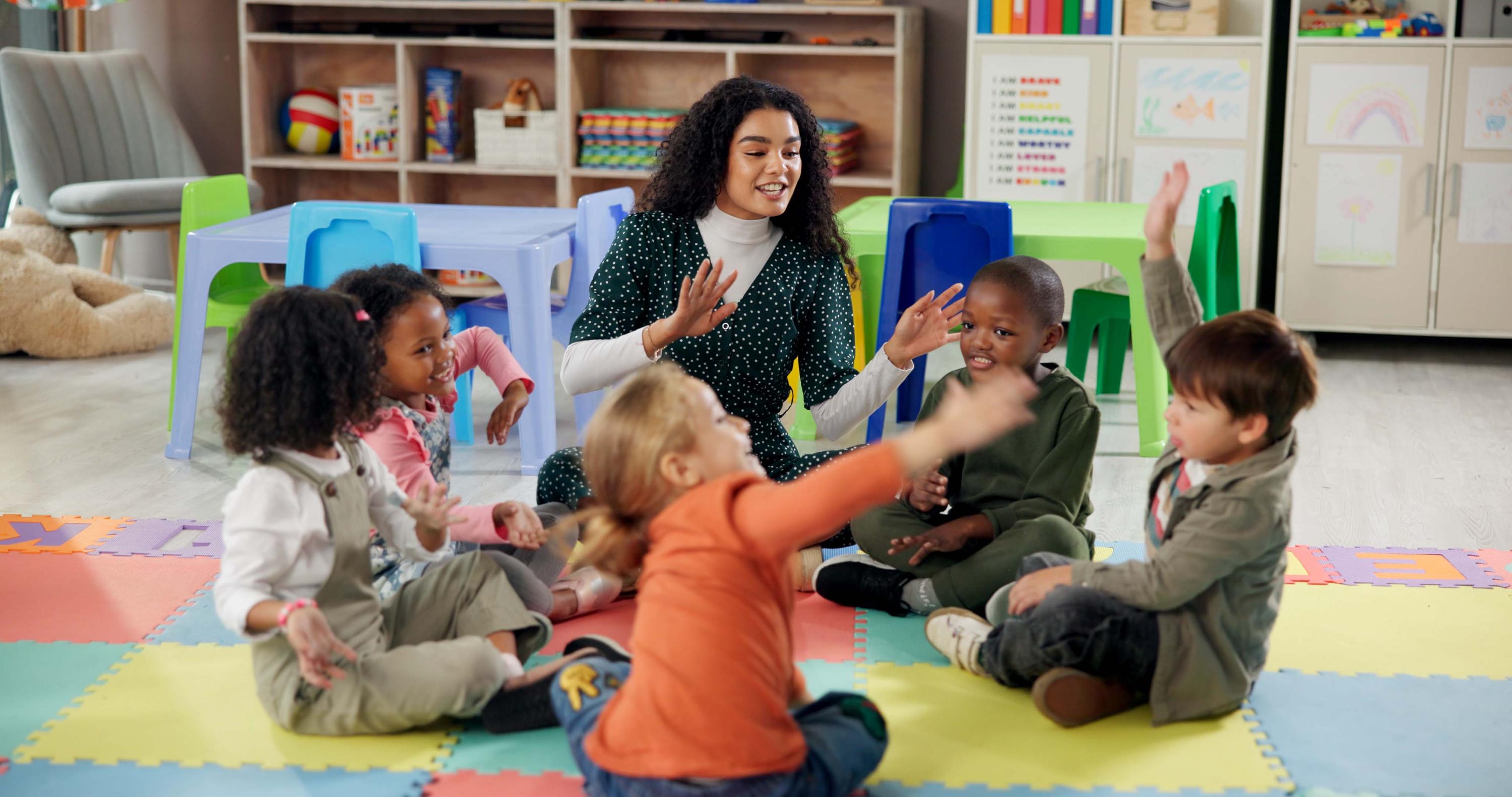
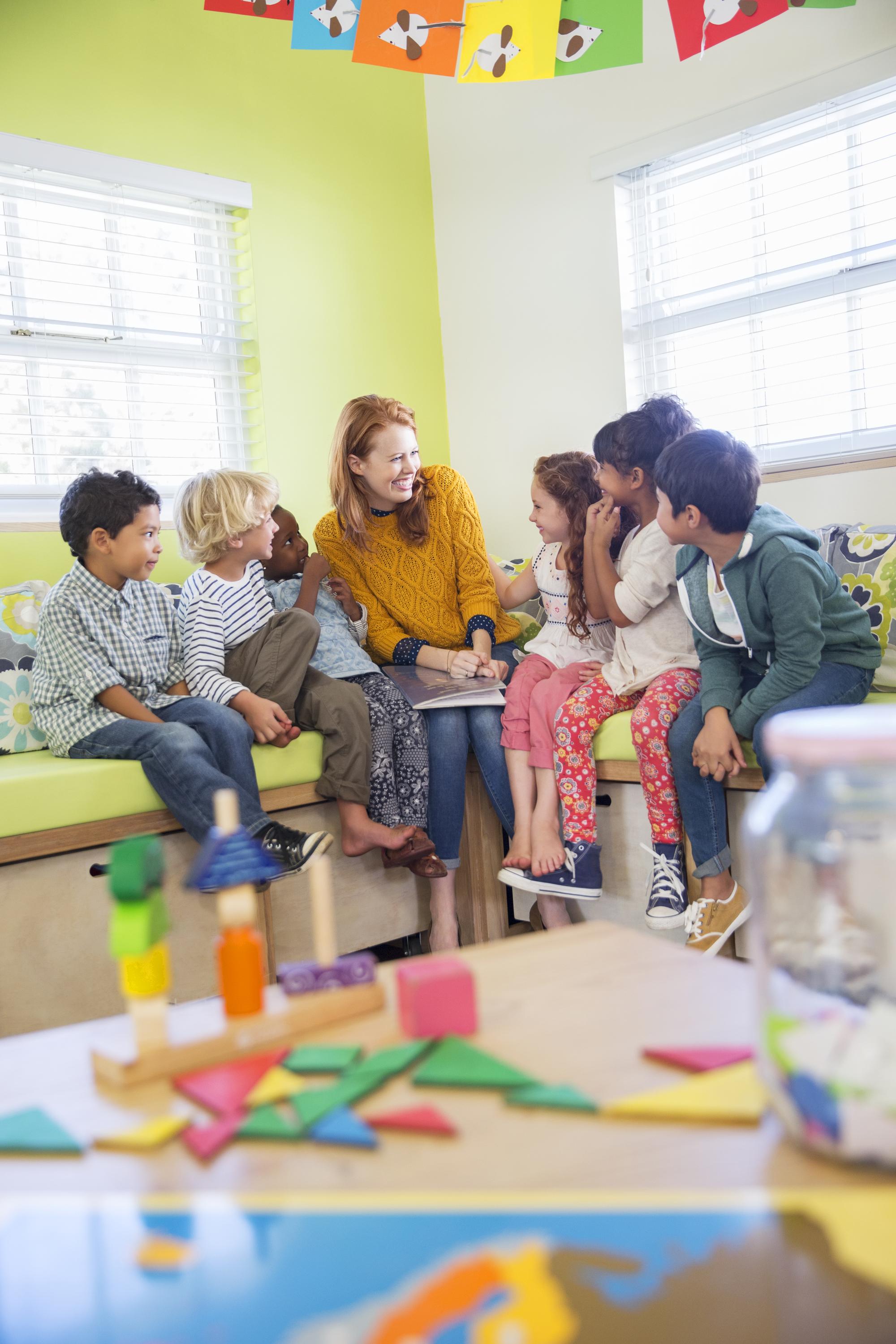
Play-based learning does more than fill time—it lays the foundation for school readiness and confidence building in preschool. When children engage with hands-on activities, they develop skills that matter in kindergarten and beyond. At Basic Beginnings in Haverhill, MA, and Nashua, NH, we tailor learning to each child’s needs while partnering closely with parents. Ready to see how play shapes your child’s future? Keep reading to learn why this approach works and how we support your family’s goals. For more insights on the benefits of play-based learning, visit this article.
The Benefits of Play-Based Learning
Building School Readiness
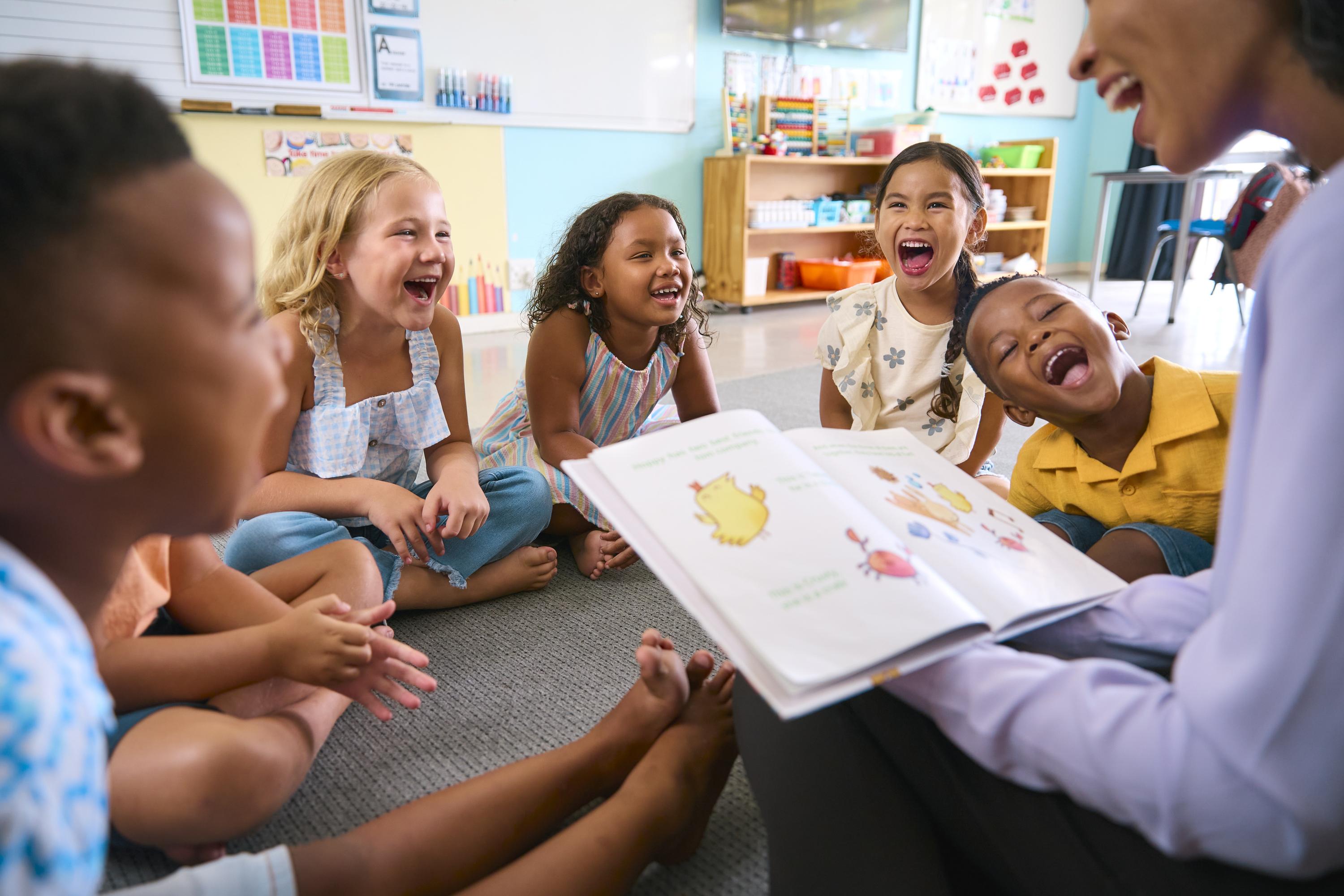
Play-based learning is a powerful tool in preparing children for school. It encourages kids to think creatively and solve problems. Through activities such as role-play and storytelling, they grasp early literacy and numeracy without even realizing it.
Kids learn best when they’re having fun. Play-based activities improve their attention span and help them understand complex ideas like numbers and letters. By engaging in these activities, children build a strong foundation for kindergarten. They also develop critical thinking skills. This approach ensures they’re not just memorizing facts but understanding concepts. For more on how play supports school readiness, check out this resource.
Boosting Confidence in Preschool
Confidence in preschool is essential for young learners. Play-based learning fosters a sense of achievement in children. When they complete a task or solve a problem on their own, they feel proud. This sense of accomplishment boosts their self-esteem.
Children thrive in environments where they are encouraged to explore. When they succeed in small tasks, they become more confident in trying new things. This confidence prepares them for future challenges. It also teaches them resilience and the value of persistence. As they grow, these skills become invaluable in their educational journey.
Individualized Learning and Parent-Teacher Partnerships
Tailored Pre-K Curriculum
At Basic Beginnings, every child is unique. Our curriculum is designed to meet each child’s specific needs. By observing how they learn best, we tailor activities to suit their individual strengths. This personalized approach ensures that each child grows at their own pace.
Our educators work closely with parents to understand their child’s needs. Together, we create a learning path that supports their development. This collaboration ensures that children receive the support they need both at home and in the classroom.
Importance of Parent-Teacher Collaboration
Parent-teacher partnerships are crucial for a child’s success. At Basic Beginnings, we believe in open communication with parents. This dialogue helps us understand each child’s unique needs and challenges.
When parents and teachers work together, children benefit. They receive consistent support and guidance, which reinforces their learning. This partnership builds trust and ensures that both the school and family are working towards the same goals. By collaborating, we can provide the best possible learning environment for every child.
Exploring Basic Beginnings Learning & Development Center
Flexible Scheduling and Extended Hours
Basic Beginnings offers flexibility for families. Our Nashua location is open nights and weekends, catering to non-traditional schedules. This flexibility is perfect for FAA and federal employees who need reliable childcare options.
We understand that every family has different needs. That’s why we provide extended hours to accommodate various schedules. Whether you need care during the day or in the evening, we’re here to support you. Our goal is to provide quality education in a way that fits your lifestyle.
Enroll Today: Tour Our Centers
Are you ready to see the benefits of play-based learning firsthand? We invite you to tour our centers. Discover how our programs can support your child’s growth and development.
During your visit, you’ll meet our dedicated staff and explore our facilities. You’ll see how our play-based approach makes learning both fun and effective. Don’t wait—schedule your tour today and take the first step in supporting your child’s future.
Frequently Asked Questions
What is play-based learning?
Play-based learning is an educational approach that uses play as a means to teach children essential skills. It encourages exploration and creativity while developing critical thinking and problem-solving abilities.
How does play-based learning prepare children for school?
Through play-based learning, children develop foundational skills in literacy and numeracy. They learn to solve problems, work in teams, and communicate effectively, all of which are vital for school readiness.
Why is parent-teacher collaboration important?
Parent-teacher collaboration ensures that children receive consistent support both at home and school. This partnership helps to address any learning challenges and tailor the educational approach to each child’s needs.
What are the benefits of flexible childcare hours?
Flexible childcare hours accommodate families with non-traditional work schedules. They provide reliable care options for parents who need support outside of regular working hours, ensuring children have a stable learning environment.
How can I schedule a tour at Basic Beginnings?
To schedule a tour, contact our centers directly. During the tour, you’ll have the opportunity to meet our educators, explore our facilities, and learn more about our programs and how they can benefit your child.
Choosing the right early learning center isn’t just about schedules and classrooms—it’s about finding a place where your child feels secure and grows emotionally every day. You want consistent routines that help toddlers feel safe, paired with strong social-emotional learning for preschoolers to build lasting relationships. In this post, you’ll learn what to look for in an early learning center that balances both, and how Basic Beginnings creates a supportive space for your child’s whole development. For further reading, you might find this resource on promoting social and emotional health helpful.
Choosing the Right Early Learning Center
Choosing an early learning center involves more than just considering location or cost. It’s vital to focus on aspects that ensure your child’s overall well-being and growth. Let’s explore the key factors parents should prioritize.
Key Criteria for Parents
Your child’s early learning environment should cater to both emotional and educational needs. Look for centers that offer structured daily routines, as these provide security and predictability, helping toddlers thrive. Additionally, facilities should focus on social-emotional learning, teaching children how to interact positively with others. Consistent routines build a foundation for children to feel safe. Centers with well-defined schedules allow children to anticipate daily activities, fostering a sense of stability. Social-emotional programs further enrich this environment by encouraging empathy, cooperation, and self-awareness.
Choose a center that openly communicates its philosophy and practices, ensuring alignment with your values. Visit potential centers to observe how teachers interact with children and how they manage day-to-day activities. A warm, nurturing atmosphere where staff actively engage with children is essential. Ask questions about their approach to conflict resolution and how they promote social skills. This insight helps you gauge if a center meets your expectations for both routine and emotional growth.
Balancing Routines and Growth
Balancing routine and growth is crucial for a child’s development. A rigid environment may stifle creativity, while too much freedom can lead to chaos. Look for programs that blend structured activities with opportunities for exploration and play. This combination supports both cognitive and emotional growth, enabling children to develop essential life skills. Centers should offer a variety of activities to promote holistic development. From arts and crafts to group storytelling, these experiences allow children to express themselves and build confidence. Outdoor play is equally important, providing physical exercise and opportunities for social interaction.
An effective program adapts to individual needs, recognizing that each child develops at their own pace. Personalized learning plans can cater to diverse learning styles, ensuring every child feels valued and supported. By choosing a center that emphasizes both routine and growth, you lay the groundwork for your child’s lifelong learning journey.
Importance of Social-Emotional Learning
Social-emotional learning (SEL) is a cornerstone of early childhood education, equipping children with the skills to understand and manage emotions, establish positive relationships, and make responsible decisions. Let’s delve into how SEL impacts early childhood development.
SEL in Early Childhood
In early childhood, SEL focuses on helping children recognize and manage their emotions. This foundation is crucial as it affects how they interact with peers and adults. Programs that incorporate SEL teach children empathy and cooperation, fostering a sense of community and belonging. SEL also enhances cognitive development by encouraging children to think critically and solve problems. Through activities like role-playing and group discussions, children learn to express themselves and understand diverse perspectives. This process nurtures emotional intelligence, which is vital for successful personal and academic growth.
For more on how SEL benefits young children, you can explore this resource which outlines effective teaching practices.
Positive Guidance and Support
Positive guidance is about steering children’s behavior in a constructive manner. It involves setting clear boundaries and expectations while offering support and encouragement. Centers that practice positive guidance create a safe space for children to explore and learn. Teachers who provide positive reinforcement help children develop self-discipline and confidence. By acknowledging good behavior and offering gentle correction when necessary, educators guide children towards making better choices. This approach builds trust and mutual respect, laying the groundwork for a supportive learning environment.
Effective centers value collaboration between teachers and parents, understanding that a consistent approach at home and school reinforces positive behavior. Open communication enables parents to stay informed about their child’s progress and participate actively in their development.
Exploring Basic Beginnings
Basic Beginnings stands out by nurturing both consistent routines and social-emotional growth, offering a unique blend of educational and emotional development. Let’s explore how they achieve this.
Parent-Teacher Partnerships
Basic Beginnings believes in the power of collaboration between parents and educators. By fostering open communication, they ensure that each child’s unique needs are met. Parents are encouraged to share insights about their child’s interests and challenges, enabling teachers to tailor their approach accordingly. This partnership promotes a cohesive learning experience, aligning home and school efforts to support the child’s development. Regular updates and meetings keep parents informed, allowing for adjustments to learning plans as needed. This dynamic interaction builds trust and assures parents that their child is in capable hands.
Flexible Options and Enrollment
Understanding the diverse needs of families, Basic Beginnings offers flexible childcare solutions. Their Nashua location provides extended hours and weekend care, accommodating non-traditional work schedules, particularly benefiting FAA and federal employees. This flexibility ensures that reliable care is available when you need it most, reducing stress for busy parents. Enrollment at Basic Beginnings is straightforward, with the option to schedule a tour and discuss specific requirements with the staff. Their commitment to providing a warm, nurturing environment is evident from the moment you walk through the doors.
To learn more about their flexible options, you can visit their website for detailed information.
Frequently Asked Questions
1. What are the benefits of consistent routines in early childhood education?
Consistent routines provide stability and security, helping children feel safe and confident. They allow children to understand what to expect each day, which reduces anxiety and promotes independence.
2. How does social-emotional learning impact a child’s development?
Social-emotional learning helps children develop empathy, cooperation, and emotional regulation. These skills are essential for forming positive relationships and succeeding academically and personally.
3. What makes Basic Beginnings unique compared to other early learning centers?
Basic Beginnings offers a blend of structured routines and social-emotional growth, supported by a strong parent-teacher partnership. They provide flexible childcare solutions, including extended hours, and prioritize individual learning plans for each child.
Play, routine, and gentle guidance build the foundation your child needs for kindergarten readiness. When children learn through play-based learning, supported by predictable routines and positive guidance, they develop key social-emotional skills that help them thrive. At Basic Beginnings, we tailor this approach to each child, making early childhood education a joyful and meaningful experience. Keep reading to see how our flexible programs in Haverhill and Nashua support your family’s needs. For more information on kindergarten readiness, check out this kindergarten readiness checklist.
The Power of Play
Play is more than just fun; it’s a vital part of learning. Through play, children explore the world, build skills, and form connections that set the stage for future learning. At Basic Beginnings, we embrace this natural way of learning.
Play-Based Learning Foundations
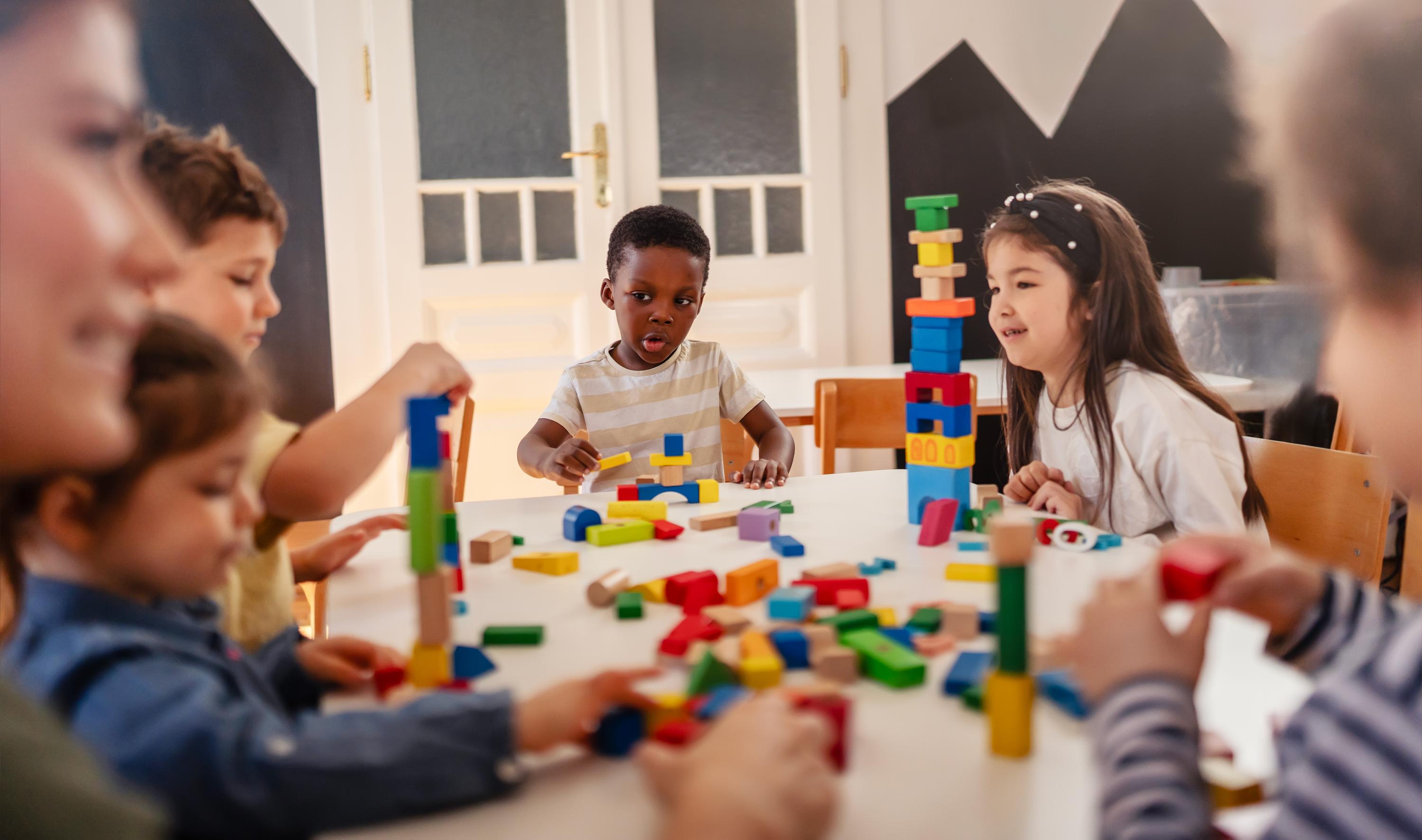
At the heart of our programs is play-based learning. This approach allows children to learn at their own pace, encouraging curiosity and exploration. Imagine a child stacking blocks. They’re not just playing; they’re learning about balance, gravity, and problem-solving. Through storytelling and role-playing, children develop language and social skills. Here’s the key insight: Play transforms abstract concepts into tangible experiences.
Our centers in Haverhill and Nashua are designed to foster this playful learning. We provide spaces where children can explore safely, supported by teachers who guide them in discovering new ideas. This environment nurtures creativity and independence, ensuring each child develops at their own unique pace.
Enhancing Social-Emotional Development
Social-emotional skills are crucial for a child’s growth. Through interactive play, children learn to communicate, collaborate, and empathize with others. This development is foundational for kindergarten readiness. Most people think academic skills are the most critical for school, but emotional intelligence plays an equally significant role.
Our programs focus on activities that build these skills. Whether it’s sharing toys or resolving conflicts, children practice essential social interactions daily. These moments teach patience, cooperation, and understanding. By fostering a supportive community, Basic Beginnings helps children form meaningful relationships, preparing them for a smooth transition to school.
The Role of Routine
Routine provides children with a sense of security and predictability. It helps them understand the world around them and sets the stage for successful learning experiences. At Basic Beginnings, predictable routines form the backbone of our daily schedule.
Establishing Predictable Routines
Consistency is key in early childhood education. Our programs incorporate structured routines that balance learning and play. This structure helps children know what to expect, reducing anxiety and building confidence. For instance, starting the day with circle time sets a positive tone, while regular meal and nap times help maintain a calm environment.
These routines are not just about timing; they are about creating a rhythm that supports learning. By knowing when to expect certain activities, children can fully engage in each moment. This stability allows them to focus on exploring and learning new skills, contributing to their overall development.
Building School Readiness Skills
Developing school readiness skills is a gradual process. Through routine, children learn vital skills like time management, responsibility, and independence. These are not just academic skills but life skills that will benefit them long into the future. Did you know that children who follow routines are more likely to adapt to school schedules effectively?
Basic Beginnings emphasizes activities that support these skills. From cleaning up after playtime to following multi-step directions, children practice skills that prepare them for school. This foundation in daily routines ensures they are ready to take on the challenges of kindergarten and beyond.
Gentle Guidance Approach
Gentle guidance is essential in nurturing a child’s growth. It involves teaching children to navigate their emotions and behavior positively. At Basic Beginnings, our approach combines empathy with structure, supporting children as they learn.
Positive Guidance Techniques
We believe in guiding rather than directing. Positive guidance involves setting clear expectations and offering choices. When children know what is expected, they are more likely to respond positively. For example, offering choices between activities helps them feel empowered and respected.
Our teachers use strategies like redirection and positive reinforcement to encourage desirable behaviors. This approach helps children develop self-discipline and improve decision-making skills. It’s about teaching children to understand and manage their emotions, leading to a harmonious learning environment.
Parent-Teacher Partnerships in Action
A strong partnership between parents and teachers is crucial for a child’s development. At Basic Beginnings, we value this collaboration and actively involve parents in their child’s learning journey. Most people think teachers handle everything, but parents play a pivotal role too.
Regular communication ensures everyone is aligned on the child’s progress and needs. We encourage parents to share insights about their child’s preferences and routines. This partnership creates a consistent support system, enhancing the child’s learning experience both at home and school.
Frequently Asked Questions
How does play-based learning support kindergarten readiness?
Play-based learning engages children in active exploration, which builds cognitive, social, and emotional skills. By learning through play, children develop the foundational skills necessary for school success, such as problem-solving, communication, and cooperation.
What are the benefits of predictable routines for children?
Predictable routines provide children with a sense of security, helping them understand daily expectations. Routines support emotional stability, time management, and independence, all of which are critical for adapting to a school environment.
How can parents be involved in their child’s learning at Basic Beginnings?
Parents can engage in regular communication with teachers to stay informed about their child’s progress. Sharing insights about their child’s interests and routines allows parents to collaborate effectively with educators, reinforcing learning at home.
What role does gentle guidance play in early childhood education?
Gentle guidance helps children develop self-discipline and emotional regulation. By offering choices and setting clear expectations, children learn to make positive decisions, fostering an environment conducive to learning.
Why is a parent-teacher partnership important?
A parent-teacher partnership ensures a cohesive approach to a child’s development. Regular collaboration allows for tailored learning strategies, addressing each child’s unique needs and promoting consistent support between home and school.
Safe, healthy routines do more than keep toddlers on schedule—they build trust and independence from day one. When your child knows what to expect, they feel secure, which makes every new step in their learning journey easier. At Basic Beginnings, our consistent daily schedule creates a safe nurturing daycare environment where children thrive. Keep reading to learn how early childhood routines shape confident, happy learners ready for preschool and beyond.
Building Trust and Independence
Establishing trust and fostering independence are crucial in a child’s early years. Children thrive in environments where they feel secure, and routines play a key role in providing that stability.
Importance of Early Childhood Routines
Routines help children understand what to expect daily, leading to a sense of security. When kids know what’s coming next, it reduces anxiety and helps them focus on learning. Simple activities like snack time or story sessions become anchors in their day. This consistent flow of activities supports emotional regulation, which is essential for young children.
For parents, routines offer another benefit: they simplify communication. When your child knows what comes next, there’s less need for constant explanations. This makes transitions smoother and reduces power struggles. Ultimately, routines build a foundation for trust, helping children feel safe and cared for.
How Routines Foster Independence in Preschoolers
Routines are more than just daily schedules; they are tools that empower children. By following predictable sequences, children learn to anticipate and prepare for the next step, fostering independence. When preschoolers know snack time comes after play, they might start cleaning up toys without prompting.
As children grow, routines become a framework for developing self-reliance. They learn to manage simple tasks, like washing hands before meals or choosing an outfit for the day. These small acts build decision-making skills and confidence. Encouraging independence at this stage sets the stage for self-directed learning in the future.
Building Trust in Childcare Settings
In a childcare environment, trust is built through consistency and reliability. Knowing that their daycare follows a set routine reassures children and parents alike. This consistency shows children that caregivers are dependable, which strengthens the bond between child and caregiver.
Caregivers at Basic Beginnings use routines to create a warm, nurturing atmosphere. This approach helps children feel valued and understood. When trust is established, children are more open to new experiences and learning opportunities. A secure environment encourages curiosity and exploration, laying the groundwork for lifelong learning.
Safe and Healthy Routines Explained
A nurturing environment is essential for a child’s growth, and it all starts with establishing safe and healthy routines. These routines form the backbone of a secure learning experience.
Key Elements of a Safe Nurturing Daycare
Safety is paramount in any childcare setting. At Basic Beginnings, we prioritize a secure environment where children can explore and learn freely. Our facilities are designed to be child-friendly, with age-appropriate equipment and activities. Each classroom is structured to support safe play and learning, ensuring that children feel protected and confident.
Our dedicated staff provides constant supervision and positive guidance, which further enhances safety. By creating a predictable routine, we help children feel grounded. Children know they are in a place where they are cared for and protected, forming the foundation of trust and development.
Healthy Habits for Toddlers and Preschoolers
Healthy routines are not just about safety; they also encompass physical well-being. Encouraging good habits from an early age sets children up for a lifetime of health. At Basic Beginnings, we integrate nutritious meals and regular physical activity into our daily schedules. Children enjoy balanced meals that fuel their growth and development.
Physical activities and outdoor play stimulate both the body and mind. These activities promote coordination, strength, and overall wellness. Teaching healthy habits early on ensures that children understand the importance of taking care of their bodies and minds, laying the groundwork for lifelong healthy choices.
Consistent Daily Schedule Benefits
A consistent schedule is crucial for a child’s sense of security and well-being. At Basic Beginnings, our structured daily routine supports a balanced mix of learning and play. This routine includes time for educational activities, creative play, and rest.
Consistency helps children transition smoothly between activities, reducing stress and promoting a sense of stability. Children learn what to expect and how to manage changes, which builds resilience. With a consistent schedule, children feel more in control of their environment, boosting their confidence and independence.
Partnering with Basic Beginnings
Partnering with parents is essential to your child’s development. At Basic Beginnings, we value collaboration and communication to support each child’s unique needs.
Parent-Teacher Partnerships for Development
Strong parent-teacher partnerships are the cornerstone of effective early childhood education. At Basic Beginnings, we prioritize open communication with families, ensuring that parents are involved in their child’s learning journey. Regular updates and parent-teacher meetings keep everyone aligned and informed.
By working together, we create a tailored approach that respects each child’s individuality. Parents know their children best, and their insights are invaluable. Together, we ensure that children receive the support and encouragement they need to thrive.
Exploring Infant and Toddler Care Options
Choosing the right care for your infant or toddler is crucial. Basic Beginnings offers a range of options tailored to the needs of young children. Our programs focus on providing a safe, nurturing environment where children can explore and grow.
For infants, we offer a warm, supportive setting that fosters early development. Toddlers benefit from a structured environment that encourages exploration and learning through play. Our programs are designed to align with developmental milestones, ensuring a smooth transition as children grow.
Enroll at Our Haverhill and Nashua Locations
Finding the right daycare for your child involves more than just programs; it’s about convenience and fit for your family. Basic Beginnings offers locations in Haverhill, MA, and Nashua, NH, each providing unique benefits. In Nashua, our extended hours cater to families with varied schedules, including FAA and federal employees.
Visit our website to learn more about our programs and schedule a tour. Discover how we can support your child’s development with a nurturing environment and dedicated care. Together, we can build a foundation of trust, independence, and lifelong learning for your child.
Frequently Asked Questions
What are the benefits of a consistent daily schedule for children?
A consistent daily schedule provides children with a sense of security and predictability. It helps reduce anxiety, supports emotional regulation, and fosters independence by allowing children to anticipate and prepare for transitions.
How can routines foster independence in preschoolers?
Routines empower preschoolers by teaching them to anticipate and manage daily tasks. Knowing what comes next encourages self-reliance, as children start to clean up toys or prepare for activities independently, building decision-making skills and confidence.
Why is building trust in childcare settings important?
Trust in childcare settings is crucial because it reassures both children and parents. A predictable routine and dependable caregivers create a secure environment, fostering a strong bond and encouraging children to explore and learn confidently.
Most parents know that school readiness means more than just knowing ABCs and 123s. It grows through play-based learning, steady routines, and guided social skills that help children feel confident and curious. At Basic Beginnings, we put these ideas into action every day, creating a safe, nurturing environment where your child can thrive. Keep reading to see how these elements come together to prepare your little one for kindergarten success.
The Power of Play-Based Learning
Play-based learning is at the heart of preparing children for school. It encourages curiosity and exploration, allowing little ones to learn about the world around them in a natural way. At Basic Beginnings, play is woven into every aspect of the day, helping children develop crucial skills.
Building Social-Emotional Skills
Through play, children learn to navigate social situations. As they engage in group activities, they practice sharing, taking turns, and resolving conflicts. These interactions lay the groundwork for strong social-emotional development. Children also learn empathy as they play pretend, understanding different perspectives and emotions. This foundation is critical in helping them build friendships and work collaboratively in school settings.
Early Literacy and Math Exploration
Incorporating play into learning doesn’t stop with social skills. Children explore early literacy and math concepts through engaging activities. Storytime becomes a chance to hear new words and ideas, fostering a love for reading. Math skills emerge as children build with blocks or sort objects by color and shape. These fun, hands-on experiences make complex concepts more accessible, setting the stage for academic success in kindergarten.
The Importance of Routine and Structure
A consistent routine provides security for young children. Knowing what to expect each day reduces anxiety, allowing them to focus on learning and play. Basic Beginnings emphasizes the importance of structure to help children thrive.
Establishing Predictable Routines
Daily routines teach children time management and responsibility. Simple tasks like cleaning up toys or following a schedule foster independence. Children feel empowered and capable as they master these routines. With repetition, they become adept at transitioning between activities, a skill that will serve them well in school.
Supporting Kindergarten Readiness
Routine also supports academic learning. Scheduled activities ensure balanced exposure to different subjects, from art to science. This variety keeps children engaged and eager to learn. As they adapt to structured days, they develop the attention span and focus needed in a classroom setting. These habits contribute to a smoother transition to kindergarten, where structure is key.
Guided Social Learning in Action
Basic Beginnings goes beyond academics, focusing on guided social learning to nurture well-rounded development. By fostering strong partnerships and creating a caring environment, we support each child’s growth.
Fostering Parent-Teacher Partnerships
We believe that parents are the first teachers. By collaborating with families, we tailor our approach to each child’s unique needs. Regular communication ensures that we’re aligned in supporting your child’s development. This partnership builds a solid foundation for learning, reinforcing the importance of education at home and school.
Creating a Safe, Nurturing Environment
Safety is our top priority. A secure, welcoming atmosphere encourages children to explore and take risks in their learning. In our care, children feel valued and respected, knowing they are part of a community that supports their growth. This nurturing environment boosts confidence, enabling them to thrive both socially and academically.
Frequently Asked Questions
What is play-based learning?
Play-based learning is an approach where play is an integral part of education. Through play, children explore ideas, solve problems, and learn social skills in a natural, enjoyable way.
How does routine benefit young children?
Routine provides children with a sense of security and predictability. It helps them develop time management skills and independence, which are essential for school readiness.
Why are parent-teacher partnerships important?
Parent-teacher partnerships ensure a consistent approach to a child’s education. By working together, parents and teachers can tailor learning experiences to meet each child’s unique needs, enhancing their development.
How does Basic Beginnings ensure a safe environment?
Basic Beginnings prioritizes safety by creating a secure, nurturing space. We focus on positive guidance and individualized support to foster a welcoming community where children feel comfortable and valued.
What role does social-emotional learning play in kindergarten readiness?
Social-emotional learning helps children manage emotions, build relationships, and navigate social interactions. These skills are crucial for kindergarten success, as they enable children to collaborate and learn effectively in a classroom setting.
Safe routines for children do more than create order—they build a foundation of trust and independence that lasts a lifetime. When your child knows what to expect, they feel secure, which supports social-emotional development and confidence. At Basic Beginnings, we weave healthy routines into every part of our daily schedule in daycare, helping kids grow ready for school and life. Keep reading to learn how predictable, nurturing habits make all the difference in early childhood growth. Learn more about the importance of routines here.
Building Trust Through Routines
Safe Routines for Children
Creating a reliable schedule helps children feel secure. When kids know what comes next, they are more likely to trust their environment and the people around them. This foundation builds confidence and promotes growth.
Incorporating consistent routines in your child’s day can make a big difference. At Basic Beginnings, we focus on developing a child’s trust through structured activities and play. These routines, such as regular meal times and story sessions, offer security that children crave. You can read more about how routines benefit children here.
Whether it’s a morning greeting or a specific time for outdoor play, routines help children understand what is expected. This predictability leads to reduced anxiety and a more relaxed atmosphere, which is essential for learning and social interaction. By following a routine, children also learn the importance of time management, which is a valuable skill for future independence.
Healthy Daycare Practices
In a daycare setting, healthy practices extend beyond nutrition. They include establishing daily routines that promote physical activity, rest, and learning. These routines are crucial for a child’s well-being.
At Basic Beginnings, we ensure that children have a balance of activities. From active play sessions to quiet reading time, each part of the day is designed to help children grow. This balanced approach supports physical health and cognitive development. Discover more about structured routine benefits.
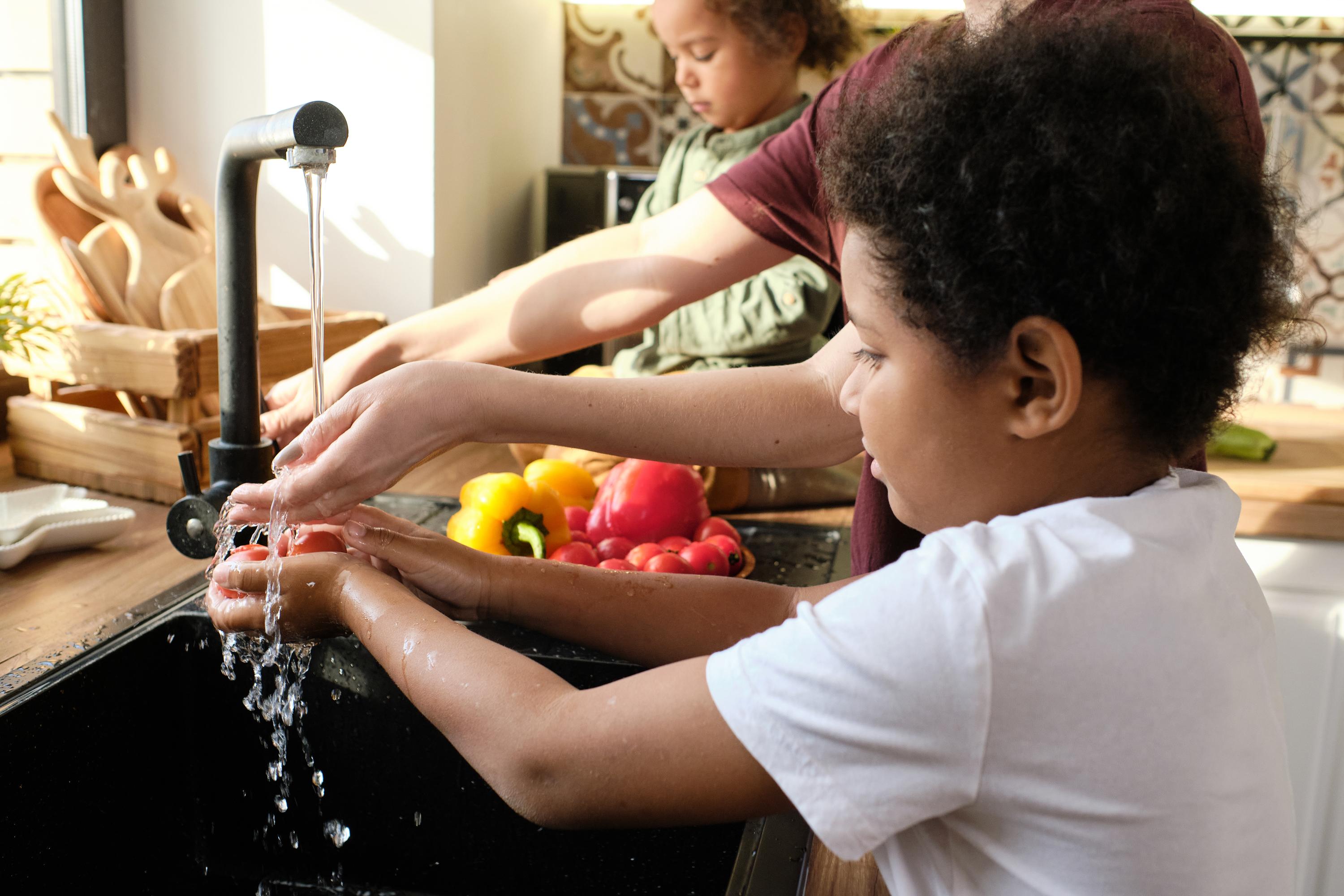
We also prioritize a clean and safe environment. Regular handwashing, healthy meals, and rest times are integral parts of our daily routine. By teaching children these habits early, we instill lifelong practices that promote health and wellness.
Social-Emotional Development
Social-emotional skills are vital for a child’s overall development. Routines play a significant role in nurturing these skills by providing a stable environment where children can explore and express emotions safely.
Through consistent interactions with caregivers and peers, children learn empathy, cooperation, and communication. At Basic Beginnings, we incorporate social-emotional learning into our daily activities, helping children recognize feelings and develop appropriate responses. See how routines help children feel safe.
By fostering positive relationships, children build self-esteem and learn to navigate social situations effectively. Our approach helps children become confident individuals ready to engage with the world around them.
Encouraging Independence in Early Childhood
As children develop trust through routines, they also gain independence. Encouraging self-reliance in early childhood sets the stage for lifelong skills in decision-making and responsibility.
Toddler Routine Schedule
Toddlers thrive on consistency. A well-structured routine helps them understand boundaries and expectations. At Basic Beginnings, our toddler programs include predictable schedules that balance play, learning, and rest.
In the classroom, toddlers participate in activities that encourage exploration and creativity. Structured playtimes allow them to discover new skills and interests. These activities also provide opportunities to practice decision-making and problem-solving, essential components of independence.
Outside the classroom, routines such as meal and naptimes further reinforce a sense of security. Regular repetition helps toddlers feel in control of their environment, boosting their confidence and eagerness to try new things.
Pre-K School Readiness
Preparing for school involves more than academics. At Basic Beginnings, we emphasize routines that promote independence and readiness for school. Our pre-K program focuses on instilling skills that children will need in a classroom setting.
Daily routines include activities that foster literacy, numeracy, and social skills. Children learn to follow instructions, work in groups, and complete tasks independently. These experiences build a foundation for school success and encourage a love of learning.
Our educators work closely with children to develop personalized learning plans. By tailoring activities to each child’s needs, we ensure they are challenged and supported in their journey to school readiness.
Infant Care Routines
Infants also benefit from structured routines. These early experiences set the stage for future growth and development. At Basic Beginnings, our infant care focuses on creating a nurturing environment through predictable daily activities.
Routines such as feeding, napping, and playtime provide a sense of security for infants. Consistency helps them develop trust in their caregivers and surroundings. This trust is crucial for emotional development and lays the groundwork for independence.
Through interactive play and gentle guidance, infants learn to explore their world. Our caregivers support their curiosity and encourage milestones like sitting up and crawling, paving the way for future independence.
Partnering with Families
For children to thrive, parents and teachers must work together. A strong partnership ensures that children receive consistent support both at home and in daycare.
Parent-Teacher Partnership
Communication is key to a successful parent-teacher partnership. At Basic Beginnings, we encourage open dialogue to support each child’s development. Regular updates and meetings keep parents informed about their child’s progress and milestones.
By working together, we can tailor routines and activities to meet a child’s specific needs. This collaboration helps children feel supported and understood, fostering a positive learning environment. Parents are integral to their child’s growth, and we value their input and expertise.
Family Engagement in Childcare
Engaging families in childcare activities builds a sense of community and belonging. At Basic Beginnings, we offer opportunities for families to participate in their child’s learning journey. Events, workshops, and volunteer opportunities allow parents to stay connected and involved.
By involving families, children see the importance of education and community. This engagement reinforces routines and provides additional support for a child’s development. Together, we create a nurturing environment that promotes growth and learning.
Flexible Childcare Solutions 🌟
Every family has unique needs. At Basic Beginnings, we offer flexible childcare solutions to accommodate different schedules and requirements. Our Nashua location provides extended hours and weekend care, ideal for families with nontraditional work hours.
These flexible options ensure that children receive consistent care, regardless of family schedules. By providing reliable childcare, we help families balance work and family life without compromising their child’s development.
Frequently Asked Questions
Why are routines important for children?
Routines provide a sense of security and predictability, helping children feel safe and confident. They support social-emotional development and foster independence by establishing clear expectations.
How do routines support social-emotional growth?
Consistent routines allow children to build trust in their caregivers and environment. This trust encourages them to explore emotions, develop empathy, and engage positively with others.
What does a typical day look like at Basic Beginnings?
A typical day includes structured play, learning activities, meal times, and rest periods. Our programs balance academic and social-emotional learning, preparing children for school and life.
How can parents get involved in their child’s daycare experience?
Parents can participate in events, volunteer opportunities, and regular communication with educators. This involvement strengthens the parent-teacher partnership and supports a child’s development.
What flexible care options does Basic Beginnings offer?
Our Nashua location offers extended hours and weekend care, accommodating families with diverse schedules. These options provide consistent, reliable care for children, ensuring stability in their routine.
School readiness is more than just a milestone; it’s a foundation built every day through play, routine, and guided social learning. At Basic Beginnings, we understand how these elements come together to prepare your child for kindergarten success. In this post, you’ll see how our approach supports social-emotional growth and individualized learning in a safe, nurturing environment. Keep reading to learn why families in Haverhill and Nashua trust us for quality early childhood education.
Play-Based Learning and School Readiness
Understanding the role of play in a child’s development is crucial for preparing them for school. At Basic Beginnings, we believe that play is essential for learning. Let’s explore how play contributes to your child’s readiness for school and how we incorporate it into our program.
Importance of Play in Development
Play is more than just fun and games. It is a critical part of your child’s growth. Through play, children learn to interact with the world, developing cognitive and social skills. For example, when kids play house, they practice social roles and improve communication. Studies show that 75% of brain development occurs after birth, with play being a major contributor.
Building Skills Through Play
Play helps build essential skills like problem-solving, creativity, and collaboration. When children construct towers with blocks, they learn about balance and cause-and-effect. Meanwhile, activities like painting or drawing foster creativity and self-expression. Encouraging these skills through play sets the stage for future academic success.
Integrating Play at Basic Beginnings
At Basic Beginnings, play is woven into our daily schedule. We offer a variety of activities that stimulate different areas of development. Our classrooms feature stations for imaginative play, hands-on science experiments, and art projects. This approach ensures that learning remains engaging and enjoyable, promoting a love for discovery in a safe environment.
Preschool Routines for Kindergarten Readiness
Routines provide a sense of security and structure, making them vital for school readiness. At Basic Beginnings, we emphasize the importance of predictable routines to help children transition smoothly into kindergarten.
Benefits of Predictable Routines
Routines help children understand what to expect each day, reducing anxiety and building confidence. A predictable schedule fosters independence as children learn to manage their time and responsibilities. For instance, knowing snack time follows storytime helps them anticipate and prepare for transitions.
Establishing Routines at Our Centers
Our centers prioritize establishing consistent routines. Each day includes time for free play, structured learning, and rest. By maintaining a regular schedule, we create a stable environment where children can thrive. This consistency supports children in developing self-discipline and time management skills, essential for future academic settings.
Parent-Teacher Partnerships in Routine Building
We work closely with parents to tailor routines that suit each child’s needs. Open communication ensures that routines at home and school complement each other. By collaborating with families, we create a cohesive support system that bolsters a child’s development. This partnership is key in fostering an environment conducive to learning and growth.
Guided Social Learning for Growth
Social learning is fundamental to a child’s development. At Basic Beginnings, our teachers play an active role in guiding social interactions to promote growth.
Role of Teachers in Social Learning
Teachers are instrumental in facilitating social learning. They model positive interactions and guide children through conflicts, teaching them empathy and cooperation. By creating inclusive group activities, teachers help children learn to work together, fostering a sense of community.
Encouraging Social-Emotional Development
Developing social-emotional skills is crucial for school readiness. We encourage children to express their emotions and understand others’ feelings. Activities like group discussions and role-playing scenarios help children navigate social dynamics and build friendships.
Guided Learning Opportunities at Basic Beginnings
Our approach integrates guided learning opportunities throughout the day. Teachers lead activities that challenge children and encourage teamwork. From group projects to interactive storytelling, each activity is designed to enhance social skills and emotional understanding, preparing children for the collaborative nature of school life.
Frequently Asked Questions
What age groups do you serve at Basic Beginnings?
We provide programs for infants through pre-kindergarten, catering to ages from newborns to five years old. Our curriculum is tailored to meet the needs of each age group, ensuring appropriate developmental support.
How do you ensure a safe environment for children?
Safety is our top priority. We maintain a secure facility with child-proofed areas, regular safety drills, and trained staff who are attentive to each child’s needs.
What makes your program unique?
Our program stands out due to our commitment to individualized learning, a strong parent-teacher partnership, and our flexible care options, especially for FAA and federal employees. This combination ensures that each child receives personalized attention and a curriculum that supports their unique development path.
Social and emotional development in the first five years shapes a child’s future more than many realize. Early childhood education does more than teach letters and numbers—it builds skills like empathy, confidence, and cooperation that last a lifetime. At Basic Beginnings, our approach combines positive guidance, individualized learning, and strong parent-teacher partnerships to support your child’s growth from infancy through pre-kindergarten. Keep reading to see how our programs in Haverhill and Nashua create a safe nurturing environment that prepares your little one for school and beyond. Learn more about the importance of social and emotional development in early childhood education here.
Building Social and Emotional Skills
Importance of Early Childhood Education
During the early years, children develop foundational skills that influence their future. Quality early childhood education is more than academic learning. It focuses on building empathy, self-awareness, and cooperation. These skills are crucial for lifelong success. By fostering social and emotional skills, children learn to navigate relationships and manage emotions effectively. This holistic approach ensures they are not just ready for school but for life. Discover more about the importance of social-emotional learning here.
Role of Play-Based Learning
Play is a powerful tool for learning. Through play, children explore, imagine, and create. This exploration helps them develop critical thinking and problem-solving skills. At our centers, we integrate play into the curriculum to make learning engaging and meaningful. Children engage in activities that promote creativity and expression. These experiences build a strong foundation for academic growth and personal development.
Benefits of Positive Guidance
Positive guidance shapes how children understand and manage their emotions. Instead of focusing on discipline, we emphasize encouragement and support. This approach boosts confidence and self-esteem. Children learn to make choices and take responsibility. They also develop resilience and empathy. This nurturing environment helps them thrive.
Our Approach at Basic Beginnings
Individualized Learning Plans
Every child is unique, and their learning should reflect that. Our individualized learning plans cater to each child’s strengths and needs. Teachers observe and assess children to tailor activities and support. This personalized approach ensures children are challenged and supported in their learning journey. With a focus on each child’s interests and abilities, we foster a love for learning that endures.
Parent–Teacher Partnership
Parents are a child’s first teacher. At Basic Beginnings, we value the insights and perspectives of parents. Our partnership with parents ensures a consistent approach to each child’s development. We encourage open communication and collaboration. By working together, we create a supportive community that nurtures growth and development. This partnership ensures children receive the best possible care and education.
Safe Nurturing Environment
Safety is a top priority at Basic Beginnings. Our centers provide a secure and welcoming environment for children to explore and learn. Classrooms are designed to be engaging and child-friendly. With a focus on health and safety, we create a space where children feel comfortable and confident. This nurturing environment supports social and emotional development, laying the groundwork for future success.
Join Our Community
Enrollment Options and Benefits
Joining the Basic Beginnings community offers numerous benefits. Our programs cater to children from infancy through pre-kindergarten. With flexible enrollment options, we accommodate the diverse needs of families. Our centers are located in Haverhill, MA, and Nashua, NH, providing convenient access to quality childcare. Families benefit from our commitment to individualized learning and positive guidance.
Flexible Childcare for Federal Employees
We understand the unique needs of federal employees. Our Nashua location offers flexible childcare options to accommodate non-traditional schedules. Through our partnership with the FAA, families benefit from extended hours and weekend care. This flexibility ensures families receive the support they need while balancing work and childcare responsibilities.
Schedule a Family Tour Today
Discover the difference at Basic Beginnings by scheduling a family tour. See firsthand how our programs support social and emotional development. Meet our dedicated staff and explore our safe, nurturing environment. We invite you to become part of our community and support your child’s growth and learning journey.
Frequently Asked Questions
What ages does Basic Beginnings cater to?
Basic Beginnings provides programs for children from infancy through pre-kindergarten. We offer tailored learning experiences to support each stage of development.
What is the role of play in early childhood education?
Play is essential in early childhood education. It promotes creativity, problem-solving, and social skills. Through play, children explore and learn in a meaningful and engaging way.
How does Basic Beginnings support social and emotional development?
Our programs emphasize positive guidance and individualized learning. We create a nurturing environment where children feel safe and valued, supporting their social and emotional growth.
What are the benefits of the FAA partnership?
Our partnership with the FAA offers flexible childcare options for federal employees. Families benefit from extended hours, weekend care, and a supportive environment aligned with their schedules.
How can I schedule a tour of Basic Beginnings?
Scheduling a tour is easy. Contact us to arrange a visit to our Haverhill or Nashua location. Experience our programs and see how we support your child’s development.
A safe and nurturing environment is more than a comfort—it’s the starting point for your child’s success in school. When children feel secure and supported, they build confidence and skills that set the stage for early literacy, early math, and strong social-emotional development. At Basic Beginnings, we combine individualized learning with positive guidance and close parent-teacher partnerships to give your child the best start. Ready to see school readiness in action? Schedule a tour at our Haverhill or Nashua center today. Learn more about the importance of a nurturing daycare environment here.
Building School Readiness
Creating a solid foundation for school readiness begins with providing a safe environment. Children thrive when they feel secure, allowing them to explore and learn without fear. At Basic Beginnings, we ensure your child feels at home.
Importance of a Safe Environment
Safety isn’t just about physical space; it’s about emotional security. When children trust their surroundings, they can focus on learning. A secure environment fosters curiosity and growth. This is why our centers are designed with your child’s well-being in mind, offering spaces that support exploration and development.
Nurturing Early Learning Spaces
Nurturing spaces are key to promoting early education. At Basic Beginnings, our classrooms are crafted to encourage discovery and creativity. From cozy reading nooks to interactive play areas, children find a variety of ways to learn. These environments are not only safe but also tailored to stimulate young minds, ensuring each child receives the attention and support they deserve.
Key Components of Early Childhood Education
Building a successful education framework requires more than just safe spaces. It involves a thoughtful curriculum that adapts to each child’s needs. At Basic Beginnings, we prioritize individualized approaches to maximize learning potential.
Individualized Learning Approaches
Every child learns differently. Our individualized learning plans cater to each child’s strengths and interests. By focusing on their unique abilities, we help children build confidence and tackle challenges effectively. This personalized approach ensures that each child progresses at their own pace, making learning both enjoyable and effective.
Play-Based Curriculum Benefits
Children learn best through play. Our curriculum incorporates play-based learning to enhance creativity and problem-solving skills. This method allows children to engage in hands-on activities, fostering critical thinking and cooperation. By integrating games and interactive sessions, we make learning a fun and integral part of everyday life.
Emphasizing Social-Emotional Development
Social-emotional skills are fundamental for academic success. At Basic Beginnings, we emphasize the development of these skills through group activities and positive guidance. Children learn to express emotions, build friendships, and navigate social situations, preparing them for future schooling and life challenges.
Partnering with Parents for Success
A child’s education doesn’t stop at school doors. Partnering with parents is crucial in supporting their development. At Basic Beginnings, we value this collaboration, making parents an integral part of the learning process.
Strong Parent-Teacher Partnerships
Effective communication between parents and teachers enhances a child’s learning experience. We believe in building strong partnerships that foster open dialogue and mutual support. This collaboration ensures that parents are involved in their child’s educational journey, leading to better outcomes.
Flexible Childcare Options and Benefits
We understand that families have diverse needs. Our flexible childcare options cater to different schedules, offering extended hours and weekend care in Nashua. This flexibility is especially beneficial for FAA and federal employees who require adaptable childcare solutions. By providing convenient options, we aim to make life easier for busy families.
Encouraging Preschool Enrollment 🚀
Preschool enrollment is a pivotal step in a child’s education. At Basic Beginnings, we simplify the enrollment process, ensuring a smooth transition for parents and children alike. We invite you to schedule a tour and experience firsthand the nurturing and dynamic environment we offer. Begin your child’s educational journey with us and watch them thrive.
Frequently Asked Questions
What makes Basic Beginnings different from other childcare centers?
Basic Beginnings offers a unique combination of individualized learning, a play-based curriculum, and strong parent-teacher partnerships. Our focus on social-emotional development and flexible childcare options sets us apart from other centers.
Why is a safe environment important for early childhood education?
A safe environment provides children with the security they need to explore and learn. It fosters trust, enabling children to engage fully in educational activities without distractions or fear.
How does Basic Beginnings support social-emotional development?
We support social-emotional development through group activities, positive guidance, and individualized attention. Our approach helps children develop essential skills like empathy, cooperation, and emotional regulation, which are crucial for success in school and life.
What are the benefits of a play-based curriculum?
A play-based curriculum enhances creativity, problem-solving, and critical thinking skills. It engages children in hands-on activities, making learning enjoyable and effective, which helps build a foundation for lifelong learning.
How can parents get involved in their child’s education at Basic Beginnings?
Parents are encouraged to participate actively through regular communication with teachers and involvement in school activities. This partnership ensures that parents are involved in their child’s educational process, leading to better developmental outcomes.
Finding childcare that feels safe, flexible, and trustworthy can feel like searching for a needle in a haystack—especially in Haverhill, MA or Nashua, NH. You want a place that supports your child’s growth, fits your schedule, and gives you peace of mind every day. This guide breaks down exactly what to look for in childcare to help you make the best choice for your family’s needs.
Evaluating Safe Childcare Options
When you think of childcare, safety should be at the top of your list. Knowing your child is in a secure environment allows you to focus on other aspects of your day with confidence.
Safety Standards to Consider
Finding childcare that meets safety standards is crucial. Look for centers that have comprehensive security measures. These should include background checks for staff, visitor logs, and secure entry points. Ask about emergency procedures too. Do they have regular fire drills? Are the staff trained in CPR and first aid? These details can make a big difference in your peace of mind.
Secure Facility Features
A secure facility provides a stable environment for children to thrive. Check if the center has childproofed areas and safety gates. Observe whether the play equipment is well-maintained and age-appropriate. Make sure they have a policy for supervising children at all times. Centers with clear safety protocols demonstrate their commitment to your child’s well-being.
Health and Wellness Protocols
Childcare centers should prioritize health and wellness. Confirm they follow strict hygiene practices, such as regular handwashing and sanitizing toys. Ask about their illness policy. How do they handle sick children? A center that takes proactive steps in health management ensures a healthier environment for all children.
Flexible Childcare Solutions
Today’s families often require more than just standard daycare hours. Flexibility in scheduling can make it easier to balance work and family life.
Understanding Flexible Scheduling
Flexible scheduling can be a game-changer for busy families. Many centers offer part-time care or drop-in options. This flexibility allows you to choose care that aligns with your work hours or unexpected needs. It’s important to verify what scheduling options a center offers to find the best fit for your lifestyle.
Extended Hours and Weekend Care
For families in Nashua, extended hours can be a lifesaver. Some centers operate from early morning until midnight, offering both weekday and weekend care. This extended coverage can significantly reduce stress for parents working non-traditional hours. Knowing your childcare center is available when you need it most is a huge relief.
Federal Employee Childcare Benefits
Federal employees might find special benefits designed to accommodate their schedules. Programs like The Launching Pad offer extended hours and priority placement for FAA families. These benefits can provide additional support, ensuring your childcare needs align with your work commitments.
Building Trust with Your Childcare Provider
Trust is essential when choosing a childcare provider. You want to know your child is in good hands and that their development is supported.
Quality Early Learning Programs
A quality program focuses on more than just supervision. It should foster your child’s social and emotional development. Look for centers that use play-based learning to encourage creativity and independence. Programs should align with state preschool standards, ensuring a smooth transition to school.
Parent-Teacher Partnership Benefits
Building a strong relationship with teachers can greatly benefit your child. Open communication ensures that you’re aware of your child’s progress and any areas needing attention. A center that values parent input creates a collaborative environment that nurtures your child’s growth.
Scheduling a Childcare Tour
Visiting a center is the best way to see if it meets your needs. During a tour, you can observe the environment and meet the staff. Prepare questions about their curriculum, health protocols, and safety measures. A tour provides the opportunity to see the center in action and determine if it’s the right fit for your family.
Frequently Asked Questions
What safety standards should I look for in childcare? Look for comprehensive security measures like background checks for staff, secure entry points, and emergency procedures. Ensure the center has regular fire drills and staff trained in CPR and first aid.
How can I find flexible childcare options? Check if the center offers part-time care or drop-in options. Inquire about extended hours and weekend care, especially if you have non-traditional work hours.
What benefits do federal employees receive at childcare centers? Federal employees may have access to programs like The Launching Pad, offering extended hours and priority placement. These benefits help align childcare with work commitments.
Why is a parent-teacher partnership important? A strong relationship with teachers supports your child’s development. Open communication keeps you informed about your child’s progress and promotes a collaborative learning environment.
How do I schedule a tour of a childcare center? Contact the center directly to arrange a visit. Prepare questions about their curriculum, health protocols, and safety measures to ensure it meets your family’s needs.