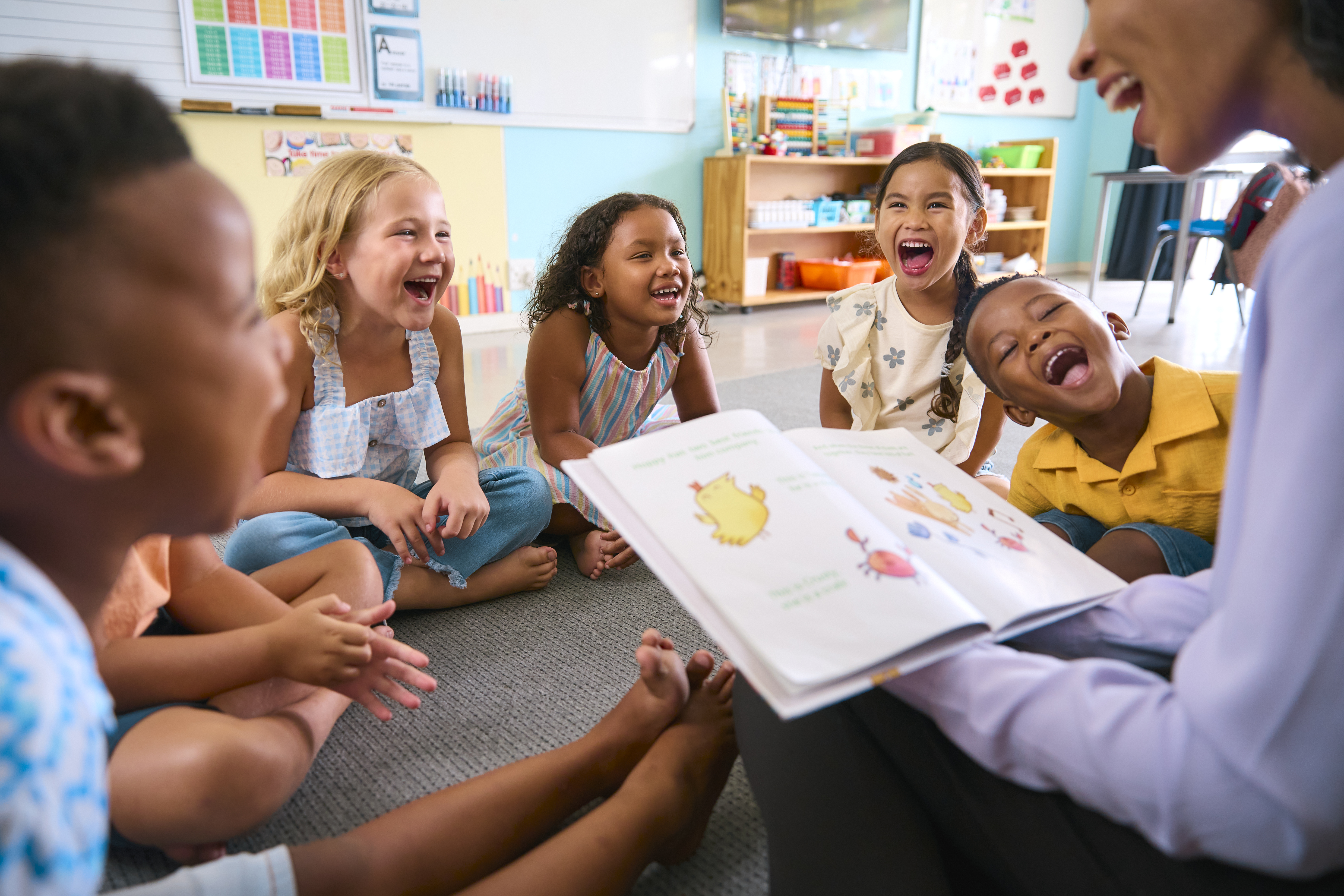
Most early learning programs promise school readiness, but few deliver all the elements your child truly needs to thrive. You want a place that builds confidence every day, not just on the first day of school. At Basic Beginnings, we focus on the essentials—from social-emotional learning to early math and STEM—that shape a solid foundation. Keep reading to see what a quality early learning program includes and how we bring it to life for families in Haverhill, MA, and Nashua, NH. Learn more about building a high-quality early learning program here.
Core Elements of Early Learning
Every quality early learning program rests on core elements that nurture growth. At Basic Beginnings, we believe in providing an environment that promotes both learning and joy.
Research-Based Curriculum
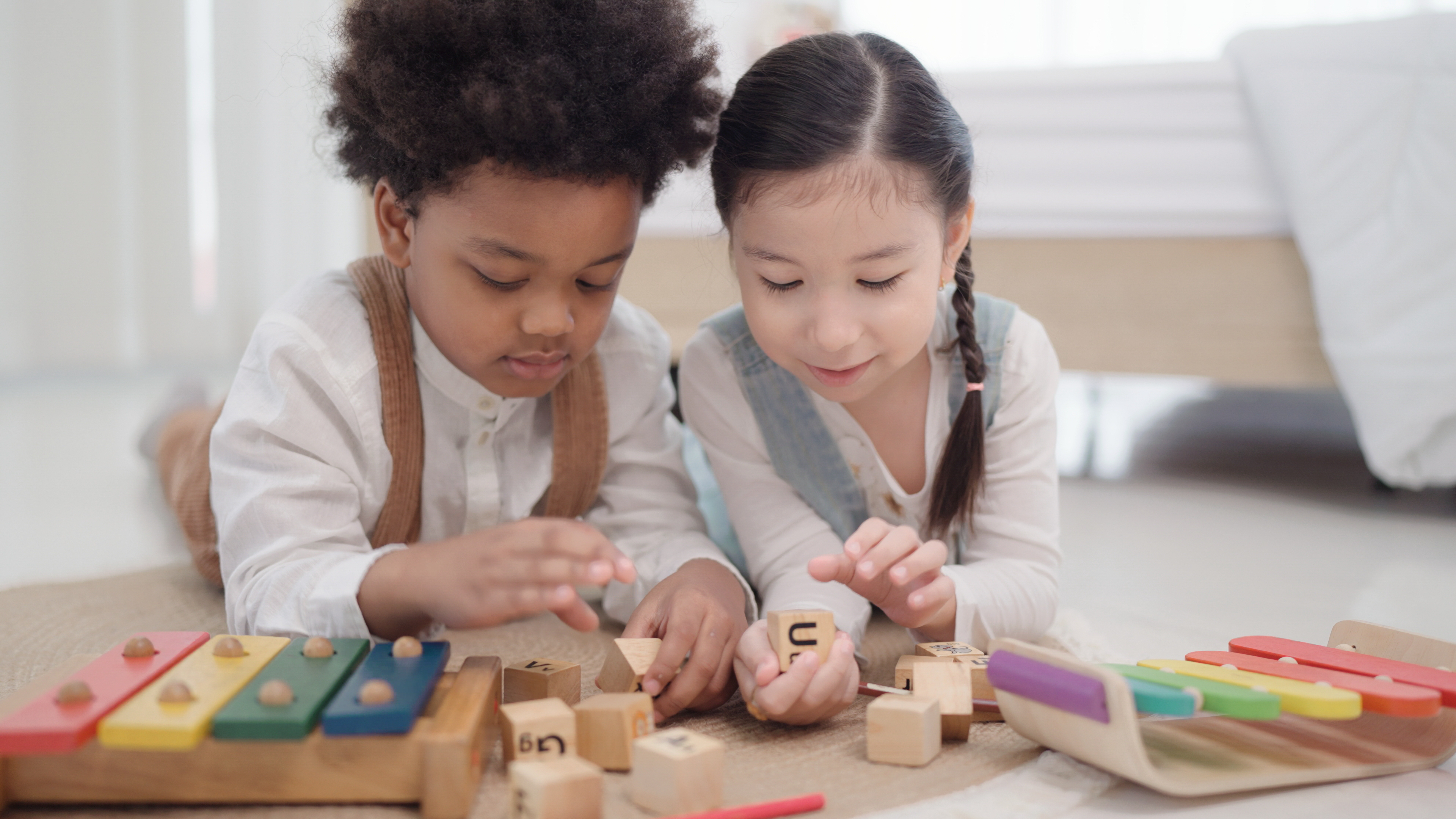
Our curriculum is grounded in research. It incorporates play and exploration, making learning both effective and fun. Children engage in activities that foster creativity and problem-solving. These experiences are tailored to meet individual needs. Each day, kids learn through hands-on activities, whether building with blocks or painting a masterpiece. This approach not only builds cognitive skills but also encourages a love for learning.
Individualized Learning Plans
An effective program recognizes that each child is unique. At Basic Beginnings, we create learning plans tailored to each child’s interests and developmental stage. These plans ensure that children receive the support they need to thrive. For example, if a child shows interest in numbers, we introduce activities that challenge and engage them further in math. This personalized attention helps children feel valued and understood.
Play-Based Learning Approach
Play is a powerful tool for learning. Through play, children develop social skills, language abilities, and cognitive function. Our play-based approach includes structured and unstructured playtimes. Kids might explore a themed play area one day and engage in a science experiment the next. These varied experiences keep children engaged and eager to explore. Learn more about the importance of play-based learning in early childhood education here.
Building School Readiness
Building school readiness is at the heart of what we do. From emotional to academic skills, our focus is on preparing children for future success.
Social-Emotional Learning
Children’s social and emotional development is crucial. We emphasize positive interactions and emotional understanding. This includes activities that teach empathy and cooperation. Group play, storytelling, and conflict resolution exercises help children understand their feelings and relate to others. These skills pave the way for successful relationships throughout their lives.
Language Development for Preschoolers
Language is the foundation of communication and learning. Our program includes rich language experiences. Children engage in storytelling, singing, and conversations that expand their vocabulary. These activities build confidence in expressing ideas and enhance listening skills. As they enjoy these interactions, they naturally develop strong language abilities.
Early Math and STEM Exploration
Introducing math and STEM concepts early fosters curiosity and problem-solving skills. Our program incorporates math games, simple experiments, and exploration of how things work. Children learn to count, sort, and recognize patterns through engaging activities. These early experiences with math and science set the stage for future academic success.
Engaging Learning Environment
A nurturing environment is essential for effective learning. At Basic Beginnings, our settings are designed to inspire exploration and growth.
Safe Nurturing Environment
Safety and comfort are priorities in our learning spaces. Classrooms are inviting, with materials that encourage exploration. Teachers provide consistent support and guidance. This secure environment allows children to take risks and learn from their experiences, essential for personal growth. Discover more about creating a quality early childhood program here.
Strong Parent-Teacher Partnership
Parents are a child’s first teacher. We believe in collaborating with families to support each child’s learning journey. Regular communication and shared goals ensure that children receive consistent support. Parents are encouraged to participate in school activities and provide input on their child’s development.
Extended Hours and FAA Benefits
Flexibility is key for modern families. Our Nashua location offers extended hours and weekend care, perfect for working parents. Through our partnership with FAA, families receive additional benefits, such as priority placement and flexible care options. This support allows parents to balance work and family life effortlessly.
Frequently Asked Questions
What are the core elements of a quality early learning program? Core elements include a research-based curriculum, individualized learning plans, and a play-based approach. These ensure comprehensive development across cognitive, social, and emotional domains.
How does Basic Beginnings prepare children for school? We focus on building school readiness through social-emotional learning, language development, and early math and STEM exploration. These areas lay a strong foundation for future academic success.
What is the importance of a safe learning environment? A safe environment allows children to explore and learn confidently. It fosters security and encourages children to take educational risks, which are vital for growth.
How does Basic Beginnings support working parents? Our Nashua location offers extended hours and weekend care. Through our FAA partnership, we provide flexible care options, ensuring families have the childcare solutions they need.
Why is parent-teacher collaboration important? Collaboration ensures that children’s learning is supported consistently at school and home. It helps tailor education to each child’s needs and strengthens the family-school connection.
Most parents want their child to walk into kindergarten confident and ready. But what does true school readiness look like in a quality pre-K program? At Basic Beginnings, we focus on building essential skills through play-based learning and personalized plans that match your child’s unique pace. Keep reading to see how our approach in Haverhill and Nashua helps prepare your little one for a successful school start. https://www.basicbegin.com
Key Signs of School Readiness
Recognizing the signs of school readiness helps you gauge your child’s progress. Let’s explore the key areas to focus on for a smooth transition to school.
Social-Emotional Development Milestones
Your child’s ability to interact positively with others is crucial. By fostering friendships and understanding emotions, children learn cooperation and empathy. At Basic Beginnings, we nurture these skills through group activities and positive reinforcement. For instance, children participate in sharing circle times where they express feelings and listen to peers, encouraging mutual respect and patience. Building such connections not only boosts confidence but also sets the stage for lifelong social skills.
Language and Literacy Skills to Watch
Language plays a vital role in academic success. Early literacy skills, like recognizing letters and sounds, are fundamental. Activities at our centers include storytelling and phonics games, designed to enhance vocabulary and comprehension. A simple exercise involves picture books that prompt discussions, helping children articulate thoughts and ask questions. These engaging practices spark curiosity and pave the way for a robust reading foundation.
Building Early Math Skills
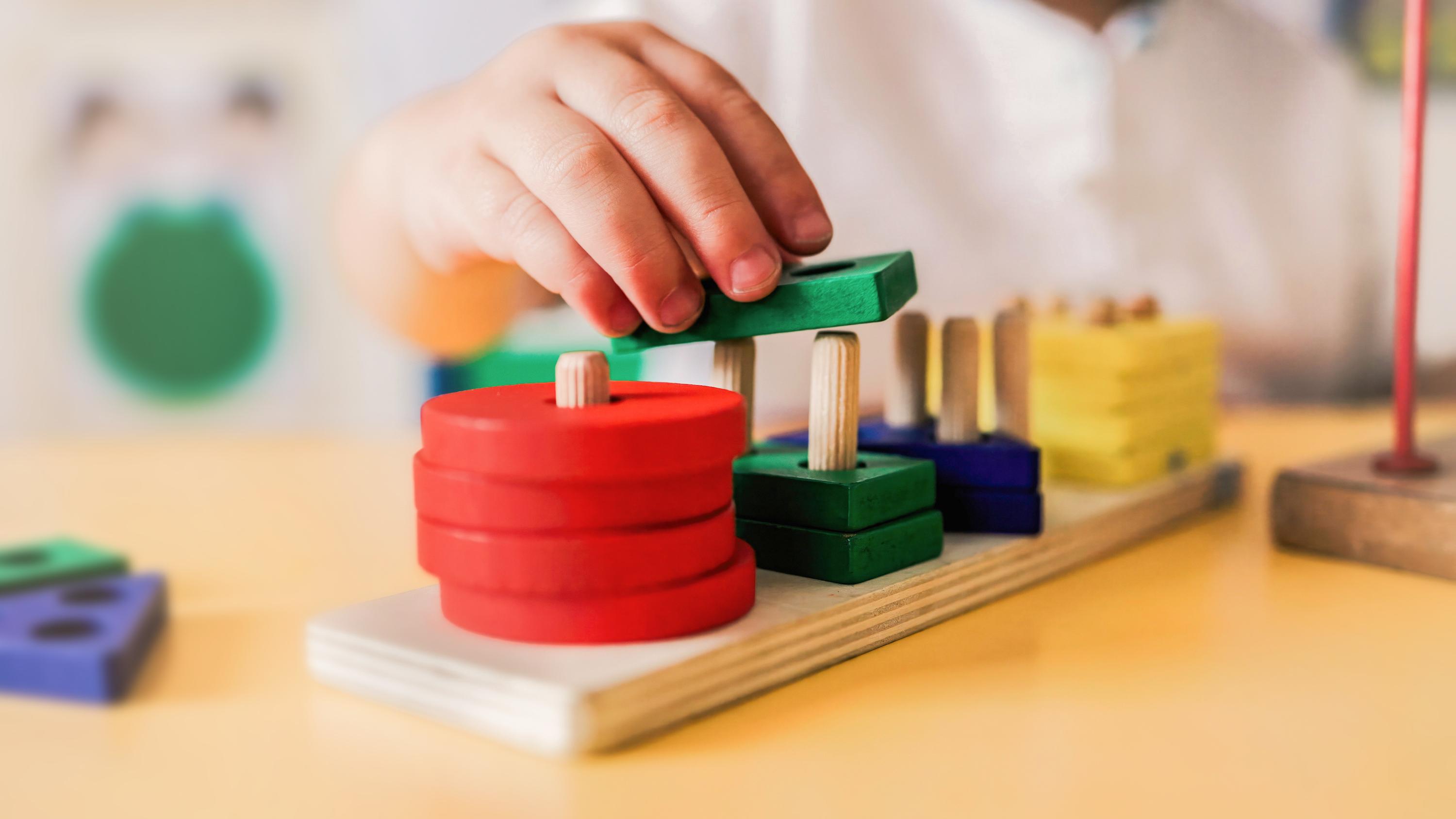
Understanding numbers and patterns is part of school readiness. At Basic Beginnings, we integrate math into daily play. Using blocks and puzzles, children learn counting, sorting, and pattern recognition. Activities such as building towers and matching games make math tangible and fun. This hands-on approach not only strengthens problem-solving skills but also fosters a positive attitude towards math from an early age.
Play-Based Learning in Action
Play is the heart of our curriculum, turning learning into a joyful experience. Here’s how we bring play-based learning to life.
Individualized Learning Plans Explained
Every child learns at their own pace. Our individualized plans ensure each child’s unique needs are met. Teachers assess developmental stages and tailor activities accordingly. For example, a child interested in nature might engage in outdoor exploration, identifying plants or observing insects, thus linking personal interests with learning objectives. These personalized plans create a supportive environment where children feel valued and motivated.
Hands-On Projects for Skill Building
Projects encourage creativity and critical thinking. At Basic Beginnings, children engage in projects that integrate multiple skills. Building a simple birdhouse, for instance, involves measuring (math), assembling parts (engineering), and decorating (art). These tasks not only develop fine motor skills but also instill a sense of accomplishment and pride in their creations.
Small-Group Instruction Benefits
Small groups allow for tailored instruction and peer learning. Children work closely with teachers, who can provide immediate feedback and support. Such settings also encourage teamwork and communication, as children collaborate on projects or problem-solving activities. This approach ensures that each child receives the attention they need to thrive, reinforcing a positive learning experience.
Enrollment and Next Steps
Now that you understand the value, let’s guide you through enrolling at one of our centers.
Scheduling a Preschool Tour
Seeing our program in action is the best way to appreciate its benefits. We invite you to schedule a tour of our Haverhill or Nashua locations. During the visit, you’ll meet our dedicated staff, explore classrooms, and witness firsthand the vibrant learning environment. This step ensures you’re comfortable and confident in choosing Basic Beginnings for your child’s early education.
Understanding FAA Childcare Benefits
For FAA employees, our Nashua center offers special benefits. These include flexible hours and priority placement, making it easier to balance work demands with childcare needs. Understanding these options can significantly ease your scheduling challenges, providing peace of mind and reliable support.
Extended Hours and Weekend Options 🌟
We know that standard hours don’t work for everyone. That’s why our Nashua location provides extended hours and weekend care. This flexibility ensures that your child receives consistent, quality education and care, even with a busy schedule. These options highlight our commitment to meeting the diverse needs of families, ensuring that every child can benefit from our enriching programs.
Frequently Asked Questions
What age should my child be for pre-K enrollment?
Children typically enroll in pre-K between ages 3 to 5. This age range helps them develop crucial social, emotional, and cognitive skills before kindergarten.
How does Basic Beginnings support school readiness?
We focus on play-based learning, individualized plans, and small-group instruction to cultivate essential skills, ensuring children are well-prepared for the transition to school.
What are the benefits of extended hours at the Nashua location?
Extended hours provide flexible childcare solutions for working families, ensuring children receive consistent care and education without schedule conflicts.
Many families feel unsure about what truly prepares children for kindergarten. You want a pre-K program that goes beyond basics and builds confidence in social, emotional, and academic skills. At Basic Beginnings, our pre-K Haverhill MA and pre-K Nashua NH classrooms focus on school readiness through play-based learning and strong parent-teacher partnerships. Keep reading to learn what to look for when choosing a quality pre-K program for your child.
Core Elements of School Readiness
Understanding the core elements of school readiness can guide you in selecting the right pre-K program for your child. Let’s explore the key areas that contribute to a child’s readiness for kindergarten.
Social-Emotional Learning in Preschool
Social-emotional learning is crucial in a child’s early years. It helps children understand their own emotions and how to interact with others. In preschool, your child will engage in activities that teach empathy and cooperation. This builds a foundation of trust and communication, important skills for school and life.
Children also learn through role-playing and group activities. This experience helps them manage emotions and builds friendships. At Basic Beginnings, we emphasize social-emotional learning as a core part of our curriculum, ensuring your child is prepared to face new challenges.
Building Early Literacy and Math Skills
Literacy and math skills are integral to school success. In pre-K, children engage in fun activities that introduce them to letters, sounds, numbers, and counting. Storytime and interactive games make learning engaging and effective, sparking a love for reading and problem-solving.
By focusing on early literacy and math, your child gains confidence in their abilities. This sets the groundwork for reading fluency and mathematical understanding, crucial for kindergarten readiness.
Science and Motor Development Activities
Exploring science helps children understand the world around them. Preschool science activities include simple experiments and nature exploration. These activities build curiosity and critical thinking.
Motor development is equally important. Activities like playground time or arts and crafts develop fine and gross motor skills. At Basic Beginnings, we incorporate these elements into daily routines, ensuring balanced growth for your child.
Choosing the Right Pre-K Program
Choosing a pre-K program is an important decision. The right program will nurture your child’s development and prepare them for future academic success.
Importance of Play-Based Learning
Play-based learning is a key feature of effective pre-K programs. Through play, children learn creativity and problem-solving. This approach makes learning enjoyable and impactful. It encourages children to explore and learn at their own pace.
Play-based environments foster a love for learning. At Basic Beginnings, we believe in the power of play to develop cognitive and social skills, setting the stage for lifelong learning.
Parent-Teacher Partnership Benefits
A strong parent-teacher partnership enhances your child’s pre-K experience. Open communication ensures that teachers understand your child’s needs and progress. This collaboration supports personalized learning plans tailored to each child.
When parents and teachers work together, children feel supported and secure. This partnership is a cornerstone of Basic Beginnings, where we prioritize family involvement in our educational community.
Understanding Preschool Standards
Preschool standards guide curriculum development and teaching methods. Familiarize yourself with local standards to ensure your chosen program meets educational benchmarks. Basic Beginnings adheres to both Massachusetts and New Hampshire preschool standards, ensuring top-quality education.
These standards ensure that your child receives a comprehensive education that fosters growth in all areas of development.
Basic Beginnings’ Pre-K Offerings
Basic Beginnings offers a nurturing environment that supports your child’s growth. Our programs are designed to cater to various needs and schedules, ensuring both children and parents are supported.
Pre-K in Haverhill, MA and Nashua, NH
Located conveniently in Haverhill, MA and Nashua, NH, Basic Beginnings provides a quality pre-K experience in both locations. Our programs focus on individualized learning, ensuring each child’s unique needs are met. With a strong emphasis on school readiness, we prepare children for the next step in their educational journey.
Flexible Scheduling and Childcare Options
We understand the need for flexibility in childcare. Basic Beginnings offers extended hours and weekend care in Nashua, NH, accommodating diverse schedules. Our flexible options ensure that your childcare needs are met without compromising on quality.
Enrolling Your Child at Basic Beginnings
Ready to enroll your child? At Basic Beginnings, we offer a simple enrollment process. By choosing us, you are ensuring your child receives a high-quality pre-K education. Contact us to learn more about enrollment and take the first step towards preparing your child for school success.
Positive guidance shapes how young children learn to manage emotions and build friendships. When your child feels supported in a nurturing learning environment, social-emotional development grows naturally. At Basic Beginnings, we weave positive guidance into every classroom, helping children in Haverhill and Nashua thrive. Keep reading to see how this approach prepares your little one for school readiness and joyful learning. Learn more about positive guidance here.
Importance of Positive Guidance
Helping children feel understood and supported is vital to their development. When kids receive positive guidance, they learn to handle emotions and build strong connections with others.
Building Social-Emotional Skills
Imagine a classroom where kids learn to express themselves and build friendships. This is where social-emotional skills take root. These skills aren’t just nice to have; they’re foundational for life. Research shows that children who develop these skills early are more likely to succeed academically and socially.
With positive guidance, your child learns empathy and self-regulation. Picture a teacher guiding a child through a tough moment with patience. This approach helps kids understand their feelings and respond in healthy ways. Social-emotional development isn’t just about playing nice; it’s about building resilience and confidence.
Enhancing Early Childhood Education
Quality education is more than ABCs and 123s. It’s about nurturing the whole child. At Basic Beginnings, we know that when kids feel emotionally safe, they are more open to learning. This sets the stage for school readiness and academic success.
Our play-based learning approach encourages curiosity and creativity. Children learn best when they’re engaged and having fun. By focusing on emotional well-being, we ensure that each child feels valued and ready to explore new ideas. This holistic approach is what makes our programs effective and meaningful.
Fostering Parent-Teacher Partnerships
You know your child best, and we believe in working hand-in-hand with you. Strong parent-teacher partnerships are key to a child’s success. Communication and collaboration with teachers provide insights into your child’s progress and help tailor learning experiences to their needs.
We encourage you to share your thoughts and be involved in your child’s education. Together, we create a nurturing environment where your child can thrive. This partnership is not just a benefit; it’s an essential part of educational success.
Integrating Positive Guidance at Basic Beginnings
Our centers are designed to integrate positive guidance into every aspect of our programs. From infants to preschoolers, each child receives personalized care and attention.
Preschool and Daycare in Haverhill MA
In Haverhill, our preschool and daycare offer a warm, welcoming space where children feel safe to explore. Our teachers are dedicated to fostering an atmosphere of trust and learning.
Children here engage in activities that build both academic and social skills. Whether they’re solving a puzzle or playing in groups, they’re developing crucial skills that prepare them for the future. Our focus on individualized learning ensures that your child gets the attention they need to grow.
Daycare and Preschool in Nashua NH
Our Nashua location offers a unique blend of flexibility and quality. Open late and on weekends, it caters to families with varying schedules, making it a convenient choice for FAA childcare and federal employees.
In Nashua, children benefit from a diverse curriculum that emphasizes emotional and cognitive development. From arts to science, each activity is designed to inspire curiosity and joy in learning. Our teachers are trained to offer guidance that respects each child’s individuality, ensuring they feel understood and supported.
Infant Care and Toddler Programs
Infants and toddlers thrive in environments where they feel secure. Our infant care program is designed to offer just that. With nurturing caregivers, babies are encouraged to explore their world safely.
For toddlers, our program focuses on supporting their growing independence. Activities are tailored to their developmental needs, allowing them to learn through play and exploration. Whether your child is taking their first steps or uttering their first words, our team is there to celebrate and guide their milestones.
Encouraging Family Involvement
Your involvement in your child’s education plays a crucial role in their success. We invite you to be an active part of our community.
Touring Our Centers
Seeing is believing. We encourage you to schedule a tour of our centers to experience the nurturing environments we offer. During the tour, you can meet our staff, explore the facilities, and see firsthand how we integrate positive guidance into daily activities.
Enrollment Benefits for FAA and Federal Employees
For FAA and federal employees, Basic Beginnings offers unique benefits. From discounts to priority placement, we recognize the importance of supporting your work-life balance. Our partnership with the FAA ensures that you receive the care options you need without compromising on quality.
Flexible Childcare Options and Extended Hours
Life doesn’t always fit a 9 to 5, and neither do we. Our extended hours and flexible childcare solutions provide the support you need. Whether you have early meetings or late shifts, our centers in Nashua are open to accommodate your schedule.
Choosing the right early childhood program is a big decision. At Basic Beginnings, we’re here to make that choice easier by offering a caring, educational environment where your child can flourish. Visit us to see how positive guidance shapes the future of every child.
Individualized learning preschool programs do more than follow a schedule—they honor each child’s unique pace and interests. If you’ve noticed your little one learns best when activities match their style, you’re already seeing the power of child-led learning. At Basic Beginnings Learning and Development Center, we build differentiated instruction early childhood programs that support social, emotional, and academic growth. Let’s explore how this approach helps your child reach milestones confidently and happily. Learn more.
The Power of Individualized Learning
Embracing each child’s unique path is key to their growth. By understanding and valuing their individuality, we can unlock the potential that lies within.
Understanding Individualized Learning
Imagine a classroom where each child is seen for who they truly are. Individualized learning aims to do just that. It’s about crafting educational experiences that cater to each child’s strengths and interests. At Basic Beginnings, we recognize that every child learns differently. By tailoring activities, we help foster a love for learning. This approach not only benefits children academically but also nurtures their confidence. If you’re curious about how personalized strategies work, The Benefits of Personalized Learning for Young Children offers valuable insights.
Benefits of Child-Led Learning
When children take the lead, magic happens. Child-led learning empowers kids to explore what fascinates them. At Basic Beginnings, we encourage this exploration because it promotes deeper engagement. Kids learn best when they’re interested. By allowing them to guide their play and inquiry, they develop critical thinking skills and creativity. Moreover, this approach helps children build resilience. When faced with challenges, they’re more likely to persevere, knowing they’re in control of their learning journey.
Differentiated Instruction in Practice
How does differentiated instruction come to life? At Basic Beginnings, we adapt our teaching methods to meet each child’s unique needs. For instance, some children thrive on hands-on activities, while others prefer listening to stories. Our educators assess and adjust to ensure every child feels understood and supported. This practice not only enhances learning outcomes but also boosts self-esteem. When children feel valued, they’re more likely to take risks and embrace new challenges. Curious to know more? Planning for Individuality sheds light on practical strategies for educators.
Supporting Each Child’s Growth
Every milestone reached is a step towards a brighter future. Supporting growth involves nurturing social, emotional, and academic aspects, ensuring children are well-rounded.
Social-Emotional Learning Benefits
Social-emotional skills lay the foundation for success. At Basic Beginnings, we focus on helping children understand their emotions and interact positively with peers. Through group activities and discussions, children learn empathy, cooperation, and communication. These skills are crucial as they help create a supportive community where children feel safe and valued. When kids recognize and manage their feelings, they’re better equipped to handle life’s ups and downs. Most parents believe academic skills are paramount. However, social-emotional learning is equally important in building a well-rounded individual.
Achieving Developmental Milestones
Reaching developmental milestones is a cause for celebration. At Basic Beginnings, we track each child’s progress and celebrate their achievements. Whether it’s taking their first steps or mastering new words, every milestone marks growth. By understanding the unique timeline of each child, we ensure they receive the support they need. Parents often worry if their child is developing “on time.” But remember, each child’s journey is unique. Our focus is on supporting them to reach their full potential at their own pace.
Preparing for School Readiness
School readiness goes beyond academic skills. It’s about ensuring children have the emotional and social foundation to thrive in a school environment. At Basic Beginnings, we prepare children for this transition by fostering a love for learning and encouraging curiosity. Through structured play and learning activities, children develop the skills they’ll need in school. Parents often wonder, “Is my child ready for school?” The answer lies in a well-rounded approach that balances academics with emotional maturity.
Basic Beginnings’ Approach
Our approach is rooted in understanding and collaboration. By focusing on play and partnerships, we create a nurturing environment for every child.
Play-Based Learning Techniques
Play is a powerful tool for learning. At Basic Beginnings, we use play-based techniques to engage children in meaningful experiences. Through play, children explore, experiment, and discover. This method enhances their cognitive development and fosters creativity. Play-based learning also allows children to make sense of the world around them. By providing a variety of materials and activities, we ensure that every child finds joy in learning.
Strong Parent-Teacher Partnerships
Collaboration is key to a child’s success. At Basic Beginnings, we believe in forming strong partnerships with parents. Regular communication helps us understand each child’s needs and preferences. By working together, we create a consistent learning environment both at home and in the center. This partnership ensures that any concerns are addressed promptly, fostering trust and confidence. Engaged parents are more likely to see positive outcomes in their child’s development.
Flexible Childcare Options 🌟
Flexibility is crucial for busy families. At Basic Beginnings, we offer flexible childcare options to accommodate diverse schedules. With extended hours and weekend availability, we aim to support families in balancing work and childcare. Our partnership with the FAA allows us to offer unique benefits to federal employees, ensuring they receive the care they need. Parents appreciate having reliable childcare that adapts to their needs. The longer you wait, the more stress it adds to your daily routine. Explore our programs and see how we can support your family’s needs.
At Basic Beginnings, we are dedicated to nurturing each child’s potential. By focusing on individualized learning and strong partnerships, we create a supportive community where every child can thrive. Visit our centers in Haverhill, MA, and Nashua, NH, and experience the warmth and care we provide.
A Parent’s Guide to Infant, Toddler, Preschool, and Pre-K Programs
Choosing the right early childhood program can feel like a maze, especially when you’re sorting through options from infant care to pre-K. Each stage offers unique opportunities for your child’s growth, and knowing the differences can help you find the perfect fit. In this guide, you’ll learn how Basic Beginnings supports your child’s development at every age, making it easier to enroll in the right classroom that meets your family’s needs. For more insights, you can learn about the difference between preschool and childcare.
Understanding Early Childhood Programs
Selecting the best early childhood program involves understanding the unique characteristics of each stage. Let’s break down what sets them apart.
Infant Program Highlights
Infant care is all about creating a safe and nurturing environment. Your baby’s day is filled with warmth and love. At Basic Beginnings, teachers hold, sing, and read to infants, ensuring they feel secure. With individualized schedules, your child’s needs shape their daily routine. This personalized approach fosters early growth. Our infant program in Haverhill, MA is designed for children from 6 weeks to 12 months. It emphasizes sensory experiences with plenty of opportunities for movement. Here, infants are encouraged to explore their surroundings, helping them develop critical motor skills.
Toddler Program Overview
Toddlers are naturally curious, and our program channels that curiosity into learning. Teachers provide hands-on activities that promote exploration. Your child will engage in sensory play, repetition, and language development. Our toddler program in Nashua, NH is divided into two age groups: 15-24 months and 24-33 months. This separation allows us to tailor activities to each age group’s developmental needs. Toddlers learn through play, exploring new skills and concepts in a fun and engaging setting.
Preschool vs Pre-K: Key Differences
Understanding the distinction between preschool and pre-K can help you make the right choice. Preschool focuses on introducing basic concepts through play-based learning. Children between 3 and 4 years old start exploring math, science, and language in a structured environment. Pre-K takes this a step further, preparing children for kindergarten. Kids aged 4 to 5 engage in more advanced activities, including pre-reading and simple math. Want to know more? Check out this guide on preschool vs pre-K.
Basic Beginnings’ Approach
Basic Beginnings tailors each program to support your child’s development. Let’s explore how we nurture growth at every stage.
Infant Care: Building Foundations
Infant care at Basic Beginnings goes beyond meeting basic needs. Our goal is to build a foundation for lifelong learning. Teachers provide constant attention, ensuring your baby feels safe and loved. By incorporating gentle touch, singing, and eye contact, we support early social-emotional development. This stage sets the tone for future learning, with a focus on creating trust and comfort.
Play-Based Learning in Toddler Programs
Our toddler program is designed around play-based learning. This approach helps your child develop important skills while having fun. Toddlers engage in activities that challenge them to think, solve problems, and interact with peers. Whether they’re stacking blocks or painting, each activity is crafted to promote cognitive and physical development. This hands-on approach keeps toddlers engaged and excited about learning.
Kindergarten Readiness in Pre-K
Our pre-K program focuses on preparing children for kindergarten. We introduce more structured activities that build on skills learned in preschool. Kids practice reading, writing, and math through engaging projects. Our curriculum emphasizes critical thinking and social skills, ensuring children feel confident as they transition to school. This combination of academics and play makes learning enjoyable and effective.
Choosing the Right Program
Deciding on a program involves more than understanding the differences. Here’s how to make the best choice for your family.
The Enrollment Process
Enrolling in a program should be simple and stress-free. At Basic Beginnings, we guide you through every step. Start by scheduling a tour to see our facilities and meet our teachers. During the tour, we discuss your child’s needs and how our programs can support their growth. Once you’ve chosen a program, we assist with the paperwork to make enrollment easy.
Benefits for FAA and Federal Employees
Basic Beginnings offers unique benefits to FAA and federal employees. With flexible hours and priority placement, we accommodate varying schedules. Our childcare options include discounts and subsidies, making quality care accessible. This partnership ensures that federal employees can count on reliable childcare that meets their needs.
Scheduling a Daycare Tour
Seeing a program in action can greatly aid your decision-making. We encourage parents to visit our centers for a first-hand look at our facilities. During the tour, you can ask questions and observe how our teachers interact with children. This experience provides valuable insights into our nurturing environment. Contact us to schedule your visit and discover how Basic Beginnings can support your child’s early education journey.
Why a Safe, Nurturing Daycare Matters—and How to Spot It
Most parents know a safe daycare is crucial, but few realize how deeply it shapes a child’s growth and readiness for school. Your child’s early years set the stage for social skills, health, and confidence. In this post, you’ll learn what makes a nurturing daycare stand out and how Basic Beginnings in Haverhill and Nashua supports families with trusted care and flexible options. Schedule a childcare tour and see the difference for yourself. For more information on the importance of safe and nurturing environments, you can visit this link.
Importance of a Nurturing Daycare
A nurturing daycare is more than just a safe place for your child. It plays a vital role in shaping their future. Let’s dive into how these environments support your child’s growth.
Social-Emotional Growth in Children
Your child’s early interactions set the stage for future relationships. In a nurturing daycare, kids learn to express themselves, share, and build friendships. Imagine a place where your child feels accepted and understood every day. This is crucial because children who develop these skills early tend to handle stress better and excel academically later.
Consider how social-emotional learning happens naturally when children play together. They learn to wait for their turn, express their feelings, and empathize with others. These interactions teach them valuable life skills. Remember, the foundation of emotional intelligence is built in these formative years. For more insights on creating nurturing environments, check out this article.
Health and School Readiness
Your child’s health and readiness for school are closely linked. A healthy child is better prepared to learn and explore. Daycares that focus on wellness offer nutritious meals, regular physical activity, and wellness checks. These practices ensure your child enjoys a balanced development.
Physical activity is not just about burning energy. It strengthens muscles, builds coordination, and helps with concentration. Nutritious meals fuel their growing bodies and minds. In these centers, children are encouraged to explore, ask questions, and engage in hands-on activities, setting them up for a smooth transition to school.
Key Features of Safe Daycare
Finding a safe daycare involves looking beyond the surface. It’s about understanding the features that make these places secure and nurturing for every child.
Health and Safety Protocols
Safety is non-negotiable when it comes to your child. Look for daycares that prioritize strict health and safety protocols. These include regular sanitation, secure entry and exit points, and trained staff who know how to handle emergencies.
A clean environment reduces the risk of infections and illnesses. Staff should be aware of basic first aid and emergency procedures. This ensures your child is in capable hands. A daycare that values health will also have measures in place to address allergies and special needs.
Secure Childcare Facilities
Secure facilities offer peace of mind. They have clear boundaries, surveillance cameras, and visitor check-in systems. A safe layout involves more than just physical attributes; it encompasses an environment where children feel free to explore without unnecessary risk.
Knowing that your child is learning and playing in a secure setting allows you to focus on your day. The sense of security extends to both children and parents, fostering a trusting relationship with the daycare.
Choosing the Right Daycare
Choosing the right daycare is a significant decision. Here’s how you can ensure that your choice aligns with your values and expectations.
Evaluating Parent-Teacher Partnerships
A strong parent-teacher partnership is key to your child’s success. Look for daycares that encourage open communication. You should feel comfortable discussing your child’s progress and any concerns.
Effective communication includes regular updates from teachers, parent-teacher meetings, and feedback sessions. This collaboration ensures that you and the daycare staff are working towards the same goals for your child. Remember, you’re not just choosing a daycare; you’re partnering in your child’s development. More on this topic can be found in this resource.
Touring Daycare Haverhill MA and Nashua NH
Seeing is believing. Visiting potential daycares in Haverhill and Nashua can help you make an informed choice. Observe the environment, talk to the staff, and watch how children interact with each other and their teachers.
During the tour, ask about their curriculum, daily schedule, and how they handle discipline. Look for signs of a vibrant community: engaged children, content staff, and an inviting atmosphere. Touring gives you a firsthand experience of how your child will spend their days.
In conclusion, choosing a nurturing and secure daycare is an investment in your child’s future. Basic Beginnings in Haverhill and Nashua offers a supportive environment that nurtures growth and learning. Whether it’s developing social-emotional skills or ensuring health and safety, these centers are dedicated to helping your child thrive.
From First Steps to School Readiness: Individualized Learning at Basic Beginnings
Individualized learning shapes your child’s growth from those first tiny steps through preschool and pre-K. At Basic Beginnings, we tailor early childhood education to fit each child’s unique pace, helping your little one build confidence and skills in a safe nurturing environment. You’ll see how our parent-teacher partnership supports social-emotional development and school readiness every step of the way. Keep reading to learn how this approach sets the stage for a smooth transition to kindergarten.
Individualized Learning Across Early Years
Fostering a love for learning starts with understanding each child’s unique pace. This approach ensures growth and development through tailored programs that meet individual needs.
Infant Care Program Highlights
Your baby’s first experiences outside the home should be warm and welcoming. At Basic Beginnings, we offer a loving environment where your infant will feel safe and nurtured. Our program focuses on individualized care, with opportunities for your baby to explore and grow. Teachers provide personalized attention, singing, reading, and engaging with your infant throughout the day. This attentive care helps stimulate your baby’s development, encouraging both social and emotional growth.
We also maintain open communication with you to ensure that your baby’s routine is consistent with home practices. This partnership is vital, allowing us to adapt to your baby’s needs as they change. Your infant’s development is our priority, and we work closely with you to ensure that they thrive in our care.
Toddler Program and Development
As your child transitions into toddlerhood, excitement and exploration take center stage. Our toddler program is designed to keep pace with your child’s curiosity and boundless energy. Structured activities combined with free play help toddlers develop essential language and motor skills. We introduce sensory experiences that captivate your child’s imagination and foster learning through play.
Our team understands that each toddler’s development is unique. Therefore, we tailor each learning experience to your child’s capabilities. This individualized approach not only supports growth but also builds confidence. As your toddler navigates this new world, we provide continuous encouragement and support, laying a strong foundation for future learning.
Preschool Curriculum and Pre-K Readiness
Preparation for school begins long before kindergarten. Our preschool curriculum is crafted to align with early childhood education standards, focusing on early literacy and math. These activities are designed to be both fun and educational, ensuring your child is ready for the academic challenges ahead.
Beyond academics, we emphasize the development of social skills. Through group activities and play-based learning, your child will learn the importance of teamwork and communication. Our goal is to ensure a smooth transition into kindergarten, with the skills and confidence needed to succeed.
Building Foundations Through Partnership
Education is a collaborative effort. At Basic Beginnings, we believe that strong partnerships with parents are crucial to a child’s success. Together, we can support your child’s unique journey.
Parent-Teacher Collaboration Benefits
Communication between parents and teachers is a cornerstone of our philosophy. Regular updates and meetings help us understand your child’s needs and progress. This collaboration allows us to tailor our approach, ensuring every child receives the support they need. By working together, we can address challenges and celebrate achievements, creating a nurturing environment for growth.
Safe Nurturing Environment Essentials
Safety and warmth define our learning spaces. Our centers are designed to be welcoming and secure, providing peace of mind for parents and a comforting atmosphere for children. Every classroom is equipped with age-appropriate resources that encourage exploration and learning. Our staff is trained to maintain a safe environment where your child can thrive and grow.
Social-Emotional Development Focus
Developing social-emotional skills is essential for lifelong success. Through play and guided activities, we help children learn empathy, resilience, and cooperation. These skills are integral to building friendships and navigating social situations. Our supportive environment allows children to express themselves and build confidence, paving the way for healthy relationships both inside and outside the classroom.
Enroll and Explore Our Centers
Choosing the right daycare is a significant decision. Let us guide you through our process, ensuring you find the best fit for your family’s needs.
Quality Daycare in Haverhill, MA
Our Haverhill center offers a community-focused approach, providing a supportive environment where your child can learn and grow. Here, your child will benefit from our comprehensive programs designed to meet a variety of developmental needs. With a focus on individualized learning, we ensure that each child’s journey is supported every step of the way.
Flexible Childcare Solutions in Nashua, NH
In Nashua, we provide flexible options to accommodate varying schedules. Our extended hours and weekend availability make it easier for families to balance work and childcare. This flexibility is especially beneficial for FAA employees and others with non-traditional work hours. Our commitment to meeting your family’s needs ensures that your child receives the highest quality care.
Schedule a Tour and Secure Enrollment
The best way to understand what makes Basic Beginnings special is to experience it yourself. We invite you to schedule a tour and see firsthand how our programs can benefit your child. Explore our facilities, meet our dedicated staff, and discover the difference personalized care can make. There’s no better time to invest in your child’s future. We’re here to support you and your family every step of the way.
Top Strategies to Foster Social and Emotional Development in Preschoolers
Building your child’s social and emotional skills in preschool sets the stage for healthy relationships and confident learning. At Basic Beginnings, we share proven strategies to support social and emotional development preschoolers need—both at home and in our classrooms. You’ll learn how positive guidance and play-based learning create a safe nurturing environment where your child can thrive. Keep reading to find practical ways to partner with us and prepare your little one for school readiness. For more information, visit this guide.
Building Social Skills at Home
Creating a supportive environment for your child starts at home. By engaging in activities that promote social skills, you lay the groundwork for positive interactions and friendships.
Encouraging Cooperative Play
Cooperative play is more than just fun; it’s essential for developing teamwork. Invite your child to play games that require taking turns. This helps them understand patience and sharing. For example, board games or simple ball games can teach these values.
Involvement in group activities also builds confidence. Encourage your child to join neighborhood games or family activities. These settings give them the chance to practice social skills in a safe environment. Remember, every game is an opportunity for growth.
Positive Guidance Techniques
Positive guidance is about leading your child with kindness. It involves setting clear expectations and supporting them through mistakes. Use phrases that focus on actions, like “Please walk inside,” rather than “Don’t run.” This simple shift can make a big difference.
Consistency in your approach is key. When children know what to expect, they feel secure and confident. Reinforcing good behavior with praise gives them a sense of accomplishment. “I love how you shared your toys today” can go a long way in building their self-esteem.
Emotional Growth in the Classroom
When your child enters a classroom, they step into a new world of emotions and experiences. At Basic Beginnings, we focus on creating environments that promote emotional growth.
Play-Based Learning Benefits
Play is a powerful tool for learning. It allows children to explore and understand emotions naturally. Through play, kids learn empathy and problem-solving skills. For instance, role-playing different scenarios lets them see things from others’ perspectives.
Play-based learning also improves cognitive skills. It encourages curiosity and creativity, essential elements for emotional development. As children engage in play, they learn to express and manage their feelings more effectively. For more insights, check out this article.
Nurturing a Safe Environment
A safe environment is crucial for emotional well-being. In our classrooms, we prioritize safety and inclusivity. Children thrive when they feel safe and accepted. We foster a culture where every child is valued.
Creating this space involves more than physical safety. We emphasize emotional security by encouraging open communication. Children are taught to express themselves and listen to others. This builds trust and respect, forming the foundation for lifelong relationships.
Strengthening the Parent–Teacher Partnership
Your involvement in your child’s education is crucial. A strong partnership between parents and teachers enhances learning and development.
Setting Individualized Learning Goals
Every child is unique, and their learning paths should reflect that. Work with teachers to set personalized goals. This ensures your child receives the attention and resources they need.
Individualized goals also keep you informed about your child’s progress. Regular updates from teachers can guide you in supporting learning at home. Together, you and the school can create a consistent learning experience, tailored to your child’s needs. Discover more about this approach here.
Effective Communication Strategies
Good communication is the backbone of any partnership. Establishing open lines with your child’s teacher can make a world of difference. Regular meetings and updates keep everyone on the same page.
Be proactive in reaching out. Share observations from home and be open to feedback. This collaboration ensures that your child receives comprehensive support both at school and at home. Remember, the goal is a unified effort to nurture your child’s growth.
🌟
By fostering social and emotional development at home and in the classroom, you’re setting your child up for success. These strategies provide a comprehensive approach to nurturing well-rounded, confident learners. Explore more strategies here.
From First Steps to First Day: Preparing Your Child for Kindergarten Through Early Education Milestones
Preparing your child for kindergarten starts long before the first day of school. Early education milestones lay the foundation for skills like language development, social-emotional learning, and fine motor coordination—all essential for kindergarten readiness. At Basic Beginnings, we partner closely with families to support these milestones through individualized learning plans and a play-based approach. Keep reading to explore practical steps you can take at home and learn how our Haverhill and Nashua centers can help your child thrive. For more on kindergarten readiness, check out this kindergarten readiness checklist.
Key Early Education Milestones
Understanding early education milestones sets the stage for a successful start in kindergarten. Let’s explore essential areas like social-emotional learning, language growth, and fine motor skills that play a role in your child’s development.
Social-Emotional Learning Importance
Social-emotional learning is crucial for your child’s success in school and beyond. It involves recognizing and managing emotions, building relationships, and making responsible decisions. At Basic Beginnings, we focus on activities that foster these skills. For example, group play encourages sharing and cooperation, teaching children how to interact harmoniously with peers. This foundational skill set is essential, as children who manage emotions well can focus better on learning tasks.
Stories can also be powerful tools. When children hear tales of characters facing challenges, they learn empathy and problem-solving. Engage your child with books that explore diverse emotions and situations. Over time, these experiences help them understand their feelings and those of others. This understanding is key, as it enhances their ability to work collaboratively, an important aspect of school life.
Building Language Development
Language development is another critical milestone. Children absorb words and grammar through conversation and reading. At home, you can support this by having regular storytime. Choose books that introduce new vocabulary and concepts. During meals or drives, talk about your day, encouraging your child to recount events or share their thoughts. This practice not only builds vocabulary but also enhances comprehension.
Participating in activities that involve following directions, such as cooking or crafting, is beneficial too. These tasks require listening and processing language, which strengthens understanding. Your child’s ability to comprehend and communicate effectively will serve as the foundation for early literacy skills and academic success.
Fine Motor Skills Activities
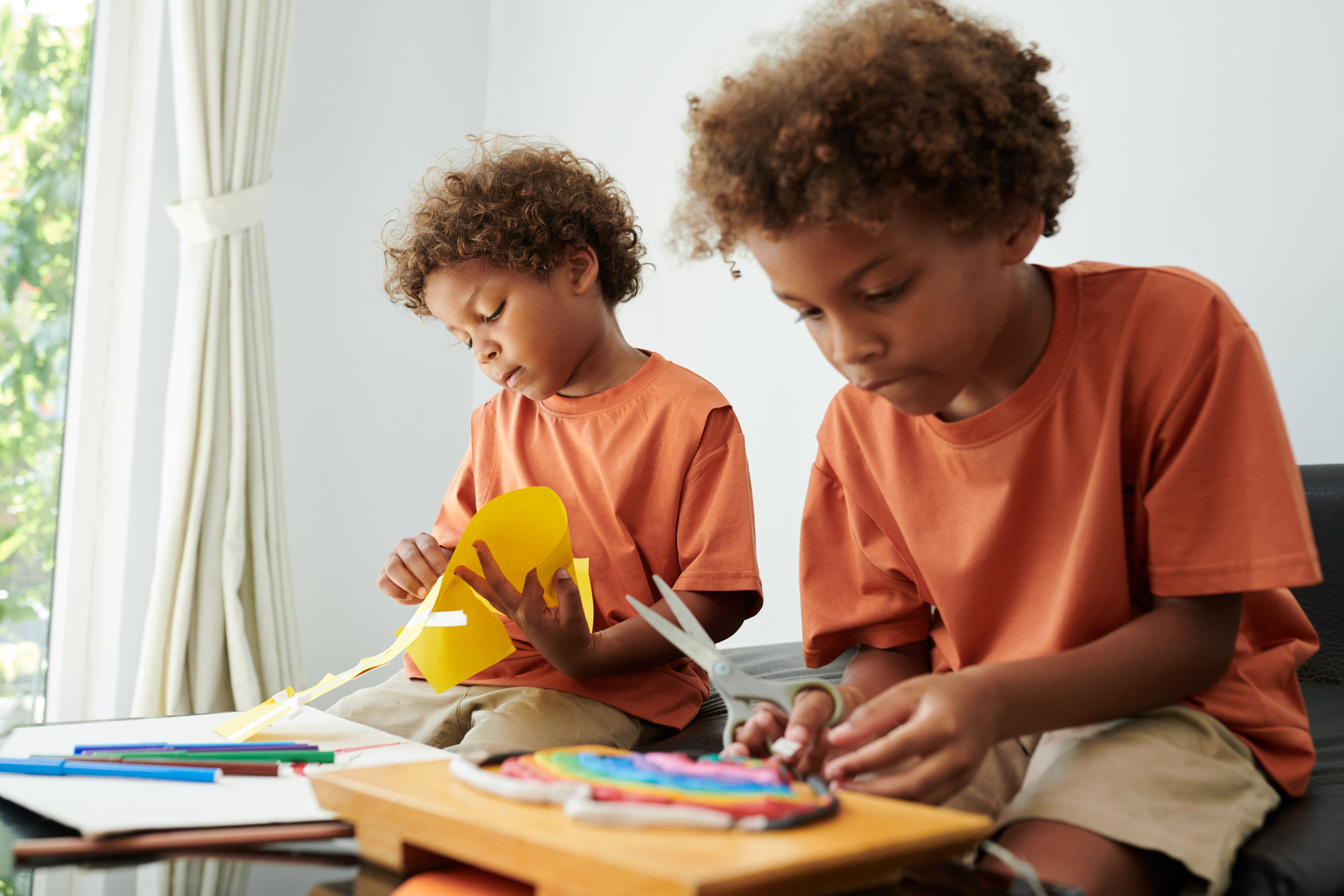
Fine motor skills involve the coordination of small muscles, critical for tasks like writing and buttoning clothes. Engaging in simple activities can enhance these skills. For example, playing with clay or using scissors improves hand-eye coordination. These activities are not just fun; they prepare your child for school tasks that require precision.
You can also encourage activities like building with blocks or threading beads. These tasks help develop the dexterity needed for writing. By integrating these activities into your child’s routine, you ensure they gain the confidence and ability to tackle kindergarten requirements, setting them up for success.
Preparing for Kindergarten Readiness
With a solid understanding of key milestones, the next step is ensuring your child is ready for school. Here’s how you can support this journey at home and with the help of our centers.
School Readiness Checklist
Creating a school readiness checklist can simplify this process. Start by assessing your child’s ability to follow routines. Can they pack a bag or complete a simple task without constant reminders? Practicing these at home builds their independence. Additionally, focus on their social skills. Arrange playdates to help them learn sharing and friendship-building.
Encourage curiosity by exploring new topics through books or nature walks. This nurtures a love for learning, a key trait for school success. Lastly, ensure they can express needs, like asking for help or using the restroom independently. This confidence in handling day-to-day situations makes the transition to school smoother.
Play-Based Learning Benefits
Play-based learning is at the heart of our approach at Basic Beginnings. This method allows children to learn through exploration and creativity. It’s not just about fun; play is a natural way for young minds to grasp complex concepts. For instance, role-playing games can teach counting and language skills simultaneously.
Through play, we integrate various learning areas seamlessly. This approach encourages critical thinking and problem-solving skills. At home, you can mimic this by setting up play scenarios that challenge your child to use logic and creativity. This method not only supports learning but also nurtures a lifelong love for discovery and innovation.
Parent-Teacher Partnership Role
Your role as a parent is vital in this journey. Partnering with teachers ensures a cohesive learning experience. Regular communication with educators helps align goals and strategies, reinforcing learning both at home and school. Share observations about your child’s interests or struggles; this information can guide personalized support.
At Basic Beginnings, we emphasize collaboration with families. We believe that by working together, we can create an environment where children thrive. Attend parent-teacher meetings and engage in school activities. This involvement not only supports your child’s development but also strengthens the community spirit within our centers.
Enrolling at Basic Beginnings
By now, you understand the importance of early milestones and readiness. Here’s how Basic Beginnings can support your child’s growth and development.
Quality Early Childhood Education
Our programs emphasize a blend of structured learning and play. With over 30 years of experience, we offer a nurturing environment that caters to each child’s unique needs. Our curriculum aligns with state standards, ensuring quality education that prepares children for future academic challenges.
We focus on individualized learning, tailoring activities to support your child’s strengths and address areas for growth. This approach ensures that every child receives the attention and guidance needed to excel. By choosing Basic Beginnings, you invest in a proven educational path that promotes lifelong learning and development.
Tours and Enrollment Process
Interested in learning more? Scheduling a tour is the best way to experience our centers firsthand. During a visit, you’ll see our facilities, meet dedicated staff, and observe our programs in action. We make the enrollment process simple and transparent, guiding you every step of the way.
We welcome families to join our community and discover the benefits of our nurturing environment. By enrolling at Basic Beginnings, you’re choosing a partner dedicated to your child’s success and well-being.
FAA Child Care Benefits
For FAA and federal employees, our Launching Pad program offers exclusive benefits. These include discounts and priority placement, along with flexible care options that accommodate varying schedules. This partnership highlights our commitment to providing accessible, high-quality childcare for all families.
We understand the unique challenges faced by working parents. Our extended hours and weekend availability ensure you have reliable support when you need it most. Choose Basic Beginnings for a childcare solution that caters to your needs while nurturing your child’s development.
By focusing on these key areas, you ensure your child is ready for the exciting journey ahead. Basic Beginnings is here to support every step, providing quality education in a caring community.