Most parents want their child to walk into kindergarten confident and ready. But what does true school readiness look like in a quality pre-K program? At Basic Beginnings, we focus on building essential skills through play-based learning and personalized plans that match your child’s unique pace. Keep reading to see how our approach in Haverhill and Nashua helps prepare your little one for a successful school start. https://www.basicbegin.com
Key Signs of School Readiness
Recognizing the signs of school readiness helps you gauge your child’s progress. Let’s explore the key areas to focus on for a smooth transition to school.
Social-Emotional Development Milestones
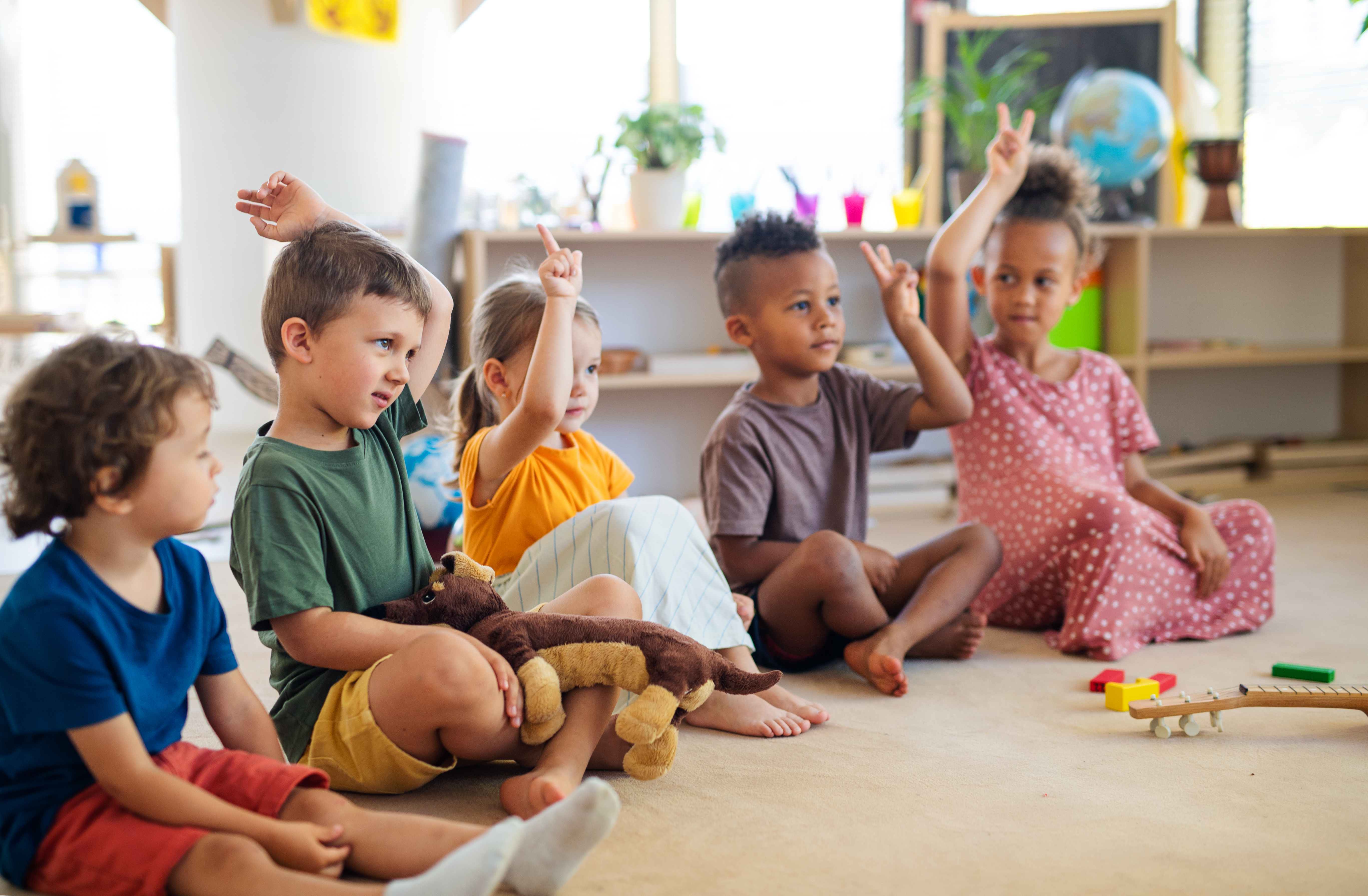
Your child’s ability to interact positively with others is crucial. By fostering friendships and understanding emotions, children learn cooperation and empathy. At Basic Beginnings, we nurture these skills through group activities and positive reinforcement. For instance, children participate in sharing circle times where they express feelings and listen to peers, encouraging mutual respect and patience. Building such connections not only boosts confidence but also sets the stage for lifelong social skills.
Language and Literacy Skills to Watch
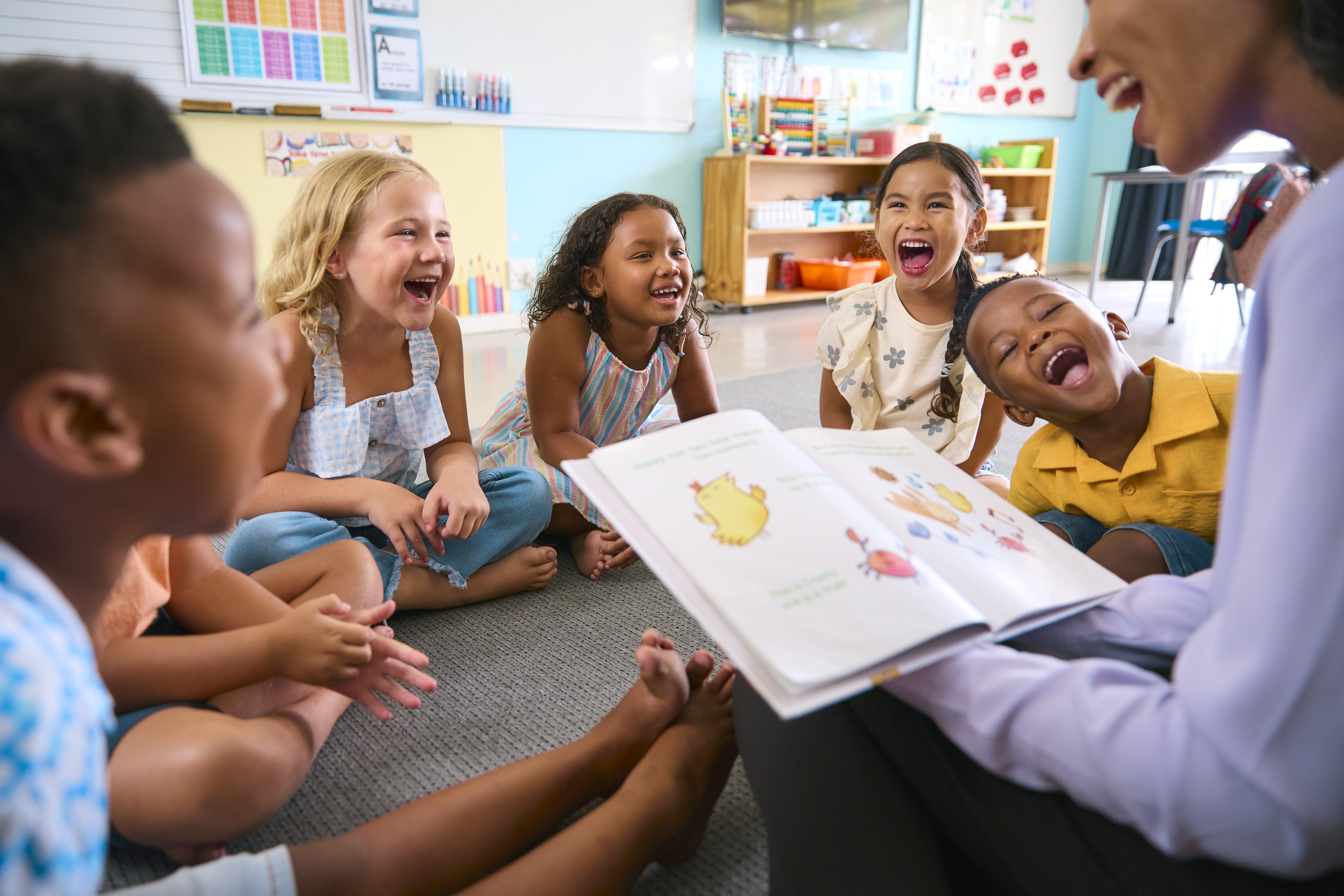
Language plays a vital role in academic success. Early literacy skills, like recognizing letters and sounds, are fundamental. Activities at our centers include storytelling and phonics games, designed to enhance vocabulary and comprehension. A simple exercise involves picture books that prompt discussions, helping children articulate thoughts and ask questions. These engaging practices spark curiosity and pave the way for a robust reading foundation.
Building Early Math Skills
Understanding numbers and patterns is part of school readiness. At Basic Beginnings, we integrate math into daily play. Using blocks and puzzles, children learn counting, sorting, and pattern recognition. Activities such as building towers and matching games make math tangible and fun. This hands-on approach not only strengthens problem-solving skills but also fosters a positive attitude towards math from an early age.
Play-Based Learning in Action
Play is the heart of our curriculum, turning learning into a joyful experience. Here’s how we bring play-based learning to life.
Individualized Learning Plans Explained
Every child learns at their own pace. Our individualized plans ensure each child’s unique needs are met. Teachers assess developmental stages and tailor activities accordingly. For example, a child interested in nature might engage in outdoor exploration, identifying plants or observing insects, thus linking personal interests with learning objectives. These personalized plans create a supportive environment where children feel valued and motivated.
Hands-On Projects for Skill Building
Projects encourage creativity and critical thinking. At Basic Beginnings, children engage in projects that integrate multiple skills. Building a simple birdhouse, for instance, involves measuring (math), assembling parts (engineering), and decorating (art). These tasks not only develop fine motor skills but also instill a sense of accomplishment and pride in their creations.
Small-Group Instruction Benefits
Small groups allow for tailored instruction and peer learning. Children work closely with teachers, who can provide immediate feedback and support. Such settings also encourage teamwork and communication, as children collaborate on projects or problem-solving activities. This approach ensures that each child receives the attention they need to thrive, reinforcing a positive learning experience.
Enrollment and Next Steps
Now that you understand the value, let’s guide you through enrolling at one of our centers.
Scheduling a Preschool Tour
Seeing our program in action is the best way to appreciate its benefits. We invite you to schedule a tour of our Haverhill or Nashua locations. During the visit, you’ll meet our dedicated staff, explore classrooms, and witness firsthand the vibrant learning environment. This step ensures you’re comfortable and confident in choosing Basic Beginnings for your child’s early education.
Understanding FAA Childcare Benefits
For FAA employees, our Nashua center offers special benefits. These include flexible hours and priority placement, making it easier to balance work demands with childcare needs. Understanding these options can significantly ease your scheduling challenges, providing peace of mind and reliable support.
Extended Hours and Weekend Options 🌟
We know that standard hours don’t work for everyone. That’s why our Nashua location provides extended hours and weekend care. This flexibility ensures that your child receives consistent, quality education and care, even with a busy schedule. These options highlight our commitment to meeting the diverse needs of families, ensuring that every child can benefit from our enriching programs.
Frequently Asked Questions
What age should my child be for pre-K enrollment?
Children typically enroll in pre-K between ages 3 to 5. This age range helps them develop crucial social, emotional, and cognitive skills before kindergarten.
How does Basic Beginnings support school readiness?
We focus on play-based learning, individualized plans, and small-group instruction to cultivate essential skills, ensuring children are well-prepared for the transition to school.
What are the benefits of extended hours at the Nashua location?
Extended hours provide flexible childcare solutions for working families, ensuring children receive consistent care and education without schedule conflicts.
School readiness starts long before kindergarten. At Basic Beginnings Learning and Development Center, we guide your child’s growth from infant through pre-K with personalized learning and strong parent-teacher partnerships. Whether you’re seeking an infant program in Haverhill, MA or extended hours daycare in Nashua, NH, understanding what readiness looks like at each stage helps you support your child’s next steps. Let’s explore how we prepare little learners for a confident start.
Building School Readiness in Early Years
The journey to school readiness begins early. At Basic Beginnings, our programs nurture each child’s unique potential through structured learning and play.
Infant Program Haverhill MA
Our infant program in Haverhill focuses on creating a warm and nurturing environment for your little one. Your child will be held, cuddled, and sung to throughout the day, fostering a sense of safety and security.
Our classrooms are designed to meet the needs of both mobile and non-mobile infants. We provide individualized schedules and a keepsake daily journal for each child. Your baby will have opportunities to explore their environment, with activities that stimulate sensory and motor skills. Our dedicated staff ensures your child receives the utmost care and attention.
Parents are encouraged to share suggestions on routines, helping us tailor our approach to suit your child’s needs. This partnership ensures your infant enjoys a fulfilling and enriching start at Basic Beginnings.
Toddler Program Nashua NH
The toddler years are full of exploration and discovery. Our program in Nashua is designed to engage toddlers’ natural curiosity and energy. Here, your toddler will experience a world of sensory and language-rich activities.
We divide our toddlers into two groups: younger toddlers (15-24 months) and older toddlers (24-33 months). Each group benefits from age-appropriate curriculum and activities that build on their developmental milestones. Toddlers are encouraged to practice self-help skills, enhancing their independence and confidence.
Our teachers create a lively and interactive environment, where repetition and routine help toddlers thrive. We align our curriculum with NAYEC recommendations, ensuring a solid foundation for your child’s future learning.
Preschool and Pre-K Foundations
As children grow, our preschool and pre-K programs lay the groundwork for academic and social success. We build on earlier learning to prepare them for the classroom.
Preschool Haverhill MA
In our Haverhill preschool, children explore math, science, pre-writing, and pre-reading skills. Our curriculum follows Massachusetts Early Childhood standards, ensuring a comprehensive educational experience.
Children participate in sensory motor activities, role-playing, and language games. Outdoor play encourages large motor skills, while indoor activities foster creativity and critical thinking. Our teachers guide children through structured lessons and exploratory play, helping them develop a love for learning.
Preschoolers gain confidence as they master new skills, setting the stage for a seamless transition to kindergarten. Your child will leave our program ready to tackle the challenges of school with enthusiasm.
Pre-K Nashua NH
Our pre-K program in Nashua focuses on kindergarten readiness. We build on the preschool curriculum, with added emphasis on reading, writing, and simple math.
Children engage in activities that teach them to work independently and as part of a group. Our teachers provide personalized attention to each child’s learning style, ensuring no one is left behind. The pre-K experience at Basic Beginnings is designed to be both fun and educational.
Parents can rest assured knowing their child will enter kindergarten with a strong academic foundation and the social skills needed to succeed.
Partnering with Families for Success
At Basic Beginnings, we believe in the power of partnership. By working closely with families, we create a supportive community for every child.
Parent-Teacher Partnerships
Collaboration between parents and teachers is key to a child’s success. We prioritize open communication and regular updates on your child’s progress. This partnership allows us to customize learning plans that align with your child’s unique needs and interests.
We encourage parents to participate in classroom activities and share insights about their child’s development. Together, we create a nurturing environment that promotes growth and learning.
Flexible Enrollment Options
Understanding that families have diverse needs, we offer flexible enrollment options to suit your schedule. Our extended hours in Nashua accommodate busy parents, providing reliable care when you need it most.
For FAA and federal employees, our partnership offers unique benefits, including employee discounts and priority placement. Our goal is to make quality childcare accessible and convenient for all families.
At Basic Beginnings, we are committed to supporting your child’s educational journey. Contact us today to learn more about our programs and enrollment options. Join our community and give your child the best start possible.
Many families feel unsure about what truly prepares children for kindergarten. You want a pre-K program that goes beyond basics and builds confidence in social, emotional, and academic skills. At Basic Beginnings, our pre-K Haverhill MA and pre-K Nashua NH classrooms focus on school readiness through play-based learning and strong parent-teacher partnerships. Keep reading to learn what to look for when choosing a quality pre-K program for your child.
Core Elements of School Readiness
Understanding the core elements of school readiness can guide you in selecting the right pre-K program for your child. Let’s explore the key areas that contribute to a child’s readiness for kindergarten.
Social-Emotional Learning in Preschool
Social-emotional learning is crucial in a child’s early years. It helps children understand their own emotions and how to interact with others. In preschool, your child will engage in activities that teach empathy and cooperation. This builds a foundation of trust and communication, important skills for school and life.
Children also learn through role-playing and group activities. This experience helps them manage emotions and builds friendships. At Basic Beginnings, we emphasize social-emotional learning as a core part of our curriculum, ensuring your child is prepared to face new challenges.
Building Early Literacy and Math Skills
Literacy and math skills are integral to school success. In pre-K, children engage in fun activities that introduce them to letters, sounds, numbers, and counting. Storytime and interactive games make learning engaging and effective, sparking a love for reading and problem-solving.
By focusing on early literacy and math, your child gains confidence in their abilities. This sets the groundwork for reading fluency and mathematical understanding, crucial for kindergarten readiness.
Science and Motor Development Activities
Exploring science helps children understand the world around them. Preschool science activities include simple experiments and nature exploration. These activities build curiosity and critical thinking.
Motor development is equally important. Activities like playground time or arts and crafts develop fine and gross motor skills. At Basic Beginnings, we incorporate these elements into daily routines, ensuring balanced growth for your child.
Choosing the Right Pre-K Program
Choosing a pre-K program is an important decision. The right program will nurture your child’s development and prepare them for future academic success.
Importance of Play-Based Learning
Play-based learning is a key feature of effective pre-K programs. Through play, children learn creativity and problem-solving. This approach makes learning enjoyable and impactful. It encourages children to explore and learn at their own pace.
Play-based environments foster a love for learning. At Basic Beginnings, we believe in the power of play to develop cognitive and social skills, setting the stage for lifelong learning.
Parent-Teacher Partnership Benefits
A strong parent-teacher partnership enhances your child’s pre-K experience. Open communication ensures that teachers understand your child’s needs and progress. This collaboration supports personalized learning plans tailored to each child.
When parents and teachers work together, children feel supported and secure. This partnership is a cornerstone of Basic Beginnings, where we prioritize family involvement in our educational community.
Understanding Preschool Standards
Preschool standards guide curriculum development and teaching methods. Familiarize yourself with local standards to ensure your chosen program meets educational benchmarks. Basic Beginnings adheres to both Massachusetts and New Hampshire preschool standards, ensuring top-quality education.
These standards ensure that your child receives a comprehensive education that fosters growth in all areas of development.
Basic Beginnings’ Pre-K Offerings
Basic Beginnings offers a nurturing environment that supports your child’s growth. Our programs are designed to cater to various needs and schedules, ensuring both children and parents are supported.
Pre-K in Haverhill, MA and Nashua, NH
Located conveniently in Haverhill, MA and Nashua, NH, Basic Beginnings provides a quality pre-K experience in both locations. Our programs focus on individualized learning, ensuring each child’s unique needs are met. With a strong emphasis on school readiness, we prepare children for the next step in their educational journey.
Flexible Scheduling and Childcare Options
We understand the need for flexibility in childcare. Basic Beginnings offers extended hours and weekend care in Nashua, NH, accommodating diverse schedules. Our flexible options ensure that your childcare needs are met without compromising on quality.
Enrolling Your Child at Basic Beginnings
Ready to enroll your child? At Basic Beginnings, we offer a simple enrollment process. By choosing us, you are ensuring your child receives a high-quality pre-K education. Contact us to learn more about enrollment and take the first step towards preparing your child for school success.
A Parent’s Guide to Infant, Toddler, Preschool, and Pre-K Programs
Choosing the right early childhood program can feel like a maze, especially when you’re sorting through options from infant care to pre-K. Each stage offers unique opportunities for your child’s growth, and knowing the differences can help you find the perfect fit. In this guide, you’ll learn how Basic Beginnings supports your child’s development at every age, making it easier to enroll in the right classroom that meets your family’s needs. For more insights, you can learn about the difference between preschool and childcare.
Understanding Early Childhood Programs
Selecting the best early childhood program involves understanding the unique characteristics of each stage. Let’s break down what sets them apart.
Infant Program Highlights
Infant care is all about creating a safe and nurturing environment. Your baby’s day is filled with warmth and love. At Basic Beginnings, teachers hold, sing, and read to infants, ensuring they feel secure. With individualized schedules, your child’s needs shape their daily routine. This personalized approach fosters early growth. Our infant program in Haverhill, MA is designed for children from 6 weeks to 12 months. It emphasizes sensory experiences with plenty of opportunities for movement. Here, infants are encouraged to explore their surroundings, helping them develop critical motor skills.
Toddler Program Overview
Toddlers are naturally curious, and our program channels that curiosity into learning. Teachers provide hands-on activities that promote exploration. Your child will engage in sensory play, repetition, and language development. Our toddler program in Nashua, NH is divided into two age groups: 15-24 months and 24-33 months. This separation allows us to tailor activities to each age group’s developmental needs. Toddlers learn through play, exploring new skills and concepts in a fun and engaging setting.
Preschool vs Pre-K: Key Differences
Understanding the distinction between preschool and pre-K can help you make the right choice. Preschool focuses on introducing basic concepts through play-based learning. Children between 3 and 4 years old start exploring math, science, and language in a structured environment. Pre-K takes this a step further, preparing children for kindergarten. Kids aged 4 to 5 engage in more advanced activities, including pre-reading and simple math. Want to know more? Check out this guide on preschool vs pre-K.
Basic Beginnings’ Approach
Basic Beginnings tailors each program to support your child’s development. Let’s explore how we nurture growth at every stage.
Infant Care: Building Foundations
Infant care at Basic Beginnings goes beyond meeting basic needs. Our goal is to build a foundation for lifelong learning. Teachers provide constant attention, ensuring your baby feels safe and loved. By incorporating gentle touch, singing, and eye contact, we support early social-emotional development. This stage sets the tone for future learning, with a focus on creating trust and comfort.
Play-Based Learning in Toddler Programs
Our toddler program is designed around play-based learning. This approach helps your child develop important skills while having fun. Toddlers engage in activities that challenge them to think, solve problems, and interact with peers. Whether they’re stacking blocks or painting, each activity is crafted to promote cognitive and physical development. This hands-on approach keeps toddlers engaged and excited about learning.
Kindergarten Readiness in Pre-K
Our pre-K program focuses on preparing children for kindergarten. We introduce more structured activities that build on skills learned in preschool. Kids practice reading, writing, and math through engaging projects. Our curriculum emphasizes critical thinking and social skills, ensuring children feel confident as they transition to school. This combination of academics and play makes learning enjoyable and effective.
Choosing the Right Program
Deciding on a program involves more than understanding the differences. Here’s how to make the best choice for your family.
The Enrollment Process
Enrolling in a program should be simple and stress-free. At Basic Beginnings, we guide you through every step. Start by scheduling a tour to see our facilities and meet our teachers. During the tour, we discuss your child’s needs and how our programs can support their growth. Once you’ve chosen a program, we assist with the paperwork to make enrollment easy.
Benefits for FAA and Federal Employees
Basic Beginnings offers unique benefits to FAA and federal employees. With flexible hours and priority placement, we accommodate varying schedules. Our childcare options include discounts and subsidies, making quality care accessible. This partnership ensures that federal employees can count on reliable childcare that meets their needs.
Scheduling a Daycare Tour
Seeing a program in action can greatly aid your decision-making. We encourage parents to visit our centers for a first-hand look at our facilities. During the tour, you can ask questions and observe how our teachers interact with children. This experience provides valuable insights into our nurturing environment. Contact us to schedule your visit and discover how Basic Beginnings can support your child’s early education journey.
How to Choose a Daycare That Nurtures School Readiness and Emotional Growth: A Parent’s Checklist
Choosing the right daycare feels overwhelming when you want more than just a place to watch your child. You want a setting that truly supports school readiness and emotional growth, laying a strong foundation for kindergarten and beyond. This checklist will guide you through key factors to consider, helping you find a daycare that partners with you in nurturing your child’s unique path. Let’s explore what makes a quality childcare center in Haverhill, MA, or Nashua, NH, ready to welcome your family.
Choosing the Right Daycare
Finding the perfect daycare involves more than just checking location. It’s about ensuring a nurturing environment for your child’s growth. Let’s dive into some crucial aspects to consider.
Researching Local Daycare Options
Begin with a thorough exploration of available options. Talk to friends and neighbors, gather reviews, and visit websites. Look for centers that emphasize early childhood education and have a good reputation in the community. Most parents assume all daycares are the same, but each offers unique programs. For instance, some may have flexible scheduling, which might fit your lifestyle better.
Evaluating Safety and Environment
Safety is paramount when choosing a daycare. Look for facilities with a secure entry system and clean, well-maintained spaces. Visit centers at different times to observe daily routines. Check if the daycare follows state regulations and has the necessary licenses displayed. Remember, a safe environment fosters not only physical well-being but also encourages emotional security, which is crucial for social-emotional development.
Understanding Teacher Qualifications
The quality of your child’s experience heavily depends on the staff. Ask about teacher qualifications, including their education and training in early childhood education. Experienced caregivers with ongoing professional development are more likely to provide a stimulating environment. It’s like having a well-trained pilot—ensures a smooth journey for your child’s learning experience.
Key Factors for School Readiness
As your child transitions to kindergarten, foundational skills are key. Here’s how daycares can support this journey.
Curriculum and Learning Approaches
Daycares should offer a structured yet flexible curriculum. Look for programs that incorporate play-based learning and align with state standards. This approach fosters kindergarten readiness by engaging children in activities that enhance math, language, and motor skills. It’s not just about busying children; it’s about preparing them for future academic challenges.
Assessing Social-Emotional Development
A quality daycare supports emotional growth alongside academic learning. Programs should include activities that teach empathy, cooperation, and self-regulation. This helps children build strong social skills and emotional resilience. Social-emotional learning (SEL) is not an add-on; it’s essential for overall development. Check out this guide on how preschools nurture emotional growth.
Importance of Parent-Teacher Partnerships
Effective communication between parents and teachers is vital. Choose a daycare that encourages regular updates and involves parents in the learning process. This partnership ensures that both you and the caregivers are aligned in supporting your child’s growth. Remember, you’re not just choosing a daycare; you’re joining a community that supports your child’s education journey.
Practical Considerations for Parents
Now that we’ve explored educational aspects, let’s look at practical considerations to suit your family’s needs.
Flexible Scheduling and Extended Hours
Flexibility can be a game-changer for working parents. Look for daycares offering extended hours or weekend options, especially in Nashua, NH. This feature caters to diverse schedules, ensuring your child receives continuous care. Extended hours childcare is especially beneficial for those with non-traditional work schedules.
Touring Daycare Facilities
A tour offers insights that brochures can’t. Observe how teachers interact with children and check the cleanliness of the facility. Take note of the resources available to children. Understand the daycare’s approach to discipline and conflict resolution. Trust your instincts during these visits; if something feels off, it might not be the right fit.
Enrollment Process and Availability
Finally, inquire about the enrollment process. Understand the timelines and any waitlist procedures. This helps you plan better and secure a spot in your preferred daycare. Remember, the longer you wait, the fewer choices you may have. A well-organized enrollment process reflects the daycare’s commitment to structured operations, ensuring a seamless experience for you and your child.
Choosing a daycare is a significant decision, but with this guide, you’re well-equipped to make an informed choice. Prioritize what matters most for your family and seek out centers that align with your values and needs. Remember, the right daycare is not just about providing care; it’s about laying the foundation for a lifetime of learning.
What Parents Should Know About Infant, Toddler, Preschool, and Pre-K Programs in Haverhill, MA and Nashua, NH
Choosing the right program for your little one can feel overwhelming, especially with so many options from infant care to pre-K. At Basic Beginnings Learning and Development Center, we tailor each stage to support your child’s growth and prepare them for kindergarten readiness. Whether you’re searching for “infant care Haverhill” or a “preschool program” nearby, we guide you through every step—including flexible care for FAA and federal employees. Keep reading to see how we partner with families like yours to create a safe, nurturing childcare environment. For more insights, visit this guide on understanding the different types of child care.
Understanding Early Childhood Programs
Finding the right educational setting for your child can be daunting. Understanding each program’s unique offerings helps to make informed decisions. Let’s explore what Basic Beginnings offers from infancy through pre-K.
Infant Care in Haverhill and Nashua
When it comes to your baby, nothing but the best will do. Our infant care program in Haverhill and Nashua is designed to provide a loving and warm environment. Your child will be held, cuddled, and sung to throughout the day, creating a nurturing atmosphere where they can thrive. Our dedicated teachers, trained in Early Childhood Education, support infants’ developmental milestones: holding, crawling, and walking.
Safety and security are our top priorities. We maintain an environment where your newborn feels comfortable to explore and learn. Our staff offers ongoing training to ensure they meet your child’s needs at this vital stage. The program also encourages parent involvement, allowing you to contribute suggestions on routines or schedules. This way, every child receives the best possible start.
Toddler and Preschool Program Highlights
The toddler and preschool years are all about exploration. Our programs are crafted to keep your little one engaged and learning. Toddlers thrive on sensory motor experiences, which we provide in abundance. Divided into two rooms based on age, our toddler program ensures age-appropriate activities that challenge and stimulate.
For preschoolers, our curriculum introduces them to math, science, pre-writing, and language-based activities. We also focus on large motor skills with outdoor play. This prepares them for pre-K, following the Massachusetts Early Childhood standards. We mix fun with learning to ensure every day is a new adventure.
Pre-K Program and Kindergarten Readiness
As children grow, preparing them for school becomes the focus. Our pre-K program is designed to ease this transition. It builds on the preschool curriculum, emphasizing skills like reading, writing, and basic math. The aim is to prepare them for kindergarten, ensuring they meet the necessary developmental milestones.
We emphasize hands-on learning and critical thinking. Our approach fosters curiosity and a love for learning, setting up children for long-term success. You can read more about pre-K expectations in this Pre-K Family Handbook.
Supporting Development at Every Stage
Supporting your child’s development involves more than just academics. It encompasses emotional and social growth as well.
Safe Nurturing Childcare and Parent-Teacher Partnerships
Creating a safe, nurturing environment is foundational. We ensure every child feels secure and supported, enabling them to explore and learn. Our partnerships with parents are key to this. Open communication and collaboration with families enhance each child’s educational journey.
Individualized Learning and Positive Guidance
Every child is unique, and our programs reflect this. We tailor learning experiences to suit individual needs, promoting self-awareness and independence. Our positive guidance approach encourages children to express themselves and develop emotionally. This method supports children in becoming confident learners.
Classroom Transitions and Daily Communication
Transitions can be challenging for young children. We focus on making these changes smooth and stress-free. Daily communication with parents keeps you informed about your child’s progress and any classroom updates. Our team is always available to discuss your child’s needs and achievements.
Enrollment Steps and Flexible Options
Ready to enroll your child? We make the process straightforward and offer flexible options to suit your needs.
How to Enroll in Preschool and Programs
Enrolling at Basic Beginnings is simple. Start by contacting us via our website or phone. You can also tour our facilities to see firsthand what we offer. During enrollment, we’ll discuss your child’s needs and how we can best support them.
FAA Childcare Benefits and Federal Employee Options
Our partnership with the FAA offers exclusive benefits to federal employees. These include discounts and flexible care options tailored to their unique schedules. Our Nashua location provides extended hours and weekend care, catering to non-standard work hours. Learn more about these benefits on our website.
Scheduling Tours and Joining the Waitlist
Interested in seeing our programs in action? Schedule a tour to explore our facilities and meet our team. If spaces are limited, you can join our waitlist to secure a spot for your child. We look forward to welcoming you to the Basic Beginnings family. As the saying goes, “The longer you wait, the less likely you’ll get the spot you want.” Give your child the head start they deserve by enrolling today.
How to Choose a Daycare That Builds School Readiness and Social-Emotional Growth: A Parent’s Guide for Haverhill, MA and Nashua, NH
Choosing the right daycare in Haverhill, MA or Nashua, NH shapes your child’s first steps toward kindergarten readiness and social-emotional growth. It’s not just about finding a spot—it’s about partnering with a place that understands how children learn and grow together. This guide offers clear steps to help you spot quality childcare near you, so your little one thrives in a safe, supportive setting. Ready to see how Basic Beginnings makes that happen? Check out this resource on how daycare supports emotional development in children.
Evaluating Daycare Options
Choosing the right daycare means knowing what to look for. It’s not just about finding a place close to home. It’s about ensuring your child is prepared for school and supported in their emotional growth.
Key Factors for School Readiness
The foundation for school success starts early. Daycares that focus on kindergarten readiness do more than just play. They introduce basic math, reading, and science concepts. This sets the stage for future learning. Look for programs that use age-appropriate activities. These should be engaging and fun, encouraging children to explore and ask questions. A good daycare will also have structured schedules. This helps children understand routines, a skill crucial for school. According to Psychology Today, early interactions in daycare can significantly enhance a child’s learning abilities.
Encouraging Social-Emotional Growth
Social-emotional learning (SEL) is as important as academic skills. Quality daycares provide opportunities for children to interact and build friendships. They teach children how to express feelings and resolve conflicts. This is done through group activities and guided play. Check if the daycare staff is trained to support SEL. They should offer positive guidance and be role models in communication. Building these skills early helps children manage emotions and develop empathy, which is vital in today’s world. For more on promoting social and emotional health, visit NAEYC’s resources.
Parent-Teacher Partnerships
Your involvement in your child’s education is vital. Daycares that value parent-teacher partnerships create a supportive learning environment. Regular updates on your child’s progress help you stay informed. Look for daycares that encourage parent feedback and participation. Open communication between parents and teachers ensures that each child’s needs are met. This collaboration fosters a community where children thrive. Most people think daycares and parents work separately, but a partnership can make a huge difference.
Features of Quality Childcare
Identifying a daycare with key features can make all the difference. Here’s what you should consider for your child’s well-being and development.
Importance of Licensed Daycare
A licensed daycare complies with state regulations. This ensures a safe environment for your child. Licensing requires daycares to maintain specific standards for health, safety, and staff qualifications. Always ask to see the daycare’s license. This guarantees they meet the necessary criteria for quality care. A licensed center is held accountable, giving you peace of mind. This is especially important for parents seeking “quality childcare near me” options.
Flexible and Extended Hours
Parents need flexibility, especially those with demanding schedules. Look for daycares offering extended hours, like evenings and weekends. This flexibility eases the stress of balancing work and childcare. Basic Beginnings in Nashua offers such hours, even on weekends. This is a game-changer for many families. Flexible hours mean you don’t have to rush, knowing your child is in good hands. The longer you wait, the more you miss out on this convenience.
Infant and Toddler Programs
Infant and toddler care require special attention. Quality programs offer age-appropriate activities in a nurturing environment. At Basic Beginnings, infants are cared for in safe spaces that stimulate growth. Toddlers enjoy activities that promote exploration and creativity. These programs focus on developing motor, language, and social skills. Having a structured yet flexible routine is key for young ones. Ensure that the daycare provides a warm and supportive atmosphere for these crucial early years.
Basic Beginnings: A Trusted Choice
When exploring options, Basic Beginnings stands out as a reliable partner in your child’s early education.
Our Unique Curriculum Approach
Basic Beginnings uses a curriculum tailored to each child’s needs. Our approach combines play with structured learning, making education enjoyable. Activities are designed to promote curiosity and independence. Teachers are trained to adapt lessons to various learning styles. This ensures every child receives the guidance they need. Our curriculum aligns with both Massachusetts and New Hampshire standards, preparing children for future success.
Benefits for FAA and Federal Employees
Basic Beginnings offers special services for FAA and federal employees. Our partnership provides benefits like tuition discounts and priority placement. With extended hours, we accommodate varying work schedules. This makes us an ideal choice for those seeking flexible childcare solutions. The Launching Pad Childcare in Nashua caters specifically to this community. Such perks are rare, making Basic Beginnings a standout option.
How to Schedule a Tour with Us ✨
Seeing is believing. Schedule a tour to experience our nurturing environment firsthand. During your visit, you’ll meet our caring staff and explore our facilities. You’ll see why Basic Beginnings is a trusted choice for so many families. To arrange a tour, simply contact us through our website or call our centers directly. We look forward to welcoming you and your child to our community. Your child’s future starts here, and we’re excited to be part of their journey.
Choosing the right daycare is a crucial decision. By considering these factors, you ensure your child receives quality care and education. Ready to take the next step? Visit our locations in Haverhill, MA, and Nashua, NH today. Your child’s bright future awaits at Basic Beginnings.
From Infants to Pre-K: Your Complete Guide to Basic Beginnings Programs
Choosing the right early childhood education program can feel overwhelming, especially when you want the best start for your little one. At Basic Beginnings, we offer a safe nurturing childcare environment from infant care programs through pre-kindergarten, designed to support each child’s unique path. This guide will walk you through everything you need to know about our programs in Haverhill, MA, and Nashua, NH, including how our parent-teacher partnership and FAA childcare benefits can make your family’s life easier. Keep reading to see how we make child care simple and supportive for your family. For more resources on early childhood education, visit Zero to Three.
Safe, Nurturing Childcare
At Basic Beginnings, every child receives a nurturing start. Our programs span from infant care to pre-kindergarten, ensuring your child is in safe hands while learning and growing with age-appropriate activities designed just for them.
Infant Care Program Highlights
Our infant care program is all about creating a caring and secure environment. We understand how critical these early months are for your little one. With dedicated caregivers, your baby receives personalized attention and plenty of cuddles. Our staff undergoes continuous training in Early Childhood Education to bring out the best in your child.
Infants enjoy a variety of activities that encourage movement and development. From sitting up to exploring the world on all fours, each milestone is supported with enthusiasm and care. We even maintain a keepsake daily journal for parents, making sure you’re part of every step of this exciting journey. You can check out our detailed program here.
Toddler Program Features
Our toddler program is designed for curious minds and energetic bodies. We divide toddlers into two groups: younger toddlers (15-24 months) and older toddlers (24-33 months), ensuring tailored activities that match their developmental stage. Every day holds new sensory and motor experiences, fostering growth and learning.
With a focus on language and repetition, toddlers engage in activities that build communication skills and confidence. Our creative curriculum aligns with national standards, providing a comprehensive approach to early childhood education. This guide offers further insights into early childhood education standards you can explore more here.
Preschool and Pre-Kindergarten Focus
Preschool and pre-kindergarten at Basic Beginnings prepare your child for the next step. Our curriculum introduces math, science, and language in a fun and engaging way, setting the foundation for kindergarten. We emphasize pre-writing and pre-reading skills, making learning an adventure.
Outdoor play is another key component, encouraging large motor skills and social interactions. For pre-kindergarten children, the focus shifts to kindergarten readiness, incorporating skills like reading and simple math. We follow state standards to ensure your child is well-prepared for school. Curious about transitioning to kindergarten? Visit this transitioning toolkit for more tips.
Flexible Enrollment Options
Choosing the right program is only the beginning. We understand that every family has unique needs, so we offer flexible enrollment options to make life a little easier.
Schedule a Tour Childcare
Seeing is believing. Schedule a tour to experience our centers firsthand. Walk through our classrooms, meet our dedicated teachers, and see the joy on our little learners’ faces. Our staff will answer any questions and help you decide the best fit for your child. Learn more about scheduling a tour.
Extended Hours Childcare
Life doesn’t always fit the 9 to 5 mold. That’s why our Nashua location offers extended hours, staying open until midnight. Whether you’re working late or need extra time, our extended hours ensure your child is cared for and engaged in a safe environment.
Weekend Childcare Nashua
Weekends can be just as busy, and we’re here to help. Our Nashua center offers weekend childcare, providing the same quality care and educational activities as during the week. This flexibility supports your family’s busy life while maintaining consistency for your child.
Parent-Teacher Partnership
We believe education is a team effort. Our parent-teacher partnership is central to each child’s success, creating a supportive network that fosters growth and development.
Individualized Learning Plans
Every child learns differently, and our individualized learning plans reflect that. By working closely with parents, we tailor educational approaches that align with your child’s unique needs and interests. This personalized attention ensures they thrive in our nurturing environment.
Communication and Progress Checkpoints
Regular communication is key to understanding your child’s progress. We have established checkpoints to keep you informed and engaged. Whether it’s a casual chat or a scheduled meeting, our teachers are always available to discuss your child’s development.
FAA Childcare Benefits and The Launching Pad
Our partnership with the FAA at The Launching Pad in Nashua brings additional benefits to federal employees. With priority placement, discounts, and flexible hours, we support FAA families with quality childcare options that fit their schedules. If you’re a federal employee, take advantage of these benefits for a seamless childcare experience.
Explore more about our offerings by visiting Basic Beginnings and see how we can support your family’s needs.
Kindergarten Readiness: Simple, Daily Ways to Help Your Child Thrive
Preparing your child for kindergarten readiness can feel overwhelming with so many skills to cover. You want clear, simple steps that fit into your daily routine—little moments that build confidence, social-emotional growth, and early literacy and math skills. This guide offers practical ways to help your child thrive before their first day, backed by a trusted partner in early childhood education right here in Haverhill and Nashua. Let’s explore how you can make school readiness a positive, manageable part of your family’s life. For more tips, check out this helpful guide.
Building Social-Emotional Skills
Helping your child develop social-emotional skills sets the foundation for a positive kindergarten experience. Let’s explore how you can nurture these skills at home.
Encouraging Emotional Expression
Children thrive when they feel understood. Start by encouraging your child to express their feelings. You might notice your child showing frustration when a toy doesn’t work as expected. In these moments, say, “I see you’re upset. It’s okay to feel that way.” This helps your child label emotions and opens the door for shared understanding.
Make it a habit to discuss feelings daily. During dinner, you could ask, “What made you happy today?” This simple question encourages reflection and emotional sharing. Over time, your child learns that emotions are a normal part of life. This skill will help them navigate the social world of school.
Developing Peer Interaction Skills
Playing with peers can be tricky, but it’s an essential skill for school readiness. Set up playdates to give your child practice in a familiar setting. Observe how they interact and gently guide them if needed. If your child is shy, try role-playing different social scenarios at home. For example, practice saying, “Can I play with you?” This boosts confidence and makes real-life situations less daunting.
Games that require taking turns, like board games, are excellent for teaching patience and cooperation. Praise your child when they share or wait patiently—positive reinforcement goes a long way. You’ll soon see your child becoming more comfortable in group settings.
Fostering Early Literacy and Math
Building early literacy and math skills doesn’t have to be a chore. With fun activities, your child will be eager to learn.
Fun Literacy Activities at Home
Reading together is one of the best ways to instill a love for words. Choose books with colorful pictures and simple sentences. Ask questions like, “What do you think happens next?” This encourages imagination and comprehension.
Incorporate letters into daily routines. During a walk, play “I Spy” with letters on signs. At home, create a letter scavenger hunt. Say, “Can you find something that starts with ‘B’?” Activities like these make learning playful and engaging.
Counting and Basic Math Games
Math skills develop best through hands-on activities. Cooking offers a chance to count and measure. Ask your child to count how many cups of flour go into a recipe. This real-world application makes numbers tangible.
Introduce simple board games that use dice. Games like these teach counting and number recognition in a fun way. For more ideas, visit The Pediatrician Mom’s blog for additional tips on making learning math enjoyable.
Promoting Independence and Routine
Establishing routines and independence at home prepares your child for the structure of school.
Establishing Daily Routines
Consistency is key to building comfort and security. Start with a simple morning routine. Include tasks like brushing teeth, getting dressed, and having breakfast. Use a visual chart to help your child understand the sequence.
End the day with a bedtime routine that includes reading a book. This not only fosters literacy but also signals to your child that it’s time to wind down. Over time, routines become second nature, making transitions smoother.
Encouraging Self-Help Skills
Empowering your child with self-help skills boosts their confidence. Encourage them to dress themselves or pack their backpack. Offer guidance but let them take the lead. A child who masters these skills feels more capable and ready for school.
Create opportunities for decision-making. Let your child choose their outfit or snack. These small choices build independence. Remember, practice and patience are your allies. Your child will soon surprise you with their growing abilities.
By focusing on these practical strategies, you’re setting the stage for your child’s success in kindergarten. This journey, powered by a loving partnership between home and school, makes all the difference. For more insights, explore resources on kindergarten readiness to further support your efforts.
From First Steps to First Day: Preparing Your Child for Kindergarten Through Early Education Milestones
Preparing your child for kindergarten starts long before the first day of school. Early education milestones lay the foundation for skills like language development, social-emotional learning, and fine motor coordination—all essential for kindergarten readiness. At Basic Beginnings, we partner closely with families to support these milestones through individualized learning plans and a play-based approach. Keep reading to explore practical steps you can take at home and learn how our Haverhill and Nashua centers can help your child thrive. For more on kindergarten readiness, check out this kindergarten readiness checklist.
Key Early Education Milestones
Understanding early education milestones sets the stage for a successful start in kindergarten. Let’s explore essential areas like social-emotional learning, language growth, and fine motor skills that play a role in your child’s development.
Social-Emotional Learning Importance
Social-emotional learning is crucial for your child’s success in school and beyond. It involves recognizing and managing emotions, building relationships, and making responsible decisions. At Basic Beginnings, we focus on activities that foster these skills. For example, group play encourages sharing and cooperation, teaching children how to interact harmoniously with peers. This foundational skill set is essential, as children who manage emotions well can focus better on learning tasks.
Stories can also be powerful tools. When children hear tales of characters facing challenges, they learn empathy and problem-solving. Engage your child with books that explore diverse emotions and situations. Over time, these experiences help them understand their feelings and those of others. This understanding is key, as it enhances their ability to work collaboratively, an important aspect of school life.
Building Language Development
Language development is another critical milestone. Children absorb words and grammar through conversation and reading. At home, you can support this by having regular storytime. Choose books that introduce new vocabulary and concepts. During meals or drives, talk about your day, encouraging your child to recount events or share their thoughts. This practice not only builds vocabulary but also enhances comprehension.
Participating in activities that involve following directions, such as cooking or crafting, is beneficial too. These tasks require listening and processing language, which strengthens understanding. Your child’s ability to comprehend and communicate effectively will serve as the foundation for early literacy skills and academic success.
Fine Motor Skills Activities
Fine motor skills involve the coordination of small muscles, critical for tasks like writing and buttoning clothes. Engaging in simple activities can enhance these skills. For example, playing with clay or using scissors improves hand-eye coordination. These activities are not just fun; they prepare your child for school tasks that require precision.
You can also encourage activities like building with blocks or threading beads. These tasks help develop the dexterity needed for writing. By integrating these activities into your child’s routine, you ensure they gain the confidence and ability to tackle kindergarten requirements, setting them up for success.
Preparing for Kindergarten Readiness
With a solid understanding of key milestones, the next step is ensuring your child is ready for school. Here’s how you can support this journey at home and with the help of our centers.
School Readiness Checklist
Creating a school readiness checklist can simplify this process. Start by assessing your child’s ability to follow routines. Can they pack a bag or complete a simple task without constant reminders? Practicing these at home builds their independence. Additionally, focus on their social skills. Arrange playdates to help them learn sharing and friendship-building.
Encourage curiosity by exploring new topics through books or nature walks. This nurtures a love for learning, a key trait for school success. Lastly, ensure they can express needs, like asking for help or using the restroom independently. This confidence in handling day-to-day situations makes the transition to school smoother.
Play-Based Learning Benefits
Play-based learning is at the heart of our approach at Basic Beginnings. This method allows children to learn through exploration and creativity. It’s not just about fun; play is a natural way for young minds to grasp complex concepts. For instance, role-playing games can teach counting and language skills simultaneously.
Through play, we integrate various learning areas seamlessly. This approach encourages critical thinking and problem-solving skills. At home, you can mimic this by setting up play scenarios that challenge your child to use logic and creativity. This method not only supports learning but also nurtures a lifelong love for discovery and innovation.
Parent-Teacher Partnership Role
Your role as a parent is vital in this journey. Partnering with teachers ensures a cohesive learning experience. Regular communication with educators helps align goals and strategies, reinforcing learning both at home and school. Share observations about your child’s interests or struggles; this information can guide personalized support.
At Basic Beginnings, we emphasize collaboration with families. We believe that by working together, we can create an environment where children thrive. Attend parent-teacher meetings and engage in school activities. This involvement not only supports your child’s development but also strengthens the community spirit within our centers.
Enrolling at Basic Beginnings
By now, you understand the importance of early milestones and readiness. Here’s how Basic Beginnings can support your child’s growth and development.
Quality Early Childhood Education
Our programs emphasize a blend of structured learning and play. With over 30 years of experience, we offer a nurturing environment that caters to each child’s unique needs. Our curriculum aligns with state standards, ensuring quality education that prepares children for future academic challenges.
We focus on individualized learning, tailoring activities to support your child’s strengths and address areas for growth. This approach ensures that every child receives the attention and guidance needed to excel. By choosing Basic Beginnings, you invest in a proven educational path that promotes lifelong learning and development.
Tours and Enrollment Process
Interested in learning more? Scheduling a tour is the best way to experience our centers firsthand. During a visit, you’ll see our facilities, meet dedicated staff, and observe our programs in action. We make the enrollment process simple and transparent, guiding you every step of the way.
We welcome families to join our community and discover the benefits of our nurturing environment. By enrolling at Basic Beginnings, you’re choosing a partner dedicated to your child’s success and well-being.
FAA Child Care Benefits
For FAA and federal employees, our Launching Pad program offers exclusive benefits. These include discounts and priority placement, along with flexible care options that accommodate varying schedules. This partnership highlights our commitment to providing accessible, high-quality childcare for all families.
We understand the unique challenges faced by working parents. Our extended hours and weekend availability ensure you have reliable support when you need it most. Choose Basic Beginnings for a childcare solution that caters to your needs while nurturing your child’s development.
By focusing on these key areas, you ensure your child is ready for the exciting journey ahead. Basic Beginnings is here to support every step, providing quality education in a caring community.