Kindergarten Readiness: Simple, Daily Ways to Help Your Child Thrive
Preparing your child for kindergarten readiness can feel overwhelming with so many skills to cover. You want clear, simple steps that fit into your daily routine—little moments that build confidence, social-emotional growth, and early literacy and math skills. This guide offers practical ways to help your child thrive before their first day, backed by a trusted partner in early childhood education right here in Haverhill and Nashua. Let’s explore how you can make school readiness a positive, manageable part of your family’s life. For more tips, check out this helpful guide.
Building Social-Emotional Skills
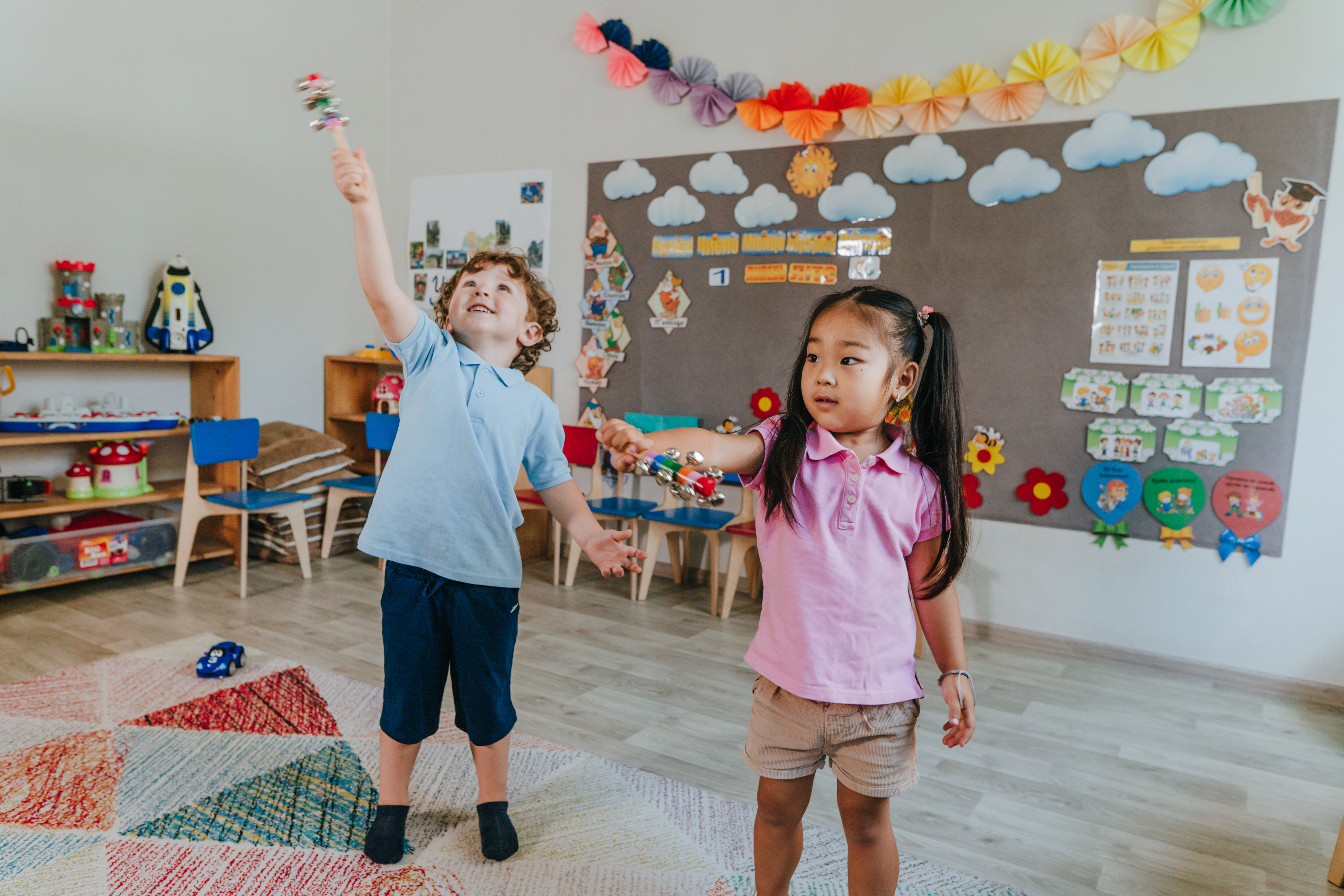
Helping your child develop social-emotional skills sets the foundation for a positive kindergarten experience. Let’s explore how you can nurture these skills at home.
Encouraging Emotional Expression
Children thrive when they feel understood. Start by encouraging your child to express their feelings. You might notice your child showing frustration when a toy doesn’t work as expected. In these moments, say, “I see you’re upset. It’s okay to feel that way.” This helps your child label emotions and opens the door for shared understanding.
Make it a habit to discuss feelings daily. During dinner, you could ask, “What made you happy today?” This simple question encourages reflection and emotional sharing. Over time, your child learns that emotions are a normal part of life. This skill will help them navigate the social world of school.
Developing Peer Interaction Skills
Playing with peers can be tricky, but it’s an essential skill for school readiness. Set up playdates to give your child practice in a familiar setting. Observe how they interact and gently guide them if needed. If your child is shy, try role-playing different social scenarios at home. For example, practice saying, “Can I play with you?” This boosts confidence and makes real-life situations less daunting.
Games that require taking turns, like board games, are excellent for teaching patience and cooperation. Praise your child when they share or wait patiently—positive reinforcement goes a long way. You’ll soon see your child becoming more comfortable in group settings.
Fostering Early Literacy and Math
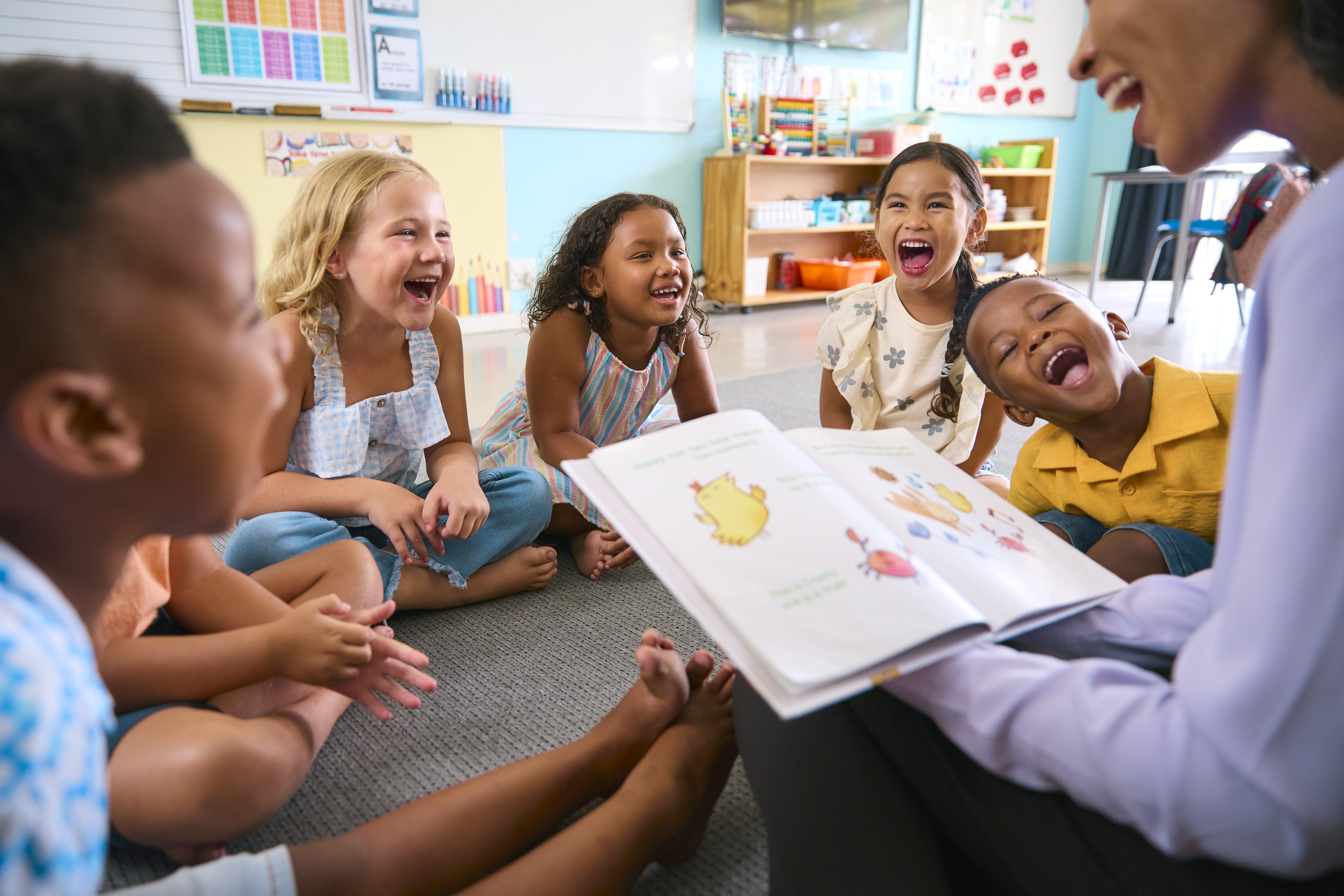
Building early literacy and math skills doesn’t have to be a chore. With fun activities, your child will be eager to learn.
Fun Literacy Activities at Home
Reading together is one of the best ways to instill a love for words. Choose books with colorful pictures and simple sentences. Ask questions like, “What do you think happens next?” This encourages imagination and comprehension.
Incorporate letters into daily routines. During a walk, play “I Spy” with letters on signs. At home, create a letter scavenger hunt. Say, “Can you find something that starts with ‘B’?” Activities like these make learning playful and engaging.
Counting and Basic Math Games
Math skills develop best through hands-on activities. Cooking offers a chance to count and measure. Ask your child to count how many cups of flour go into a recipe. This real-world application makes numbers tangible.
Introduce simple board games that use dice. Games like these teach counting and number recognition in a fun way. For more ideas, visit The Pediatrician Mom’s blog for additional tips on making learning math enjoyable.
Promoting Independence and Routine
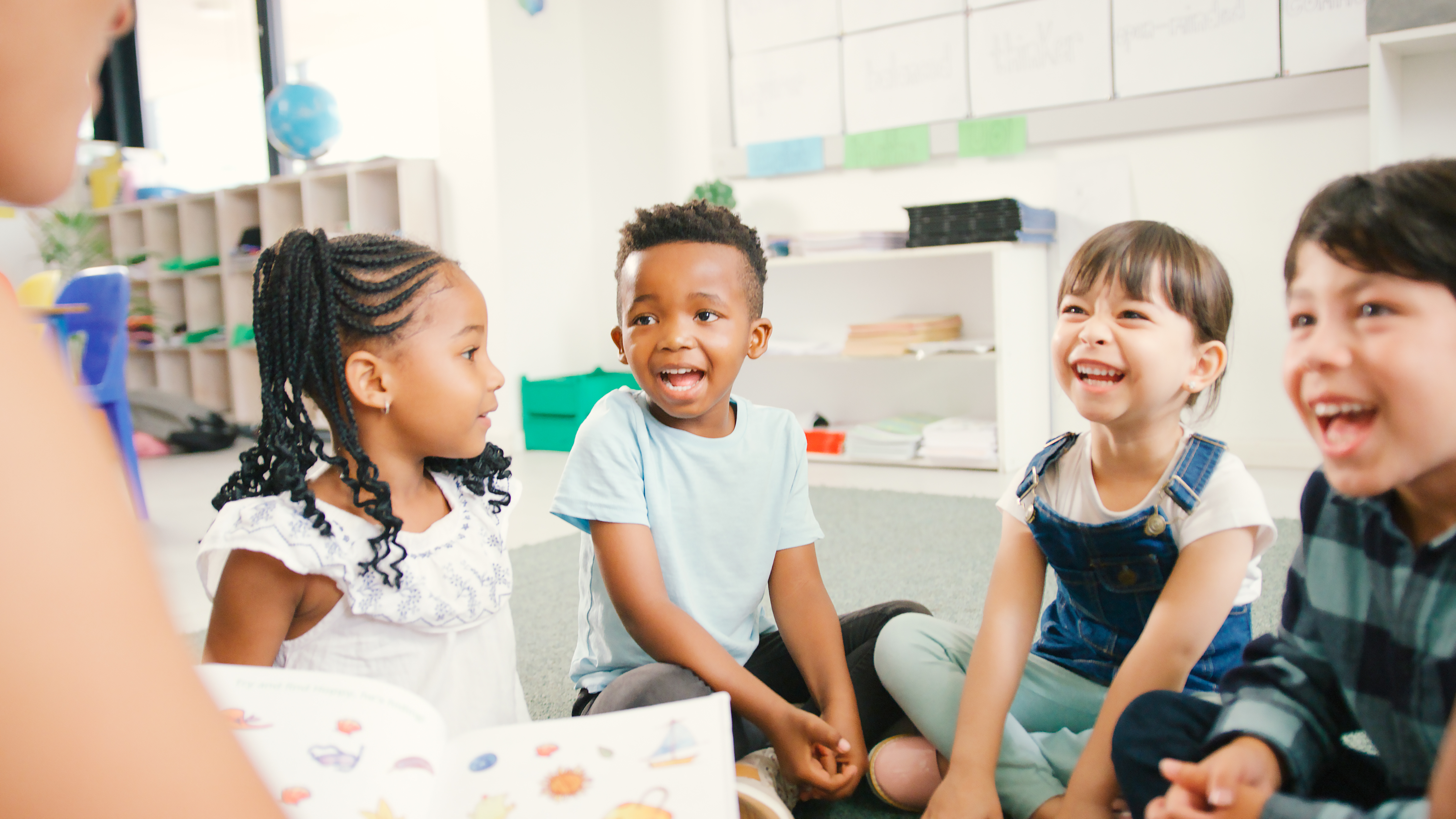
Establishing routines and independence at home prepares your child for the structure of school.
Establishing Daily Routines
Consistency is key to building comfort and security. Start with a simple morning routine. Include tasks like brushing teeth, getting dressed, and having breakfast. Use a visual chart to help your child understand the sequence.
End the day with a bedtime routine that includes reading a book. This not only fosters literacy but also signals to your child that it’s time to wind down. Over time, routines become second nature, making transitions smoother.
Encouraging Self-Help Skills
Empowering your child with self-help skills boosts their confidence. Encourage them to dress themselves or pack their backpack. Offer guidance but let them take the lead. A child who masters these skills feels more capable and ready for school.
Create opportunities for decision-making. Let your child choose their outfit or snack. These small choices build independence. Remember, practice and patience are your allies. Your child will soon surprise you with their growing abilities.
By focusing on these practical strategies, you’re setting the stage for your child’s success in kindergarten. This journey, powered by a loving partnership between home and school, makes all the difference. For more insights, explore resources on kindergarten readiness to further support your efforts.
Learn More!
From First Steps to First Day: Preparing Your Child for Kindergarten Through Early Education Milestones
Preparing your child for kindergarten starts long before the first day of school. Early education milestones lay the foundation for skills like language development, social-emotional learning, and fine motor coordination—all essential for kindergarten readiness. At Basic Beginnings, we partner closely with families to support these milestones through individualized learning plans and a play-based approach. Keep reading to explore practical steps you can take at home and learn how our Haverhill and Nashua centers can help your child thrive. For more on kindergarten readiness, check out this kindergarten readiness checklist.
Key Early Education Milestones
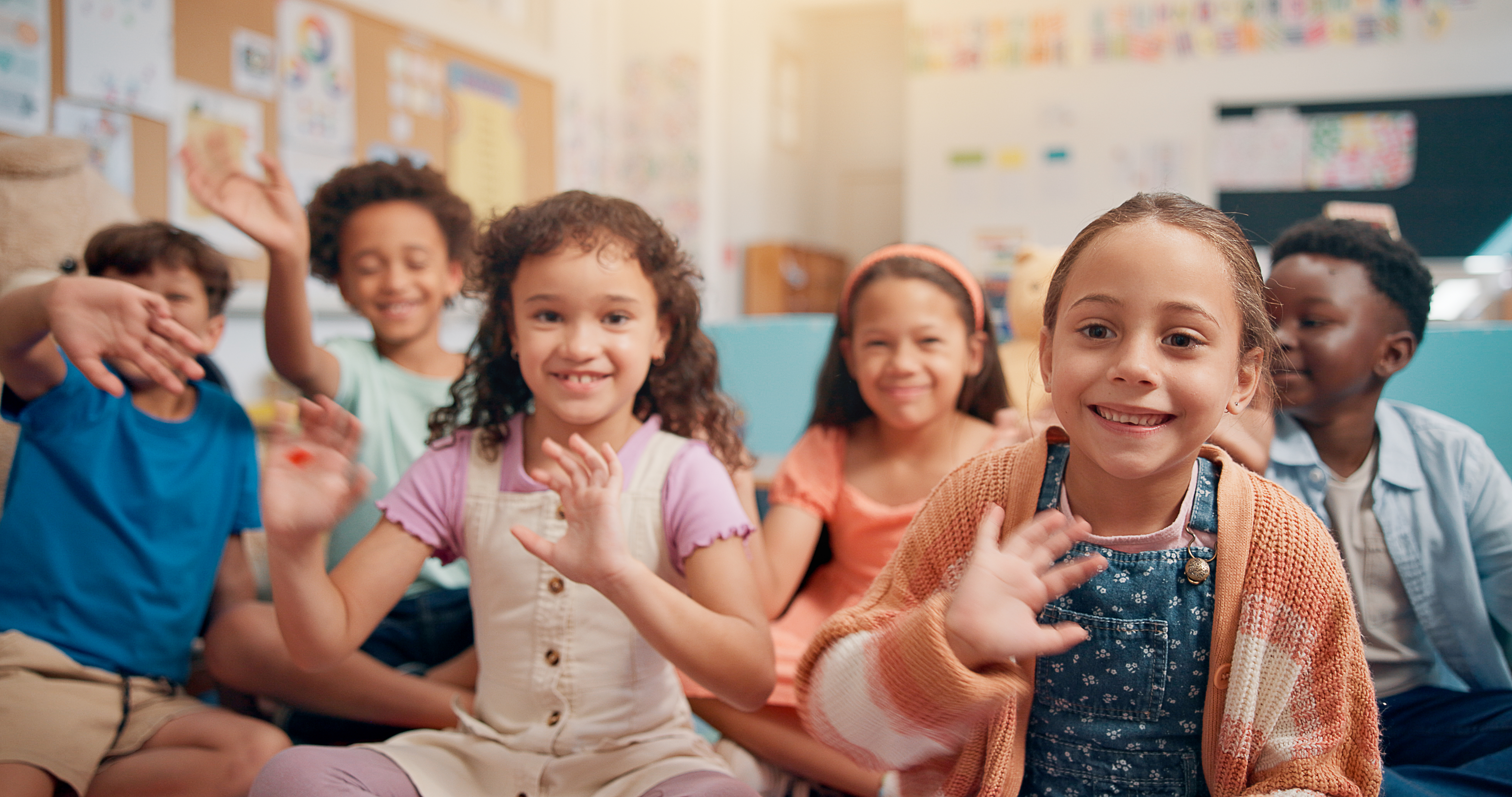
Understanding early education milestones sets the stage for a successful start in kindergarten. Let’s explore essential areas like social-emotional learning, language growth, and fine motor skills that play a role in your child’s development.
Social-Emotional Learning Importance
Social-emotional learning is crucial for your child’s success in school and beyond. It involves recognizing and managing emotions, building relationships, and making responsible decisions. At Basic Beginnings, we focus on activities that foster these skills. For example, group play encourages sharing and cooperation, teaching children how to interact harmoniously with peers. This foundational skill set is essential, as children who manage emotions well can focus better on learning tasks.
Stories can also be powerful tools. When children hear tales of characters facing challenges, they learn empathy and problem-solving. Engage your child with books that explore diverse emotions and situations. Over time, these experiences help them understand their feelings and those of others. This understanding is key, as it enhances their ability to work collaboratively, an important aspect of school life.
Building Language Development
Language development is another critical milestone. Children absorb words and grammar through conversation and reading. At home, you can support this by having regular storytime. Choose books that introduce new vocabulary and concepts. During meals or drives, talk about your day, encouraging your child to recount events or share their thoughts. This practice not only builds vocabulary but also enhances comprehension.
Participating in activities that involve following directions, such as cooking or crafting, is beneficial too. These tasks require listening and processing language, which strengthens understanding. Your child’s ability to comprehend and communicate effectively will serve as the foundation for early literacy skills and academic success.
Fine Motor Skills Activities
Fine motor skills involve the coordination of small muscles, critical for tasks like writing and buttoning clothes. Engaging in simple activities can enhance these skills. For example, playing with clay or using scissors improves hand-eye coordination. These activities are not just fun; they prepare your child for school tasks that require precision.
You can also encourage activities like building with blocks or threading beads. These tasks help develop the dexterity needed for writing. By integrating these activities into your child’s routine, you ensure they gain the confidence and ability to tackle kindergarten requirements, setting them up for success.
Preparing for Kindergarten Readiness
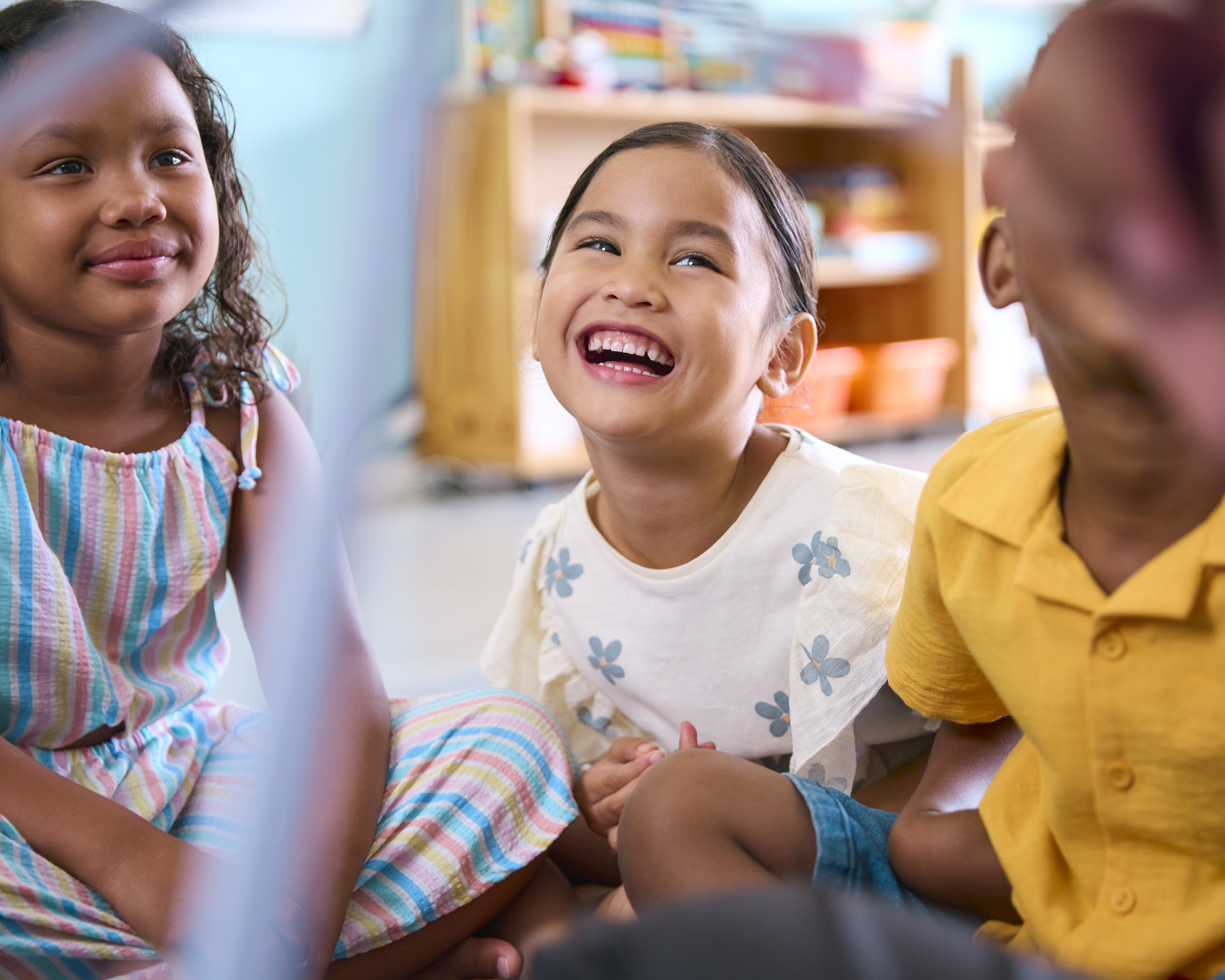
With a solid understanding of key milestones, the next step is ensuring your child is ready for school. Here’s how you can support this journey at home and with the help of our centers.
School Readiness Checklist
Creating a school readiness checklist can simplify this process. Start by assessing your child’s ability to follow routines. Can they pack a bag or complete a simple task without constant reminders? Practicing these at home builds their independence. Additionally, focus on their social skills. Arrange playdates to help them learn sharing and friendship-building.
Encourage curiosity by exploring new topics through books or nature walks. This nurtures a love for learning, a key trait for school success. Lastly, ensure they can express needs, like asking for help or using the restroom independently. This confidence in handling day-to-day situations makes the transition to school smoother.
Play-Based Learning Benefits
Play-based learning is at the heart of our approach at Basic Beginnings. This method allows children to learn through exploration and creativity. It’s not just about fun; play is a natural way for young minds to grasp complex concepts. For instance, role-playing games can teach counting and language skills simultaneously.
Through play, we integrate various learning areas seamlessly. This approach encourages critical thinking and problem-solving skills. At home, you can mimic this by setting up play scenarios that challenge your child to use logic and creativity. This method not only supports learning but also nurtures a lifelong love for discovery and innovation.
Parent-Teacher Partnership Role
Your role as a parent is vital in this journey. Partnering with teachers ensures a cohesive learning experience. Regular communication with educators helps align goals and strategies, reinforcing learning both at home and school. Share observations about your child’s interests or struggles; this information can guide personalized support.
At Basic Beginnings, we emphasize collaboration with families. We believe that by working together, we can create an environment where children thrive. Attend parent-teacher meetings and engage in school activities. This involvement not only supports your child’s development but also strengthens the community spirit within our centers.
Enrolling at Basic Beginnings
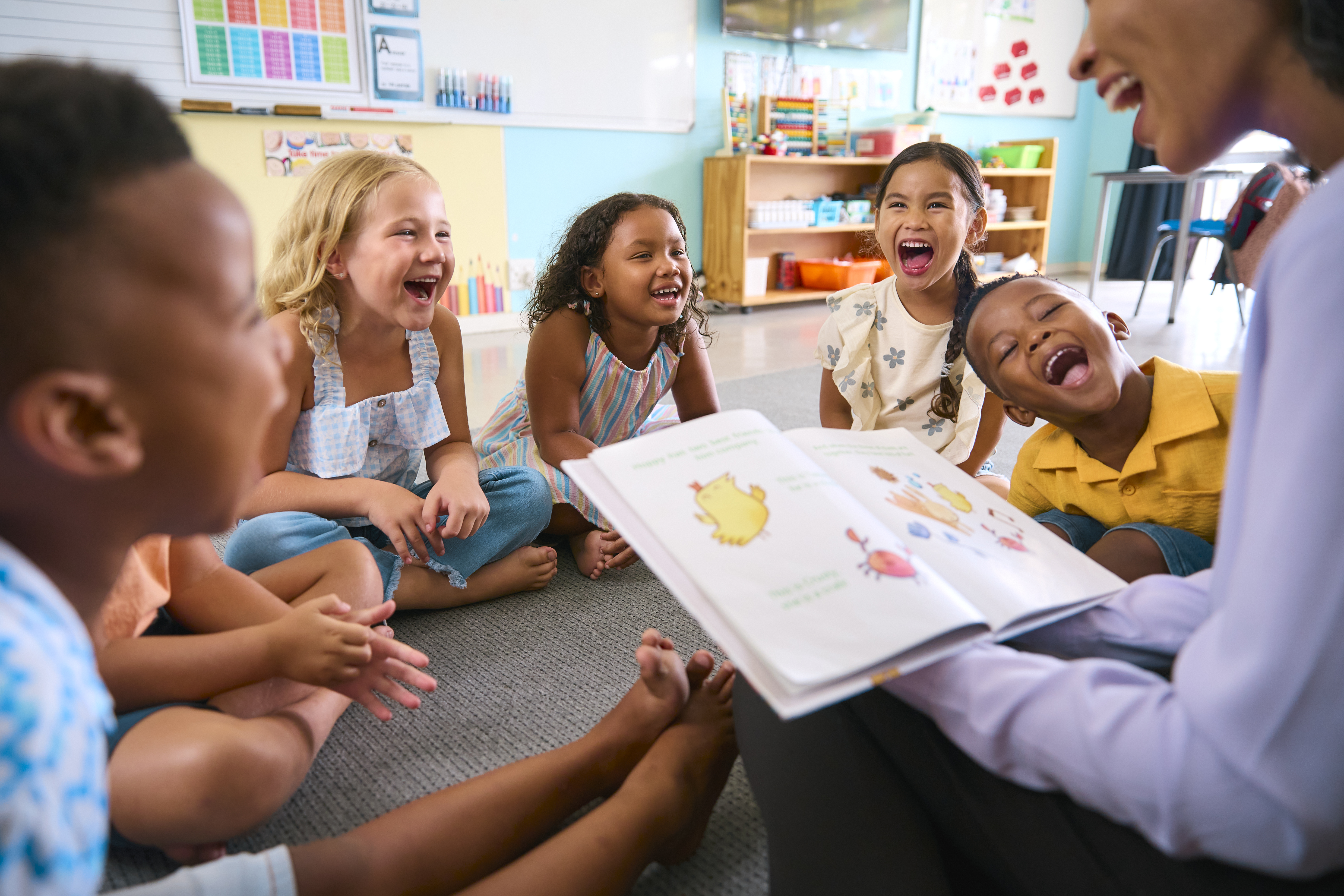
By now, you understand the importance of early milestones and readiness. Here’s how Basic Beginnings can support your child’s growth and development.
Quality Early Childhood Education
Our programs emphasize a blend of structured learning and play. With over 30 years of experience, we offer a nurturing environment that caters to each child’s unique needs. Our curriculum aligns with state standards, ensuring quality education that prepares children for future academic challenges.
We focus on individualized learning, tailoring activities to support your child’s strengths and address areas for growth. This approach ensures that every child receives the attention and guidance needed to excel. By choosing Basic Beginnings, you invest in a proven educational path that promotes lifelong learning and development.
Tours and Enrollment Process
Interested in learning more? Scheduling a tour is the best way to experience our centers firsthand. During a visit, you’ll see our facilities, meet dedicated staff, and observe our programs in action. We make the enrollment process simple and transparent, guiding you every step of the way.
We welcome families to join our community and discover the benefits of our nurturing environment. By enrolling at Basic Beginnings, you’re choosing a partner dedicated to your child’s success and well-being.
FAA Child Care Benefits
For FAA and federal employees, our Launching Pad program offers exclusive benefits. These include discounts and priority placement, along with flexible care options that accommodate varying schedules. This partnership highlights our commitment to providing accessible, high-quality childcare for all families.
We understand the unique challenges faced by working parents. Our extended hours and weekend availability ensure you have reliable support when you need it most. Choose Basic Beginnings for a childcare solution that caters to your needs while nurturing your child’s development.
By focusing on these key areas, you ensure your child is ready for the exciting journey ahead. Basic Beginnings is here to support every step, providing quality education in a caring community.
Learn More!