Building your child’s confidence and communication skills starts with strong teamwork between you and their teacher. When you join forces in a parent-teacher partnership, you create a steady support system that eases your child’s transition to kindergarten. At Basic Beginnings Learning & Development Center, we focus on open communication and individualized learning to prepare your little one for success. Keep reading to see how working together can make all the difference—and how you can get involved today. For more insights, visit our blog on the importance of parent-teacher collaboration in early childhood education.
Building Parent-Teacher Partnerships
Creating a strong partnership between parents and teachers is essential for fostering a nurturing environment for children. This collaboration forms the foundation for a child’s confidence, communication skills, and school readiness.
Importance of Collaboration
Effective collaboration between parents and teachers provides a consistent support system for children. By working together, both parties can ensure that children receive the encouragement and guidance they need to thrive. When parents and teachers share insights and observations, they can create a comprehensive understanding of a child’s needs. This partnership allows for tailored support that respects each child’s learning style.
Parents know their child best: Sharing observations from home with teachers helps create a complete picture of a child’s progress.
Teachers offer expert insights: They can provide valuable feedback on how children interact in a classroom setting.
Together, parents and teachers can address challenges and celebrate achievements, making the learning process more enriching for the child.
Effective Communication Strategies
Open and honest communication is key to a successful parent-teacher partnership. This dialogue ensures that both parties are aligned in supporting the child’s development. Regular meetings or updates provide an opportunity to discuss the child’s progress and address any concerns.
Set clear expectations: Establishing clear goals and expectations helps guide conversations and keeps everyone focused on the child’s growth.
Utilize multiple communication channels: Whether it’s face-to-face meetings, emails, or phone calls, maintaining consistent communication ensures that important information is shared promptly.
Frequent communication helps build trust, which is crucial for a productive partnership. By prioritizing open dialogue, parents and teachers can work together effectively to support the child’s learning journey.
Boosting Confidence in Preschoolers
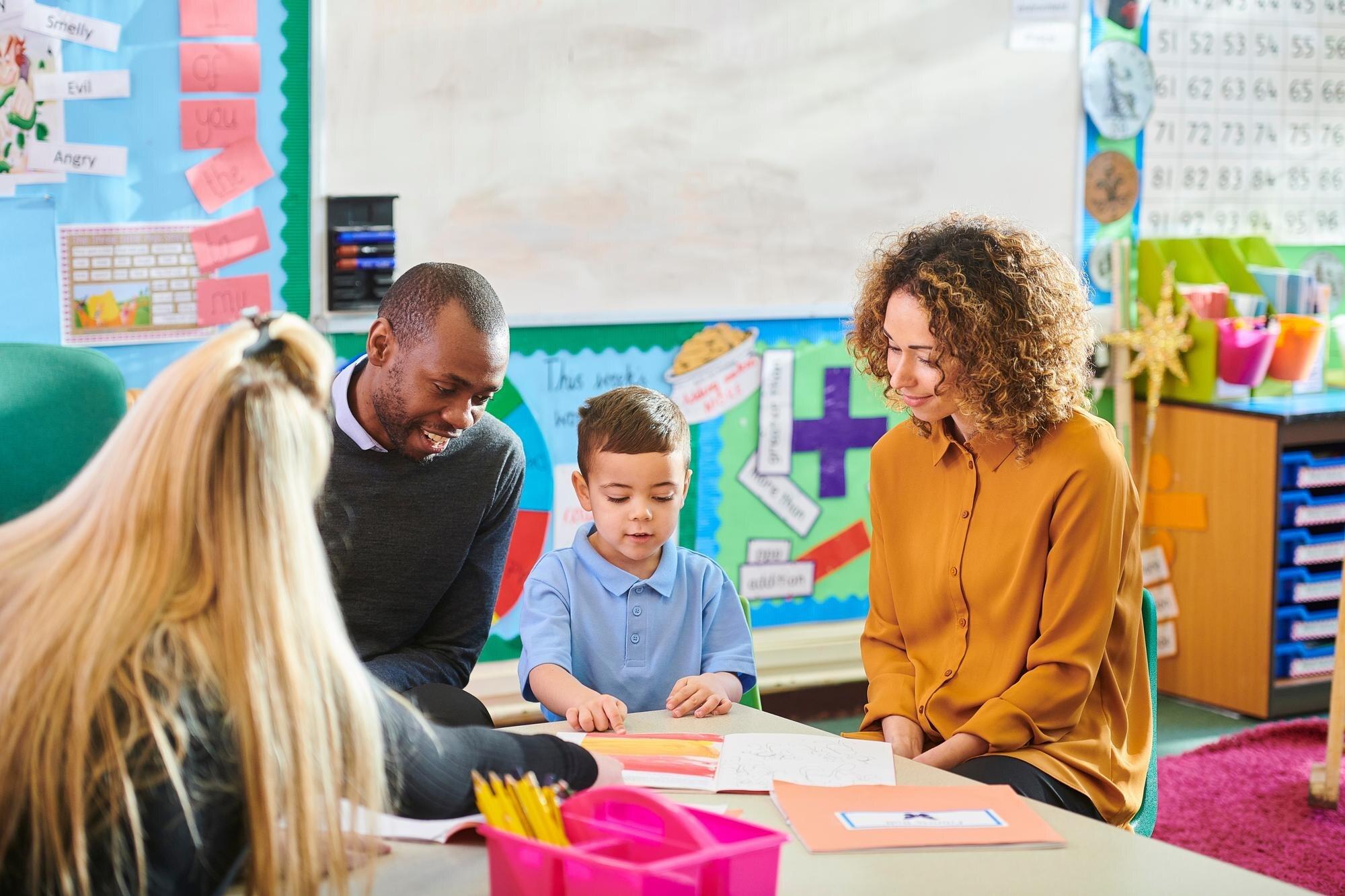
With a strong parent-teacher partnership in place, children can gain the confidence they need to succeed. Confidence is a vital component of a child’s development, allowing them to explore their environment and engage in learning with enthusiasm.
Confidence Building Techniques
Building confidence in preschoolers requires intentional strategies. Encouraging independence and providing opportunities for success can foster a child’s self-assurance. Simple tasks, like dressing themselves or choosing their own activities, help children feel capable and confident.
Celebrate small successes: Recognizing and praising achievements, no matter how small, boosts a child’s confidence.
Encourage positive risk-taking: Allowing children to try new things in a safe and supportive environment helps them build resilience and confidence.
By employing these techniques, parents and teachers can help children develop a sense of self-worth and belief in their abilities.
Role of Individualized Learning
Individualized learning plays a crucial role in boosting a child’s confidence. By tailoring education to meet each child’s needs, teachers can provide personalized support that encourages growth.
Focus on strengths: Recognizing and nurturing a child’s strengths helps build their confidence and encourages further exploration.
Address challenges with empathy: Understanding a child’s unique challenges and providing support helps them overcome obstacles and build resilience.
At Basic Beginnings, we prioritize individualized learning to ensure that each child receives the support they need to thrive. This approach not only fosters confidence but also nurtures a love for learning.
Ensuring School Readiness
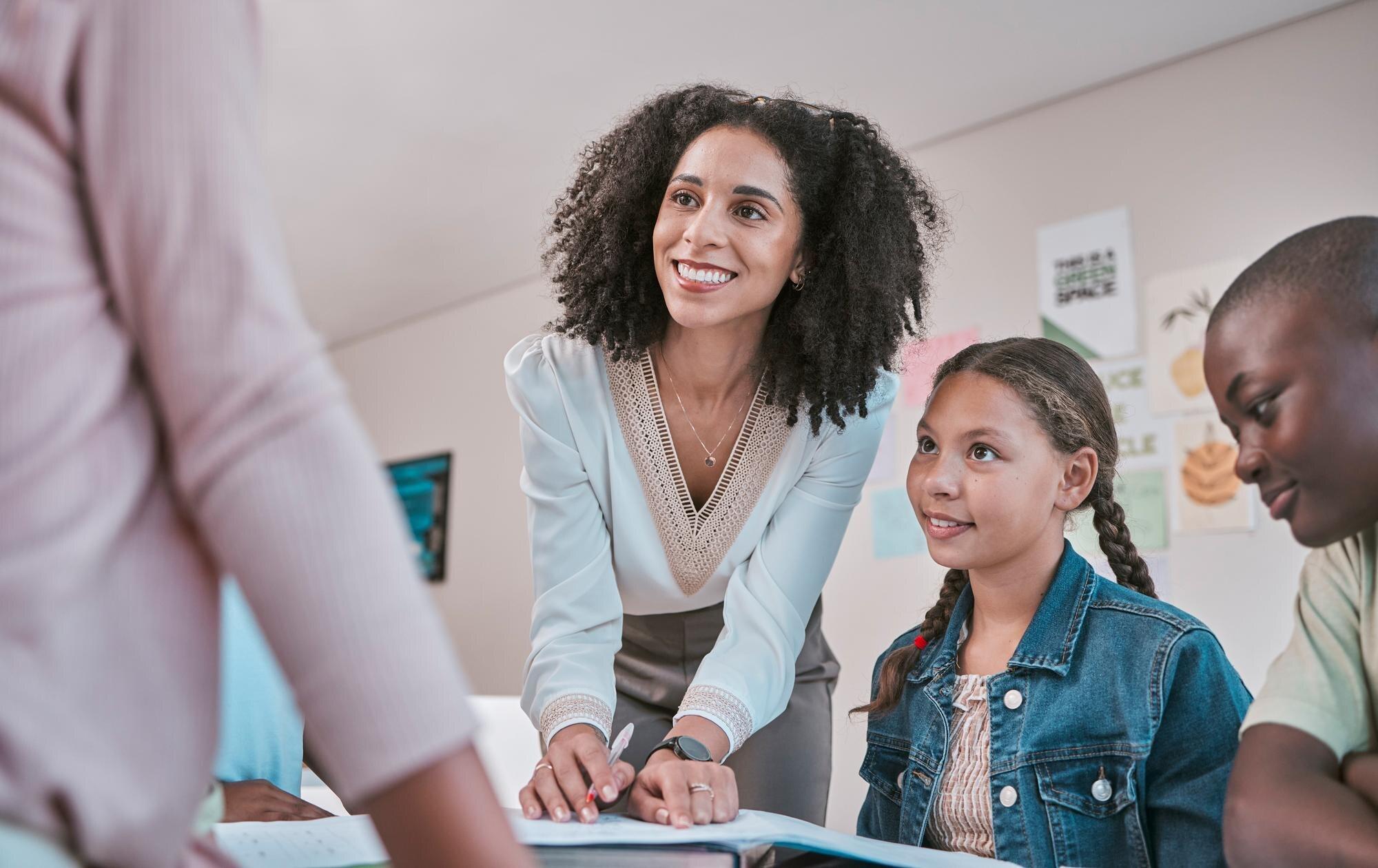
A strong parent-teacher partnership also plays a critical role in preparing children for school. By focusing on key areas of development, parents and teachers can ensure that children are ready to transition smoothly to kindergarten.
Fostering Communication Skills
Developing strong communication skills is essential for school readiness. Through effective communication, children can express their needs, understand instructions, and interact positively with peers and teachers.
Encourage expressive language: Engage children in conversations and encourage them to share their thoughts and feelings.
Model active listening: Demonstrating active listening skills teaches children how to communicate effectively.
By fostering these skills, parents and teachers can help prepare children for the social and academic demands of school.
Preparing for Kindergarten Transition
The transition to kindergarten marks a significant milestone in a child’s life. Preparing for this change involves ensuring that children have the necessary skills and confidence to succeed in a new environment.
Establish routines: Consistent routines provide a sense of security and help children adjust to the structure of a school day.
Introduce school-related activities: Familiarizing children with school-like activities, such as group play or structured learning tasks, can ease the transition to kindergarten.
By focusing on these areas, parents and teachers can ensure that children are well-prepared for the challenges and opportunities that school presents.
Frequently Asked Questions
What is the role of a parent-teacher partnership in early childhood education?
A parent-teacher partnership is crucial for providing consistent support to children. It ensures that children receive the encouragement and guidance they need to thrive, while also addressing challenges and celebrating achievements.
How can parents and teachers communicate effectively?
Effective communication involves setting clear expectations and utilizing multiple communication channels, such as meetings, emails, or phone calls. This helps ensure that important information is shared promptly and that both parties remain aligned in supporting the child’s development.
What are some techniques for building confidence in preschoolers?
Building confidence in preschoolers involves encouraging independence, celebrating small successes, and allowing positive risk-taking. These strategies help children develop self-assurance and resilience.
Why is individualized learning important for preschoolers?
Individualized learning is important because it tailors education to meet each child’s needs. This personalized support encourages growth, fosters confidence, and nurtures a love for learning.
How can parents help prepare their child for the transition to kindergarten?
Parents can help prepare their child for kindergarten by establishing consistent routines and introducing school-related activities. These practices provide a sense of security and help children adjust to the structure of a school day.