You want the best start for your child from infant care through pre-K. Choosing the right program means looking beyond basics to find a safe nurturing environment that supports social-emotional learning and individualized growth. At Basic Beginnings, our experienced early childhood teachers craft play-based learning and preschool curriculum tailored to each stage. Keep reading to see what quality early childhood education should include—and how we partner with families in Haverhill, MA and Nashua, NH to support school readiness. Learn more about what a high-quality program should look like.
Key Elements of Infant Care
Let’s dive into the crucial aspects that make infant care exceptional. These foundational years require special attention, commitment, and a nurturing atmosphere.
Safe Nurturing Environment
Safety is at the heart of early childhood education. Your child thrives when they feel secure. A safe nurturing environment provides both physical comfort and emotional warmth. At Basic Beginnings, we ensure that every child is protected while exploring their world. Our facilities are designed with child safety in mind, from padded play areas to non-toxic toys. Routine checks and maintenance ensure everything remains in top condition.
Individualized Learning Plans
Every child is unique. Individualized learning plans cater to your child’s specific needs and interests. Teachers at Basic Beginnings observe and document each child’s progress, tailoring activities to engage them meaningfully. By focusing on skills like motor development and early communication, we help infants reach important milestones. This approach not only fosters growth but also builds confidence in their abilities.
Parent-Teacher Partnership
You know your child best. By partnering with teachers, you can create a strong support system. Communication is key. At Basic Beginnings, we maintain an open dialogue with parents to align on your child’s needs and progress. Regular updates and meetings ensure that you’re always in the loop. This collaboration fosters trust and enhances your child’s learning experience.
Essential Components of Toddler Programs
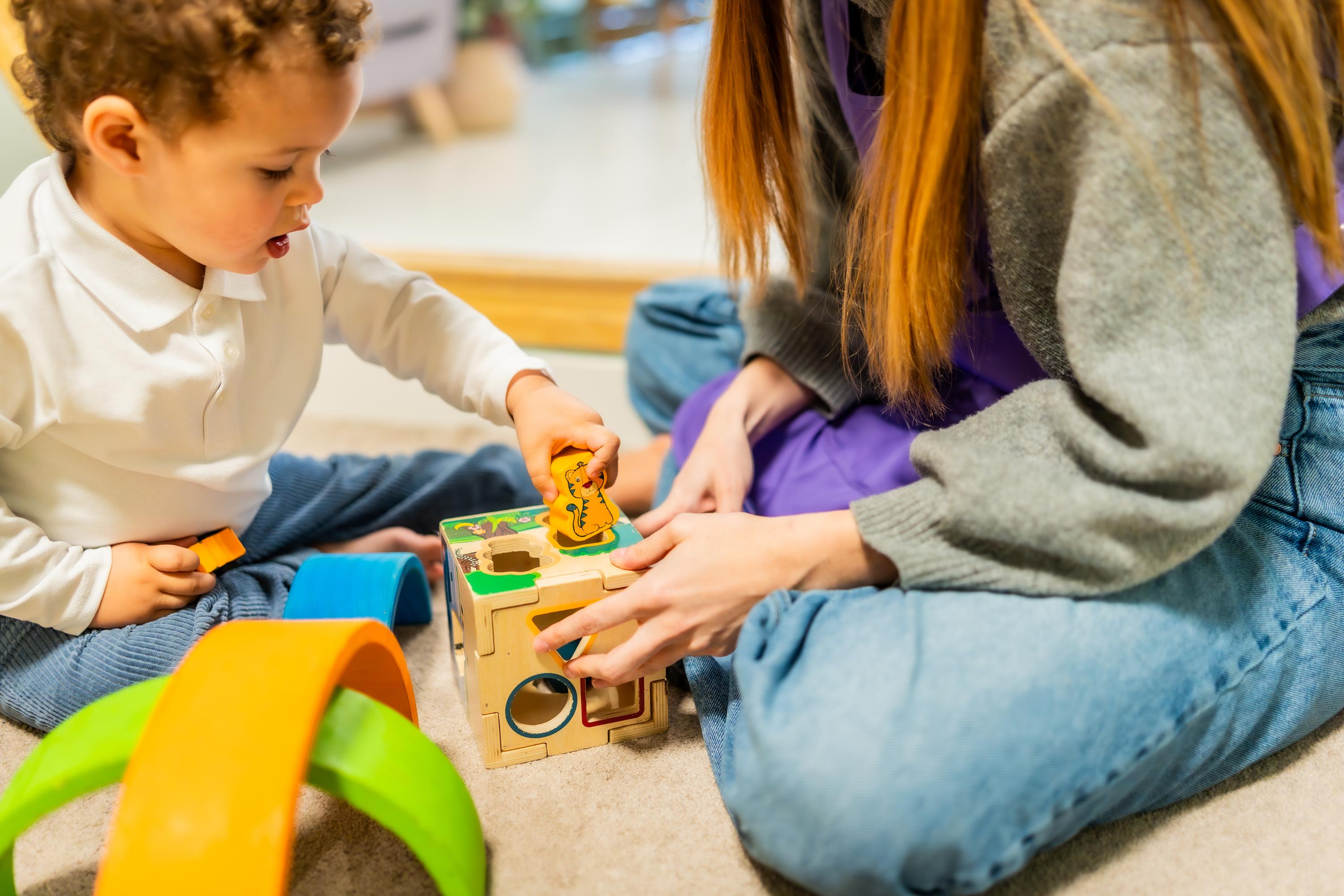
As children grow, their educational needs evolve. Toddler programs lay the groundwork for future learning experiences and social interactions.
Play-Based Learning Opportunities
Play is a powerful tool for learning. It’s through play that toddlers explore, experiment, and understand their surroundings. Our toddler program includes activities like art projects, music sessions, and nature walks that stimulate curiosity. Through these activities, children develop critical thinking skills and creativity. Encouraging play-based learning helps toddlers learn in a fun and engaging way.
Social-Emotional Learning Focus
Developing social-emotional skills is vital for toddlers. At Basic Beginnings, activities are designed to foster empathy, cooperation, and self-awareness. Group activities teach children how to communicate and collaborate with others. Through structured and unstructured play, toddlers learn to express themselves and manage emotions. This foundation is crucial for building healthy relationships.
Developmental Milestones Tracking
Tracking developmental milestones provides insights into your child’s growth. Teachers observe and document progress in areas like language, motor skills, and problem-solving. These observations help identify areas where your child excels or may need more support. Regular assessments ensure that each child receives the attention they need to thrive. Parents are kept informed through detailed reports and meetings.
Preschool Curriculum and Pre-K Readiness
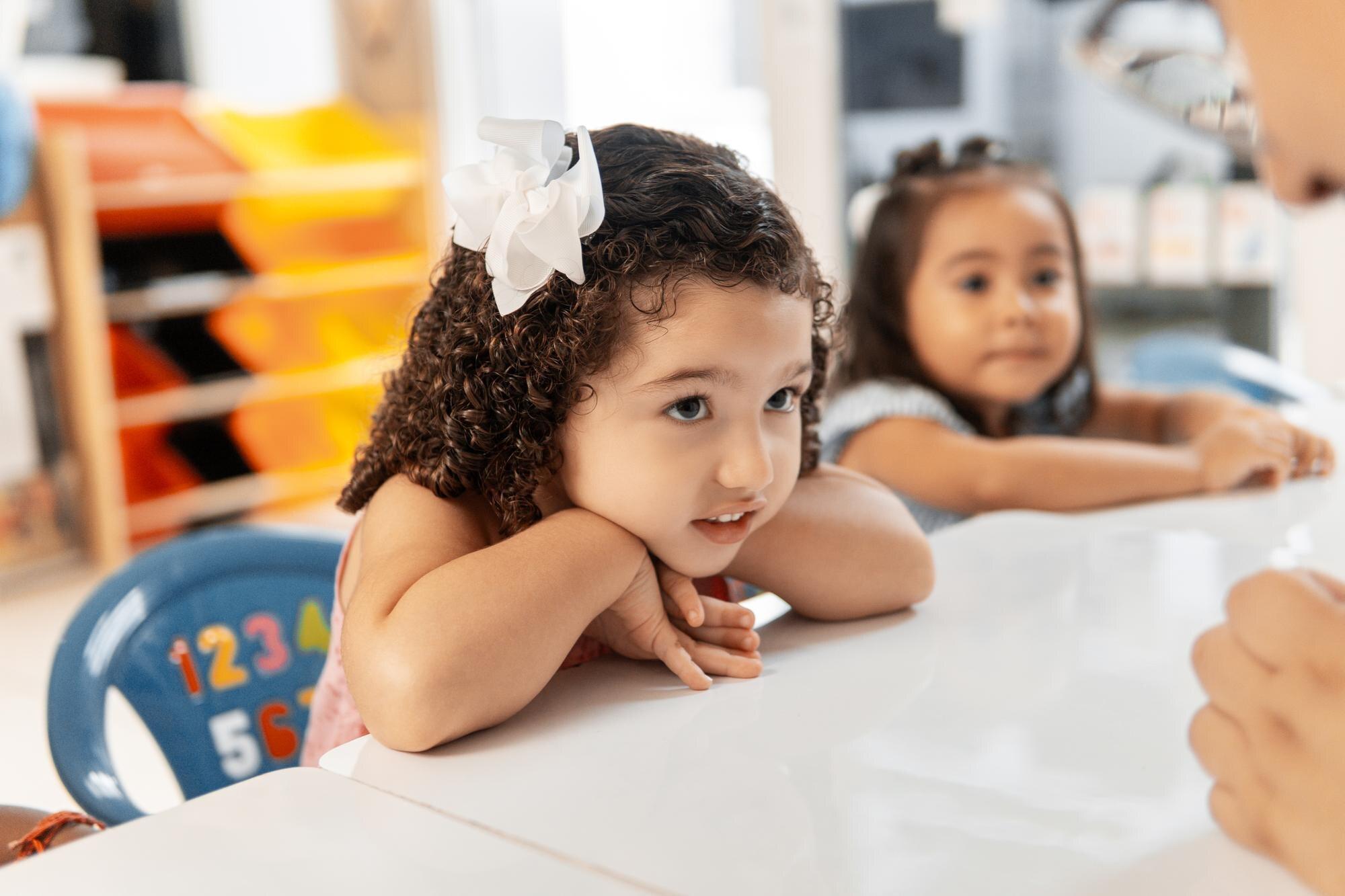
Preschool is a time of exploration and preparation. A well-rounded curriculum prepares children for the transition to school.
Language and Literacy Development
Strong language skills set the stage for academic success. Our preschool curriculum emphasizes language and literacy through storytelling, reading circles, and interactive games. Children are encouraged to express their thoughts, ask questions, and engage in discussions. By fostering a love for reading, we lay the groundwork for lifelong learning.
Math and Science Exploration
Math and science are integral parts of the preschool experience. Through hands-on activities, children explore concepts like counting, patterns, and basic science principles. Activities like building blocks and nature observations make learning tangible and relatable. Encouraging curiosity in these subjects helps children develop analytical and logical thinking skills.
School Readiness Activities
Preparing for kindergarten involves more than academics. School readiness activities at Basic Beginnings focus on social skills, independence, and routine establishment. Children participate in group activities that mirror school settings, helping them adjust to classroom dynamics. By promoting self-regulation and responsibility, we ensure children are ready for the next step in their educational journey.
Frequently Asked Questions
What should I look for in a quality infant care program?
Look for a program that provides a safe, nurturing environment, individualized learning plans, and strong parent-teacher partnerships. These elements ensure your child receives the care and attention they need to grow and thrive.
How does play-based learning benefit toddlers?
Play-based learning encourages creativity, problem-solving, and social skills. It allows toddlers to explore and make sense of their world in a natural and engaging way, laying the foundation for future learning.
Why is social-emotional learning important in early childhood?
Social-emotional learning helps children develop empathy, communication skills, and self-awareness. These skills are crucial for forming healthy relationships and succeeding in school and beyond.
How can preschool prepare my child for kindergarten?
A comprehensive preschool curriculum focuses on language, literacy, math, science, and social skills. By participating in structured activities, children develop the skills needed to transition smoothly into kindergarten.
What role do parents play in early childhood education?
Parents are vital partners in their child’s education. By collaborating with teachers, parents can support their child’s learning and development at home, creating a consistent and nurturing environment.