Choosing a safe early childhood education center feels like a huge responsibility. You want a place where your child can grow, learn, and feel truly cared for every day. Knowing exactly what to look for can make this decision clearer and less stressful. In this guide, you’ll find key signs of a nurturing daycare near me, so you can feel confident about your child’s early years. Ready to take the next step? Learn more here.
Key Safety Indicators
Ensuring your child’s safety is paramount. Let’s explore what makes a childcare center truly secure, from physical facilities to emergency protocols.
Secure Facilities and Access
When it comes to security, the first thing to look for is how access to the facility is controlled. You want to see gates and doors that are always locked, with entry allowed only through verified identification. This not only keeps your child safe but also limits access to authorized individuals. A well-monitored facility means peace of mind for you.
Inside, check for childproofed areas and safe, age-appropriate equipment. This could be padded corners on furniture or non-slip mats in play areas. Safety checks should be routine, ensuring equipment and toys are maintained and safe. Regular inspections are a sign that a daycare takes your child’s security seriously.
Licensed Childcare Center Standards
A licensed childcare center is a must. Licensing means the center meets state-specific health and safety regulations. This includes staff qualifications, child-to-teacher ratios, and sanitation practices. You can verify a center’s license with local government resources.
Look for certifications and accreditations that exceed the basic licensing requirements. These often indicate a commitment to maintaining high standards of care and ongoing staff training. It’s not just about meeting the minimum; it’s about striving for excellence in care.
Emergency Preparedness Plans
Knowing how a center responds in emergencies is crucial. Ask about their emergency plans and drills. Do they have clear evacuation routes and regular practice drills? This shows they’re prepared to keep your child safe in any situation.
Check if the staff is trained in first aid and CPR. Their ability to respond quickly and effectively can make all the difference. Additionally, ensure there are procedures for communicating with parents in emergencies. Being kept informed is essential for your peace of mind.
Nurturing Environment Essentials
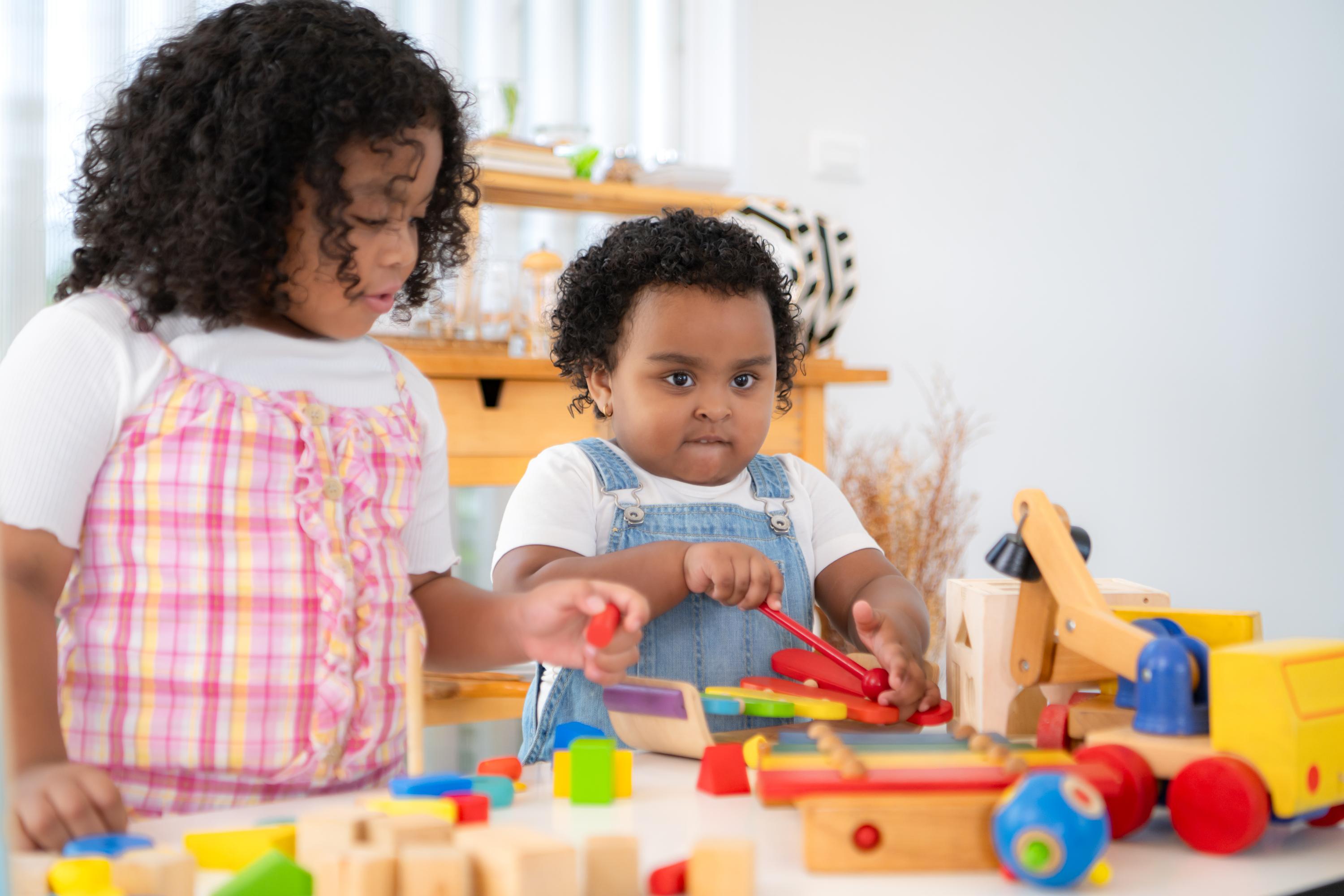
While safety is crucial, a nurturing environment equally supports your child’s growth and happiness. Let’s delve into what makes a daycare truly enriching.
Qualified, Caring Educators
Teachers play a pivotal role in your child’s development. Look for centers with qualified educators who are not only trained but also passionate about working with children. A great teacher will foster a love of learning and make each day exciting.
Consider the teacher-to-child ratio. Smaller groups allow for more individualized attention and care. Teachers should engage with children at their level, offering support while encouraging independence. This balance helps children thrive both socially and academically.
Social-Emotional Learning Focus
Social-emotional learning builds a foundation for lifelong success. It’s about helping children understand their emotions and develop empathy. Programs that emphasize this will use play and structured activities to teach these crucial skills.
Observe how children interact with each other and the staff. Positive interactions suggest a focus on social-emotional growth. Are there moments of guided play where children learn to express themselves and resolve conflicts? These are key indicators of a supportive environment.
Individualized Curriculum-Based Daycare
Every child learns differently, and a one-size-fits-all approach doesn’t work. Look for centers that offer individualized curriculum plans. These programs consider each child’s unique needs and learning pace, fostering a love for learning.
Check how the curriculum is implemented daily. Are there activities that cater to various learning styles? A well-rounded program will include arts, sciences, and physical activities, ensuring a balanced development. This tailored approach prepares children for future academic success.
Parent-Teacher Partnership
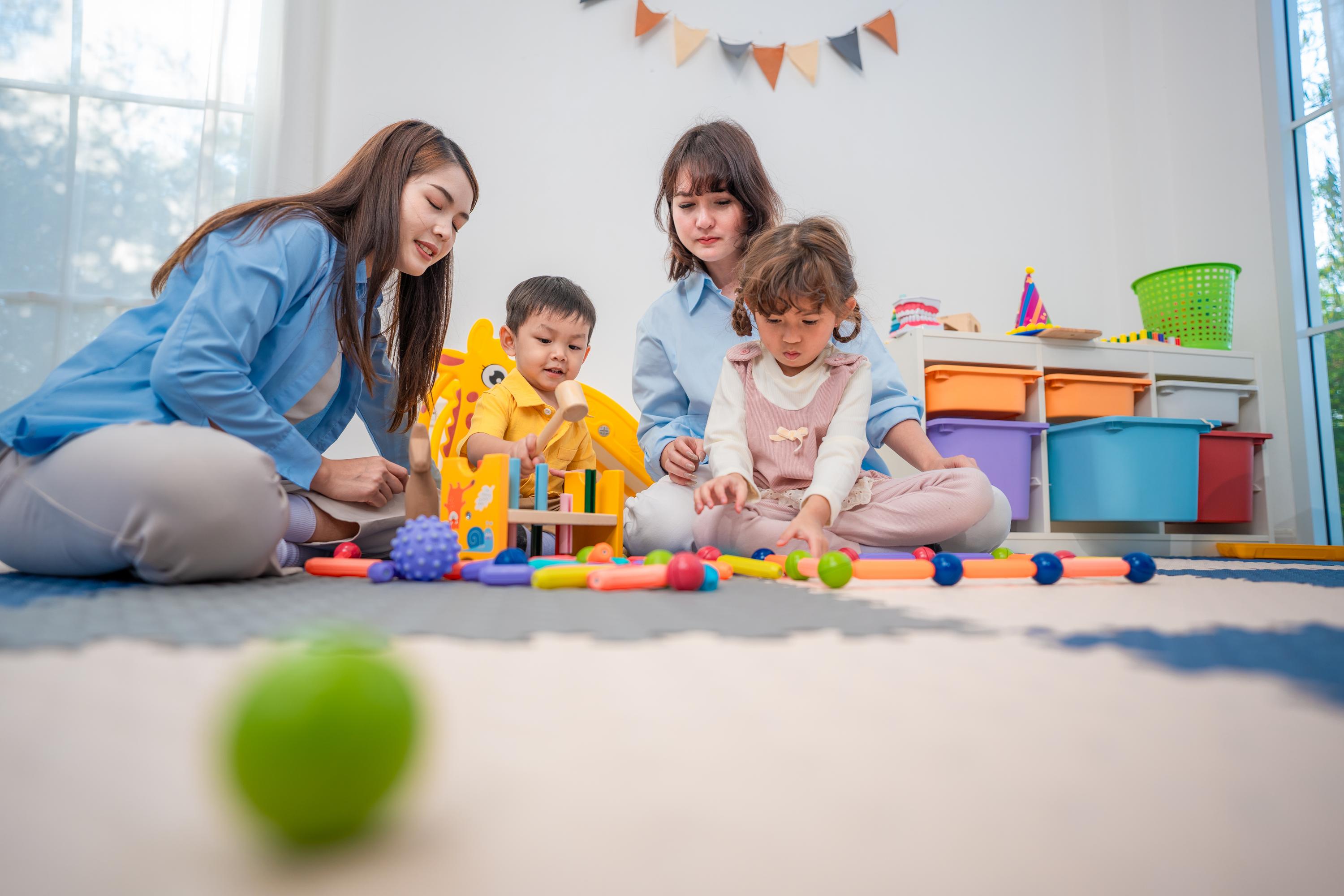
A strong partnership between parents and teachers enhances your child’s development. Let’s explore how effective communication and involvement make a difference.
Open Communication Channels
Communication is key to a successful parent-teacher partnership. Centers should offer regular updates on your child’s progress and activities. This can be through newsletters, emails, or parent-teacher meetings.
Ask how daily communication is handled. Are there opportunities for informal chats during drop-off and pick-up times? A center that prioritizes open communication fosters trust and collaboration, ensuring you feel connected to your child’s experiences.
Involvement in Preschool Programs
Your involvement enriches your child’s learning. Look for opportunities to participate in classroom activities or special events. This connection strengthens the bond between home and school, enhancing your child’s development.
Centers should welcome parent feedback and suggestions. This collaborative approach ensures that your child’s needs are met and that you feel valued as a partner in their education. A center that encourages involvement creates a supportive community for everyone.
Scheduling a Tour and Enrollment Steps
Ready to explore a center? Scheduling a tour is the first step. It allows you to see the environment firsthand and meet the staff. Tours provide an opportunity to ask questions and discuss any concerns.
Inquire about the enrollment process and any required documentation. Understanding these steps makes the transition smoother for both you and your child. A clear enrollment process reflects the center’s organization and commitment to supporting new families.
Frequently Asked Questions
What should I look for in a daycare’s security measures?
Look for locked and monitored access points, childproofed areas, and regular safety inspections to ensure a secure environment.
Why is social-emotional learning important in early childhood education?
It helps children understand emotions, develop empathy, and build relationships, laying a foundation for lifelong success.
How can I get involved in my child’s preschool program?
Participate in classroom activities or events, and offer feedback to strengthen the home-school connection and support your child’s development.
What steps should I take to enroll my child in a daycare?
Schedule a tour to see the environment, ask questions, and review the required documentation for enrollment to ensure a smooth transition.
How do I verify if a childcare center is licensed?
Check with local government resources or ask the center to provide documentation of their licensing and any additional certifications.