about
Choosing the right early childhood education is more than just finding a spot on a list. You want a place where your child feels safe, learns joyfully, and grows emotionally every day. In Haverhill, MA, and Nashua, NH, parents face many options but often struggle to balance academic readiness with emotional security. This guide will help you spot the key signs of quality care and introduce Basic Beginnings Learning and Development Center, a trusted choice that partners with families to support both learning and heart. For more insights, visit this guide.
Evaluating Early Childhood Education
Finding the best early childhood education involves more than just academics. It’s essential to look at the overall environment where your child will spend their days.
Key Factors for Learning Environment
A nurturing environment is crucial for your child’s growth. Look for centers that offer age-specific activities and safe spaces. For example, infants need areas where they can safely explore, while preschoolers benefit from rooms designed for hands-on learning. Think about the daily routine too. Does the center provide nutritious meals? At Basic Beginnings, children receive breakfast, lunch, and two snacks daily. This ensures they are well-fed and ready to learn.
Safety should be a top priority. Check that the facility has proper security measures in place. You want to feel confident that your child is in good hands. Also, consider how teachers interact with the children. Positive guidance and individualized support are key to creating a supportive atmosphere.
Importance of Social-Emotional Development
Emotional well-being is just as important as academics. A good program will help your child develop social skills and emotional intelligence. Activities should include play, storytelling, and opportunities for self-expression. For instance, projects that encourage creativity and group play can teach kids how to work together and communicate effectively.
Basic Beginnings focuses on these aspects by using a play-based curriculum. This approach helps children transition smoothly into formal schooling. Teachers are trained to support social-emotional growth, ensuring that each child feels valued and understood. Remember, the right environment sets the foundation for lifelong learning and happiness.
Understanding Program Options

Once you know what makes a great learning environment, explore the different programs available. Each stage of early childhood requires unique care and educational approaches.
Infant and Toddler Care Programs
Infant and toddler programs should focus on developmental milestones. For infants, look for centers that offer a caring environment where babies are held and spoken to regularly. Non-mobile infants may need separate spaces to explore safely. As babies grow into toddlers, they require more interactive activities. Programs should include sensory experiences and language development.
Basic Beginnings, for instance, divides their toddler program into two age groups: 15–24 months and 24–33 months. This ensures activities are developmentally appropriate. Children engage in sensory-motor experiences and language-building exercises, fostering growth in a nurturing setting.
Pre-K Readiness and Curriculum
Preparing for kindergarten involves more than learning the alphabet. A strong pre-K program will balance academic skills with social development. Look for centers that teach pre-writing, pre-reading, and basic math. Activities like role-playing and science exploration can make learning engaging and fun.
At Basic Beginnings, children engage in activities designed to build communication skills. These include storytelling, project creation, and outdoor play. Such experiences prepare children for the academic and social challenges of school. A good pre-K program will ensure your child is ready for the next big step in their education journey.
Choosing Basic Beginnings

With an understanding of what to look for, consider Basic Beginnings as a trusted option for your child’s early education.
Parent-Teacher Collaboration Benefits
Collaborating with teachers can make a significant difference in your child’s education. Basic Beginnings emphasizes partnerships with parents. Teachers work closely with you to understand your child’s unique needs and preferences. This collaboration ensures that your child receives personalized care and support.
Parents are encouraged to share insights about routines and learning styles. This open communication helps teachers provide the best possible start for your child. Remember, when parents and teachers work together, children thrive.
Flexible Childcare and Extended Hours
Balancing work and childcare can be challenging. Basic Beginnings offers flexible solutions, especially for families with non-standard work schedules. In Nashua, NH, the center is open nights and weekends, providing extended hours that accommodate diverse needs. This flexibility is particularly beneficial for federal employees and those affiliated with the FAA.
The Nashua location’s extended hours and weekend availability mean you can rely on consistent, quality care. Whether you need full-time or drop-in care, Basic Beginnings has options to suit your schedule. Choosing a center that offers this level of flexibility can reduce stress and enhance your family’s routine.
Frequently Asked Questions
What should I look for in an early childhood education center?
Look for a nurturing environment, age-specific activities, and positive teacher-child interactions. Check if the center provides nutritious meals and maintains high safety standards.
Why is social-emotional development important in preschool?
Developing social skills and emotional intelligence helps children communicate effectively and work well with others. These skills are foundational for success in school and life.
Does Basic Beginnings offer flexible childcare options?
Yes, in Nashua, NH, Basic Beginnings offers extended hours and weekend care, accommodating non-standard work schedules and providing reliable childcare solutions.
What programs does Basic Beginnings offer for infants and toddlers?
Basic Beginnings provides age-appropriate programs for infants and toddlers, focusing on milestones like sensory experiences and language development. Each age group receives tailored care to foster growth and learning.
Learn More!
Finding a safe daycare in Haverhill MA or a preschool in Nashua NH that truly fits your family’s needs can feel overwhelming. You want a place where your child feels cared for, learns at their own pace, and where communication with teachers is open and honest. This guide will walk you through key steps to assess safety, nurturing childcare, and flexible options so you can make confident choices for your child’s early childhood education. Learn more about how to support your family’s needs.
Evaluating Safety and Nurturing Culture
Understanding what makes a childcare center truly safe and nurturing is vital for your peace of mind. Let’s explore how to ensure your child thrives in a secure and supportive environment.
Assessing Safety Standards
When evaluating a daycare, safety should be your top priority. Look for centers that clearly outline their safety procedures. This includes secure entrances and regular emergency drills. It’s important that staff are trained in CPR and first aid. Check for cleanliness standards to prevent the spread of germs. A well-maintained facility ensures fewer accidents, giving you confidence in your choice. For more tips on creating safe environments, explore this resource.
Understanding Nurturing Practices
Nurturing practices are essential for your child’s development. Observe how educators interact with kids: they should be warm and attentive. Children should feel comfortable expressing themselves. Look for programs that encourage positive behavior through praise and guidance. A nurturing environment helps children develop emotionally and socially. Teachers should focus on building trust, fostering a sense of security and belonging. This is key for healthy growth and learning.
Importance of Licensed Childcare Centers
Choosing a licensed childcare center is crucial for high standards. Licensing ensures that the center meets local regulations for safety and quality. It also indicates ongoing inspections and accountability. Licensed centers follow curriculum guidelines set by educational authorities. This means your child will benefit from structured learning and play. Licensing is a mark of quality and reliability, providing assurance that your child is in good hands. Learn more about quality early learning environments [here](https## Evaluating Safety and Nurturing Culture
In your search for quality early childhood education, assessing the safety and nurturing culture of potential childcare centers is essential. This foundation supports your child’s growth and development.
Assessing Safety Standards
Safety is always a top priority. When evaluating a daycare, ensure they have strict safety protocols in place. Ask about their procedures for emergency situations, staff training, and general cleanliness. Visiting the center gives you a chance to see if they adhere to these standards daily. Look for secured entrances and exits, as well as playgrounds that are well-maintained and age-appropriate.
Understanding Nurturing Practices
A nurturing environment feels like a second home. Observe how teachers interact with children. Are they patient and attentive? Children thrive when they receive consistent affection and encouragement. Ask about the daily routines that support emotional well-being, like storytime and play sessions. These practices help build strong, trusting relationships between children and caregivers.
Importance of Licensed Childcare Centers
Choosing a licensed childcare center provides added reassurance. Licensing shows the center meets state regulations for health, safety, and staff qualifications. It often indicates a commitment to quality. You can verify a center’s license status through local government websites. This step ensures you’re selecting a facility that prioritizes its students’ well-being.
Curriculum Quality and Communication

A high-quality curriculum and strong communication are vital in early childhood education. They foster learning and build a supportive community around your child.
Evaluating Curriculum for Growth
A solid curriculum supports your child’s cognitive and social development. Look for programs emphasizing play-based learning, exploration, and creativity. This approach aligns with fostering school readiness. Inquire about activities that nurture curiosity and problem-solving skills. A well-rounded curriculum opens doors for your child to grow holistically.
Ensuring Strong Parent-Teacher Partnerships
Strong partnerships with teachers enhance your child’s educational experience. Open communication channels are key. Regular updates about your child’s progress help you stay informed and engaged. Ask about opportunities for parent involvement in the classroom or through events. A collaborative approach makes a significant difference in your child’s learning journey.
Effective Communication Practices
Effective communication between parents and teachers creates a supportive network. Centers should offer multiple ways to connect, such as newsletters, parent-teacher conferences, or digital apps. These tools keep you updated on activities and milestones. Frequent communication ensures you’re always in the loop regarding your child’s development.
Flexibility and Convenience in Scheduling

Flexible scheduling can make a big difference for busy families. It allows you to balance work commitments without compromising your child’s care.
Exploring Flexible Childcare Solutions
Flexible childcare solutions cater to modern family dynamics. Look for centers offering varied drop-off and pick-up times. Some facilities provide part-time or drop-in care for added convenience. This flexibility helps accommodate your work schedule while ensuring consistent care for your child.
Benefits of Extended Hours Daycare
Extended hours daycare can be invaluable for parents with demanding jobs. Some centers stay open late or offer weekend hours, providing more options to fit your needs. This availability reduces stress and ensures your child receives the care they need even outside typical business hours. It’s a game-changer for federal employees or those with non-traditional work hours.
Navigating Enrollment and Tours
Understanding the enrollment process is crucial. Start by scheduling a tour to see the environment firsthand. Ask about any waiting lists and required documentation. Tours provide an opportunity to meet the staff and see classrooms in action. A clear understanding of enrollment steps ensures a smooth transition for your child.
Frequently Asked Questions
How can I assess the safety of a daycare center?
Visit the center and observe their safety protocols, including staff training and emergency procedures. Check for secure entrances and well-maintained playgrounds.
What are the benefits of a licensed childcare center?
Licensed centers meet state regulations for health and safety, ensuring a commitment to quality care and education for your child.
How important is a parent-teacher partnership?
Strong partnerships enhance your child’s learning experience. Regular communication and involvement opportunities foster a supportive community.
What should I look for in a childcare curriculum?
Seek a curriculum that emphasizes play-based learning, exploration, and creativity, promoting cognitive and social development.
Why choose a daycare with extended hours?
Extended hours provide flexibility for working parents, ensuring consistent care even outside traditional business hours.
Learn More!
Choosing the right child care center in Haverhill can feel overwhelming when you want a place that supports both learning and emotional security. You want more than just supervision—you want a safe nurturing environment where your child can grow with positive guidance and strong social-emotional learning. In this guide, you’ll find clear ways to spot quality preschool programs that truly partner with you and meet your family’s needs. For a deeper understanding, check out this resource.
Evaluating Child Care Centers
When evaluating child care centers, it’s essential to focus on both the learning environment and emotional safety. This ensures your child not only learns but also feels secure.
Learning Environment and Curriculum
A top-notch learning environment offers more than just toys and games. Programs should be designed to engage children in activities that encourage curiosity and development. Look for centers that incorporate play-based learning, allowing children to explore and discover new concepts. Programs should align with state standards to ensure your child is on track for school readiness. Ask about daily schedules and how they include activities like storytelling, art, and early math or science concepts.
Emotional Security in Childcare
Emotional security is critical for your child’s well-being. A center that prioritizes emotional safety will have a warm, welcoming atmosphere and staff trained to support children’s social-emotional development. Look for teachers who practice positive guidance and build strong, trusting relationships with the children. Centers should also have clear policies for managing behavior in a way that respects each child’s emotions and individuality. For more on this, visit Promoting Social and Emotional Health.
Teacher-Child Ratio Importance
The ratio of teachers to children is a key factor in quality childcare. Lower ratios mean more individual attention for each child, which is crucial for both learning and emotional development. Ensure the center adheres to recommended ratios for your child’s age group. This ensures that teachers can engage with each child, providing personalized support and fostering a nurturing environment.
Key Features of Quality Centers

A quality child care center will stand out through its safe environment, strong parent-teacher partnerships, and flexible hours.
Safe Nurturing Environment
Safety goes beyond physical aspects; it’s about creating a nurturing atmosphere where children can thrive. Centers should have safety protocols in place and maintain clean, child-friendly facilities. Teachers should be trained in first aid and emergency procedures. An environment where children feel safe allows them to take risks and explore without fear, crucial for their development.
Parent-Teacher Partnership
A successful child care experience involves collaboration between parents and teachers. Look for centers that encourage regular communication and welcome parental input on routines and learning goals. This partnership ensures that your child’s needs are met and that you’re informed about their progress and any concerns. Visit this article for insights on building strong connections.
Flexible Childcare Hours
Flexibility in hours can be a lifesaver for working parents. Some centers offer extended hours or weekend care, which can accommodate non-traditional work schedules. This flexibility ensures you can balance work and family life without compromising on quality child care. Centers like Basic Beginnings, with locations in Haverhill, MA and Nashua, NH, provide such options, making them a preferred choice for many families.
Specialized Programs and Benefits

Quality centers offer specialized programs that cater to different needs and provide additional benefits.
FAA Childcare Benefits
For families involved with the FAA, certain centers offer tailored benefits. These may include priority placement and discounts, making quality child care more accessible. Flexible care options ensure that even those with demanding schedules receive the support they need.
Infant Care Haverhill
Infant care requires a focus on individual needs and developmental milestones. Centers in Haverhill offer programs that cater to infants by providing nurturing care and activities that promote growth. These programs often include sensory experiences, language development, and physical activities suited for non-mobile and mobile infants.
Pre-K Programs Nashua
Pre-K programs in Nashua focus on preparing children for kindergarten through structured play and learning. They cover key areas such as pre-writing, pre-reading, and basic math. These programs are designed to align with state standards, ensuring your child is ready for the next step in their educational journey.
Frequently Asked Questions
What should I look for when choosing a child care center?
Look for a center with a balanced focus on learning and emotional security. Ensure they have a safe environment, qualified staff, and a curriculum that promotes development.
How important is the teacher-child ratio in childcare?
It’s crucial. A lower ratio means more attention for each child, enhancing both learning and emotional support.
Are there benefits for FAA employees in childcare?
Yes, some centers offer benefits like priority placement and flexible hours for FAA employees, making childcare more manageable.
What does a quality learning environment for young children look like?
It includes structured play, a curriculum aligned with educational standards, and activities that promote creativity and exploration.
How can I ensure my child will feel emotionally secure at a childcare center?
Choose a center that emphasizes positive guidance, has a warm atmosphere, and maintains open communication with parents.
Learn More!
Safe and healthy classrooms do more than protect your child—they set the stage for their brain growth, social skills, and readiness for school. When you choose licensed childcare in Haverhill, MA or Nashua, NH, you want to know that daycare safety standards and preschool health and safety practices support your child’s whole development. At Basic Beginnings, our secure entry childcare, low teacher-child ratios, and cleaning protocols create a nurturing space where your child can thrive. Keep reading to see how these elements come together to build a strong foundation for early childhood development. Learn more about the importance of early childhood education here. 😊
Importance of Safe, Healthy Classrooms
Safe, healthy classrooms are crucial for nurturing early childhood development. They provide an environment where children can feel secure, allowing for optimal brain growth and the building of essential skills.
Brain Growth and Development
In a secure environment, your child’s brain is primed for growth. During early years, the brain forms connections rapidly. A supportive setting enhances this process. Studies show that nurturing environments can boost cognitive functions. At Basic Beginnings, we prioritize such settings to stimulate your child’s brain.
Children experience numerous stimuli daily. Encouraging curiosity and exploration aids in brain development. Activities are crafted to engage your child’s senses, fostering neural connections. This approach ensures their cognitive potential is fully realized.
Regular interactions with peers and teachers further support brain development. Through play and structured activities, children learn problem-solving and critical-thinking skills. These interactions form the bedrock for lifelong learning.
Social-Emotional Skills Building
Social-emotional skills are vital for your child’s development. They form the basis for relationships and self-awareness. In our programs, children learn to express feelings and empathize with others.
At Basic Beginnings, we use play to teach these skills. Role-play and group activities allow children to interact and learn empathy. They become adept at understanding their emotions and those of others, leading to better social interactions.
Emotional security is a key focus. Children feel safe to express themselves, knowing they are valued. This security helps them form positive relationships with peers and adults, a critical aspect of social development.
Preparing for School Readiness
Preparing your child for school involves developing various skills. This includes literacy, numeracy, and social abilities. Our programs at Basic Beginnings are designed to cover these areas comprehensively.
Children engage in activities that promote literacy and numeracy. From storytime to counting games, they learn foundational skills for academic success. These skills are crucial for a seamless transition to formal schooling.
Our focus on school readiness also includes social skills. Children learn to cooperate, share, and follow instructions. These abilities are essential for thriving in a school setting. By fostering these skills, we ensure your child is prepared for their educational journey.
How Basic Beginnings Ensures Safety

Ensuring safety in childcare is paramount. At Basic Beginnings, our measures are designed to create a safe and nurturing environment for your child.
Daycare Safety Standards
Our daycare safety standards are rigorous. We adhere to state regulations to ensure a safe environment. Regular inspections and staff training are part of our commitment to safety.
The safety of your child is our top priority. We have protocols in place for various scenarios. This includes emergency drills and secure entry systems. These measures ensure your child’s safety at all times.
By maintaining high safety standards, we provide peace of mind. You can be confident that your child is in a secure environment, allowing them to learn and grow without worry.
Cleaning and Sanitation Protocols
Cleanliness is essential for a healthy childcare environment. Our cleaning and sanitation protocols ensure that spaces are hygienic and safe for children.
Daily cleaning schedules are followed rigorously. High-touch surfaces are sanitized frequently to prevent the spread of germs. This attention to cleanliness minimizes the risk of illness, keeping your child healthy.
Our commitment to hygiene extends to all areas, including play equipment and classrooms. By maintaining a clean environment, we create a foundation for your child’s health and well-being.
Low Teacher-Child Ratios and Secure Entry
A low teacher-child ratio ensures personalized attention. At Basic Beginnings, we maintain small class sizes to provide individual support. This allows for tailored learning experiences for your child.
Secure entry systems are another layer of safety. Only authorized individuals can access the facility, ensuring your child’s security. This controlled access gives you confidence in your child’s safety.
Together, these measures create an atmosphere where children can thrive. They receive the attention they need while parents enjoy peace of mind knowing their child is in a safe environment.
Encouraging Parent-Teacher Partnerships
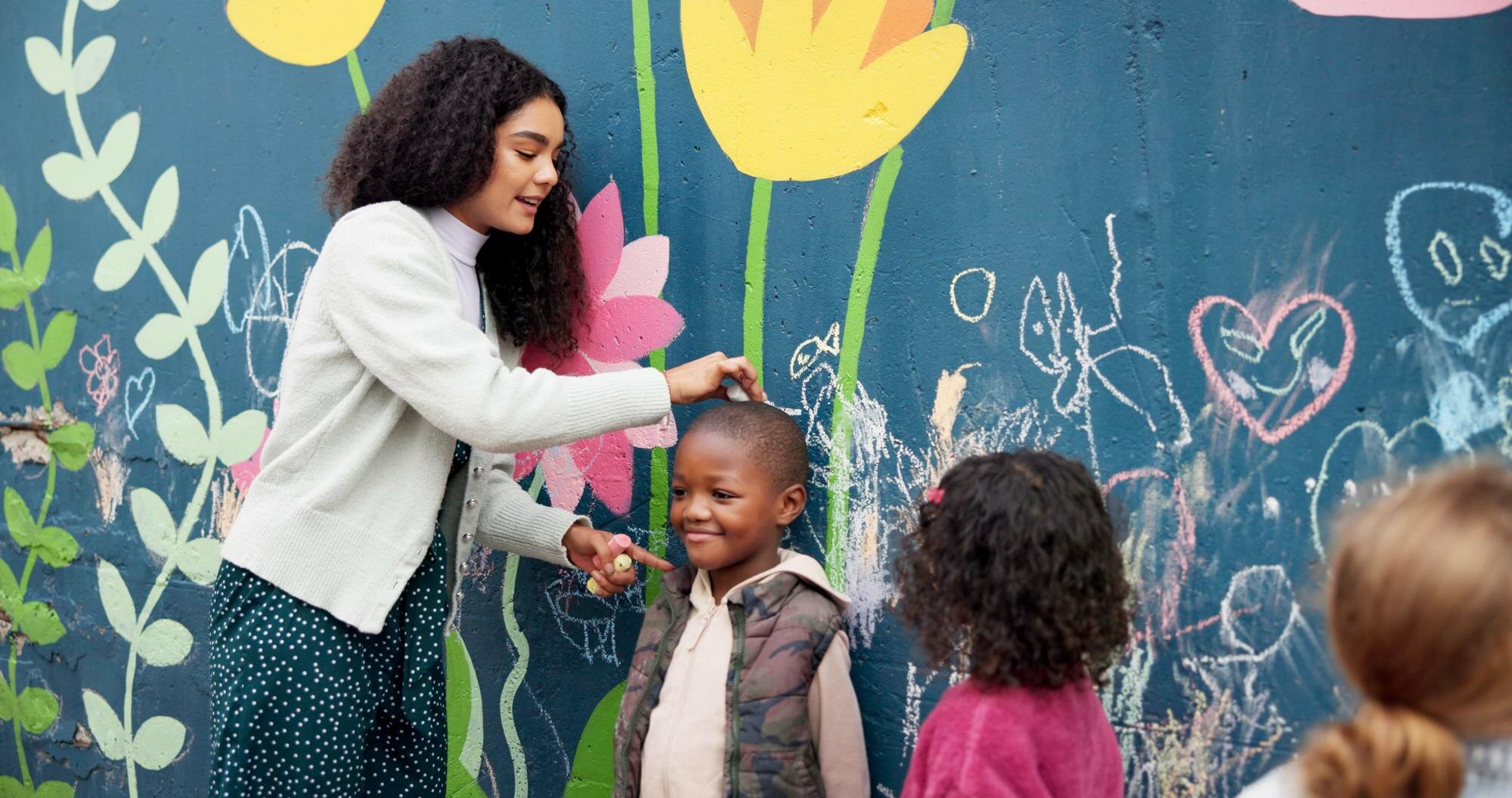
Parent-teacher partnerships are vital for your child’s development. At Basic Beginnings, we foster these relationships to support your child’s growth.
Individualized Learning Plans
Each child is unique, and so is their learning journey. Our individualized learning plans cater to your child’s specific needs and abilities. These plans are customized to support their development.
Regular assessments help track progress. Parents are involved in the planning process, ensuring alignment between home and school. This collaboration enhances your child’s learning experience.
By working together, we can better support your child’s growth. Understanding their needs allows us to provide the right guidance and encouragement.
Positive Guidance Approach
Positive guidance is central to our teaching philosophy. We focus on encouraging positive behaviors through reinforcement rather than punishment.
Children are guided to make good choices. This approach builds self-discipline and responsibility. It also fosters a positive learning environment where children feel valued and respected.
With positive guidance, children learn to manage their emotions and behavior. This prepares them for future interactions, both in and outside of school.
Community Engagement and Tours
Community engagement is important to us. We believe in building strong connections with families. Regular tours and events foster this engagement, creating a sense of community.
Families are encouraged to participate in school activities. This involvement strengthens relationships between parents, teachers, and children. It also provides insights into your child’s learning environment.
Through community engagement, we build a supportive network. This network enhances the learning experience and creates a welcoming atmosphere for all families.
🌟👶🏫
Frequently Asked Questions
Why is a safe classroom important for early childhood development?
A safe classroom provides a secure environment where children can focus on learning and development without distractions or fear. It supports brain growth, social-emotional skill building, and prepares children for school readiness.
How does Basic Beginnings ensure safety in their daycare centers?
Basic Beginnings implements rigorous daycare safety standards, including secure entry systems, regular inspections, and staff training. These measures ensure children are in a safe, nurturing environment at all times.
What role do parents play in their child’s education at Basic Beginnings?
Parents are essential partners in their child’s education at Basic Beginnings. Through individualized learning plans and regular communication, parents collaborate with teachers to support their child’s unique learning journey.
Learn More!
Many families feel unsure about what truly prepares children for kindergarten. You want a pre-K program that goes beyond basics and builds confidence in social, emotional, and academic skills. At Basic Beginnings, our pre-K Haverhill MA and pre-K Nashua NH classrooms focus on school readiness through play-based learning and strong parent-teacher partnerships. Keep reading to learn what to look for when choosing a quality pre-K program for your child.
Core Elements of School Readiness
Understanding the core elements of school readiness can guide you in selecting the right pre-K program for your child. Let’s explore the key areas that contribute to a child’s readiness for kindergarten.
Social-Emotional Learning in Preschool
Social-emotional learning is crucial in a child’s early years. It helps children understand their own emotions and how to interact with others. In preschool, your child will engage in activities that teach empathy and cooperation. This builds a foundation of trust and communication, important skills for school and life.
Children also learn through role-playing and group activities. This experience helps them manage emotions and builds friendships. At Basic Beginnings, we emphasize social-emotional learning as a core part of our curriculum, ensuring your child is prepared to face new challenges.
Building Early Literacy and Math Skills
Literacy and math skills are integral to school success. In pre-K, children engage in fun activities that introduce them to letters, sounds, numbers, and counting. Storytime and interactive games make learning engaging and effective, sparking a love for reading and problem-solving.
By focusing on early literacy and math, your child gains confidence in their abilities. This sets the groundwork for reading fluency and mathematical understanding, crucial for kindergarten readiness.
Science and Motor Development Activities
Exploring science helps children understand the world around them. Preschool science activities include simple experiments and nature exploration. These activities build curiosity and critical thinking.
Motor development is equally important. Activities like playground time or arts and crafts develop fine and gross motor skills. At Basic Beginnings, we incorporate these elements into daily routines, ensuring balanced growth for your child.
Choosing the Right Pre-K Program

Choosing a pre-K program is an important decision. The right program will nurture your child’s development and prepare them for future academic success.
Importance of Play-Based Learning
Play-based learning is a key feature of effective pre-K programs. Through play, children learn creativity and problem-solving. This approach makes learning enjoyable and impactful. It encourages children to explore and learn at their own pace.
Play-based environments foster a love for learning. At Basic Beginnings, we believe in the power of play to develop cognitive and social skills, setting the stage for lifelong learning.
Parent-Teacher Partnership Benefits
A strong parent-teacher partnership enhances your child’s pre-K experience. Open communication ensures that teachers understand your child’s needs and progress. This collaboration supports personalized learning plans tailored to each child.
When parents and teachers work together, children feel supported and secure. This partnership is a cornerstone of Basic Beginnings, where we prioritize family involvement in our educational community.
Understanding Preschool Standards
Preschool standards guide curriculum development and teaching methods. Familiarize yourself with local standards to ensure your chosen program meets educational benchmarks. Basic Beginnings adheres to both Massachusetts and New Hampshire preschool standards, ensuring top-quality education.
These standards ensure that your child receives a comprehensive education that fosters growth in all areas of development.
Basic Beginnings’ Pre-K Offerings

Basic Beginnings offers a nurturing environment that supports your child’s growth. Our programs are designed to cater to various needs and schedules, ensuring both children and parents are supported.
Pre-K in Haverhill, MA and Nashua, NH
Located conveniently in Haverhill, MA and Nashua, NH, Basic Beginnings provides a quality pre-K experience in both locations. Our programs focus on individualized learning, ensuring each child’s unique needs are met. With a strong emphasis on school readiness, we prepare children for the next step in their educational journey.
Flexible Scheduling and Childcare Options
We understand the need for flexibility in childcare. Basic Beginnings offers extended hours and weekend care in Nashua, NH, accommodating diverse schedules. Our flexible options ensure that your childcare needs are met without compromising on quality.
Enrolling Your Child at Basic Beginnings
Ready to enroll your child? At Basic Beginnings, we offer a simple enrollment process. By choosing us, you are ensuring your child receives a high-quality pre-K education. Contact us to learn more about enrollment and take the first step towards preparing your child for school success.
Learn More!
Choosing a Daycare That Builds School Readiness and Emotional Strength: A Parent’s Checklist
Choosing the right daycare in Haverhill, MA or Nashua, NH means more than just finding a safe spot for your child. You want a place that prepares them for school while supporting their emotional growth. This checklist helps you see what matters most in early childhood education, so your child can thrive in a play-based curriculum with caring teachers and a strong parent partnership. Keep reading to learn what to look for—and why Basic Beginnings checks every box. Learn more.
Evaluating Daycare Centers

Identifying the ideal daycare can feel daunting, yet it’s crucial for your child’s growth. The right center not only nurtures school readiness but also supports emotional development. Let’s explore what factors to consider.
Key Factors for School Readiness
Choosing a center that lays a solid educational foundation is key. Look for programs that focus on cognitive and social skills. A strong preschool curriculum prepares kids for kindergarten by teaching basic math, literacy, and problem-solving skills.
Check to see if centers align with state preschool standards. This ensures a structured learning environment. Facilities with a proven record of success in fostering school readiness often showcase these credentials. Also, ask about teacher qualifications. Educators trained in early childhood education can better tailor lessons to young learners’ needs.
It’s also vital that the daycare encourages curiosity. Children should have the freedom to explore and ask questions. This kind of environment stimulates a love for learning, which is essential for academic success.
Assessing Emotional Development Support
Emotional growth is equally crucial. A supportive daycare provides an environment where children feel safe and valued. Teachers play a big role here. They should be attentive and responsive, helping kids navigate emotions.
Look for centers that incorporate social-emotional learning (SEL) into daily activities. SEL teaches kids how to manage emotions and build relationships. This makes them more resilient and empathetic. One study highlighted that SEL in early childhood can lead to fewer behavioral problems later on.
Observe how staff interact with children. Warmth and patience are signs of a nurturing environment. A good daycare promotes positive interactions, teaching kids empathy and cooperation. These skills are foundational for lifelong emotional health.
Understanding Curriculum and Programs
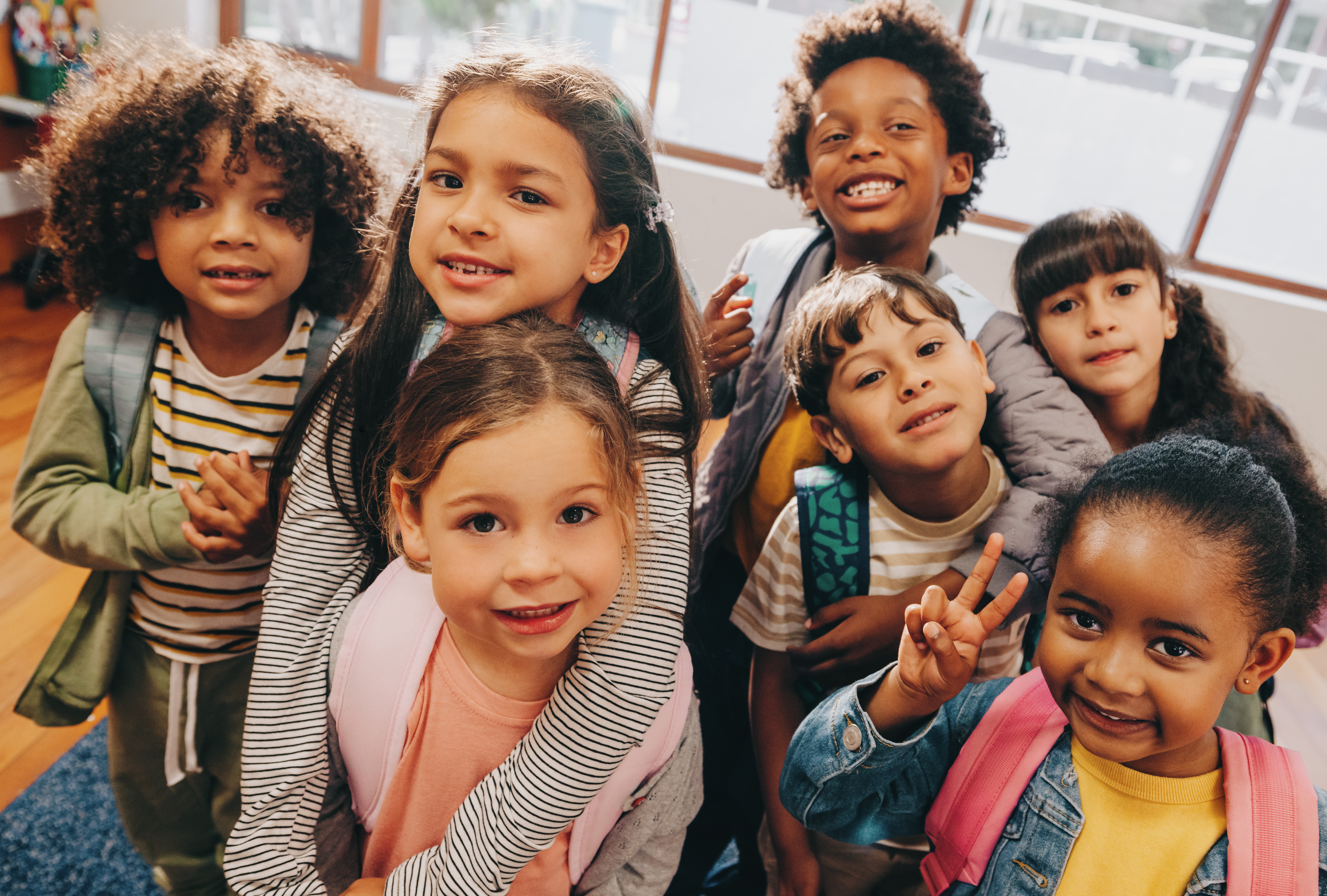
A holistic approach to early education goes beyond academics. Programs should cater to all facets of a child’s development. Let’s delve into the types of curricula that support this growth.
Importance of Play-Based Learning
Play is a powerful learning tool. It might seem like just fun, but it’s integral to development. Through play, children learn social skills and critical thinking. It encourages creativity and helps them understand the world.
A play-based curriculum engages children and makes learning enjoyable. Teachers guide play to include educational elements. This method helps kids retain information better. For instance, building blocks can teach math concepts like counting and geometry.
Quality centers understand play’s importance. They provide varied activities that stimulate both the mind and body. Look for programs that balance structured learning with ample playtime. These environments foster well-rounded development.
Benefits of Individualized Learning Plans
Every child is unique, and their learning plan should reflect that. Individualized plans cater to a child’s strengths and address areas needing improvement. This tailored approach maximizes potential and builds confidence.
Ask if the daycare uses personalized learning strategies. Centers that craft individualized plans often assess each child’s progress regularly. This ensures they meet developmental milestones.
Personalized plans also involve parents. You’ll receive updates and can contribute insights about your child’s needs. This collaboration supports consistent learning both at home and in the center.
Parent-Teacher Partnerships
Strong partnerships between parents and teachers amplify a child’s growth. Let’s explore how collaboration benefits your family and the center.
Building Strong Communication Channels
Communication is the cornerstone of successful partnerships. Regular updates from teachers keep you informed about your child’s development. This allows you to address any concerns promptly.
Quality centers use various communication methods. From newsletters to digital platforms, they ensure you’re part of the learning journey. Open lines foster trust and reinforce the team effort in nurturing your child’s growth.
Frequent feedback sessions are also valuable. They offer a chance to discuss progress and set goals. This proactive approach ensures your child’s needs are always at the forefront.
Involving Parents in Child’s Development
Involving parents in educational activities strengthens the learning experience. Some centers invite parents to participate in class projects or volunteer events. This involvement shows your child that education is a shared priority.
Look for daycare centers that encourage parental involvement. A study revealed that active parental participation can enhance a child’s academic achievement and social skills. Being part of your child’s education journey creates a supportive network.
These partnerships also help you understand teaching methods. You can reinforce lessons at home, providing a consistent learning environment. This collaboration lays a strong foundation for your child’s future successes.
Choosing the right daycare involves more than just facilities or location. It’s about finding a place that nurtures both academic and emotional growth. With these insights, you’re better equipped to make an informed decision. Your child deserves a nurturing start, and with the right daycare, they’ll be set for a bright future.
Learn More!