about
Safe nurturing childcare isn’t just about keeping your child safe—it lays the groundwork for their social and emotional development. When children feel secure and supported, they build the skills that shape their future relationships and confidence. At Basic Beginnings, we combine positive guidance with individualized learning to create that foundation, welcoming families in Haverhill, MA, and Nashua, NH. Schedule a tour today to see how your child can thrive in a secure childcare center designed for their growth. Learn more about nurturing emotional security in full-time child care.
Building a Safe, Nurturing Environment
Creating a safe and nurturing environment is essential for early childhood education. It ensures that children feel secure and supported, which is critical for their development. Let’s explore how safety and nurturing spaces contribute to this growth.
Importance of Safety in Childcare
Safety in childcare is crucial for peace of mind. When children are safe, they can explore and learn freely. At Basic Beginnings, we prioritize safety through secure facilities and attentive staff. Our centers are designed to protect your child while fostering their curiosity.
Having a secure environment allows children to focus on learning. It reduces distractions and potential stressors, enabling them to engage fully in activities. This safety-first approach sets the stage for healthy development, both socially and emotionally.
Nurturing Spaces for Emotional Growth
Emotional growth in early childhood is nurtured through supportive environments. At Basic Beginnings, we create spaces where children feel valued and heard. Our staff is trained to support emotional development through positive interactions.
We emphasize building relationships that encourage trust and confidence. Children thrive when they know they are cared for and respected. This nurturing atmosphere helps them develop critical social skills, laying a foundation for future success.
Secure Childcare Centers: Key Features
Key features of secure childcare centers include robust safety measures and nurturing practices. At Basic Beginnings, our facilities are equipped with advanced security systems. Our staff is trained in emergency protocols to ensure your child’s safety.
We also focus on creating a warm and welcoming environment. Our classrooms are designed to support emotional and social growth, with spaces that encourage play and learning. These elements combine to provide a secure, nurturing environment for every child.
Positive Guidance and Individualized Learning

Positive guidance and individualized learning are essential components of our educational approach. They help children develop social skills and a love for learning. Let’s delve into how they benefit your child’s growth.
Benefits of Positive Guidance
Positive guidance fosters a supportive atmosphere where children can thrive. At Basic Beginnings, our educators use positive reinforcement to encourage desired behaviors. This approach builds self-esteem and promotes a positive learning environment.
Children learn better when they feel understood and supported. Positive guidance helps them develop self-discipline and emotional regulation. These skills are essential for navigating social interactions and achieving academic success.
Tailored Learning for Preschoolers
Each child learns differently, and individualized learning respects these differences. At Basic Beginnings, we tailor our curriculum to meet the unique needs of each preschooler. This personalized approach enhances learning outcomes.
By focusing on individual strengths and interests, we keep children engaged and motivated. Customized learning activities help them progress at their own pace, ensuring they reach their full potential. This approach fosters a lifelong love of learning.
Parent-Teacher Partnerships: Building Trust
Building trust between parents and teachers is key to a child’s success. At Basic Beginnings, we value open communication and collaboration with families. This partnership supports your child’s development and well-being.
Regular updates and meetings ensure that parents are informed and involved. We encourage feedback and suggestions to create a supportive learning environment. Together, we can provide the best possible care and education for your child.
Flexible Enrollment Options and Tours

Flexible enrollment options and tours make it easier for families to find the right childcare fit. Let’s explore how Basic Beginnings supports families with varied needs and schedules.
Explore Our Childcare Centers
Touring our childcare centers gives you a firsthand look at our nurturing environment. At Basic Beginnings, we invite you to see how we support your child’s growth. Schedule a tour today and discover the benefits of our programs.
During your visit, you’ll meet our dedicated staff and see our engaging classrooms. We are committed to providing a secure and stimulating environment for every child. Let us show you how we can support your family’s needs.
Flexible Care for Federal Employees
For federal employees, flexible childcare is essential. Our partnership with the FAA allows us to offer tailored options that accommodate diverse schedules. At The Launching Pad in Nashua, NH, we provide extended hours and weekend care.
These flexible options ensure that your childcare needs are met, even with demanding work schedules. We are dedicated to supporting federal families with quality care and educational programs.
Enroll Today: Secure Your Child’s Spot
Enrolling your child at Basic Beginnings is the first step toward a bright future. Our programs provide the foundation for lifelong learning and development. Secure your child’s spot today and give them the best start possible.
Don’t wait to invest in your child’s education and well-being. Contact us to learn more about our programs and enrollment options. Let’s work together to support your child’s growth and success.
Learn More!
Choosing a Daycare That Builds School Readiness and Emotional Strength: A Parent’s Checklist
Choosing the right daycare in Haverhill, MA or Nashua, NH means more than just finding a safe spot for your child. You want a place that prepares them for school while supporting their emotional growth. This checklist helps you see what matters most in early childhood education, so your child can thrive in a play-based curriculum with caring teachers and a strong parent partnership. Keep reading to learn what to look for—and why Basic Beginnings checks every box. Learn more.
Evaluating Daycare Centers

Identifying the ideal daycare can feel daunting, yet it’s crucial for your child’s growth. The right center not only nurtures school readiness but also supports emotional development. Let’s explore what factors to consider.
Key Factors for School Readiness
Choosing a center that lays a solid educational foundation is key. Look for programs that focus on cognitive and social skills. A strong preschool curriculum prepares kids for kindergarten by teaching basic math, literacy, and problem-solving skills.
Check to see if centers align with state preschool standards. This ensures a structured learning environment. Facilities with a proven record of success in fostering school readiness often showcase these credentials. Also, ask about teacher qualifications. Educators trained in early childhood education can better tailor lessons to young learners’ needs.
It’s also vital that the daycare encourages curiosity. Children should have the freedom to explore and ask questions. This kind of environment stimulates a love for learning, which is essential for academic success.
Assessing Emotional Development Support
Emotional growth is equally crucial. A supportive daycare provides an environment where children feel safe and valued. Teachers play a big role here. They should be attentive and responsive, helping kids navigate emotions.
Look for centers that incorporate social-emotional learning (SEL) into daily activities. SEL teaches kids how to manage emotions and build relationships. This makes them more resilient and empathetic. One study highlighted that SEL in early childhood can lead to fewer behavioral problems later on.
Observe how staff interact with children. Warmth and patience are signs of a nurturing environment. A good daycare promotes positive interactions, teaching kids empathy and cooperation. These skills are foundational for lifelong emotional health.
Understanding Curriculum and Programs

A holistic approach to early education goes beyond academics. Programs should cater to all facets of a child’s development. Let’s delve into the types of curricula that support this growth.
Importance of Play-Based Learning
Play is a powerful learning tool. It might seem like just fun, but it’s integral to development. Through play, children learn social skills and critical thinking. It encourages creativity and helps them understand the world.
A play-based curriculum engages children and makes learning enjoyable. Teachers guide play to include educational elements. This method helps kids retain information better. For instance, building blocks can teach math concepts like counting and geometry.
Quality centers understand play’s importance. They provide varied activities that stimulate both the mind and body. Look for programs that balance structured learning with ample playtime. These environments foster well-rounded development.
Benefits of Individualized Learning Plans
Every child is unique, and their learning plan should reflect that. Individualized plans cater to a child’s strengths and address areas needing improvement. This tailored approach maximizes potential and builds confidence.
Ask if the daycare uses personalized learning strategies. Centers that craft individualized plans often assess each child’s progress regularly. This ensures they meet developmental milestones.
Personalized plans also involve parents. You’ll receive updates and can contribute insights about your child’s needs. This collaboration supports consistent learning both at home and in the center.
Parent-Teacher Partnerships
Strong partnerships between parents and teachers amplify a child’s growth. Let’s explore how collaboration benefits your family and the center.
Building Strong Communication Channels
Communication is the cornerstone of successful partnerships. Regular updates from teachers keep you informed about your child’s development. This allows you to address any concerns promptly.
Quality centers use various communication methods. From newsletters to digital platforms, they ensure you’re part of the learning journey. Open lines foster trust and reinforce the team effort in nurturing your child’s growth.
Frequent feedback sessions are also valuable. They offer a chance to discuss progress and set goals. This proactive approach ensures your child’s needs are always at the forefront.
Involving Parents in Child’s Development
Involving parents in educational activities strengthens the learning experience. Some centers invite parents to participate in class projects or volunteer events. This involvement shows your child that education is a shared priority.
Look for daycare centers that encourage parental involvement. A study revealed that active parental participation can enhance a child’s academic achievement and social skills. Being part of your child’s education journey creates a supportive network.
These partnerships also help you understand teaching methods. You can reinforce lessons at home, providing a consistent learning environment. This collaboration lays a strong foundation for your child’s future successes.
Choosing the right daycare involves more than just facilities or location. It’s about finding a place that nurtures both academic and emotional growth. With these insights, you’re better equipped to make an informed decision. Your child deserves a nurturing start, and with the right daycare, they’ll be set for a bright future.
Learn More!
Growing Together: How Parent-Teacher Collaboration Nurtures Social and Emotional Skills in Early Childhood
Parent-teacher partnership is more than just meetings and updates—it shapes how your child learns to connect and express feelings. When home and school work side by side, children build stronger social and emotional skills that last a lifetime. At Basic Beginnings, we focus on this connection to support your child’s growth every day. Keep reading to see how our approach in early childhood education in Haverhill, MA, and Nashua, NH can make a real difference for your family. For more insights on the importance of these partnerships, check this resource.
Parent-Teacher Partnership Benefits
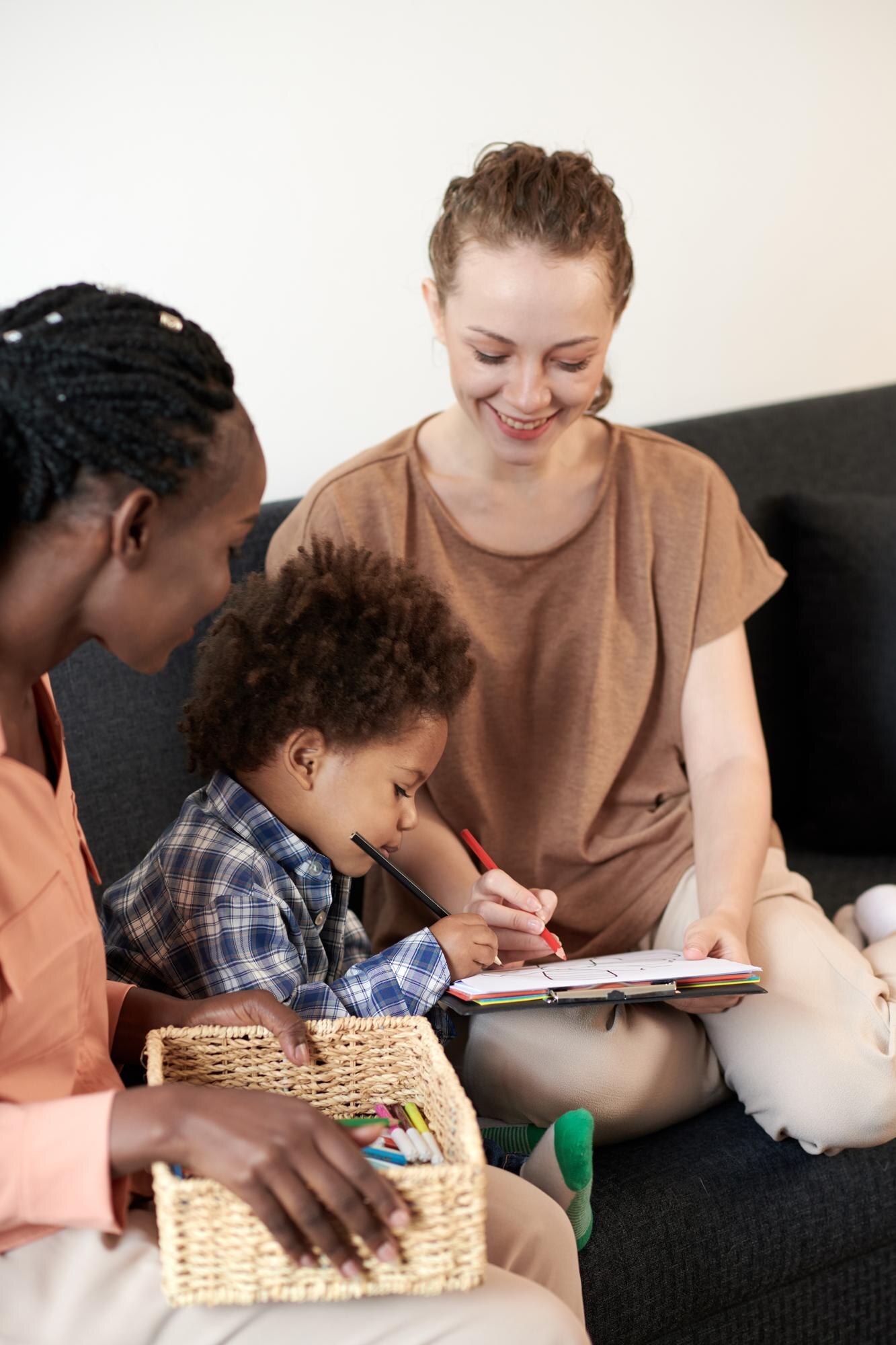
When schools and families join forces, children thrive in ways you might not expect. This collaboration lays a solid foundation that supports kids in developing crucial life skills.
Building Blocks of Social Skills
Have you ever wondered how your child learns to play and share? It starts with social skills that are nurtured both at home and in school. Parents and teachers work together to create environments that encourage these interactions.
Imagine your child in a classroom setting where they learn to play cooperatively in groups. This teaches them to share and wait their turn. At home, you can reinforce these lessons by playing games that require sharing and taking turns. This consistent approach between home and school helps your child build a strong social foundation.
Teachers play a vital role by modeling positive behavior, while parents can follow through with similar practices at home. This partnership ensures children receive consistent messages about how to interact with others. The result? A confident child who navigates social situations with ease.
Emotional Development Through Collaboration
Your child’s emotional growth is just as important as their social skills. Early childhood education focuses on helping children identify and express their feelings in healthy ways. Teachers introduce activities that encourage kids to talk about their emotions. Parents can extend this learning by having open conversations at home.
For instance, if your child learns about feelings through storytelling at school, you can continue the discussion by reading similar books together at home. This reinforces the idea that expressing emotions is normal and healthy.
A study shows that children who receive support from both teachers and parents tend to manage their emotions better. This collaboration builds emotional resilience, preparing them for life’s ups and downs.
Strategies for Family Engagement
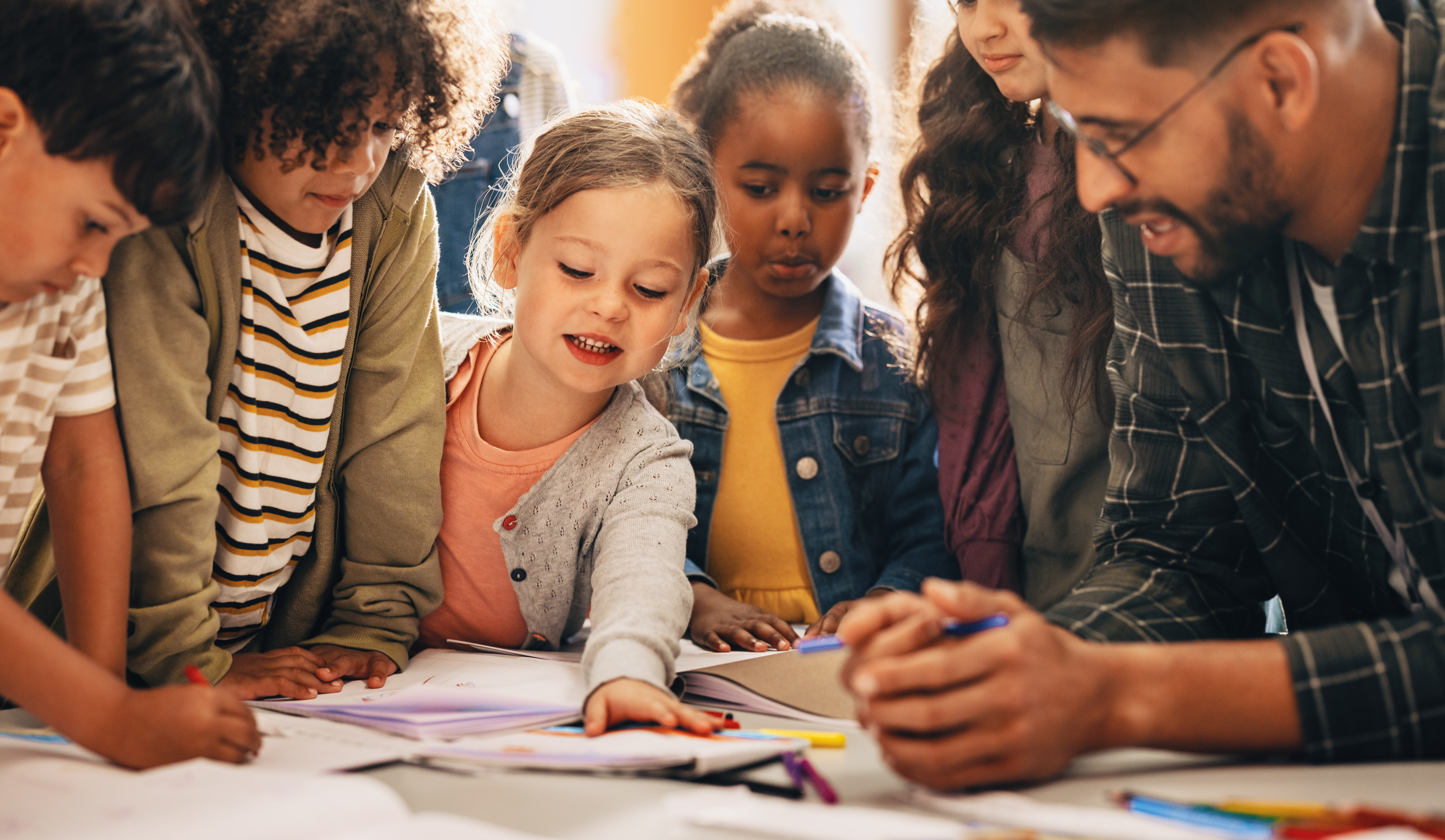
Creating a seamless connection between home and school isn’t always easy, but it’s worth the effort. Here are some strategies to ensure your child gets the most out of this partnership.
Aligning Home and School Approaches
Aligning your home environment with school practices can make a world of difference. Start by understanding the core values and routines followed at school. Many schools, like Basic Beginnings, encourage parents to participate in classroom activities or meetings. This gives you a firsthand look at your child’s day and helps you mirror these practices at home.
Consider setting a routine that closely matches the school’s schedule. This consistency helps children know what to expect, reducing anxiety and improving focus. By aligning home and school approaches, you’re creating a stable support system.
Communication for Consistent Growth
Open communication is the backbone of a strong parent-teacher partnership. Regular updates from teachers keep you informed about your child’s progress and any areas that might need attention. This allows you to address challenges early and celebrate successes together.
Parents can also share insights with teachers. Perhaps your child is particularly interested in a topic, or there’s been a change at home that might affect their behavior. Sharing this information helps teachers provide tailored support.
Effective communication ensures everyone is on the same page, paving the way for consistent growth. As both parties work together, children benefit from a unified front that supports their development.
Flexible Childcare and Enrollment
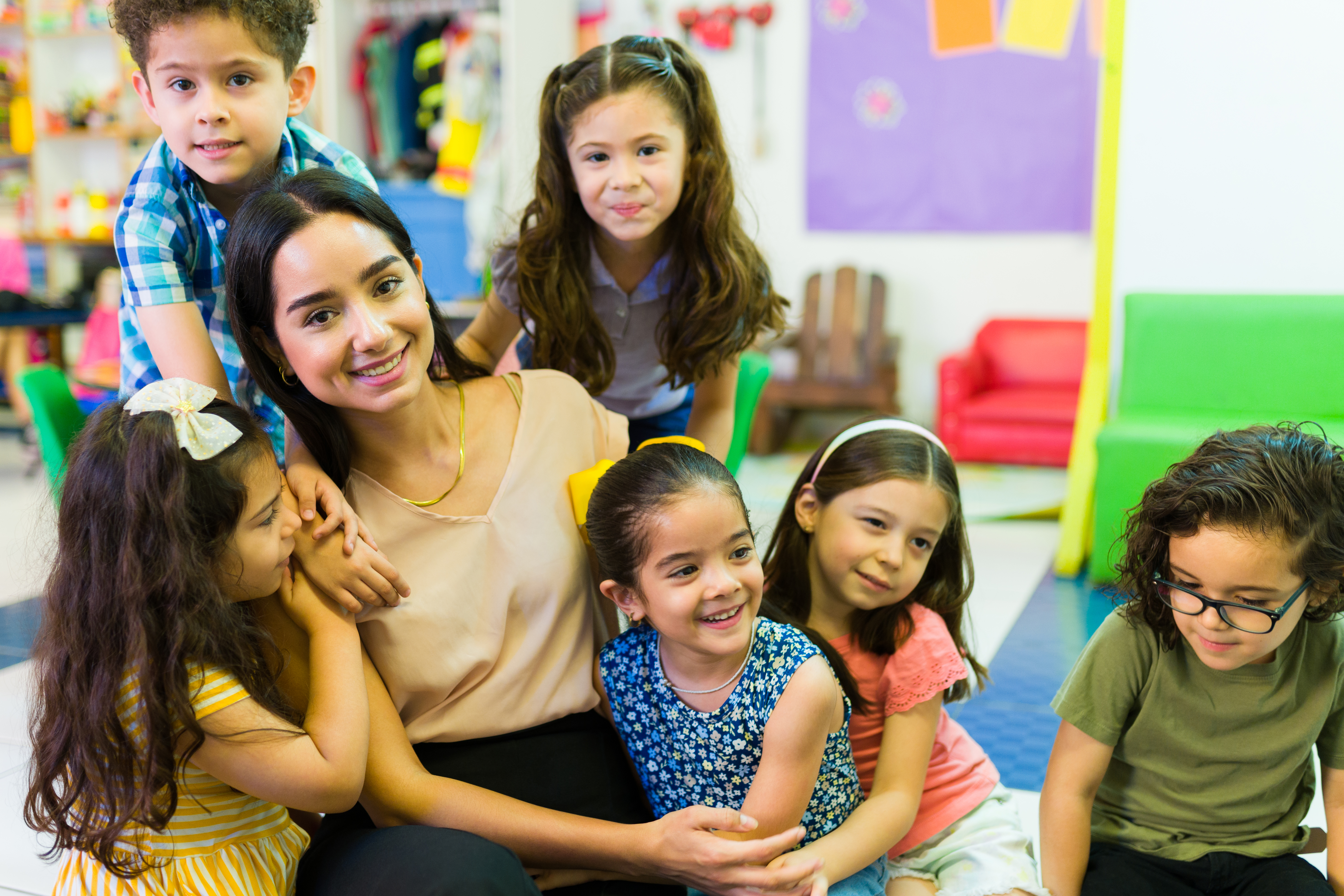
Choosing the right childcare option can feel overwhelming, but understanding your needs and the available options can simplify the process. Flexibility in childcare arrangements can make a significant difference for busy families.
Exploring Program Options
Basic Beginnings offers various programs tailored to different age groups and needs. Whether you’re looking for infant care or pre-kindergarten readiness, there’s something for everyone.
Consider what works best for your family. Do you need full-time care, or would part-time options fit better? Understanding your schedule and your child’s needs can help you make an informed decision. With flexible options, you can find the perfect match that aligns with your family’s lifestyle.
Scheduling a Tour and Enrollment Details
Ready to see how Basic Beginnings can support your family? Scheduling a tour is the best way to understand what we offer. During the visit, you’ll meet our dedicated staff and see our facilities firsthand. It’s an opportunity to ask questions and discuss your child’s specific needs.
Enrolling your child is a straightforward process. We’ll guide you through each step, ensuring you have all the information needed to make a confident decision. Don’t wait too long—the sooner you start, the sooner your child can benefit from a nurturing environment that supports their growth.
In summary, a strong parent-teacher partnership is invaluable. By working together, you, your child, and their teachers create a supportive network that fosters social and emotional development. At Basic Beginnings, we’re committed to this collaboration, helping your child become a confident and empathetic individual.
Learn More!
Growing Hearts and Minds: The Importance of Social and Emotional Development in Preschool
Social and emotional development in preschool sets the foundation for your child’s success in school and beyond. At Basic Beginnings, we focus on preschool social skills and emotional regulation through positive guidance and individualized learning plans. You’ll see how nurturing self-regulation in preschool prepares children for real-world challenges while building confidence. Keep reading to learn how our play-based approach supports school readiness and invites your family to join our caring community. For more information, visit this resource.
The Role of Social and Emotional Development

Social and emotional growth is key to a child’s overall development, shaping how they interact with the world. By understanding its importance, you lay the groundwork for your child’s future success.
Building Preschool Social Skills
Children begin to learn social skills from a very young age. At preschool, they interact with peers, sharing toys and ideas. Imagine your child negotiating turns on the swing or leading a small group in a game. These experiences build essential skills.
Preschool is not just about learning numbers and letters. It’s a stage where children learn to communicate their needs and understand others’ feelings. For example, when a child comforts a friend who is upset, they practice empathy. This skill is invaluable, setting a foundation for positive relationships.
With guidance, children learn to navigate social settings. Teachers at Basic Beginnings provide this support, ensuring every child feels included. Research shows that early social skills lead to better academic outcomes. You can explore more about the impact here.
Emotional Regulation in Early Childhood
Emotional regulation is crucial for managing feelings and reactions. It’s not just about stopping a tantrum but understanding emotions. Picture your child taking deep breaths to calm down instead of crying. That’s the power of emotional regulation.
At Basic Beginnings, we teach children to recognize their feelings and respond appropriately. For instance, a child might learn to express frustration with words rather than actions. This skill is vital for lifelong success.
Children who can manage their emotions tend to perform better in school. They find it easier to focus on tasks and engage in learning. You can discover more about nurturing these skills here.
Nurturing SEL at Basic Beginnings
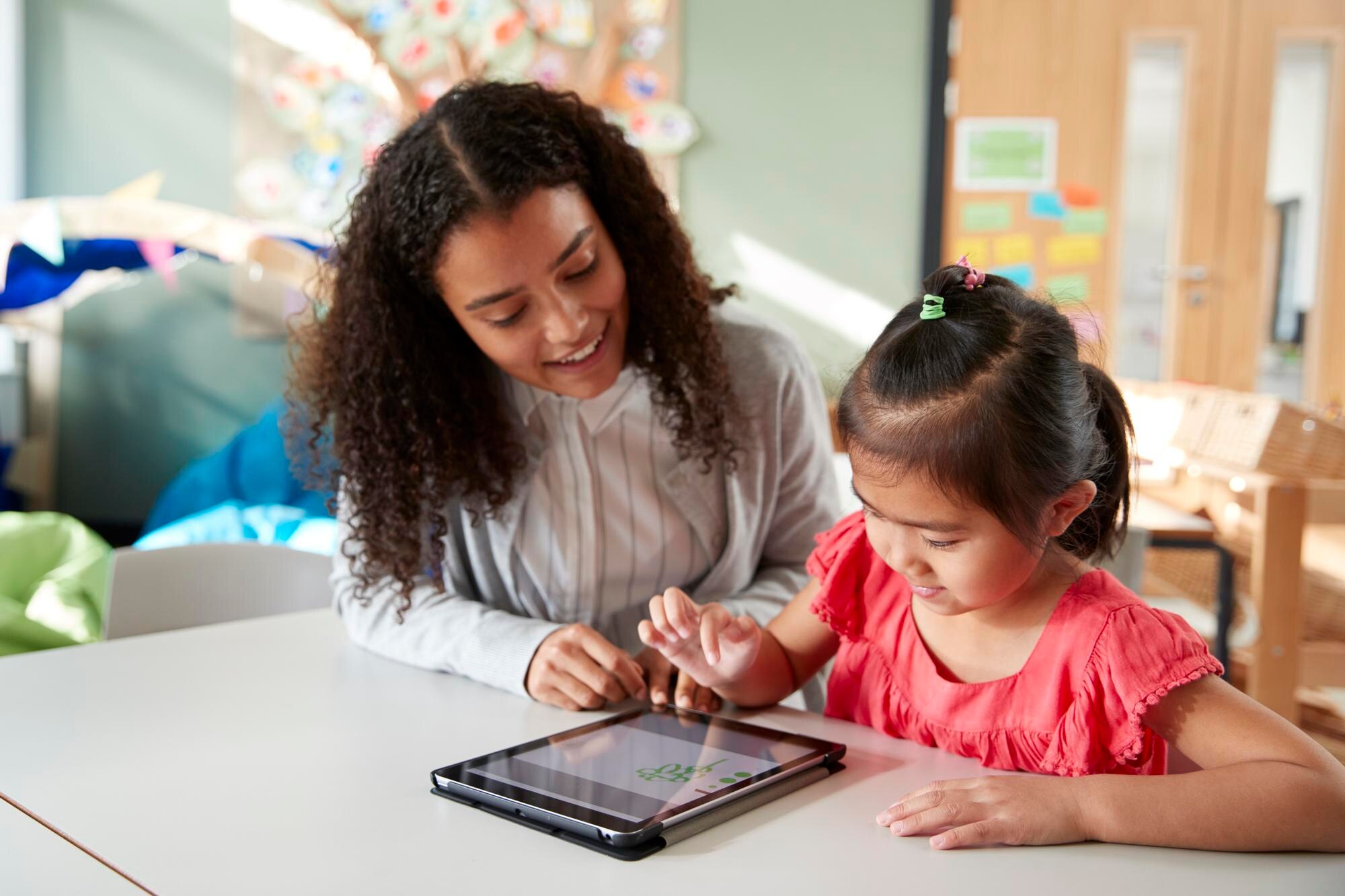
At Basic Beginnings, we believe every child deserves the best start. Our nurturing approach to social and emotional learning (SEL) is crafted to fit each child’s needs.
Individualized Learning and Positive Guidance
Every child is unique, and so is their learning journey. Our teachers create customized plans that highlight each child’s strengths. Think about how your child will explore new activities tailored just for them.
Positive guidance plays a big role in our approach. Instead of saying “no,” we show children what they can do. This encourages them to explore safely and confidently. Most people think strict discipline is necessary, but positive reinforcement often works better.
Our individualized approach means children learn at their own pace, making them more engaged and motivated. For more on how this works, check out this resource.
Play-Based Learning for School Readiness
Play is not just fun—it’s a powerful learning tool. Through play, children develop critical thinking and problem-solving skills. Imagine your child building a tower and figuring out why it falls. That’s learning in action.
Our play-based curriculum prepares children for school by making learning enjoyable. Children learn to ask questions, explore, and experiment. This method fosters a love for learning, which is key for school readiness.
The longer you wait to engage in play-based learning, the more opportunities pass by. Discover more about play’s role in education here.
Engaging Families in Child Development
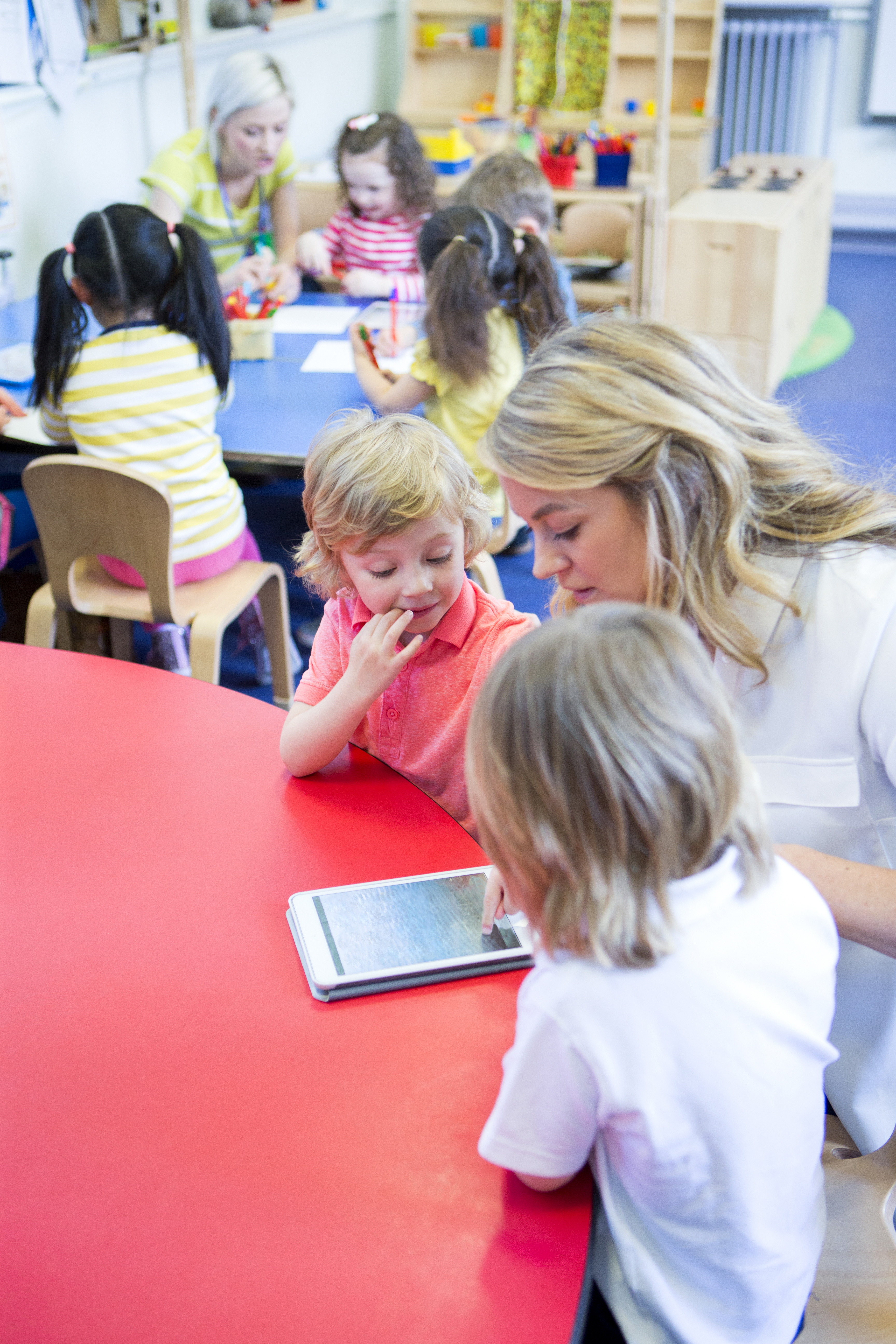
A strong family-school connection enhances children’s learning experiences. At Basic Beginnings, we consider parents our partners in education.
Parent-Teacher Partnerships
Working together, we create a supportive environment for your child. Regular communication ensures you are informed about your child’s progress. Imagine receiving updates about your child’s day and knowing their achievements.
We invite you to share insights about your child. Your input helps us tailor our approach, ensuring we meet your child’s needs. Most parents think teachers manage everything, but your involvement is vital.
Together, we can support your child’s development, creating a community of learning and growth. Learn more about parent-teacher collaboration here.
Flexible Childcare and Enrollment Options
We understand the demands of modern life. That’s why Basic Beginnings offers flexible childcare solutions. Whether you need extended hours or weekend care, we’re here to help. Your child’s education should fit your schedule, not the other way around.
Our locations in Nashua, NH, and Haverhill, MA, offer convenient access for families. We also provide special benefits for FAA and federal employees, making us a top choice for quality childcare.
Don’t wait to give your child the best start. Visit us to learn more about enrollment options and how we can accommodate your family’s needs.
Learn More!