about

Growing Together: How Parent-Teacher Collaboration Nurtures Social and Emotional Skills in Early Childhood

Parent-teacher partnership is more than just meetings and updates—it shapes how your child learns to connect and express feelings. When home and school work side by side, children build stronger social and emotional skills that last a lifetime. At Basic Beginnings, we focus on this connection to support your child’s growth every day. Keep reading to see how our approach in early childhood education in Haverhill, MA, and Nashua, NH can make a real difference for your family. For more insights on the importance of these partnerships, check this resource.

Parent-Teacher Partnership Benefits
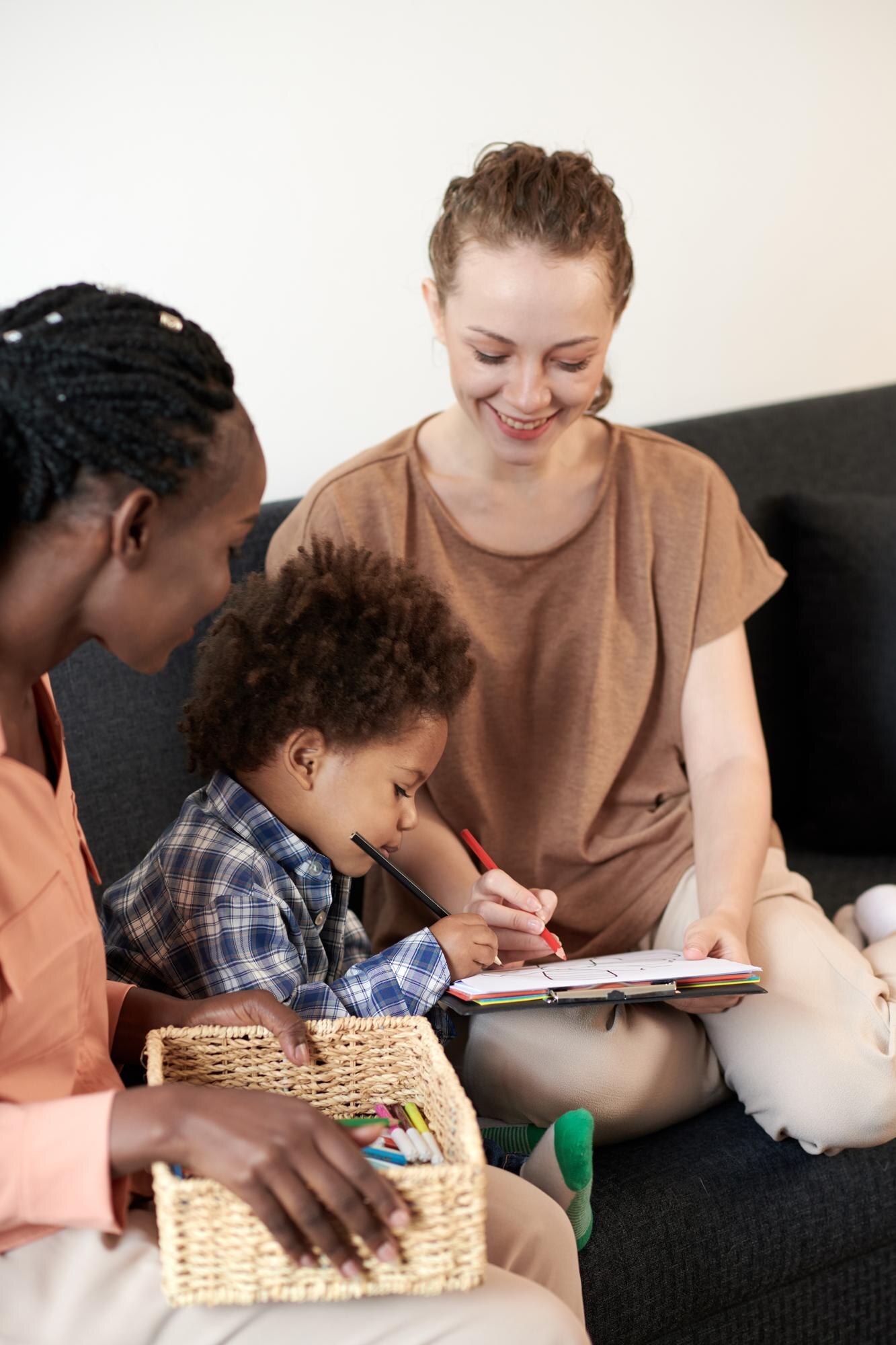
When schools and families join forces, children thrive in ways you might not expect. This collaboration lays a solid foundation that supports kids in developing crucial life skills.

Building Blocks of Social Skills

Have you ever wondered how your child learns to play and share? It starts with social skills that are nurtured both at home and in school. Parents and teachers work together to create environments that encourage these interactions.

Imagine your child in a classroom setting where they learn to play cooperatively in groups. This teaches them to share and wait their turn. At home, you can reinforce these lessons by playing games that require sharing and taking turns. This consistent approach between home and school helps your child build a strong social foundation.

Teachers play a vital role by modeling positive behavior, while parents can follow through with similar practices at home. This partnership ensures children receive consistent messages about how to interact with others. The result? A confident child who navigates social situations with ease.

Emotional Development Through Collaboration

Your child’s emotional growth is just as important as their social skills. Early childhood education focuses on helping children identify and express their feelings in healthy ways. Teachers introduce activities that encourage kids to talk about their emotions. Parents can extend this learning by having open conversations at home.

For instance, if your child learns about feelings through storytelling at school, you can continue the discussion by reading similar books together at home. This reinforces the idea that expressing emotions is normal and healthy.

A study shows that children who receive support from both teachers and parents tend to manage their emotions better. This collaboration builds emotional resilience, preparing them for life’s ups and downs.

Strategies for Family Engagement
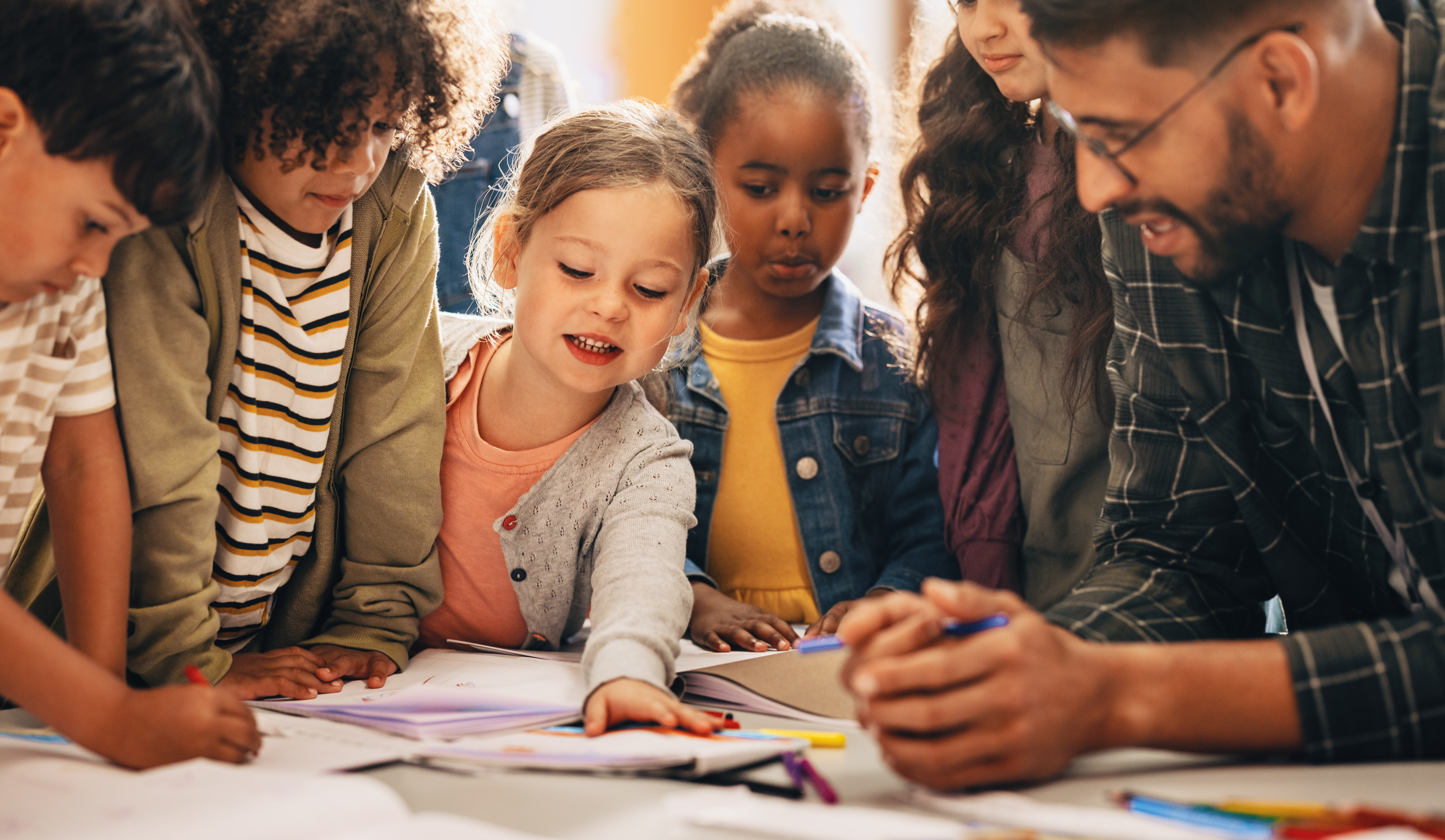
Creating a seamless connection between home and school isn’t always easy, but it’s worth the effort. Here are some strategies to ensure your child gets the most out of this partnership.

Aligning Home and School Approaches

Aligning your home environment with school practices can make a world of difference. Start by understanding the core values and routines followed at school. Many schools, like Basic Beginnings, encourage parents to participate in classroom activities or meetings. This gives you a firsthand look at your child’s day and helps you mirror these practices at home.

Consider setting a routine that closely matches the school’s schedule. This consistency helps children know what to expect, reducing anxiety and improving focus. By aligning home and school approaches, you’re creating a stable support system.

Communication for Consistent Growth

Open communication is the backbone of a strong parent-teacher partnership. Regular updates from teachers keep you informed about your child’s progress and any areas that might need attention. This allows you to address challenges early and celebrate successes together.

Parents can also share insights with teachers. Perhaps your child is particularly interested in a topic, or there’s been a change at home that might affect their behavior. Sharing this information helps teachers provide tailored support.

Effective communication ensures everyone is on the same page, paving the way for consistent growth. As both parties work together, children benefit from a unified front that supports their development.

Flexible Childcare and Enrollment
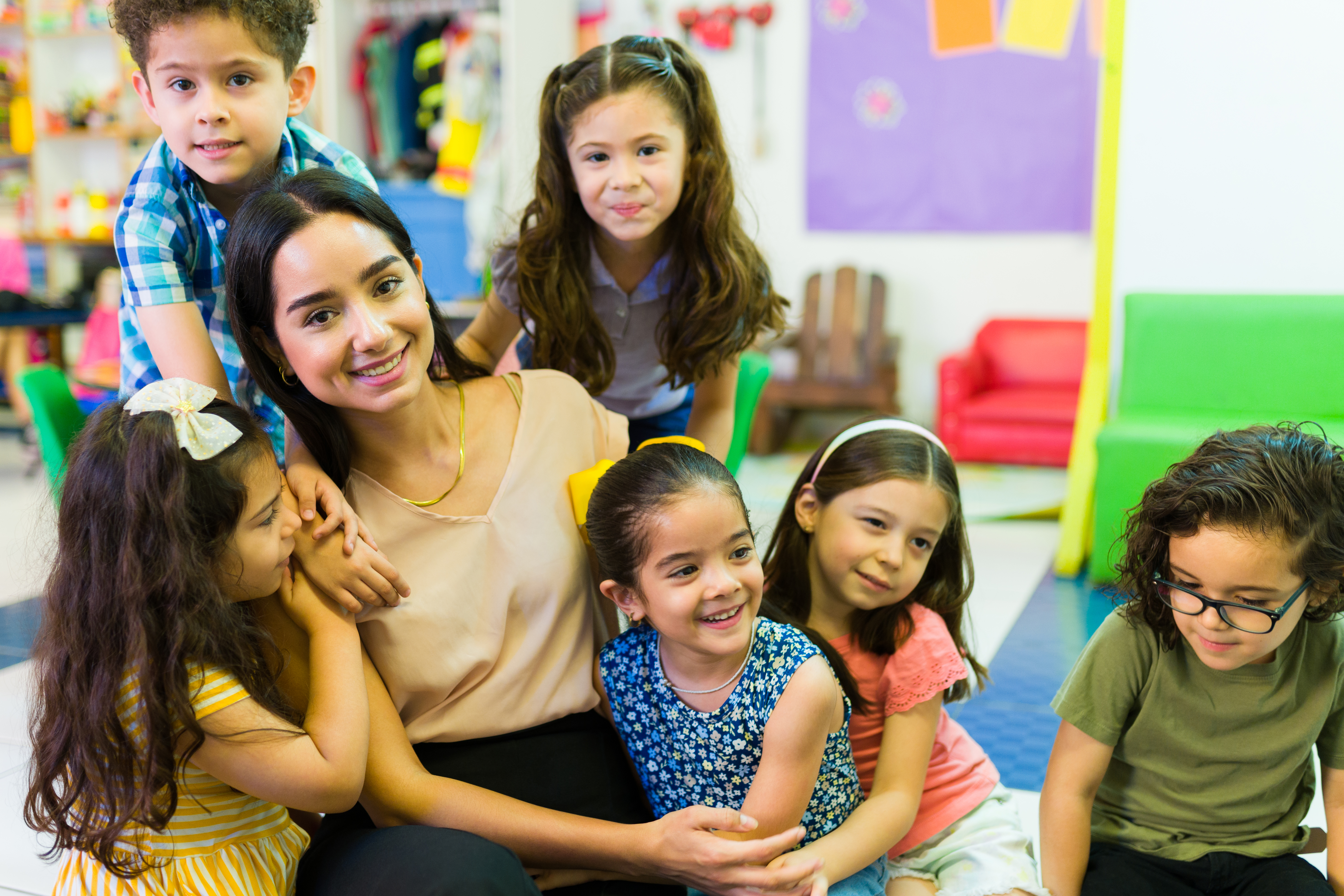
Choosing the right childcare option can feel overwhelming, but understanding your needs and the available options can simplify the process. Flexibility in childcare arrangements can make a significant difference for busy families.

Exploring Program Options

Basic Beginnings offers various programs tailored to different age groups and needs. Whether you’re looking for infant care or pre-kindergarten readiness, there’s something for everyone.

Consider what works best for your family. Do you need full-time care, or would part-time options fit better? Understanding your schedule and your child’s needs can help you make an informed decision. With flexible options, you can find the perfect match that aligns with your family’s lifestyle.

Scheduling a Tour and Enrollment Details

Ready to see how Basic Beginnings can support your family? Scheduling a tour is the best way to understand what we offer. During the visit, you’ll meet our dedicated staff and see our facilities firsthand. It’s an opportunity to ask questions and discuss your child’s specific needs.

Enrolling your child is a straightforward process. We’ll guide you through each step, ensuring you have all the information needed to make a confident decision. Don’t wait too long—the sooner you start, the sooner your child can benefit from a nurturing environment that supports their growth.

In summary, a strong parent-teacher partnership is invaluable. By working together, you, your child, and their teachers create a supportive network that fosters social and emotional development. At Basic Beginnings, we’re committed to this collaboration, helping your child become a confident and empathetic individual.

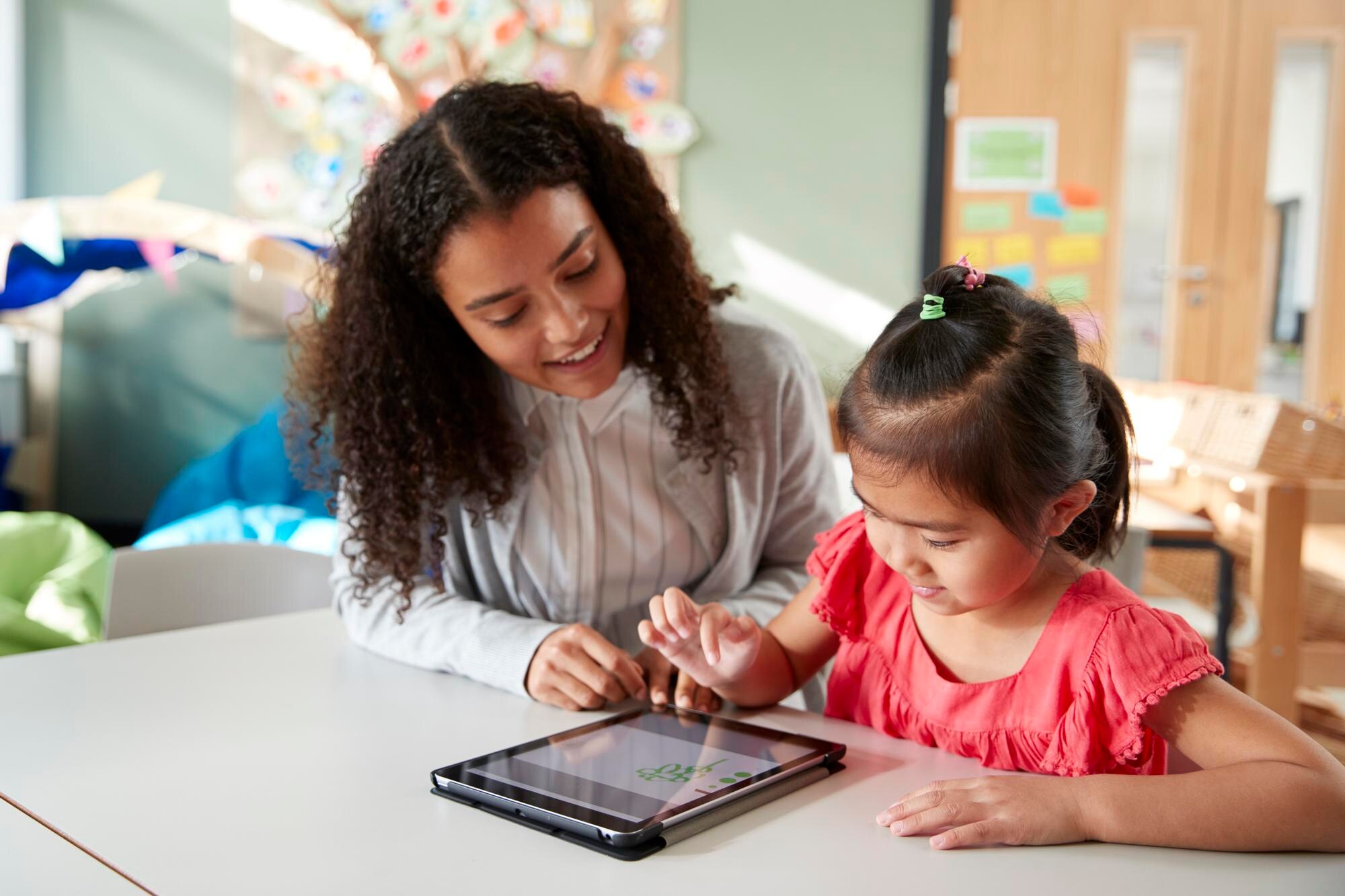
Learn More!

Date posted: February 18, 2026 | Author: | No Comments »

Categories: Uncategorized

Growing Hearts and Minds: The Importance of Social and Emotional Development in Preschool

Social and emotional development in preschool sets the foundation for your child’s success in school and beyond. At Basic Beginnings, we focus on preschool social skills and emotional regulation through positive guidance and individualized learning plans. You’ll see how nurturing self-regulation in preschool prepares children for real-world challenges while building confidence. Keep reading to learn how our play-based approach supports school readiness and invites your family to join our caring community. For more information, visit this resource.

The Role of Social and Emotional Development

Social and emotional growth is key to a child’s overall development, shaping how they interact with the world. By understanding its importance, you lay the groundwork for your child’s future success.

Building Preschool Social Skills

Children begin to learn social skills from a very young age. At preschool, they interact with peers, sharing toys and ideas. Imagine your child negotiating turns on the swing or leading a small group in a game. These experiences build essential skills.

Preschool is not just about learning numbers and letters. It’s a stage where children learn to communicate their needs and understand others’ feelings. For example, when a child comforts a friend who is upset, they practice empathy. This skill is invaluable, setting a foundation for positive relationships.

With guidance, children learn to navigate social settings. Teachers at Basic Beginnings provide this support, ensuring every child feels included. Research shows that early social skills lead to better academic outcomes. You can explore more about the impact here.

Emotional Regulation in Early Childhood

Emotional regulation is crucial for managing feelings and reactions. It’s not just about stopping a tantrum but understanding emotions. Picture your child taking deep breaths to calm down instead of crying. That’s the power of emotional regulation.

At Basic Beginnings, we teach children to recognize their feelings and respond appropriately. For instance, a child might learn to express frustration with words rather than actions. This skill is vital for lifelong success.

Children who can manage their emotions tend to perform better in school. They find it easier to focus on tasks and engage in learning. You can discover more about nurturing these skills here.

Nurturing SEL at Basic Beginnings

At Basic Beginnings, we believe every child deserves the best start. Our nurturing approach to social and emotional learning (SEL) is crafted to fit each child’s needs.

Individualized Learning and Positive Guidance

Every child is unique, and so is their learning journey. Our teachers create customized plans that highlight each child’s strengths. Think about how your child will explore new activities tailored just for them.

Positive guidance plays a big role in our approach. Instead of saying “no,” we show children what they can do. This encourages them to explore safely and confidently. Most people think strict discipline is necessary, but positive reinforcement often works better.

Our individualized approach means children learn at their own pace, making them more engaged and motivated. For more on how this works, check out this resource.

Play-Based Learning for School Readiness

Play is not just fun—it’s a powerful learning tool. Through play, children develop critical thinking and problem-solving skills. Imagine your child building a tower and figuring out why it falls. That’s learning in action.

Our play-based curriculum prepares children for school by making learning enjoyable. Children learn to ask questions, explore, and experiment. This method fosters a love for learning, which is key for school readiness.

The longer you wait to engage in play-based learning, the more opportunities pass by. Discover more about play’s role in education here.

Engaging Families in Child Development

A strong family-school connection enhances children’s learning experiences. At Basic Beginnings, we consider parents our partners in education.

Parent-Teacher Partnerships

Working together, we create a supportive environment for your child. Regular communication ensures you are informed about your child’s progress. Imagine receiving updates about your child’s day and knowing their achievements.

We invite you to share insights about your child. Your input helps us tailor our approach, ensuring we meet your child’s needs. Most parents think teachers manage everything, but your involvement is vital.

Together, we can support your child’s development, creating a community of learning and growth. Learn more about parent-teacher collaboration here.

Flexible Childcare and Enrollment Options

We understand the demands of modern life. That’s why Basic Beginnings offers flexible childcare solutions. Whether you need extended hours or weekend care, we’re here to help. Your child’s education should fit your schedule, not the other way around.

Our locations in Nashua, NH, and Haverhill, MA, offer convenient access for families. We also provide special benefits for FAA and federal employees, making us a top choice for quality childcare.

Don’t wait to give your child the best start. Visit us to learn more about enrollment options and how we can accommodate your family’s needs.

Learn More!

Date posted: January 19, 2026 | Author: | No Comments »

Categories: Uncategorized

Our Programs

Learn more about our exceptional curriculum and educational programs.

Learn More

Hours of Operation

Basic Beginnings Haverhill
Monday – Friday 6:00 a.m. to 6:00 p.m. Closed Saturday and Sunday
Basic Beginnings Nashua
6:00 a.m. to 12:00 a.m. Open nights and weekends

View our Schedule

Enrollment

Click here to schedule a tour and enroll your child at Basic Beginnings.

Learn More