about
Finding the right daycare feels like navigating a maze with no map. You want more than just a safe place—you want a space where your child feels truly cared for and supported. At Basic Beginnings, our safe and nurturing daycare combines thoughtful early childhood education with a strong parent-teacher partnership, helping your little one grow confidently every day. Keep reading to see how we make this possible and why it matters so much for your child’s future.
Importance of Safe and Nurturing Daycare
Choosing a daycare isn’t just about convenience. It’s about setting the foundation for your child’s future. The right place can support growth in both learning and emotions, ensuring your child feels secure and understood.
Early Childhood Education Benefits
Imagine a place where your child learns through play. That’s the heart of early childhood education. At this stage, kids absorb knowledge like sponges. They explore numbers, shapes, and words with curiosity. Studies show that children who engage in early learning often excel in later school years.
This learning isn’t just about academics. It’s about fostering a love for discovery. Kids learn to ask questions, think critically, and solve problems. When children feel excited about learning from a young age, they carry that enthusiasm throughout their education journey.
Social and Emotional Development
Children thrive when they feel connected. In a nurturing daycare, they learn to interact with peers and adults. They understand how to share, cooperate, and express themselves.
Research highlights the impact of social and emotional development on lifelong success. Kids who develop these skills early are better equipped to handle challenges. They build resilience and empathy, crucial traits in our ever-changing world.
Parent-Teacher Partnership Impact
A strong parent-teacher relationship enhances a child’s experience. At Basic Beginnings, we believe that open communication is key. When parents and teachers work together, children feel supported at every step.
Consider this: families who actively engage in their child’s daycare see more progress. Teachers offer insights into daily activities, while parents share their child’s unique needs and interests. This partnership ensures that each child receives personalized attention, making their daycare experience even more enriching.
How Basic Beginnings Meets Your Needs
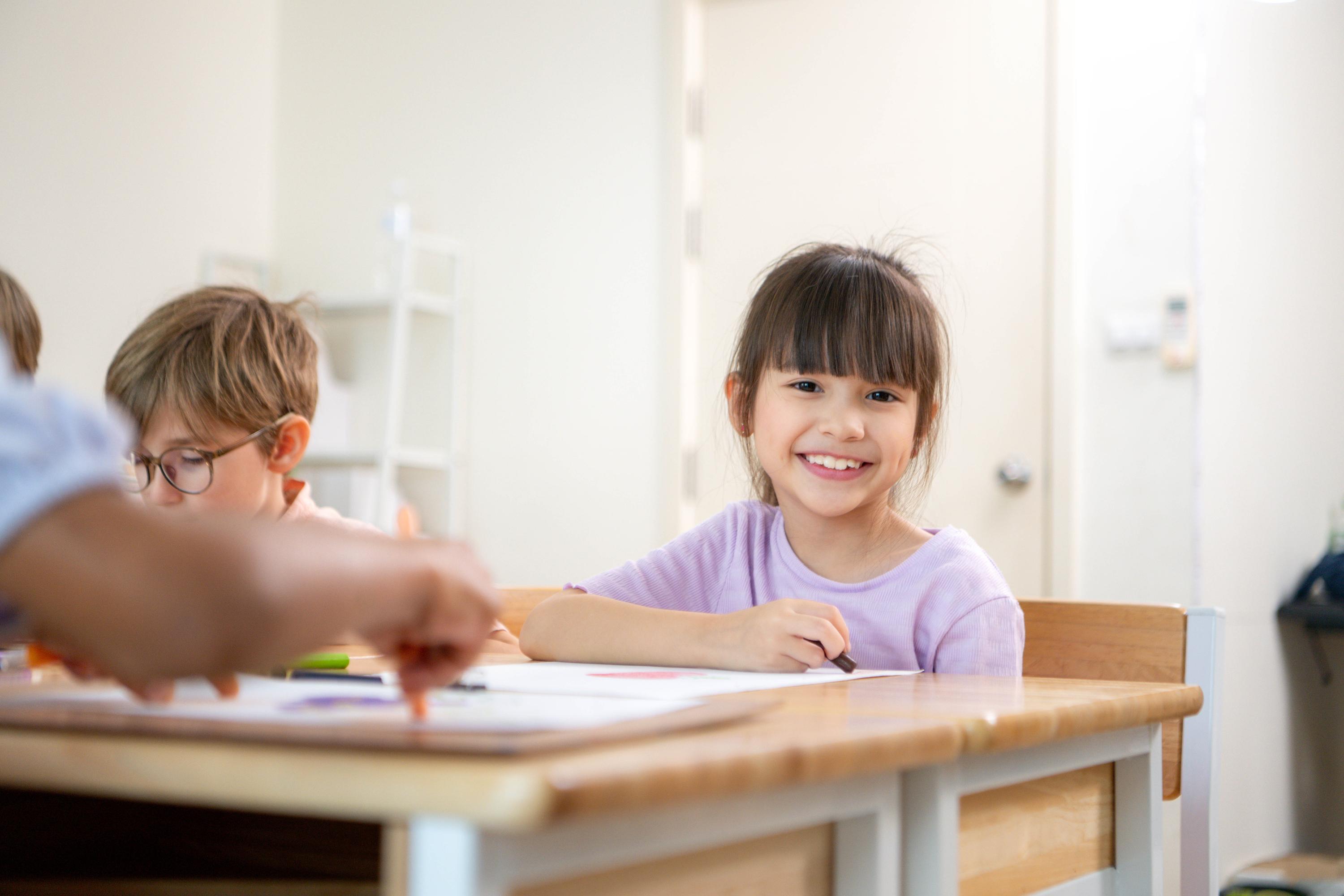
Basic Beginnings offers more than just childcare. We provide a community where your child can learn, grow, and feel valued. Here’s how we make that happen.
Licensed Daycare in Massachusetts and New Hampshire
Our centers in Haverhill, MA, and Nashua, NH, are fully licensed. This means your child is in a safe and regulated environment. We adhere to strict standards, ensuring top-notch care.
Choosing a licensed daycare gives you peace of mind. You know your child is in capable hands, surrounded by trained professionals. Our commitment to safety and quality sets us apart from others in the area.
Individualized Learning for Every Child
Every child is unique, and so is their learning style. At Basic Beginnings, we tailor activities to suit each child’s needs. We believe in fostering curiosity and creativity.
Our programs are designed to nurture each child’s strengths. Whether your child loves art, science, or reading, they will find activities that ignite their passion. With an emphasis on individualized learning, we ensure every child thrives at their own pace.
Infant Care and Toddler Daycare Programs
Our infant and toddler programs are crafted with care. For infants, we offer a warm and loving environment where they can explore safely. Our teachers are trained to support their developmental milestones.
Toddlers are always on the move. Our programs keep them engaged with hands-on activities that stimulate their senses. From building blocks to storytelling, toddlers learn through play and repetition.
Enrolling in Quality Childcare Services
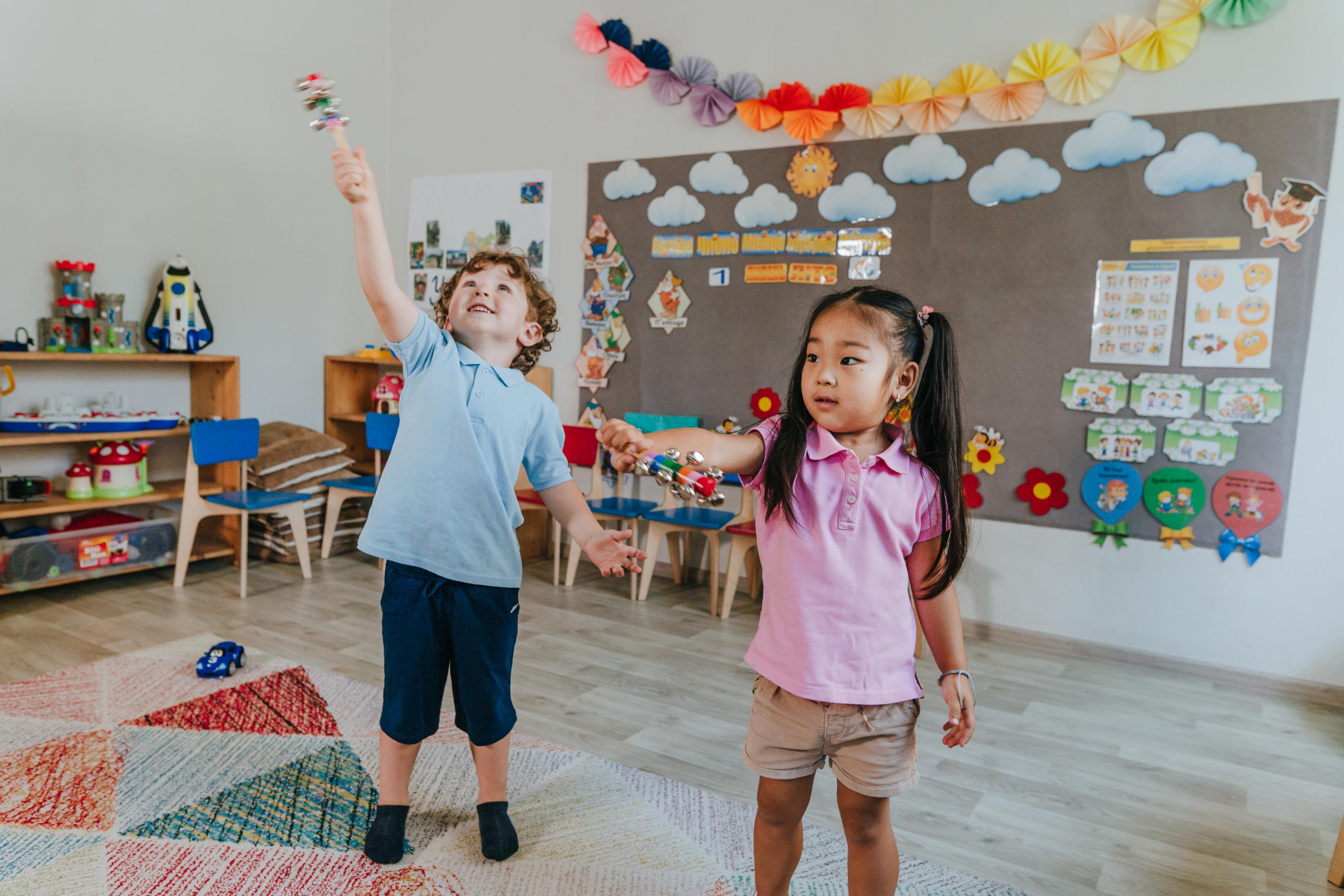
Ready to see what Basic Beginnings can offer your family? Let’s take a look at how you can become part of our community.
Touring Our Haverhill and Nashua Centers
The best way to understand our approach is by visiting our centers. Schedule a tour and see our facilities firsthand. You’ll meet our dedicated staff and observe our enriching programs in action.
A tour provides an opportunity to ask questions and share your expectations. It’s the first step in building a partnership that benefits your child’s growth.
FAA and Federal Employee Childcare Options
We understand the needs of federal employees. Our partnership with the FAA offers flexible childcare solutions. With exclusive benefits, such as priority placement, we accommodate varying work schedules.
Our FAA childcare options ensure that federal employees have access to quality care. Our Nashua center offers extended hours, perfect for those with demanding jobs.
Extended Hours and Pre-K Readiness Programs
Our Nashua location provides extended hours, offering convenience for busy families. Whether you need early drop-off or late pick-up, we’ve got you covered.
Preparing for kindergarten is a crucial step. Our pre-K readiness programs focus on essential skills like reading, math, and social interaction. We ensure that children transition smoothly to their next educational phase.
Now that you know what sets Basic Beginnings apart, consider taking the next step. Touring our centers could be the start of a nurturing and educational journey for your child. Reach out, and let’s explore how we can support your family’s needs.
Learn More!
What Makes a Safe and Nurturing Early Childhood Program the Right Fit for Your Family
Finding a safe early childhood education program that fits your family feels overwhelming. You want nurturing childcare where your child can grow and learn with care you trust. At Basic Beginnings, we focus on what matters most: safety, individualized learning plans, and strong parent teacher partnerships. Keep reading to see how our daycare centers in Haverhill, MA, and Nashua, NH, create the right environment for your child’s development and how you can schedule a tour today. For more detailed information on what to look for in a nurturing daycare environment, check out this resource.
Identifying Safe Early Childhood Education

Safety is your top priority when choosing a childcare program. Let’s explore key elements that ensure your child’s safety and well-being.
Key Safety Indicators to Look For
When visiting a daycare, keep an eye out for several crucial safety indicators. First, check for secure entrances and exits that prevent unauthorized access. You’ll want a center that follows strict drop-off and pick-up procedures. Cleanliness is another sign of a safe environment. Well-maintained facilities prevent accidents and reduce the spread of germs. Be sure to ask about staff training. Teachers should be certified in first aid and CPR, and undergo regular safety drills.
Background checks are essential. Ensure all staff have undergone thorough screenings. These indicators give you peace of mind, knowing your child is in capable hands. Remember, a safe environment is a nurturing one.
Importance of Secure Facilities
The physical environment at a childcare center plays a significant role in your child’s safety. Look for facilities designed with childproofing in mind. This includes covered outlets, soft flooring, and safety gates. Outdoor play areas should be enclosed and equipment properly maintained.
A secure facility fosters exploration while protecting your child from harm. It allows kids to be active without unnecessary risks. Ask about their emergency plans, like fire drills and lockdown procedures. Knowing these details helps you feel confident about your child’s day-to-day safety.
Low Teacher to Child Ratios
Small class sizes matter. A low teacher to child ratio means more supervision and personalized attention. This setup allows educators to focus on each child’s needs. In a smaller group, teachers can spot potential safety issues quickly.
Low ratios also promote stronger bonds between children and caregivers. This emotional connection is vital for a child’s sense of security. It’s easier for teachers to notice changes in behavior, offering timely interventions if needed. If you want your child to thrive, prioritize centers that maintain low ratios.
Nurturing Childcare and Quality Learning
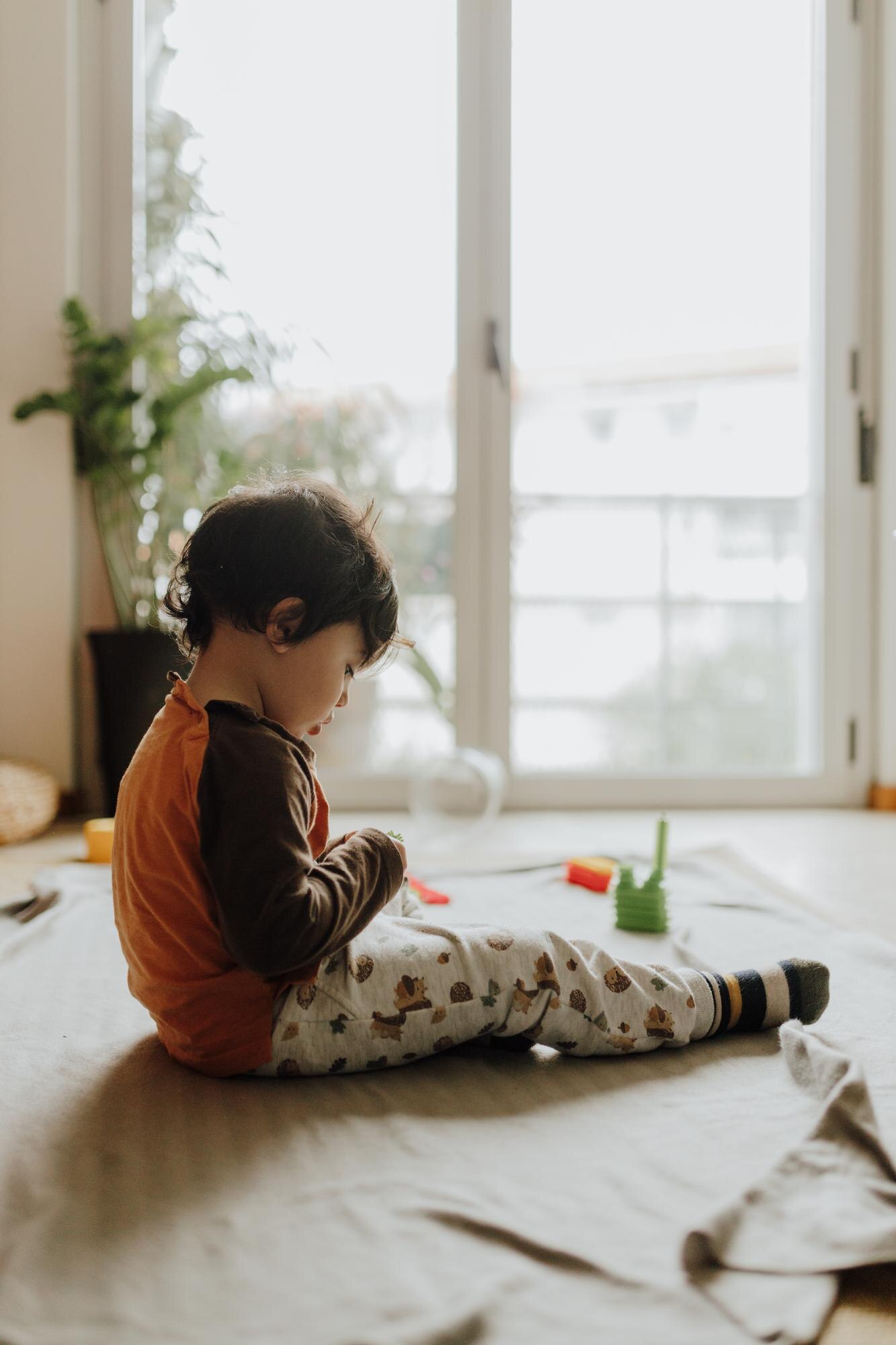
Now that safety is covered, let’s discuss how quality learning fosters a loving environment for your child to grow and develop.
Understanding Individualized Learning Plans
Every child learns differently. Individualized learning plans ensure that each child’s unique needs are met. These plans allow teachers to tailor activities based on a child’s interests and developmental stage. They support both cognitive and emotional development.
Teachers assess your child’s progress and adjust plans as needed. This personalized approach fosters a love for learning and builds confidence. By focusing on individual strengths, children feel understood and valued. You’ll see how your child thrives in this supportive atmosphere.
Emphasizing Social Emotional Learning
Social emotional learning (SEL) is crucial in early education. It helps children understand their emotions and build relationships. Programs that emphasize SEL teach kids to communicate and resolve conflicts effectively.
Through play and group activities, children practice empathy and patience. They learn to work together, laying the groundwork for future social skills. SEL programs create an inclusive environment where every child feels respected. It’s about more than just academics; it’s about raising kind and capable individuals.
Parent-Teacher Partnerships in Action
A strong parent-teacher partnership is the cornerstone of successful early education. Regular communication keeps you informed about your child’s progress and any challenges. Teachers value your insights and work with you to support your child’s growth.
Attend parent-teacher meetings and participate in classroom activities when possible. This collaboration benefits your child immensely. When parents and teachers align their efforts, children feel more secure and supported. It’s a team effort in nurturing your child’s development.
Exploring Basic Beginnings Programs
With safety and nurturing care in mind, let’s explore what makes Basic Beginnings stand out as an exceptional choice.
Infant Care Program and Toddler Program Highlights
Our infant care program offers a loving and warm environment. Your baby will be held, cuddled, and sung to throughout the day. This nurturing approach supports emotional and physical development. For toddlers, we focus on sensory and language experiences. Divided into age-appropriate groups, toddlers engage in activities that stimulate growth and curiosity.
Teachers use creative curriculum approved by NAYEC. This ensures a structured yet fun learning experience. Your child will thrive in an environment designed to encourage exploration. Every milestone is celebrated, fostering joy and confidence.
Pre-K Readiness and Preschool Enrollment
Our preschool program lays a solid foundation for school readiness. We introduce your child to math, science, and language through play-based learning. Our curriculum aligns with state standards, ensuring your child is prepared for kindergarten.
Pre-K focuses on building essential skills like reading and simple math. We emphasize social skills, ensuring a smooth transition to formal schooling. Enrolling in our program means giving your child a head start on their educational journey. They’ll leave with the knowledge and confidence needed for future success.
Extended Hours and Weekend Childcare Nashua
Located in Nashua, our center offers extended hours and weekend care. This flexibility is perfect for parents with non-traditional work schedules. Our hours cater to FAA and federal employees, offering reliable childcare when you need it most.
We provide a safe, nurturing environment beyond regular hours. Your child enjoys the same quality care no matter when they attend. This convenience gives you peace of mind and supports a balanced family life. Rest easy knowing your child is in good hands all day, every day.
In conclusion, choosing the right early childhood program means prioritizing safety, nurturing care, and quality learning. At Basic Beginnings, we deliver on all these fronts. With flexible hours and a commitment to individualized education, we’re here to support your child’s development. Ready to see it for yourself? Schedule a tour and experience what makes Basic Beginnings the perfect fit for your family.
Learn More!
Positive Guidance, Powerful Growth: Building Self-Control, Confidence, and Independence in Early Learners
Positive guidance shapes more than just behavior; it lays the groundwork for self-control, confidence, and independence in young children. At Basic Beginnings, we see how this approach supports early childhood education that builds strong social-emotional skills from the start. You’ll learn how our Haverhill, MA and Nashua, NH centers partner with families to nurture these vital traits in your child. See positive guidance in action—schedule a tour and explore programs designed for your family’s needs today.
Positive Guidance Benefits
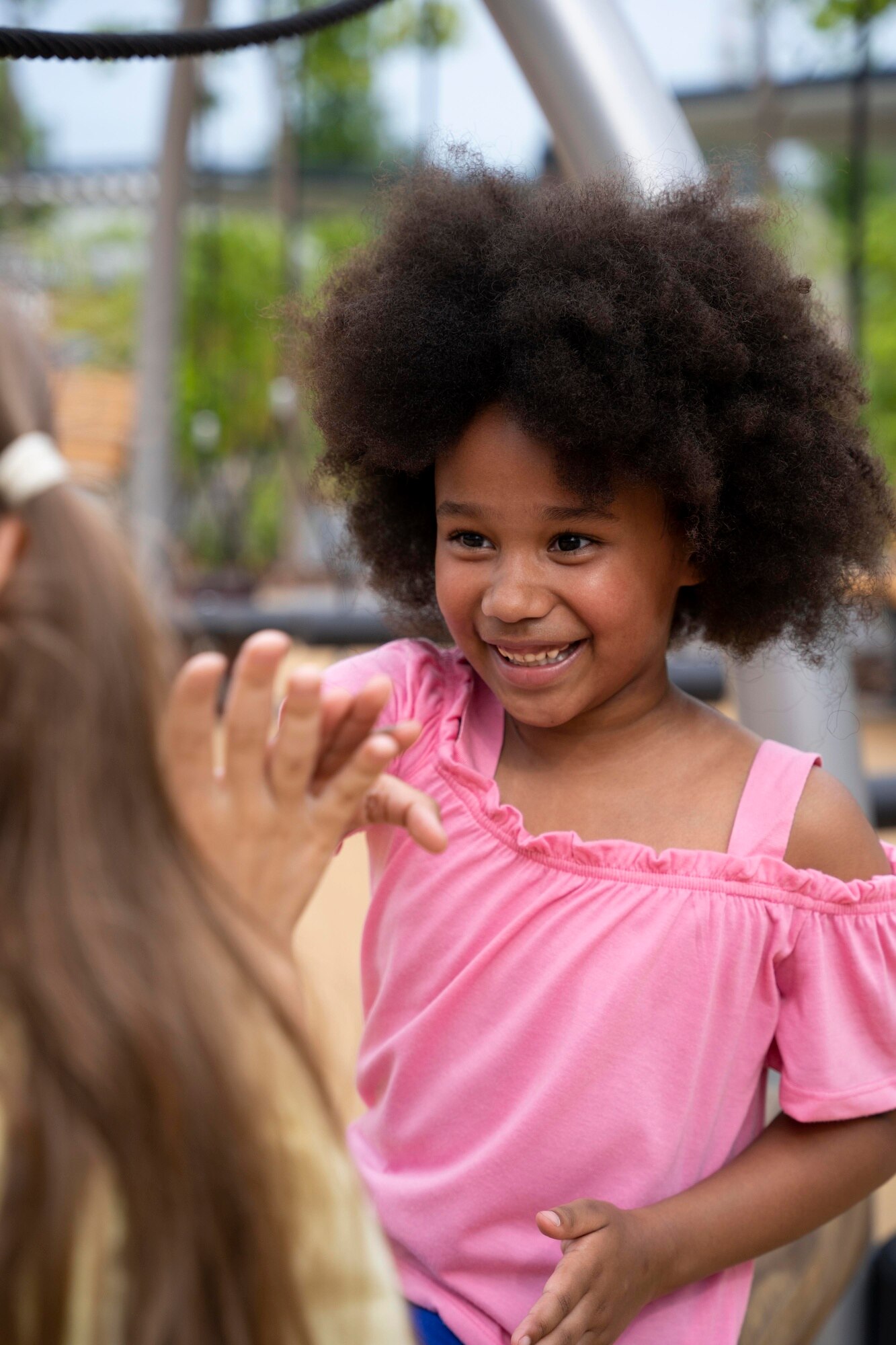
Positive guidance is more than just a teaching tool. It nurtures key traits like self-control, confidence, and independence in children. But how does it work in practice?
Building Self-Control in Preschoolers
Self-control in preschoolers is vital for their development. It helps them manage emotions and interact better with others. At Basic Beginnings, we focus on activities that teach patience and turn-taking. For instance, during group activities, children learn to wait before speaking. This simple routine can significantly improve their self-control.
Studies show that structured playtime also significantly boosts self-regulation. So, we incorporate games that require children to follow rules and take turns. These activities are both fun and educational, making learning seamless. You might notice a difference at home as your child becomes more patient and cooperative.
For further strategies on building self-control, explore this resource.
Fostering Confidence in Toddlers
Confidence is a trait that shapes a child’s future. At Basic Beginnings, we believe in boosting toddlers’ confidence through positive reinforcement. Celebrating small achievements can make a big difference. Whether it’s stacking blocks or completing a puzzle, every win is acknowledged.
Interaction with peers plays a key role, too. Our programs encourage social play, allowing toddlers to make friends and interact in a supportive setting. These social experiences help build their self-esteem, teaching them to express themselves freely.
Exploring how confidence boosts development? Check out this article.
Encouraging Independence in Early Learners
Independence is crucial for young learners. At Basic Beginnings, we encourage this by giving children choices. From selecting activities to tidying up, these small decisions foster independence. When children make choices, they learn responsibility and build decision-making skills.
Our classrooms are designed to let children explore safely. With a variety of engaging activities, they can choose what interests them. This freedom helps them grow curious and self-assured. You’ll find they become more willing to try new things at home, too.
Curious about fostering independence? Here’s a helpful guide.
Basic Beginnings Approach
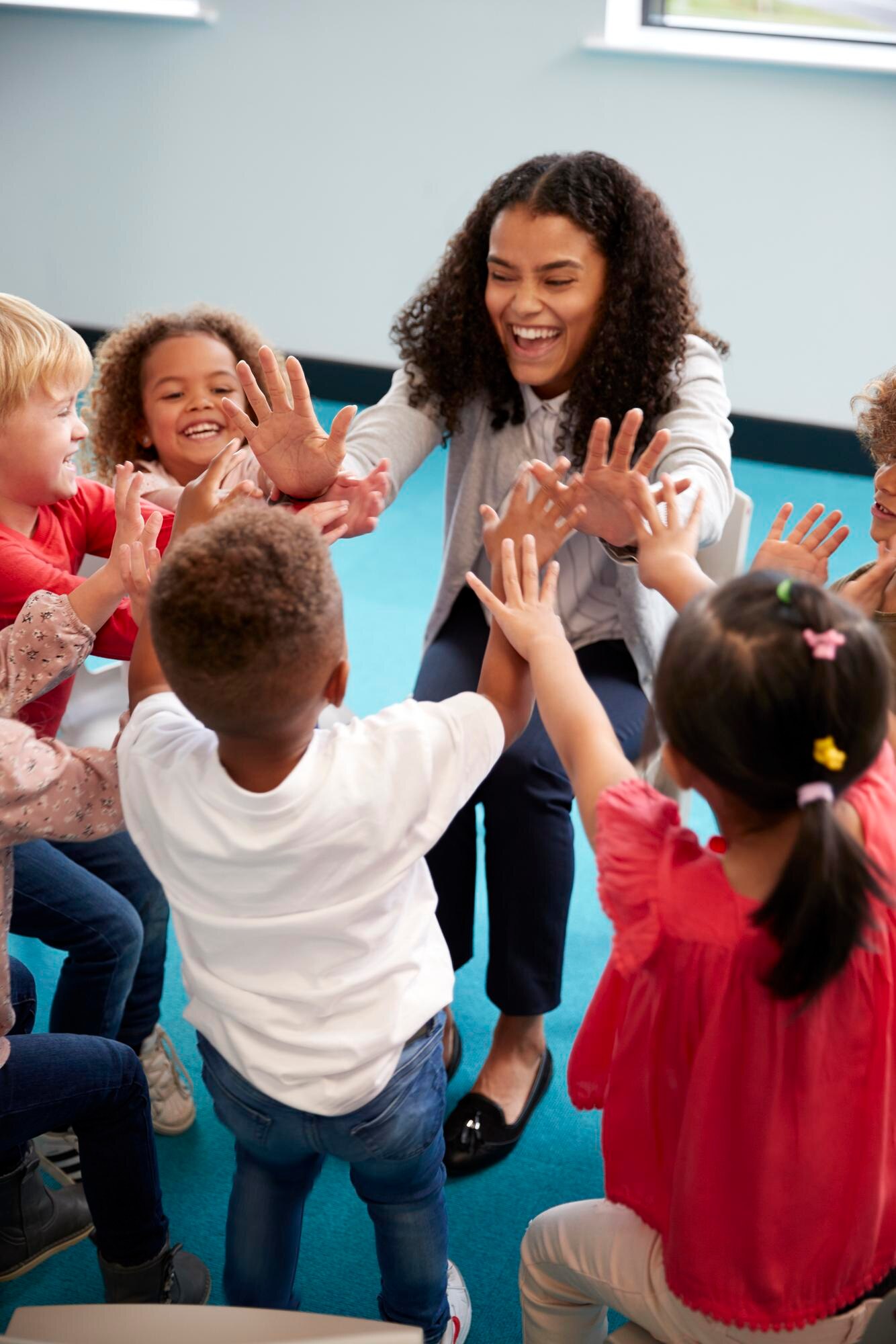
Understanding the benefits of positive guidance is one thing. Seeing it in action is another. Here’s how Basic Beginnings brings these principles to life.
Parent-Teacher Partnerships
At the heart of our approach is a strong parent-teacher partnership. We believe real progress happens when both sides work together. Regular meetings and updates ensure you’re always in the loop about your child’s development. This collaboration helps tailor our programs to fit your child’s unique needs.
Most parents think they have to manage alone, but our partnership approach shows otherwise. You’re not just enrolling your child; you’re joining a community that supports you. This team effort creates a nurturing space where your child can thrive.
Want to build a better partnership? Read more here.
Safe, Nurturing Environment
Safety and nurturing are our top priorities. Our centers in Haverhill, MA, and Nashua, NH are designed to be safe havens where children feel secure. With age-appropriate toys and activities, your child learns in a balanced environment that encourages growth and exploration.
But it’s not just about physical safety. Emotional security is just as important. Our teachers are trained to provide a warm, supportive atmosphere. This dual approach ensures your child feels valued and motivated.
Flexible Childcare Options
Flexibility is key for modern families. Our Nashua location offers extended hours and weekend care, perfect for parents with demanding schedules. Whether you’re an FAA employee or a busy professional, our programs can adapt to your needs.
Parents often assume flexible care means compromising quality, but not here. We maintain high standards no matter the hour. This flexibility means you can rest easy knowing your child is in good hands.
Explore Our Programs

Curious about what we offer? Let’s dive into the specific programs that set us apart.
Infant Care in Haverhill
Our infant care in Haverhill is designed with your baby’s needs in mind. We focus on creating a loving, nurturing environment where infants can thrive. With individualized schedules and a keen focus on early development, your baby is in capable hands.
We encourage parents to participate in their child’s routine. This partnership ensures we provide the best care possible. From bottle-feeding to naptime, every aspect is handled with love and attention.
Toddler Program in Nashua
Our toddler program in Nashua is always bustling with activity. Designed for ages 15 to 33 months, it focuses on sensory-motor experiences and language development. Toddlers are divided into groups based on age, ensuring they get the right level of attention.
Your toddler will enjoy a variety of activities that promote learning and social interaction. Our teachers are experts in guiding children through this vital stage.
Pre-K Enrollment Details
Our Pre-K program prepares children for the next step in their educational journey. We focus on kindergarten readiness, offering activities that enhance reading, writing, and math skills. With a curriculum based on state standards, your child gets a head start.
Enrolling in our Pre-K program means more than just preparing for school. It’s about building a foundation for lifelong learning. Join us and see the difference our focused approach makes.
In summary, positive guidance at Basic Beginnings is more than just a philosophy. It’s a practical, beneficial approach that nurtures your child’s growth in every way.
Learn More!
Growing Confident, Curious Learners: The Power of Individualized Learning at Basic Beginnings
Individualized learning shapes more than skills—it builds your child’s confidence and curiosity from their very first steps. At Basic Beginnings, we tailor each day to your child’s unique interests and pace, creating a space where exploration leads to real growth. In this post, you’ll see how our approach helps young learners in Haverhill and Nashua thrive, preparing them for pre-K and beyond. For more insights, check out this link.
The Building Blocks of Confidence
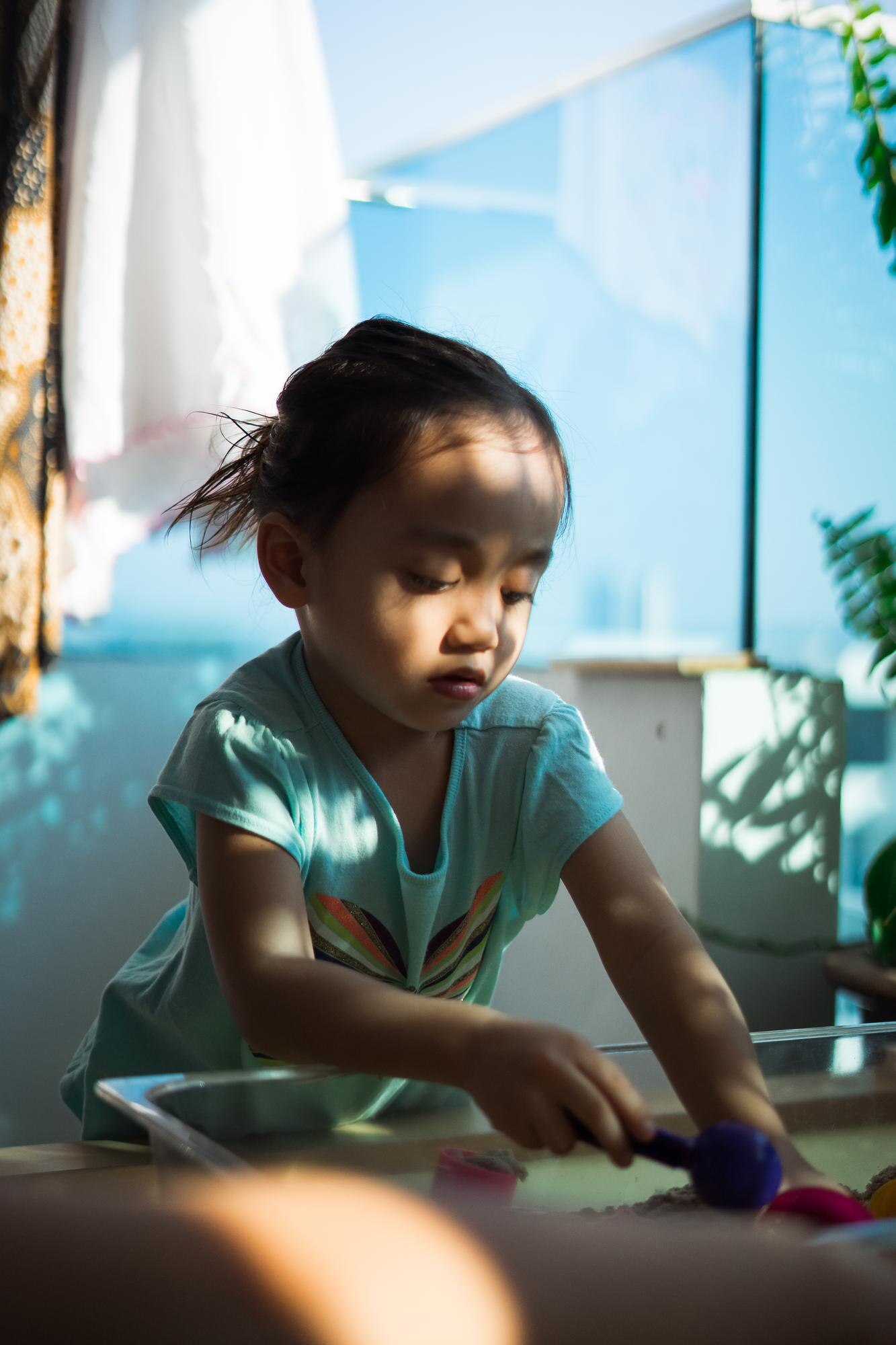
A child’s confidence is like a plant that needs the right environment to grow. At Basic Beginnings, we focus on nurturing this growth through our specialized methods.
Observation-Based Planning
Watching and learning from your child helps us create the best plan for their learning. Our educators pay close attention to each child’s interests and skills. They use this information to shape daily activities. For example, if your child loves building blocks, we’ll introduce math concepts through block play. This approach ensures that each child remains engaged and excited about learning.
Observation leads to understanding, and understanding leads to tailored activities that foster growth. This method not only keeps children interested, but also builds their confidence as they succeed in tasks they enjoy. Most people think that children need strict schedules, but we’ve found that flexibility is key. By adapting to each child’s needs, we help them feel valued and understood. This sets a strong foundation for self-assurance and eagerness to learn.
Positive Guidance Techniques
Positive guidance is essential in helping your child feel secure and supported. Our technique involves clear, consistent communication and encouragement. We focus on what your child can do, not what they can’t. When a child feels their efforts are noticed, they’re more likely to develop resilience.
We also teach problem-solving skills. When a conflict arises, we guide children to find solutions themselves. This empowers them and shows that they can handle challenges. You might think young children can’t solve problems on their own, but with guidance, they often surprise us. This process builds a sense of accomplishment and independence.
Our goal is to help every child thrive in a supportive environment where they can confidently explore their world. Learn more about the benefits of personalized learning.
Nurturing Curiosity in Young Children

Curiosity is a natural part of childhood. At Basic Beginnings, we harness this curiosity to fuel learning and growth. By allowing children to explore and discover, we open doors to new experiences.
Child-Led Exploration
Letting children take the lead in their learning journey is powerful. Child-led exploration means giving your child the freedom to choose what they want to learn or play with. This approach respects their interests and boosts their motivation to learn.
We provide various materials and activities for exploration. Whether your child is fascinated by art, nature, or science, we create opportunities for them to dive deeper. This freedom allows them to ask questions and seek answers, fostering a love for learning.
You may worry that giving too much freedom could lead to chaos, but structured guidance ensures that exploration remains productive. Children are naturally curious, and when given the right setting, this curiosity can lead to incredible growth. Discover more about how curiosity can unlock learning.
Play-Based Learning Environment
Play is a child’s work. A play-based environment encourages creativity and helps children develop essential skills. At Basic Beginnings, we integrate learning into play, making education fun and effective.
Our classrooms are filled with toys, games, and activities that promote learning. For instance, a game of pretend grocery shopping can teach math skills like counting and addition. Similarly, building a fort can enhance teamwork and problem-solving abilities.
By engaging in play, children learn without feeling pressured. This approach challenges the idea that learning must be formal and structured. Instead, it shows that play can be both enjoyable and educational. A play-based preschool provides a strong foundation for children to thrive academically and socially.
Partnering with Parents for Success

Our success depends on working together with you. A strong partnership ensures that your child receives the best support both at home and in our centers.
Strong Parent-Teacher Partnerships
We believe in open communication between parents and teachers. Regular updates and meetings help keep you informed about your child’s progress. This partnership means you can share insights about your child’s interests and needs, helping us tailor our approach.
You might think that teachers know best, but your input is invaluable. By working together, we create a consistent learning environment. This consistency helps children feel secure and supported, enhancing their learning experience. Our focus on a parent-teacher partnership is key to your child’s success.
Encouraging Preschool Enrollment and Tours 🚀
Seeing is believing. We encourage you to visit our centers and see our approach in action. Touring our facilities provides an opportunity to ask questions and understand our philosophy better.
Preschool enrollment is a significant step in your child’s education. By enrolling early, you give them a head start in a nurturing environment. The longer you wait, the more opportunities for growth and learning your child might miss.
Take the first step towards your child’s bright future. Schedule a tour of Basic Beginnings in Haverhill or Nashua today. Witness firsthand how our individualized learning approach can benefit your child. Your child’s journey to confidence and curiosity begins here.
Learn More!
Top Strategies to Foster Social and Emotional Development in Preschoolers
Building your child’s social and emotional skills in preschool sets the stage for healthy relationships and confident learning. At Basic Beginnings, we share proven strategies to support social and emotional development preschoolers need—both at home and in our classrooms. You’ll learn how positive guidance and play-based learning create a safe nurturing environment where your child can thrive. Keep reading to find practical ways to partner with us and prepare your little one for school readiness. For more information, visit this guide.
Building Social Skills at Home
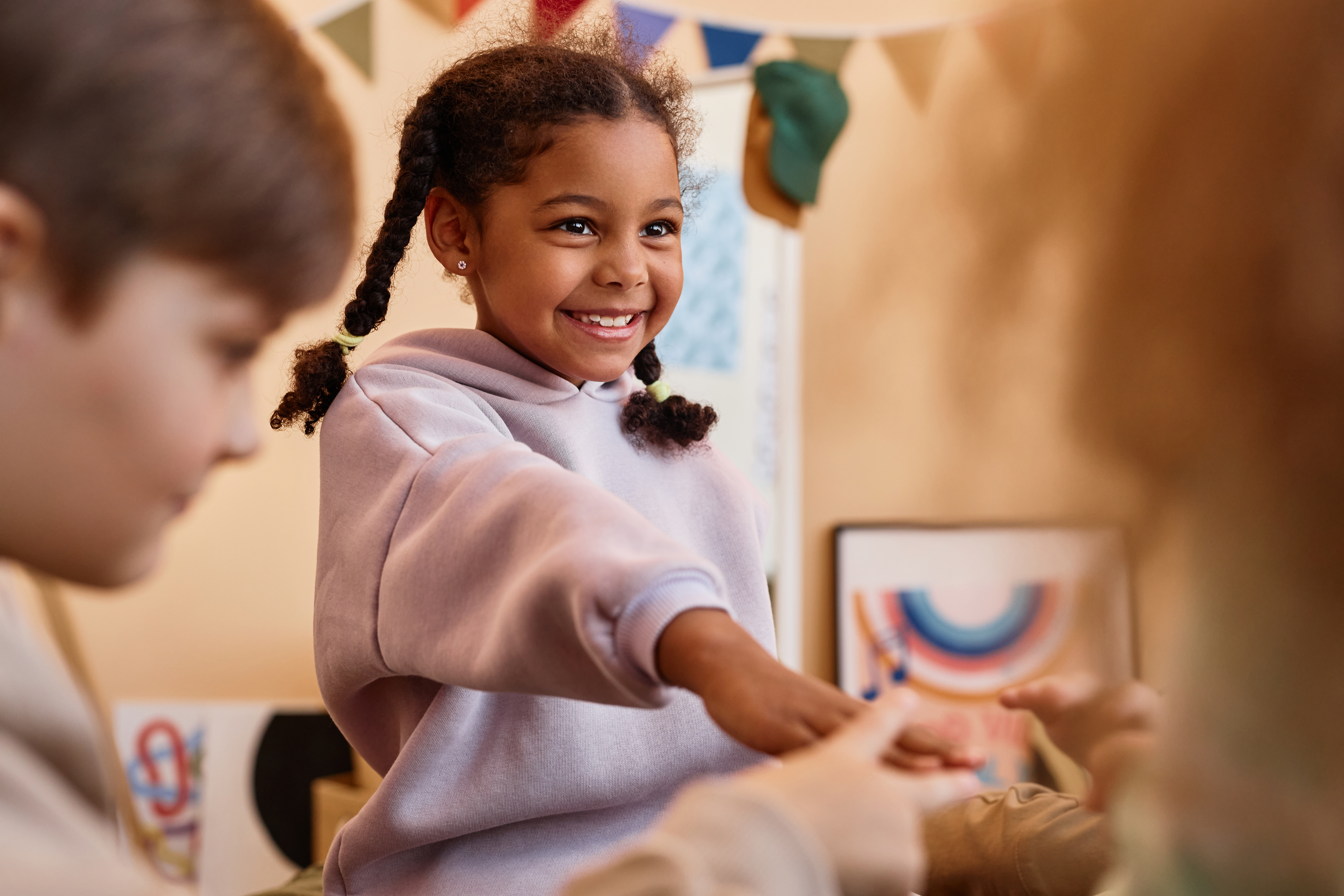
Creating a supportive environment for your child starts at home. By engaging in activities that promote social skills, you lay the groundwork for positive interactions and friendships.
Encouraging Cooperative Play
Cooperative play is more than just fun; it’s essential for developing teamwork. Invite your child to play games that require taking turns. This helps them understand patience and sharing. For example, board games or simple ball games can teach these values.
Involvement in group activities also builds confidence. Encourage your child to join neighborhood games or family activities. These settings give them the chance to practice social skills in a safe environment. Remember, every game is an opportunity for growth.
Positive Guidance Techniques
Positive guidance is about leading your child with kindness. It involves setting clear expectations and supporting them through mistakes. Use phrases that focus on actions, like “Please walk inside,” rather than “Don’t run.” This simple shift can make a big difference.
Consistency in your approach is key. When children know what to expect, they feel secure and confident. Reinforcing good behavior with praise gives them a sense of accomplishment. “I love how you shared your toys today” can go a long way in building their self-esteem.
Emotional Growth in the Classroom

When your child enters a classroom, they step into a new world of emotions and experiences. At Basic Beginnings, we focus on creating environments that promote emotional growth.
Play-Based Learning Benefits
Play is a powerful tool for learning. It allows children to explore and understand emotions naturally. Through play, kids learn empathy and problem-solving skills. For instance, role-playing different scenarios lets them see things from others’ perspectives.
Play-based learning also improves cognitive skills. It encourages curiosity and creativity, essential elements for emotional development. As children engage in play, they learn to express and manage their feelings more effectively. For more insights, check out this article.
Nurturing a Safe Environment
A safe environment is crucial for emotional well-being. In our classrooms, we prioritize safety and inclusivity. Children thrive when they feel safe and accepted. We foster a culture where every child is valued.
Creating this space involves more than physical safety. We emphasize emotional security by encouraging open communication. Children are taught to express themselves and listen to others. This builds trust and respect, forming the foundation for lifelong relationships.
Strengthening the Parent–Teacher Partnership

Your involvement in your child’s education is crucial. A strong partnership between parents and teachers enhances learning and development.
Setting Individualized Learning Goals
Every child is unique, and their learning paths should reflect that. Work with teachers to set personalized goals. This ensures your child receives the attention and resources they need.
Individualized goals also keep you informed about your child’s progress. Regular updates from teachers can guide you in supporting learning at home. Together, you and the school can create a consistent learning experience, tailored to your child’s needs. Discover more about this approach here.
Effective Communication Strategies
Good communication is the backbone of any partnership. Establishing open lines with your child’s teacher can make a world of difference. Regular meetings and updates keep everyone on the same page.
Be proactive in reaching out. Share observations from home and be open to feedback. This collaboration ensures that your child receives comprehensive support both at school and at home. Remember, the goal is a unified effort to nurture your child’s growth.
🌟
By fostering social and emotional development at home and in the classroom, you’re setting your child up for success. These strategies provide a comprehensive approach to nurturing well-rounded, confident learners. Explore more strategies here.
Learn More!