about
Choosing early childhood education isn’t just about finding a spot for your child to stay during the day. It’s about picking a place where your little one can build confidence, develop independence skills, and thrive in a safe nurturing environment. If you’re searching for early childhood education Haverhill MA or daycare Nashua NH, knowing what truly supports your child’s growth makes all the difference. Let’s explore clear criteria to help you select the right program that partners with you every step of the way. For additional insights, you can visit this essential tips guide.
Choosing the Right Program
Finding the right early childhood education program sets the foundation for your child’s growth. Here’s what to look for to ensure a nurturing environment.
Key Criteria for Selection
Start by checking the program’s reputation and reviews. Parents often find peace of mind through established institutions like Basic Beginnings, known for over 30 years of experience. Look into the curriculum: Does it align with Massachusetts and New Hampshire preschool standards? It’s essential for school readiness. Visit the facilities to see if they provide a safe and welcoming environment. Check how they promote social-emotional learning, as this is a significant part of your child’s early development. Flexible childcare options also matter, especially if you’re balancing a hectic schedule.
While exploring daycare Nashua NH, or early childhood education Haverhill MA, consider the benefits of parent-teacher partnerships. These collaborations ensure that the program aligns with your child’s unique needs and family values. Understanding these aspects can lead you to a choice that supports your child’s overall well-being.
Building Confidence in Preschoolers
Preschoolers thrive in environments that celebrate small victories. At Basic Beginnings, children grow by engaging in activities that encourage positive guidance. This approach builds confidence as they explore their capabilities. By participating in play-based learning, children learn to express themselves and make decisions, developing a strong sense of self.
Encouraging your child to try new things and express their feelings is vital. Teachers play a crucial role by providing gentle encouragement and celebrating achievements, no matter how small. This helps children understand that it’s okay to make mistakes and learn from them. Through these experiences, they build the confidence needed to tackle new challenges.
Encouraging Independence Skills
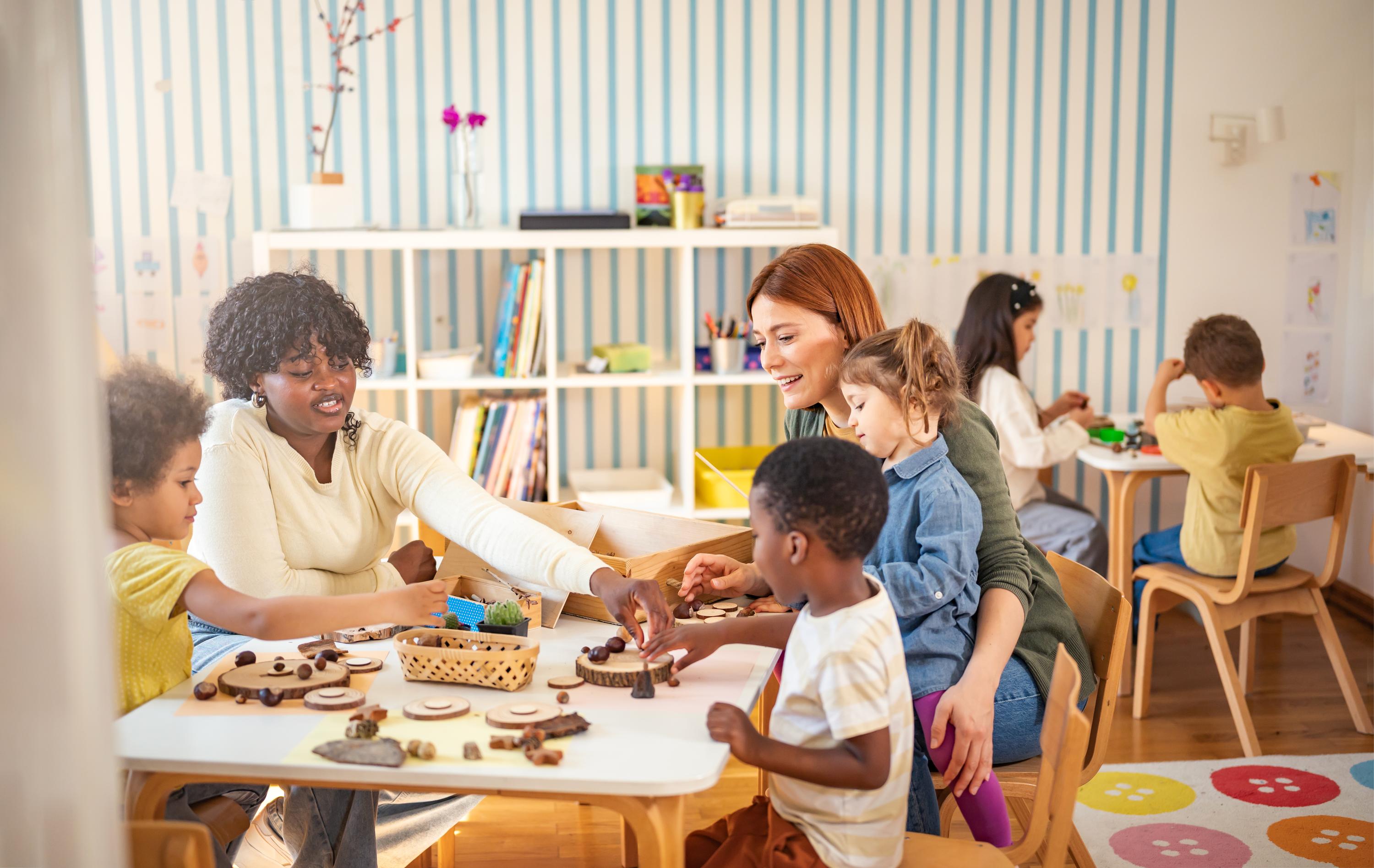
Independence in early childhood sets the stage for future success. Let’s delve into how children can become self-reliant from a young age.
Fostering Early Childhood Self-Reliance
Encouraging children to do tasks independently fosters self-reliance. Simple activities like choosing their clothes or cleaning up toys can have a significant impact. These tasks teach responsibility and decision-making, essential skills as they grow. Programs like those at Basic Beginnings focus on such activities to build independence skills in early childhood.
Teachers guide children through tasks, offering support when needed but allowing them to discover solutions on their own. This balance helps children gain confidence in their abilities and become more self-sufficient. For more tips on promoting independence in children, check out this resource.
Importance of Positive Guidance
Positive guidance shapes a child’s ability to make good choices. Rather than focusing solely on rules, it involves teaching children the reasons behind them. This approach fosters understanding and cooperation, empowering children to make informed decisions. Programs that incorporate this method help children learn the importance of kindness, empathy, and respect.
In environments that prioritize positive guidance, children learn to communicate effectively and resolve conflicts peacefully. These skills are fundamental as they develop social-emotional learning (SEL) competencies. Supporting children in this way not only benefits them now but also lays the groundwork for future interactions.
Partnering with Parents
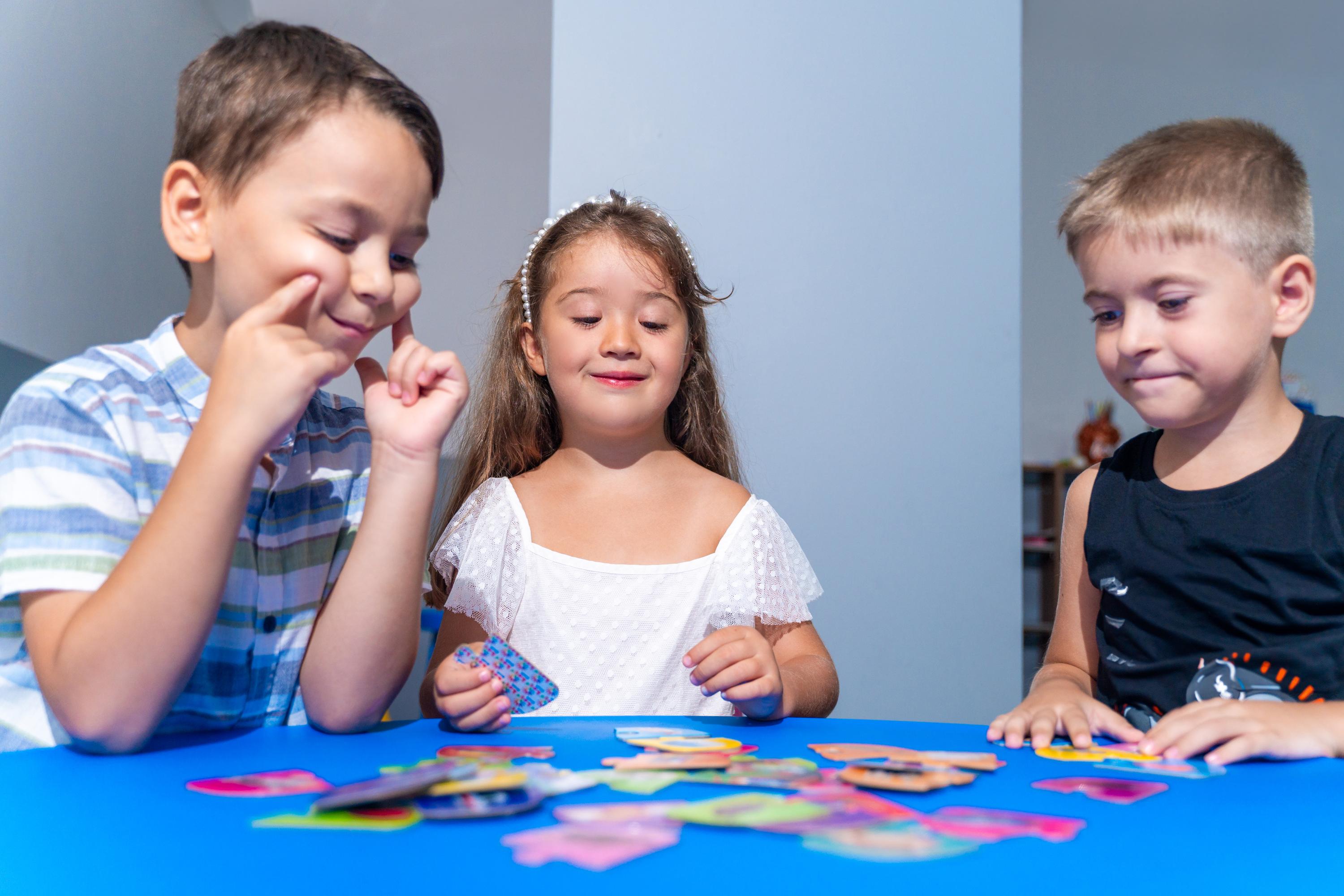
A strong parent-teacher partnership is crucial for a child’s success. Here’s how collaboration supports both families and educators.
Benefits of Parent-Teacher Collaboration
Working together, parents and teachers create a holistic approach to learning. This collaboration ensures that both parties understand a child’s needs and can tailor support accordingly. Regular communication between parents and teachers helps maintain a consistent approach to education, reinforcing what children learn at home and school.
Parent-teacher partnerships allow for shared insights and strategies, enhancing a child’s learning experience. By fostering open dialogue, both sides can address concerns and celebrate successes, creating a supportive network for the child. This partnership is a cornerstone of an effective early childhood education program.
Flexible Childcare Options and Benefits
Flexibility in childcare is a game-changer for many families. Whether you need extended hours in Nashua or specific days in Haverhill, having options reduces stress and supports work-life balance. Programs like Basic Beginnings offer extended hours and weekend coverage, accommodating diverse schedules. This flexibility is particularly beneficial for federal employees seeking convenient care solutions.
Knowing your child is in a safe, nurturing environment while you manage your responsibilities brings peace of mind. Flexible childcare options ensure your child receives consistent care and education, regardless of your schedule. This stability is essential for their development and your family’s well-being.
Frequently Asked Questions
What are the key features of a good early childhood education program?
A good program offers a safe environment, aligns with preschool standards, and fosters social-emotional development through positive guidance.
How can I tell if a program promotes independence in children?
Look for activities that encourage self-reliance, such as letting children choose tasks and solve problems independently, with support from teachers when needed.
What role do parents play in early childhood education programs?
Parents partner with teachers to align educational approaches, reinforce learning at home, and address their child’s unique needs.
Why is flexible childcare important?
Flexible childcare supports working families by accommodating diverse schedules, reducing stress, and ensuring consistent care for children.
How does positive guidance benefit preschoolers?
Positive guidance helps children understand rules and make informed choices, fostering communication skills and emotional intelligence.
Learn More!
Safe nurturing classrooms do more than just protect your child—they shape how they relate to others and understand their feelings. When children feel secure and cared for, their social and emotional development takes a strong, steady path. At Basic Beginnings, our early childhood education in Haverhill, MA, supports each child’s growth with positive guidance and individualized learning. Keep reading to see how these classrooms build skills that last a lifetime. You can learn more about the importance of nurturing classrooms by reading this article on social-emotional health.
Importance of Safe, Nurturing Classrooms
Safe, nurturing classrooms lay the groundwork for a child’s social and emotional growth. They provide a secure space where children can explore their feelings and build relationships with others.
Impact on Social and Emotional Growth
Children thrive when they feel safe and loved. In a nurturing environment, they learn to understand and manage their emotions. They develop empathy by interacting with peers and adults who model positive behaviors. This setting encourages children to express themselves and understand their feelings. As they navigate social situations, they build confidence and resilience, essential skills for their future.
Role in Early Childhood Education
Early childhood education goes beyond academics. It shapes a child’s personality and worldview. In a supportive classroom, children are encouraged to explore, ask questions, and engage in activities that promote their development. They learn to collaborate and communicate effectively with others. This not only prepares them for school but for life. A nurturing environment ensures that children develop a strong foundation in both learning and emotional health.
Effective Strategies for Social-Emotional Development
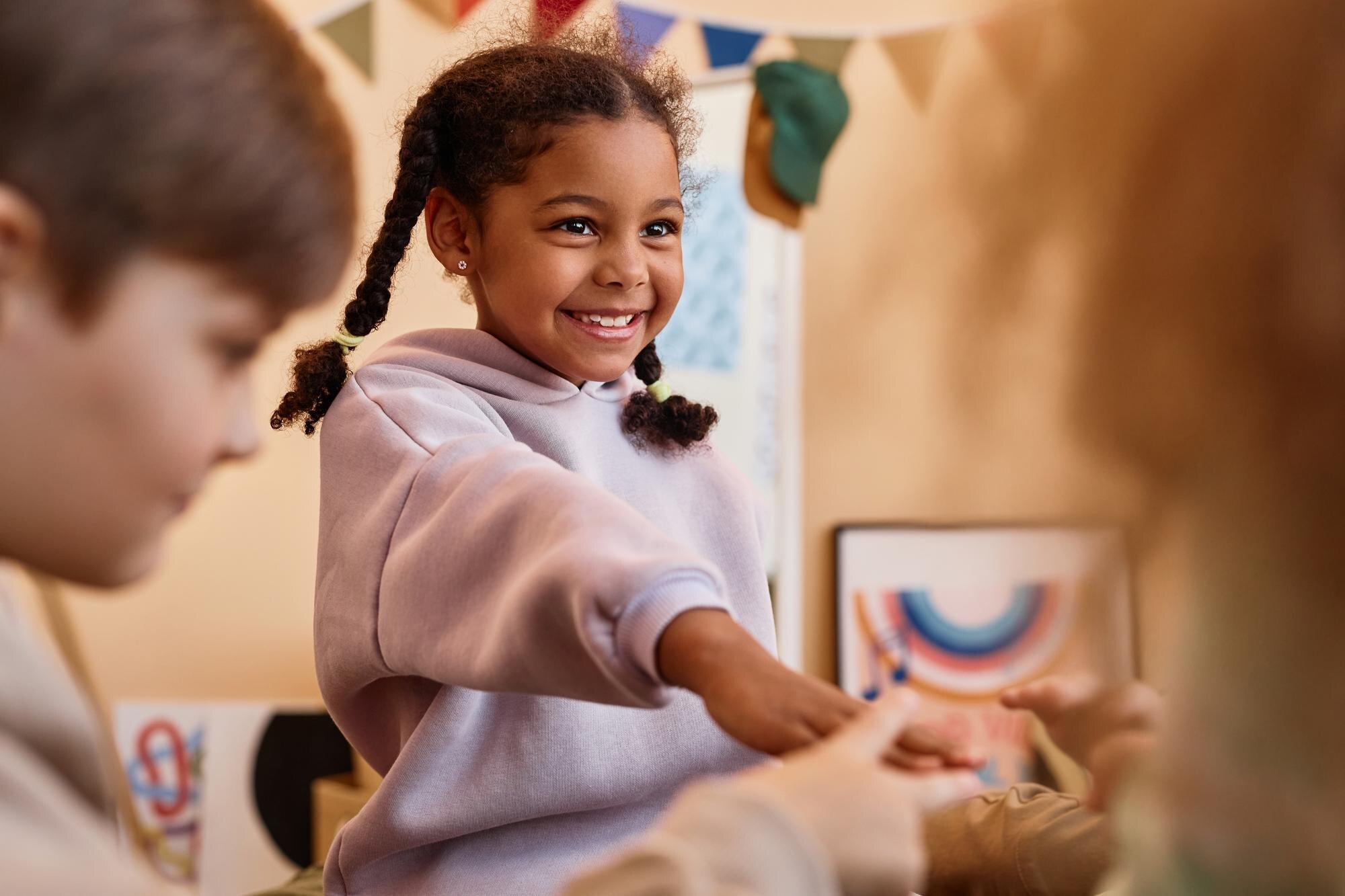
Building social and emotional skills requires intentional strategies. Let’s explore some that have proven effective in early childhood settings.
Positive Guidance in Preschool
Preschool is a crucial time for social-emotional development. Positive guidance helps children understand the impact of their actions. Teachers use gentle, supportive language to encourage appropriate behavior and help children learn from mistakes. This approach fosters self-discipline and independence. By setting clear expectations and modeling kindness, teachers create a positive atmosphere where children feel valued and understood.
Parent-Teacher Partnership Benefits
Parents and teachers working together create a strong support system for children. When parents are involved in the learning process, children benefit from consistency and reinforcement at home. Teachers can share insights and strategies with parents to support their child’s development. This partnership ensures that children receive the guidance they need, both in the classroom and at home. It helps children feel secure, knowing they have a team supporting them.
Exploring Basic Beginnings’ Approach

At Basic Beginnings, we are committed to nurturing every child’s growth. Our approach focuses on individualized learning and strong partnerships with families.
Individualized Learning Preschool Techniques
Every child is unique, and our programs reflect that. We tailor learning experiences to meet each child’s needs. By observing and understanding each child’s interests and abilities, our teachers create personalized learning plans. This approach encourages children to explore at their own pace and challenges them to grow. Our techniques for individualized learning ensure that every child receives the support they need to succeed.
Schedule Your Child Care Tour Today
Choosing the right preschool is an important decision. At Basic Beginnings, we invite you to see our nurturing environment firsthand. A tour allows you to meet our dedicated staff and observe our programs in action. You’ll discover how our personalized approach can benefit your child. Schedule a tour today and take the first step toward a bright future for your little one.
Frequently Asked Questions
What is the importance of a nurturing classroom?
A nurturing classroom provides a safe and supportive environment where children can develop social and emotional skills. It helps them learn to manage their emotions, build empathy, and interact positively with others.
How does positive guidance work in preschool?
Positive guidance involves using supportive language and clear expectations to encourage appropriate behavior. It helps children understand the impact of their actions and fosters self-discipline and independence.
Why is a parent-teacher partnership important?
A strong parent-teacher partnership ensures consistency in a child’s learning and development. It allows for shared insights and strategies, providing children with a supportive network both at home and in school.
What makes Basic Beginnings’ approach unique?
Basic Beginnings focuses on individualized learning, tailoring experiences to meet each child’s needs. This personalized approach, combined with a strong emphasis on parent-teacher partnerships, supports children’s growth and development.
How can I schedule a tour at Basic Beginnings?
To schedule a tour, visit our website or contact us directly. A tour allows you to explore our nurturing environment, meet our staff, and see how our programs can benefit your child.
Learn More!
Raising Capable Kids: Practical Ways to Build Independence in Preschoolers at Home and Daycare
Raising preschoolers who confidently do things on their own can feel like a slow climb. You want your child to develop strong self help skills but aren’t sure where to start or how to keep that growth steady both at home and daycare. Here, you’ll find practical ways to support preschool independence and learn how Basic Beginnings helps nurture these skills in our classrooms. Schedule a tour at our Haverhill, MA or Nashua, NH centers to see how we partner with families for your child’s success. For more tips on fostering independence, check out this guide.
Building Preschool Independence

Let’s explore how you can build your child’s independence. This journey starts with encouraging vital self-help skills.
Encouraging Self-Help Skills
Imagine your child dressing themselves or packing their toys away. These self-help skills give them a sense of accomplishment. Start small. Let them try tasks like zipping a coat or pouring water. These may seem simple, but they build crucial motor skills. 75% of parents notice improved confidence when kids do tasks on their own. As these skills grow, your child learns to tackle new challenges.
Encouragement is key. Celebrate small wins to motivate them. Avoid stepping in unless necessary. This teaches resilience. If they struggle, guide them with gentle prompts. This approach fosters self-sufficiency and boosts confidence. For more insights on encouraging independence, visit Bright Path Kids.
Creating Independent Routines
Routines are a strong foundation for independence. Start with a simple morning routine. This might include brushing teeth, getting dressed, and making the bed. Consistency is crucial. It helps children know what to expect. Include them in meal planning or setting the table. This makes them feel valuable and responsible.
Break routines into manageable steps. Use pictures or checklists if needed. These visual aids can help young ones remember their tasks. 80% of kids respond positively to visual cues. This structure not only supports independence but also reduces morning chaos.
Positive Guidance Techniques
How you guide your child impacts their independence. Positive guidance encourages exploration. When they attempt tasks, be patient. Offer praise for effort rather than perfection. This cultivates a growth mindset. Use clear language when giving instructions. This helps them understand what is expected.
If they face challenges, offer solutions rather than immediate help. For example, ask them to think of a different approach. This problem-solving skill is invaluable. Most people think kids need constant supervision, but with the right guidance, they learn to trust their judgment. Learn more about positive guidance from Child Mind Institute.
Home Strategies for Independence
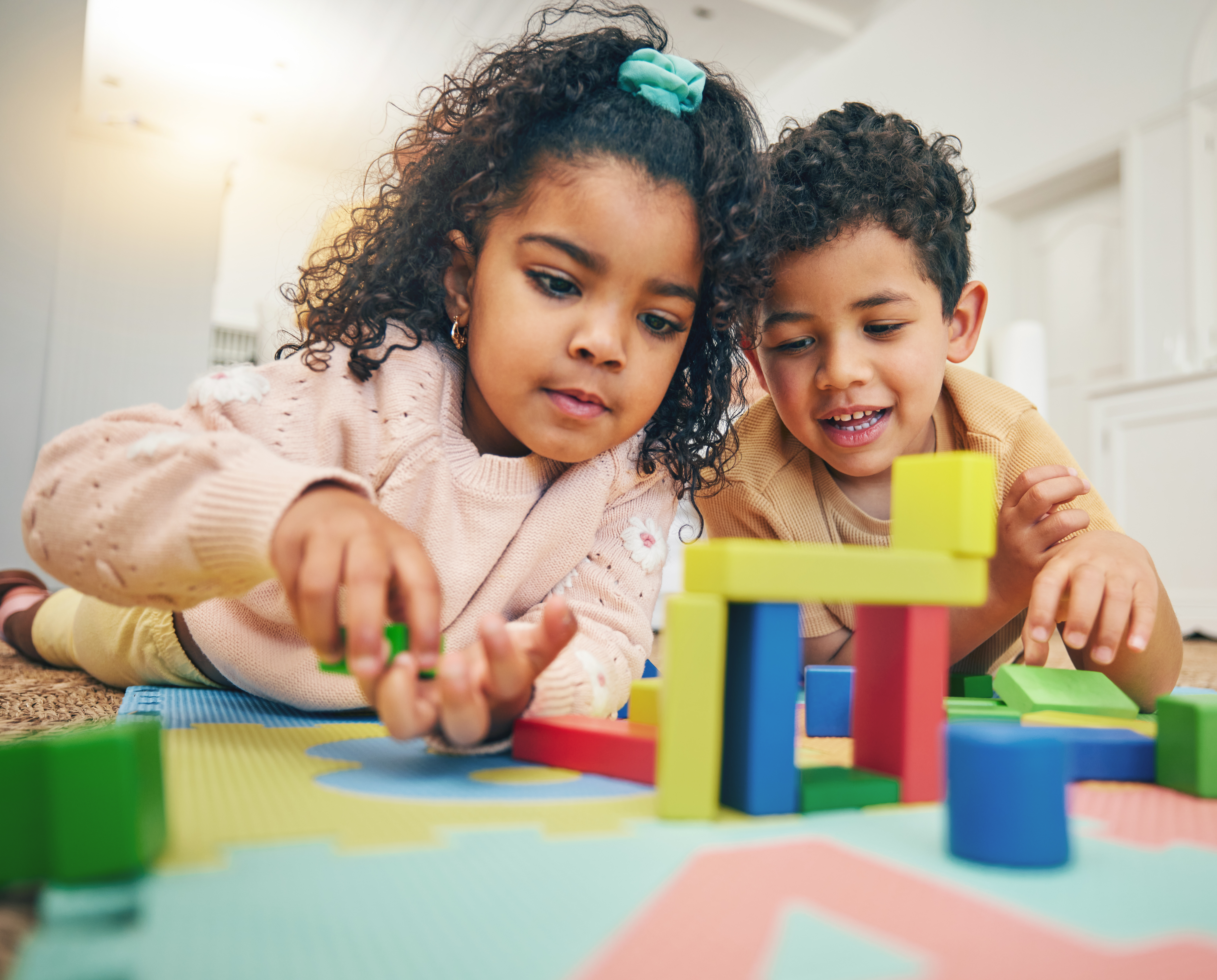
Building independence goes beyond the classroom. Here are effective home strategies to ensure your child thrives both at home and in preschool.
Practical Activities at Home
You can foster independence through everyday activities. Involve your child in cooking. Let them wash vegetables or stir ingredients. This enhances their motor skills and teaches them about food. 60% of kids who cook with family eat healthier meals. Encourage them to tidy their play area. This responsibility teaches them organization and respect for their belongings.
Craft activities also boost independence. Set up a simple crafting station with supplies. Let them create freely. This encourages creativity and decision-making.
Parent-Child Partnership
Partnership with your child strengthens their independence. Set goals together. Discuss and plan activities they enjoy. This collaboration builds mutual respect. Listen to their ideas and give them choices. When kids feel heard, they feel empowered.
Share responsibilities. Assign age-appropriate chores. This shows you trust their abilities. Remember, teamwork in the family supports growth. Many parents think independence means doing things alone, but the truth is, it thrives on collaboration.
School Readiness Skills
Preparing for school means more than academics. Focus on social and emotional development. Teach them to express feelings and understand others. Playdates or group activities are great for this. Encourage them to ask questions and share ideas. This enhances communication skills.
Introduce basic routines like cleaning up after play or setting up their study area. Such routines promote responsibility. These skills are the building blocks for a successful school life. For more school readiness tips, explore NAEYC’s guide.
Daycare Support and Enrollment
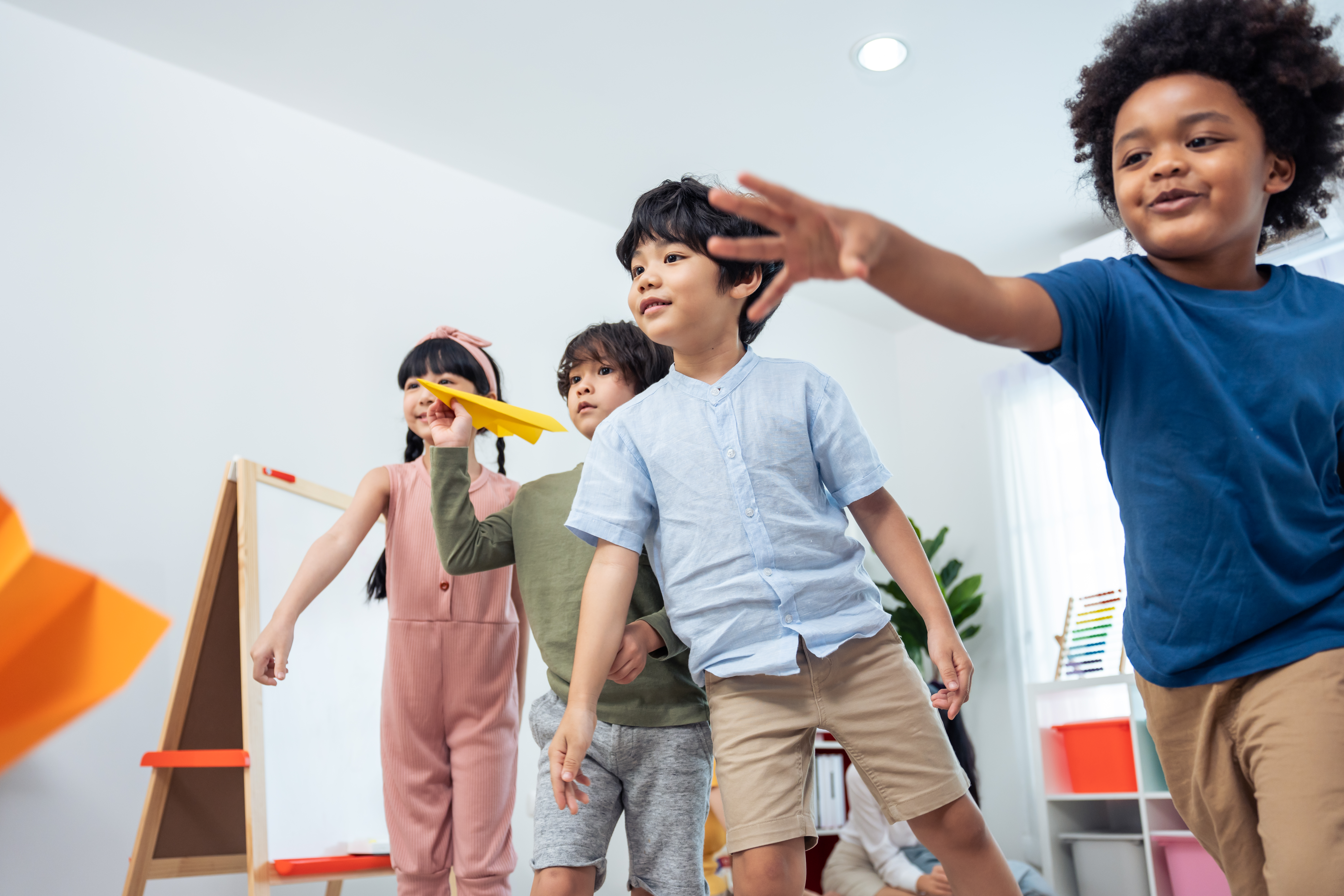
At Basic Beginnings, we understand your commitment to fostering independence. Our daycare programs provide the support and environment your child needs.
Benefits of Early Childhood Programs
Early childhood programs are vital. They offer structured learning environments that support independence. Children engage in activities that build social skills and self-assurance. Our programs at Basic Beginnings focus on personalized learning. This approach helps each child thrive at their own pace.
Our centers emphasize positive guidance and create a nurturing community. Most people expect daycare to be just babysitting, but here, it’s a place of discovery and growth. Children learn through play, exploration, and structured routines.
Touring Our Centers
Seeing is believing. Visit Basic Beginnings in Haverhill, MA, or Nashua, NH. Experience our warm, welcoming environment firsthand. Our facilities are designed to foster a love for learning. During your tour, you’ll see how we inspire children daily.
Our extended hours at Nashua offer flexibility for busy families. This ensures your child is cared for even with a hectic schedule. Schedule your visit today and discover why many parents trust us for their child’s early education.
Enrolling in Haverhill and Nashua
Ready to join our community? Enrolling at Basic Beginnings is simple. Our team is here to guide you through each step. Whether you are in Haverhill or Nashua, we ensure a smooth transition for your child.
By choosing us, you invest in your child’s future. They will gain skills that last a lifetime. The longer you wait, the more opportunities slip by. Give your child the gift of independence and confidence today. Explore our programs and start your journey with us.
Learn More!