about
Safe routines for children do more than create order—they build a foundation of trust and independence that lasts a lifetime. When your child knows what to expect, they feel secure, which supports social-emotional development and confidence. At Basic Beginnings, we weave healthy routines into every part of our daily schedule in daycare, helping kids grow ready for school and life. Keep reading to learn how predictable, nurturing habits make all the difference in early childhood growth. Learn more about the importance of routines here.
Building Trust Through Routines
Safe Routines for Children
Creating a reliable schedule helps children feel secure. When kids know what comes next, they are more likely to trust their environment and the people around them. This foundation builds confidence and promotes growth.
Incorporating consistent routines in your child’s day can make a big difference. At Basic Beginnings, we focus on developing a child’s trust through structured activities and play. These routines, such as regular meal times and story sessions, offer security that children crave. You can read more about how routines benefit children here.
Whether it’s a morning greeting or a specific time for outdoor play, routines help children understand what is expected. This predictability leads to reduced anxiety and a more relaxed atmosphere, which is essential for learning and social interaction. By following a routine, children also learn the importance of time management, which is a valuable skill for future independence.
Healthy Daycare Practices
In a daycare setting, healthy practices extend beyond nutrition. They include establishing daily routines that promote physical activity, rest, and learning. These routines are crucial for a child’s well-being.
At Basic Beginnings, we ensure that children have a balance of activities. From active play sessions to quiet reading time, each part of the day is designed to help children grow. This balanced approach supports physical health and cognitive development. Discover more about structured routine benefits.
We also prioritize a clean and safe environment. Regular handwashing, healthy meals, and rest times are integral parts of our daily routine. By teaching children these habits early, we instill lifelong practices that promote health and wellness.
Social-Emotional Development
Social-emotional skills are vital for a child’s overall development. Routines play a significant role in nurturing these skills by providing a stable environment where children can explore and express emotions safely.
Through consistent interactions with caregivers and peers, children learn empathy, cooperation, and communication. At Basic Beginnings, we incorporate social-emotional learning into our daily activities, helping children recognize feelings and develop appropriate responses. See how routines help children feel safe.
By fostering positive relationships, children build self-esteem and learn to navigate social situations effectively. Our approach helps children become confident individuals ready to engage with the world around them.
Encouraging Independence in Early Childhood

As children develop trust through routines, they also gain independence. Encouraging self-reliance in early childhood sets the stage for lifelong skills in decision-making and responsibility.
Toddler Routine Schedule
Toddlers thrive on consistency. A well-structured routine helps them understand boundaries and expectations. At Basic Beginnings, our toddler programs include predictable schedules that balance play, learning, and rest.
In the classroom, toddlers participate in activities that encourage exploration and creativity. Structured playtimes allow them to discover new skills and interests. These activities also provide opportunities to practice decision-making and problem-solving, essential components of independence.
Outside the classroom, routines such as meal and naptimes further reinforce a sense of security. Regular repetition helps toddlers feel in control of their environment, boosting their confidence and eagerness to try new things.
Pre-K School Readiness
Preparing for school involves more than academics. At Basic Beginnings, we emphasize routines that promote independence and readiness for school. Our pre-K program focuses on instilling skills that children will need in a classroom setting.
Daily routines include activities that foster literacy, numeracy, and social skills. Children learn to follow instructions, work in groups, and complete tasks independently. These experiences build a foundation for school success and encourage a love of learning.
Our educators work closely with children to develop personalized learning plans. By tailoring activities to each child’s needs, we ensure they are challenged and supported in their journey to school readiness.
Infant Care Routines
Infants also benefit from structured routines. These early experiences set the stage for future growth and development. At Basic Beginnings, our infant care focuses on creating a nurturing environment through predictable daily activities.
Routines such as feeding, napping, and playtime provide a sense of security for infants. Consistency helps them develop trust in their caregivers and surroundings. This trust is crucial for emotional development and lays the groundwork for independence.
Through interactive play and gentle guidance, infants learn to explore their world. Our caregivers support their curiosity and encourage milestones like sitting up and crawling, paving the way for future independence.
Partnering with Families
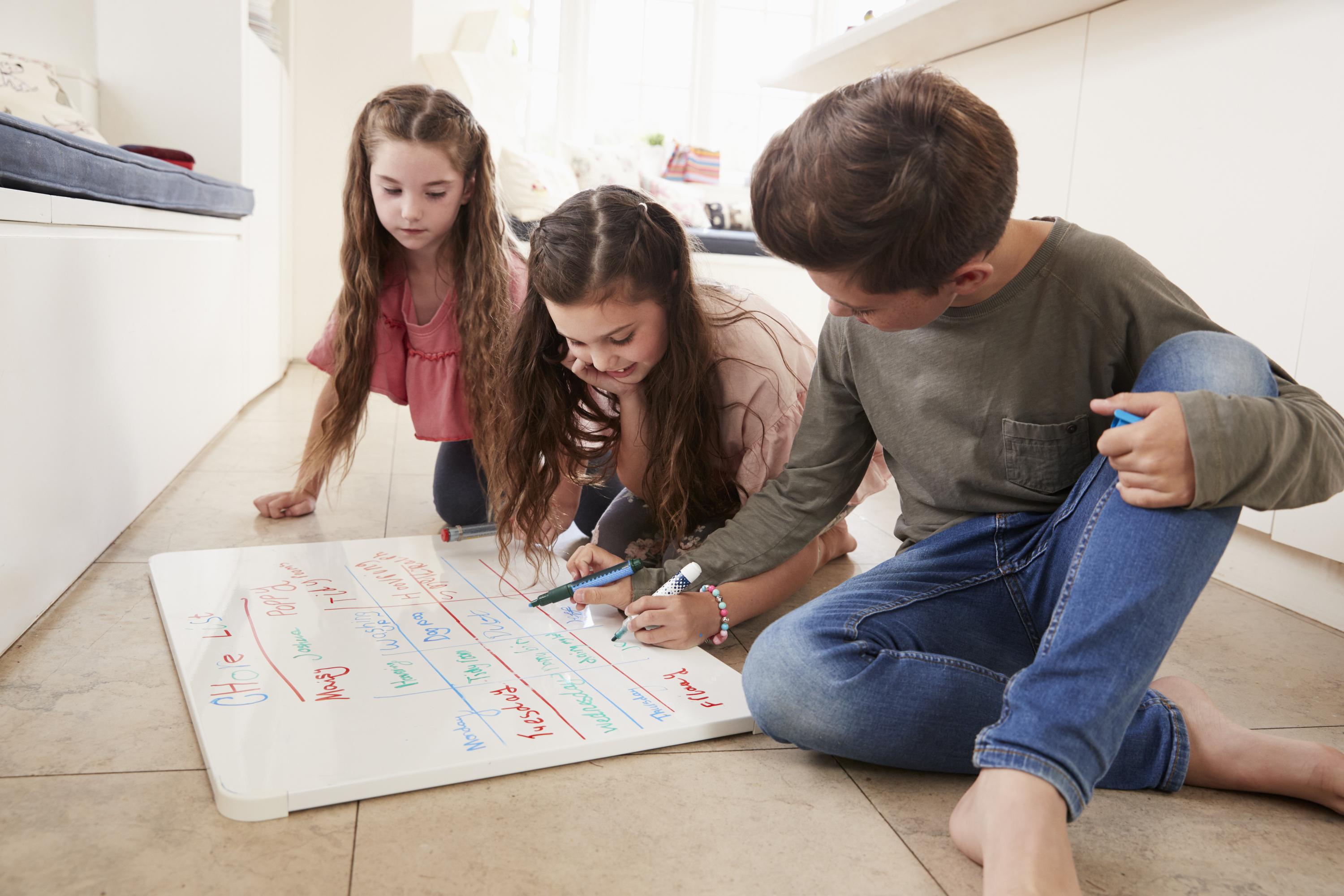
For children to thrive, parents and teachers must work together. A strong partnership ensures that children receive consistent support both at home and in daycare.
Parent-Teacher Partnership
Communication is key to a successful parent-teacher partnership. At Basic Beginnings, we encourage open dialogue to support each child’s development. Regular updates and meetings keep parents informed about their child’s progress and milestones.
By working together, we can tailor routines and activities to meet a child’s specific needs. This collaboration helps children feel supported and understood, fostering a positive learning environment. Parents are integral to their child’s growth, and we value their input and expertise.
Family Engagement in Childcare
Engaging families in childcare activities builds a sense of community and belonging. At Basic Beginnings, we offer opportunities for families to participate in their child’s learning journey. Events, workshops, and volunteer opportunities allow parents to stay connected and involved.
By involving families, children see the importance of education and community. This engagement reinforces routines and provides additional support for a child’s development. Together, we create a nurturing environment that promotes growth and learning.
Flexible Childcare Solutions 🌟
Every family has unique needs. At Basic Beginnings, we offer flexible childcare solutions to accommodate different schedules and requirements. Our Nashua location provides extended hours and weekend care, ideal for families with nontraditional work hours.
These flexible options ensure that children receive consistent care, regardless of family schedules. By providing reliable childcare, we help families balance work and family life without compromising their child’s development.
Frequently Asked Questions
Why are routines important for children?
Routines provide a sense of security and predictability, helping children feel safe and confident. They support social-emotional development and foster independence by establishing clear expectations.
How do routines support social-emotional growth?
Consistent routines allow children to build trust in their caregivers and environment. This trust encourages them to explore emotions, develop empathy, and engage positively with others.
What does a typical day look like at Basic Beginnings?
A typical day includes structured play, learning activities, meal times, and rest periods. Our programs balance academic and social-emotional learning, preparing children for school and life.
How can parents get involved in their child’s daycare experience?
Parents can participate in events, volunteer opportunities, and regular communication with educators. This involvement strengthens the parent-teacher partnership and supports a child’s development.
What flexible care options does Basic Beginnings offer?
Our Nashua location offers extended hours and weekend care, accommodating families with diverse schedules. These options provide consistent, reliable care for children, ensuring stability in their routine.
Learn More!
Finding a child care center that truly values parent-teacher partnership can feel like searching for a needle in a haystack. You want a place where communication flows freely, your child’s unique needs are understood, and family engagement in childcare is more than just a phrase. This guide lays out 12 clear signs to help you spot centers that prioritize real collaboration—giving you confidence as you choose early childhood education in Haverhill, MA or daycare in Nashua, NH. Keep reading to see what sets the best programs apart. For more on building a strong parent-teacher partnership, visit here.
Identifying True Parent-Teacher Partnerships
Spotting a true partnership between parents and teachers can make all the difference in your child’s education. Let’s delve into how you can identify such collaborations.
Communication With Teachers
Open lines of communication are key. Teachers who prioritize regular updates will keep you informed about your child’s day. Look for centers that offer daily chats or convenient messaging apps for quick questions. Consistent interaction ensures you stay in the loop about your child’s progress and any areas needing attention. A good center values your insights and works with you to address any concerns.
Parent Conferences Preschool
Regular parent-teacher meetings provide a platform to discuss your child’s development. These meetings are essential for understanding your child’s progress and setting goals. Look for centers that schedule them at least twice a year. These conferences are an opportunity for you to share observations from home and collaborate on strategies. Active participation in these discussions strengthens the educational bond.
Daily Reports Daycare
Daily reports offer a snapshot of your child’s day. These notes often include activities, meals, and nap times. A daycare that provides such insights shows transparency in operations and care. It allows you to have meaningful conversations with your child about their day. Consistent reporting also helps track developmental milestones and address any issues promptly.
Engaging Families in Childcare

Family engagement in childcare is more than attending events. It’s about integrating your family into the learning journey.
Family Engagement in Childcare
A quality center encourages active family participation. This could be through classroom volunteering, special events, or family-teacher projects. Your involvement reinforces the importance of education and creates a supportive community. Look for signs that the center values your contribution and sees it as integral to your child’s success.
Questions to Ask a Preschool
When choosing a preschool, asking the right questions can reveal much about their partnership ethos. Inquire about their approach to parent involvement and how they handle feedback. Ask about the curriculum and how it supports individualized learning. Understanding their communication methods and conflict resolution strategies will also give insight into their collaborative mindset.
Safe Nurturing Environment
Safety and nurturing go hand in hand in a child’s development. A center that prioritizes both offers a setting where children feel secure and valued. Observe how staff interact with children and each other. Look for a welcoming atmosphere where respect and care are evident. This environment is crucial for fostering your child’s growth and happiness.
Choosing the Right Child Care Center

Selecting the best childcare involves considering both educational quality and logistical convenience.
Early Childhood Education Haverhill MA
In Haverhill, early childhood education should focus on nurturing each child’s unique potential. Centers that offer individualized learning plans cater to diverse needs. Check for programs that align with Massachusetts educational standards. Knowing your child is receiving tailored support builds confidence in their academic journey.
Daycare Nashua NH
For families in Nashua, daycare options with flexible hours can make life easier. Look for centers that accommodate busy schedules, including nights and weekends. This flexibility is especially beneficial for federal employees or those with irregular work hours. A daycare that supports your family’s routine can significantly reduce stress.
Flexible Childcare Hours
Flexible childcare hours are a lifesaver for working parents. Centers that offer extended hours show understanding of modern family needs. This flexibility ensures your child is cared for even outside the typical 9-to-5, supporting your work-life balance. It’s an essential feature for families juggling various commitments.
Frequently Asked Questions
What questions should I ask a potential daycare?
Ask about their approach to parent involvement, curriculum details, safety measures, and communication practices. Understanding these aspects helps gauge their commitment to collaboration.
How can I engage with my child’s daycare?
Participate in events, volunteer for activities, and maintain open communication with teachers. Your involvement strengthens the partnership and enhances your child’s experience.
Why are flexible childcare hours important?
They accommodate diverse work schedules, reducing stress for parents. Flexible hours ensure your child receives consistent care even with non-traditional work hours.
Learn More!
Building a strong parent-teacher partnership in early childhood sets the stage for your child’s success. At Basic Beginnings Learning and Development Center, we know that working closely with teachers makes a real difference in your child’s growth. This guide shares practical steps to create that connection, highlighting our personalized programs and flexible care options in Haverhill, MA, and Nashua, NH. Ready to learn how collaboration shapes early childhood education? https://earlylearningnetwork.unl.edu/2018/08/29/parent-teacher-relationships/
Parent-Teacher Partnership Essentials
Building a strong parent-teacher connection is vital for your child’s development. This section explores key strategies to foster effective communication and collaborative learning, ensuring your involvement enhances your child’s educational journey.
Effective Communication Strategies
Clear communication lays the foundation for a successful parent-teacher relationship. Start by setting up regular check-ins with your child’s teacher. This could be through email, phone calls, or in-person meetings. Keeping these lines open ensures you stay informed about your child’s progress and any challenges they might face.
Listening actively is just as important as sharing information. When teachers share updates, take note of any specific details about your child’s behavior or achievements. This can help you reinforce positive behaviors at home. Remember, your perspective as a parent is valuable, and sharing insights about your child’s interests and activities outside of school can help teachers tailor their approach.
For more insights on building effective parent-teacher relationships, check out this helpful resource from Reading Rockets.
Collaborative Learning Approaches
Working together with teachers can transform your child’s learning experience. Discussing learning goals and strategies with your child’s teacher provides a clear roadmap for supporting them at home. This collaboration ensures consistency in the educational approaches both at school and home.
One approach is to engage in joint activities that extend classroom learning. For example, if your child is exploring nature in class, plan a weekend outing to a local park where they can observe and interact with the environment. These shared experiences reinforce learning and build a deeper understanding.
For more strategies on partnering with your child’s teacher, visit NAEYC’s resource.
Flexible Childcare Solutions
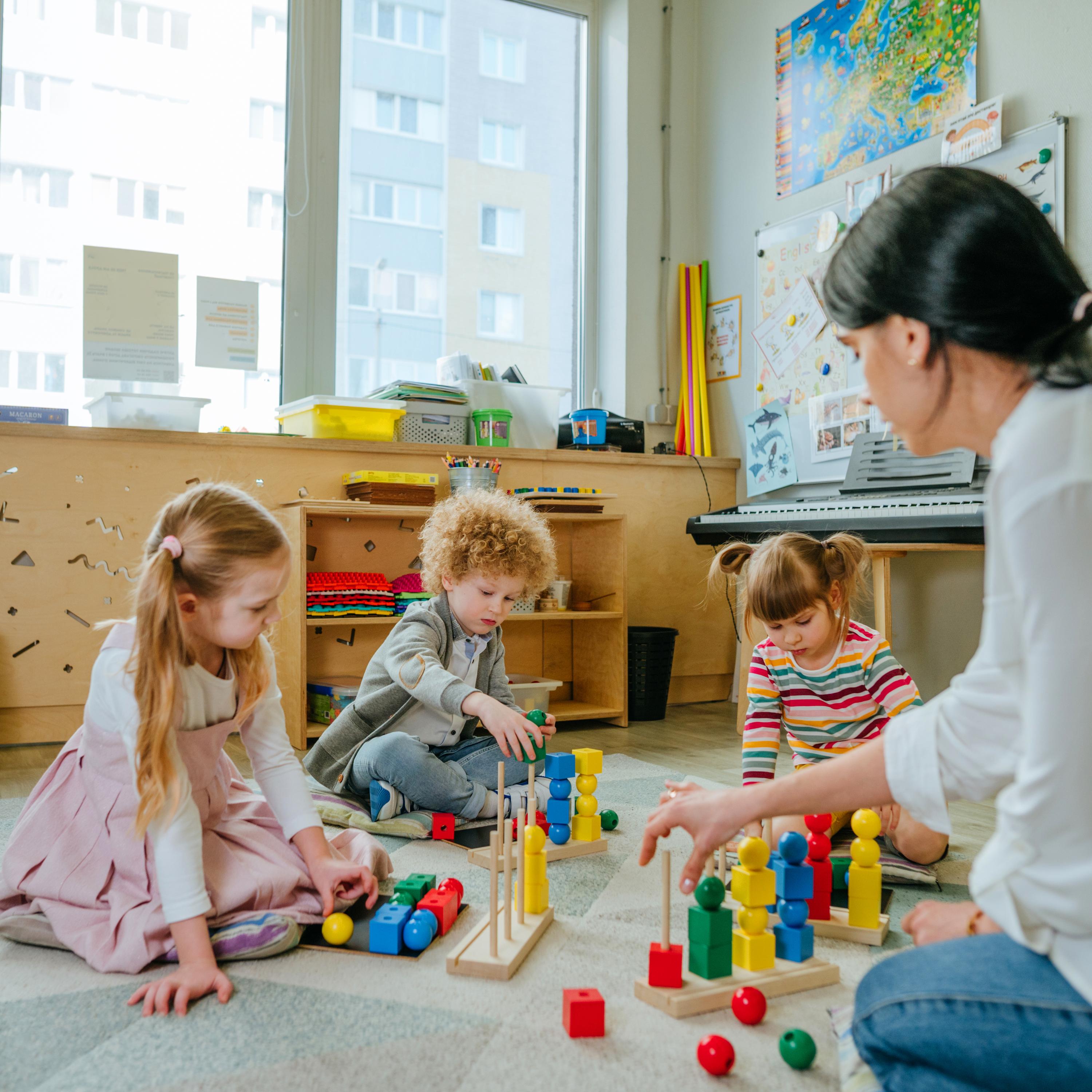
At Basic Beginnings, we understand the diverse needs of modern families. Our flexible childcare solutions are designed to accommodate varying schedules while maintaining a focus on quality early childhood education.
Extended Hours and Weekend Care
Finding childcare that fits your schedule can be a challenge. Our Nashua location offers extended hours, staying open until midnight and providing weekend care. This flexibility means you can manage work commitments without worrying about your child’s well-being.
Imagine having the peace of mind that comes from knowing your child is in a supportive environment. Our staff uses these extended hours to engage children in fun, educational activities that align with their classroom experiences. This consistent approach helps children feel secure and supported, no matter the time of day.
FAA and Federal Employee Programs
For FAA and federal employees, balancing work and family life is particularly important. Our partnership with the FAA provides special childcare programs tailored to meet these unique needs. We offer priority placement, discounts, and subsidies specifically for FAA and federal families.
These benefits ensure you have access to quality care that aligns with your work commitments. Knowing that your child is receiving exceptional education and care allows you to focus on your duties with peace of mind. Explore more about these programs and how they can support your family.
Enroll and Engage with Basic Beginnings

Ready to see how our approach can benefit your child? Discover the opportunities that await at Basic Beginnings by visiting our centers and learning about our individualized learning plans.
Tour Our Centers in Haverhill and Nashua
Seeing is believing. A tour of our Haverhill and Nashua centers lets you witness firsthand the nurturing environments we provide. Meet our dedicated staff and observe our engaging classrooms. Our centers are designed to inspire creativity and exploration, ensuring your child feels at home.
During your visit, you’ll have the chance to ask questions and discuss how our programs can meet your child’s unique needs. Scheduling a tour is a step toward giving your child the best start in their educational journey.
Creating Individualized Learning Plans
Every child learns differently, and our individualized learning plans reflect that. We work closely with you and your child to create tailored educational experiences. This personalized approach means your child receives the support they need to thrive.
Our teachers continually assess and adapt these plans, ensuring they grow with your child. This attention to detail means your child’s learning is always aligned with their developing interests and capabilities. Embrace the opportunity to support your child’s growth with a plan that celebrates their individuality.
Visit Pepperdine’s guide for more tips on effective parent-teacher collaboration.
By partnering with Basic Beginnings, you invest in a future where your child feels supported and inspired. Join us in building a community focused on nurturing the next generation of learners.
Learn More!
Growing Together: How Parent-Teacher Collaboration Nurtures Social and Emotional Skills in Early Childhood
Parent-teacher partnership is more than just meetings and updates—it shapes how your child learns to connect and express feelings. When home and school work side by side, children build stronger social and emotional skills that last a lifetime. At Basic Beginnings, we focus on this connection to support your child’s growth every day. Keep reading to see how our approach in early childhood education in Haverhill, MA, and Nashua, NH can make a real difference for your family. For more insights on the importance of these partnerships, check this resource.
Parent-Teacher Partnership Benefits

When schools and families join forces, children thrive in ways you might not expect. This collaboration lays a solid foundation that supports kids in developing crucial life skills.
Building Blocks of Social Skills
Have you ever wondered how your child learns to play and share? It starts with social skills that are nurtured both at home and in school. Parents and teachers work together to create environments that encourage these interactions.
Imagine your child in a classroom setting where they learn to play cooperatively in groups. This teaches them to share and wait their turn. At home, you can reinforce these lessons by playing games that require sharing and taking turns. This consistent approach between home and school helps your child build a strong social foundation.
Teachers play a vital role by modeling positive behavior, while parents can follow through with similar practices at home. This partnership ensures children receive consistent messages about how to interact with others. The result? A confident child who navigates social situations with ease.
Emotional Development Through Collaboration
Your child’s emotional growth is just as important as their social skills. Early childhood education focuses on helping children identify and express their feelings in healthy ways. Teachers introduce activities that encourage kids to talk about their emotions. Parents can extend this learning by having open conversations at home.
For instance, if your child learns about feelings through storytelling at school, you can continue the discussion by reading similar books together at home. This reinforces the idea that expressing emotions is normal and healthy.
A study shows that children who receive support from both teachers and parents tend to manage their emotions better. This collaboration builds emotional resilience, preparing them for life’s ups and downs.
Strategies for Family Engagement

Creating a seamless connection between home and school isn’t always easy, but it’s worth the effort. Here are some strategies to ensure your child gets the most out of this partnership.
Aligning Home and School Approaches
Aligning your home environment with school practices can make a world of difference. Start by understanding the core values and routines followed at school. Many schools, like Basic Beginnings, encourage parents to participate in classroom activities or meetings. This gives you a firsthand look at your child’s day and helps you mirror these practices at home.
Consider setting a routine that closely matches the school’s schedule. This consistency helps children know what to expect, reducing anxiety and improving focus. By aligning home and school approaches, you’re creating a stable support system.
Communication for Consistent Growth
Open communication is the backbone of a strong parent-teacher partnership. Regular updates from teachers keep you informed about your child’s progress and any areas that might need attention. This allows you to address challenges early and celebrate successes together.
Parents can also share insights with teachers. Perhaps your child is particularly interested in a topic, or there’s been a change at home that might affect their behavior. Sharing this information helps teachers provide tailored support.
Effective communication ensures everyone is on the same page, paving the way for consistent growth. As both parties work together, children benefit from a unified front that supports their development.
Flexible Childcare and Enrollment

Choosing the right childcare option can feel overwhelming, but understanding your needs and the available options can simplify the process. Flexibility in childcare arrangements can make a significant difference for busy families.
Exploring Program Options
Basic Beginnings offers various programs tailored to different age groups and needs. Whether you’re looking for infant care or pre-kindergarten readiness, there’s something for everyone.
Consider what works best for your family. Do you need full-time care, or would part-time options fit better? Understanding your schedule and your child’s needs can help you make an informed decision. With flexible options, you can find the perfect match that aligns with your family’s lifestyle.
Scheduling a Tour and Enrollment Details
Ready to see how Basic Beginnings can support your family? Scheduling a tour is the best way to understand what we offer. During the visit, you’ll meet our dedicated staff and see our facilities firsthand. It’s an opportunity to ask questions and discuss your child’s specific needs.
Enrolling your child is a straightforward process. We’ll guide you through each step, ensuring you have all the information needed to make a confident decision. Don’t wait too long—the sooner you start, the sooner your child can benefit from a nurturing environment that supports their growth.
In summary, a strong parent-teacher partnership is invaluable. By working together, you, your child, and their teachers create a supportive network that fosters social and emotional development. At Basic Beginnings, we’re committed to this collaboration, helping your child become a confident and empathetic individual.
Learn More!