about
Choosing the right early childhood education is more than just finding a spot on a list. You want a place where your child feels safe, learns joyfully, and grows emotionally every day. In Haverhill, MA, and Nashua, NH, parents face many options but often struggle to balance academic readiness with emotional security. This guide will help you spot the key signs of quality care and introduce Basic Beginnings Learning and Development Center, a trusted choice that partners with families to support both learning and heart. For more insights, visit this guide.
Evaluating Early Childhood Education
Finding the best early childhood education involves more than just academics. It’s essential to look at the overall environment where your child will spend their days.
Key Factors for Learning Environment
A nurturing environment is crucial for your child’s growth. Look for centers that offer age-specific activities and safe spaces. For example, infants need areas where they can safely explore, while preschoolers benefit from rooms designed for hands-on learning. Think about the daily routine too. Does the center provide nutritious meals? At Basic Beginnings, children receive breakfast, lunch, and two snacks daily. This ensures they are well-fed and ready to learn.
Safety should be a top priority. Check that the facility has proper security measures in place. You want to feel confident that your child is in good hands. Also, consider how teachers interact with the children. Positive guidance and individualized support are key to creating a supportive atmosphere.
Importance of Social-Emotional Development
Emotional well-being is just as important as academics. A good program will help your child develop social skills and emotional intelligence. Activities should include play, storytelling, and opportunities for self-expression. For instance, projects that encourage creativity and group play can teach kids how to work together and communicate effectively.
Basic Beginnings focuses on these aspects by using a play-based curriculum. This approach helps children transition smoothly into formal schooling. Teachers are trained to support social-emotional growth, ensuring that each child feels valued and understood. Remember, the right environment sets the foundation for lifelong learning and happiness.
Understanding Program Options

Once you know what makes a great learning environment, explore the different programs available. Each stage of early childhood requires unique care and educational approaches.
Infant and Toddler Care Programs
Infant and toddler programs should focus on developmental milestones. For infants, look for centers that offer a caring environment where babies are held and spoken to regularly. Non-mobile infants may need separate spaces to explore safely. As babies grow into toddlers, they require more interactive activities. Programs should include sensory experiences and language development.
Basic Beginnings, for instance, divides their toddler program into two age groups: 15–24 months and 24–33 months. This ensures activities are developmentally appropriate. Children engage in sensory-motor experiences and language-building exercises, fostering growth in a nurturing setting.
Pre-K Readiness and Curriculum
Preparing for kindergarten involves more than learning the alphabet. A strong pre-K program will balance academic skills with social development. Look for centers that teach pre-writing, pre-reading, and basic math. Activities like role-playing and science exploration can make learning engaging and fun.
At Basic Beginnings, children engage in activities designed to build communication skills. These include storytelling, project creation, and outdoor play. Such experiences prepare children for the academic and social challenges of school. A good pre-K program will ensure your child is ready for the next big step in their education journey.
Choosing Basic Beginnings

With an understanding of what to look for, consider Basic Beginnings as a trusted option for your child’s early education.
Parent-Teacher Collaboration Benefits
Collaborating with teachers can make a significant difference in your child’s education. Basic Beginnings emphasizes partnerships with parents. Teachers work closely with you to understand your child’s unique needs and preferences. This collaboration ensures that your child receives personalized care and support.
Parents are encouraged to share insights about routines and learning styles. This open communication helps teachers provide the best possible start for your child. Remember, when parents and teachers work together, children thrive.
Flexible Childcare and Extended Hours
Balancing work and childcare can be challenging. Basic Beginnings offers flexible solutions, especially for families with non-standard work schedules. In Nashua, NH, the center is open nights and weekends, providing extended hours that accommodate diverse needs. This flexibility is particularly beneficial for federal employees and those affiliated with the FAA.
The Nashua location’s extended hours and weekend availability mean you can rely on consistent, quality care. Whether you need full-time or drop-in care, Basic Beginnings has options to suit your schedule. Choosing a center that offers this level of flexibility can reduce stress and enhance your family’s routine.
Frequently Asked Questions
What should I look for in an early childhood education center?
Look for a nurturing environment, age-specific activities, and positive teacher-child interactions. Check if the center provides nutritious meals and maintains high safety standards.
Why is social-emotional development important in preschool?
Developing social skills and emotional intelligence helps children communicate effectively and work well with others. These skills are foundational for success in school and life.
Does Basic Beginnings offer flexible childcare options?
Yes, in Nashua, NH, Basic Beginnings offers extended hours and weekend care, accommodating non-standard work schedules and providing reliable childcare solutions.
What programs does Basic Beginnings offer for infants and toddlers?
Basic Beginnings provides age-appropriate programs for infants and toddlers, focusing on milestones like sensory experiences and language development. Each age group receives tailored care to foster growth and learning.
Learn More!
Safe nurturing childcare isn’t just about keeping your child safe—it lays the groundwork for their social and emotional development. When children feel secure and supported, they build the skills that shape their future relationships and confidence. At Basic Beginnings, we combine positive guidance with individualized learning to create that foundation, welcoming families in Haverhill, MA, and Nashua, NH. Schedule a tour today to see how your child can thrive in a secure childcare center designed for their growth. Learn more about nurturing emotional security in full-time child care.
Building a Safe, Nurturing Environment
Creating a safe and nurturing environment is essential for early childhood education. It ensures that children feel secure and supported, which is critical for their development. Let’s explore how safety and nurturing spaces contribute to this growth.
Importance of Safety in Childcare
Safety in childcare is crucial for peace of mind. When children are safe, they can explore and learn freely. At Basic Beginnings, we prioritize safety through secure facilities and attentive staff. Our centers are designed to protect your child while fostering their curiosity.
Having a secure environment allows children to focus on learning. It reduces distractions and potential stressors, enabling them to engage fully in activities. This safety-first approach sets the stage for healthy development, both socially and emotionally.
Nurturing Spaces for Emotional Growth
Emotional growth in early childhood is nurtured through supportive environments. At Basic Beginnings, we create spaces where children feel valued and heard. Our staff is trained to support emotional development through positive interactions.
We emphasize building relationships that encourage trust and confidence. Children thrive when they know they are cared for and respected. This nurturing atmosphere helps them develop critical social skills, laying a foundation for future success.
Secure Childcare Centers: Key Features
Key features of secure childcare centers include robust safety measures and nurturing practices. At Basic Beginnings, our facilities are equipped with advanced security systems. Our staff is trained in emergency protocols to ensure your child’s safety.
We also focus on creating a warm and welcoming environment. Our classrooms are designed to support emotional and social growth, with spaces that encourage play and learning. These elements combine to provide a secure, nurturing environment for every child.
Positive Guidance and Individualized Learning

Positive guidance and individualized learning are essential components of our educational approach. They help children develop social skills and a love for learning. Let’s delve into how they benefit your child’s growth.
Benefits of Positive Guidance
Positive guidance fosters a supportive atmosphere where children can thrive. At Basic Beginnings, our educators use positive reinforcement to encourage desired behaviors. This approach builds self-esteem and promotes a positive learning environment.
Children learn better when they feel understood and supported. Positive guidance helps them develop self-discipline and emotional regulation. These skills are essential for navigating social interactions and achieving academic success.
Tailored Learning for Preschoolers
Each child learns differently, and individualized learning respects these differences. At Basic Beginnings, we tailor our curriculum to meet the unique needs of each preschooler. This personalized approach enhances learning outcomes.
By focusing on individual strengths and interests, we keep children engaged and motivated. Customized learning activities help them progress at their own pace, ensuring they reach their full potential. This approach fosters a lifelong love of learning.
Parent-Teacher Partnerships: Building Trust
Building trust between parents and teachers is key to a child’s success. At Basic Beginnings, we value open communication and collaboration with families. This partnership supports your child’s development and well-being.
Regular updates and meetings ensure that parents are informed and involved. We encourage feedback and suggestions to create a supportive learning environment. Together, we can provide the best possible care and education for your child.
Flexible Enrollment Options and Tours

Flexible enrollment options and tours make it easier for families to find the right childcare fit. Let’s explore how Basic Beginnings supports families with varied needs and schedules.
Explore Our Childcare Centers
Touring our childcare centers gives you a firsthand look at our nurturing environment. At Basic Beginnings, we invite you to see how we support your child’s growth. Schedule a tour today and discover the benefits of our programs.
During your visit, you’ll meet our dedicated staff and see our engaging classrooms. We are committed to providing a secure and stimulating environment for every child. Let us show you how we can support your family’s needs.
Flexible Care for Federal Employees
For federal employees, flexible childcare is essential. Our partnership with the FAA allows us to offer tailored options that accommodate diverse schedules. At The Launching Pad in Nashua, NH, we provide extended hours and weekend care.
These flexible options ensure that your childcare needs are met, even with demanding work schedules. We are dedicated to supporting federal families with quality care and educational programs.
Enroll Today: Secure Your Child’s Spot
Enrolling your child at Basic Beginnings is the first step toward a bright future. Our programs provide the foundation for lifelong learning and development. Secure your child’s spot today and give them the best start possible.
Don’t wait to invest in your child’s education and well-being. Contact us to learn more about our programs and enrollment options. Let’s work together to support your child’s growth and success.
Learn More!
Kindergarten Readiness: Simple, Daily Ways to Help Your Child Thrive
Preparing your child for kindergarten readiness can feel overwhelming with so many skills to cover. You want clear, simple steps that fit into your daily routine—little moments that build confidence, social-emotional growth, and early literacy and math skills. This guide offers practical ways to help your child thrive before their first day, backed by a trusted partner in early childhood education right here in Haverhill and Nashua. Let’s explore how you can make school readiness a positive, manageable part of your family’s life. For more tips, check out this helpful guide.
Building Social-Emotional Skills
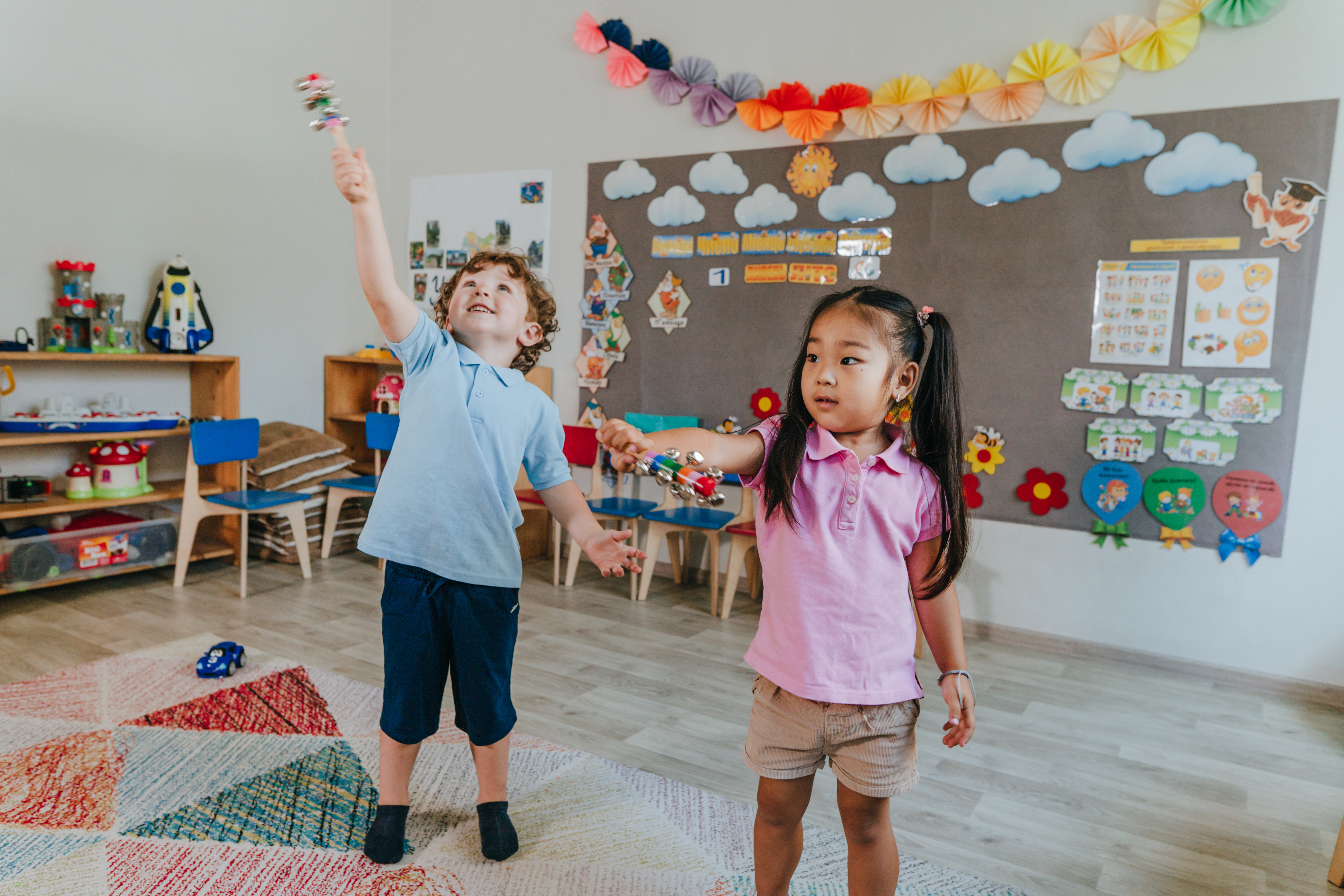
Helping your child develop social-emotional skills sets the foundation for a positive kindergarten experience. Let’s explore how you can nurture these skills at home.
Encouraging Emotional Expression
Children thrive when they feel understood. Start by encouraging your child to express their feelings. You might notice your child showing frustration when a toy doesn’t work as expected. In these moments, say, “I see you’re upset. It’s okay to feel that way.” This helps your child label emotions and opens the door for shared understanding.
Make it a habit to discuss feelings daily. During dinner, you could ask, “What made you happy today?” This simple question encourages reflection and emotional sharing. Over time, your child learns that emotions are a normal part of life. This skill will help them navigate the social world of school.
Developing Peer Interaction Skills
Playing with peers can be tricky, but it’s an essential skill for school readiness. Set up playdates to give your child practice in a familiar setting. Observe how they interact and gently guide them if needed. If your child is shy, try role-playing different social scenarios at home. For example, practice saying, “Can I play with you?” This boosts confidence and makes real-life situations less daunting.
Games that require taking turns, like board games, are excellent for teaching patience and cooperation. Praise your child when they share or wait patiently—positive reinforcement goes a long way. You’ll soon see your child becoming more comfortable in group settings.
Fostering Early Literacy and Math
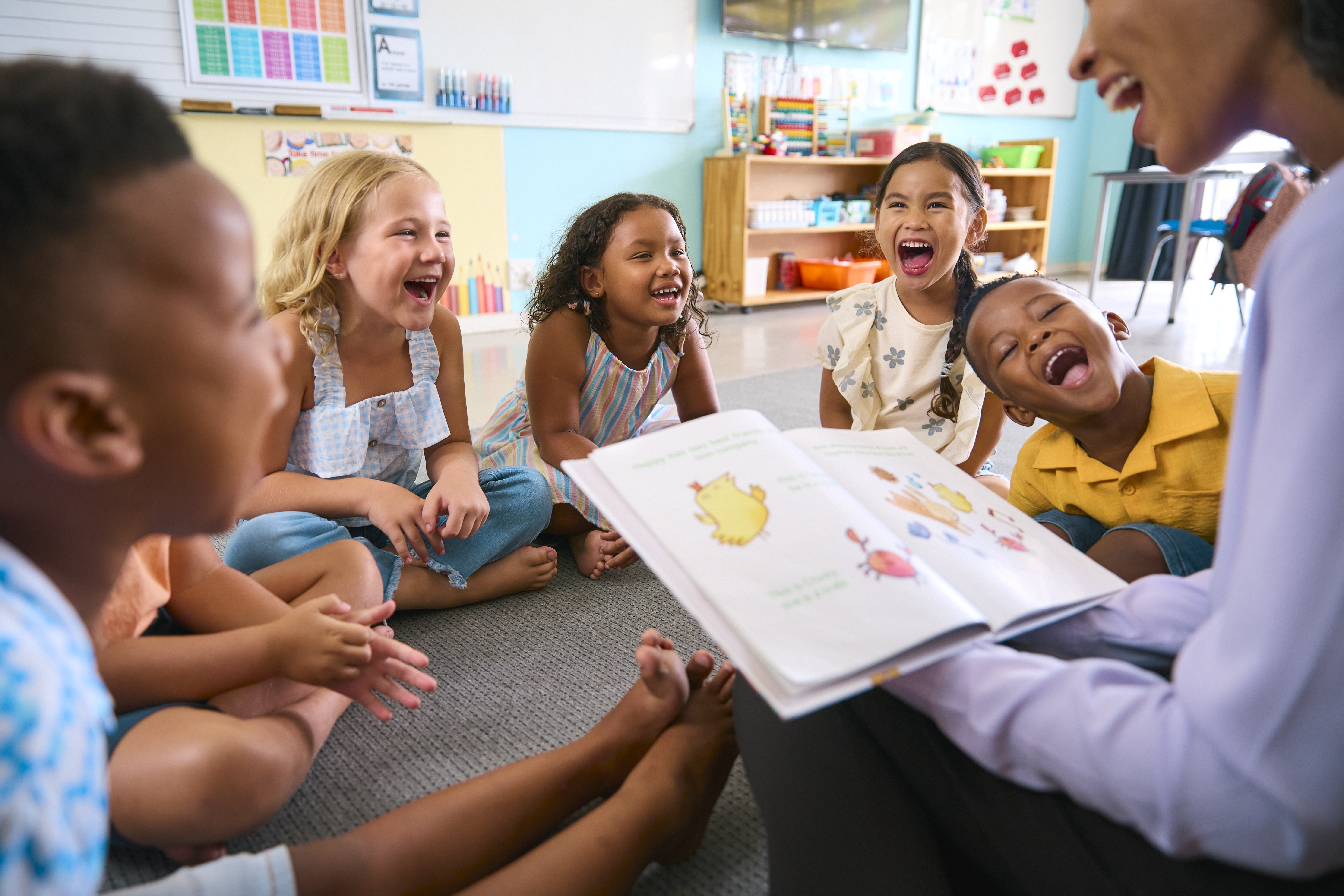
Building early literacy and math skills doesn’t have to be a chore. With fun activities, your child will be eager to learn.
Fun Literacy Activities at Home
Reading together is one of the best ways to instill a love for words. Choose books with colorful pictures and simple sentences. Ask questions like, “What do you think happens next?” This encourages imagination and comprehension.
Incorporate letters into daily routines. During a walk, play “I Spy” with letters on signs. At home, create a letter scavenger hunt. Say, “Can you find something that starts with ‘B’?” Activities like these make learning playful and engaging.
Counting and Basic Math Games
Math skills develop best through hands-on activities. Cooking offers a chance to count and measure. Ask your child to count how many cups of flour go into a recipe. This real-world application makes numbers tangible.
Introduce simple board games that use dice. Games like these teach counting and number recognition in a fun way. For more ideas, visit The Pediatrician Mom’s blog for additional tips on making learning math enjoyable.
Promoting Independence and Routine
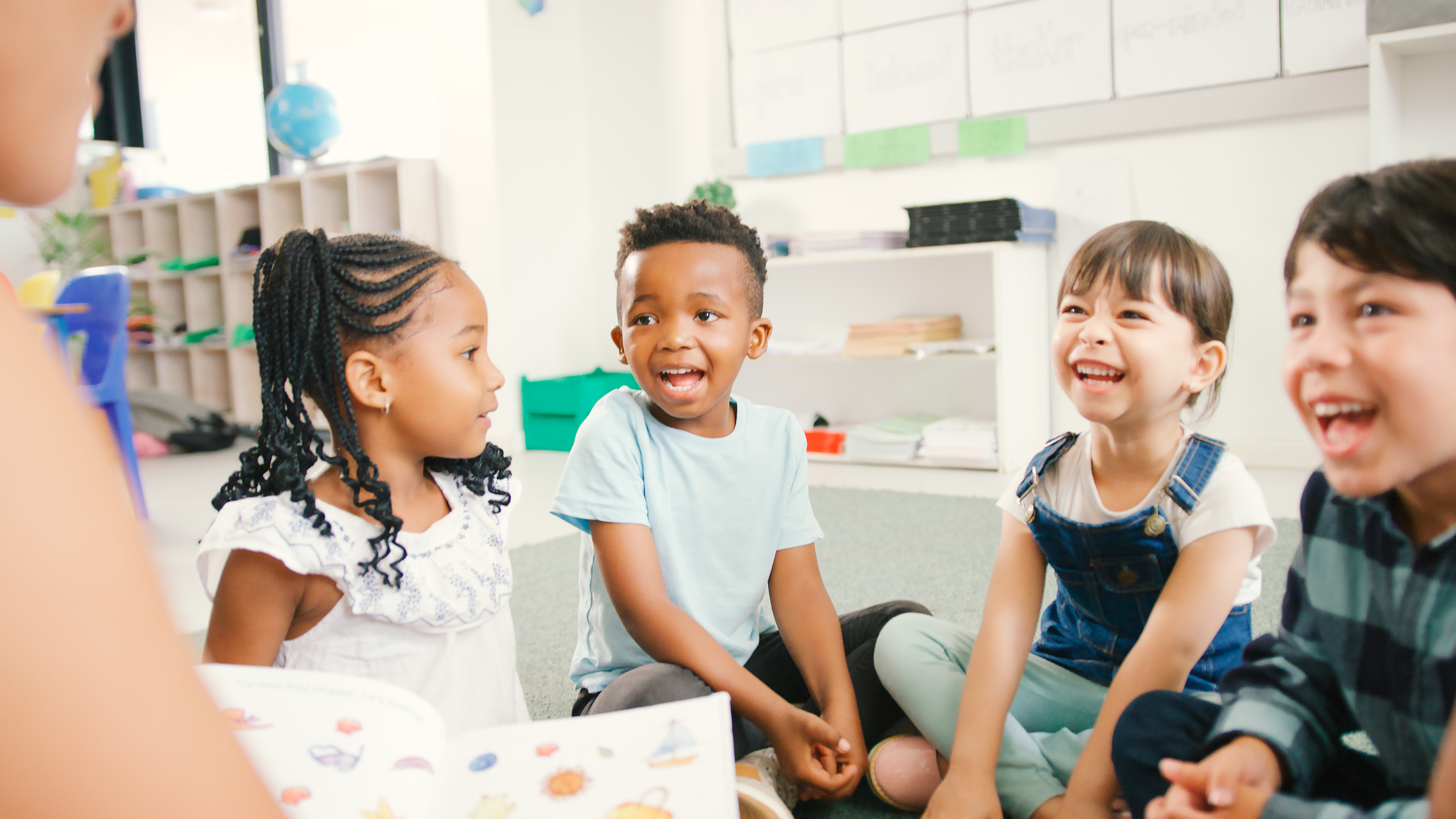
Establishing routines and independence at home prepares your child for the structure of school.
Establishing Daily Routines
Consistency is key to building comfort and security. Start with a simple morning routine. Include tasks like brushing teeth, getting dressed, and having breakfast. Use a visual chart to help your child understand the sequence.
End the day with a bedtime routine that includes reading a book. This not only fosters literacy but also signals to your child that it’s time to wind down. Over time, routines become second nature, making transitions smoother.
Encouraging Self-Help Skills
Empowering your child with self-help skills boosts their confidence. Encourage them to dress themselves or pack their backpack. Offer guidance but let them take the lead. A child who masters these skills feels more capable and ready for school.
Create opportunities for decision-making. Let your child choose their outfit or snack. These small choices build independence. Remember, practice and patience are your allies. Your child will soon surprise you with their growing abilities.
By focusing on these practical strategies, you’re setting the stage for your child’s success in kindergarten. This journey, powered by a loving partnership between home and school, makes all the difference. For more insights, explore resources on kindergarten readiness to further support your efforts.
Learn More!