about
School readiness looks different at every age, and knowing what to expect can make all the difference for your child’s growth. From infant development milestones to pre-K readiness checklists, each stage builds important skills that set a strong foundation for kindergarten. At Basic Beginnings, we work closely with you to support your child’s unique path through play-based learning and social-emotional growth. Keep reading to see how our programs and parent–teacher partnership help your family feel confident and prepared. https://www.basicbegin.com
Understanding School Readiness
Understanding the path to school readiness involves recognizing the milestones and goals at each stage of early childhood. Let’s explore these stages, beginning with the earliest.
Infant Development Milestones
Infants achieve remarkable growth during their first year. They start by recognizing faces and sounds, gradually developing the ability to sit up, crawl, and eventually take their first steps. At Basic Beginnings, your baby will be nurtured in a safe environment where they can explore and learn.
Your child’s curiosity will be encouraged through activities designed to stimulate their senses. Teachers stay close by, offering comfort and guidance to help infants feel secure. With our individualized approach, each baby is supported in their unique journey of growth.
By focusing on these milestones, we ensure your infant is well-prepared for the next stage of their development. This solid foundation fosters confidence as they progress through their early years.
Toddler Learning Goals
Toddlers are busy exploring their world. They love to test their newfound independence while learning crucial skills. Our programs focus on fostering language development and motor skills through playful interactions.
In the toddler room, your child will engage in sensory-motor experiences that challenge their growing abilities. Activities like simple puzzles and storytelling sessions build language skills and hand-eye coordination. Our teachers provide positive guidance, promoting both social and emotional growth.
This stage is all about encouraging your toddler to express themselves and learn through play. By providing a nurturing environment, we help them develop confidence and readiness for preschool.
Preschool Curriculum Insights
As children transition into preschool, their learning becomes more structured. Our preschool curriculum emphasizes creative exploration, communication, and foundational academics. Children engage in activities that develop pre-writing and pre-reading skills.
Preschoolers are encouraged to ask questions and express their ideas. Through role-playing and interactive lessons, they learn about math, science, and more. Teachers guide them in exploring concepts and solving problems, building a love for learning.
By focusing on these key areas, our preschool program prepares your child for the challenges of pre-K and beyond. They leave with a strong sense of curiosity and readiness for the next step.
Preparing for Kindergarten
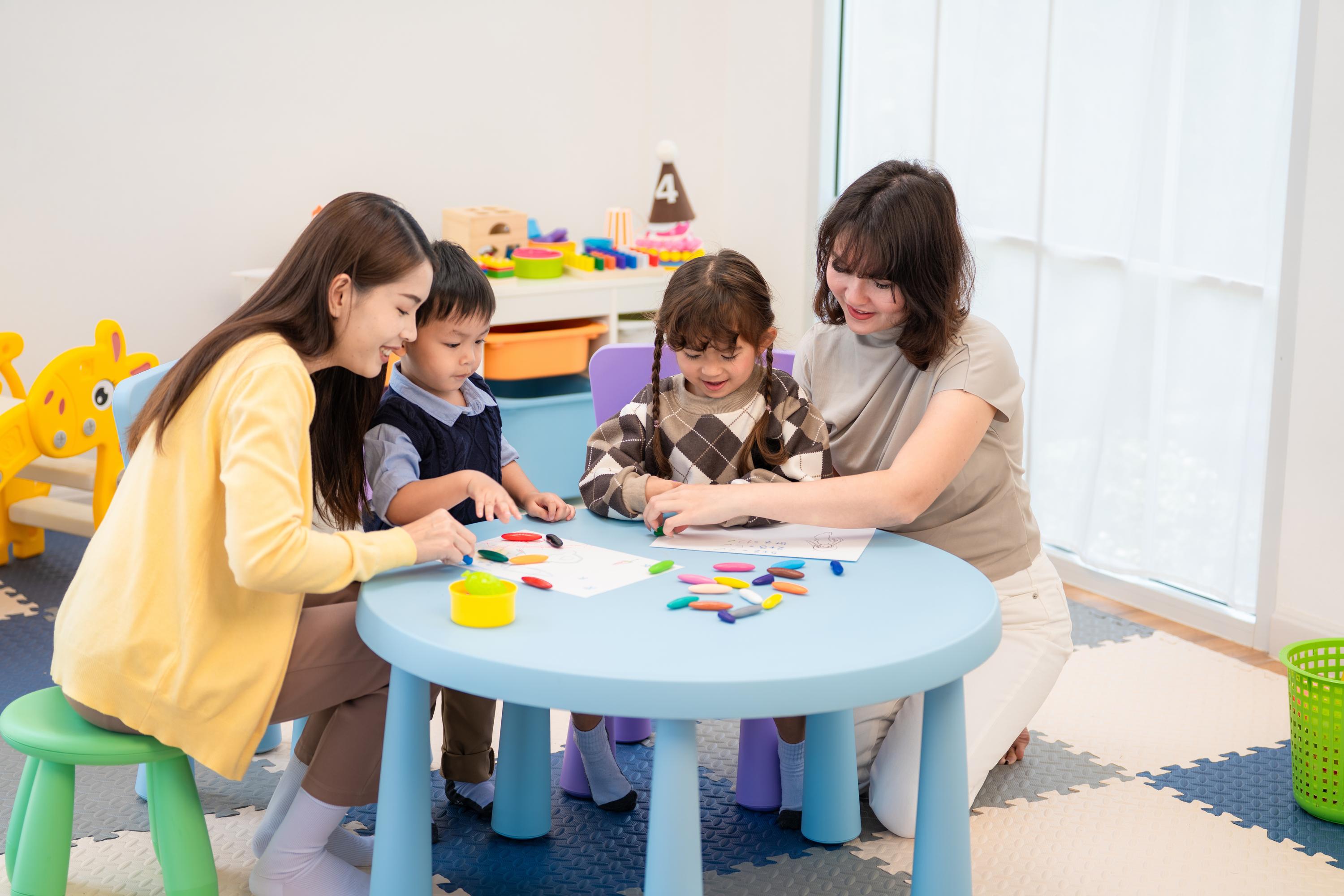
Preparing for kindergarten involves more than just academics. It’s about nurturing the whole child. Let’s dive into what makes this transition smooth and successful.
Pre-K Readiness Checklist
As children approach kindergarten, certain skills become crucial. Our pre-K readiness checklist ensures your child is prepared academically, socially, and emotionally. Skills like recognizing letters and numbers are introduced, along with basic addition and subtraction.
In pre-K, children learn to work collaboratively and follow directions. Our teachers support their independence while encouraging problem-solving. By the time they enter kindergarten, they are ready to take on new challenges with confidence.
Our checklist covers all the bases, ensuring your child is well-rounded and ready for school. This preparation sets the stage for a successful academic journey.
Social-Emotional Learning Importance
Social-emotional learning is a cornerstone of our curriculum. Children develop self-awareness, empathy, and cooperation skills. These skills are vital for school readiness and lifelong success.
In our programs, children learn to manage emotions and build positive relationships. Teachers guide them in understanding their feelings and those of others. This foundation helps them navigate the social dynamics of school with ease.
By prioritizing social-emotional development, we prepare children for the interpersonal aspects of school life. This holistic approach supports their overall wellbeing and academic achievement.
Play-Based Learning Benefits
Play-based learning is at the heart of our educational philosophy. Children learn best through play, which fosters creativity and critical thinking. Our play-based approach engages children in meaningful exploration.
Through play, children develop cognitive and social skills. They learn to negotiate, share, and collaborate with peers. Teachers create a rich learning environment where children can experiment and discover.
This method ensures that learning is enjoyable and effective. By embedding education in play, we prepare children for the structured learning of kindergarten and beyond.
Building a Parent-Teacher Partnership
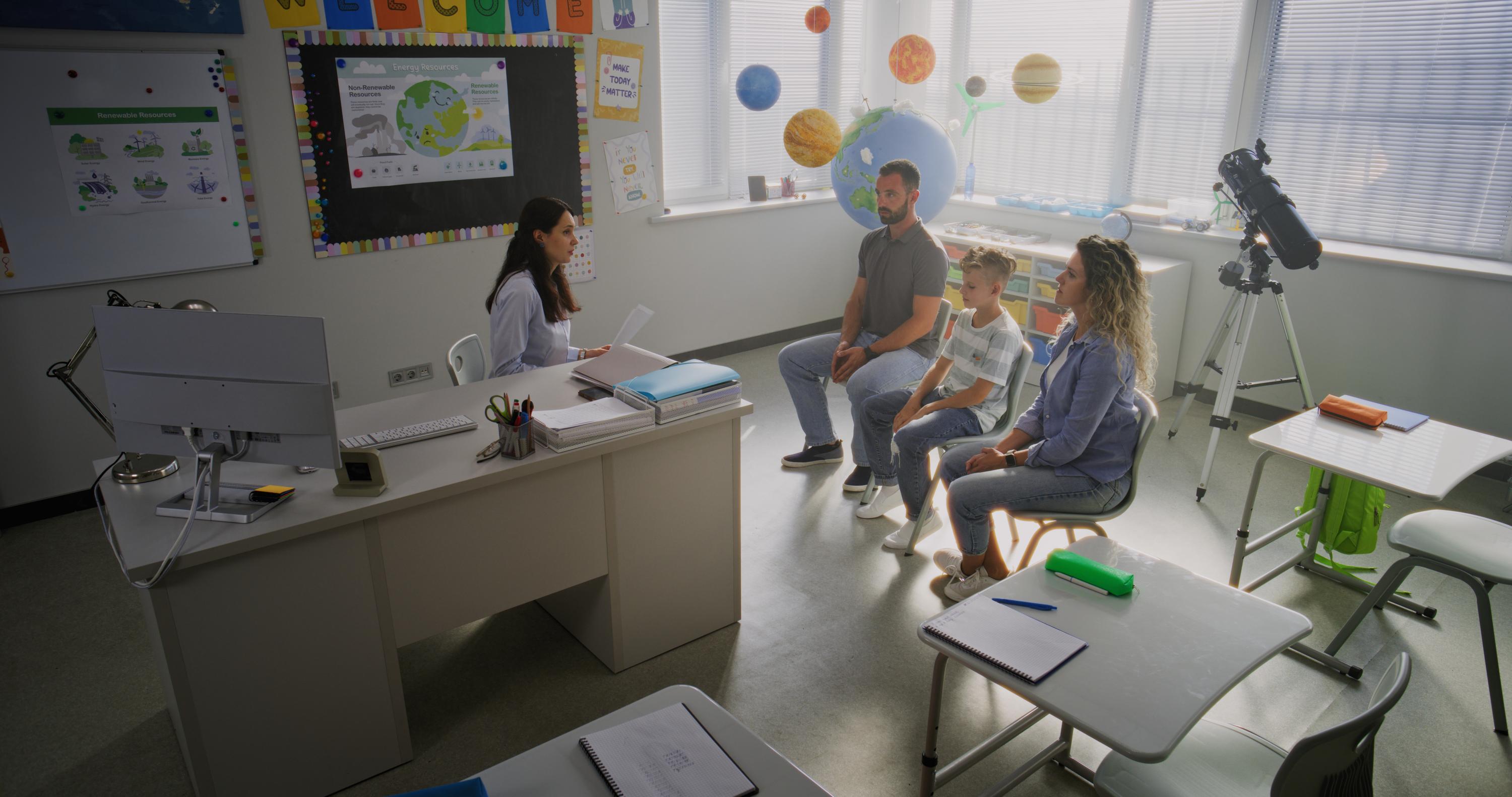
A strong parent-teacher partnership is essential for a child’s success. Let’s explore how collaboration enhances your child’s educational journey.
Importance of Collaboration
Collaboration between parents and teachers ensures that each child’s needs are met. At Basic Beginnings, we value your insights and work together to support your child’s growth.
Regular communication allows us to tailor learning experiences to your child’s interests and strengths. By working closely with you, we create a consistent and supportive environment for your child.
This partnership builds trust and enhances learning outcomes. Together, we foster a nurturing community where your child thrives.
Communication and Progress Updates
Open communication is key to our partnership. We provide regular updates on your child’s progress and development. This transparency keeps you informed and involved in your child’s education.
Teachers share observations and milestones, allowing you to celebrate your child’s achievements. This ongoing dialogue strengthens our collaboration and supports your child’s success.
By staying connected, we ensure that your child’s educational journey is a positive and rewarding experience.
Tours and Enrollment Opportunities
We invite you to visit Basic Beginnings and experience our programs firsthand. Tours provide an opportunity to see our nurturing environment and meet our dedicated teachers.
Our enrollment process is straightforward, and we welcome questions at any time. By visiting our center, you can feel confident in choosing the right educational path for your child.
Explore the possibilities and join our community. Your child’s bright future starts here.
🌟👶📚
Frequently Asked Questions
What are the key milestones for infant development?
Infants typically achieve milestones like recognizing faces, smiling, sitting up, and crawling. At Basic Beginnings, we support these developments with activities that engage your baby’s senses and encourage growth.
How does play-based learning benefit preschoolers?
Play-based learning fosters creativity and problem-solving skills. Through play, preschoolers develop cognitive and social abilities, preparing them for structured school environments and lifelong learning.
Why is social-emotional learning important for school readiness?
Social-emotional learning helps children manage emotions and build relationships. These skills are crucial for navigating social dynamics and contribute to their overall success in school and beyond.
How can parents and teachers collaborate effectively?
Effective collaboration involves regular communication and sharing insights about the child’s development. At Basic Beginnings, we prioritize open dialogue to tailor learning experiences to each child’s needs.
What should parents look for when choosing an early childhood program?
Parents should consider factors like safety, curriculum quality, and teacher qualifications. Visiting the program, asking questions, and observing the environment can help ensure it meets your child’s needs.
Learn More!
Choosing the right early learning center in Haverhill, MA or Nashua, NH shapes your child’s first steps toward school readiness and joyful growth. You want a place that offers safe nurturing childcare, flexible childcare schedules, and a strong parent-teacher partnership that supports your family’s unique needs. This guide breaks down key factors to consider and shows how Basic Beginnings meets those standards—ready to welcome your little one and support your family’s busy life. Learn more in our guide to choosing early care.
Evaluating Curriculum and Programs
The choice of curriculum is crucial to your child’s development. A well-designed program can make all the difference.
Individualized Learning for Every Child
Every child is unique and learns differently. At many centers, including Basic Beginnings, programs are tailored to meet each child’s needs. This means your child will receive attention that suits their learning style. With a focus on individualized learning, children are encouraged to explore and grow at their own pace. This approach not only fosters a love for learning but also builds confidence and independence.
Emphasizing School Readiness Skills
Preparing your child for school is a top priority. Centers like Basic Beginnings emphasize school readiness through structured activities. Children engage in play-based learning that develops essential skills. This includes communication, problem-solving, and collaboration. By focusing on these areas, children transition smoothly into formal schooling, equipped with the skills they need to succeed.
Exploring Pre-K and Toddler Programs
Choosing the right program for your toddler or pre-K child is critical. At Basic Beginnings, both pre-K and toddler programs are designed to nurture and educate. The curriculum includes activities that promote cognitive and social development. As your child moves from toddler to pre-K, the program evolves to challenge them further. This progression ensures continuous development in a supportive environment.
Safety and Teacher Qualifications

Safety and qualified staff are non-negotiable when selecting an early learning center. These elements ensure a secure environment for your child.
Ensuring Safe Nurturing Childcare
Your child’s safety is paramount. Centers like Basic Beginnings prioritize creating a safe and nurturing environment. Safety protocols are in place to protect children while they learn and play. This includes secure facilities and trained staff who are vigilant about safety. Knowing your child is in a safe space brings peace of mind to any parent.
Experienced and Qualified Educators
The quality of educators impacts your child’s learning experience. At Basic Beginnings, educators are experienced and qualified. They bring knowledge and passion to the classroom, ensuring your child receives top-notch education. With ongoing training, teachers stay updated with the latest educational practices, providing your child with the best learning experience possible.
Parent-Teacher Partnership Importance
A strong partnership between parents and teachers is vital. Communication between home and school supports your child’s development. At Basic Beginnings, educators work closely with families to tailor learning experiences. This partnership allows for a shared understanding of your child’s needs and goals, fostering a collaborative environment.
Flexible Scheduling and Location
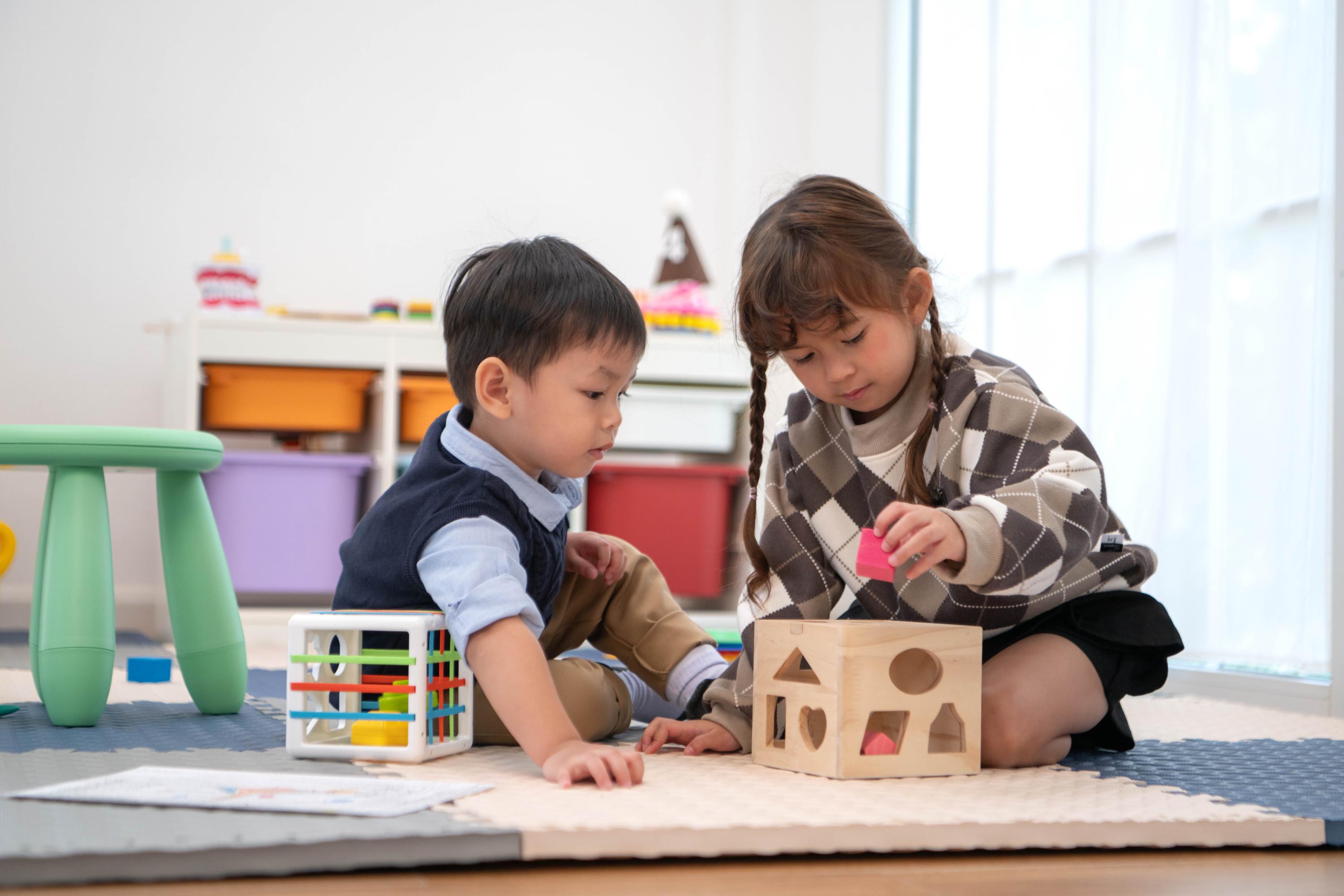
Flexibility and convenient locations are essential to accommodate your family’s lifestyle and work commitments.
Benefits of Extended Hours and Weekend Care
Busy schedules require flexible childcare options. Basic Beginnings in Nashua offers extended hours and weekend care. These options ensure your child is cared for even when your schedule is unpredictable. Flexible hours provide peace of mind, knowing your child is in a safe, nurturing environment.
Convenience of Locations in Haverhill and Nashua
Location plays a significant role in your choice of an early learning center. Basic Beginnings has centers in both Haverhill, MA, and Nashua, NH. This geographic convenience allows families to choose a location that best suits their needs. Proximity to home or work makes drop-offs and pick-ups more manageable.
FAA Childcare Benefits for Federal Employees
For federal employees, childcare benefits can be a deciding factor. Basic Beginnings partners with the FAA to offer unique benefits in Nashua. These include priority placement and flexible care options. Such benefits are tailored to meet the demanding schedules of federal employees, making childcare more accessible and convenient.
Frequently Asked Questions
What should I look for in an early learning center?
When choosing an early learning center, consider the curriculum, safety measures, teacher qualifications, and location. Ensuring the center aligns with your child’s needs and your family’s schedule is crucial.
How does Basic Beginnings support school readiness?
Basic Beginnings emphasizes school readiness through a play-based curriculum. Activities focus on developing communication, problem-solving, and social skills to prepare children for a smooth transition to school.
Are there flexible scheduling options available?
Yes, Basic Beginnings in Nashua offers extended hours and weekend care. These options cater to families with busy or non-traditional schedules, providing reliable childcare when needed.
What is the importance of a parent-teacher partnership?
A strong parent-teacher partnership ensures that your child’s learning experience is tailored to their needs. It fosters communication and collaboration between home and school, supporting your child’s development.
How do Basic Beginnings’ locations benefit families?
Basic Beginnings has convenient locations in Haverhill, MA, and Nashua, NH. This makes it easier for families to choose a center that fits their daily routines, reducing stress related to travel and logistics.
Learn More!
Most parents know that school readiness means more than just knowing ABCs and 123s. It grows through play-based learning, steady routines, and guided social skills that help children feel confident and curious. At Basic Beginnings, we put these ideas into action every day, creating a safe, nurturing environment where your child can thrive. Keep reading to see how these elements come together to prepare your little one for kindergarten success.
The Power of Play-Based Learning
Play-based learning is at the heart of preparing children for school. It encourages curiosity and exploration, allowing little ones to learn about the world around them in a natural way. At Basic Beginnings, play is woven into every aspect of the day, helping children develop crucial skills.
Building Social-Emotional Skills
Through play, children learn to navigate social situations. As they engage in group activities, they practice sharing, taking turns, and resolving conflicts. These interactions lay the groundwork for strong social-emotional development. Children also learn empathy as they play pretend, understanding different perspectives and emotions. This foundation is critical in helping them build friendships and work collaboratively in school settings.
Early Literacy and Math Exploration
Incorporating play into learning doesn’t stop with social skills. Children explore early literacy and math concepts through engaging activities. Storytime becomes a chance to hear new words and ideas, fostering a love for reading. Math skills emerge as children build with blocks or sort objects by color and shape. These fun, hands-on experiences make complex concepts more accessible, setting the stage for academic success in kindergarten.
The Importance of Routine and Structure

A consistent routine provides security for young children. Knowing what to expect each day reduces anxiety, allowing them to focus on learning and play. Basic Beginnings emphasizes the importance of structure to help children thrive.
Establishing Predictable Routines
Daily routines teach children time management and responsibility. Simple tasks like cleaning up toys or following a schedule foster independence. Children feel empowered and capable as they master these routines. With repetition, they become adept at transitioning between activities, a skill that will serve them well in school.
Supporting Kindergarten Readiness
Routine also supports academic learning. Scheduled activities ensure balanced exposure to different subjects, from art to science. This variety keeps children engaged and eager to learn. As they adapt to structured days, they develop the attention span and focus needed in a classroom setting. These habits contribute to a smoother transition to kindergarten, where structure is key.
Guided Social Learning in Action
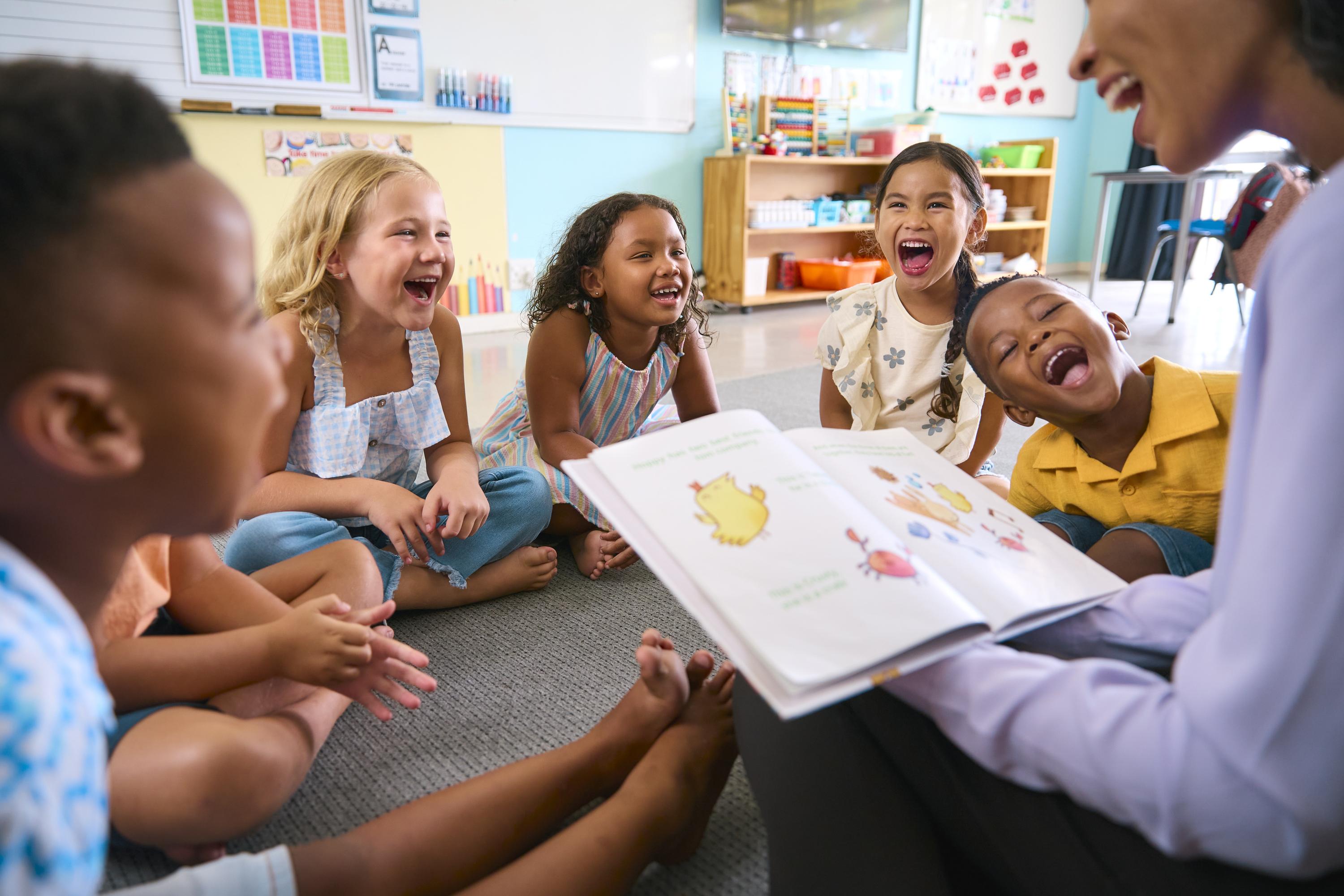
Basic Beginnings goes beyond academics, focusing on guided social learning to nurture well-rounded development. By fostering strong partnerships and creating a caring environment, we support each child’s growth.
Fostering Parent-Teacher Partnerships
We believe that parents are the first teachers. By collaborating with families, we tailor our approach to each child’s unique needs. Regular communication ensures that we’re aligned in supporting your child’s development. This partnership builds a solid foundation for learning, reinforcing the importance of education at home and school.
Creating a Safe, Nurturing Environment
Safety is our top priority. A secure, welcoming atmosphere encourages children to explore and take risks in their learning. In our care, children feel valued and respected, knowing they are part of a community that supports their growth. This nurturing environment boosts confidence, enabling them to thrive both socially and academically.
Frequently Asked Questions
What is play-based learning?
Play-based learning is an approach where play is an integral part of education. Through play, children explore ideas, solve problems, and learn social skills in a natural, enjoyable way.
How does routine benefit young children?
Routine provides children with a sense of security and predictability. It helps them develop time management skills and independence, which are essential for school readiness.
Why are parent-teacher partnerships important?
Parent-teacher partnerships ensure a consistent approach to a child’s education. By working together, parents and teachers can tailor learning experiences to meet each child’s unique needs, enhancing their development.
How does Basic Beginnings ensure a safe environment?
Basic Beginnings prioritizes safety by creating a secure, nurturing space. We focus on positive guidance and individualized support to foster a welcoming community where children feel comfortable and valued.
What role does social-emotional learning play in kindergarten readiness?
Social-emotional learning helps children manage emotions, build relationships, and navigate social interactions. These skills are crucial for kindergarten success, as they enable children to collaborate and learn effectively in a classroom setting.
Learn More!
Strong parent-teacher partnership shapes every moment of your child’s early childhood education. When teachers and parents work closely, children thrive in social-emotional development and build skills for school readiness. At Basic Beginnings, we connect daily with families in Haverhill and Nashua to support each child’s unique growth. Keep reading to see how our approach nurtures your little one’s potential every day. For more insights, check out our article on how parent-teacher partnerships boost early childhood development.
Importance of Parent-Teacher Partnerships
Building a strong connection between parents and teachers forms the foundation of a child’s education. This partnership ensures that each child’s unique needs are met while fostering growth and development.
Building Strong Relationships
Creating strong ties starts with communication. When parents and teachers regularly share insights, they form a team dedicated to the child’s success. At home, you see your child in different settings, and sharing these observations with teachers helps them tailor their approach. Likewise, teachers offer valuable perspectives on your child’s interactions and achievements in the classroom. By engaging in open dialogues, you build trust and understanding, essential components of any partnership. Most people assume teachers have all the answers, but your input is equally vital.
Enhancing Early Childhood Education
Parent-teacher collaboration enhances education by aligning home and school efforts. When both environments support similar goals, children experience consistent learning opportunities. For instance, if a child is working on sharing skills at school, applying similar practices at home reinforces this behavior. This unified approach ensures that learning is not compartmentalized but rather an ongoing, holistic process. The longer you wait to engage in this partnership, the more fragmented your child’s learning journey might become.
Supporting Everyday Growth
Every day brings new opportunities for growth, and a collaborative partnership supports this continuous development. Engaging with teachers about your child’s progress helps you provide the right support at home. This teamwork enables children to feel secure and understood, essential for their social-emotional development. When parents and teachers unite, they create a nurturing environment that encourages children to explore and learn confidently.
How Basic Beginnings Collaborates

At Basic Beginnings, our collaboration with parents stands at the heart of our educational approach. We prioritize daily interactions and individual learning plans to cater to each child’s needs.
Daily Communication Practices
Staying connected with families is crucial. We use various channels to keep you informed and engaged. Daily updates, whether through reports or casual chats during drop-off, ensure you know what your child is up to. This routine communication builds a bridge between home and school, making transitions easier for your little one. Most daycares overlook the power of consistent updates, but at Basic Beginnings, we see them as vital to your child’s development.
Individualized Learning Plans
Each child learns differently, and our plans reflect this diversity. By working closely with you, we create a personalized roadmap for your child. These plans are not static; they evolve as your child grows. Regular assessments and parent-teacher meetings allow us to fine-tune our strategies, ensuring we meet your child’s evolving needs. This personalized approach makes learning exciting and relevant, setting your child up for success in their educational journey.
Encouraging Social-Emotional Development
Social-emotional skills are crucial for school readiness and life beyond. At Basic Beginnings, we focus on nurturing these aspects through positive guidance and play. Activities designed to promote sharing, empathy, and communication are integrated into our daily routine. By collaborating with parents, we reinforce these lessons at home, providing a consistent learning atmosphere. Most people think academics are everything, but without social-emotional skills, children may struggle to adapt in school environments.
Schedule a Tour and Enroll

Ready to see how we can support your child’s growth? Scheduling a tour is the first step to joining our community.
Meet Our Dedicated Team
Our team is passionate about fostering a supportive and nurturing environment for your child. During your tour, you will meet educators who are committed to early childhood development and eager to partner with you. They are knowledgeable, approachable, and ready to answer any questions you might have. By meeting the team, you get a sense of the care and dedication that defines our approach.
Explore Our Flexible Childcare Options
We understand that every family has unique needs. Our flexible childcare options cater to different schedules, accommodating working families, including those with FAA and federal commitments. Whether you need extended hours or weekend care, we strive to offer solutions that fit your lifestyle. This flexibility is what sets us apart from other childcare providers.
Learn About Enrollment Benefits
Enrolling at Basic Beginnings comes with numerous advantages. Your child will enjoy a curriculum aligned with state preschool standards, ensuring a smooth transition to school. Additionally, our partnership with the FAA provides exclusive benefits for federal employees. These perks, combined with our focus on individualized learning, make us a preferred choice for many families. The sooner you enroll, the sooner your child can start benefiting from our comprehensive program.
Frequently Asked Questions
What is the age range for enrollment at Basic Beginnings?
Basic Beginnings caters to children from infancy through pre-kindergarten. Our programs are designed to support each developmental stage with age-appropriate activities and learning environments.
How do parent-teacher partnerships benefit my child?
These partnerships create a consistent and supportive learning environment. When parents and teachers collaborate, they align efforts to reinforce learning at home and school, fostering continuous development.
Are there flexible childcare options available?
Yes, we offer flexible childcare solutions, including extended hours and weekend care, particularly at our Nashua location. This flexibility supports families with non-standard work schedules, such as FAA and federal employees.
What makes Basic Beginnings different from other child care providers?
Our emphasis on individualized learning plans and strong parent-teacher partnerships sets us apart. We also provide flexible care options and have a long-standing reputation for quality early childhood education.
How can I schedule a tour of your facility?
Scheduling a tour is simple. Visit our website to fill out the online inquiry form, and we will arrange a convenient time for you to explore our facility and meet our team.
Learn More!
Choosing the right daycare Haverhill MA or daycare Nashua NH isn’t just about finding a spot to drop off your child. It’s about selecting a place where your little one gains skills that set them up for school success and builds emotional strength. You want a daycare that partners with you, understands your child’s unique needs, and offers flexible care that fits your busy schedule. This guide will show you how to spot those key qualities so you can feel confident in your choice. For more on how a quality daycare can prepare your child for success, check out this resource on school readiness daycares.
Selecting the Right Daycare

Finding the perfect daycare involves more than checking basic requirements. It’s about creating a rich environment that nurtures both learning and emotional growth.
Key Features for School Readiness
Picture your child thriving in a place designed to stimulate learning. A quality daycare prioritizes school readiness by offering programs that develop foundational skills. These include activities that promote literacy, math, and problem-solving. The focus is on creating a well-rounded curriculum that prepares children for the academic challenges ahead.
In a supportive environment, kids learn through play and exploration. They begin to recognize letters, engage in counting games, and enjoy storytelling sessions. All these activities are crucial for cognitive development. A structured curriculum helps children transition smoothly into formal schooling, setting them up for long-term success.
Importance of Emotional Growth
While academics are vital, emotional development is equally important. A nurturing daycare fosters emotional growth by promoting social skills and self-awareness. When children learn to express feelings and build friendships, they gain confidence.
Encouraging emotional growth means providing a safe space where children learn to manage their emotions. This could be through activities like group play, where they practice sharing and empathy. Understanding and expressing emotions prepares them for school and beyond, supporting overall well-being.
For more insights on how daycares contribute to emotional development, explore this article.
Evaluating Parent-Teacher Partnerships
A daycare should be a partner in your child’s growth. A strong parent-teacher partnership is crucial. Open communication ensures that parents are involved in their child’s progress and can provide valuable input.
Effective partnerships involve regular updates on your child’s development. Teachers should welcome feedback and suggestions from parents. This collaboration supports personalized learning, catering to each child’s unique needs. Remember, when parents and teachers work together, children benefit the most.
Exploring Daycare Options in Haverhill and Nashua

As you consider options in Haverhill and Nashua, it’s important to weigh the local benefits that fit your family’s lifestyle and needs.
Benefits of Local Daycare Choices
Choosing a daycare close to home or work can simplify your daily routine. Local daycares offer convenience and a sense of community. Being nearby means you’re always connected and involved with your child’s experiences.
Local centers like Basic Beginnings are designed to cater to the community’s specific needs. They offer programs that align with state standards, ensuring high-quality education. When you choose a local daycare, you invest in a community that values your child’s growth and development.
Understanding Flexible Care Options
Flexibility is a game-changer for busy families. Whether you work late or have an irregular schedule, flexible care options are essential. In Nashua, centers like Basic Beginnings offer extended hours and weekend care, accommodating your schedule.
Flexible care means you have peace of mind, knowing your child is in a safe environment even during non-traditional hours. This adaptability ensures that your childcare needs are met without compromising quality or convenience.
The Launching Pad for FAA Employees
For FAA and federal employees, The Launching Pad by Basic Beginnings offers tailored benefits. These include discounts, priority placement, and extended hours. The center meets the specific needs of federal employees, providing quality care at convenient times.
Having a daycare that understands and supports your unique work schedule is invaluable. It allows employees to focus on their responsibilities, knowing their children are in expert hands.
Final Steps to Enrollment

Once you’ve identified your preferred daycare, it’s time to take the next steps toward enrollment.
Scheduling a Tour
Visiting a daycare in person is crucial. It gives you a sense of the environment and allows you to meet the staff. Schedule a tour to observe daily activities and ask any questions you might have.
During the tour, pay attention to how teachers interact with children and the overall atmosphere. It’s important to ensure the center aligns with your values and expectations for your child’s care and education.
Accessing Enrollment Resources
Enrolling your child should be straightforward. Daycares often provide resources to guide you through the process. These include online forms, checklists, and detailed information about programs.
Make use of these resources to ensure a smooth enrollment. Being informed helps you feel confident in your decision, knowing you’ve chosen the best fit for your child’s needs.
Checking Availability and Extended Hours
Before finalizing your choice, check the daycare’s availability. Some centers have limited slots, especially during peak times. Ensure they offer the extended hours you require, if needed.
Understanding the logistics helps you plan effectively. Knowing your child has a spot secured at a daycare that fits your schedule is a relief for any busy parent.
By following these steps and considering all options, you’ll find a daycare that supports your child’s growth in every way. Your decision will pave the way for their success in school and beyond.
Learn More!
Side by Side: How to Build a Strong Parent-Teacher Partnership in Early Childhood
Building a strong parent-teacher partnership shapes your child’s early learning in powerful ways. When you and teachers work closely, your child benefits from consistent support and individualized learning that prepares them well for school. At Basic Beginnings Learning & Development Center, we focus on collaboration to create a safe, nurturing space in daycare Haverhill MA and daycare Nashua NH. Keep reading to learn simple steps to build this partnership and how to enroll your child in programs designed just for your family. For additional insights, consider reading this article.
Building a Collaborative Foundation
Creating a strong partnership with your child’s teacher can be the key to unlocking their full potential. Let’s dive into how open communication and aligning goals can set the stage for success.
Open Communication Channels
Communication is the backbone of any partnership. When you talk regularly with your child’s teacher, you both stay aligned. Start with brief conversations at pickup or drop-off. These small chats can reveal so much about your child’s day.
Consider scheduling regular check-ins. These can be monthly or every couple of weeks, depending on your schedule. Use these meetings to discuss your child’s progress, any concerns, or upcoming events. It’s a time to be proactive.
Most people think everything will naturally fall into place, but without these touchpoints, misunderstandings can happen. Don’t wait for the next report card to learn about an issue. By maintaining open lines of communication, you ensure both you and the teacher are on the same page. For more tips on fostering communication, check out this resource.
Aligning Goals and Expectations
Aligning goals with your child’s teacher ensures your child gets consistent support. Discuss what you both envision for your child. Do you want to focus more on social skills or academic achievements?
Be specific about what you expect from the teacher and share what you’re doing at home. This creates a team approach to your child’s growth. Consider making a simple plan with clear objectives. These could include mastering a new skill or improving a behavior.
Many assume teachers know exactly what parents want, but each family has unique priorities. By clarifying these, you help the teacher tailor their approach. At Basic Beginnings, we encourage such conversations to support individualized learning. Learn more about setting expectations with this guide.
Engaging in the Learning Process
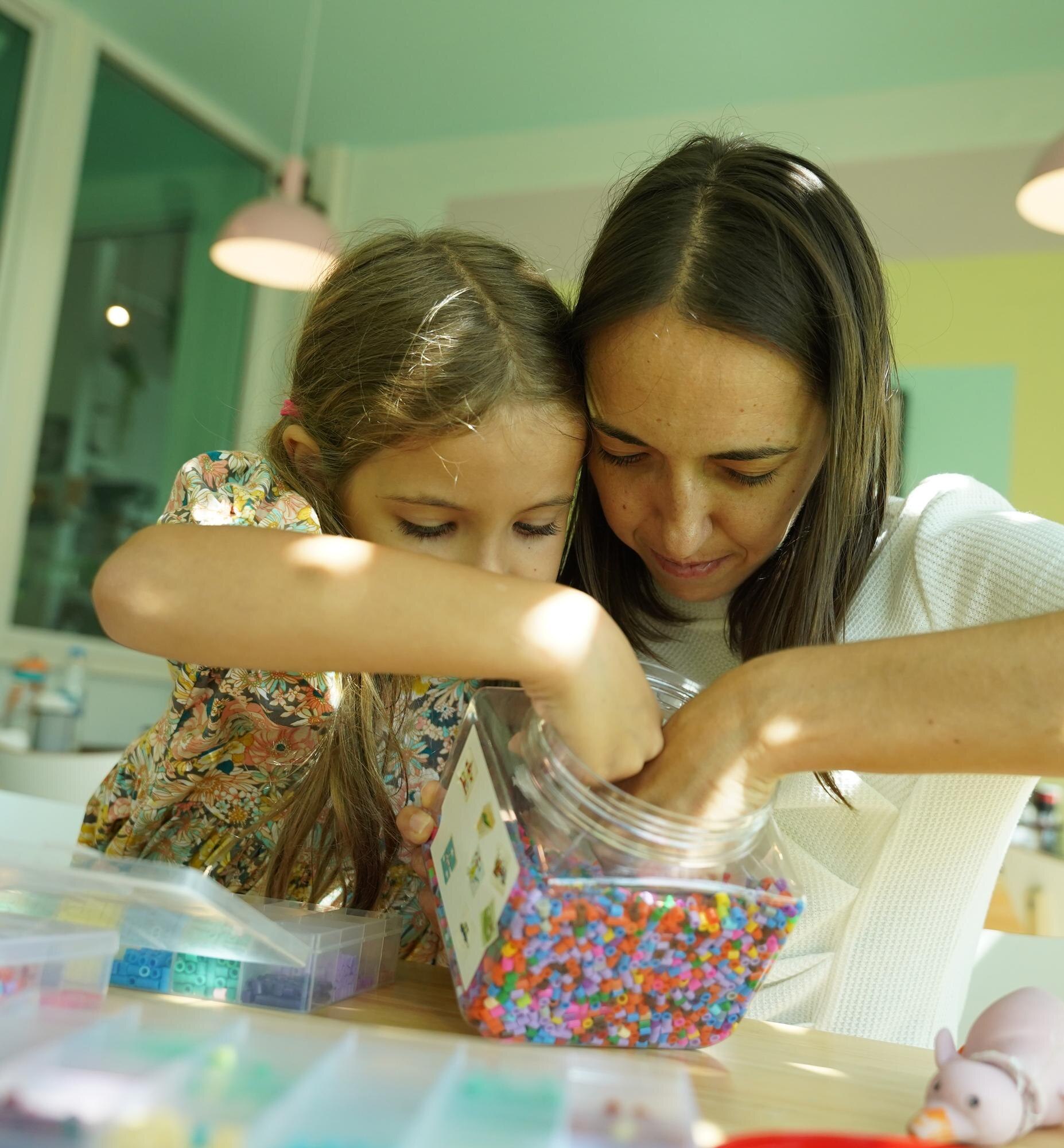
Engagement makes learning enjoyable for your child. Discover ways to participate in shared activities and understand the importance of feedback for continuous improvement.
Shared Activities and Participation
Getting involved in classroom activities strengthens your connection to both your child and their teacher. Volunteer for storytime or help with special events. These moments allow you to see the learning environment firsthand.
Your involvement shows your child that school is important. It also provides opportunities to share your insights with the teacher. Have you noticed a particular interest your child has developed? Share this with the teacher, who can incorporate it into classroom activities.
Contrary to popular belief, participation doesn’t require hours of your time. Even small gestures, like reading at home or attending a class project showcase, make a difference. Discover more ways to engage with your child’s education here.
Feedback and Continuous Improvement
Feedback is vital for growth. Regularly discuss your child’s progress with their teacher. Celebrate achievements together and address areas needing attention.
Ask for specific examples of your child’s strengths and challenges. This helps you understand their development better. Teachers appreciate knowing what works at home too, as this can inform their strategies in the classroom.
Most people believe feedback is only necessary when there’s a problem. In reality, continuous feedback helps prevent issues and promotes steady improvement. At Basic Beginnings, we believe in creating a loop of continuous feedback for the best outcomes. For strategies on giving and receiving feedback, visit this article.
Discovering Basic Beginnings Benefits
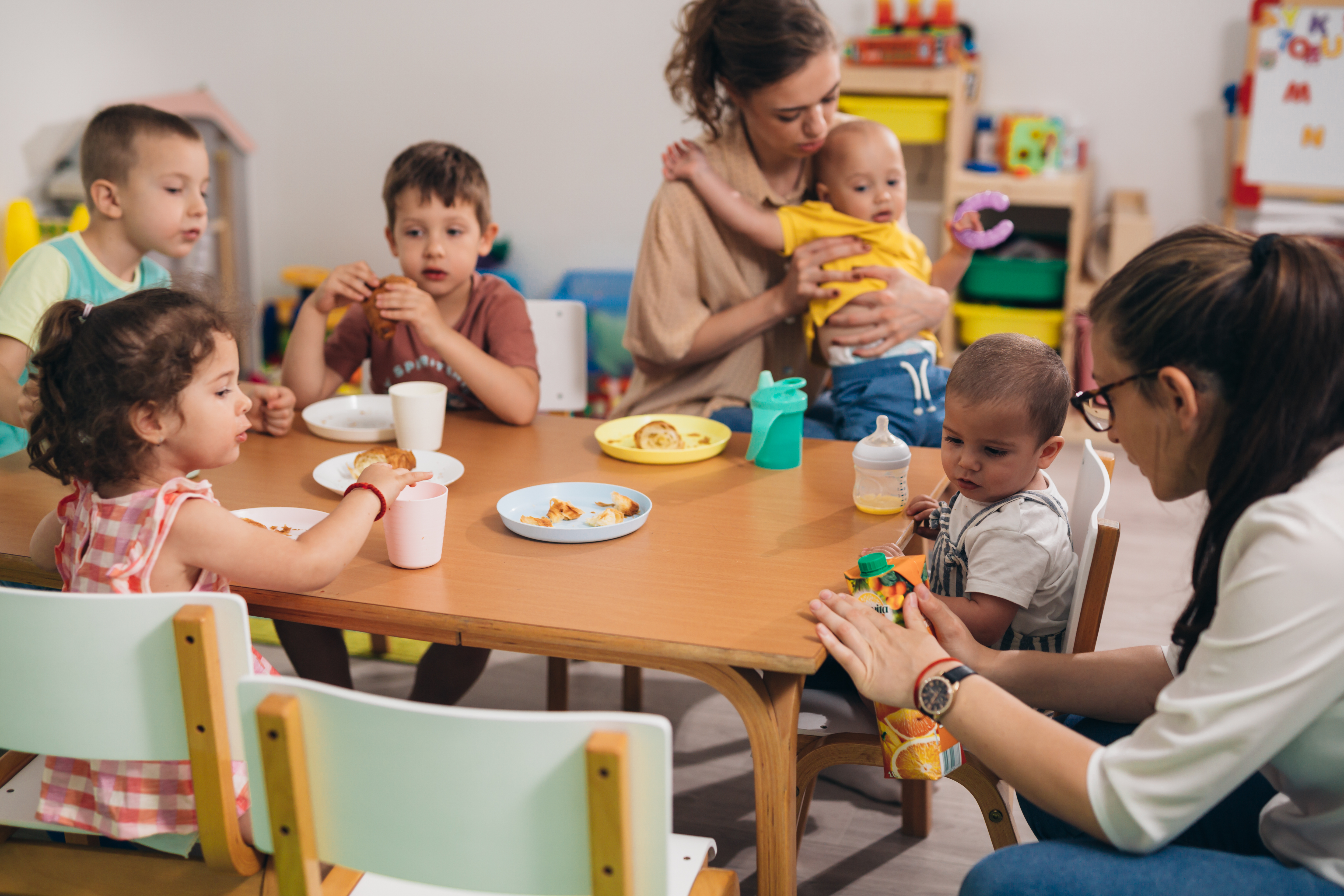
Explore how Basic Beginnings supports early education with tailored programs from infants to pre-K. Learn about our unique offerings and how to join our community.
Exploring Our Infant to Pre-K Programs
At Basic Beginnings, we provide programs that cater to each stage of early development. Our infant care program offers a warm environment where your little one is nurtured and encouraged to explore.
As children grow, our toddler program introduces structured activities that enhance motor and language skills. By the time they reach our pre-K program, children are engaging in activities that build school readiness, such as reading and simple math. Each program is designed to foster growth while ensuring your child feels safe and supported.
Parents often wonder if all centers are the same, but our focus on individualized learning and partnership sets us apart. Learn more about our programs by visiting our site.
Enroll and Tour Today in Haverhill and Nashua
The longer you wait, the more you might miss out on great opportunities for your child. Our daycare in Haverhill, MA and daycare in Nashua, NH are ready to welcome your family.
We offer extended hours and flexible schedules, especially at our Nashua location. This is perfect for FAA and federal employees who need adaptable childcare solutions. Book a tour to see our facilities, meet our teachers, and feel the difference a community-focused center can make for your child.
Wondering whether now is the right time? Most families find that once they tour, they know they’ve discovered the right place. Don’t miss out on providing the best start for your child’s education journey. Visit us today to see the benefits firsthand.
Learn More!
Partners in Growth: How Parent-Teacher Collaboration Boosts Early Learning
Strong parent-teacher partnership shapes your child’s early learning in ways you might not expect. When families and teachers work side by side, children show better social-emotional development and readiness for pre-K. In this post, you’ll find practical tips to build that connection and learn why Basic Beginnings in Haverhill and Nashua is a trusted choice for quality childcare near you. Learn more about the importance of this collaboration from this insightful source.
The Power of Parent-Teacher Partnerships

Strong connections between parents and teachers can transform a child’s early learning. Let’s explore how you can build these connections and see the difference they make.
Building Strong Connections
Forming a bond with your child’s teacher can seem daunting, but it’s worth the effort. When you and the teacher work together, you create a supportive environment for your child. Start by meeting regularly to discuss your child’s progress. Share your insights and ask the teacher for theirs. This open line of communication helps everyone stay informed and engaged.
A simple way to build this relationship is through regular check-ins. Consider scheduling a short meeting once a month. These brief interactions don’t just keep you updated; they also show your child that you are invested in their education. Remember, most people think teachers know best, but your input is just as valuable. Research supports that parental involvement leads to better outcomes.
Consider setting up a communication notebook where you and the teacher can jot down notes and updates. This tool becomes a bridge for sharing day-to-day achievements or concerns. It fosters trust and collaboration, ensuring your child feels supported both at home and in school.
Impact on Early Learning
The benefits of a strong parent-teacher partnership extend beyond the classroom. Children with involved parents tend to perform better academically and socially. They feel more secure and confident, which translates into a positive learning experience. Studies indicate that such partnerships contribute to improved social-emotional development.
Your involvement also sets a precedent for your child. When they see you engaging with their teacher, they learn the value of collaboration. This lesson will stick with them beyond their early years, influencing how they interact with peers and authority figures in the future.
Consider this: when a parent and teacher identify a child’s strengths together, they can tailor educational experiences that cater to those strengths. This individualized approach often leads to a more engaged and motivated learner. The longer you wait to foster this relationship, the more opportunities you miss to enhance your child’s education.
Practical Tips for Collaboration

Cultivating a fruitful partnership with your child’s teacher involves practical steps. Here’s how you can make it happen.
Effective Communication Strategies
Communication is key in any partnership, and it’s no different here. Start by establishing your preferred modes of communication, whether it’s emails, phone calls, or face-to-face meetings. Be clear about your availability and encourage the teacher to do the same. Explore more on effective communication strategies to further enhance this partnership.
When discussing your child’s progress, focus on specifics. If you notice your child’s enthusiasm for reading, share this with their teacher. Together, you can find ways to nurture this interest. Be open to feedback and willing to adapt as needed. Effective communication is a two-way street, and your willingness to listen is as important as your input.
Encourage your child to express their thoughts and feelings about school. Their perspective can provide valuable insights for both you and the teacher. This habit not only gives your child a voice but also strengthens the home-school connection, reinforcing the idea that learning is a shared journey.
Setting Goals Together
Goal-setting is a powerful tool in education. Work with your child’s teacher to establish achievable goals for the school year. Whether it’s improving reading skills or developing social interactions, having clear objectives provides direction and motivation. Insights from research indicate that goal-oriented partnerships yield better results.
Break these goals into manageable steps and celebrate milestones along the way. This approach not only boosts your child’s confidence but also reinforces the value of persistence. As you and the teacher work towards these goals, you’ll notice a stronger sense of teamwork and mutual support.
It’s easy to assume that the teacher will handle all goal-setting, but your involvement is crucial. By collaborating on these objectives, you show your child that education is a team effort. This mindset encourages them to take an active role in their learning journey.
Enrolling at Basic Beginnings

Choosing the right childcare center is a significant decision. Basic Beginnings offers a nurturing environment where parent-teacher partnerships thrive.
Tour Our Centers in Haverhill and Nashua
Seeing is believing. Schedule a tour of our centers in Haverhill and Nashua to experience our facilities firsthand. You’ll find spacious classrooms, dedicated staff, and vibrant learning spaces designed to foster development. Our centers are conveniently located, making it easy for families in the area to access quality childcare. Discover more about our programs and services during your visit.
During your tour, you’ll observe how our teachers interact with children and engage parents. This firsthand look allows you to assess if our philosophy aligns with your expectations. Ask questions, meet the staff, and envision your child’s day-to-day experience at Basic Beginnings.
Learn About The Launching Pad Childcare
For families seeking flexible childcare options, The Launching Pad is an excellent choice. Located in Nashua, this facility offers extended hours and weekend services to accommodate varied schedules. Our partnership with the FAA provides additional benefits to federal employees, ensuring peace of mind for working parents.
The Launching Pad isn’t just about convenience; it’s about quality. Our programs are tailored to support each child’s growth, focusing on both academic and social skills. Whether you need infant care, a toddler program, or pre-K readiness, we have you covered. Learn more about how The Launching Pad can meet your family’s needs and become part of our supportive community.
By choosing Basic Beginnings, you join a community dedicated to your child’s growth and happiness. Our centers in Haverhill and Nashua offer more than just childcare; they offer an opportunity for your family to thrive.
Learn More!
Stronger Together: How Parent-Teacher Partnerships Support Your Child’s Early Learning Journey
Parent-teacher partnership shapes your child’s early childhood education in ways you might not expect. When families and teachers work closely, children thrive socially and feel ready for school’s challenges. At Basic Beginnings, we offer clear ways for you to join this partnership and support your child’s growth every day. Keep reading to learn how this connection makes a difference and how to schedule a preschool tour in Haverhill or Nashua.
The Power of Parent-Teacher Partnerships

Creating a strong bond between parents and teachers is crucial for a child’s growth. This collaboration at Basic Beginnings nurtures a child’s social skills and prepares them for academic success. Here’s how these partnerships work wonders for your child.
Enhancing Social-Emotional Development
A child’s emotional world is complex and ever-changing. By working hand in hand with teachers, you can help your child navigate this journey. Teachers at Basic Beginnings focus on building trust and understanding with each child. They incorporate activities that teach empathy and communication. For example, role-playing games are used to help children express their feelings.
Parents can reinforce these lessons at home. Discuss your child’s daily experiences and feelings. This conversation helps your child feel heard and understood. In turn, they gain confidence in expressing themselves. Moreover, studies show that children with strong emotional skills have better relationships. They also cope with stress more effectively. A solid parent-teacher team ensures these skills are developed early on.
Boosting School Readiness
Getting your child ready for school is more than just teaching ABCs. It’s about cultivating a love for learning. Basic Beginnings uses a curriculum that balances fun with education. Activities are designed to engage curiosity and critical thinking. For instance, simple science experiments spark interest in the world around them.
As a parent, you play an essential role in this readiness journey. Create a learning-friendly environment at home. Encourage questions and explore new topics together. When children see learning as an exciting adventure, they enter school with enthusiasm. A supportive parent-teacher partnership lays the groundwork for lifelong learning.
Practical Ways to Collaborate
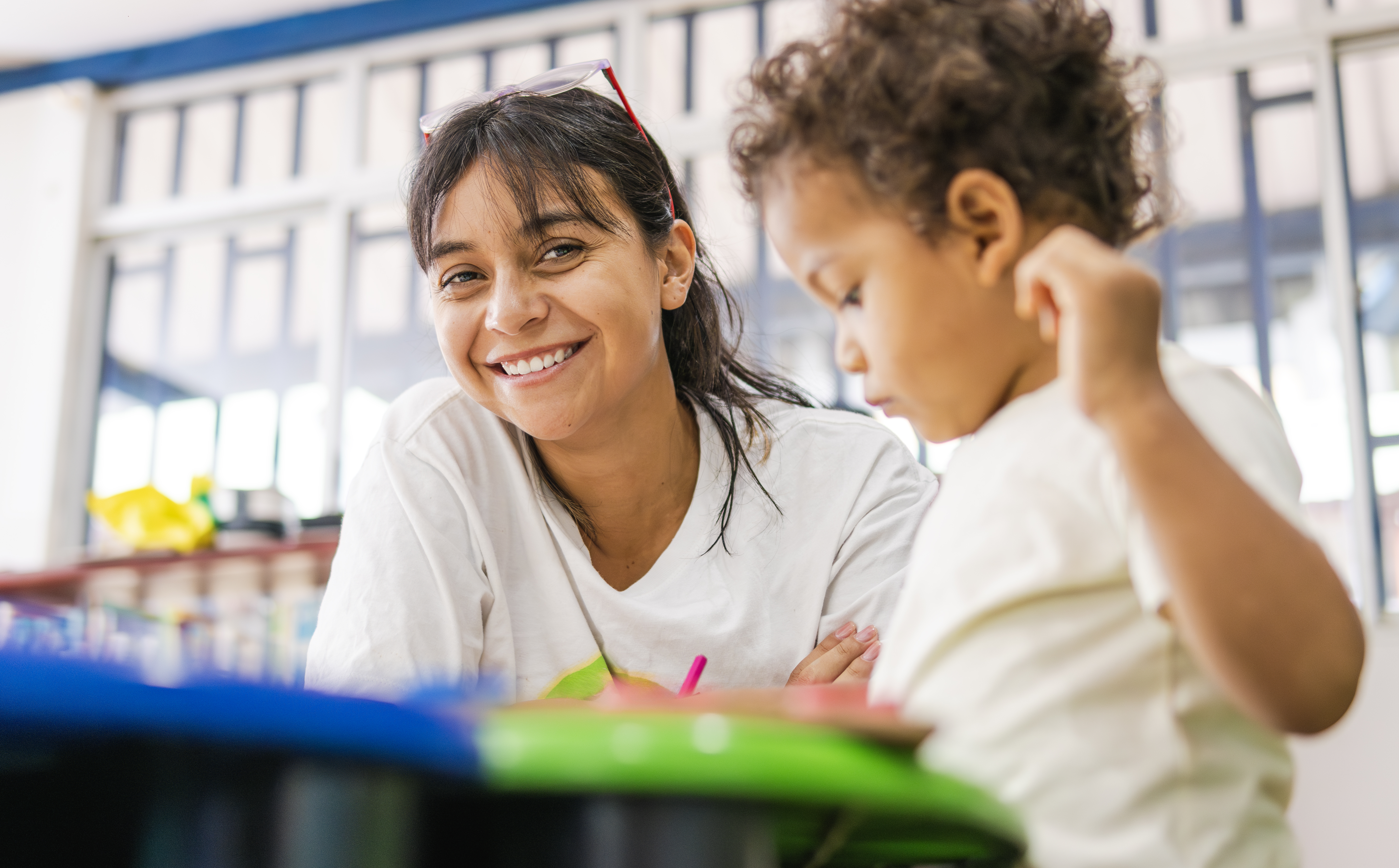
To reap the benefits of a strong parent-teacher alliance, communication and collaboration must be ongoing. Here are some practical ways to engage with your child’s teachers at Basic Beginnings.
Daily Two-Way Communication
Regular communication ensures you’re in sync with your child’s development. At Basic Beginnings, teachers provide daily updates on your child’s activities and progress. This feedback helps you stay informed about your child’s day. You can then address any concerns or questions promptly.
Share your observations with teachers as well. Your insights about your child’s interests and behaviors are valuable. This exchange allows teachers to tailor their approach to your child’s needs. Remember, effective communication is a two-way street. It strengthens the trust between you and the educators, fostering a supportive environment for your child.
Goal-Setting Conferences
Setting goals for your child’s growth is essential. At Basic Beginnings, regular conferences are held to discuss your child’s progress and set objectives. During these meetings, you and the teacher can collaborate on specific targets. These might include improving social skills or enhancing academic abilities.
A joint effort in goal-setting ensures everyone is on the same page. It also provides a clear roadmap for your child’s development. Celebrate milestones together, no matter how small. This shared achievement boosts your child’s confidence and motivation. The partnership between parents and teachers is key to reaching these goals effectively.
Enrollment and Flexibility

Choosing the right early learning center is a big decision. Basic Beginnings offers flexible options for busy families. Discover how you can become part of our nurturing community.
Touring Our Centers
Seeing is believing when it comes to choosing a preschool. We invite you to tour our facilities in Haverhill and Nashua. During your visit, you can observe our classrooms in action. Meet our dedicated teachers and learn about our curriculum. You’ll get a feel for the warm environment we provide for your child.
Scheduling a tour is easy. Simply reach out to us, and we’ll arrange a convenient time for you. By seeing our centers firsthand, you’ll gain confidence in your decision. Our goal is to ensure you feel comfortable and excited about joining the Basic Beginnings family.
Options for FAA and Federal Employees ✨
For families with unique scheduling needs, flexibility is crucial. Basic Beginnings partners with the FAA to offer tailored childcare solutions. Our Nashua location provides extended hours and weekend care. This ensures your child receives quality education regardless of your work hours.
Federal employees also benefit from priority placement and potential discounts. These options make balancing work and family life more manageable. We understand the demands of your schedule and are here to support you. Explore how our flexible programs can accommodate your needs and provide peace of mind.
In conclusion, a strong parent-teacher partnership enriches your child’s early learning experience. From emotional development to school readiness, your involvement makes a difference. At Basic Beginnings, we value this collaboration and offer practical ways to engage. Whether you’re scheduling a tour or seeking flexible care options, we’re here to help. Join us in nurturing the next generation of learners in a supportive and caring environment.
Learn More!
Growing Hearts and Minds: Practical Ways to Build Social and Emotional Skills in Preschoolers
Most parents want their preschoolers to thrive socially and emotionally, but knowing where to start can feel overwhelming. Building these skills every day sets the foundation for school readiness and happy relationships. At Basic Beginnings Learning & Development Center, we partner with families to make social and emotional development a natural part of your child’s early childhood education. Keep reading to find simple, practical ways you can support your little one’s growth right now. For additional insights, visit this guide on supporting social and emotional development.
Nurturing Emotional Intelligence

Creating a nurturing environment for emotional growth is key. By focusing on emotional intelligence, you help your child navigate social landscapes with ease.
Everyday Strategies for Parents
You can start by teaching your child to recognize and name their feelings. Use daily interactions as opportunities to discuss emotions. Ask them how they feel when they encounter something new or exciting. This simple habit builds their emotional vocabulary and helps them express themselves.
Role-play can be another powerful tool. Create scenarios where your child must identify and solve a problem, like sharing a toy with a friend. This practice not only enhances problem-solving skills but also shows them how to handle conflicts constructively.
Remember, it’s okay if things don’t go perfectly. Learning from mistakes is part of the process and can offer valuable lessons. Encourage your child to talk about their feelings and reassure them that everyone has moments of struggle. You’re building a foundation for resilience.
The Role of Positive Guidance
Positive guidance can transform a child’s learning experience. It helps them feel safe and supported, fostering a love for learning. At Basic Beginnings, we focus on nurturing this aspect by providing a warm and caring environment. Positive guidance involves setting clear expectations while offering consistent feedback.
One method is to acknowledge positive behaviors immediately. A simple “great job sharing with your friend” can reinforce desired actions and encourage repetition. On the flip side, approach missteps with empathy, showing them ways to improve rather than just pointing out faults.
Creating an environment that encourages exploration is vital. A child who feels secure is more likely to try new things and engage with others confidently. This sense of security promotes a deeper understanding of themselves and those around them, enhancing their social and emotional development.
Building Social Skills in Preschoolers

As children grow, social skills become increasingly important. These skills lay the groundwork for future interactions and relationships.
Encouraging Cooperative Play
Cooperative play is a fantastic way to develop social skills. By participating in group activities, children learn to share, take turns, and communicate effectively. Set up playdates with peers or engage them in group games like building blocks or simple board games.
Guide them in negotiating roles and rules, but also give them space to solve disputes themselves. This balance teaches independence while still providing a safety net for when things get challenging. Your involvement can be as simple as asking questions that prompt them to think about others’ perspectives.
Keep an eye on how they interact with peers. Celebrate moments of teamwork and offer gentle guidance when necessary. Regular practice of cooperative play can enhance your child’s ability to work well with others, a skill that will benefit them throughout life.
Fostering Strong Peer Relationships
Friendships are an essential part of childhood. Encouraging your child to build strong peer relationships can have lasting benefits. Start by inviting classmates over or attending community events where they can meet new friends.
Teach them how to introduce themselves and join conversations by modeling these behaviors. You can also discuss the importance of listening to others and showing empathy. These discussions can happen naturally during storytime or when watching a show together.
Encourage your child to reflect on their interactions. Ask them what they enjoyed about playing with friends and what might have been challenging. This practice helps them understand the dynamics of friendship and appreciate the diversity of personalities they encounter.
Partnering with Families for Growth
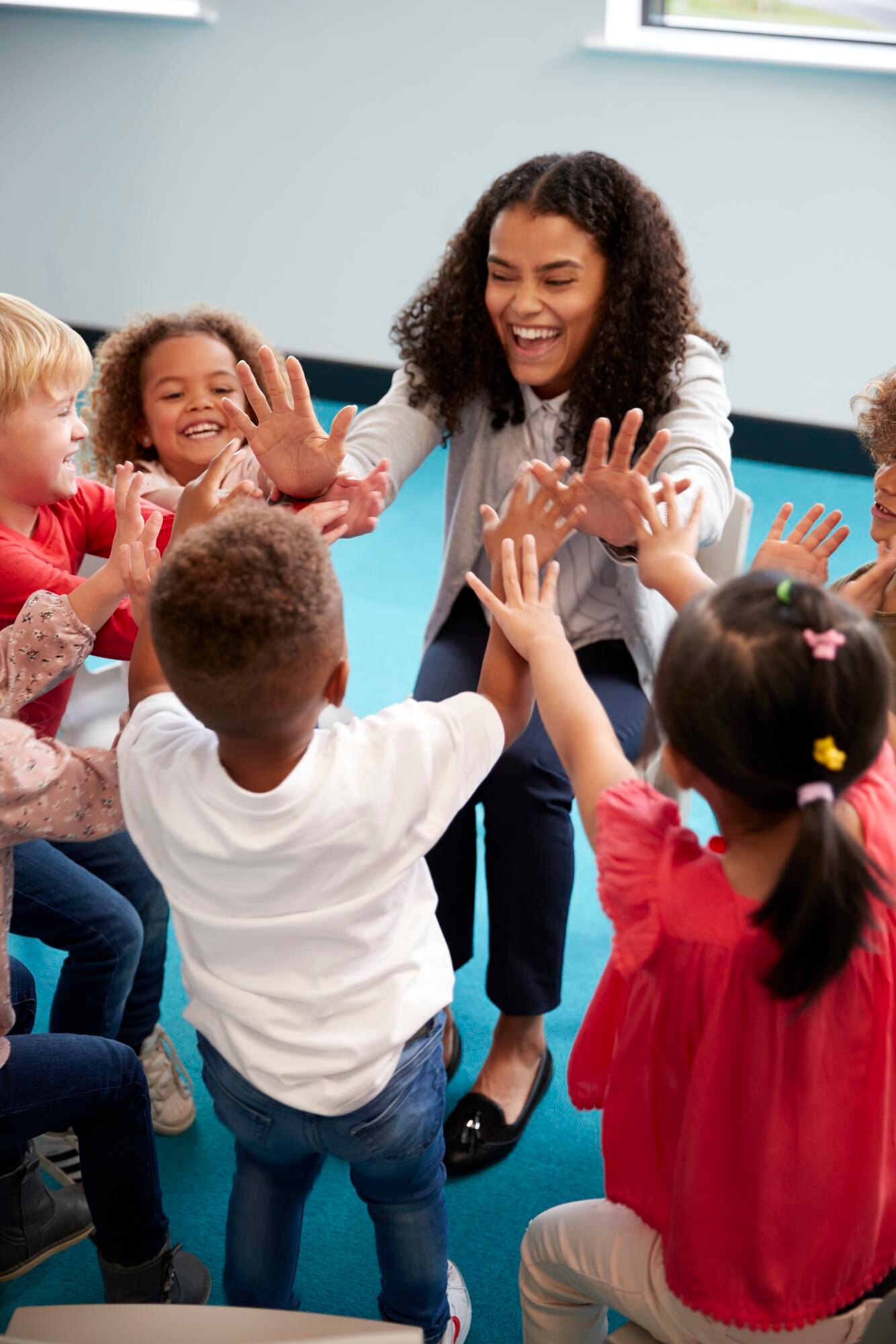
Building a child’s social and emotional skills is a joint effort between families and educators.
Parent-Teacher Collaboration
Collaboration between parents and teachers is crucial. At Basic Beginnings, we prioritize open communication to ensure your child’s needs are met. Regular updates and discussions about your child’s progress can provide insights into their social and emotional development.
Don’t hesitate to share your observations with teachers. Your insights can help tailor approaches that best suit your child’s learning style. Together, we can create strategies that promote growth both at home and in the classroom.
By working together, we can provide a consistent and supportive environment for your child. This partnership reinforces the lessons learned at school and at home, offering a cohesive learning experience.
Flexible Care Options and Benefits
Flexible childcare options can alleviate stress for families juggling busy schedules. At our Nashua location, extended hours and weekend care cater to the unique needs of federal and FAA employees.
This flexibility ensures your child remains in a nurturing environment while you manage your commitments. It also allows for more opportunities for social interaction and learning outside standard hours.
Choosing a center with flexible options not only supports your family’s needs but also enriches your child’s developmental journey. Explore how our programs align with your schedule and benefit your child’s growth by visiting our enrollment page. Together, we can nurture your child’s potential and prepare them for a bright future.
Learn More!