Most parents want their child to walk into kindergarten confident and ready. But what does true school readiness look like in a quality pre-K program? At Basic Beginnings, we focus on building essential skills through play-based learning and personalized plans that match your child’s unique pace. Keep reading to see how our approach in Haverhill and Nashua helps prepare your little one for a successful school start. https://www.basicbegin.com
Key Signs of School Readiness
Recognizing the signs of school readiness helps you gauge your child’s progress. Let’s explore the key areas to focus on for a smooth transition to school.
Social-Emotional Development Milestones
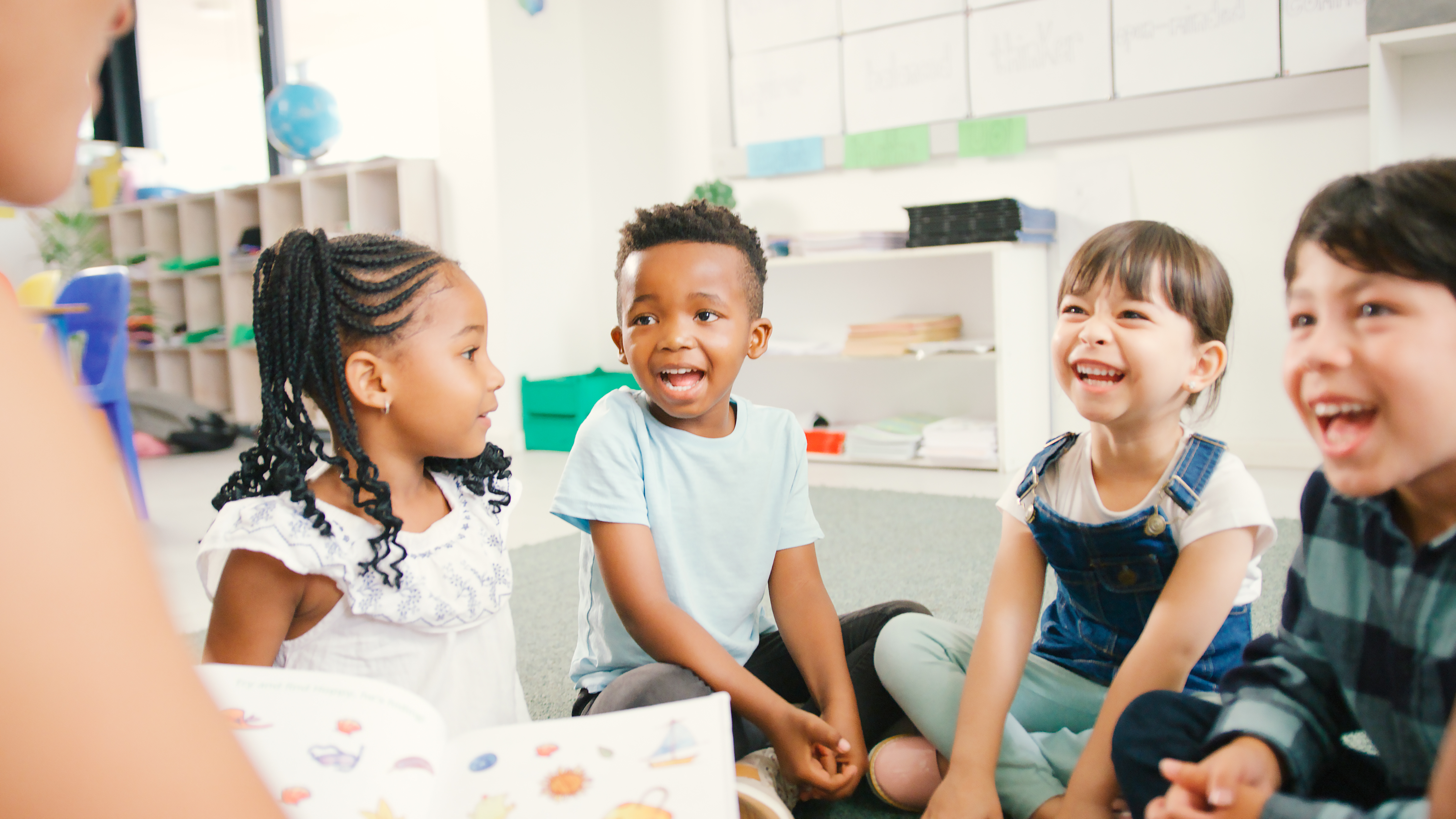
Your child’s ability to interact positively with others is crucial. By fostering friendships and understanding emotions, children learn cooperation and empathy. At Basic Beginnings, we nurture these skills through group activities and positive reinforcement. For instance, children participate in sharing circle times where they express feelings and listen to peers, encouraging mutual respect and patience. Building such connections not only boosts confidence but also sets the stage for lifelong social skills.
Language and Literacy Skills to Watch
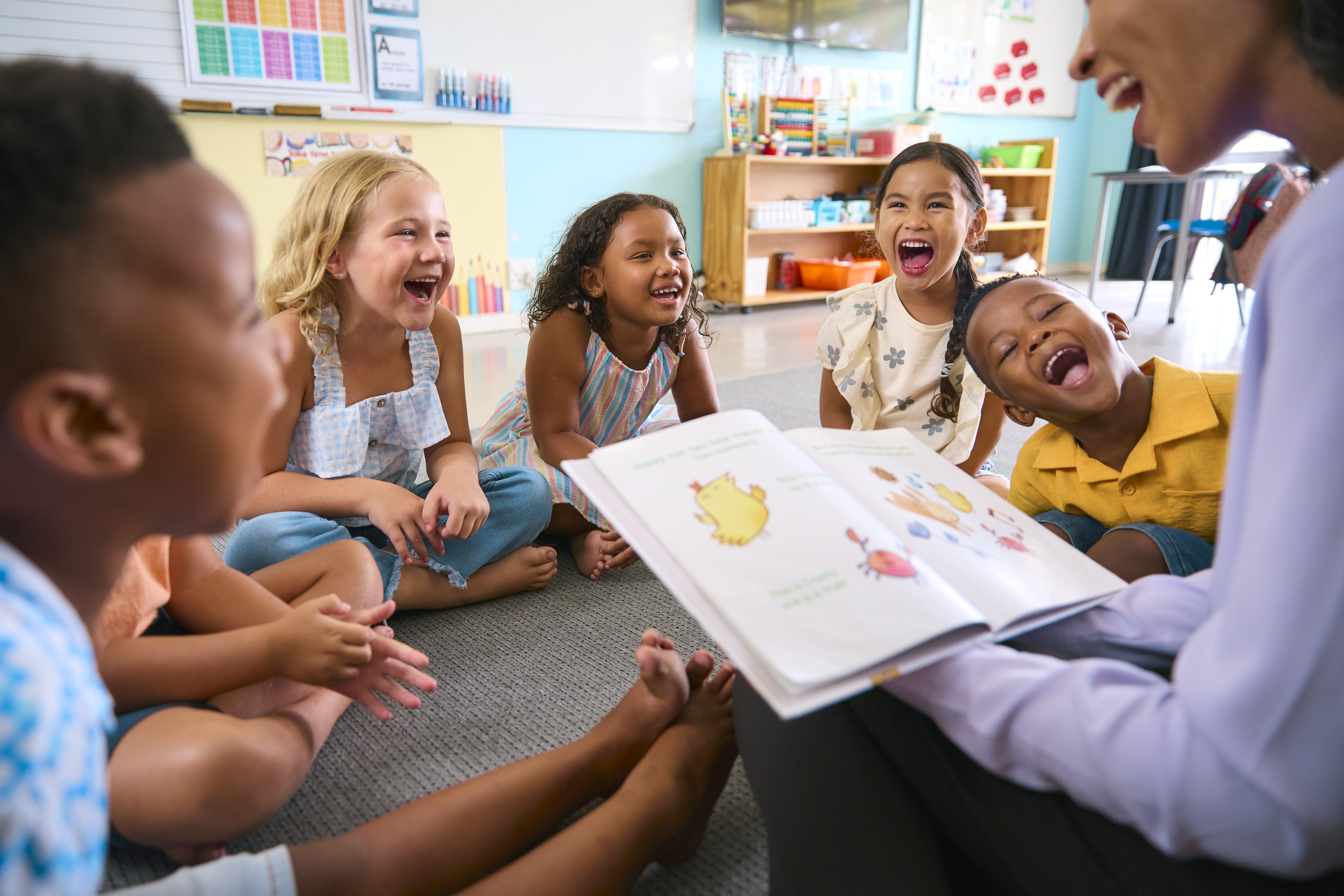
Language plays a vital role in academic success. Early literacy skills, like recognizing letters and sounds, are fundamental. Activities at our centers include storytelling and phonics games, designed to enhance vocabulary and comprehension. A simple exercise involves picture books that prompt discussions, helping children articulate thoughts and ask questions. These engaging practices spark curiosity and pave the way for a robust reading foundation.
Building Early Math Skills
Understanding numbers and patterns is part of school readiness. At Basic Beginnings, we integrate math into daily play. Using blocks and puzzles, children learn counting, sorting, and pattern recognition. Activities such as building towers and matching games make math tangible and fun. This hands-on approach not only strengthens problem-solving skills but also fosters a positive attitude towards math from an early age.
Play-Based Learning in Action
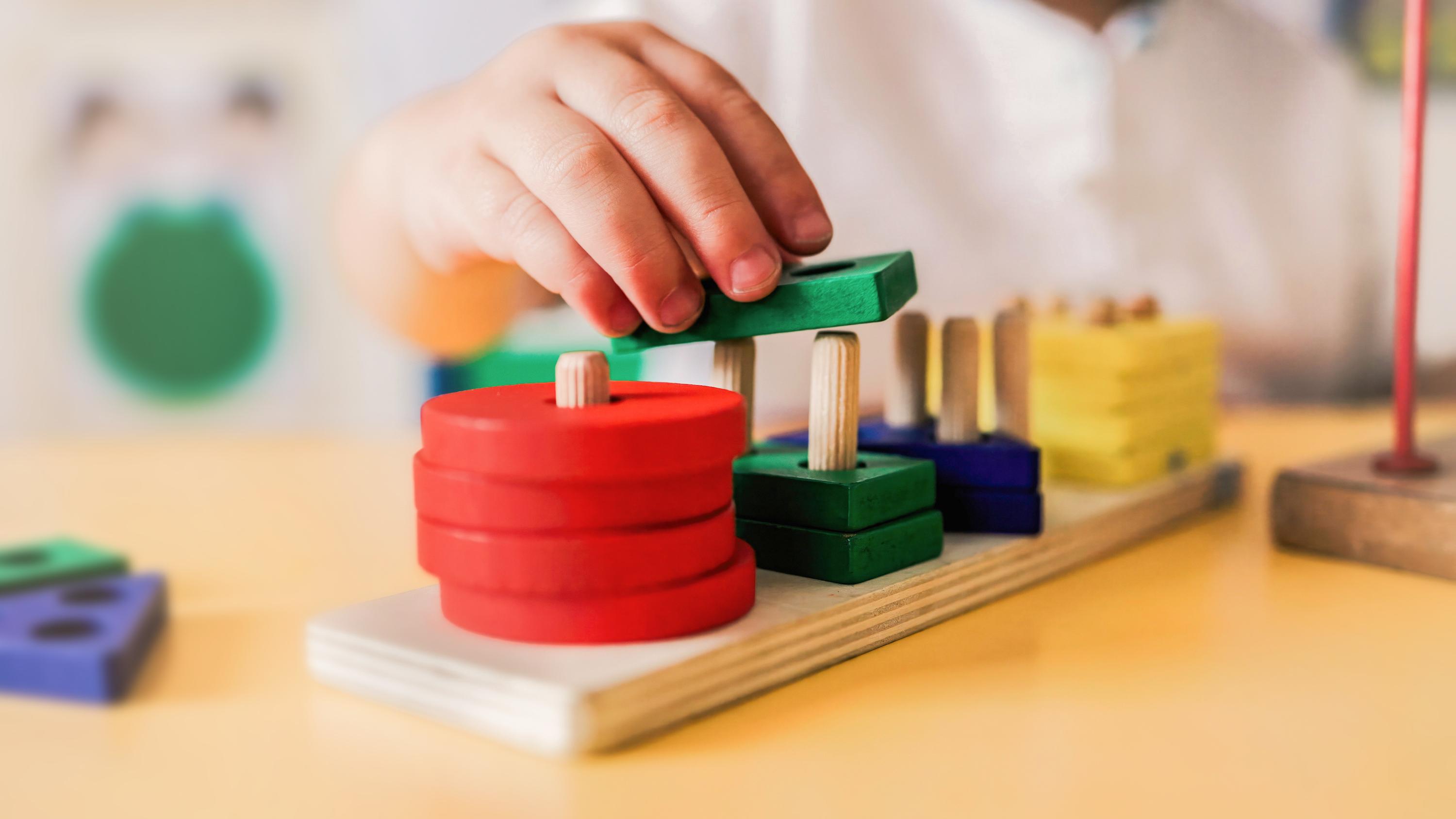
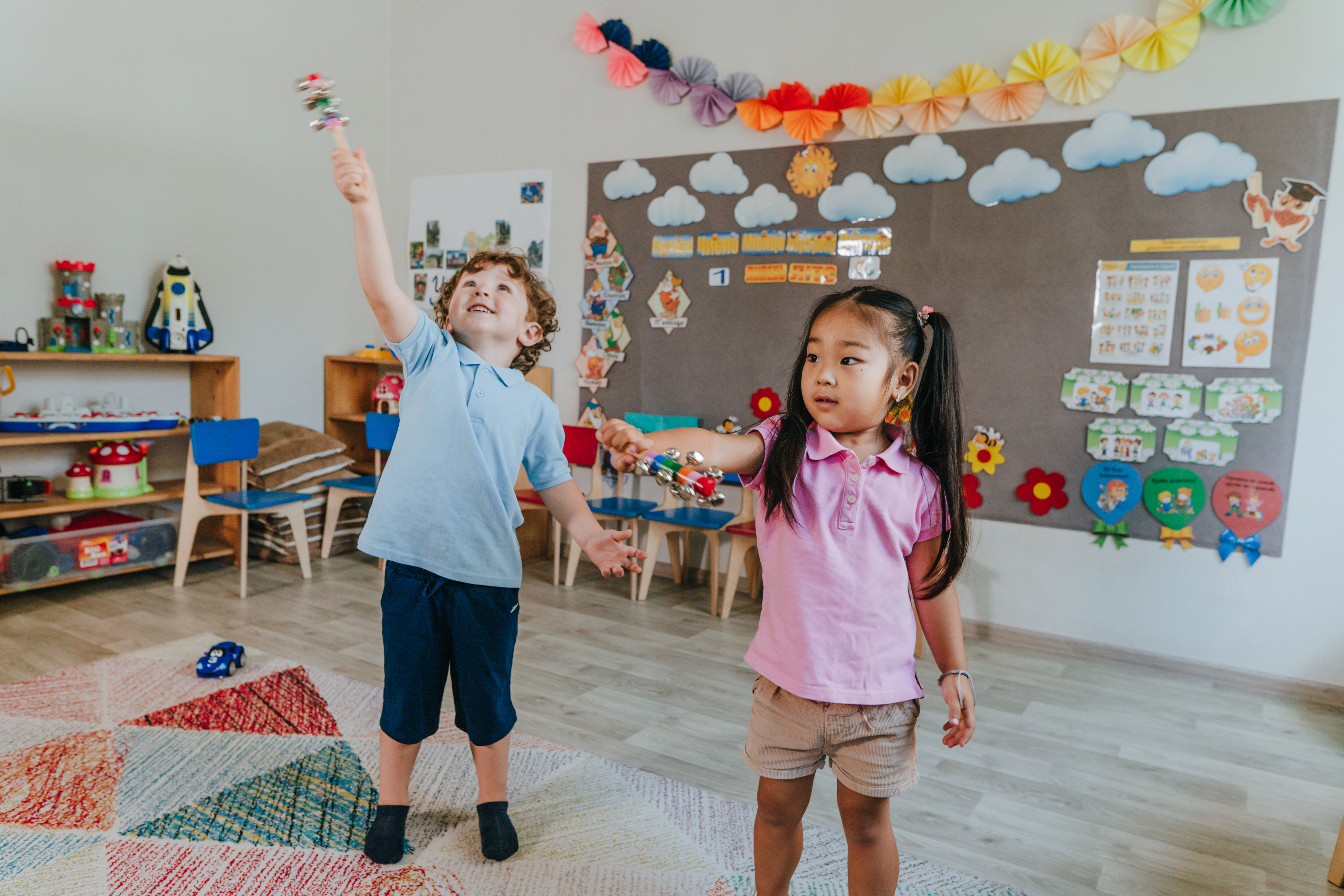
Play is the heart of our curriculum, turning learning into a joyful experience. Here’s how we bring play-based learning to life.
Individualized Learning Plans Explained
Every child learns at their own pace. Our individualized plans ensure each child’s unique needs are met. Teachers assess developmental stages and tailor activities accordingly. For example, a child interested in nature might engage in outdoor exploration, identifying plants or observing insects, thus linking personal interests with learning objectives. These personalized plans create a supportive environment where children feel valued and motivated.
Hands-On Projects for Skill Building
Projects encourage creativity and critical thinking. At Basic Beginnings, children engage in projects that integrate multiple skills. Building a simple birdhouse, for instance, involves measuring (math), assembling parts (engineering), and decorating (art). These tasks not only develop fine motor skills but also instill a sense of accomplishment and pride in their creations.
Small-Group Instruction Benefits
Small groups allow for tailored instruction and peer learning. Children work closely with teachers, who can provide immediate feedback and support. Such settings also encourage teamwork and communication, as children collaborate on projects or problem-solving activities. This approach ensures that each child receives the attention they need to thrive, reinforcing a positive learning experience.
Enrollment and Next Steps

Now that you understand the value, let’s guide you through enrolling at one of our centers.
Scheduling a Preschool Tour
Seeing our program in action is the best way to appreciate its benefits. We invite you to schedule a tour of our Haverhill or Nashua locations. During the visit, you’ll meet our dedicated staff, explore classrooms, and witness firsthand the vibrant learning environment. This step ensures you’re comfortable and confident in choosing Basic Beginnings for your child’s early education.
Understanding FAA Childcare Benefits
For FAA employees, our Nashua center offers special benefits. These include flexible hours and priority placement, making it easier to balance work demands with childcare needs. Understanding these options can significantly ease your scheduling challenges, providing peace of mind and reliable support.
Extended Hours and Weekend Options 🌟
We know that standard hours don’t work for everyone. That’s why our Nashua location provides extended hours and weekend care. This flexibility ensures that your child receives consistent, quality education and care, even with a busy schedule. These options highlight our commitment to meeting the diverse needs of families, ensuring that every child can benefit from our enriching programs.
Frequently Asked Questions
What age should my child be for pre-K enrollment?
Children typically enroll in pre-K between ages 3 to 5. This age range helps them develop crucial social, emotional, and cognitive skills before kindergarten.
How does Basic Beginnings support school readiness?
We focus on play-based learning, individualized plans, and small-group instruction to cultivate essential skills, ensuring children are well-prepared for the transition to school.
What are the benefits of extended hours at the Nashua location?
Extended hours provide flexible childcare solutions for working families, ensuring children receive consistent care and education without schedule conflicts.