Is My Child Ready for Preschool? Key Signs and Simple Ways to Support a Smooth Transition
Choosing the right moment to start preschool can feel overwhelming. You might wonder if your child shows the key preschool readiness signs or how to prepare for preschool without stress. This guide breaks down simple ways to support preschool transition, helping your family feel confident every step of the way. If you’re near Haverhill, MA or Nashua, NH, Basic Beginnings invites you to tour our centers and explore flexible childcare options designed for your busy schedule.
Key Preschool Readiness Signs
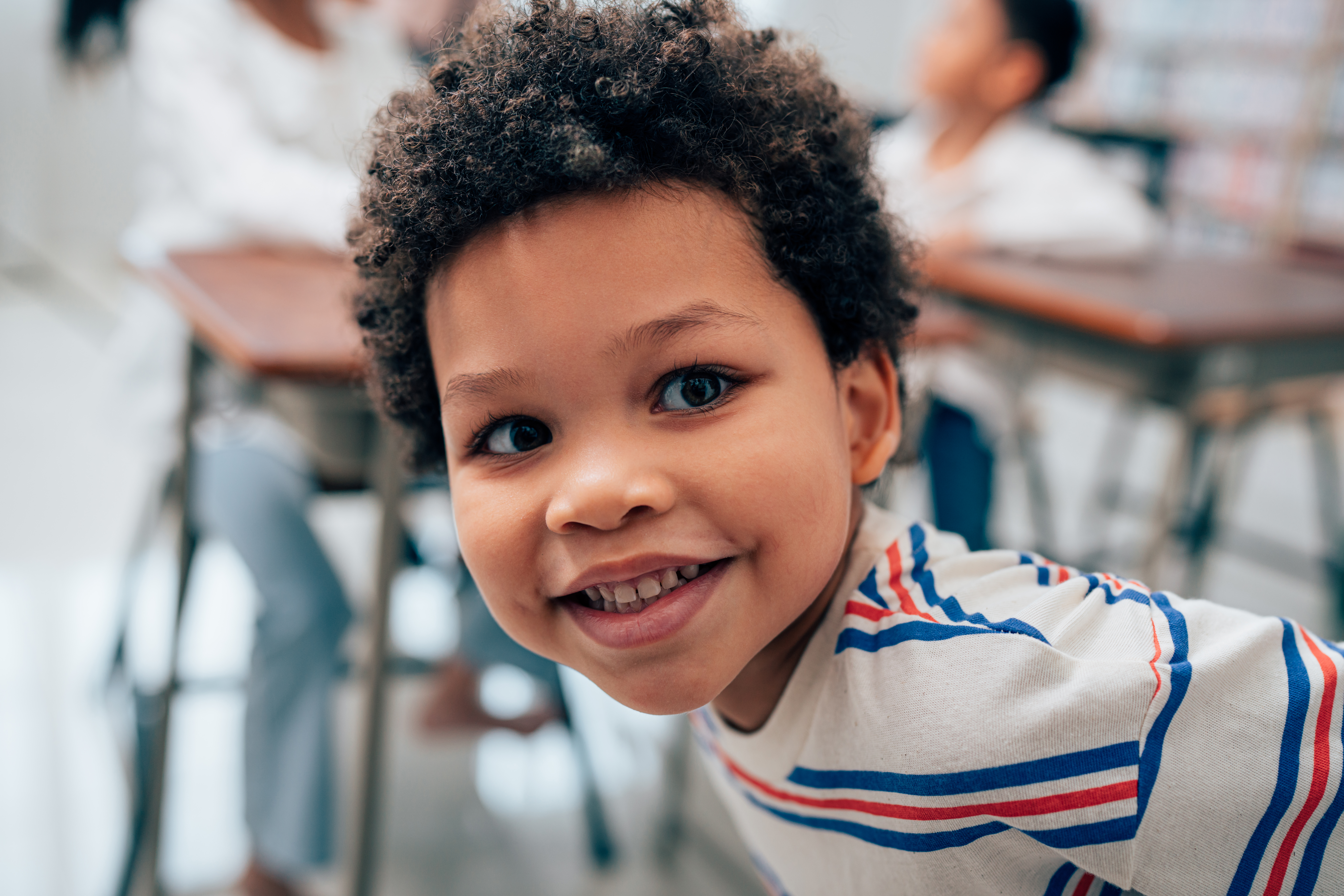
Getting your child ready for preschool involves understanding their development. Let’s explore the key signs.
Recognizing Social and Emotional Development
Is your child ready to play with others? This is a big sign of social and emotional growth. Kids who show interest in sharing and taking turns are on the right track. They might have more fun playing with friends than playing alone. This is important in a preschool setting, where working together is part of the day.
When kids manage their feelings, like calming down after a tantrum, they’re showing growth. It means they’re learning to handle emotions, which is crucial for preschool. Most kids will have off days, and that’s normal. The goal is to see more good days than bad.
Understanding Language and Communication Milestones
Can your child express needs with words? This is a sign they’re ready for preschool. Kids should communicate in simple sentences, like “I want juice” or “I’m tired.” This helps teachers understand them better.
Listening is just as important. If your child follows simple directions, like “Put the toy away,” they’re likely ready. Reading books and singing songs together boost these skills. It’s a fun way to prepare for the preschool environment.
Assessing Self-Help Skills for Preschool
Is your child starting to dress or undress themselves? This is a good sign of readiness. Preschoolers often need to handle some tasks alone, so being able to zip a jacket or put on shoes is helpful.
Toilet training is another milestone. If your child shows interest in using the potty, they’re on the right path. While full independence isn’t required, some progress is ideal. These skills make the preschool transition smoother for everyone.
Supporting Your Child’s Transition
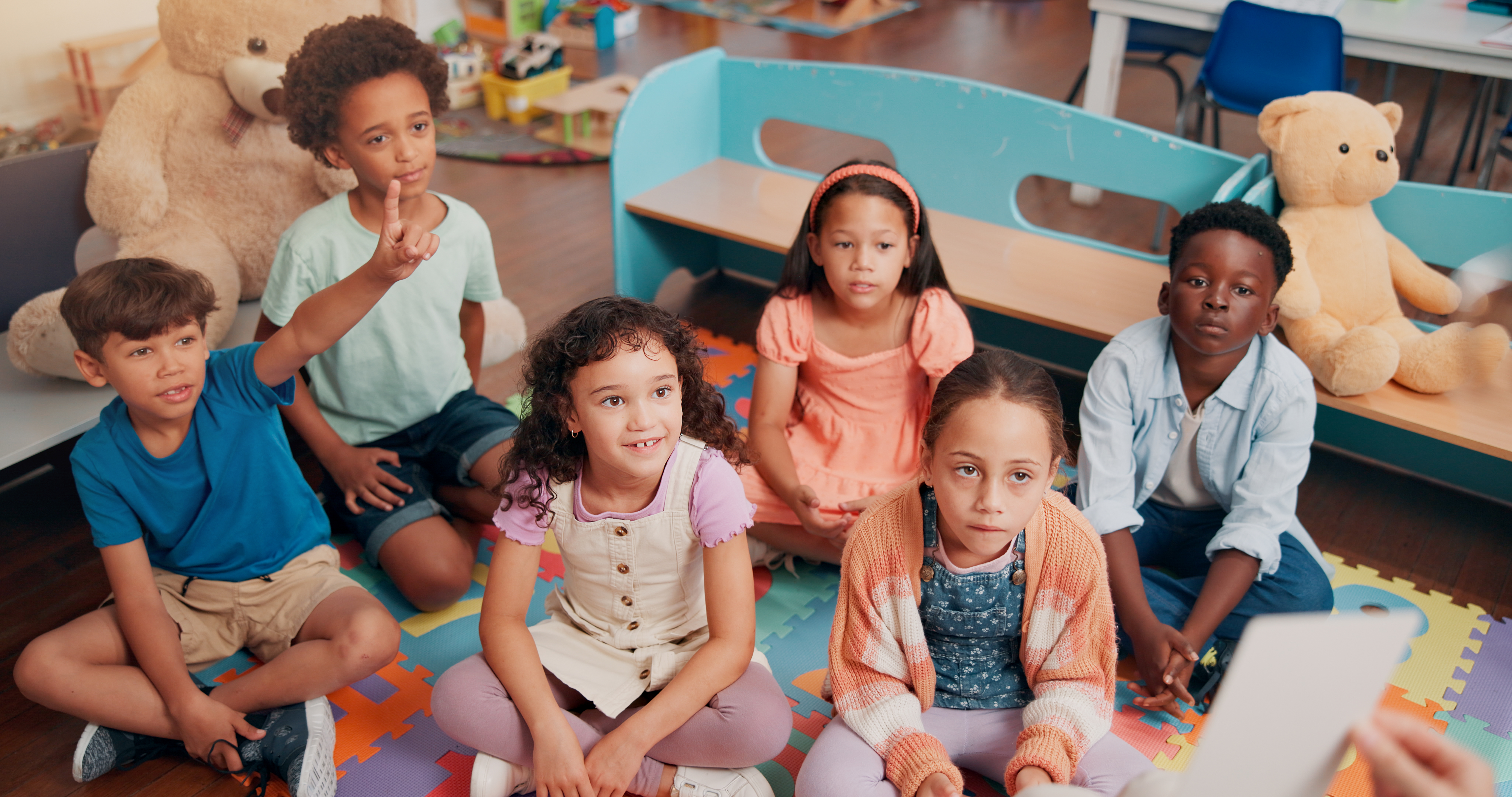
Helping your child feel comfortable in preschool is key to a smooth start. Let’s look at ways to ease the change.
Tips for Managing Separation Anxiety
Worried about leaving your child at preschool? You’re not alone. Many parents face this challenge. Start by spending short periods away from your child to help them get used to being apart. When you return, they’ll learn that goodbyes aren’t forever.
Create a quick goodbye routine. A hug and a cheerful “See you later!” can work wonders. Keep it short to make parting easier. Read more tips here to help with this transition.
Encouraging Toilet Training Readiness
Starting preschool often means starting toilet training. You can help your child feel more confident by practicing at home. Set up a regular bathroom schedule. Praise your child for trying, even if they don’t always succeed.
Using pull-up pants can be a helpful step between diapers and underwear. Remember, patience is key. Every child learns at their own pace. Consistent efforts will show results over time.
Building a Strong Parent-Teacher Partnership
A solid bond with your child’s teacher can make a big difference. It helps them understand your child’s needs and makes you feel more involved. Attend parent-teacher meetings and communicate regularly about your child’s progress.
Share any concerns or preferences with the teacher, so they can provide the best care. This partnership supports your child’s success in preschool and beyond.
Exploring Basic Beginnings’ Offerings

As you look for the right preschool, consider what Basic Beginnings offers to support your family’s needs.
Flexible Childcare Hours and Programs
Our centers in Haverhill and Nashua offer flexible hours to fit your schedule. Whether you need early mornings or late evenings, we’ve got you covered. This flexibility helps parents manage work and family time without stress.
We provide a range of programs from infants to pre-kindergarten, ensuring a seamless learning path for your child. Learn more about our programs to find the right fit for your family.
Benefits for FAA and Federal Employees
Basic Beginnings partners with the FAA to offer tailored benefits for FAA and federal employees. This includes discounts and priority placement to ease your childcare worries. It’s part of our commitment to supporting our community and its families.
Extended hours and weekend care in Nashua are ideal for those with non-traditional work schedules. These benefits ensure your child receives quality care while you focus on your career.
Scheduling a Preschool Tour Near You 🚀
Ready to see our centers in person? Scheduling a tour is easy and helps you decide if we’re the right fit. During the tour, you’ll see our classrooms, meet our staff, and learn about our curriculum.
If you’re near Haverhill, MA or Nashua, NH, come visit us. We can’t wait to welcome you and your child to Basic Beginnings. Discover the perfect place for your child to learn and grow!
Learn More!
Raising Capable Kids: Practical Ways to Build Independence in Preschoolers at Home and Daycare
Raising preschoolers who confidently do things on their own can feel like a slow climb. You want your child to develop strong self help skills but aren’t sure where to start or how to keep that growth steady both at home and daycare. Here, you’ll find practical ways to support preschool independence and learn how Basic Beginnings helps nurture these skills in our classrooms. Schedule a tour at our Haverhill, MA or Nashua, NH centers to see how we partner with families for your child’s success. For more tips on fostering independence, check out this guide.
Building Preschool Independence

Let’s explore how you can build your child’s independence. This journey starts with encouraging vital self-help skills.
Encouraging Self-Help Skills
Imagine your child dressing themselves or packing their toys away. These self-help skills give them a sense of accomplishment. Start small. Let them try tasks like zipping a coat or pouring water. These may seem simple, but they build crucial motor skills. 75% of parents notice improved confidence when kids do tasks on their own. As these skills grow, your child learns to tackle new challenges.
Encouragement is key. Celebrate small wins to motivate them. Avoid stepping in unless necessary. This teaches resilience. If they struggle, guide them with gentle prompts. This approach fosters self-sufficiency and boosts confidence. For more insights on encouraging independence, visit Bright Path Kids.
Creating Independent Routines
Routines are a strong foundation for independence. Start with a simple morning routine. This might include brushing teeth, getting dressed, and making the bed. Consistency is crucial. It helps children know what to expect. Include them in meal planning or setting the table. This makes them feel valuable and responsible.
Break routines into manageable steps. Use pictures or checklists if needed. These visual aids can help young ones remember their tasks. 80% of kids respond positively to visual cues. This structure not only supports independence but also reduces morning chaos.
Positive Guidance Techniques
How you guide your child impacts their independence. Positive guidance encourages exploration. When they attempt tasks, be patient. Offer praise for effort rather than perfection. This cultivates a growth mindset. Use clear language when giving instructions. This helps them understand what is expected.
If they face challenges, offer solutions rather than immediate help. For example, ask them to think of a different approach. This problem-solving skill is invaluable. Most people think kids need constant supervision, but with the right guidance, they learn to trust their judgment. Learn more about positive guidance from Child Mind Institute.
Home Strategies for Independence
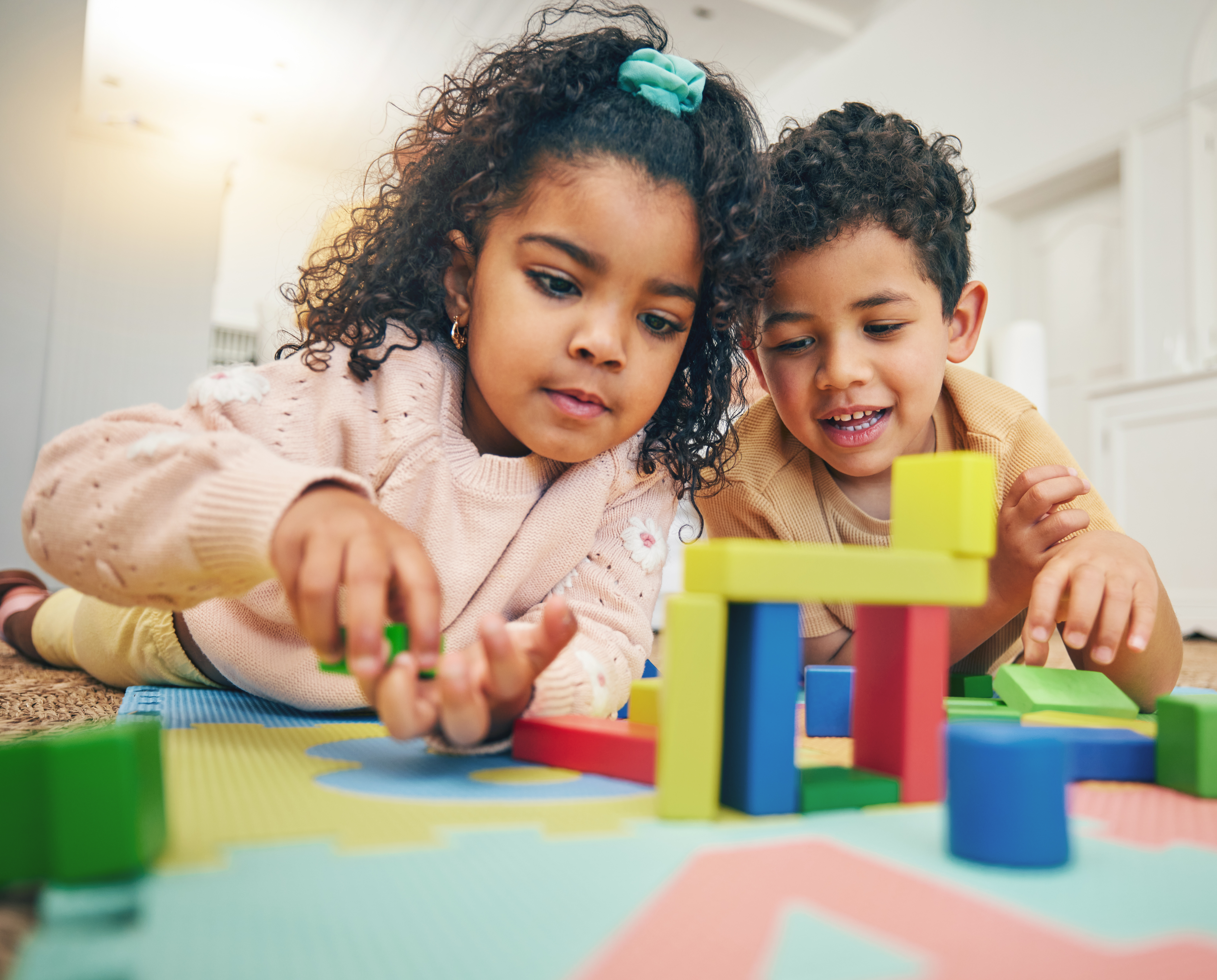
Building independence goes beyond the classroom. Here are effective home strategies to ensure your child thrives both at home and in preschool.
Practical Activities at Home
You can foster independence through everyday activities. Involve your child in cooking. Let them wash vegetables or stir ingredients. This enhances their motor skills and teaches them about food. 60% of kids who cook with family eat healthier meals. Encourage them to tidy their play area. This responsibility teaches them organization and respect for their belongings.
Craft activities also boost independence. Set up a simple crafting station with supplies. Let them create freely. This encourages creativity and decision-making.
Parent-Child Partnership
Partnership with your child strengthens their independence. Set goals together. Discuss and plan activities they enjoy. This collaboration builds mutual respect. Listen to their ideas and give them choices. When kids feel heard, they feel empowered.
Share responsibilities. Assign age-appropriate chores. This shows you trust their abilities. Remember, teamwork in the family supports growth. Many parents think independence means doing things alone, but the truth is, it thrives on collaboration.
School Readiness Skills
Preparing for school means more than academics. Focus on social and emotional development. Teach them to express feelings and understand others. Playdates or group activities are great for this. Encourage them to ask questions and share ideas. This enhances communication skills.
Introduce basic routines like cleaning up after play or setting up their study area. Such routines promote responsibility. These skills are the building blocks for a successful school life. For more school readiness tips, explore NAEYC’s guide.
Daycare Support and Enrollment
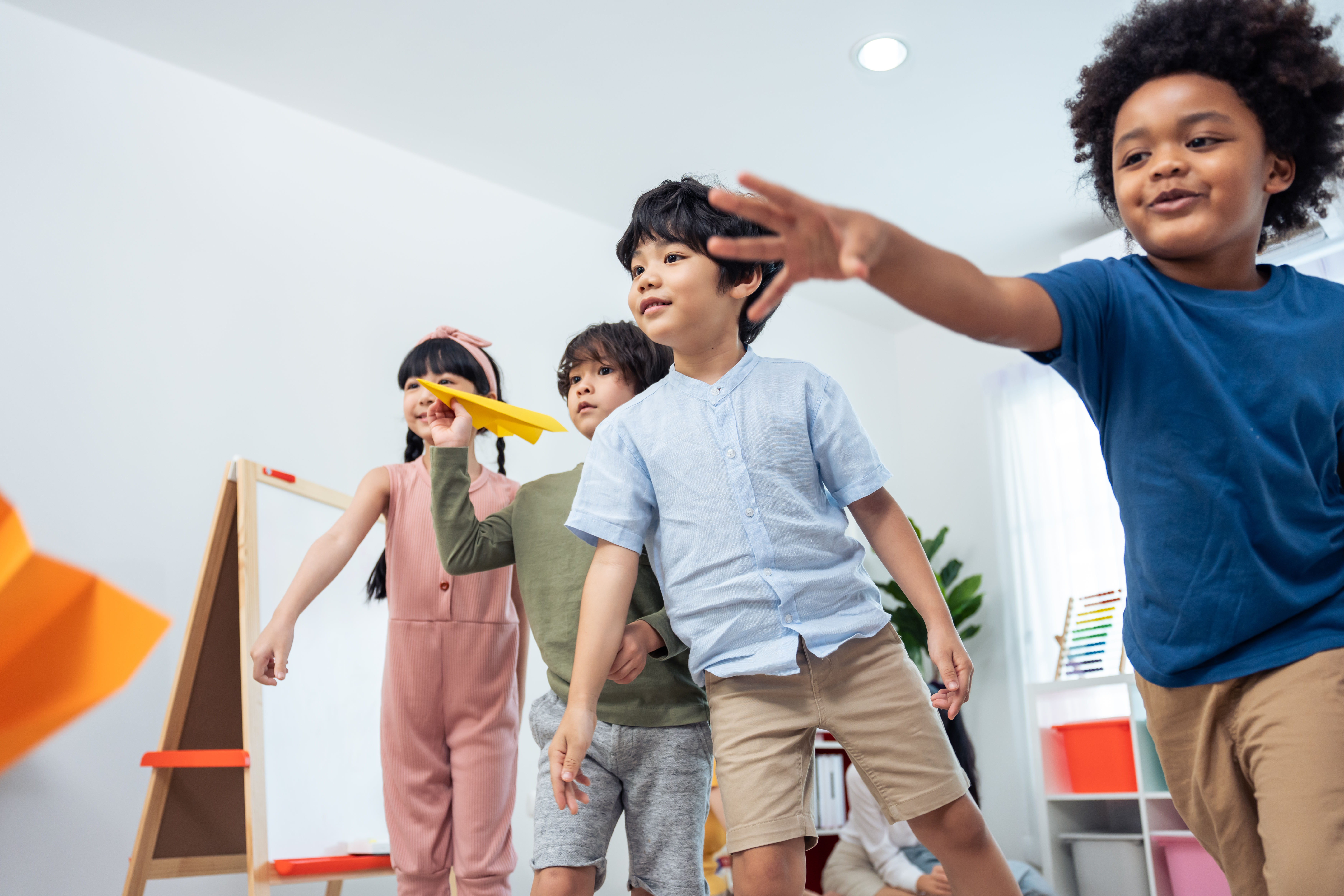
At Basic Beginnings, we understand your commitment to fostering independence. Our daycare programs provide the support and environment your child needs.
Benefits of Early Childhood Programs
Early childhood programs are vital. They offer structured learning environments that support independence. Children engage in activities that build social skills and self-assurance. Our programs at Basic Beginnings focus on personalized learning. This approach helps each child thrive at their own pace.
Our centers emphasize positive guidance and create a nurturing community. Most people expect daycare to be just babysitting, but here, it’s a place of discovery and growth. Children learn through play, exploration, and structured routines.
Touring Our Centers
Seeing is believing. Visit Basic Beginnings in Haverhill, MA, or Nashua, NH. Experience our warm, welcoming environment firsthand. Our facilities are designed to foster a love for learning. During your tour, you’ll see how we inspire children daily.
Our extended hours at Nashua offer flexibility for busy families. This ensures your child is cared for even with a hectic schedule. Schedule your visit today and discover why many parents trust us for their child’s early education.
Enrolling in Haverhill and Nashua
Ready to join our community? Enrolling at Basic Beginnings is simple. Our team is here to guide you through each step. Whether you are in Haverhill or Nashua, we ensure a smooth transition for your child.
By choosing us, you invest in your child’s future. They will gain skills that last a lifetime. The longer you wait, the more opportunities slip by. Give your child the gift of independence and confidence today. Explore our programs and start your journey with us.
Learn More!