Strategies for Effective Parent-Teacher Communication at Basic Beginnings
Parent-teacher communication often feels like a puzzle with missing pieces. You want to stay connected but aren’t sure how to share your child’s needs or celebrate their progress. At Basic Beginnings, we believe strong communication builds a bridge between home and school that supports your child’s growth every day. Let’s explore simple strategies that make those conversations easier and more meaningful for families in Haverhill, MA, and Nashua, NH. Read more about improving parent-teacher communication here.
Building Strong Partnerships
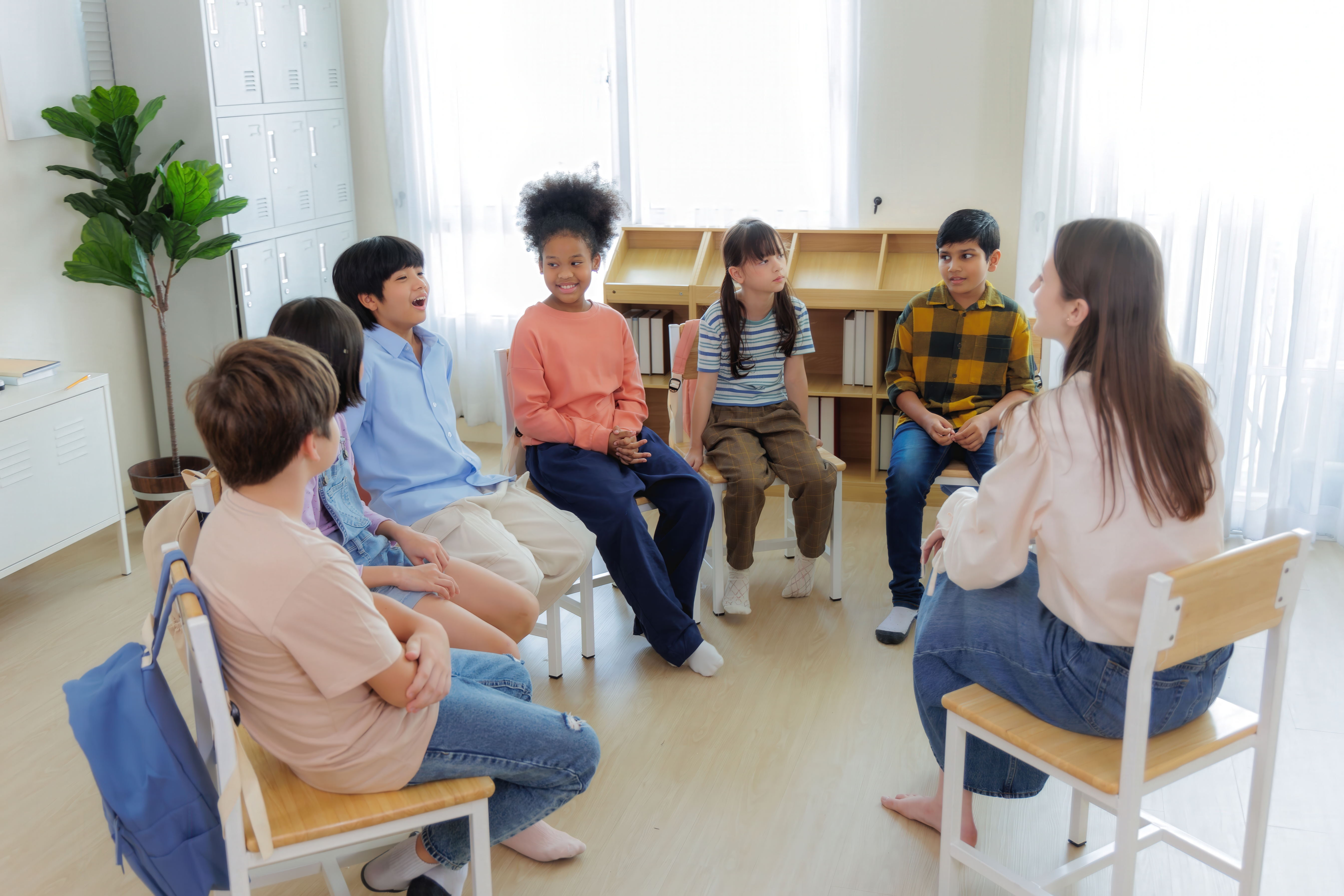
Creating a solid foundation with your child’s teacher is crucial. Understanding the importance of open communication can pave the way for effective collaboration and a supportive environment.
Open Lines of Communication
The first step in building a partnership is to establish clear communication channels. Whether it’s through email, phone calls, or in-person meetings, having consistent methods to share updates is essential.
Make it a habit: Try setting a specific day each week to check in with your child’s teacher. It keeps you informed without overwhelming the teacher.
Be proactive: Don’t wait for issues to arise. Discuss your child’s progress regularly and address small concerns before they become bigger problems.
A story from a parent might include, “I used to wait for report cards to communicate. Now, I send a weekly email, and it has transformed our relationship.”
Scheduling Regular Meetings
Regular meetings can significantly enhance the parent-teacher relationship. Setting a schedule ensures that there’s always a time to discuss your child’s progress and any concerns.
Monthly check-ins: These can involve discussing both academic achievements and social skills.
Goal-setting sessions: Start the school year with a meeting to set goals. Revisit these goals throughout the year to assess progress.
These scheduled times create a consistent routine that helps both parties stay aligned on your child’s needs and achievements.
Effective Communication Techniques
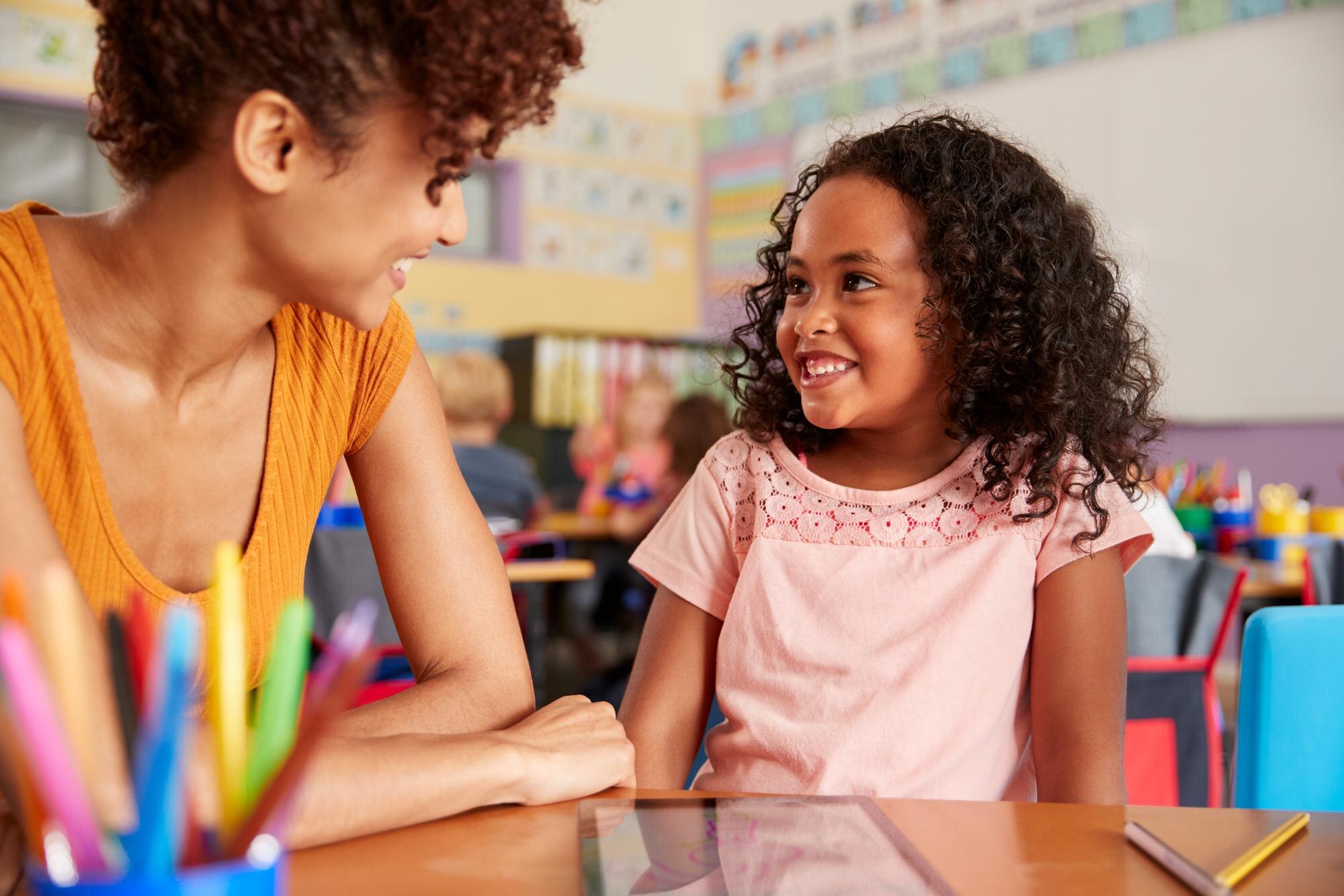
Effective communication is more than just talking. It’s about understanding and connecting, which can be achieved through specific techniques.
Active Listening Skills
Listening actively shows you value the teacher’s insights and are committed to your child’s education.
Show interest: Maintain eye contact and nod to show you’re engaged during conversations.
Ask questions: Don’t hesitate to ask for clarification if something isn’t clear. It ensures you fully understand and demonstrates your commitment.
An example could be a parent saying, “When I started actively listening, I noticed I understood more and felt more involved in my child’s learning.”
Clear and Concise Messaging
Clear communication minimizes misunderstandings, ensuring everyone is on the same page.
Be direct: Use simple language to express your thoughts and concerns, avoiding confusion.
Summarize points: After discussions, summarize key points to confirm understanding and agreement.
This approach can prevent miscommunication and ensure both you and the teacher are working towards common goals.
Engaging with Basic Beginnings
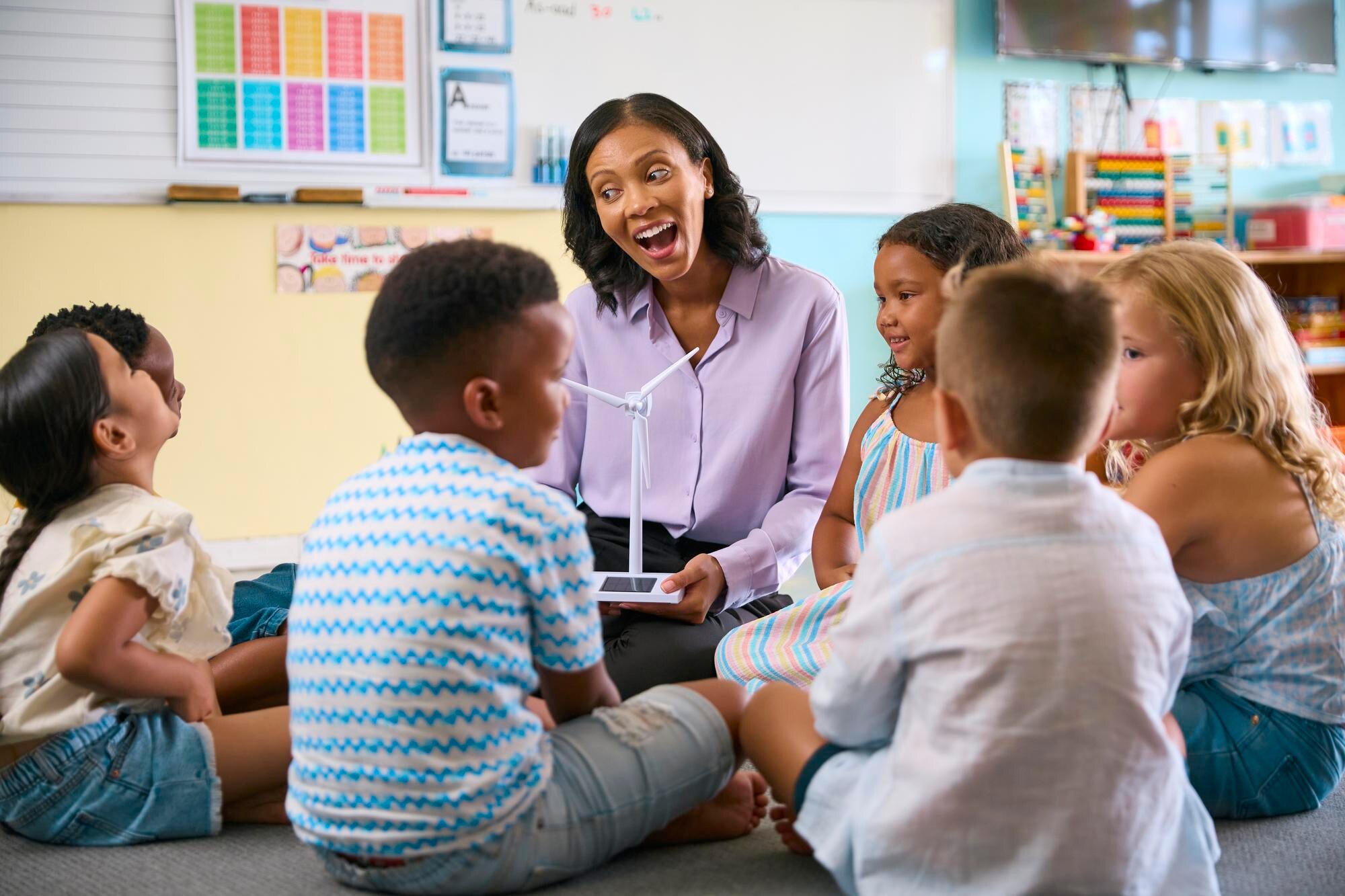
Basic Beginnings offers numerous opportunities to engage and strengthen your partnership with teachers. Embracing these can enhance your child’s learning experience.
Participating in Events
Engagement extends beyond the classroom, and participating in events is a great way to connect with both teachers and other parents.
Join school events: Attending open houses and parent-teacher nights can provide insights into the school environment and curriculum.
Volunteer opportunities: Volunteering for events or committees allows you to play an active role in the school community.
These activities not only support the school but also show your child that you value their education.
Utilizing Available Resources
Basic Beginnings offers various resources to assist you in supporting your child’s development.
Workshops and seminars: These provide valuable tips on enhancing parent-teacher communication and supporting your child’s learning at home.
Online resources: Access to articles and videos can offer additional guidance and support.
By taking advantage of these resources, parents can further empower themselves to support their child’s educational journey.
🎉
By focusing on these strategies, parents can create a supportive partnership with teachers, fostering an environment where children thrive in their educational journey. The stronger the bridge between home and school, the more your child benefits.