Kindergarten Readiness: Simple, Daily Ways to Help Your Child Thrive
Preparing your child for kindergarten readiness can feel overwhelming with so many skills to cover. You want clear, simple steps that fit into your daily routine—little moments that build confidence, social-emotional growth, and early literacy and math skills. This guide offers practical ways to help your child thrive before their first day, backed by a trusted partner in early childhood education right here in Haverhill and Nashua. Let’s explore how you can make school readiness a positive, manageable part of your family’s life. For more tips, check out this helpful guide.
Building Social-Emotional Skills
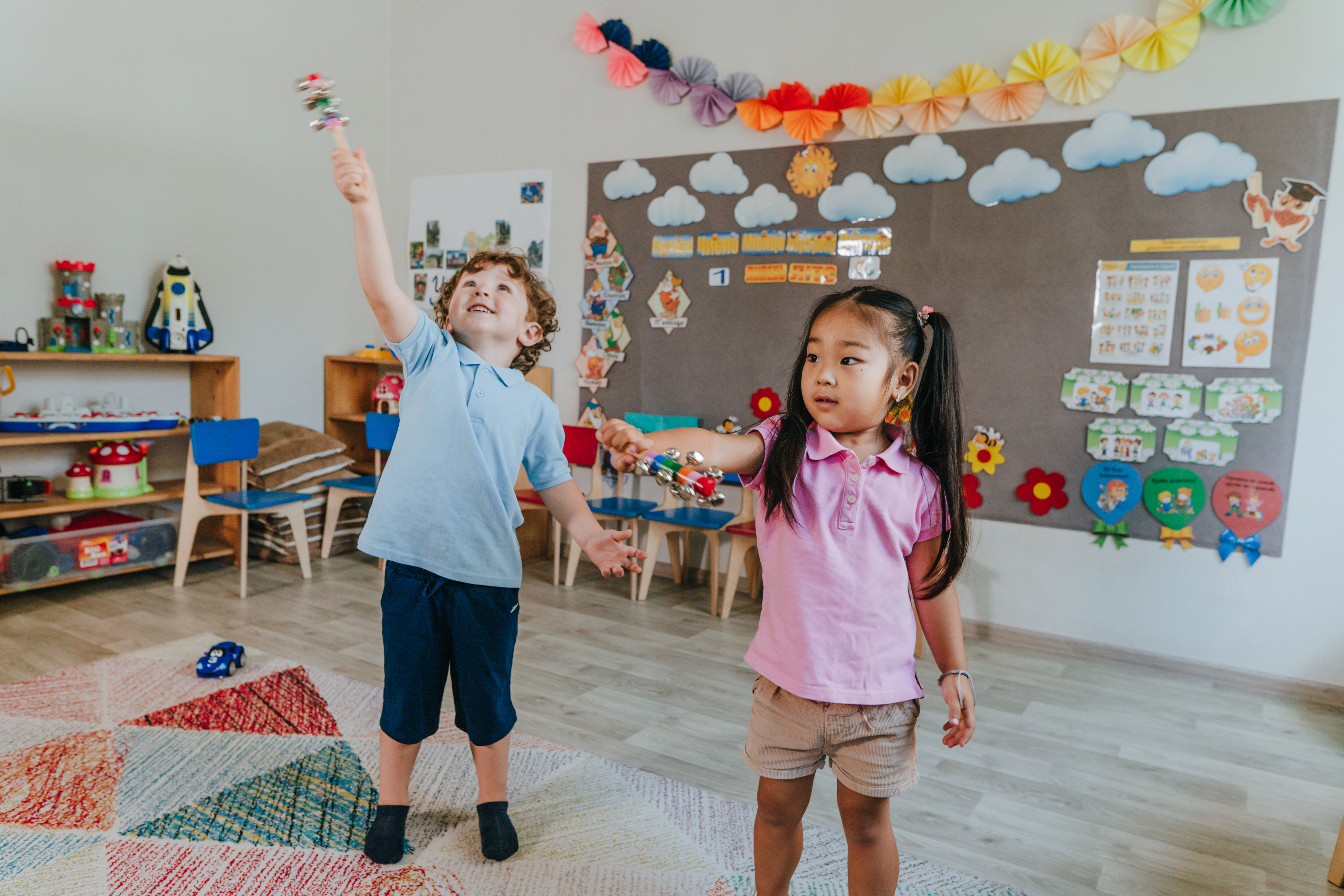
Helping your child develop social-emotional skills sets the foundation for a positive kindergarten experience. Let’s explore how you can nurture these skills at home.
Encouraging Emotional Expression
Children thrive when they feel understood. Start by encouraging your child to express their feelings. You might notice your child showing frustration when a toy doesn’t work as expected. In these moments, say, “I see you’re upset. It’s okay to feel that way.” This helps your child label emotions and opens the door for shared understanding.
Make it a habit to discuss feelings daily. During dinner, you could ask, “What made you happy today?” This simple question encourages reflection and emotional sharing. Over time, your child learns that emotions are a normal part of life. This skill will help them navigate the social world of school.
Developing Peer Interaction Skills
Playing with peers can be tricky, but it’s an essential skill for school readiness. Set up playdates to give your child practice in a familiar setting. Observe how they interact and gently guide them if needed. If your child is shy, try role-playing different social scenarios at home. For example, practice saying, “Can I play with you?” This boosts confidence and makes real-life situations less daunting.
Games that require taking turns, like board games, are excellent for teaching patience and cooperation. Praise your child when they share or wait patiently—positive reinforcement goes a long way. You’ll soon see your child becoming more comfortable in group settings.
Fostering Early Literacy and Math
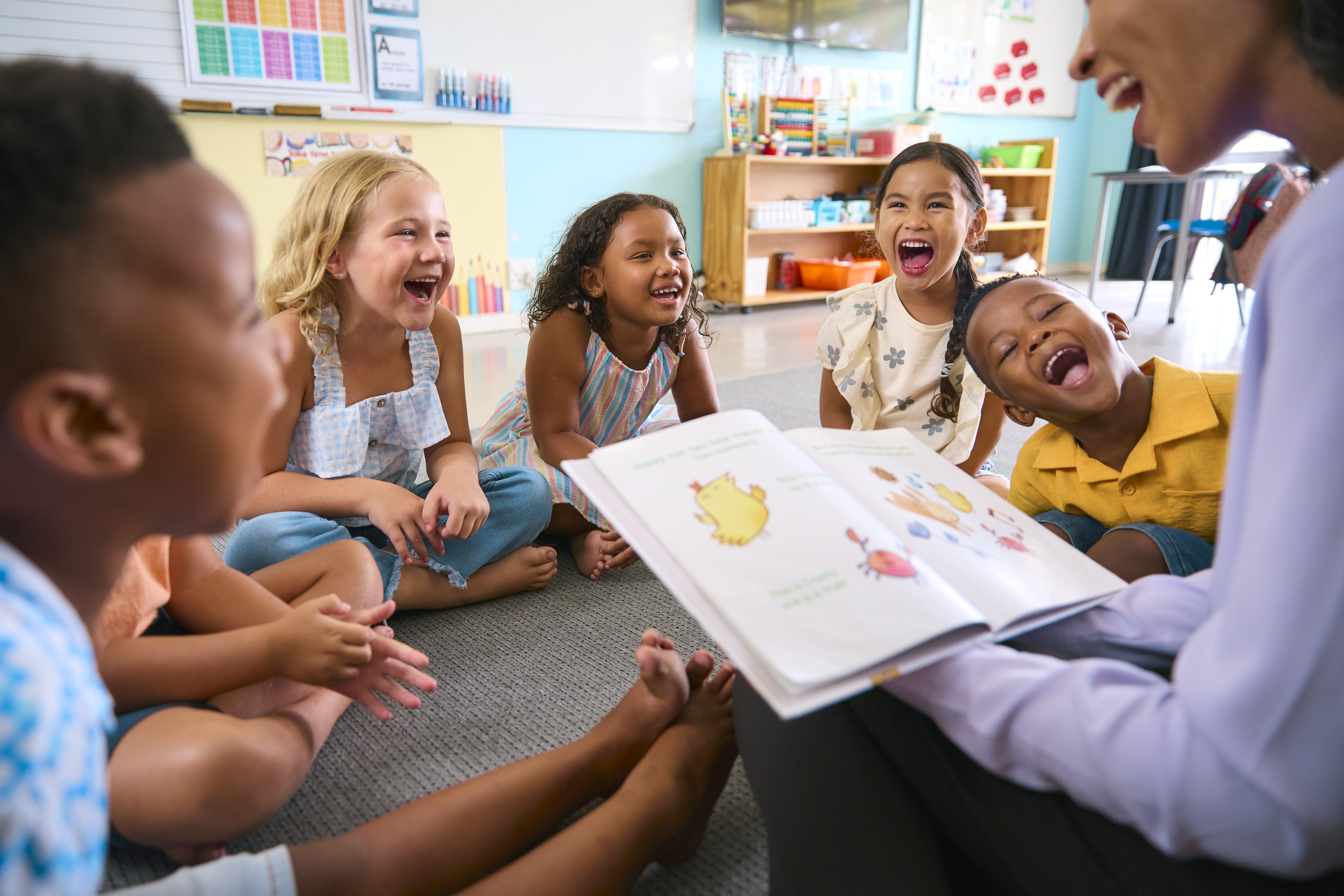
Building early literacy and math skills doesn’t have to be a chore. With fun activities, your child will be eager to learn.
Fun Literacy Activities at Home
Reading together is one of the best ways to instill a love for words. Choose books with colorful pictures and simple sentences. Ask questions like, “What do you think happens next?” This encourages imagination and comprehension.
Incorporate letters into daily routines. During a walk, play “I Spy” with letters on signs. At home, create a letter scavenger hunt. Say, “Can you find something that starts with ‘B’?” Activities like these make learning playful and engaging.
Counting and Basic Math Games
Math skills develop best through hands-on activities. Cooking offers a chance to count and measure. Ask your child to count how many cups of flour go into a recipe. This real-world application makes numbers tangible.
Introduce simple board games that use dice. Games like these teach counting and number recognition in a fun way. For more ideas, visit The Pediatrician Mom’s blog for additional tips on making learning math enjoyable.
Promoting Independence and Routine
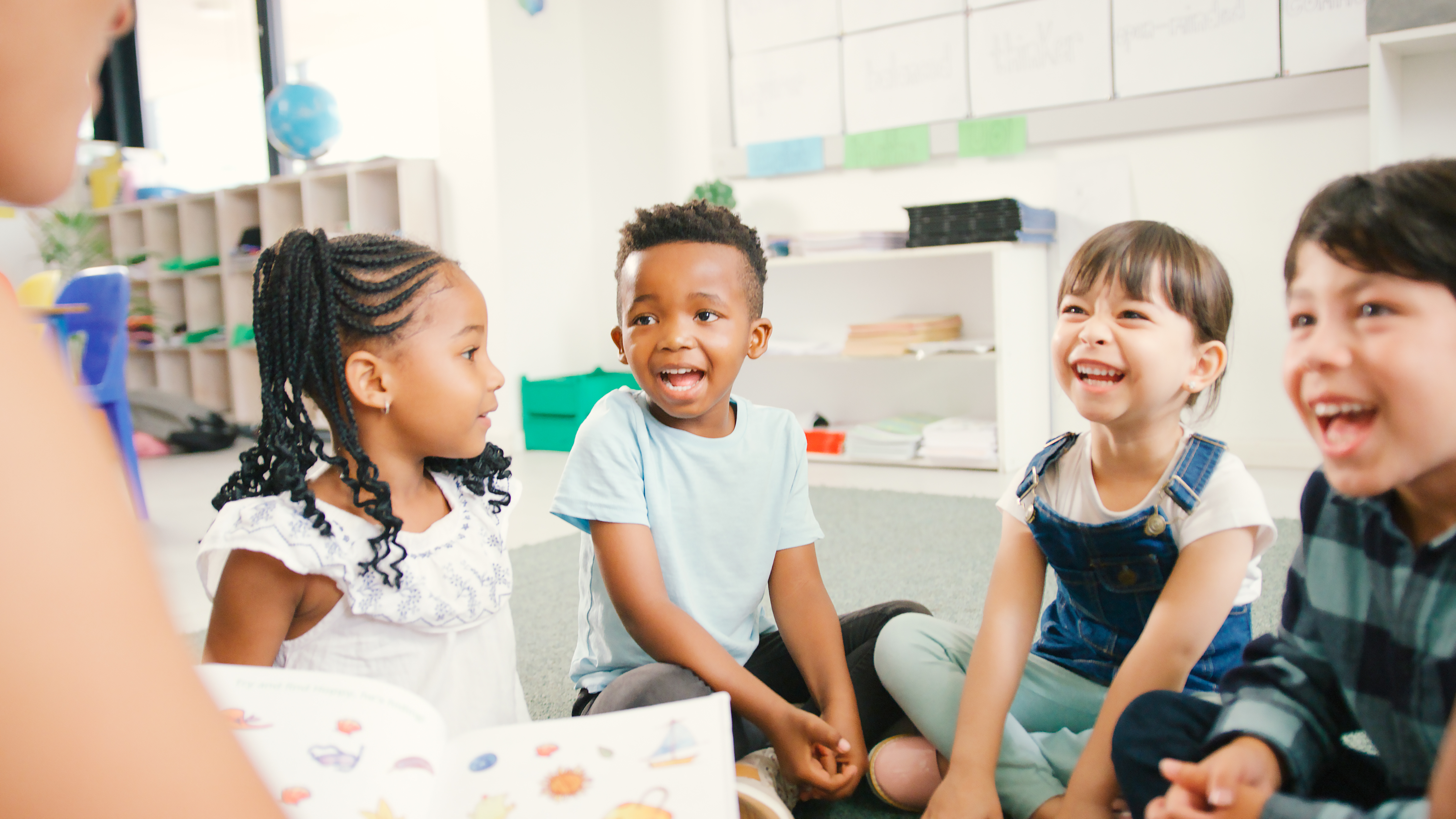
Establishing routines and independence at home prepares your child for the structure of school.
Establishing Daily Routines
Consistency is key to building comfort and security. Start with a simple morning routine. Include tasks like brushing teeth, getting dressed, and having breakfast. Use a visual chart to help your child understand the sequence.
End the day with a bedtime routine that includes reading a book. This not only fosters literacy but also signals to your child that it’s time to wind down. Over time, routines become second nature, making transitions smoother.
Encouraging Self-Help Skills
Empowering your child with self-help skills boosts their confidence. Encourage them to dress themselves or pack their backpack. Offer guidance but let them take the lead. A child who masters these skills feels more capable and ready for school.
Create opportunities for decision-making. Let your child choose their outfit or snack. These small choices build independence. Remember, practice and patience are your allies. Your child will soon surprise you with their growing abilities.
By focusing on these practical strategies, you’re setting the stage for your child’s success in kindergarten. This journey, powered by a loving partnership between home and school, makes all the difference. For more insights, explore resources on kindergarten readiness to further support your efforts.