Growing Together: How Parent-Teacher Collaboration Nurtures Social and Emotional Skills in Early Childhood
Parent-teacher partnership is more than just meetings and updates—it shapes how your child learns to connect and express feelings. When home and school work side by side, children build stronger social and emotional skills that last a lifetime. At Basic Beginnings, we focus on this connection to support your child’s growth every day. Keep reading to see how our approach in early childhood education in Haverhill, MA, and Nashua, NH can make a real difference for your family. For more insights on the importance of these partnerships, check this resource.
Parent-Teacher Partnership Benefits
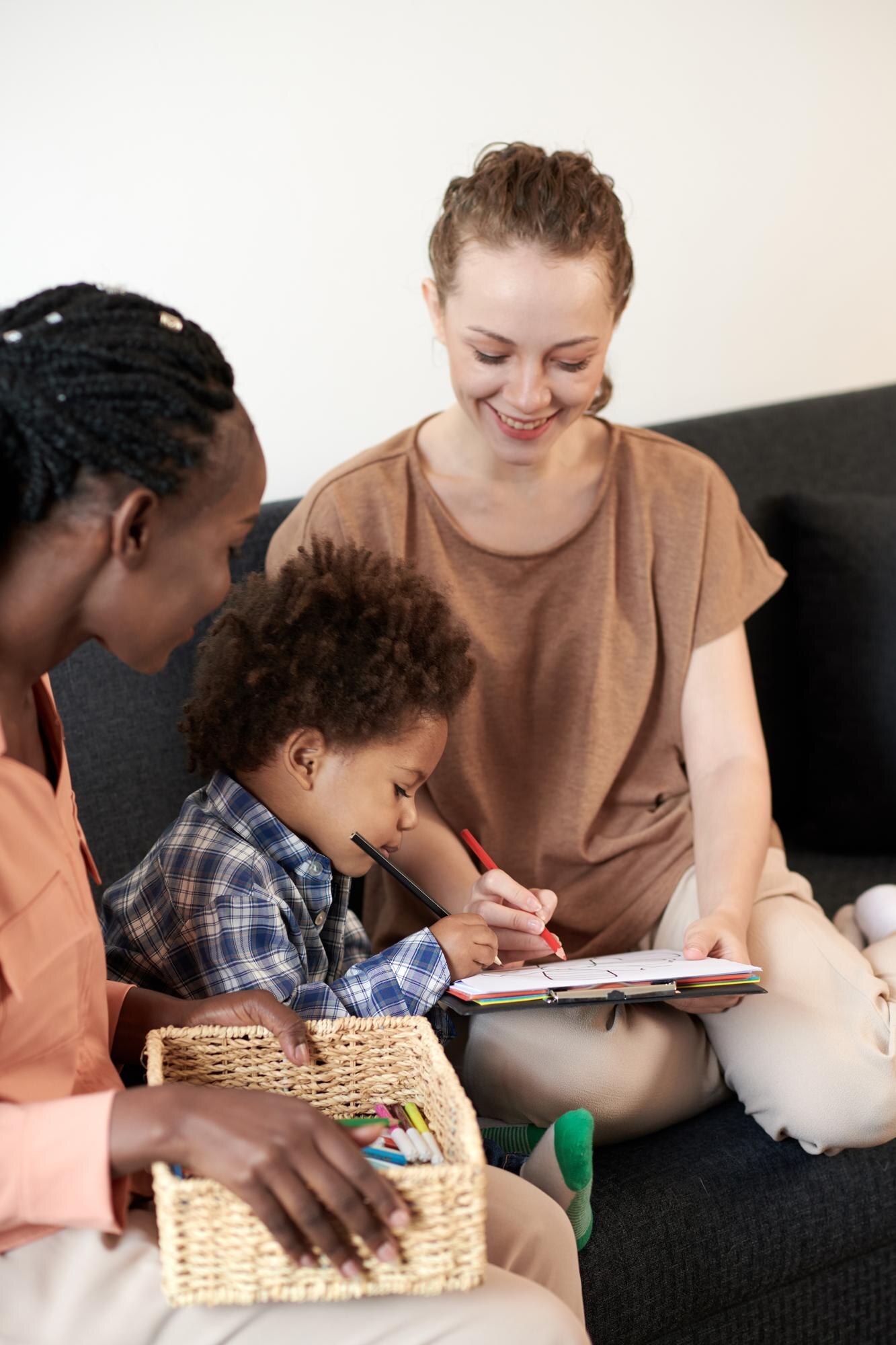
When schools and families join forces, children thrive in ways you might not expect. This collaboration lays a solid foundation that supports kids in developing crucial life skills.
Building Blocks of Social Skills
Have you ever wondered how your child learns to play and share? It starts with social skills that are nurtured both at home and in school. Parents and teachers work together to create environments that encourage these interactions.
Imagine your child in a classroom setting where they learn to play cooperatively in groups. This teaches them to share and wait their turn. At home, you can reinforce these lessons by playing games that require sharing and taking turns. This consistent approach between home and school helps your child build a strong social foundation.
Teachers play a vital role by modeling positive behavior, while parents can follow through with similar practices at home. This partnership ensures children receive consistent messages about how to interact with others. The result? A confident child who navigates social situations with ease.
Emotional Development Through Collaboration
Your child’s emotional growth is just as important as their social skills. Early childhood education focuses on helping children identify and express their feelings in healthy ways. Teachers introduce activities that encourage kids to talk about their emotions. Parents can extend this learning by having open conversations at home.
For instance, if your child learns about feelings through storytelling at school, you can continue the discussion by reading similar books together at home. This reinforces the idea that expressing emotions is normal and healthy.
A study shows that children who receive support from both teachers and parents tend to manage their emotions better. This collaboration builds emotional resilience, preparing them for life’s ups and downs.
Strategies for Family Engagement
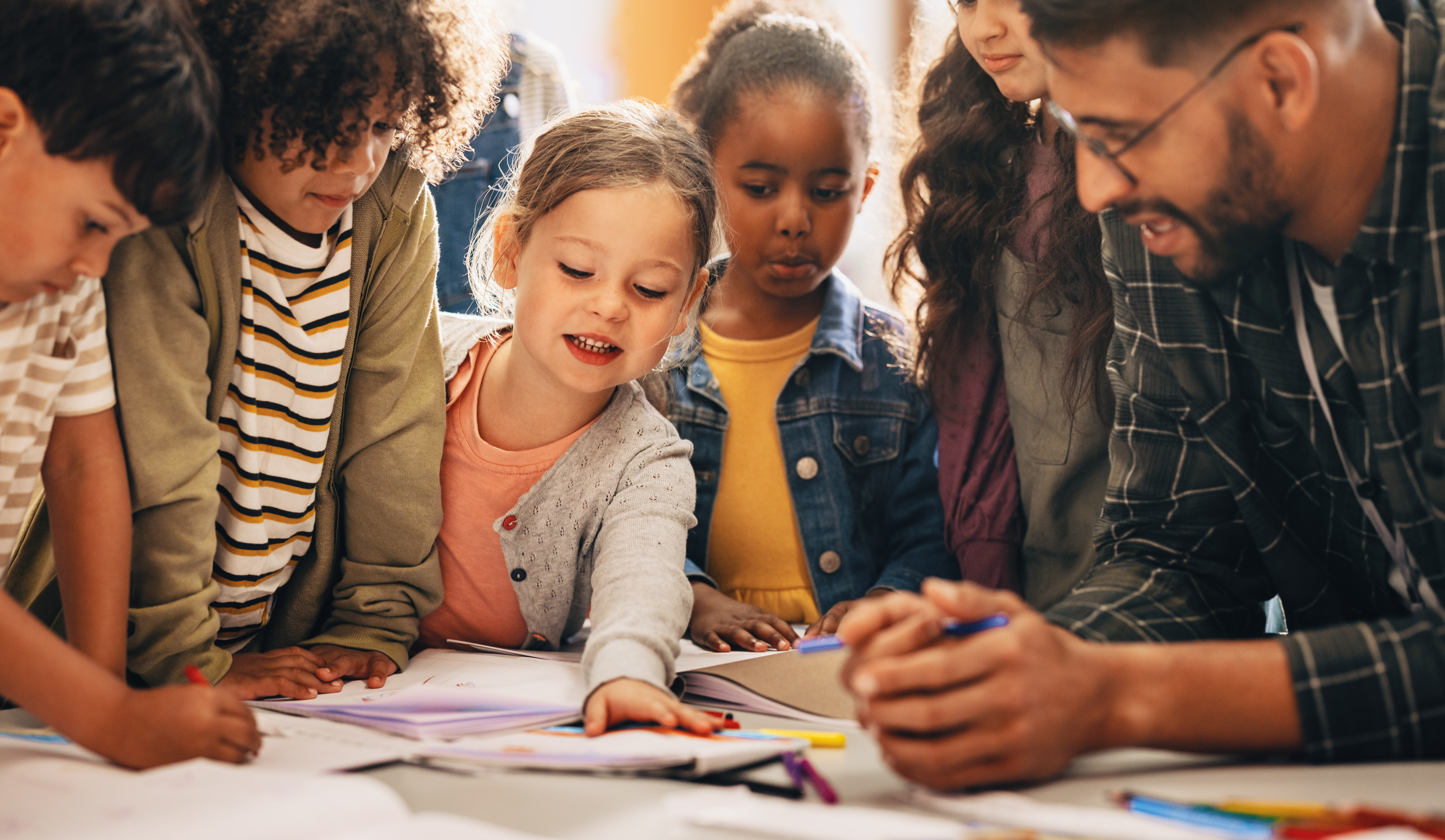
Creating a seamless connection between home and school isn’t always easy, but it’s worth the effort. Here are some strategies to ensure your child gets the most out of this partnership.
Aligning Home and School Approaches
Aligning your home environment with school practices can make a world of difference. Start by understanding the core values and routines followed at school. Many schools, like Basic Beginnings, encourage parents to participate in classroom activities or meetings. This gives you a firsthand look at your child’s day and helps you mirror these practices at home.
Consider setting a routine that closely matches the school’s schedule. This consistency helps children know what to expect, reducing anxiety and improving focus. By aligning home and school approaches, you’re creating a stable support system.
Communication for Consistent Growth
Open communication is the backbone of a strong parent-teacher partnership. Regular updates from teachers keep you informed about your child’s progress and any areas that might need attention. This allows you to address challenges early and celebrate successes together.
Parents can also share insights with teachers. Perhaps your child is particularly interested in a topic, or there’s been a change at home that might affect their behavior. Sharing this information helps teachers provide tailored support.
Effective communication ensures everyone is on the same page, paving the way for consistent growth. As both parties work together, children benefit from a unified front that supports their development.
Flexible Childcare and Enrollment
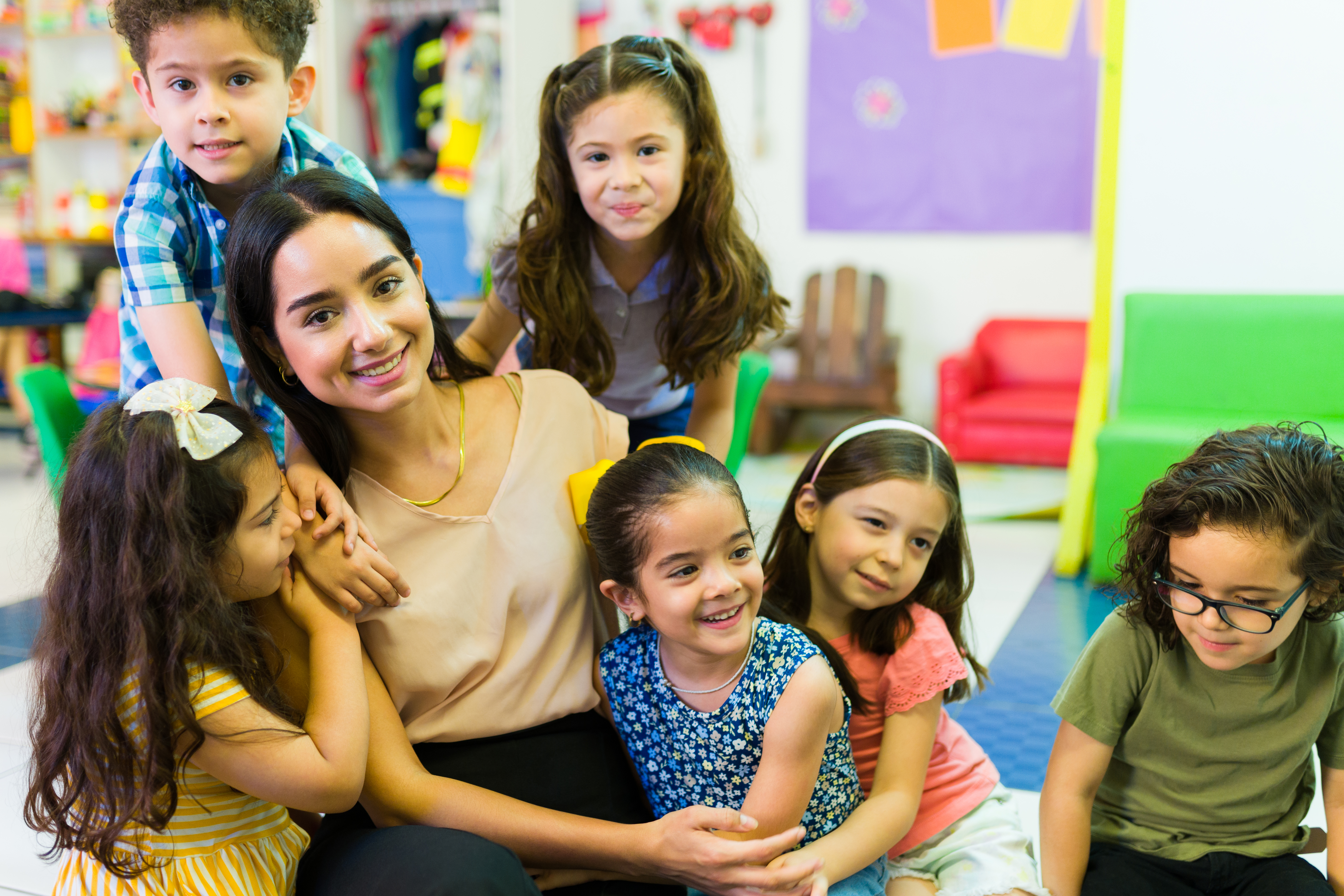
Choosing the right childcare option can feel overwhelming, but understanding your needs and the available options can simplify the process. Flexibility in childcare arrangements can make a significant difference for busy families.
Exploring Program Options
Basic Beginnings offers various programs tailored to different age groups and needs. Whether you’re looking for infant care or pre-kindergarten readiness, there’s something for everyone.
Consider what works best for your family. Do you need full-time care, or would part-time options fit better? Understanding your schedule and your child’s needs can help you make an informed decision. With flexible options, you can find the perfect match that aligns with your family’s lifestyle.
Scheduling a Tour and Enrollment Details
Ready to see how Basic Beginnings can support your family? Scheduling a tour is the best way to understand what we offer. During the visit, you’ll meet our dedicated staff and see our facilities firsthand. It’s an opportunity to ask questions and discuss your child’s specific needs.
Enrolling your child is a straightforward process. We’ll guide you through each step, ensuring you have all the information needed to make a confident decision. Don’t wait too long—the sooner you start, the sooner your child can benefit from a nurturing environment that supports their growth.
In summary, a strong parent-teacher partnership is invaluable. By working together, you, your child, and their teachers create a supportive network that fosters social and emotional development. At Basic Beginnings, we’re committed to this collaboration, helping your child become a confident and empathetic individual.