Growing Hearts and Minds: The Importance of Social and Emotional Development in Preschool
Social and emotional development in preschool sets the foundation for your child’s success in school and beyond. At Basic Beginnings, we focus on preschool social skills and emotional regulation through positive guidance and individualized learning plans. You’ll see how nurturing self-regulation in preschool prepares children for real-world challenges while building confidence. Keep reading to learn how our play-based approach supports school readiness and invites your family to join our caring community. For more information, visit this resource.
The Role of Social and Emotional Development
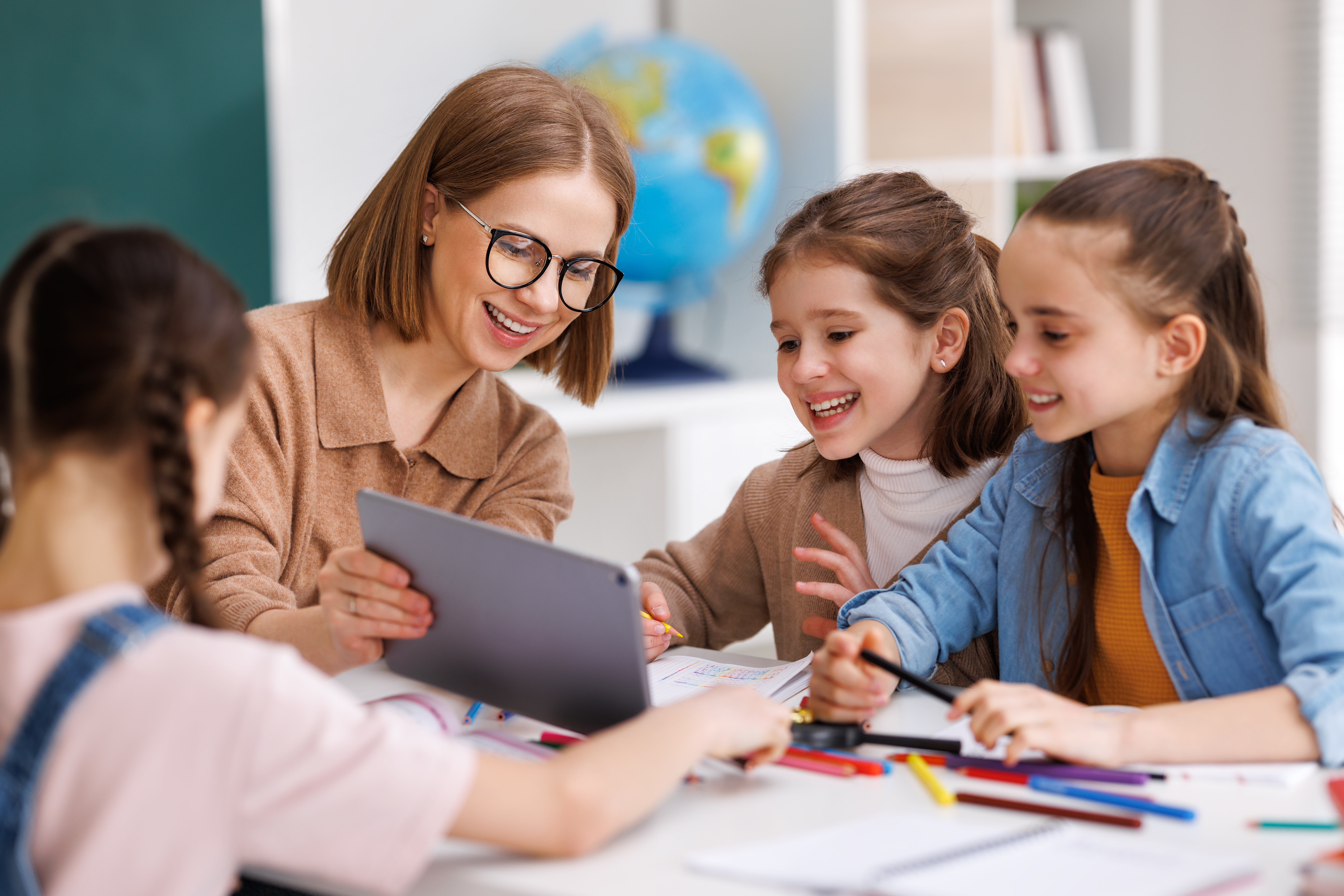
Social and emotional growth is key to a child’s overall development, shaping how they interact with the world. By understanding its importance, you lay the groundwork for your child’s future success.
Building Preschool Social Skills
Children begin to learn social skills from a very young age. At preschool, they interact with peers, sharing toys and ideas. Imagine your child negotiating turns on the swing or leading a small group in a game. These experiences build essential skills.
Preschool is not just about learning numbers and letters. It’s a stage where children learn to communicate their needs and understand others’ feelings. For example, when a child comforts a friend who is upset, they practice empathy. This skill is invaluable, setting a foundation for positive relationships.
With guidance, children learn to navigate social settings. Teachers at Basic Beginnings provide this support, ensuring every child feels included. Research shows that early social skills lead to better academic outcomes. You can explore more about the impact here.
Emotional Regulation in Early Childhood
Emotional regulation is crucial for managing feelings and reactions. It’s not just about stopping a tantrum but understanding emotions. Picture your child taking deep breaths to calm down instead of crying. That’s the power of emotional regulation.
At Basic Beginnings, we teach children to recognize their feelings and respond appropriately. For instance, a child might learn to express frustration with words rather than actions. This skill is vital for lifelong success.
Children who can manage their emotions tend to perform better in school. They find it easier to focus on tasks and engage in learning. You can discover more about nurturing these skills here.
Nurturing SEL at Basic Beginnings
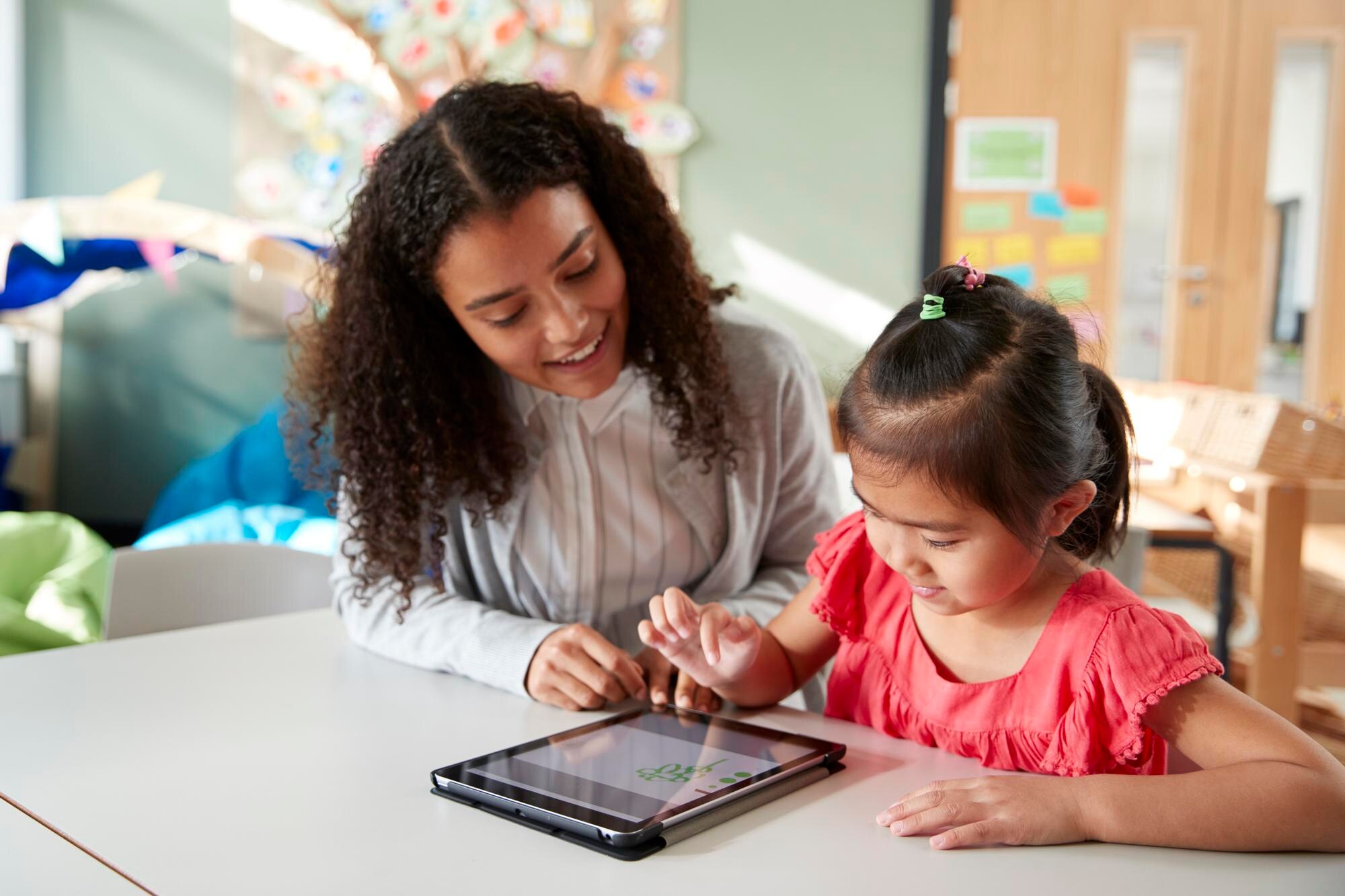
At Basic Beginnings, we believe every child deserves the best start. Our nurturing approach to social and emotional learning (SEL) is crafted to fit each child’s needs.
Individualized Learning and Positive Guidance
Every child is unique, and so is their learning journey. Our teachers create customized plans that highlight each child’s strengths. Think about how your child will explore new activities tailored just for them.
Positive guidance plays a big role in our approach. Instead of saying “no,” we show children what they can do. This encourages them to explore safely and confidently. Most people think strict discipline is necessary, but positive reinforcement often works better.
Our individualized approach means children learn at their own pace, making them more engaged and motivated. For more on how this works, check out this resource.
Play-Based Learning for School Readiness
Play is not just fun—it’s a powerful learning tool. Through play, children develop critical thinking and problem-solving skills. Imagine your child building a tower and figuring out why it falls. That’s learning in action.
Our play-based curriculum prepares children for school by making learning enjoyable. Children learn to ask questions, explore, and experiment. This method fosters a love for learning, which is key for school readiness.
The longer you wait to engage in play-based learning, the more opportunities pass by. Discover more about play’s role in education here.
Engaging Families in Child Development
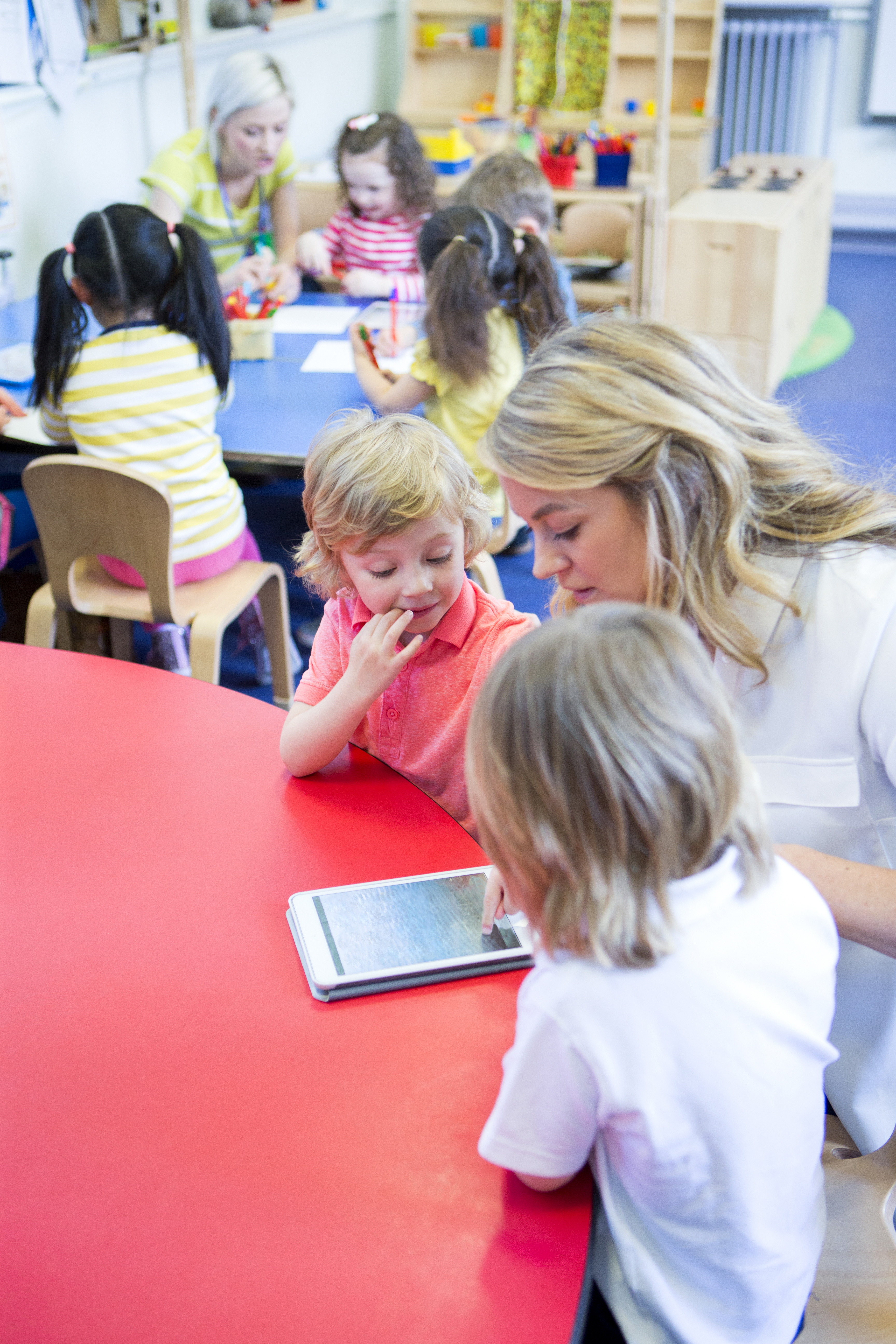
A strong family-school connection enhances children’s learning experiences. At Basic Beginnings, we consider parents our partners in education.
Parent-Teacher Partnerships
Working together, we create a supportive environment for your child. Regular communication ensures you are informed about your child’s progress. Imagine receiving updates about your child’s day and knowing their achievements.
We invite you to share insights about your child. Your input helps us tailor our approach, ensuring we meet your child’s needs. Most parents think teachers manage everything, but your involvement is vital.
Together, we can support your child’s development, creating a community of learning and growth. Learn more about parent-teacher collaboration here.
Flexible Childcare and Enrollment Options
We understand the demands of modern life. That’s why Basic Beginnings offers flexible childcare solutions. Whether you need extended hours or weekend care, we’re here to help. Your child’s education should fit your schedule, not the other way around.
Our locations in Nashua, NH, and Haverhill, MA, offer convenient access for families. We also provide special benefits for FAA and federal employees, making us a top choice for quality childcare.
Don’t wait to give your child the best start. Visit us to learn more about enrollment options and how we can accommodate your family’s needs.