Growing Hearts and Minds: Practical Ways to Build Social and Emotional Skills in Preschoolers
Most parents want their preschoolers to thrive socially and emotionally, but knowing where to start can feel overwhelming. Building these skills every day sets the foundation for school readiness and happy relationships. At Basic Beginnings Learning & Development Center, we partner with families to make social and emotional development a natural part of your child’s early childhood education. Keep reading to find simple, practical ways you can support your little one’s growth right now. For additional insights, visit this guide on supporting social and emotional development.
Nurturing Emotional Intelligence

Creating a nurturing environment for emotional growth is key. By focusing on emotional intelligence, you help your child navigate social landscapes with ease.
Everyday Strategies for Parents
You can start by teaching your child to recognize and name their feelings. Use daily interactions as opportunities to discuss emotions. Ask them how they feel when they encounter something new or exciting. This simple habit builds their emotional vocabulary and helps them express themselves.
Role-play can be another powerful tool. Create scenarios where your child must identify and solve a problem, like sharing a toy with a friend. This practice not only enhances problem-solving skills but also shows them how to handle conflicts constructively.
Remember, it’s okay if things don’t go perfectly. Learning from mistakes is part of the process and can offer valuable lessons. Encourage your child to talk about their feelings and reassure them that everyone has moments of struggle. You’re building a foundation for resilience.
The Role of Positive Guidance
Positive guidance can transform a child’s learning experience. It helps them feel safe and supported, fostering a love for learning. At Basic Beginnings, we focus on nurturing this aspect by providing a warm and caring environment. Positive guidance involves setting clear expectations while offering consistent feedback.
One method is to acknowledge positive behaviors immediately. A simple “great job sharing with your friend” can reinforce desired actions and encourage repetition. On the flip side, approach missteps with empathy, showing them ways to improve rather than just pointing out faults.
Creating an environment that encourages exploration is vital. A child who feels secure is more likely to try new things and engage with others confidently. This sense of security promotes a deeper understanding of themselves and those around them, enhancing their social and emotional development.
Building Social Skills in Preschoolers
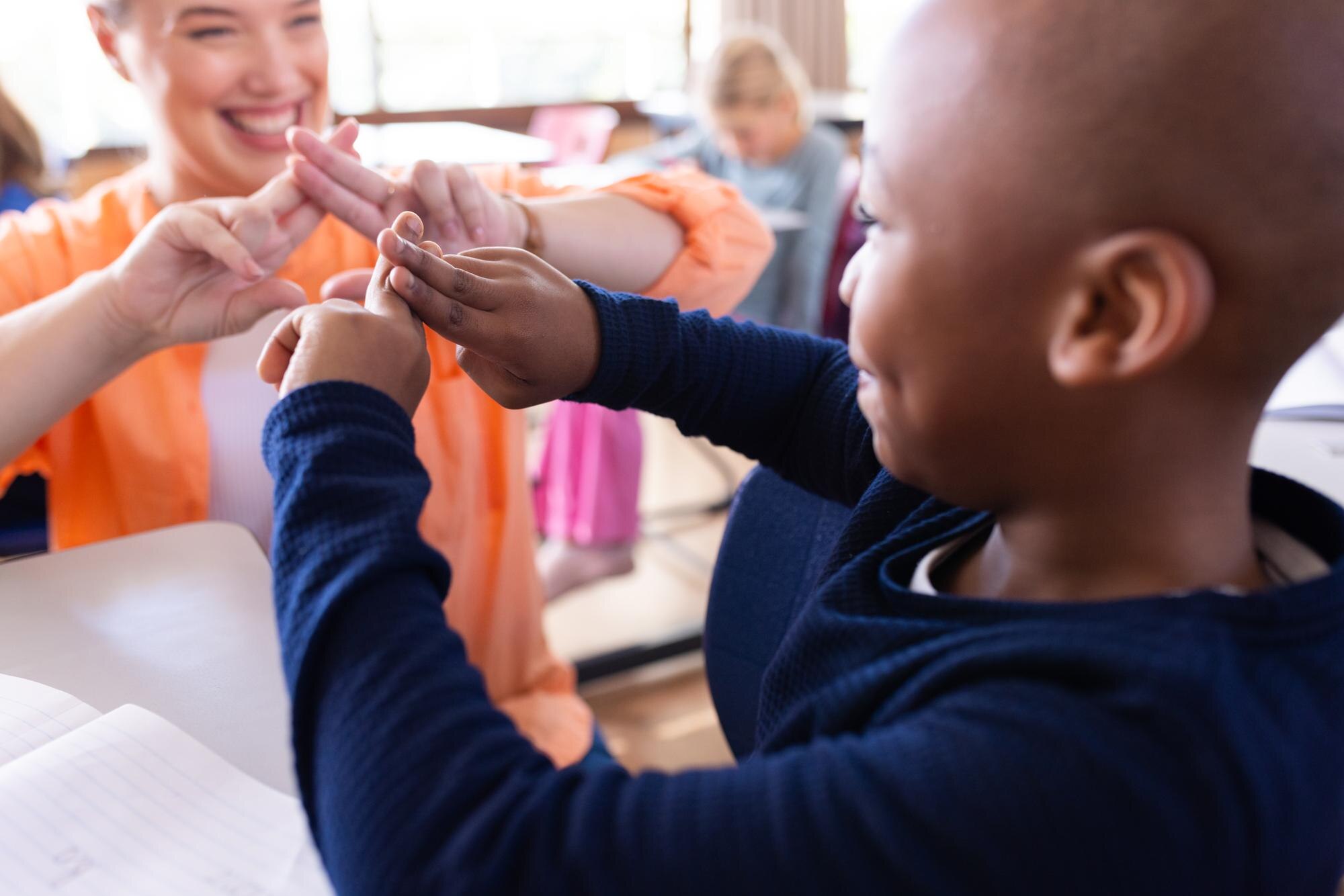
As children grow, social skills become increasingly important. These skills lay the groundwork for future interactions and relationships.
Encouraging Cooperative Play
Cooperative play is a fantastic way to develop social skills. By participating in group activities, children learn to share, take turns, and communicate effectively. Set up playdates with peers or engage them in group games like building blocks or simple board games.
Guide them in negotiating roles and rules, but also give them space to solve disputes themselves. This balance teaches independence while still providing a safety net for when things get challenging. Your involvement can be as simple as asking questions that prompt them to think about others’ perspectives.
Keep an eye on how they interact with peers. Celebrate moments of teamwork and offer gentle guidance when necessary. Regular practice of cooperative play can enhance your child’s ability to work well with others, a skill that will benefit them throughout life.
Fostering Strong Peer Relationships
Friendships are an essential part of childhood. Encouraging your child to build strong peer relationships can have lasting benefits. Start by inviting classmates over or attending community events where they can meet new friends.
Teach them how to introduce themselves and join conversations by modeling these behaviors. You can also discuss the importance of listening to others and showing empathy. These discussions can happen naturally during storytime or when watching a show together.
Encourage your child to reflect on their interactions. Ask them what they enjoyed about playing with friends and what might have been challenging. This practice helps them understand the dynamics of friendship and appreciate the diversity of personalities they encounter.
Partnering with Families for Growth
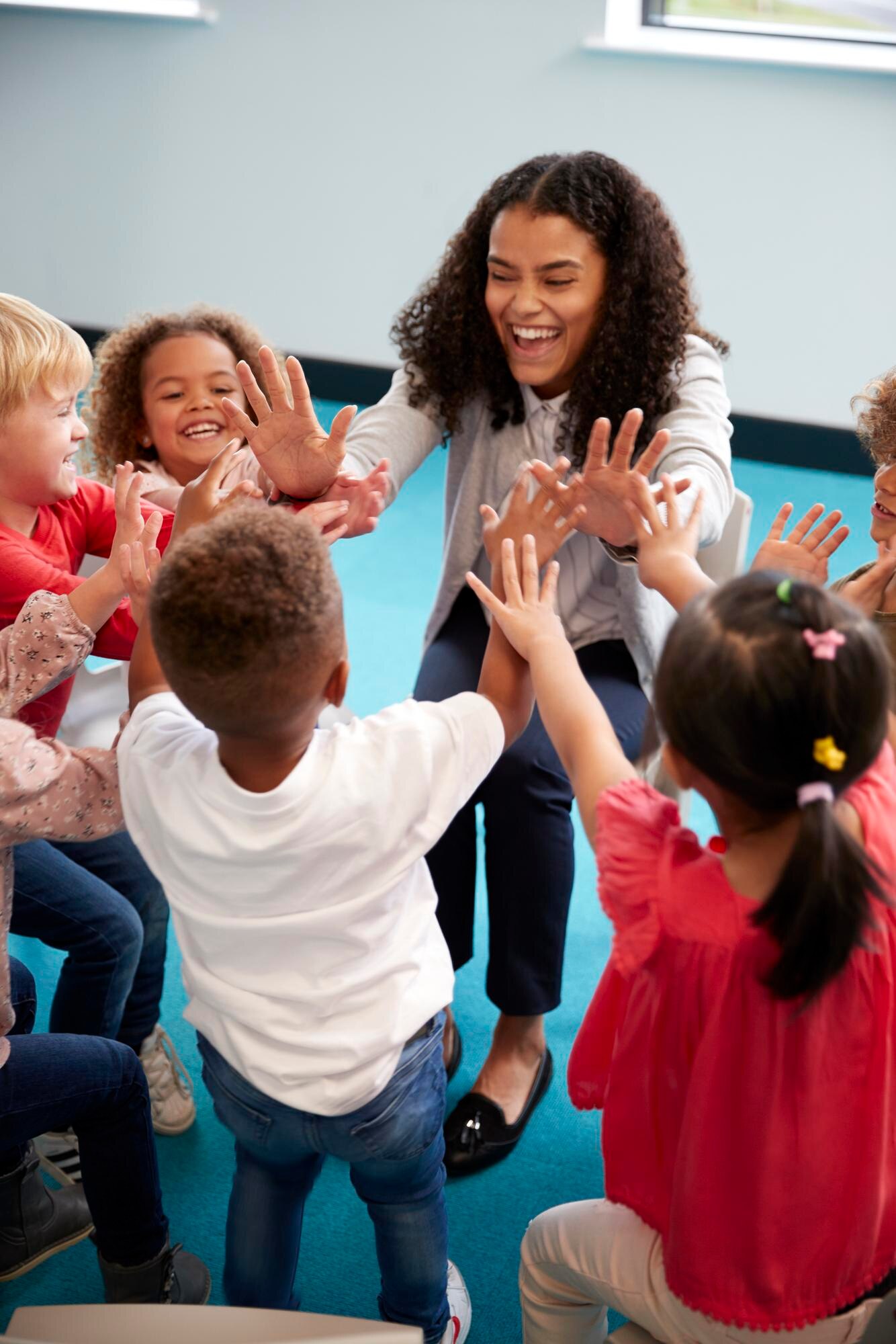
Building a child’s social and emotional skills is a joint effort between families and educators.
Parent-Teacher Collaboration
Collaboration between parents and teachers is crucial. At Basic Beginnings, we prioritize open communication to ensure your child’s needs are met. Regular updates and discussions about your child’s progress can provide insights into their social and emotional development.
Don’t hesitate to share your observations with teachers. Your insights can help tailor approaches that best suit your child’s learning style. Together, we can create strategies that promote growth both at home and in the classroom.
By working together, we can provide a consistent and supportive environment for your child. This partnership reinforces the lessons learned at school and at home, offering a cohesive learning experience.
Flexible Care Options and Benefits
Flexible childcare options can alleviate stress for families juggling busy schedules. At our Nashua location, extended hours and weekend care cater to the unique needs of federal and FAA employees.
This flexibility ensures your child remains in a nurturing environment while you manage your commitments. It also allows for more opportunities for social interaction and learning outside standard hours.
Choosing a center with flexible options not only supports your family’s needs but also enriches your child’s developmental journey. Explore how our programs align with your schedule and benefit your child’s growth by visiting our enrollment page. Together, we can nurture your child’s potential and prepare them for a bright future.