Choosing the right safe nurturing daycare is one of the biggest decisions you’ll make for your child’s first years. It’s natural to want answers that build your confidence and ease your mind. This checklist of 15 essential daycare questions to ask will guide you through safety, curriculum, and communication—helping you find a place where your child can thrive. Let’s start building that partnership for your child’s early growth.
Evaluating Safety and Security
To ensure your child’s well-being, it’s crucial to assess the safety measures and policies of any daycare. This section will guide you on what to look for.
Understanding Daycare Safety Policies
Safety policies are the backbone of any reliable daycare center. You want a place that prioritizes health and safety at all times. Ask if they follow state and local guidelines, and see if they have a clear protocol for illnesses. Observe the cleanliness of the facility during your visit.
Look for posted safety rules and ensure they have a secure entry system. Understanding these policies gives you peace of mind, knowing that your child will be safe. Safety should be non-negotiable, and a daycare that is transparent about its policies is a good sign.
Importance of Background-Checked Teachers
Teachers play a major role in your child’s daycare experience. Confirm that all staff members undergo thorough background checks, ensuring they are qualified and trustworthy. This is essential for your child’s safety and for fostering a nurturing environment.
Inquire about the facility’s hiring process and ongoing training programs. Well-trained staff contribute to a positive and secure atmosphere, making it easier for your child to learn and grow. Trustworthy caregivers are a foundational part of any great daycare.
Assessing Emergency Procedures
Emergency preparedness is a critical aspect of daycare safety. Ask about their procedures for fire drills, lock-downs, and medical emergencies. A well-prepared center will have detailed plans in place and conduct regular practice drills with staff and children.
Ensure they have a reliable communication plan to quickly inform parents in case of emergencies. Knowing that the daycare is equipped for various scenarios will allow you to breathe easier as you leave your child in their care.
Nurturing and Developmental Practices

After confirming safety, focus on how the daycare nurtures your child’s development. A supportive environment is key to your child’s growth.
Exploring Social-Emotional Development
Social and emotional skills are crucial for early development. Inquire about the programs they have in place to foster these skills. Look for activities that encourage teamwork, empathy, and self-expression.
Activities like group play and storytime can significantly enhance social-emotional learning. A daycare should actively promote these interactions to prepare your child for future social settings. A vibrant social setting sets the stage for a well-rounded education.
Teacher-to-Child Ratios for Quality Care
The ratio of teachers to children affects the quality of care your child receives. Smaller ratios mean more personalized attention and better learning outcomes. Ask about the specific ratios in each age group.
A low teacher-to-child ratio ensures that each child receives adequate supervision and support. This is especially important for infants and toddlers who require more hands-on care. Quality care is a direct result of attentive and available staff.
Parent-Teacher Partnership and Communication
A strong partnership between parents and teachers benefits your child’s development. Choose a daycare that values open communication and encourages parental involvement. Ask how they keep parents updated on their child’s progress and any issues that arise.
Frequent updates through newsletters, emails, or parent-teacher meetings can keep you informed and engaged. Your insights as a parent can enrich your child’s daycare experience. Collaboration with caregivers strengthens the support system around your child.
Assessing Curriculum and Learning Goals
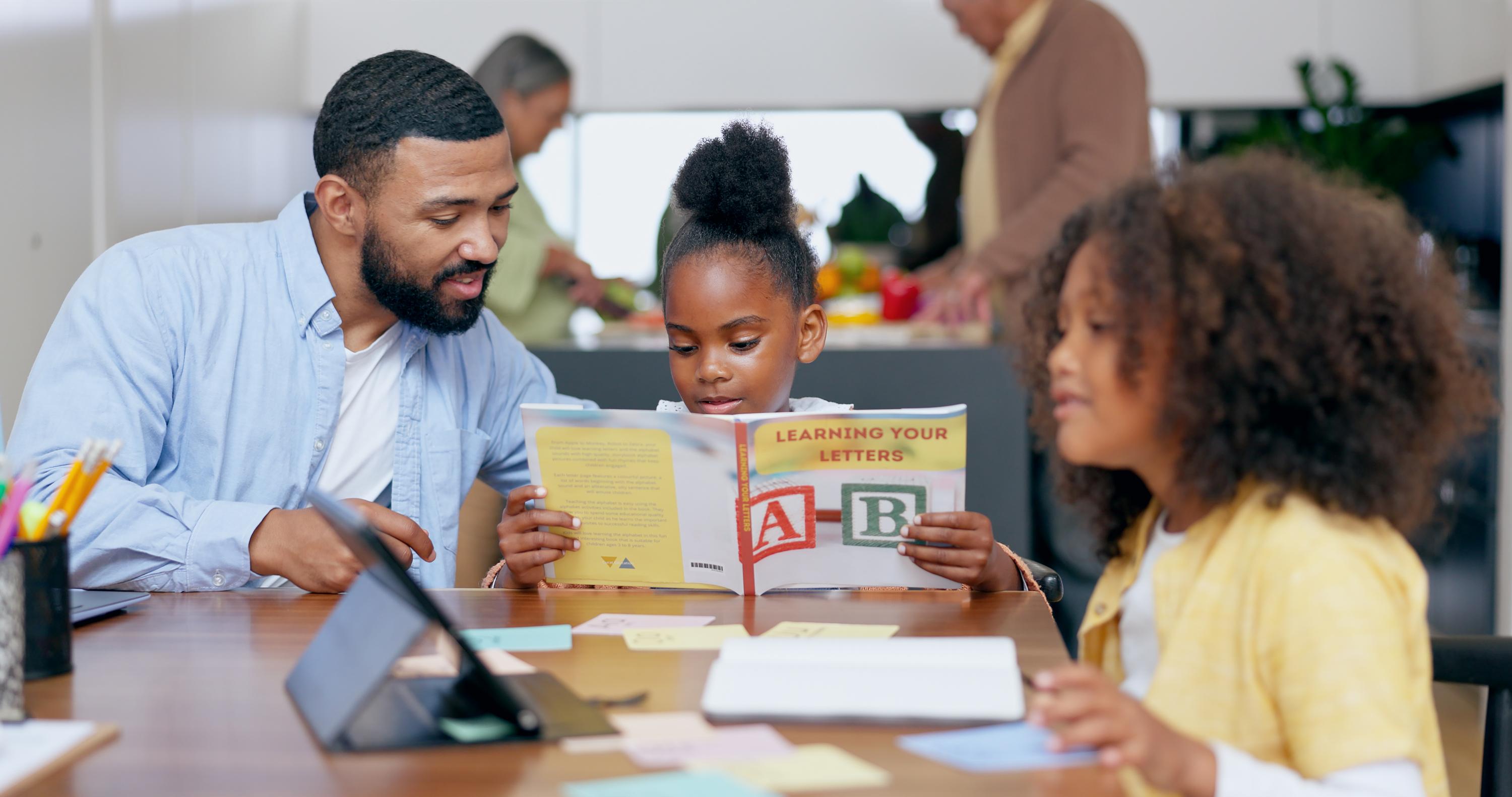
Understanding the curriculum and learning goals of a daycare is essential. This ensures that your child will receive a balanced and comprehensive education.
Curriculum and Learning Goals Overview
A well-rounded curriculum supports all areas of development. Ask about the daycare’s educational philosophy and the learning goals they set for each age group. Look for a blend of structured learning and play.
A diverse curriculum prepares your child for future academic success and cultivates a love of learning. The right mix of activities can boost cognitive and social skills, setting the foundation for school readiness.
Infant Care Program and Toddler Classroom Insights
For infants and toddlers, the focus should be on sensory and motor development. Check if the daycare offers age-appropriate activities that promote these skills. Inquire about the programs designed specifically for non-mobile and mobile infants.
Activities that include singing, storytelling, and exploratory play are ideal for young children. These interactions help build essential skills in a nurturing environment. Understanding their day-to-day routine will give you confidence in your choice.
Preschool and Pre-K Program Highlights
In preschool and pre-K programs, the aim is to prepare children for kindergarten. Ask about the specific skills they focus on, such as pre-writing, pre-reading, and basic math.
Look for programs that encourage creativity, critical thinking, and problem-solving. A strong preschool curriculum paves the way for a seamless transition to formal schooling. Knowing what your child will learn helps you align with their educational journey.
Frequently Asked Questions
How can I evaluate a daycare’s safety policies?
Look for clear protocols for health and safety, including procedures for illness, sanitation, and emergency situations. A daycare that openly shares its policies and conducts regular safety drills is preferable.
What should I check regarding daycare staff qualifications?
Ensure that all staff undergo background checks and receive ongoing training. Inquire about the daycare’s hiring and training processes to ensure staff are well-equipped to care for your child.
Why is the teacher-to-child ratio important?
A lower teacher-to-child ratio allows for more personalized attention and care, crucial for young children’s development. It ensures that each child receives adequate supervision and support.
How can I assess the curriculum quality at a daycare?
Look for a curriculum that balances structured learning with play. It should cover cognitive, social, and emotional development, preparing your child for future academic success.
What role does parent-teacher communication play in daycare?
Open communication between parents and teachers supports your child’s development and helps address any concerns promptly. Choose a daycare that values your input and keeps you informed about your child’s progress.