A safe nurturing classroom makes all the difference when you’re choosing early childhood education in Haverhill, MA or a Nashua NH daycare. You want more than just care—you want a place where your child feels secure, grows emotionally, and learns through positive guidance. This post breaks down the key signs of preschool safety practices and how a strong parent-teacher partnership supports your child’s development every step of the way. Learn more about creating positive learning environments in early childhood.
Creating a Safe, Nurturing Classroom
Environment and Routines
A nurturing classroom provides the foundation for growth and learning. It’s where children feel secure and ready to explore. Clear routines and a well-organized space help children know what to expect, making them feel confident and comfortable.
In such an environment, children thrive through structured activities that balance play and learning. Each day includes moments for creativity, storytelling, and physical activity, all designed to support development. Classrooms are equipped with age-appropriate materials that encourage exploration and discovery, fostering an atmosphere where children love to learn.
Teacher-Child Interactions
The heart of a nurturing classroom is the bond between teachers and children. Teachers who engage with warmth and patience make children feel valued and understood. They listen attentively, respond to children’s needs, and provide encouragement in a way that builds trust.
These interactions go beyond academics. Teachers also support social skills by guiding children in sharing and collaborating with peers. This helps build a sense of community within the classroom, where each child feels like an important part of the group.
Positive Guidance in Preschool
Positive guidance shapes the way children learn and behave. In preschools that emphasize this approach, teachers use encouragement and clear expectations to help children understand their actions. This builds self-esteem and teaches children to make thoughtful choices.
Instead of focusing on what not to do, positive guidance highlights good behavior. For example, praising a child for sharing toys reinforces kindness. This method helps children develop a sense of responsibility and respect, preparing them for future school environments.
Key Safety Practices and Benefits
Preschool Safety Practices
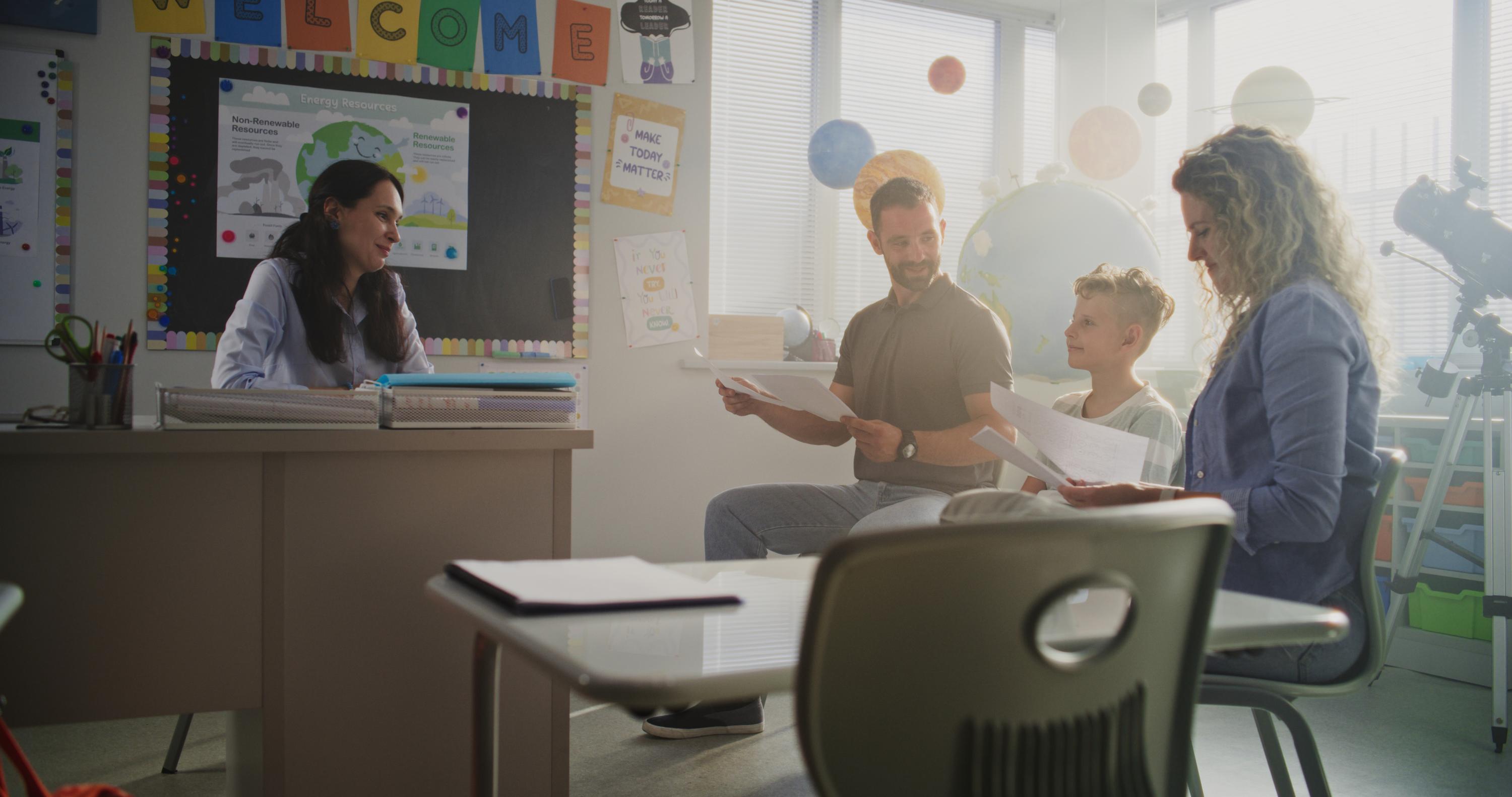
Safety is paramount in early childhood education. Preschools implement comprehensive safety practices to ensure children are protected and well-cared for. Entry systems, regular staff training, and childproofing measures are standard protocols that give parents peace of mind.
Classrooms are designed to minimize risks, with secure exits and age-appropriate furniture. Routine safety drills prepare both staff and children for emergencies, reinforcing a sense of security. Parents can feel confident knowing that their child is in a safe setting that supports their well-being.
Health and Safety Measures
Health practices in preschools maintain a clean and nurturing environment. Regular handwashing, sanitized surfaces, and well-maintained facilities reduce the spread of germs. Teachers model healthy habits, encouraging children to follow suit.
Meal and snack times are carefully managed to ensure nutrition and safety. Children enjoy balanced meals that support growth and energy throughout their day. These measures contribute to a healthy atmosphere where children can thrive physically and emotionally.
FAA and Federal Employee Childcare
For families connected to the FAA or federal employment, flexible childcare options are essential. Programs like The Launching Pad by Basic Beginnings offer extended hours and priority placement, accommodating varying work schedules. This ensures that quality care is accessible when needed.
Parents benefit from these flexible arrangements, knowing their children are in a safe, engaging environment. This support allows families to balance work and childcare seamlessly, providing an invaluable resource for those with demanding jobs.
Building Trust and Partnerships
Parent-Teacher Partnership
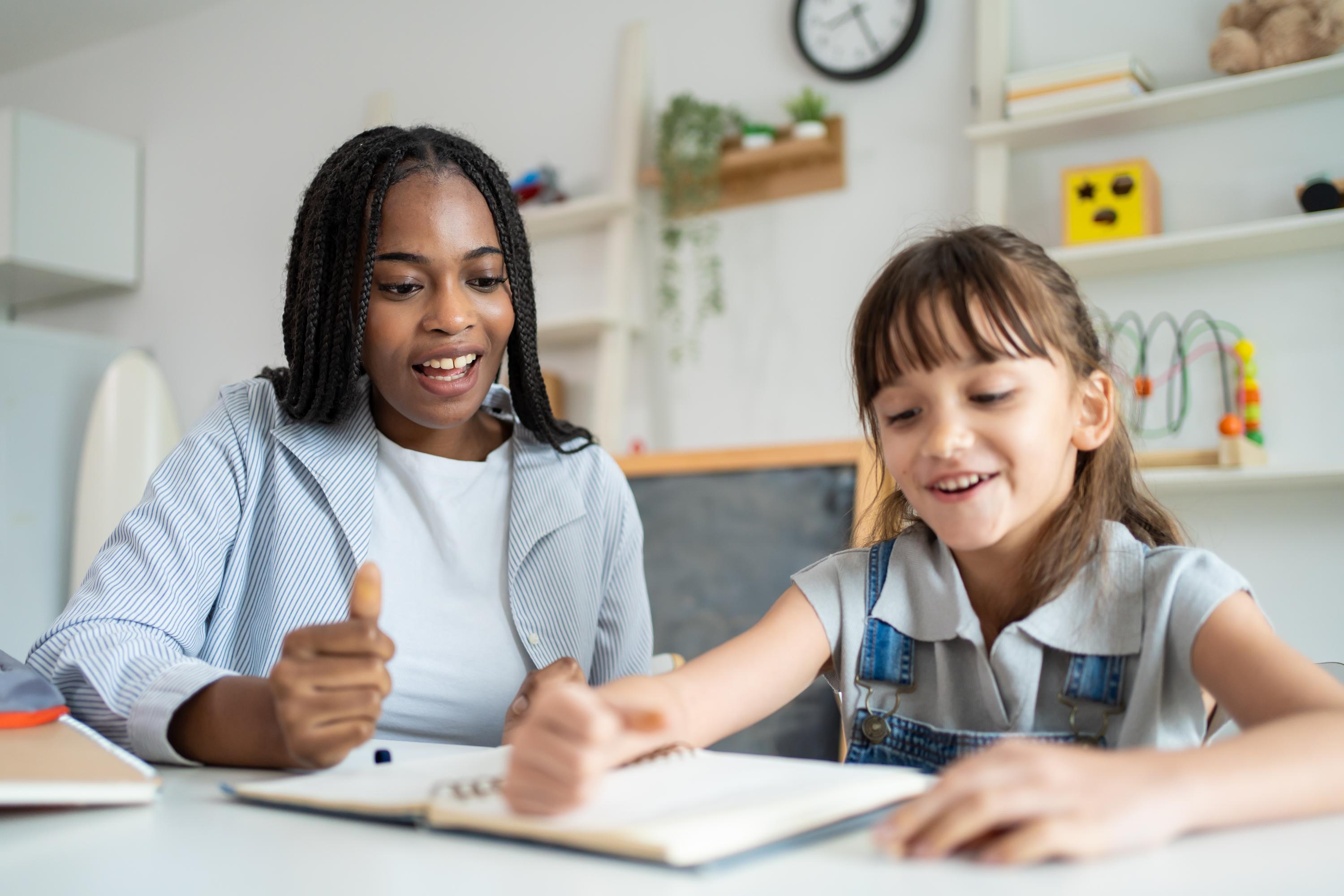
A strong parent-teacher partnership is crucial for a child’s success. Open communication between home and school ensures that each child’s needs are understood and met. Parents are encouraged to share insights about their child, fostering a collaborative approach to education.
This partnership empowers parents to be active participants in their child’s learning journey. Teachers provide updates on progress and development, offering strategies to support learning at home. Together, they create a cohesive support system that enhances a child’s growth.
Individualized Learning Approach
Children learn best when teaching is tailored to their unique needs and interests. An individualized learning approach recognizes each child’s strengths and areas for growth. Teachers adapt activities to match different learning styles, ensuring every child is engaged and challenged.
By focusing on personalized learning, preschools help children develop confidence and a love for learning. This approach prepares them for future educational success, equipping them with the skills and knowledge they need to thrive.
Enroll and Schedule a Tour
Choosing the right preschool is a significant decision for any parent. Visiting a center in person provides insight into the environment, staff, and daily activities. Scheduling a tour allows families to see firsthand how a nurturing classroom operates.
During a tour, parents can ask questions and observe interactions, gaining a clear understanding of what makes the school unique. This experience helps parents feel confident in their choice, ensuring their child is placed in a supportive and enriching setting.
Frequently Asked Questions
What should I look for in a safe, nurturing classroom?
Look for a classroom with well-defined routines, age-appropriate materials, and attentive teachers who foster a positive environment. Safety measures and open communication between parents and educators are also key indicators of a nurturing space.
How do preschools ensure the safety of my child?
Preschools implement safety practices such as secure entry systems, regular drills, and staff training. Classrooms are designed to be child-friendly, minimizing risks. Regular communication with parents ensures everyone is informed and prepared.
What role do parents play in their child’s preschool experience?
Parents are vital in supporting their child’s learning by communicating with teachers and reinforcing skills at home. They collaborate with educators to tailor the educational experience, ensuring it meets their child’s needs and fosters development.
How can flexible childcare options benefit my family?
Flexible childcare options accommodate varying work schedules, providing care when needed. This is especially beneficial for families with non-traditional work hours, ensuring that quality care is always accessible without disrupting family routines.
Why is individualized learning important in early childhood education?
Individualized learning ensures that teaching is tailored to each child’s needs, promoting engagement and growth. It helps build confidence and fosters a love for learning, preparing children for future academic success.