Play, routine, and gentle guidance build the foundation your child needs for kindergarten readiness. When children learn through play-based learning, supported by predictable routines and positive guidance, they develop key social-emotional skills that help them thrive. At Basic Beginnings, we tailor this approach to each child, making early childhood education a joyful and meaningful experience. Keep reading to see how our flexible programs in Haverhill and Nashua support your family’s needs. For more information on kindergarten readiness, check out this kindergarten readiness checklist.
The Power of Play
Play is more than just fun; it’s a vital part of learning. Through play, children explore the world, build skills, and form connections that set the stage for future learning. At Basic Beginnings, we embrace this natural way of learning.
Play-Based Learning Foundations
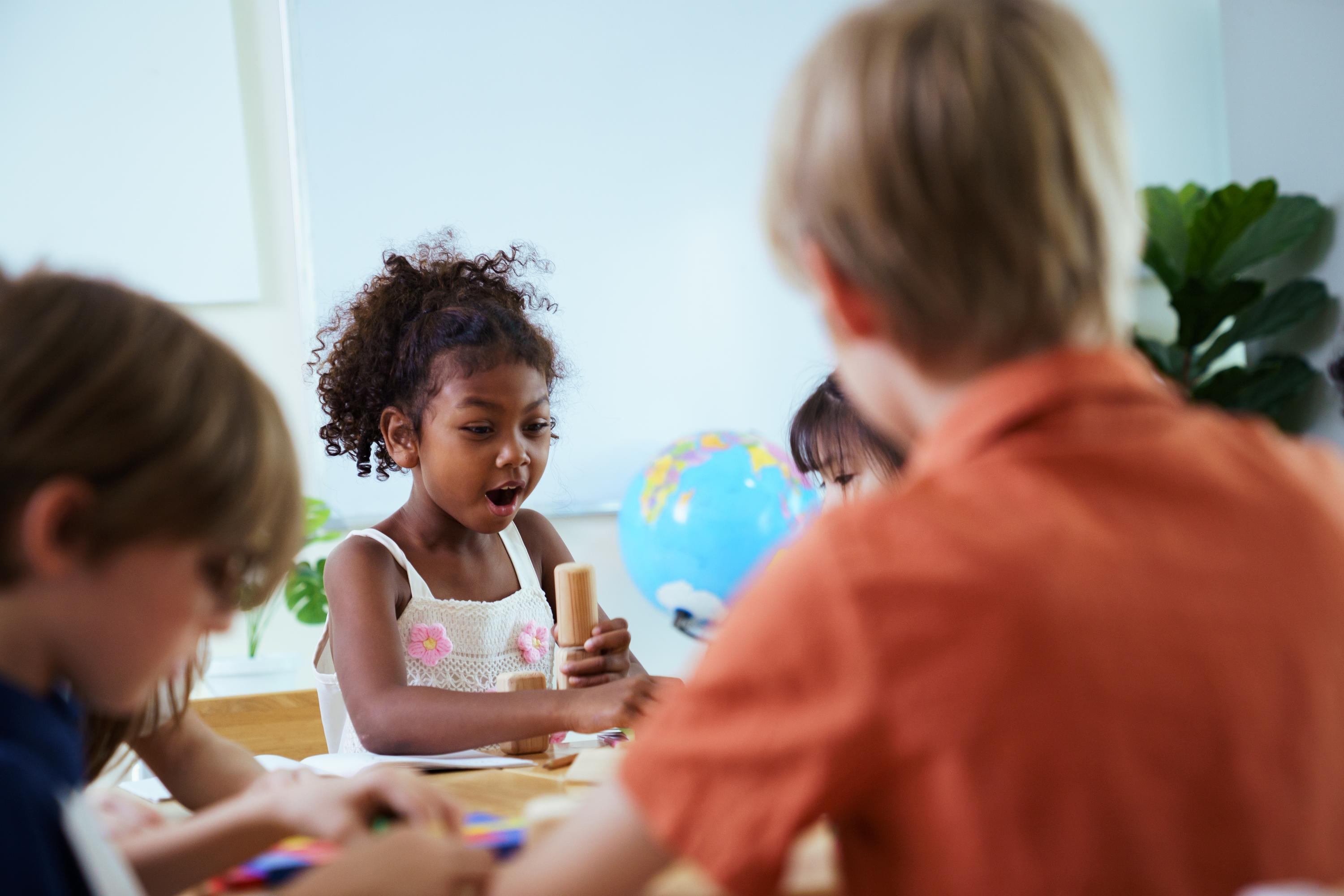
At the heart of our programs is play-based learning. This approach allows children to learn at their own pace, encouraging curiosity and exploration. Imagine a child stacking blocks. They’re not just playing; they’re learning about balance, gravity, and problem-solving. Through storytelling and role-playing, children develop language and social skills. Here’s the key insight: Play transforms abstract concepts into tangible experiences.
Our centers in Haverhill and Nashua are designed to foster this playful learning. We provide spaces where children can explore safely, supported by teachers who guide them in discovering new ideas. This environment nurtures creativity and independence, ensuring each child develops at their own unique pace.
Enhancing Social-Emotional Development
Social-emotional skills are crucial for a child’s growth. Through interactive play, children learn to communicate, collaborate, and empathize with others. This development is foundational for kindergarten readiness. Most people think academic skills are the most critical for school, but emotional intelligence plays an equally significant role.
Our programs focus on activities that build these skills. Whether it’s sharing toys or resolving conflicts, children practice essential social interactions daily. These moments teach patience, cooperation, and understanding. By fostering a supportive community, Basic Beginnings helps children form meaningful relationships, preparing them for a smooth transition to school.
The Role of Routine
Routine provides children with a sense of security and predictability. It helps them understand the world around them and sets the stage for successful learning experiences. At Basic Beginnings, predictable routines form the backbone of our daily schedule.
Establishing Predictable Routines
Consistency is key in early childhood education. Our programs incorporate structured routines that balance learning and play. This structure helps children know what to expect, reducing anxiety and building confidence. For instance, starting the day with circle time sets a positive tone, while regular meal and nap times help maintain a calm environment.
These routines are not just about timing; they are about creating a rhythm that supports learning. By knowing when to expect certain activities, children can fully engage in each moment. This stability allows them to focus on exploring and learning new skills, contributing to their overall development.
Building School Readiness Skills
Developing school readiness skills is a gradual process. Through routine, children learn vital skills like time management, responsibility, and independence. These are not just academic skills but life skills that will benefit them long into the future. Did you know that children who follow routines are more likely to adapt to school schedules effectively?
Basic Beginnings emphasizes activities that support these skills. From cleaning up after playtime to following multi-step directions, children practice skills that prepare them for school. This foundation in daily routines ensures they are ready to take on the challenges of kindergarten and beyond.
Gentle Guidance Approach
Gentle guidance is essential in nurturing a child’s growth. It involves teaching children to navigate their emotions and behavior positively. At Basic Beginnings, our approach combines empathy with structure, supporting children as they learn.
Positive Guidance Techniques
We believe in guiding rather than directing. Positive guidance involves setting clear expectations and offering choices. When children know what is expected, they are more likely to respond positively. For example, offering choices between activities helps them feel empowered and respected.
Our teachers use strategies like redirection and positive reinforcement to encourage desirable behaviors. This approach helps children develop self-discipline and improve decision-making skills. It’s about teaching children to understand and manage their emotions, leading to a harmonious learning environment.
Parent-Teacher Partnerships in Action
A strong partnership between parents and teachers is crucial for a child’s development. At Basic Beginnings, we value this collaboration and actively involve parents in their child’s learning journey. Most people think teachers handle everything, but parents play a pivotal role too.
Regular communication ensures everyone is aligned on the child’s progress and needs. We encourage parents to share insights about their child’s preferences and routines. This partnership creates a consistent support system, enhancing the child’s learning experience both at home and school.
Frequently Asked Questions
How does play-based learning support kindergarten readiness?
Play-based learning engages children in active exploration, which builds cognitive, social, and emotional skills. By learning through play, children develop the foundational skills necessary for school success, such as problem-solving, communication, and cooperation.
What are the benefits of predictable routines for children?
Predictable routines provide children with a sense of security, helping them understand daily expectations. Routines support emotional stability, time management, and independence, all of which are critical for adapting to a school environment.
How can parents be involved in their child’s learning at Basic Beginnings?
Parents can engage in regular communication with teachers to stay informed about their child’s progress. Sharing insights about their child’s interests and routines allows parents to collaborate effectively with educators, reinforcing learning at home.
What role does gentle guidance play in early childhood education?
Gentle guidance helps children develop self-discipline and emotional regulation. By offering choices and setting clear expectations, children learn to make positive decisions, fostering an environment conducive to learning.
Why is a parent-teacher partnership important?
A parent-teacher partnership ensures a cohesive approach to a child’s development. Regular collaboration allows for tailored learning strategies, addressing each child’s unique needs and promoting consistent support between home and school.