7 Essentials Every Quality Early Learning Program Needs for School Readiness and Everyday Confidence
Most early learning programs promise school readiness, but few deliver all the elements your child truly needs to thrive. You want a place that builds confidence every day, not just on the first day of school. At Basic Beginnings, we focus on the essentials—from social-emotional learning to early math and STEM—that shape a solid foundation. Keep reading to see what a quality early learning program includes and how we bring it to life for families in Haverhill, MA, and Nashua, NH. Learn more about building a high-quality early learning program here.
Core Elements of Early Learning
Every quality early learning program rests on core elements that nurture growth. At Basic Beginnings, we believe in providing an environment that promotes both learning and joy.
Research-Based Curriculum
Our curriculum is grounded in research. It incorporates play and exploration, making learning both effective and fun. Children engage in activities that foster creativity and problem-solving. These experiences are tailored to meet individual needs. Each day, kids learn through hands-on activities, whether building with blocks or painting a masterpiece. This approach not only builds cognitive skills but also encourages a love for learning.
Individualized Learning Plans
An effective program recognizes that each child is unique. At Basic Beginnings, we create learning plans tailored to each child’s interests and developmental stage. These plans ensure that children receive the support they need to thrive. For example, if a child shows interest in numbers, we introduce activities that challenge and engage them further in math. This personalized attention helps children feel valued and understood.
Play-Based Learning Approach
Play is a powerful tool for learning. Through play, children develop social skills, language abilities, and cognitive function. Our play-based approach includes structured and unstructured playtimes. Kids might explore a themed play area one day and engage in a science experiment the next. These varied experiences keep children engaged and eager to explore. Learn more about the importance of play-based learning in early childhood education here.
Building School Readiness
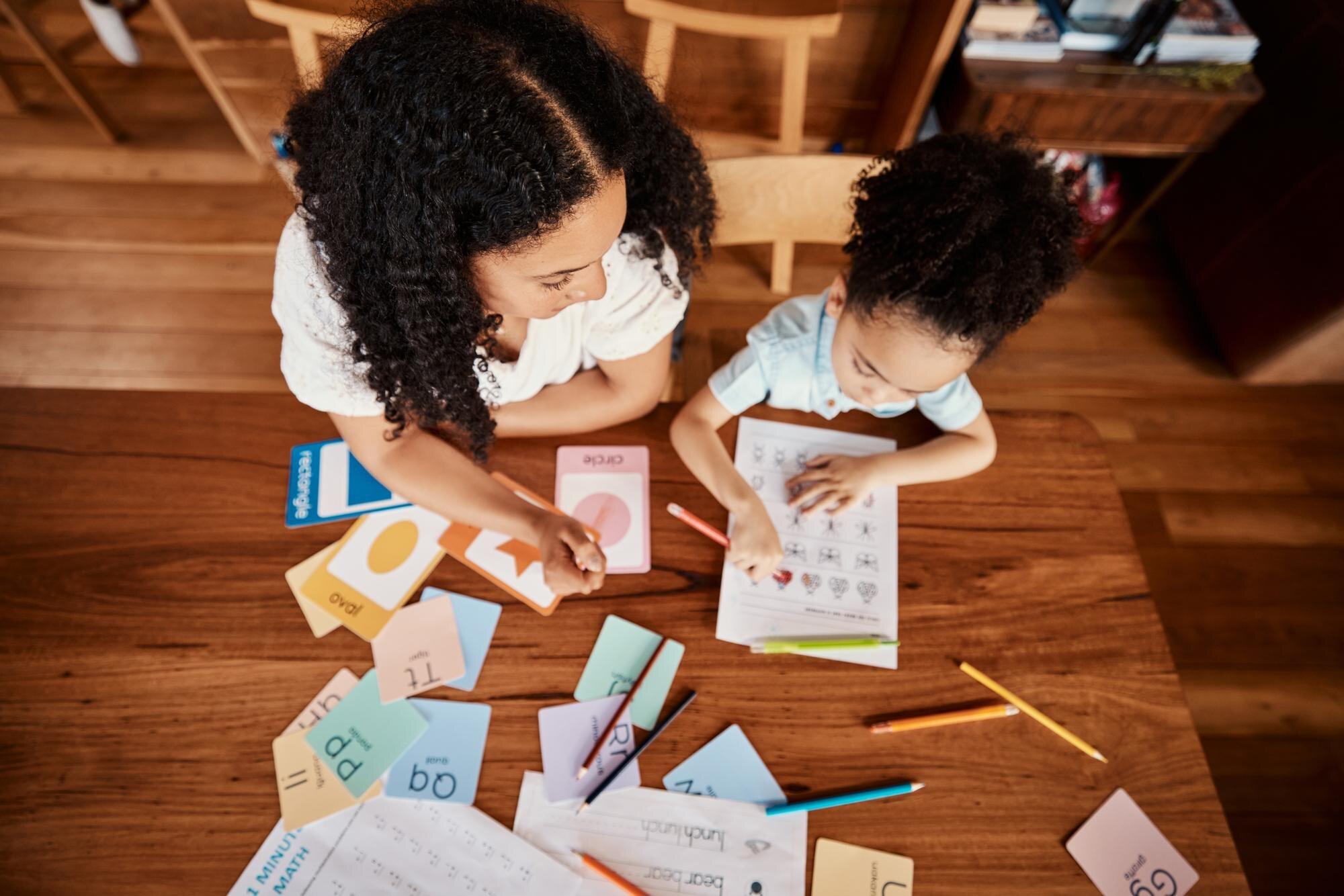
Building school readiness is at the heart of what we do. From emotional to academic skills, our focus is on preparing children for future success.
Social-Emotional Learning
Children’s social and emotional development is crucial. We emphasize positive interactions and emotional understanding. This includes activities that teach empathy and cooperation. Group play, storytelling, and conflict resolution exercises help children understand their feelings and relate to others. These skills pave the way for successful relationships throughout their lives.
Language Development for Preschoolers
Language is the foundation of communication and learning. Our program includes rich language experiences. Children engage in storytelling, singing, and conversations that expand their vocabulary. These activities build confidence in expressing ideas and enhance listening skills. As they enjoy these interactions, they naturally develop strong language abilities.
Early Math and STEM Exploration
Introducing math and STEM concepts early fosters curiosity and problem-solving skills. Our program incorporates math games, simple experiments, and exploration of how things work. Children learn to count, sort, and recognize patterns through engaging activities. These early experiences with math and science set the stage for future academic success.
Engaging Learning Environment
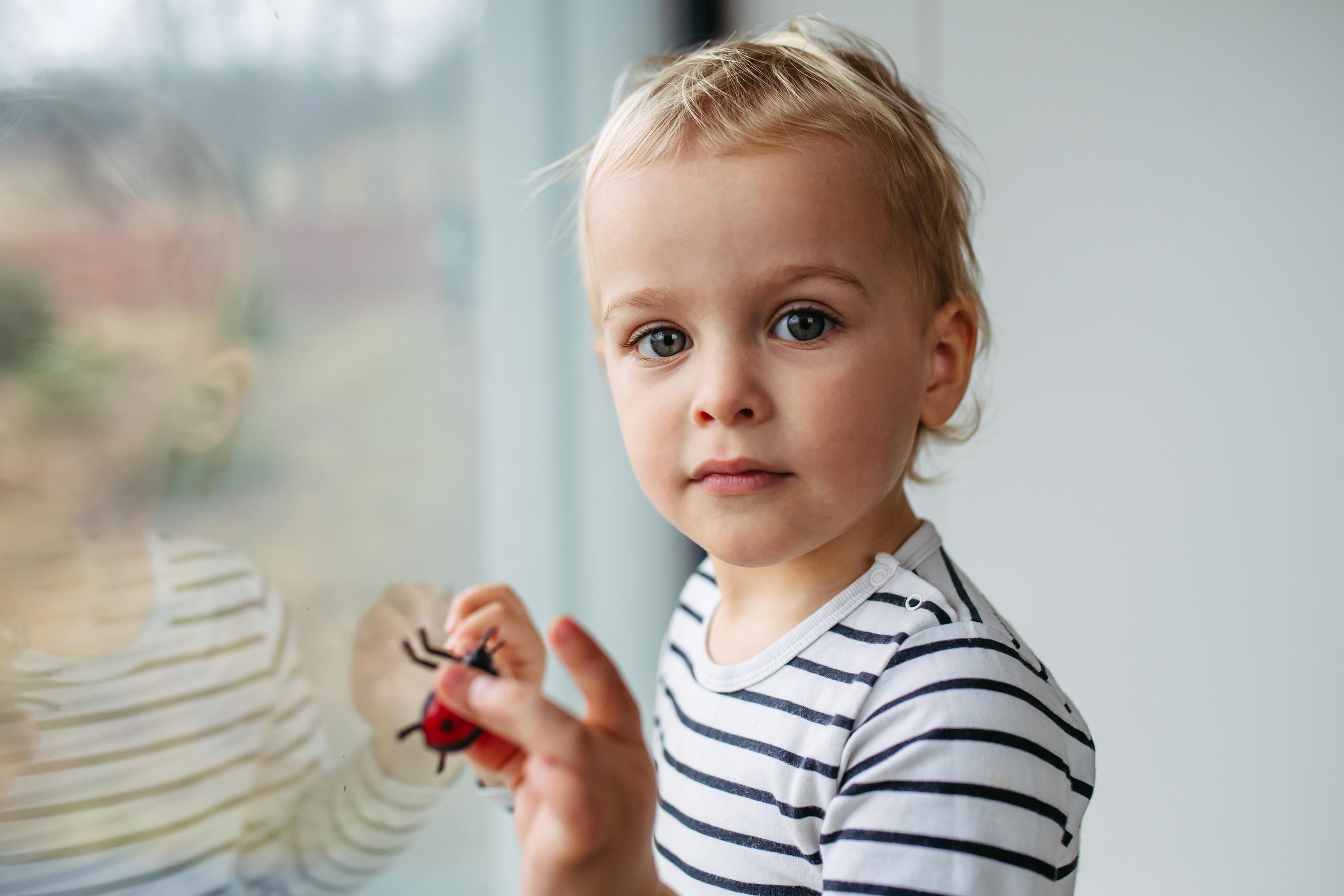
A nurturing environment is essential for effective learning. At Basic Beginnings, our settings are designed to inspire exploration and growth.
Safe Nurturing Environment
Safety and comfort are priorities in our learning spaces. Classrooms are inviting, with materials that encourage exploration. Teachers provide consistent support and guidance. This secure environment allows children to take risks and learn from their experiences, essential for personal growth. Discover more about creating a quality early childhood program here.
Strong Parent-Teacher Partnership
Parents are a child’s first teacher. We believe in collaborating with families to support each child’s learning journey. Regular communication and shared goals ensure that children receive consistent support. Parents are encouraged to participate in school activities and provide input on their child’s development.
Extended Hours and FAA Benefits
Flexibility is key for modern families. Our Nashua location offers extended hours and weekend care, perfect for working parents. Through our partnership with FAA, families receive additional benefits, such as priority placement and flexible care options. This support allows parents to balance work and family life effortlessly.
Frequently Asked Questions
What are the core elements of a quality early learning program?
Core elements include a research-based curriculum, individualized learning plans, and a play-based approach. These ensure comprehensive development across cognitive, social, and emotional domains.
How does Basic Beginnings prepare children for school?
We focus on building school readiness through social-emotional learning, language development, and early math and STEM exploration. These areas lay a strong foundation for future academic success.
What is the importance of a safe learning environment?
A safe environment allows children to explore and learn confidently. It fosters security and encourages children to take educational risks, which are vital for growth.
How does Basic Beginnings support working parents?
Our Nashua location offers extended hours and weekend care. Through our FAA partnership, we provide flexible care options, ensuring families have the childcare solutions they need.
Why is parent-teacher collaboration important?
Collaboration ensures that children’s learning is supported consistently at school and home. It helps tailor education to each child’s needs and strengthens the family-school connection.