Deciding when your child is ready to move to the next classroom can feel overwhelming. You want to be sure they’re growing socially and emotionally while mastering key school readiness skills. At Basic Beginnings, we partner with you and your child’s teacher to spot clear signs of classroom readiness and plan smooth program level transitions that honor your child’s pace. Let’s explore how to recognize these milestones and take confident steps toward their next big adventure.
Recognizing Classroom Readiness
Determining classroom readiness involves understanding various developmental milestones. As your child grows, you’ll notice key changes indicating they might be ready for the next level.
Developmental Milestones to Watch
Children progress at their own pace, but certain milestones suggest readiness for new challenges. By age three, many toddlers can follow simple instructions and engage in pretend play. These milestones show their growing independence and curiosity.
Children’s language skills also advance. They start forming sentences and understanding basic concepts. These skills lay the foundation for future learning, signaling they’re ready for more structured settings.
Signals of Social and Emotional Growth
Social and emotional development is crucial for classroom success. Children who can manage emotions and interact positively are often better prepared for group learning. Look for signs like sharing toys, taking turns, and expressing feelings with words.
These skills not only help in the classroom but also foster friendships. Support your child in developing empathy by encouraging them to recognize others’ feelings. This growth prepares them for collaborative activities and enhances their learning experience.
School Readiness Skills Checklist
A preschool readiness checklist can guide you in assessing your child’s progress. Important skills include recognizing letters, counting, and following multi-step directions. These abilities indicate they’re ready to tackle more complex tasks.
Beyond academic skills, consider behavioral readiness. Can they sit and listen during storytime? Are they comfortable in group settings? Observing these behaviors helps determine their preparedness for the next classroom level.
Partnering with Educators
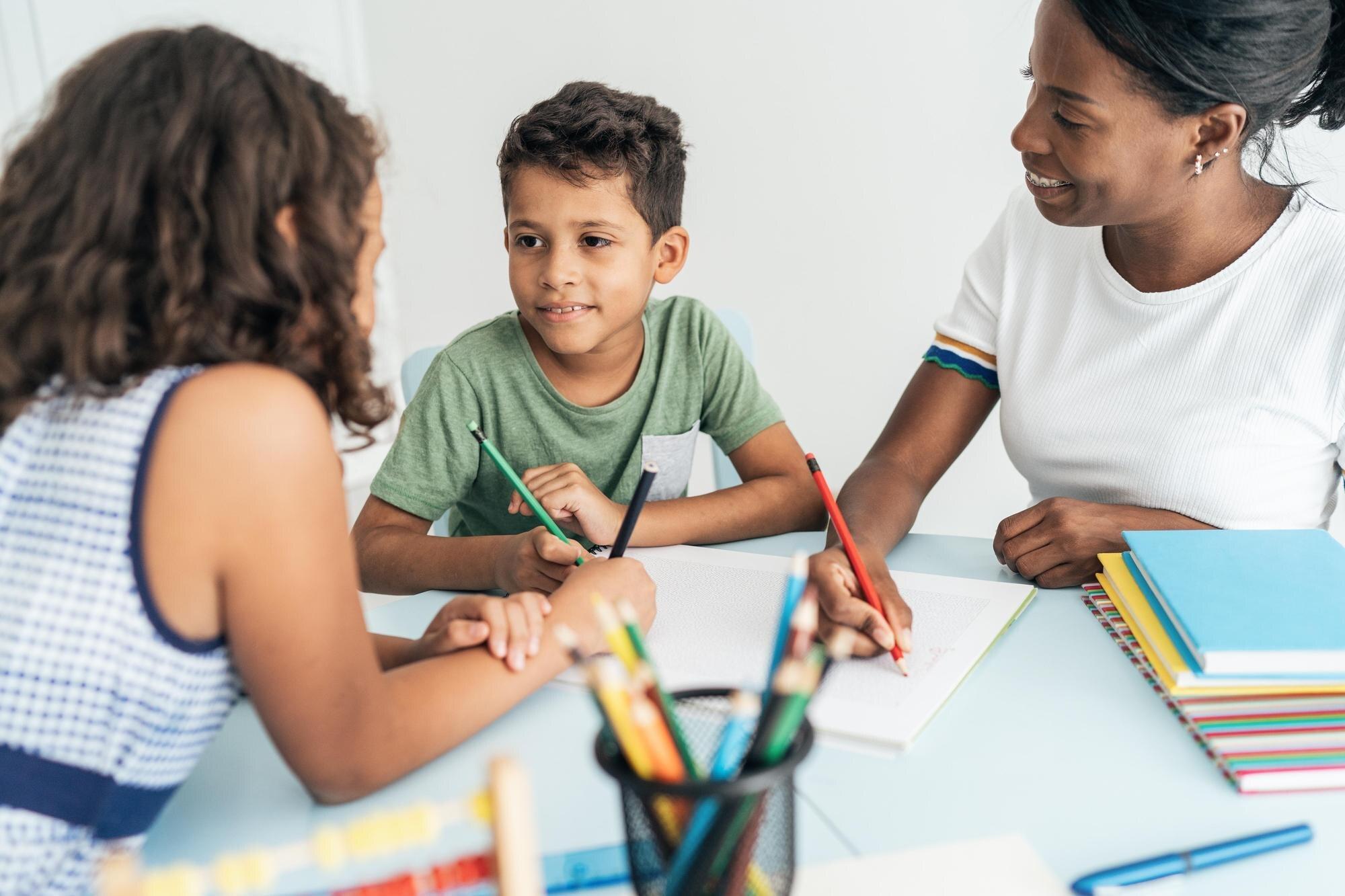
Working with educators creates a seamless transition for your child. A strong parent-teacher partnership ensures your child’s needs are met, fostering a supportive environment.
Building a Strong Parent-Teacher Partnership
Effective communication with teachers is key. Regular updates on your child’s progress can provide valuable insights. You and the teacher can collaboratively support your child’s learning journey.
Parents know their children best. Sharing observations with teachers allows for tailored strategies that align with your child’s unique learning style. This partnership fosters a nurturing learning environment.
Preparing for the Readiness Conversation
Initiating a readiness conversation with educators can feel daunting. Prepare by noting your child’s recent accomplishments and areas needing support. This information guides productive discussions.
During these conversations, discuss potential challenges and solutions. By addressing concerns early, you and the teacher can create a plan to support your child’s transition. This proactive approach eases the change for everyone involved.
Creating Individualized Learning Plans
Individualized learning plans cater to your child’s specific needs. Collaborate with teachers to set achievable goals. These plans outline the skills and experiences essential for your child’s growth.
Monitoring progress through regular check-ins ensures the plan remains effective. Adjustments can be made as needed, keeping your child’s development on track. This tailored approach enhances their learning experience and builds confidence.
Planning Smooth Transitions
Preparing for transitions helps your child adjust comfortably to new environments. By understanding what to expect, you can guide them through this process with ease.
Steps for a Successful Infant to Toddler Transition
Transitioning from infant to toddler programs involves several steps. Start by gradually introducing your child to the new environment. Short visits allow them to become familiar with the setting and staff.
Next, establish a routine similar to the new program. Consistent schedules provide comfort and predictability. Communicate with caregivers about your child’s preferences to ensure a smooth adjustment.
Navigating the Toddler to Preschool Move
Moving from toddler to preschool is a significant step. Encourage independence by allowing your child to choose activities and make small decisions. This empowerment builds confidence.
Familiarize your child with preschool routines. Practice skills like dressing themselves and using the restroom independently. These abilities ease their transition into a more structured learning environment.
Establishing a Pre-K Readiness Plan
Preparing for pre-K involves refining skills your child already possesses. Focus on enhancing language, math, and social skills. Engaging in activities that promote learning through play is effective.
Discuss with educators about aligning activities with pre-K standards. This ensures continuity in learning, setting the stage for a successful transition to kindergarten.
Frequently Asked Questions
What signs indicate my child is ready for the next classroom?
Signs include reaching developmental milestones, showing social and emotional growth, and demonstrating school readiness skills like following directions and interacting positively with peers.
How can I support my child’s transition to a new classroom?
Gradual introductions to the new environment, consistent routines, and open communication with educators help ease transitions. Encourage independence by allowing your child to make small decisions.
How important is a parent-teacher partnership in this process?
A strong parent-teacher partnership is vital for understanding your child’s needs and creating an individualized learning plan. Regular communication ensures a supportive and nurturing learning environment.
What should I discuss during readiness conversations with teachers?
Focus on your child’s strengths, recent accomplishments, and areas needing support. Collaborate on solutions to potential challenges and set achievable goals for the transition.
How can I prepare my child for a move to preschool?
Encourage independence, familiarize them with preschool routines, and practice skills like dressing and using the restroom independently. Engaging activities that promote learning through play can also help.