Finding a safe early childhood classroom can feel overwhelming, especially when you want a nurturing preschool where your child will truly thrive. You want clear signs that show safety, care, and quality learning at every turn. In this post, you’ll learn 12 essential indicators to watch for during your daycare or preschool tour—so you can feel confident choosing the right place for your little one. For further guidance, you can explore this resource to understand more about creating nurturing learning environments.
Key Safety Features
When choosing a preschool, understanding safety measures is crucial. You’ll want to know exactly how each program ensures your child’s well-being.
Teacher–Child Ratios Explained
A low teacher-to-child ratio is important. It means more attention for each child, which can prevent accidents and enhance learning. Typically, a ratio of one adult for every four infants or one for every ten preschoolers is optimal. Such ratios ensure that teachers can focus on your child’s needs effectively. This means more time for individual interaction and support during play and learning. Ask about these ratios during your tour to get a sense of how personal interactions are prioritized.
Preschool Safety Checklist Essentials
Safety in a preschool goes beyond supervision. Look for secure entry systems and well-maintained play areas. You’ll want to see first-aid kits and staff trained in CPR and emergency procedures. An organized and clean environment speaks volumes about a program’s commitment to safety. Consider this: if children feel safe, they are more likely to explore and learn with confidence. Discuss these elements during your visit to understand the school’s safety culture fully. For a more comprehensive guide, check out the NAEYC’s family resources.
Nurturing Environment Qualities
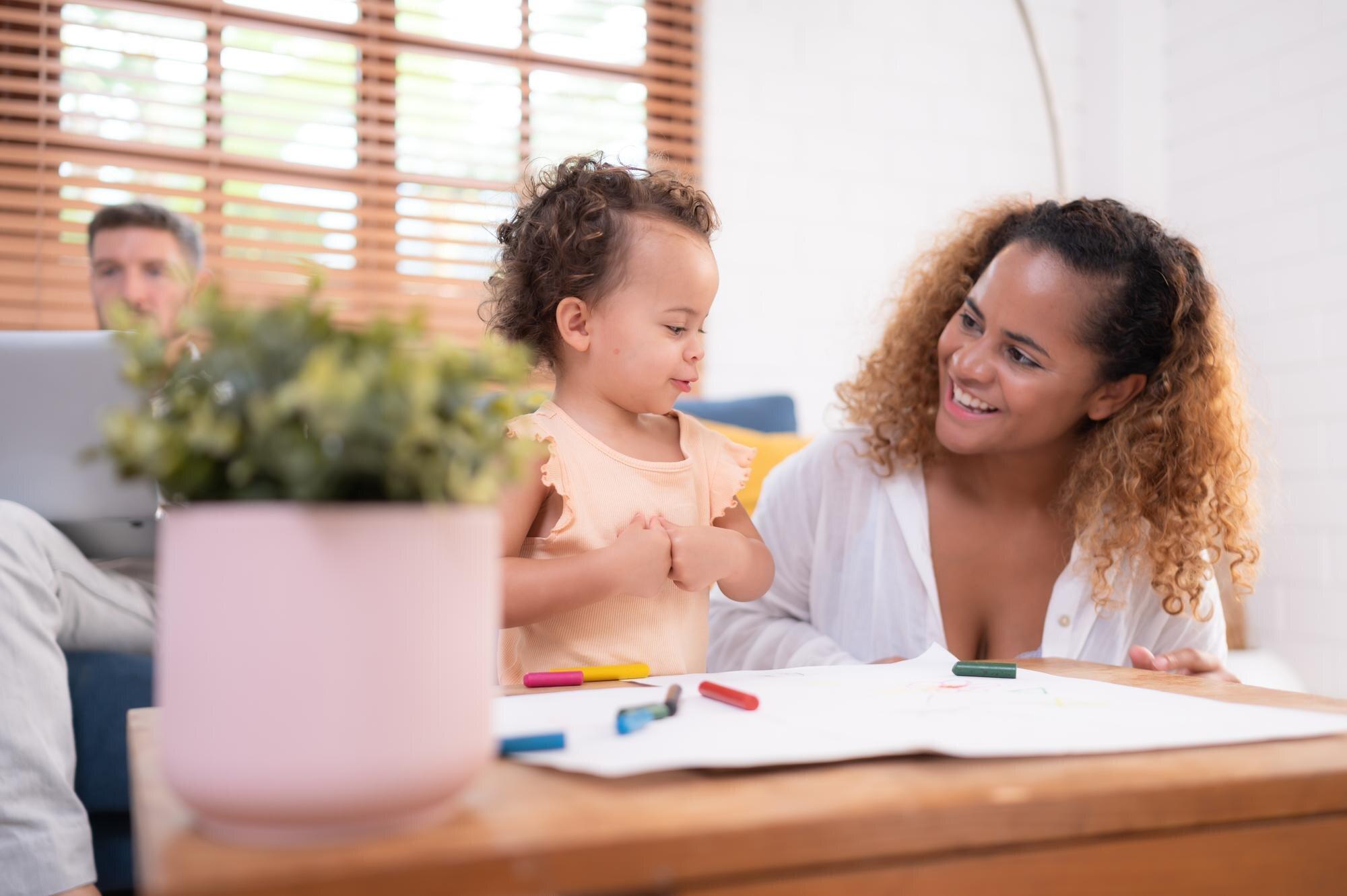
Moving from safety, the emotional and developmental growth of your child is just as important in a preschool setting.
Signs of Social–Emotional Learning
Social-emotional learning is key to a child’s development. Look for classrooms where teachers encourage sharing, empathy, and problem-solving. Activities that promote these skills prepare children for social situations. Teachers should model positive behavior and provide opportunities for children to work together. Such experiences help kids develop emotional intelligence and resilience. Notice how teachers interact with students and how students interact with each other to gauge the program’s emphasis on these skills.
Importance of a Parent–Teacher Partnership
A solid parent-teacher partnership enhances your child’s learning. Schools that value your input can adapt to your child’s unique needs. Regular communication with teachers helps build a supportive network around your child. Look for schools that offer parent-teacher meetings and updates on your child’s progress. This collaboration supports your child’s development and reassures you that they are in good hands. For more insights, consider reading about the importance of supportive learning environments.
Learning and Development Focus
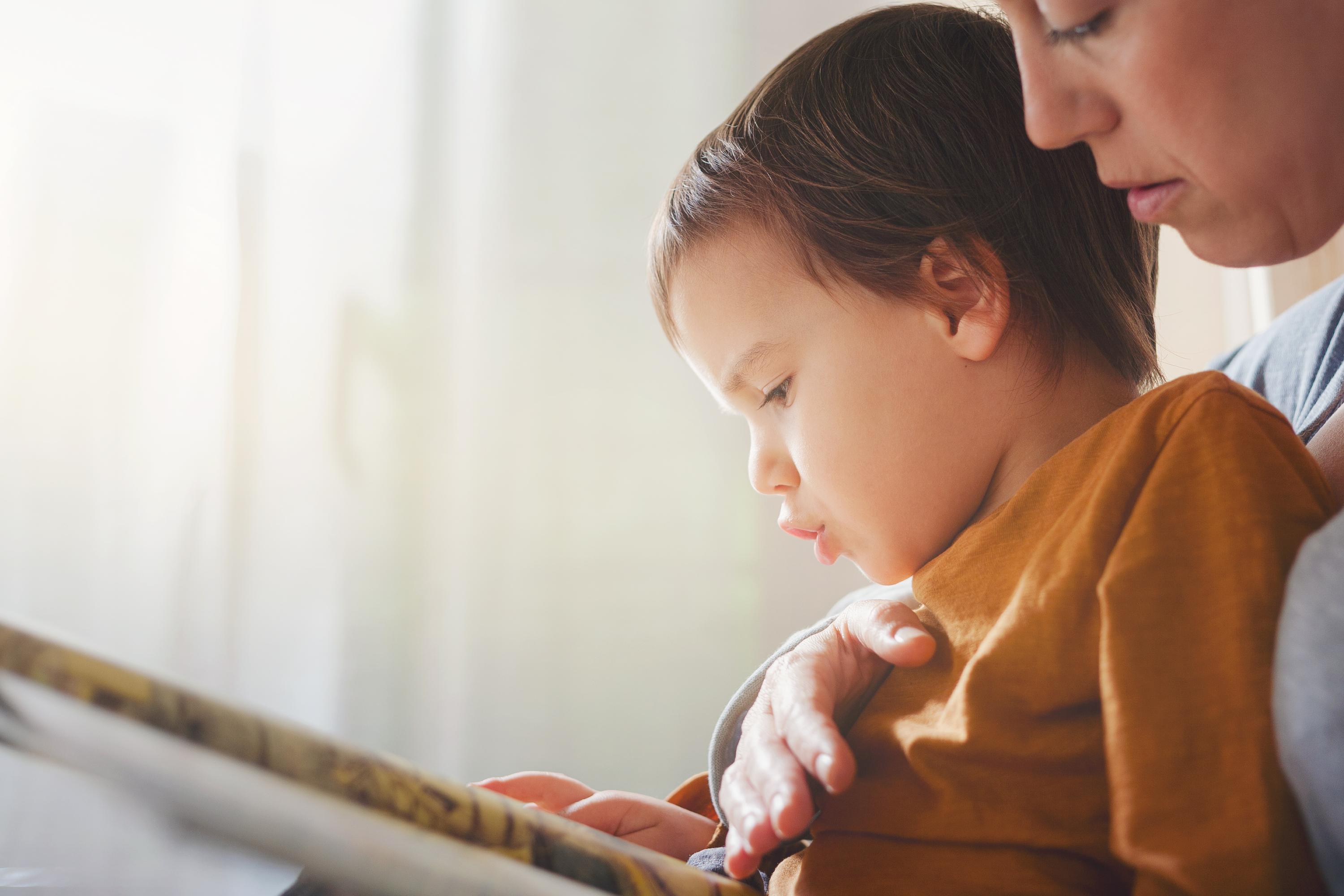
Finally, focusing on learning and development is crucial to ensure your child is prepared for future educational challenges.
Infant and Toddler Program Highlights
Early childhood programs should cater to infants’ and toddlers’ developmental milestones. Look for activities that promote sensory and motor skill development. For infants, this might include facilitated tummy time or exploration of textured toys. Toddlers benefit from activities that involve sorting, building, and imaginative play. These activities help develop cognitive and physical skills. Ensure the program provides age-appropriate experiences that stimulate growth and curiosity.
Ensuring Pre-K Readiness
A quality preschool prepares children for kindergarten. Look for programs with a curriculum that includes basic math, reading, and science exploration. Activities like storytime, counting games, and nature walks can develop these skills. Teachers should provide feedback and encouragement, building confidence in learning. When children are engaged and excited about learning, they’re more likely to carry that enthusiasm into kindergarten. Scheduling a tour can help you see firsthand the focus on readiness for school.
Frequently Asked Questions
What is a good teacher–child ratio for preschools?
A good teacher-to-child ratio is crucial for effective supervision and personalized attention. Ideally, one adult for every four infants or one for every ten preschoolers ensures each child receives the care and guidance they need.
How can I assess a preschool’s safety measures during a tour?
During a preschool tour, look for secure entry systems, well-maintained play areas, and visible safety equipment like first-aid kits. Ask staff about their emergency procedures and training, such as CPR, to ensure comprehensive safety measures.
Why is a parent-teacher partnership important in early childhood education?
A strong parent-teacher partnership allows for better communication and collaboration, tailoring the educational experience to your child’s needs. It ensures that parents are involved in their child’s development and can provide input that supports their learning journey.