Top Strategies to Foster Social and Emotional Development in Preschoolers
Building your child’s social and emotional skills in preschool sets the stage for healthy relationships and confident learning. At Basic Beginnings, we share proven strategies to support social and emotional development preschoolers need—both at home and in our classrooms. You’ll learn how positive guidance and play-based learning create a safe nurturing environment where your child can thrive. Keep reading to find practical ways to partner with us and prepare your little one for school readiness. For more information, visit this guide.
Building Social Skills at Home
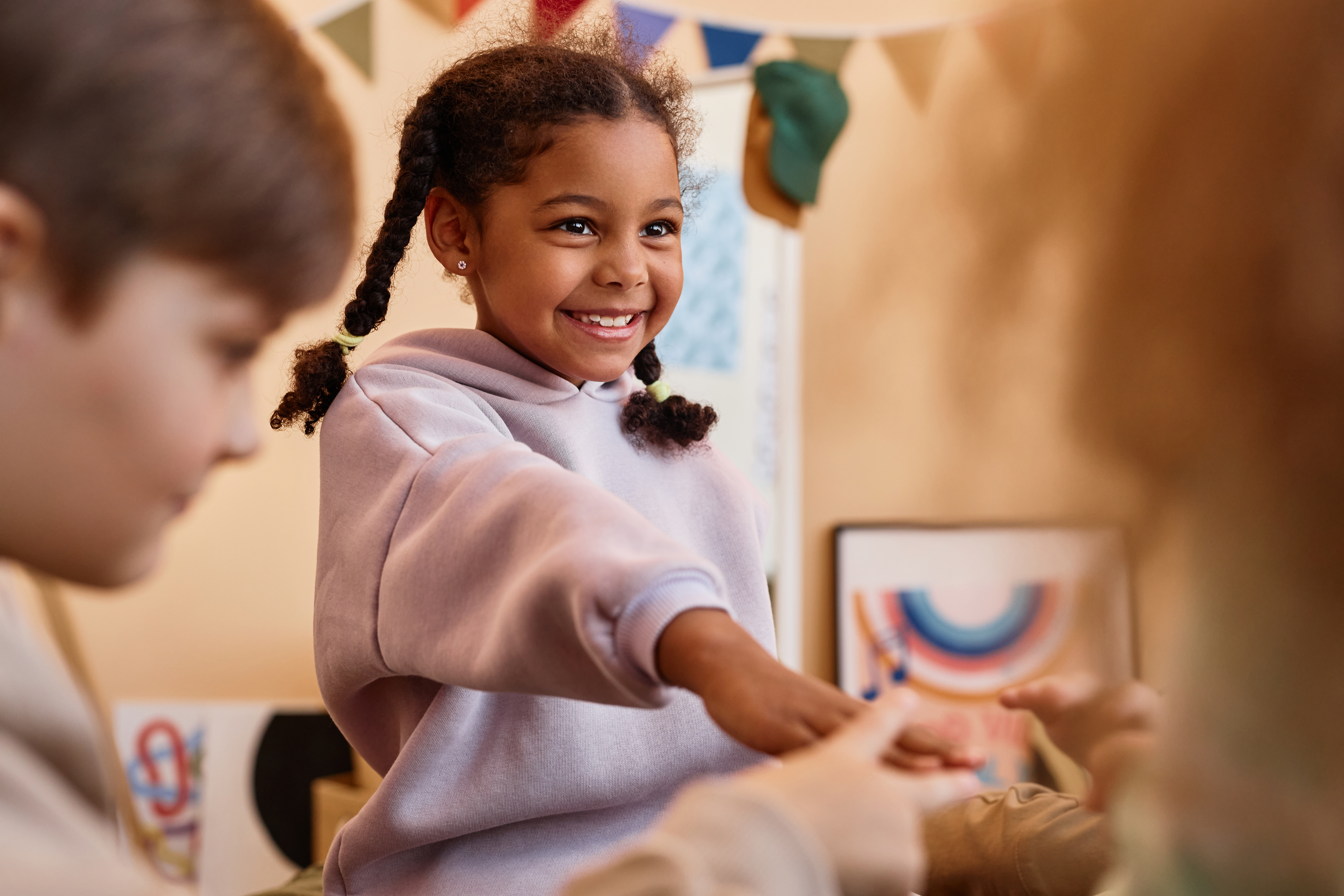
Creating a supportive environment for your child starts at home. By engaging in activities that promote social skills, you lay the groundwork for positive interactions and friendships.
Encouraging Cooperative Play
Cooperative play is more than just fun; it’s essential for developing teamwork. Invite your child to play games that require taking turns. This helps them understand patience and sharing. For example, board games or simple ball games can teach these values.
Involvement in group activities also builds confidence. Encourage your child to join neighborhood games or family activities. These settings give them the chance to practice social skills in a safe environment. Remember, every game is an opportunity for growth.
Positive Guidance Techniques
Positive guidance is about leading your child with kindness. It involves setting clear expectations and supporting them through mistakes. Use phrases that focus on actions, like “Please walk inside,” rather than “Don’t run.” This simple shift can make a big difference.
Consistency in your approach is key. When children know what to expect, they feel secure and confident. Reinforcing good behavior with praise gives them a sense of accomplishment. “I love how you shared your toys today” can go a long way in building their self-esteem.
Emotional Growth in the Classroom
When your child enters a classroom, they step into a new world of emotions and experiences. At Basic Beginnings, we focus on creating environments that promote emotional growth.
Play-Based Learning Benefits
Play is a powerful tool for learning. It allows children to explore and understand emotions naturally. Through play, kids learn empathy and problem-solving skills. For instance, role-playing different scenarios lets them see things from others’ perspectives.
Play-based learning also improves cognitive skills. It encourages curiosity and creativity, essential elements for emotional development. As children engage in play, they learn to express and manage their feelings more effectively. For more insights, check out this article.
Nurturing a Safe Environment
A safe environment is crucial for emotional well-being. In our classrooms, we prioritize safety and inclusivity. Children thrive when they feel safe and accepted. We foster a culture where every child is valued.
Creating this space involves more than physical safety. We emphasize emotional security by encouraging open communication. Children are taught to express themselves and listen to others. This builds trust and respect, forming the foundation for lifelong relationships.
Strengthening the Parent–Teacher Partnership
Your involvement in your child’s education is crucial. A strong partnership between parents and teachers enhances learning and development.
Setting Individualized Learning Goals
Every child is unique, and their learning paths should reflect that. Work with teachers to set personalized goals. This ensures your child receives the attention and resources they need.
Individualized goals also keep you informed about your child’s progress. Regular updates from teachers can guide you in supporting learning at home. Together, you and the school can create a consistent learning experience, tailored to your child’s needs. Discover more about this approach here.
Effective Communication Strategies
Good communication is the backbone of any partnership. Establishing open lines with your child’s teacher can make a world of difference. Regular meetings and updates keep everyone on the same page.
Be proactive in reaching out. Share observations from home and be open to feedback. This collaboration ensures that your child receives comprehensive support both at school and at home. Remember, the goal is a unified effort to nurture your child’s growth.
🌟
By fostering social and emotional development at home and in the classroom, you’re setting your child up for success. These strategies provide a comprehensive approach to nurturing well-rounded, confident learners. Explore more strategies here.